
Crafting the Perfect Ember Tetra Haven: Dark Substrates & Lush Plant Life

Welcome to Aquarium Mastery!
Ever wondered how to create a truly thriving environment for your Ember Tetras? Dive in and discover the secrets to crafting the perfect haven, from selecting the ideal dark substrate to cultivating lush plant life. This guide to Ember Tetra tank setup will unlock the key to vibrant colors and happy fish. Let's explore how to turn your aquarium dreams into reality!
- Understanding Ember Tetras: A Guide to Hyphessobrycon amandae
- Essential Elements of an Ideal Ember Tetra Tank Setup
- Choosing the Right Substrate for Your Ember Tetra Aquarium
- The Importance of Plant Life in an Ember Tetra Tank
- Creating a Natural and Stimulating Environment
- Step-by-Step Guide to Setting Up Your Ember Tetra Tank
- Introducing Ember Tetras to Their New Home
- Maintaining a Healthy Ember Tetra Aquarium
- Troubleshooting Common Ember Tetra Tank Issues
- Ember Tetra Tank Mates: Choosing Compatible Species
- The Beauty of a Well-Maintained Ember Tetra Tank
-
Frequently Asked Questions
- What size tank is ideal for an Ember Tetra tank setup?
- Why is a dark substrate recommended for an Ember Tetra tank?
- What types of plants are best suited for an Ember Tetra tank setup?
- How important is water chemistry when setting up an Ember Tetra tank?
- What are some common issues to watch out for in an Ember Tetra tank setup?
- Final Reflection: Illuminating the Ember's World
- Cultivate Your Ember Tetra Paradise!
Understanding Ember Tetras: A Guide to Hyphessobrycon amandae
Ember Tetra Natural Habitat and Behavior
Ember tetras, scientifically known as Hyphessobrycon amandae, originate from the slow-moving, clear to blackwater tributaries and floodplains of the Araguaia River basin in Brazil. Their natural habitat is characterized by dense submerged and emergent vegetation, leaf litter, and root systems that provide ample cover and dim lighting. These environments are typically soft, acidic, and tannin-stained, reflecting the decomposition of organic matter.
These diminutive fish, typically reaching a maximum size of about 0.8 inches (approximately 2 centimeters), are known for their strong schooling behavior. In the wild, they form large groups, often exceeding 20 individuals, which provides protection from predators and aids in foraging. Ember tetras are peaceful and spend most of their time in the middle to upper water columns, darting among plants and searching for small invertebrates.
Why Ember Tetras Thrive in Specific Tank Conditions
Replicating the Ember tetra's natural environment within an aquarium is paramount for their health, vibrancy, and longevity. A proper Ember tetra tank setup that mimics their blackwater, densely planted origins significantly reduces stress, which is a primary factor in fish susceptibility to disease. When provided with a dark substrate and lush plant life, their vibrant orange-red coloration intensifies, becoming truly spectacular.
Furthermore, a well-designed habitat encourages natural behaviors such as schooling, foraging, and even breeding. The sense of security provided by ample cover and subdued lighting allows Ember tetras to exhibit their full range of social interactions and exploratory behaviors, rather than remaining hidden or stressed. This attention to detail in their living conditions directly translates to a healthier, more active, and visually appealing display of these charming fish.
Essential Elements of an Ideal Ember Tetra Tank Setup
Tank Size Considerations for Ember Tetra Schooling
While some sources suggest a 5-gallon tank as a minimum for a very small school, for a thriving Ember tetra tank setup, a 10-gallon (approximately 38 liters) aquarium is generally considered the absolute minimum for a school of 6-10 individuals. However, for optimal schooling behavior, better water stability, and the ability to house a larger, more impactful school, a 15 to 20-gallon (57-76 liters) tank is highly recommended.
Larger tanks offer significantly more benefits. A 20-gallon long tank, for instance, provides ample horizontal swimming space, which is crucial for these active schooling fish. This increased volume also contributes to greater water parameter stability, making it easier to maintain consistent temperatures and water chemistry, thereby reducing the chances of sudden fluctuations that can stress Ember tetras. A larger tank also allows for a more substantial school, perhaps 15-20 Ember tetras, which enhances their natural schooling dynamics and visual appeal.
Water Parameters: Maintaining Optimal Conditions for Ember Tetras
Temperature and pH for Ember Tetra Wellbeing
Maintaining precise and stable water parameters is critical for the health of Ember tetras. Their preferred temperature range is between 73-80°F (23-27°C). A consistent temperature within this range, ideally achieved with a reliable aquarium heater, prevents thermal shock and supports their metabolic processes. Fluctuations outside this range can weaken their immune system and make them prone to illness.
Ember tetras thrive in slightly acidic to neutral water, with an ideal pH range of 5.5-7.0. Many aquarists aim for a pH between 6.0 and 6.8 to best replicate their natural blackwater environments. While slight variations within this range are acceptable, sudden shifts in pH should be avoided at all costs. The use of blackwater extracts, peat filtration, or specific aquarium soils can help naturally lower and stabilize pH within this desired range.
Water Hardness and Ammonia Levels in Ember Tetra Tanks
Regarding water hardness, Ember tetras prefer soft to moderately hard water, with a general hardness (GH) of 5-12 dGH (approximately 89-214 ppm). Carbonate hardness (KH) is also important for buffering pH and should ideally be maintained between 2-6 dKH to prevent drastic pH swings. Tap water can often be adjusted using reverse osmosis (RO) water mixed with minerals or by incorporating natural elements like driftwood and peat.
Crucially, ammonia and nitrite levels must always be at 0 ppm in an Ember tetra tank setup. These compounds are highly toxic to fish and are products of the nitrogen cycle. Nitrates, the end product of the nitrogen cycle, should be kept below 20 ppm through regular water changes and efficient filtration. Consistent monitoring with a reliable liquid test kit is indispensable for ensuring these critical parameters remain within safe limits.
Choosing the Right Substrate for Your Ember Tetra Aquarium
The Benefits of Dark Substrates for Ember Tetras
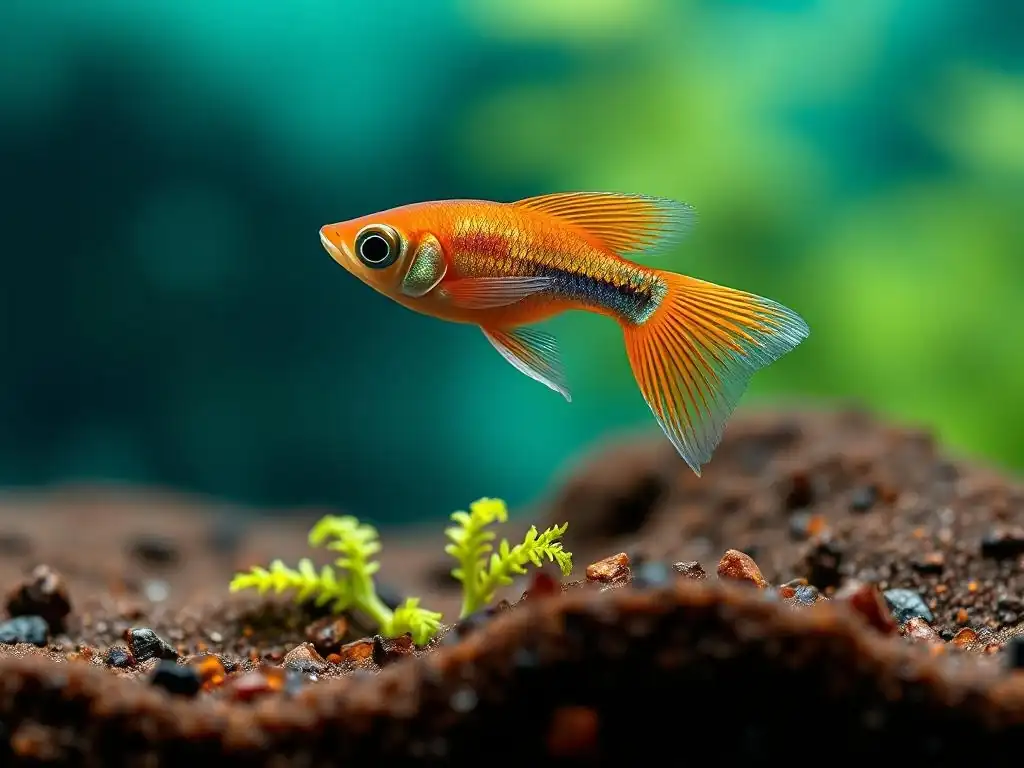
The choice of substrate plays a significant role in the well-being and appearance of Ember tetras. Dark substrates, such as black or dark brown sand or fine gravel, are highly beneficial. They effectively mimic the dark, often leaf-littered bottoms of their natural blackwater habitats. This visual similarity provides Ember tetras with a profound sense of security, making them feel less exposed and vulnerable.
Furthermore, a dark substrate helps to enhance the Ember tetras' vibrant coloration. Against a dark background, their characteristic orange-red hues appear more intense and striking, as their bodies naturally "color up" to blend with or stand out against their environment. This psychological comfort and visual enhancement are key reasons why dark substrates are a foundational element of an optimal Ember tetra tank setup, promoting natural behavior and reducing stress.
Comparing Substrate Options: Soil, Gravel, and Sand
When selecting a substrate for an Ember tetra tank setup, several options offer distinct advantages. Planted aquarium soils (e.g., ADA Aquasoil, Fluval Stratum) are an excellent choice, especially if you plan on a heavily planted tank. These soils are rich in nutrients, promote robust plant growth, and often have properties that buffer the water to a slightly acidic pH, which aligns perfectly with Ember tetra preferences.
Fine sand, such as black blasting sand or pool filter sand, is another viable option. It provides a natural look and is gentle on any potential bottom-dwelling tank mates. Sand is also easy to clean, as detritus tends to settle on top rather than sinking in. However, sand itself provides no nutrients for plants, necessitating the use of root tabs or liquid fertilizers. Dark gravel is acceptable but less ideal; it can be harder for plant roots to penetrate and may trap more detritus, requiring more thorough vacuuming.
Substrate Depth and Nutrient Considerations
For a thriving planted Ember tetra tank setup, a substrate depth of 2-3 inches (approximately 5-7.5 centimeters) is generally recommended. This depth allows ample room for plant roots to establish and spread, ensuring they can anchor themselves securely and access nutrients. For tanks with minimal or no live plants, a shallower depth of 1-2 inches (2.5-5 cm) might suffice, primarily serving aesthetic purposes and providing a base for the tank's decor.
If you opt for an inert substrate like sand or gravel, it is crucial to consider nutrient supplementation for your plants. Root tabs, which are small fertilizer pellets inserted into the substrate near plant roots, are highly effective for heavy root feeders. Additionally, liquid fertilizers can be dosed into the water column to provide micronutrients for all plants. If using a nutrient-rich planted soil, it typically provides sufficient nutrients for 1-2 years before supplementation might become necessary.
The Importance of Plant Life in an Ember Tetra Tank
Selecting Suitable Plants for an Ember Tetra Biotope
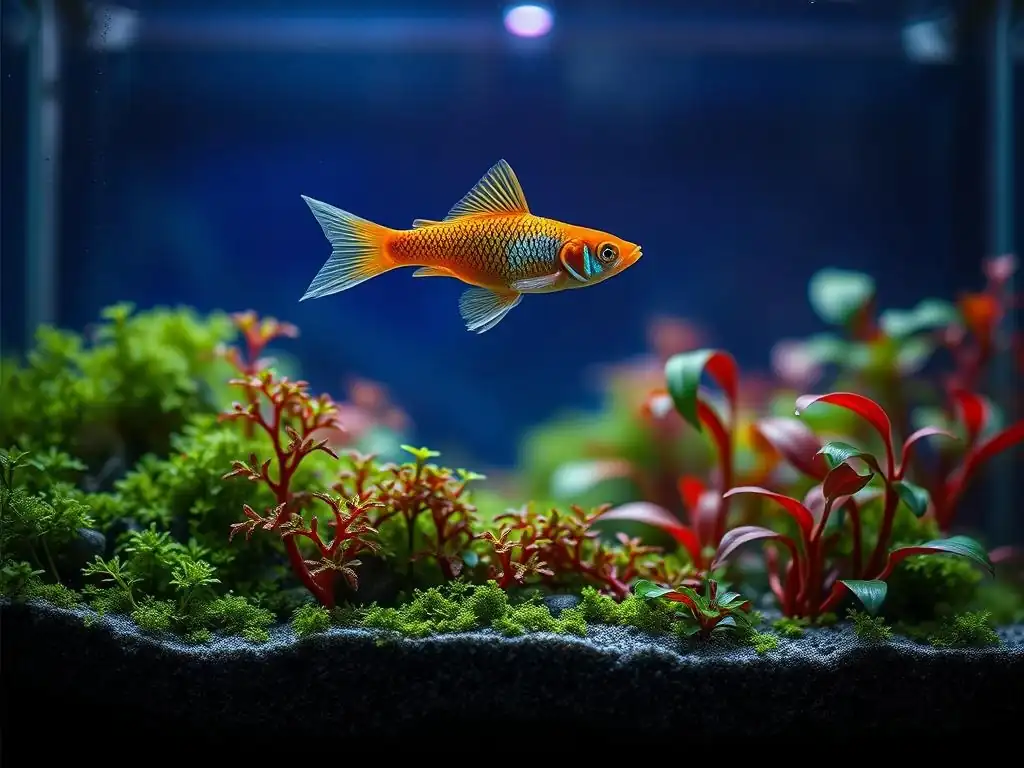
Live plants are not merely decorative in an Ember tetra tank setup; they are integral to creating a healthy and natural biotope. They provide essential hiding spots, which are crucial for these small, often shy fish, helping them feel secure and reducing stress. Beyond aesthetics, plants absorb nitrates, helping to maintain pristine water quality, and release oxygen, contributing to a stable and healthy aquatic environment.
When selecting plants, consider species that thrive in similar water parameters to Ember tetras and can tolerate subdued lighting. Excellent choices include Anubias species, Java Fern, various Cryptocorynes, Amazon Swords, and stem plants like Hornwort or Water Sprite. These plants help replicate the dense vegetation found in their natural Amazonian habitat, encouraging natural schooling and foraging behaviors.
Low-Light Plant Options for Ember Tetra Aquariums
For an Ember tetra tank setup, which benefits from dimmer lighting to reduce stress and enhance coloration, selecting low-light plants is practical and effective. Java Fern ( Microsorum pteropus) is an excellent choice, known for its hardiness and ability to attach to driftwood or rocks rather than being planted in the substrate. Similarly, Anubias species ( Anubias barteri nana, Anubias coffeefolia) are robust, slow-growing, and prefer to have their rhizomes above the substrate, making them ideal for attaching to hardscape.
Cryptocoryne species ( Cryptocoryne wendtii, Cryptocoryne lutea) are also fantastic low-light options that root well in the substrate and provide dense foliage. These plants are relatively undemanding and contribute significantly to creating the lush, sheltered environment Ember tetras prefer. Their presence helps absorb excess nutrients, further contributing to stable water parameters and a healthy aquatic ecosystem.
Floating Plants for Shading and Security
Floating plants are an invaluable addition to an Ember tetra tank setup for several reasons. They naturally dim the light entering the aquarium, creating the subdued, shaded conditions that Ember tetras prefer and which mimic their wild habitat. This reduced light intensity helps to alleviate stress and encourages the fish to display their most vibrant colors, as they feel more secure in a less exposed environment.
Popular choices for floating plants include Dwarf Water Lettuce ( Pistia stratiotes), Red Root Floaters ( Phyllanthus fluitans), and Amazon Frogbit ( Limnobium laevigatum). Beyond shading, these plants offer crucial top-level cover, providing a sense of security for species that might otherwise be shy. They also play a vital role in nutrient export, absorbing excess nitrates and phosphates from the water column, which contributes to overall water quality but may require thinning if they grow too dense and block light to submerged plants.
Planting Techniques for a Thriving Ember Tetra Ecosystem
Effective planting techniques are crucial for establishing a healthy and aesthetically pleasing Ember tetra ecosystem. When arranging plants, consider creating a sense of depth and natural flow. Taller, more background-oriented plants like Amazon Swords or Vallisneria should be placed at the rear of the tank, while shorter, foreground plants like Dwarf Sagittaria can create a carpet effect towards the front. Grouping plants in dense clusters provides the best hiding spots and visual impact.
For rhizome plants such as Anubias and Java Fern, it is critical not to bury the rhizome (the thick horizontal stem from which leaves and roots grow) in the substrate, as this will cause it to rot. Instead, these plants should be attached to driftwood or rocks using fishing line or super glue gel until their roots can anchor themselves. For root-feeding plants, ensure the substrate is deep enough and consider adding root tabs during the initial setup and as part of ongoing maintenance to provide essential nutrients.
Creating a Natural and Stimulating Environment
Hardscape Elements: Driftwood and Rocks for Ember Tetras
Beyond plants and substrate, hardscape elements significantly contribute to creating a natural and stimulating environment for Ember tetras. Driftwood is perhaps the most beneficial hardscape choice. It mimics the fallen branches and roots found in their natural habitat, providing additional hiding spots and visual breaks. Many types of driftwood, such as Malaysian or Manzanita wood, also release tannins into the water, which can subtly stain the water a tea-like color, further replicating blackwater conditions and potentially lowering pH slightly.
Rocks can also be incorporated, but choose smooth, inert types like lava rock or certain river stones that won't leach minerals and drastically alter water chemistry, especially if you are aiming for soft, acidic water. Rocks can provide additional structure, anchor points for plants, and create interesting visual contours within the Ember tetra tank setup. Ensure all hardscape is thoroughly cleaned and pre-soaked if necessary to remove any impurities.
Replicating the Ember Tetra's Natural Habitat
The goal of an optimal Ember tetra tank setup is to replicate their natural habitat as closely as possible, creating a biotope that meets their physical and psychological needs. This involves a holistic approach: combining a dark substrate to enhance their color and security, dense planting with both submerged and floating species for cover and water quality, and the strategic placement of driftwood to provide natural structure and tannins.
Dim lighting, achieved through lower wattage LEDs or the generous use of floating plants, further enhances the sense of a shaded, natural environment. By meticulously designing these elements, the aquarium transforms into a low-stress, visually appealing, and biologically stable ecosystem. This thoughtful approach ensures that your Ember tetras not only survive but truly thrive, exhibiting their full range of natural behaviors and vibrant beauty.
Step-by-Step Guide to Setting Up Your Ember Tetra Tank
Preparing Your Tank and Substrate
The first step in establishing your Ember tetra tank setup is thorough preparation. Begin by cleaning the aquarium itself. Use only plain water and a clean cloth or sponge; avoid any soaps, detergents, or chemical cleaners, as residues can be highly toxic to fish. Rinse the tank meticulously to ensure no dust or debris remains.
Next, prepare your chosen substrate. If using sand or gravel, rinse it thoroughly under running water until the water runs clear. This removes fine dust and impurities that can cloud your tank. For planted soils, follow the manufacturer's instructions, which often involve a gentle rinse or no rinse at all. Once cleaned, carefully place the substrate evenly across the bottom of the tank, aiming for the recommended 2-3 inches (5-7.5 cm) depth for planted setups.
Planting and Arranging Decorations
With the substrate in place, the next phase involves planting and arranging your hardscape elements. It's often easier to add water to the tank only up to a few inches above the substrate level before planting. This allows you to easily maneuver plants and decorations without floating them away. Arrange your driftwood and rocks, ensuring they are stable and provide ample hiding spots or anchor points for plants.
Once the hardscape is set, proceed with planting. Create dense clusters of plants, placing taller species towards the back and shorter ones in the foreground. After planting, slowly fill the remainder of the tank with dechlorinated water, using a plate or plastic bag on the substrate to diffuse the water flow and prevent disturbing your carefully arranged plants and substrate. Finally, install your filter, heater, and lighting system.
Cycling the Tank Before Introducing Ember Tetras
The most critical step before introducing any fish, especially Ember tetras, is to properly cycle the tank. This process establishes a beneficial bacterial colony that converts toxic ammonia (from fish waste and decaying food) into less harmful nitrates. The most recommended method is a "fishless cycle," which typically takes 4-6 weeks.
To perform a fishless cycle, you can add a small amount of pure ammonia solution or a pinch of fish food daily to provide an ammonia source for the bacteria. Use a liquid test kit to monitor ammonia, nitrite, and nitrate levels daily. The cycle is complete when both ammonia and nitrite levels consistently read 0 ppm, and nitrates are present. This stable environment is absolutely essential for the survival and long-term health of your Ember tetras in their new setup.
Introducing Ember Tetras to Their New Home
Acclimation Techniques for Ember Tetras
Once your Ember tetra tank setup is fully cycled and parameters are stable, it's time to introduce your new fish. Proper acclimation is crucial to minimize stress and prevent shock from changes in water temperature, pH, and chemistry. The drip acclimation method is highly recommended for sensitive species like tetras.
To drip acclimate, float the sealed bag containing the fish in your tank for 15-20 minutes to equalize temperature. Then, open the bag, secure it to the side of the tank, and use airline tubing to siphon water from your main tank into the bag, creating a slow drip (e.g., 1-2 drips per second). Allow this process to continue for 30-60 minutes, gradually mixing the tank water with the bag water. Once acclimated, gently net the Ember tetras and release them into the tank, discarding the bag water to avoid introducing any potentially harmful substances.
Monitoring New Ember Tetras for Stress
After introducing your Ember tetras, it's important to closely monitor them for signs of stress during their first few days in their new Ember tetra tank setup. Common indicators of stress include clamped fins, darting erratically, excessive hiding, loss of vibrant coloration, or rapid breathing. It's normal for them to be a bit shy initially as they explore their new surroundings.
To help them settle in, keep the aquarium lights dim for the first 24-48 hours. Ensure there are plenty of hiding spots and dense plant cover available. Avoid overfeeding and limit disturbances to the tank during this period. If stress symptoms persist beyond a few days, re-test your water parameters immediately to ensure they are still optimal, as poor water quality is a primary stressor for fish.
Maintaining a Healthy Ember Tetra Aquarium
Regular Water Changes and Tank Cleaning
Consistent maintenance is key to a healthy and thriving Ember tetra tank setup. Regular water changes are the cornerstone of good aquarium husbandry. A general guideline is to perform a 20-25% water change weekly or bi-weekly, depending on your tank's stocking density, filtration efficiency, and plant mass. During water changes, use a gravel vacuum to remove detritus and uneaten food from the substrate, paying attention to areas around decorations and plants where debris can accumulate.
Always use a high-quality dechlorinator or water conditioner when adding new water to neutralize chlorine and chloramines, which are harmful to fish and beneficial bacteria. Regular water changes remove nitrates, replenish essential trace minerals, and help maintain stable water chemistry, preventing the buildup of toxins that can stress Ember tetras and lead to health issues.
Feeding Your Ember Tetras a Balanced Diet
Ember tetras are omnivores and require a varied, balanced diet to maintain their health and vibrant coloration. High-quality flake food or micro-pellets formulated for small tropical fish should form the staple of their diet. Supplement this with live or frozen foods such as daphnia, brine shrimp, and finely chopped bloodworms several times a week. These provide essential proteins and nutrients that enhance their vitality.
Feed your Ember tetras small amounts 2-3 times daily, only offering what they can consume within 2-3 minutes. Overfeeding is a common mistake that can lead to numerous problems, including poor water quality due to uneaten food decaying, and potential health issues for the fish themselves, such as swim bladder problems. Observe their feeding behavior to ensure all fish are getting enough food and adjust quantities as needed.
Identifying and Treating Common Ember Tetra Diseases
Ember tetras, while generally hardy, can be susceptible to common freshwater fish diseases, often triggered by poor water quality, stress, or the introduction of sick fish. Common ailments include Ich (white spot disease), characterized by small white spots resembling salt grains on the fish's body and fins; Fin Rot, which causes the fins to appear frayed or ragged; and Velvet, a parasitic infection that gives the fish a dusty, gold or brown appearance.
Prevention is always the best approach: maintain pristine water quality through regular water changes, avoid overstocking, quarantine all new fish for at least 2-4 weeks before adding them to your main Ember tetra tank setup, and provide a low-stress environment. If disease occurs, identify symptoms early. For mild cases, improving water quality often helps. For more severe infections, specific medications may be required, always following dosage instructions carefully and considering the impact on invertebrates or plants.
Troubleshooting Common Ember Tetra Tank Issues
Dealing with Algae Growth
Algae growth is a common issue in aquariums, and while a small amount is natural, excessive bloom can indicate an imbalance in your Ember tetra tank setup. The primary causes are usually too much light, excess nutrients (high nitrates or phosphates), overfeeding, or insufficient plant mass to outcompete algae for nutrients.
To combat algae, first, assess your lighting schedule; reduce it to 6-8 hours per day. Perform regular water changes to lower nitrate and phosphate levels. Ensure you are not overfeeding your fish. Introduce fast-growing live plants to outcompete algae for available nutrients. If compatible with your Ember tetras and tank size, consider adding algae-eating invertebrates like Nerite snails or Amano shrimp, which are excellent clean-up crews.
Addressing Water Quality Problems
Water quality problems in an Ember tetra tank setup manifest through various signs, including cloudy water, a foul odor, fish gasping at the surface, lethargy, or loss of appetite. The immediate action is to test your water parameters (ammonia, nitrite, nitrate, pH) using a reliable liquid test kit to pinpoint the issue. High ammonia or nitrite levels are particularly dangerous.
If ammonia or nitrite are detected, or if nitrates are excessively high (above 40 ppm), perform an immediate partial water change (30-50%). Check your filter to ensure it's functioning correctly and the media isn't clogged. Reduce feeding for a day or two. Identify the underlying cause, whether it's overfeeding, overstocking, or insufficient filtration, and rectify it to prevent recurrence. Consistent monitoring is key to preventing these problems.
Preventing and Treating Fin Rot in Ember Tetras
Fin Rot is a common bacterial infection that affects the fins of fish, causing them to fray, disintegrate, or appear ragged. It is almost always a secondary infection, meaning the primary cause is often poor water quality, high stress levels, or fin nipping by incompatible tank mates, which weakens the fish's immune system.
Prevention centers on maintaining pristine water conditions within your Ember tetra tank setup through regular water changes and efficient filtration. Avoid overstocking and ensure all tank mates are peaceful. If fin rot appears, the first and most crucial step is to improve water quality immediately through daily small water changes (e.g., 20% daily for several days). In mild cases, this alone can resolve the issue. For more severe or persistent cases, over-the-counter antibacterial medications specifically designed for fin rot may be necessary, always following the manufacturer's instructions carefully.
Ember Tetra Tank Mates: Choosing Compatible Species
Ideal Tank Mates for a Peaceful Community Aquarium
Ember tetras are peaceful, schooling fish that thrive in a community aquarium with carefully selected tank mates. Ideal companions share similar water parameter preferences and are equally peaceful, small, and non-aggressive. They should not be large enough to consider Ember tetras as food, nor should they be fin-nippers.
Excellent choices for an Ember tetra tank setup include other small, peaceful schooling tetras like Neon Tetras or Green Neon Tetras, and various species of Rasboras such as Chili Rasboras or Harlequin Rasboras. Small, peaceful bottom dwellers like Dwarf Corydoras species ( Corydoras habrosus, C. pygmaeus) and Otocinclus catfish are also great additions, as they occupy different tank levels and help with algae control. Peaceful invertebrates like Amano shrimp or Nerite snails can also coexist harmoniously.
Fish to Avoid Housing with Ember Tetras
When planning your Ember tetra tank setup, it is equally important to know which fish species to avoid. Any large, aggressive, or predatory fish should be excluded, as they will view Ember tetras as potential prey or constantly bully them. This includes most Cichlid species (even smaller ones like Dwarf Cichlids may be too territorial), larger Barbs, and many Gourami species that can be surprisingly nippy or territorial.
Additionally, avoid any known fin-nipping species, such as Tiger Barbs, which can cause significant stress and injury to the delicate fins of Ember tetras. Also, refrain from housing Ember tetras with fish that require vastly different water parameters, such as those that prefer hard, alkaline water, as attempting to cater to conflicting needs will invariably compromise the health of one or both species.
The Beauty of a Well-Maintained Ember Tetra Tank
Showcasing the Vibrant Colors of Your Ember Tetras
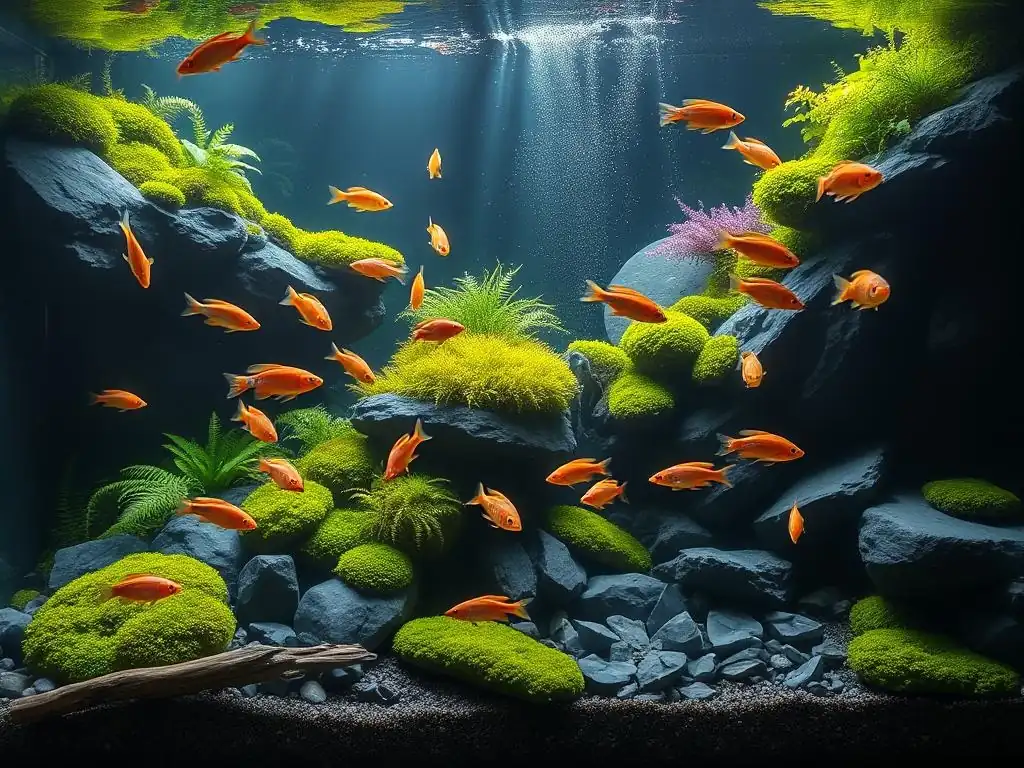
The true reward of a meticulously crafted Ember tetra tank setup lies in witnessing the stunning vibrancy of these small fish. When provided with an environment that closely mimics their natural habitat—featuring a dark substrate, dense planting, subdued lighting, and stable, soft, acidic water parameters—Ember tetras will display their most intense and captivating orange-red coloration. This rich hue is a direct indicator of their health and contentment.
Against the backdrop of lush green plants and dark substrate, a healthy school of Ember tetras becomes a living, shimmering jewel. Their synchronized movements and brilliant colors create a dynamic and mesmerizing focal point in any room. This visual spectacle is a testament to the success of providing an optimal environment that allows their natural beauty to flourish.
Creating a Stunning Visual Display
A well-maintained Ember tetra tank is more than just an aquarium; it is a carefully balanced ecosystem and a stunning piece of living art. The interplay of the dark substrate, the intricate textures of driftwood, the vibrant greens of the aquatic plants, and the fiery flashes of the Ember tetras themselves creates a captivating visual display that can bring tranquility and beauty to any space.
The effort invested in replicating their natural environment, from the initial Ember tetra tank setup to ongoing maintenance, culminates in a rewarding experience. Observing these tiny, active fish thrive, school, and exhibit their natural behaviors in a meticulously designed habitat offers immense satisfaction and a continuous source of wonder for any aquarist.
Frequently Asked Questions
What size tank is ideal for an Ember Tetra tank setup?
A 10-gallon tank is generally considered the minimum for a small school of Ember Tetras. However, a 20-gallon long is preferable to provide ample swimming space and stability.
Why is a dark substrate recommended for an Ember Tetra tank?
Dark substrates help to bring out the vibrant colors of Ember Tetras, mimicking their natural habitat. They also reduce stress on the fish, leading to a healthier and more active school.
What types of plants are best suited for an Ember Tetra tank setup?
Lush, leafy plants like Java Fern, Anubias, and Amazon Swords are excellent choices. They provide cover, improve water quality, and enhance the natural aesthetic of the tank.
How important is water chemistry when setting up an Ember Tetra tank?
Maintaining stable water parameters is crucial for Ember Tetras. They prefer slightly acidic to neutral water with a pH of 6.0 to 7.0. Regular water testing is highly recommended.
What are some common issues to watch out for in an Ember Tetra tank setup?
Common problems include ich (white spot disease) and poor water quality. Preventing these issues involves quarantine of new fish, regular water changes, and proper filtration.
Final Reflection: Illuminating the Ember's World
The journey of crafting the perfect Ember Tetra haven, as explored in this article, is not merely about aesthetics or aquarium keeping; it's about understanding and replicating a natural ecosystem within the confines of glass. The principles of dark substrates and lush plant life extend beyond the specific needs of Hyphessobrycon amandae; they represent a broader commitment to responsible and informed aquascaping, a practice increasingly vital as we strive to connect with nature in our increasingly urbanized lives.
This dedication to creating a thriving environment for these tiny, vibrant fish reflects a deeper appreciation for biodiversity and the delicate balance of nature. The act of meticulously planning and maintaining an Ember Tetra tank becomes a microcosm of our responsibility to protect larger ecosystems. As Jacques Cousteau so eloquently stated, The sea, once it casts its spell, holds one in its net of wonder forever.
This "net of wonder" applies equally to the miniature underwater worlds we create, fostering a sense of awe and inspiring us to become better stewards of our planet.
Now, consider the lessons learned in crafting your own Ember Tetra haven. Reflect on the power of observation, the patience required, and the joy derived from witnessing a thriving ecosystem. Let this experience inspire you to cultivate similar havens in other aspects of your life – whether it's nurturing a garden, supporting conservation efforts, or simply appreciating the beauty of the natural world around you. Embrace the principles of balance and harmony, and allow the vibrant glow of the Ember Tetra to illuminate your path towards a more sustainable and fulfilling existence.
Cultivate Your Ember Tetra Paradise!
Thank you for diving into the world of Ember Tetras and learning how to create the ideal environment for these vibrant fish. Now, let’s translate that knowledge into action and truly elevate your aquarium!
Here's how you can create the perfect Ember Tetra haven:
- Implement a dark substrate immediately. This simple change will dramatically enhance their colors and reduce stress.
- Brainstorm which plants best simulate their natural habitat. Maybe some Amazon swords and Java moss?
- Share your 'Ember Tetra Haven' plans and photos with other aquarium enthusiasts on social media!
What's one new element – plant, decor, or subtle adjustment – you're most excited to introduce to your Ember Tetra aquarium, and why?