
Diamond Tetra Sparkle: A Glittering Gem for Your Freshwater World – Care Guide

Welcome to Aquarium Mastery!
Ever been captivated by the shimmering scales of a Diamond Tetra? Imagine bringing that brilliance into your own freshwater aquarium. This week, we dive deep into everything you need to know with our comprehensive Diamond Tetra Care Guide. Discover how to unlock the full potential of these glittering gems and create a thriving environment where they truly shine. Intrigued? Let's explore the secrets to their care, from ideal tank conditions to compatible tank mates!
- Introduction to Diamond Tetras: A Sparkling Addition to Your Aquarium
- Diamond Tetra Care: Essential Guidelines for a Thriving School
- Diamond Tetra Compatibility: Choosing the Right Tank Mates
- Diamond Tetra Health: Recognizing and Treating Common Issues
- Diamond Tetra Breeding: A Challenging but Rewarding Endeavor
- Enhancing the Sparkle: Tips for Optimal Diamond Tetra Care
- Diamond Tetra FAQs: Addressing Common Concerns
- Conclusion: Mastering Diamond Tetra Care for a Stunning Aquarium Display
- Frequently Asked Questions
- Final Reflection: Embracing the Diamond's Enduring Allure
- Ignite Your Aquarium's Brilliance!
Introduction to Diamond Tetras: A Sparkling Addition to Your Aquarium
Discovering the Diamond Tetra: Origins and Natural Habitat
The Diamond Tetra, Moenkhausia pittieri, is a stunning freshwater fish native to the tropical waters of South America, specifically found in Lake Valencia and the surrounding basins in Venezuela. These environments typically consist of slow-moving rivers, streams, and lakes with dense vegetation and often a dark, tannin-stained water appearance due to decaying organic matter. Their natural habitat is characterized by stable water parameters, including a slightly acidic to neutral pH and soft to moderately hard water, which are crucial factors to replicate for optimal Diamond tetra care in an aquarium setting.
In their native environment, Diamond Tetras thrive in schools, exhibiting their characteristic shimmering scales as they navigate through aquatic plants and submerged roots. This schooling behavior is a vital aspect of their survival, providing safety in numbers against predators and facilitating social interaction. Understanding these natural tendencies is fundamental to providing comprehensive Diamond tetra care, ensuring they exhibit their full beauty and natural behaviors in a home aquarium.
Why Choose Diamond Tetras for Your Freshwater Tank?
Diamond Tetras are highly sought after by aquarists for their unique iridescent scales that reflect light, creating a dazzling, diamond-like sparkle, especially when viewed under proper aquarium lighting. This captivating shimmer, combined with their generally peaceful temperament, makes them an excellent choice for a community freshwater tank. Their moderate size, typically reaching about 2.0 to 2.5 inches (5-6.5 cm) in length, allows them to fit comfortably into various aquarium setups without overcrowding.
Beyond their aesthetic appeal, Diamond Tetras are known for being relatively hardy once acclimated, making them a suitable option for aquarists with some experience in freshwater fish keeping. Their schooling nature adds dynamic movement and visual interest to an aquarium, as they tend to swim together in a cohesive group. Providing proper Diamond tetra care ensures these fish not only survive but truly flourish, displaying their vibrant colors and engaging social interactions, thereby enhancing the overall beauty and tranquility of your freshwater world.
Diamond Tetra Care: Essential Guidelines for a Thriving School
Diamond Tetra Tank Setup: Creating the Ideal Environment
Establishing the correct environment is the cornerstone of successful Diamond tetra care. These fish, while adaptable, thrive best when their habitat closely mimics their natural surroundings. This involves careful consideration of tank size, substrate, decorations, and essential equipment to maintain stable and healthy water conditions.
Tank Size Requirements for Diamond Tetras
For a thriving school of Diamond Tetras, a minimum tank size of 20 gallons (approximately 75 liters) is recommended. This allows adequate swimming space for a school of at least six to eight individuals, which is the minimum number for these social fish to feel secure and display their natural schooling behavior.
While a 20-gallon tank can house a small group, a 30-gallon (115 liters) or larger aquarium is ideal for a more robust school of 10-12 Diamond Tetras, providing even more room for exploration and reducing potential stress. Overcrowding can lead to increased aggression and susceptibility to disease, making proper tank sizing a crucial aspect of Diamond tetra care.
Substrate and Decoration Recommendations
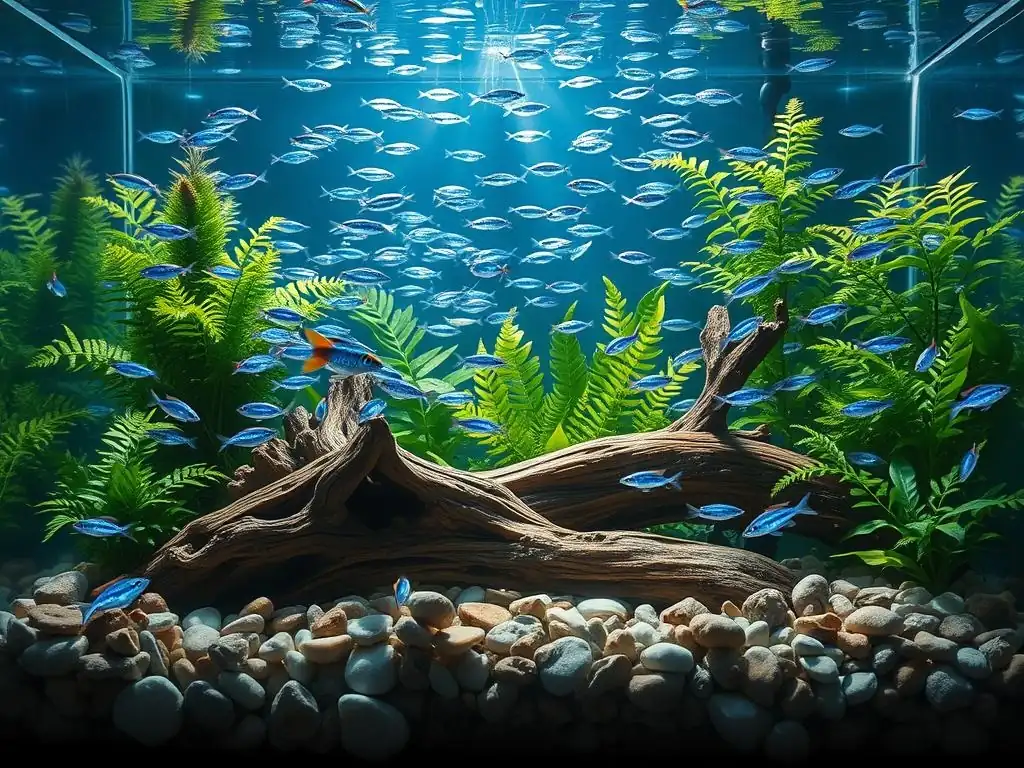
When setting up a tank for Diamond Tetras, a dark-colored substrate, such as fine gravel or sand, is highly recommended. A darker substrate helps to bring out the vibrant, sparkling colors of the fish, as it reduces reflected light from below that can wash out their appearance. Furthermore, it mimics the darker riverbeds found in their natural habitat.
For decorations, dense planting with live aquarium plants is essential; species like Java Fern, Anubias, Amazon Swords, and various stem plants provide crucial hiding spots and a sense of security for the Diamond Tetras. Driftwood and smooth rocks can also be incorporated to create additional cover and visual interest, contributing to a naturalistic and enriching environment vital for optimal Diamond tetra care.
Essential Equipment: Filtration, Heating, and Lighting
Maintaining pristine water quality is paramount for Diamond tetra care, necessitating an efficient filtration system. A good quality hang-on-back (HOB) filter or a canister filter, depending on tank size, that provides both mechanical and biological filtration is ideal. These filters help remove physical debris and convert harmful ammonia and nitrites into less toxic nitrates.
For heating, a reliable aquarium heater capable of maintaining a stable water temperature between 72-78°F (22-26°C) is crucial, as temperature fluctuations can stress these sensitive fish. Lighting should be moderate; while plants require adequate light, excessively bright illumination can make Diamond Tetras feel exposed and diminish their vibrant sparkle. A standard LED aquarium light on a 8-10 hour cycle generally suffices for both fish health and plant growth.
Water Parameters for Diamond Tetras: Maintaining Optimal Conditions
Precise water parameters are fundamental to the long-term health and vibrancy of Diamond Tetras. Deviations from their preferred ranges can lead to stress, weakened immune systems, and increased susceptibility to disease. Consistent monitoring and adjustment are key components of effective Diamond tetra care.
Temperature, pH, and Water Hardness
Diamond Tetras thrive in a stable water temperature range of 72-78°F (22-26°C). Fluctuations outside this range, especially sudden drops or spikes, can cause significant stress. The ideal pH level for these fish is slightly acidic to neutral, typically between 6.0 and 7.5.
While they can tolerate a small range outside of this, maintaining consistency is more important than hitting an exact number. For water hardness, Diamond Tetras prefer soft to moderately hard water, generally ranging from 5 to 15 dGH (degrees of General Hardness). Regular testing of these parameters using a reliable freshwater test kit (liquid test kits are more accurate than test strips) is essential to ensure the water conditions remain optimal for your Diamond Tetras.
Regular Water Changes: A Must for Diamond Tetra Health
Regular partial water changes are arguably the most critical aspect of maintaining excellent water quality and, by extension, robust Diamond tetra health. It is recommended to perform a 25-30% water change weekly. This routine removes accumulated nitrates, phosphates, and other dissolved organic compounds that can become toxic over time, even with a good filter.
When performing water changes, always use a gravel vacuum to clean the substrate, removing uneaten food and fish waste. Ensure that the new water is dechlorinated and temperature-matched to the aquarium water to prevent shocking the fish. Consistent water changes, combined with proper filtration, significantly reduce the risk of common fish ailments and contribute to the longevity and vivid coloration of your Diamond Tetras.
Diamond Tetra Diet and Feeding: Ensuring Proper Nutrition
A balanced and varied diet is vital for the health, growth, and vibrant coloration of your Diamond Tetras. These omnivorous fish require a mix of high-quality foods to meet their nutritional needs. Proper feeding practices are a crucial element of comprehensive Diamond tetra care.
What to Feed Your Diamond Tetras: Variety is Key
Diamond Tetras will readily accept a wide range of foods. High-quality flake food or micro-pellets specifically formulated for omnivorous community fish should form the staple of their diet. To ensure they receive a full spectrum of nutrients and to enhance their colors, supplement their diet with frozen or live foods regularly. Excellent options include:
- Frozen foods: Bloodworms, brine shrimp, daphnia. These provide essential proteins and fats.
- Live foods: Daphnia, grindal worms, or small mosquito larvae can be offered as occasional treats, stimulating their natural hunting instincts.
- Vegetable matter: While less critical, offering blanched spirulina flakes or very finely chopped blanched spinach occasionally can contribute to a balanced diet.
Offering a variety of these foods several times a week ensures your Diamond Tetras receive all necessary vitamins and minerals, promoting strong immunity and their characteristic sparkle.
Feeding Schedule: How Often and How Much?
Diamond Tetras have relatively small stomachs and a fast metabolism, so it's better to feed them small amounts multiple times a day rather than one large meal. A common recommendation is to feed them two to three times per day. The key is to provide only as much food as they can consume within 2-3 minutes.
Any uneaten food should be promptly removed to prevent it from decaying and fouling the water, which can lead to dangerous ammonia spikes. Overfeeding is a common mistake in aquarium keeping and can quickly deteriorate water quality, leading to health issues for your Diamond Tetras. Consistent, measured feeding is a core aspect of successful Diamond tetra care.
Diamond Tetra Compatibility: Choosing the Right Tank Mates
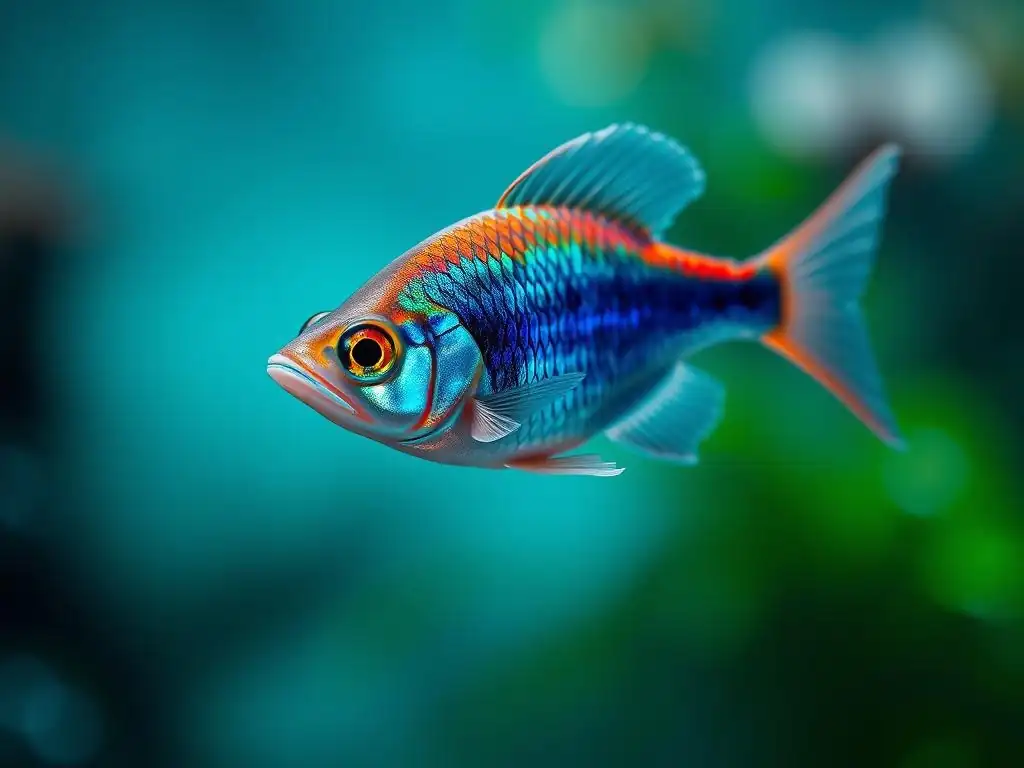
Selecting appropriate tank mates is crucial for the well-being of your Diamond Tetras. While generally peaceful, they can become stressed or exhibit fin-nipping behavior if housed with unsuitable companions. Thoughtful consideration of tank mate compatibility is an important part of Diamond tetra care.
Ideal Tank Mates for Diamond Tetras
Diamond Tetras thrive in a community aquarium with other peaceful, similarly sized fish. Their schooling nature means they feel most secure and display their best colors when kept in groups of six or more. Ideal tank mates often include:
- Other peaceful tetras: Such as Neon Tetras, Cardinal Tetras, Rummy Nose Tetras, or Glowlight Tetras. Their similar size and temperament make them excellent companions.
- Rasboras: Harlequin Rasboras, Lambchop Rasboras, or Chili Rasboras are peaceful and enjoy similar water parameters.
- Corydoras Catfish: These bottom-dwellers are non-aggressive and help keep the substrate clean. Species like Panda Corydoras or Bronze Corydoras are excellent choices.
- Peaceful Dwarf Cichlids: Certain species like German Blue Rams or Bolivian Rams can coexist, provided the tank is large enough and offers plenty of hiding spots.
- Otocinclus Catfish: These small, peaceful algae eaters are excellent for keeping the tank clean without bothering other fish.
Ensuring ample space and plenty of hiding spots for all inhabitants will further promote a harmonious environment, contributing significantly to effective Diamond tetra care.
Fish to Avoid: Preventing Aggression and Stress
To prevent stress, injury, or even death, certain types of fish should be avoided as tank mates for Diamond Tetras. Aggressive or overly boisterous species can intimidate or harass the peaceful tetras, leading to nipped fins, stress, and poor health. Fish to generally avoid include:
- Large, aggressive cichlids: Species like Oscars, Jack Dempseys, or Convict Cichlids are highly predatory and will view Diamond Tetras as food.
- Known fin-nippers: While Diamond Tetras themselves are generally not fin-nippers, some species like Tiger Barbs (especially if not kept in a large school of their own) can sometimes harass slow-moving or long-finned fish. However, in a large enough tank with a substantial school, Diamond Tetras and Tiger Barbs can sometimes coexist, but caution is advised.
- Very small or delicate fish: Extremely small or slow-moving fish might be outcompeted for food or stressed by the active nature of Diamond Tetras, even if not directly aggressive.
- Fish with vastly different water parameter requirements: Attempting to house fish with conflicting needs for temperature, pH, or hardness will compromise the health of at least one species.
Careful selection of tank mates is a pivotal aspect of providing comprehensive Diamond tetra care, ensuring a peaceful and thriving aquarium.
Diamond Tetra Health: Recognizing and Treating Common Issues
Maintaining excellent water quality and a stable environment is the best preventative measure against diseases in Diamond Tetras. However, like all aquarium fish, they can occasionally fall ill. Early detection and prompt treatment are crucial for successful Diamond tetra care.
Common Diseases Affecting Diamond Tetras
Diamond Tetras are susceptible to common freshwater aquarium diseases, often brought on by stress from poor water quality, improper diet, or incompatible tank mates. These include:
- Ich (White Spot Disease): Caused by the parasite Ichthyophthirius multifiliis, it manifests as small, white spots resembling grains of salt scattered over the fish's body and fins. It's highly contagious and often triggered by temperature fluctuations or new, unquarantined fish.
- Fin Rot: A bacterial infection that causes the fins to appear frayed, ragged, or disintegrating. It often starts at the edges and progresses inward, sometimes accompanied by redness or inflammation. Poor water quality and physical injury are common culprits.
- Velvet Disease: Caused by the dinoflagellate parasite Oodinium, it appears as a fine, dusty, yellowish or brownish coating on the fish's body, often resembling velvet fabric. Fish may also scratch against objects, show rapid gill movement, or become lethargic.
- Dropsy: Not a disease itself, but a symptom of an underlying internal bacterial infection or organ failure, often involving kidney damage. The fish's body becomes severely bloated, and scales may protrude, giving a "pinecone" appearance. It is often fatal and difficult to treat.
Vigilant observation is key to identifying these issues early for effective Diamond tetra care.
Identifying Symptoms of Illness in Diamond Tetras
Recognizing the subtle signs of illness in Diamond Tetras can make a significant difference in treatment outcomes. Beyond the specific visual cues of diseases like Ich or Fin Rot, general symptoms that indicate a fish is unwell include:
- Lethargy or unusual swimming patterns: Hiding excessively, staying at the bottom or top of the tank, listless swimming, or struggling to maintain buoyancy.
- Loss of appetite: Refusing to eat or spitting out food.
- Changes in coloration: Dullness, fading, or unusual darkening of colors. Diamond Tetras typically display a vibrant sparkle; a loss of this can be a red flag.
- Clamped fins: Fins held close to the body, rather than spread out naturally.
- Heavy or rapid breathing: Gills moving quickly, indicating respiratory distress.
- Physical abnormalities: Swelling, lesions, open sores, fuzzy growths, or pop-eye.
Any deviation from normal behavior or appearance warrants immediate investigation into water parameters and observation of the entire school.
Treatment Options and Preventative Measures
Upon identifying illness, immediate action is necessary. For many common ailments, a multi-pronged approach is often effective:
- Quarantine: Isolate affected fish in a separate hospital tank to prevent the spread of disease and to administer medication without harming the main tank's beneficial bacteria or invertebrates.
- Water Quality Improvement: Perform a significant water change (30-50%) and re-test all parameters. Often, poor water quality is the root cause or a contributing factor to illness.
- Medication: Use appropriate over-the-counter aquarium medications for specific diseases (e.g., Ich treatments containing malachite green or formalin, broad-spectrum antibiotics for bacterial infections). Always follow product instructions carefully.
- Salt Baths: For some external parasites or bacterial issues, short-term salt baths (non-iodized aquarium salt) can be beneficial, but research proper concentrations and durations.
Preventative measures are the most effective Diamond tetra care strategy:
- Maintain Stable Water Parameters: Consistent temperature, pH, and hardness, along with regular water changes, are paramount.
- Quarantine New Fish: Always quarantine new fish for at least 2-4 weeks before introducing them to your main display tank.
- Balanced Diet: Provide a varied and nutritious diet to boost their immune system.
- Avoid Overcrowding: Ensure adequate space to reduce stress and aggression.
- Minimize Stress: Provide plenty of hiding spots and compatible tank mates.
By adhering to these preventative and responsive measures, you significantly increase the chances of keeping your Diamond Tetras healthy and vibrant.
Diamond Tetra Breeding: A Challenging but Rewarding Endeavor
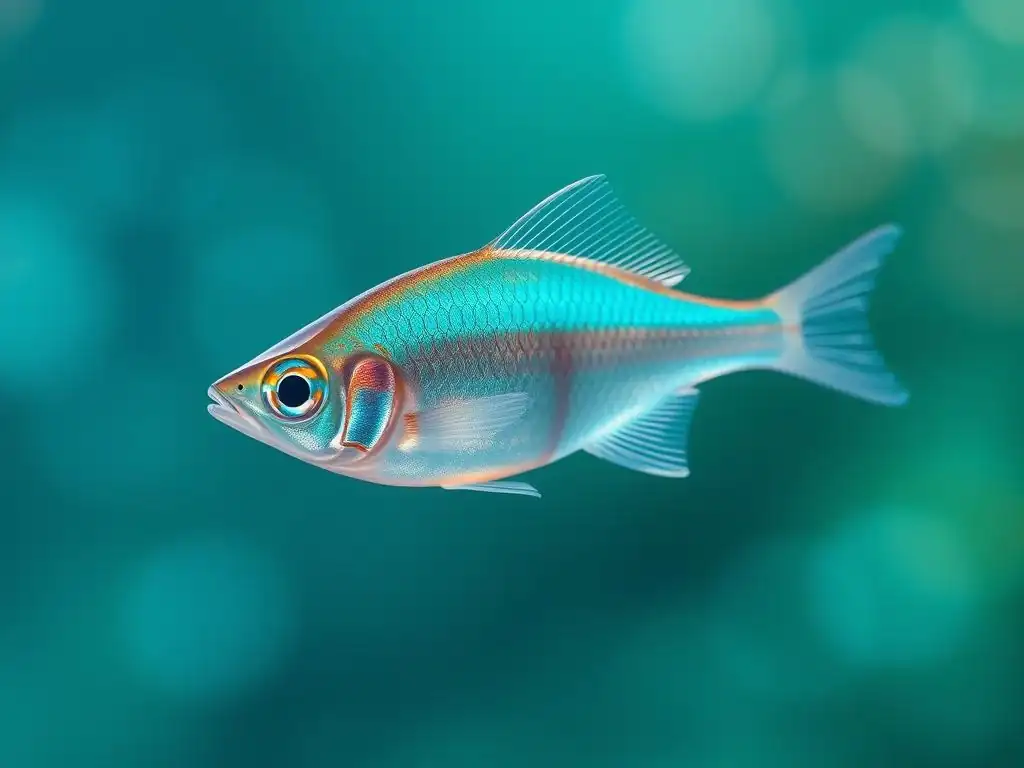
Breeding Diamond Tetras can be a challenging but highly rewarding experience for the dedicated aquarist. They are egg-scattering free spawners, meaning they do not actively care for their eggs or fry. Success hinges on precise environmental control and careful preparation.
Setting Up a Breeding Tank for Diamond Tetras
To maximize breeding success, a separate breeding tank is essential. A 5-10 gallon (19-38 liter) tank is typically sufficient. The water in this tank should be soft (0-5 dGH) and slightly acidic (pH 6.0-6.5), mimicking their natural spawning conditions. A reliable heater to maintain a stable temperature of 75-78°F (24-26°C) is crucial.
For filtration, a gentle sponge filter is recommended to prevent fry from being sucked in. The tank should be dimly lit. Most importantly, provide spawning material: a spawning mop (made of nylon yarn), fine-leafed plants like Java Moss, or a layer of marbles on the bottom will protect the eggs from being eaten by the parents. This specialized setup is a key component of effective Diamond tetra care for breeding purposes.
Identifying Male and Female Diamond Tetras
Distinguishing between male and female Diamond Tetras, especially when they are not in breeding condition, can be subtle but becomes more apparent as they mature and during spawning periods.
- Males: Generally more slender and possess longer, more pointed dorsal and anal fins. Their coloration, particularly the iridescent sparkle, tends to be more intense and vibrant, especially when displaying for females.
- Females: Typically have a rounder, plumper body shape, especially when gravid (full of eggs). Their fins are usually shorter and more rounded compared to the males, and their overall sparkle might be slightly less pronounced.
During conditioning for breeding, the female's belly will become noticeably swollen with eggs, making identification much easier. Observing these differences is vital for selecting a breeding pair or group.
Spawning and Raising Diamond Tetra Fry
Once the breeding tank is set up and the male and female Diamond Tetras (or a small group of one female to two males) are conditioned on a diet rich in live and frozen foods, introduce them to the breeding tank, ideally in the evening. Spawning usually occurs at dawn, with the male driving the female into the spawning material where she scatters her adhesive eggs, which the male then fertilizes.
A single female can lay between 100-300 eggs. After spawning is complete (usually within a few hours), the adult fish should be immediately removed to prevent them from consuming the eggs.
The eggs will hatch in approximately 24-36 hours. The fry are tiny and transparent, initially feeding on their yolk sacs for the first few days. Once free-swimming (usually 3-5 days after hatching), they require extremely fine food. Infusoria, liquid fry food, or commercially prepared powdered fry food are essential for the first week or two.
As they grow, they can gradually be transitioned to newly hatched brine shrimp and then finely crushed flake food. Maintaining pristine water quality with small, frequent water changes (5-10% daily) is critical during the fry-raising stage, as they are highly sensitive to water parameters. This meticulous care is the most demanding aspect of Diamond tetra care for successful propagation.
Enhancing the Sparkle: Tips for Optimal Diamond Tetra Care
Beyond the basic requirements, several practices can significantly enhance the natural beauty and well-being of your Diamond Tetras, ensuring they exhibit their most vibrant sparkle and lively behavior. These tips contribute to a holistic approach to Diamond tetra care.
Promoting Vibrant Colors in Diamond Tetras
The dazzling, diamond-like sparkle of Moenkhausia pittieri is its most defining feature, and several factors contribute to its intensity. To promote the most vibrant colors in your Diamond Tetras:
- Optimal Diet: A varied diet rich in high-quality protein and natural color enhancers (like astaxanthin found in brine shrimp and some flakes) is paramount. Ensure they receive a mix of flakes, pellets, and frozen or live foods regularly.
- Dark Substrate and Background: As mentioned in tank setup, a dark substrate (e.g., black or dark brown gravel/sand) and a dark background for the tank help reduce light reflection from below, allowing their natural iridescence to stand out more prominently. This contrast makes their scales appear brighter and more defined.
- Stable Water Quality: Consistently excellent water parameters (temperature, pH, hardness) and low nitrate levels significantly reduce stress, which can dull fish coloration. Regular water changes and efficient filtration are key.
- Appropriate Lighting: Moderate lighting that mimics natural diffused light conditions can enhance their sparkle without causing stress. Avoid overly bright or harsh lights.
By focusing on these elements, you can ensure your Diamond Tetras truly live up to their name.
Maintaining a Stress-Free Environment
Stress is a major contributor to poor health and faded colors in aquarium fish. Creating a stress-free environment is a cornerstone of effective Diamond tetra care.
- Adequate School Size: Diamond Tetras are schooling fish. Keeping them in a group of at least six, and ideally eight to ten or more, provides them with security and allows them to exhibit natural schooling behaviors. A larger school also diffuses any potential fin-nipping tendencies among the tetras themselves.
- Compatible Tank Mates: As discussed, avoiding aggressive or overly boisterous tank mates is crucial. Peaceful, similarly sized fish create a harmonious community.
- Plenty of Hiding Spots: Dense planting, driftwood, and rock formations provide essential cover. While Diamond Tetras are active swimmers, having places to retreat to when they feel threatened or need to rest significantly reduces stress.
- Stable Routine: Consistent feeding times, lighting cycles, and water change schedules help establish a predictable environment, minimizing anxiety for the fish. Avoid sudden changes or disturbances to the tank.
A calm, well-structured environment allows Diamond Tetras to thrive and display their full personality and beauty.
The Importance of Regular Observation
Daily observation of your Diamond Tetras is one of the simplest yet most effective aspects of preventative Diamond tetra care. Taking a few minutes each day to watch your fish can provide invaluable insights into their health and the overall well-being of your aquarium.
- Behavioral Cues: Notice any changes in swimming patterns (e.g., lethargy, erratic movements, scratching against objects), social interactions (e.g., increased aggression, isolation), or feeding habits (e.g., refusal to eat, spitting out food).
- Physical Changes: Look for any signs of illness such as white spots, frayed fins, swelling, discolored patches, or dullness in their normally vibrant sparkle.
- Water Conditions: Observe if the water appears cloudy, has an unusual odor, or if there's excessive algae growth, which can indicate underlying water quality issues.
- Equipment Functionality: Quickly check that filters are running efficiently, heaters are maintaining the correct temperature, and lights are on schedule.
Early detection of issues, whether behavioral or physical, allows for prompt intervention, significantly increasing the chances of successful treatment and preventing minor problems from escalating into major health crises for your glittering gems.
Diamond Tetra FAQs: Addressing Common Concerns
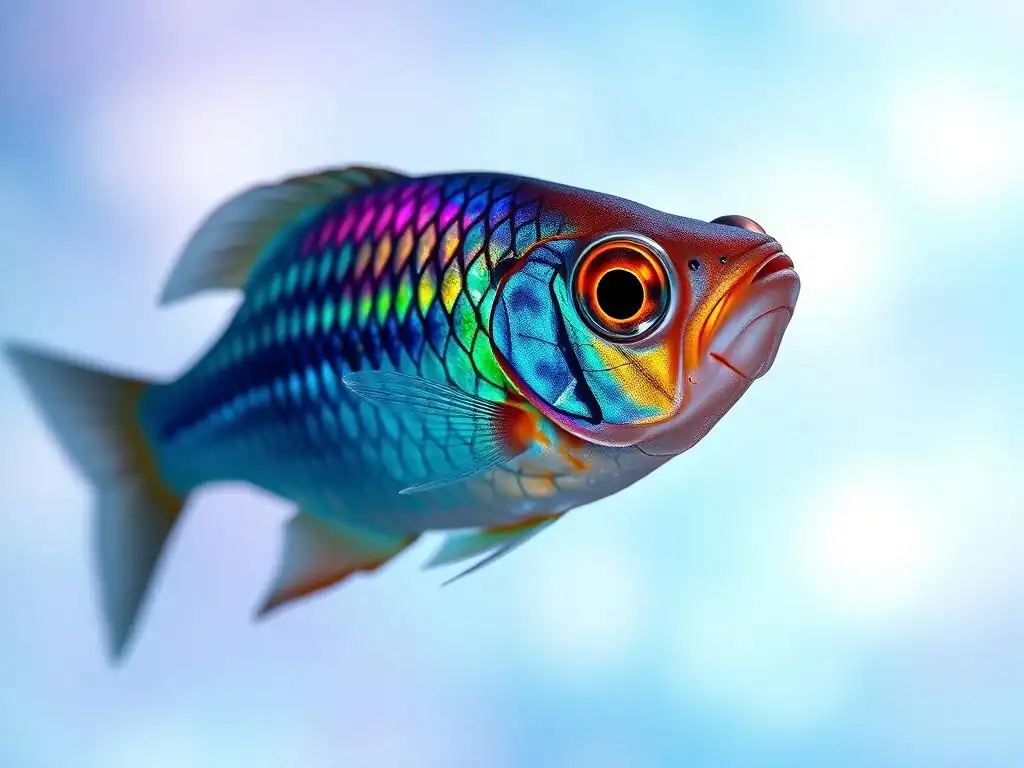
Aquarists often have specific questions regarding the care of Diamond Tetras. Here are answers to some frequently asked questions, providing quick insights into effective Diamond tetra care.
How Long Do Diamond Tetras Live?
With optimal Diamond tetra care, including stable water parameters, a balanced diet, and a stress-free environment, Diamond Tetras typically have a lifespan of 3 to 5 years in a home aquarium. Some well-cared-for individuals may even live slightly longer, reaching up to 6 years. Factors such as consistent water quality, appropriate tank mates, and a nutritious diet play a crucial role in maximizing their longevity.
Are Diamond Tetras Fin Nippers?
Diamond Tetras are generally considered peaceful community fish and are not typically known as aggressive fin-nippers. However, like many schooling tetras, if they are kept in insufficient numbers (e.g., fewer than six individuals), they can sometimes exhibit nipping behavior out of stress or boredom, potentially bothering slower-moving fish or those with long, flowing fins. Keeping them in a large school (8-10 or more) helps to diffuse any potential aggression among themselves and prevents them from bothering other tank inhabitants, making proper schooling a key aspect of Diamond tetra care.
What is the Ideal School Size for Diamond Tetras?
For Diamond Tetras to truly thrive and display their natural schooling behavior, an ideal school size is a minimum of 6 individuals, but preferably 8 to 10 or more. Keeping them in a larger school significantly reduces stress, enhances their security, and encourages them to swim actively and display their most vibrant colors. A larger school also minimizes the likelihood of them bothering other fish in a community tank and allows their fascinating social dynamics to be observed fully.
Conclusion: Mastering Diamond Tetra Care for a Stunning Aquarium Display
The Diamond Tetra, with its captivating sparkle and peaceful demeanor, truly is a glittering gem for any freshwater aquarium. Mastering Diamond tetra care involves a comprehensive understanding of their needs, from meticulously setting up their ideal habitat to providing a balanced diet and selecting compatible tank mates. Consistency in maintaining pristine water parameters, coupled with regular observation, forms the bedrock of their long-term health and vibrancy.
By adhering to the guidelines outlined in this Diamond tetra care guide, aquarists can ensure their Moenkhausia pittieri not only survive but truly flourish, displaying their full iridescent beauty and engaging schooling behaviors. The reward is a dynamic, visually stunning aquarium display that brings a piece of the serene Venezuelan waters into your home, reflecting the dedication and care invested in these exquisite fish.
Frequently Asked Questions
How big do Diamond Tetras get, and what size tank do they need?
Diamond Tetras typically reach about 2 inches in length. A minimum tank size of 20 gallons is recommended for a small school to allow them space to swim and thrive.
What are the ideal water parameters for Diamond Tetras?
These tetras prefer slightly acidic to neutral water. Maintain a temperature between 72-78°F (22-26°C), a pH of 6.0-7.0, and ensure good water quality with regular water changes.
What should I feed my Diamond Tetras?
Diamond Tetras are omnivores and readily accept a variety of foods. Offer them a high-quality flake food as a staple, supplemented with live or frozen foods like bloodworms and daphnia for optimal health and coloration.
Are Diamond Tetras peaceful, and what tank mates are suitable?
Yes, Diamond Tetras are generally peaceful and do well in community tanks. Ideal tank mates include other peaceful community fish of similar size and temperament, such as small rasboras, corydoras catfish, and other tetras.
How can I enhance the shimmering effect of my Diamond Tetras?
To bring out their iridescent shine, provide them with a dark substrate and background. Also, ensuring excellent water quality and a varied diet contributes to their overall health and vibrant coloration.
Final Reflection: Embracing the Diamond's Enduring Allure
The journey into understanding the Diamond Tetra, as explored in this guide, underscores the enduring appeal of bringing a touch of the extraordinary into our everyday lives. The shimmering beauty and relatively simple care requirements of these fish highlight a broader desire for accessible elegance in our homes and hobbies. This isn't just about keeping fish; it's about curating a miniature ecosystem that reflects our appreciation for the natural world and its captivating diversity.
The Diamond Tetra's popularity, as we've seen, isn't a fleeting trend. It speaks to a deeper human connection with beauty and the calming influence of aquatic life. The ongoing interest in responsible aquarium keeping reflects a growing awareness of our role as stewards of these delicate environments. In every walk with nature, one receives far more than he seeks.
- John Muir. This quote perfectly encapsulates the enriching experience of observing and caring for creatures like the Diamond Tetra, fostering a sense of wonder and responsibility.
Now, as you consider adding these glittering gems to your own freshwater world, remember that responsible care is paramount. Let the knowledge gained from this guide empower you to create a thriving environment where your Diamond Tetras can truly sparkle. Embrace the opportunity to not only admire their beauty but also to contribute to their well-being, enriching both their lives and your own.
Ignite Your Aquarium's Brilliance!
Thanks for diving into the dazzling world of Diamond Tetras! Now that you're armed with the knowledge to keep these glittering gems thriving, let's turn that knowledge into action and create a truly stunning freshwater haven.
Here's how you can bring the sparkle to your aquarium:
- Immediately evaluate your current tank setup and make adjustments to ensure optimal conditions for your Diamond Tetras, prioritizing water parameters and adequate schooling space.
- Share this guide with fellow aquarium enthusiasts! Help them discover the joy of keeping these magnificent fish.
- Consider documenting your Diamond Tetra's journey with photos or videos. Share your progress on social media using #AquariumMastery – let's build a community of sparkling tanks!
What small tweak can you make today to provide a more enriching environment for your Diamond Tetras?