
Creating a Biotope Tank for Harlequin Rasboras: Authenticity and Beauty

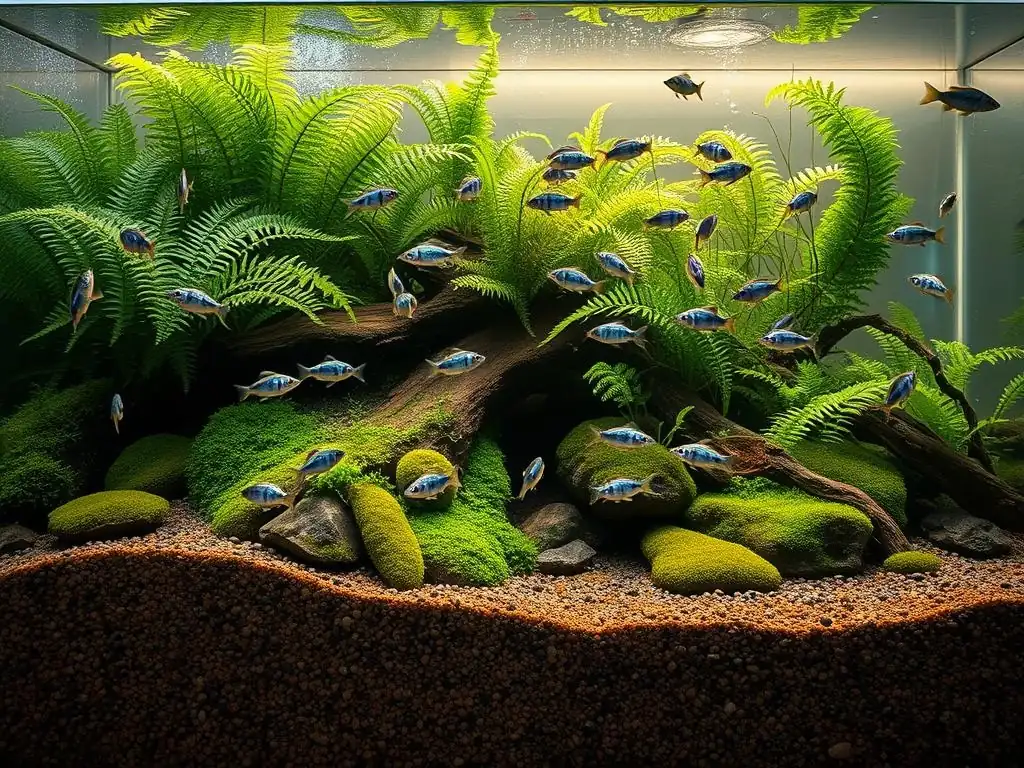
Welcome to Aquarium Mastery!
Ever dreamt of recreating the lush, natural habitat of the captivating Harlequin Rasbora right in your living room? Dive in and discover the secrets to crafting a stunning and authentic Harlequin Rasbora biotope tank. Learn how to mimic their native environment, from the perfect water parameters to the ideal plant life, and unlock the key to their vibrant health and happiness. Intrigued? Let's get started!
- Creating a Harlequin Rasbora Biotope Tank: A Guide to Authenticity and Beauty
- Introduction: Replicating the Natural Habitat of Harlequin Rasboras
- Understanding the Harlequin Rasbora's Natural Environment
- Planning Your Harlequin Rasbora Biotope Aquarium
- Selecting the Right Substrate and Hardscape
- Plant Selection for a Harlequin Rasbora Biotope
- Stocking Your Harlequin Rasbora Biotope Tank
- Maintaining Your Harlequin Rasbora Biotope
- Troubleshooting Common Issues in a Biotope Tank
- Conclusion: The Rewards of a Harlequin Rasbora Biotope
-
Frequently Asked Questions
- What exactly is a biotope aquarium?
- Why would I want to create a Harlequin rasbora biotope tank?
- What key elements are needed to establish a realistic Harlequin rasbora biotope tank?
- What are some suitable plant species for a Harlequin rasbora biotope tank?
- What other fish species can I keep with Harlequin rasboras in a biotope tank?
- Final Reflection: Embracing the Wild Within
- Ignite Your Biotope Passion!
Creating a Harlequin Rasbora Biotope Tank: A Guide to Authenticity and Beauty
Introduction: Replicating the Natural Habitat of Harlequin Rasboras
Creating a biotope aquarium is a deeply rewarding endeavor for any aquarist, offering a chance to replicate a specific natural habitat and observe fish thriving in conditions that closely mirror their wild environment. For the vibrant Harlequin Rasbora ( Trigonostigma heteromorpha), this means crafting a specialized blackwater setup that not only highlights their iridescent colors but also caters to their specific physiological and behavioral needs. A well-executed Harlequin rasbora biotope tank provides an authentic slice of their native Southeast Asian rainforest streams, promoting natural behaviors like schooling, foraging, and even breeding.
This guide will walk you through the essential steps and considerations for designing, setting up, and maintaining a successful Harlequin rasbora biotope tank. By focusing on accurate water parameters, appropriate substrate, and carefully selected hardscape and plant elements, you can create a stunningly beautiful and biologically stable ecosystem. The aim is to move beyond a simple display tank and build a living diorama where these captivating fish can truly flourish, showcasing their full potential in a naturalistic setting.
Understanding the Harlequin Rasbora's Natural Environment
Origin and Habitat: The Blackwater Ecosystems of Southeast Asia
Harlequin Rasboras are native to the slow-moving, often acidic, and tannin-stained blackwater streams, peat swamps, and forest floodplains of Southeast Asia, specifically found across parts of Malaysia, Singapore, Sumatra, and southern Thailand. These habitats are characterized by dense canopy cover from overhanging trees, which significantly reduces light penetration to the water's surface. The water itself is typically soft and acidic due to the decomposition of vast amounts of leaf litter, branches, and other organic matter that fall from the surrounding rainforest.
The substrate in these natural environments is often composed of fine sand, silt, and a thick layer of decaying leaves, twigs, and submerged roots. This organic material not only contributes to the distinctive tea-colored water by releasing humic acids and tannins but also provides abundant hiding spots, foraging grounds for micro-organisms, and spawning sites for fish. Replicating these elements is crucial for a successful Harlequin rasbora biotope tank, as it directly influences water chemistry, fish behavior, and overall tank aesthetics.
Water Parameters: Replicating the Ideal Conditions for Harlequin Rasboras
To successfully establish a Harlequin rasbora biotope tank, replicating the specific water parameters of their natural blackwater environment is paramount. These fish thrive in very soft, acidic water with a typical pH range of 5.0 to 6.5, though they can tolerate slightly higher pH up to 7.0 if consistency is maintained. The general hardness (GH) should ideally be between 0-5 dGH (degrees of general hardness), and carbonate hardness (KH) should be very low, typically 0-3 dKH, indicating minimal buffering capacity.
Temperature stability is equally important, with an ideal range of 72-80°F (22-27°C). Maintaining these precise conditions helps reduce stress on the fish, promotes vibrant coloration, and supports their immune system. The presence of humic substances and tannins, naturally released by leaf litter and driftwood, contributes to the slightly acidic pH and provides beneficial anti-bacterial properties, mimicking the authentic conditions of a Harlequin rasbora biotope tank. Regular testing of pH, GH, KH, and temperature is essential to ensure these parameters remain stable and within the optimal range.
Substrate and Hardscape: Mimicking the Forest Floor
The substrate in a Harlequin rasbora biotope tank should closely mimic the soft, often silty, and debris-laden forest floors of their native habitats. A fine, inert sand substrate or very fine gravel is ideal for the base, providing a soft surface that won't abrade their delicate barbels if they forage near the bottom.
On top of this base layer, a generous scattering of natural leaf litter, such as Indian almond leaves (Terminalia catappa), oak leaves, or beech leaves, is essential. These leaves not only release beneficial tannins, contributing to the blackwater effect, but also provide a natural foraging ground for microorganisms, which are a supplemental food source for the rasboras, and offer additional hiding spots.
Beyond leaf litter, the hardscape components—primarily driftwood and submerged roots—are critical for creating the authentic feel of a Harlequin rasbora biotope tank. Large, branching pieces of driftwood, such as Malaysian or Manzanita wood, can be arranged to simulate fallen branches and intricate root systems found in flooded forests. These elements provide structure, visual barriers, and crucial hiding places for the fish, reducing stress and encouraging natural schooling behavior. The wood also slowly releases tannins, further enhancing the blackwater aesthetic and contributing to the desired water chemistry.
Planning Your Harlequin Rasbora Biotope Aquarium
Tank Size Considerations for Harlequin Rasboras
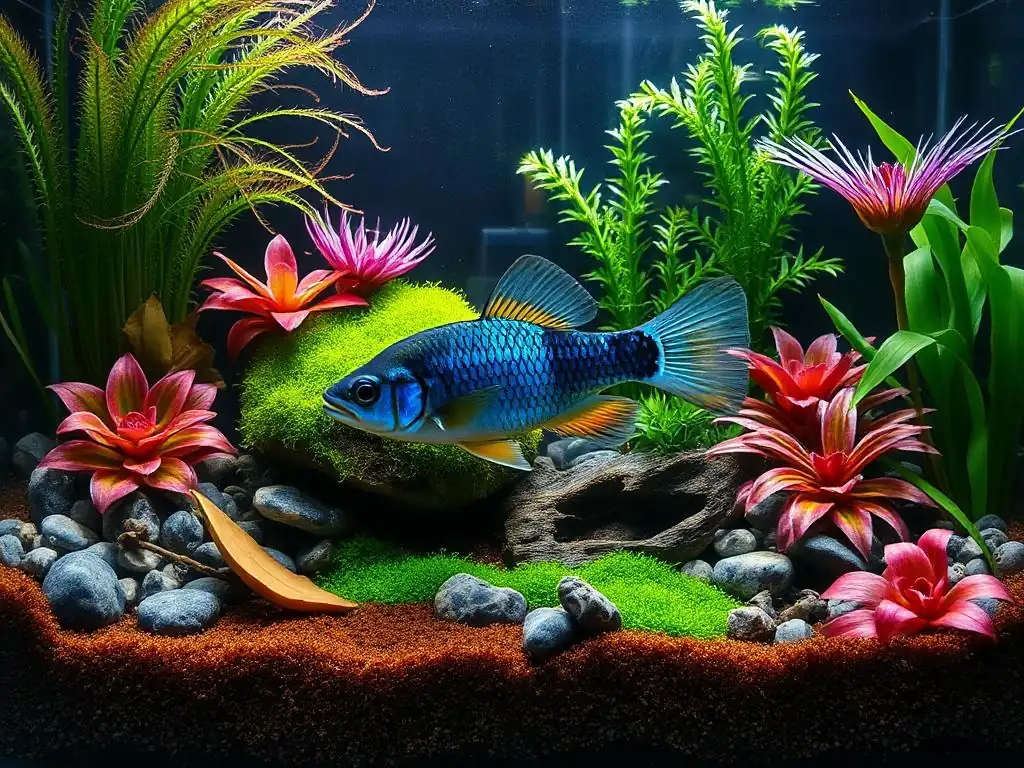
When planning a Harlequin rasbora biotope tank, selecting an appropriate tank size is crucial for the well-being of these active schooling fish. While a small group of 6-8 Harlequin Rasboras can technically be housed in a 10-gallon (approximately 38 liters) tank, a larger volume is strongly recommended to allow for a more stable environment, better schooling behavior, and the inclusion of adequate biotope elements.
A 20-gallon long (approximately 75 liters) or even a 30-gallon (approximately 113 liters) tank is ideal for a thriving school of 10-15 Harlequin Rasboras, providing ample swimming space and allowing for a richer, more complex aquascape that truly reflects their natural habitat.
The increased water volume of a larger tank also offers greater stability in water parameters, which is particularly beneficial for maintaining the specific soft, acidic conditions required for a Harlequin rasbora biotope tank. This stability minimizes fluctuations in pH and temperature, reducing stress on the fish and making maintenance easier. Additionally, a larger footprint provides more surface area for intricate hardscaping with driftwood and leaf litter, which are essential components of an authentic biotope setup and contribute significantly to the fish's sense of security and overall health.
Essential Equipment for a Biotope Setup
Filtration for a Blackwater Biotope
Effective filtration is critical for a Harlequin rasbora biotope tank, but the approach differs slightly from a standard community aquarium. The primary goal is excellent biological filtration to process ammonia and nitrites, with mechanical filtration to remove particulate matter. Sponge filters are an excellent choice for smaller biotope tanks (under 20 gallons) as they provide gentle flow and superb biological filtration without strong currents that can stress these fish. For larger setups, a hang-on-back (HOB) filter with adjustable flow or a canister filter is suitable.
When setting up filtration for a Harlequin rasbora biotope tank, it's important to avoid or minimize the use of activated carbon, as it will remove the beneficial tannins that contribute to the blackwater effect and provide natural anti-bacterial properties. Instead, focus on filter media that supports beneficial bacteria, such as bio-rings or ceramic media. Regular, gentle cleaning of mechanical filter media is necessary to prevent accumulation of detritus, ensuring clear water while preserving the natural tint.
Lighting for Planted and Unplanted Biotope Tanks
The lighting for a Harlequin rasbora biotope tank should reflect the shaded, dim conditions of their natural habitat under dense rainforest canopies. For an unplanted biotope, very low lighting is sufficient, primarily for aesthetic viewing. A simple LED light bar set to a low intensity or a single fluorescent tube will provide adequate illumination without promoting excessive algae growth. The goal is to create a subdued, tranquil atmosphere that encourages the fish to display their natural behaviors and vibrant coloration.
If you choose to incorporate plants suitable for a blackwater environment, such as Anubias or Java Fern, moderate lighting will be necessary. Even then, avoid intense lights. A light cycle of 6-8 hours per day is generally sufficient. Too much light can stress the fish and lead to undesirable algae blooms, which detract from the natural aesthetic of a Harlequin rasbora biotope tank. Consider using floating plants like Amazon Frogbit or Dwarf Water Lettuce to further diffuse the light and replicate the overhead canopy effect, providing additional shade and security for the rasboras.
Heating and Temperature Control
Maintaining a stable and appropriate water temperature is non-negotiable for the health and well-being of Harlequin Rasboras in a biotope tank. These tropical fish thrive in warm waters, typically ranging from 72-80°F (22-27°C). A reliable aquarium heater, appropriately sized for your tank volume, is an essential piece of equipment. For a 20-gallon tank, a 50-75 watt heater is usually sufficient, while larger tanks may require 100-200 watts or multiple smaller heaters to ensure even heat distribution.
It is crucial to pair your heater with an accurate thermometer to consistently monitor the water temperature. Fluctuations in temperature can cause significant stress to Harlequin Rasboras, making them susceptible to diseases such and weakening their immune system. Stable water temperature is a cornerstone of a healthy Harlequin rasbora biotope tank, contributing directly to the fish's comfort, activity levels, and overall longevity. Regularly check the heater's functionality and ensure it maintains the desired temperature range.
Selecting the Right Substrate and Hardscape
Substrate Options for a Harlequin Rasbora Biotope
The choice of substrate is fundamental to establishing an authentic Harlequin rasbora biotope tank, directly impacting both the aesthetic and the water chemistry. The most suitable options are fine, inert substrates that do not significantly alter water parameters, allowing for the soft, acidic conditions preferred by these fish. Fine sand, such as play sand or pool filter sand, is an excellent choice as it closely mimics the silty bottoms of their natural streams and provides a soft surface for bottom-dwelling tank mates or for the rasboras to forage over.
Alternatively, a very fine, dark-colored inert gravel can be used, though sand is generally preferred for its natural appearance and softer texture. Avoid substrates that contain calcium carbonate or other buffering agents, as these will raise the pH and hardness, contradicting the blackwater biotope's requirements. On top of the base substrate, a generous layer of natural leaf litter (e.g., Indian almond leaves, dried oak leaves) is indispensable. This layer contributes tannins, creates a natural foraging ground, and provides shelter, completing the authentic look of a Harlequin rasbora biotope tank.
Choosing Driftwood and Leaf Litter for an Authentic Look
Driftwood and leaf litter are perhaps the most defining elements of a Harlequin rasbora biotope tank, central to both its visual appeal and its chemical composition. For driftwood, select pieces that are rich in tannins and offer intricate shapes, mimicking submerged branches and root systems. Malaysian driftwood, Mopani wood (though often denser and heavier), and Manzanita branches are excellent choices.
These woods will slowly release tannins, staining the water a characteristic tea-color and contributing to the desired low pH and soft water conditions. Ensure any new driftwood is thoroughly pre-soaked or boiled to release excess tannins and make it sink before adding it to the tank.
Leaf litter, particularly Indian almond leaves ( Terminalia catappa), oak leaves, or beech leaves, is indispensable for a truly authentic Harlequin rasbora biotope tank. These leaves continuously release humic acids and tannins, maintaining the blackwater appearance and providing beneficial anti-bacterial and anti-fungal properties.
They also serve as a natural food source for beneficial microorganisms, which in turn are a supplemental food for the rasboras, and offer excellent hiding spots and spawning surfaces. Replace the leaves as they decompose, typically every few weeks to a couple of months, to ensure a continuous supply of beneficial compounds and maintain the natural aesthetic.
Rock Selection: Adding Natural Elements
While driftwood and leaf litter are the primary hardscape elements in a Harlequin rasbora biotope tank, rocks can be incorporated sparingly to add visual interest and mimic natural riverbed formations, though they are often less prominent than in other biotope types. If you choose to include rocks, it is crucial to select inert types that will not leach minerals into the water and consequently raise the pH or water hardness. Sandstone, slate, lava rock, or natural river rocks are generally safe choices, provided they are thoroughly cleaned before introduction.
Avoid calcareous rocks such as limestone, marble, or Texas Holey Rock, as these will dissolve over time, increasing the carbonate hardness (KH) and pH, which is detrimental to the soft, acidic water requirements of a Harlequin rasbora biotope tank. When arranging rocks, focus on creating natural-looking clusters or small formations that complement the driftwood and leaf litter, rather than dominating the aquascape. The goal is to enhance the natural feel without disrupting the delicate water chemistry or detracting from the blackwater aesthetic.
Plant Selection for a Harlequin Rasbora Biotope
Suitable Plant Species for Blackwater Aquariums
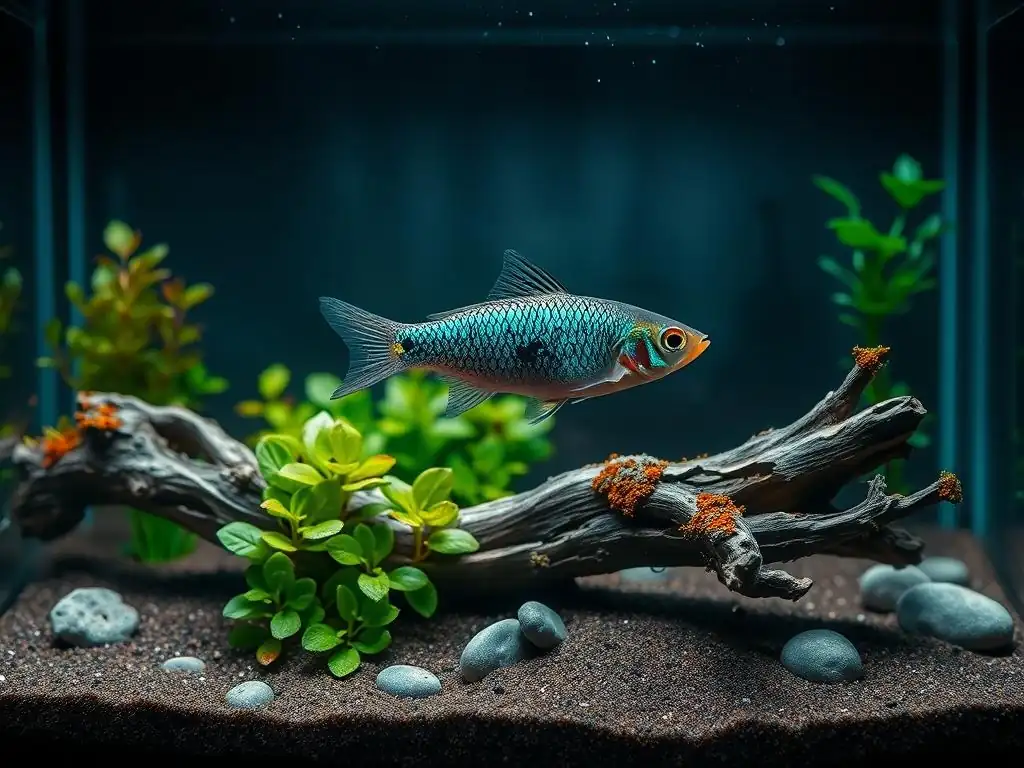
While many Harlequin rasbora biotope tanks are minimally planted to emphasize the dark water and natural debris, incorporating the right plant species can enhance the ecosystem without compromising authenticity. The key is to select plants that naturally tolerate or thrive in low-light, soft, and acidic water conditions, similar to those found in their native habitats. Excellent choices include various species of Anubias (e.g., Anubias barteri var. nana, Anubias coffeefolia), which are extremely hardy, slow-growing, and can be attached to driftwood or rocks rather than planted in the substrate.
Java Fern ( Microsorum pteropus) is another robust option that tolerates low light and a wide range of water parameters, making it ideal for a Harlequin rasbora biotope tank. Additionally, many Cryptocoryne species (often referred to as 'Crypts'), such as Cryptocoryne wendtii or Cryptocoryne beckettii, are native to Southeast Asia and are well-suited to blackwater conditions, preferring soft, acidic water and moderate to low light. For surface cover, floating plants like Amazon Frogbit ( Limnobium laevigatum) or Dwarf Water Lettuce ( Pistia stratiotes) can further mimic the shaded canopy effect, diffuse light, and provide additional cover for the fish.
Arranging Plants for a Natural Aquascape
The arrangement of plants in a Harlequin rasbora biotope tank should aim for a natural, unkempt appearance, mirroring the dense, overgrown feel of a rainforest stream. Avoid rigid lines or highly manicured layouts that would look out of place in a biotope setting. Instead, focus on clustering plants around driftwood and hardscape elements, allowing them to grow in a more organic fashion. For instance, attach Anubias and Java Fern rhizomes directly to the driftwood using fishing line or super glue gel; as they grow, their roots will naturally cling to the wood, enhancing the aged, natural look.
When using Cryptocoryne species, plant them in the sand substrate, allowing them to form natural clumps. Position taller plants towards the back or sides to create depth and provide background cover, while shorter plants or those attached to hardscape can be placed in the midground. Ensure that ample open swimming space remains in the foreground and mid-water column for the Harlequin Rasboras to school. The goal is to create a lush yet naturalistic environment that provides both shelter and exploration opportunities, contributing to the overall authenticity of your Harlequin rasbora biotope tank.
Stocking Your Harlequin Rasbora Biotope Tank
Choosing Healthy Harlequin Rasboras
Selecting healthy Harlequin Rasboras is the foundational step to a thriving Harlequin rasbora biotope tank. When purchasing these fish, observe them carefully in the store's tank. Look for active, alert individuals that are schooling together. Their colors should be vibrant and well-defined, particularly the distinctive black 'wedge' marking. Fins should be intact and held erect, not clamped against their bodies. Avoid fish that appear lethargic, are gasping at the surface, have frayed fins, white spots (Ich), or any visible signs of disease or injury.
It is also advisable to inquire about the store's water parameters and compare them to your biotope tank's conditions. A reputable fish store will maintain clean tanks and healthy stock. Purchase at least 6-8 individuals, as Harlequin Rasboras are schooling fish and feel most secure and display their best behaviors in larger groups. A larger school (10-15+) will further enhance their natural schooling patterns and reduce stress in your Harlequin rasbora biotope tank.
Tank Mates: Selecting Compatible Species
Choosing appropriate tank mates for a Harlequin rasbora biotope tank is crucial for maintaining a peaceful and harmonious ecosystem. The best companions are other small, peaceful fish that originate from similar blackwater or soft, acidic water environments and share similar dietary and temperature requirements. Avoiding aggressive or fin-nipping species is paramount to prevent stress and injury to the delicate Harlequin Rasboras.
Recommended Tank Mates for Harlequin Rasboras
Excellent choices for tank mates in a Harlequin rasbora biotope tank include other small rasboras such as Chili Rasboras ( Boraras brigittae) or Espei Rasboras ( Trigonostigma espei), which are equally peaceful and enjoy similar conditions. Small, peaceful catfish like Pygmy Corydoras ( Corydoras pygmaeus), Salt and Pepper Corydoras ( Corydoras habrosus), or Otocinclus catfish ( Otocinclus affinis) are great bottom dwellers that help with algae control. Dwarf Gouramis ( Trichogaster lalius) can also be a good addition, provided the tank is large enough (20 gallons or more) to accommodate their territorial needs, and only one male is kept. Small, peaceful tetras like Ember Tetras ( Hyphessobrycon amandae) or Neon Tetras ( Paracheirodon innesi) can also thrive in these conditions. Amano Shrimp ( Caridina multidentata) or various Neocaridina shrimp can also be considered for algae control and detritus consumption, adding another layer of interest to the Harlequin rasbora biotope tank.
Fish to Avoid in a Harlequin Rasbora Biotope
To maintain the tranquility and specific conditions of a Harlequin rasbora biotope tank, certain fish species should be strictly avoided. Any large or overly aggressive fish, such as most Cichlids (e.g., African Cichlids, larger South American Cichlids), will stress or predate upon the small Harlequin Rasboras. Fin-nipping species like Tiger Barbs ( Puntigrus tetrazona) are also unsuitable, as they can cause significant damage to the rasboras' delicate fins.
Fish that require significantly different water parameters, such as high pH or hard water species (e.g., Mollies, most Livebearers, many Rainbowfish), will not thrive in the soft, acidic blackwater environment and can introduce health issues for all inhabitants. Additionally, large predatory fish or those that grow significantly larger than the rasboras should be excluded to prevent them from becoming a food source.
Acclimation Process: Introducing Fish to Their New Home
Proper acclimation is a critical step when introducing new Harlequin Rasboras to your biotope tank, especially given their sensitivity to changes in water parameters. The drip acclimation method is highly recommended for these fish, as it allows for a slow and gradual equalization of water chemistry, minimizing stress. Begin by floating the sealed bag containing the fish in your Harlequin rasbora biotope tank for about 15-20 minutes to equalize the temperature.
After temperature equalization, open the bag and carefully pour the fish and their transport water into a clean bucket or container. Using airline tubing and a control valve, siphon water from your biotope tank into the bucket, allowing it to drip slowly (e.g., 1-2 drips per second). The goal is to double the volume of water in the bucket over a period of 45-60 minutes.
Once the water volume has doubled, carefully net the Harlequin Rasboras and gently release them into their new home. Discard the water from the bucket, as it may contain harmful ammonia or medications. This meticulous process significantly reduces the shock of transition, ensuring the fish settle well into their Harlequin rasbora biotope tank.
Maintaining Your Harlequin Rasbora Biotope
Water Changes and Water Chemistry Management
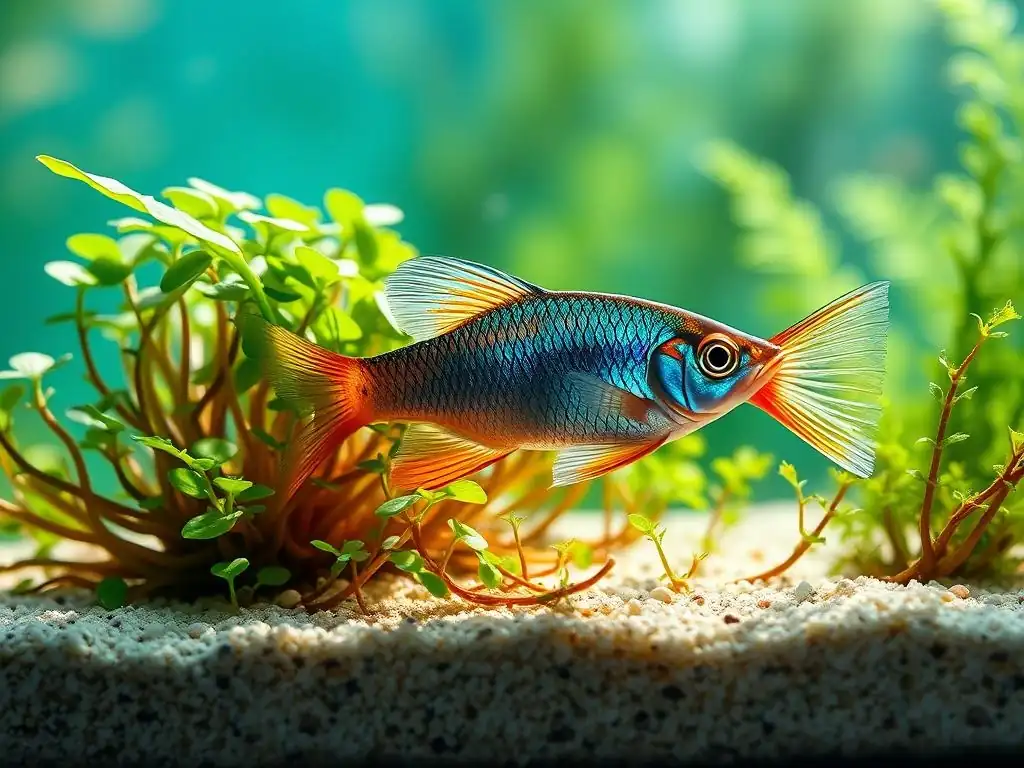
Consistent water changes are fundamental to the long-term health and stability of your Harlequin rasbora biotope tank. While the blackwater environment benefits from tannins and humic acids, waste products like nitrates still accumulate and need to be removed. Perform small, regular water changes, typically 10-20% of the tank volume, once every one to two weeks. This frequency helps maintain stable water parameters without causing drastic shifts that could stress the fish.
When performing water changes, it is crucial to use water that closely matches your tank's parameters, especially its softness and acidity. Reverse Osmosis (RO) water remineralized with a product specifically designed for blackwater or soft water fish is often ideal. Alternatively, if your tap water is naturally soft and acidic, it can be used after proper dechlorination and aging. Regularly test your pH, GH, KH, and nitrate levels to ensure they remain within the optimal ranges for your Harlequin rasbora biotope tank, making adjustments as needed to maintain stability.
Feeding Your Harlequin Rasboras: A Balanced Diet
A balanced and varied diet is essential for the vibrant health and coloration of Harlequin Rasboras in a biotope tank. These omnivorous fish primarily feed on small insects, insect larvae, and zooplankton in their natural habitat. In the aquarium, they readily accept a variety of high-quality foods. Offer small, high-quality flake foods or micro-pellets specifically formulated for small tropical fish as a staple.
Supplement their diet with frozen or freeze-dried foods such as bloodworms, daphnia, brine shrimp, and tubifex worms several times a week. Live foods, if available and pathogen-free, are also excellent for promoting natural foraging behaviors and conditioning for breeding. Feed small amounts two to three times a day, only what they can consume within 2-3 minutes, to prevent overfeeding and maintain water quality in your Harlequin rasbora biotope tank. Overfeeding can quickly lead to excess waste, contributing to higher nitrate levels and potential water clarity issues.
Plant Care and Trimming
Even in a low-light Harlequin rasbora biotope tank, plants require periodic care to maintain their health and the aquascape's aesthetic. Plants like Anubias and Java Fern are slow growers, but they still benefit from occasional cleaning to remove any accumulated detritus or algae from their leaves. Use a soft brush or gently rub the leaves during water changes. If these plants become too large or overgrown, their rhizomes can be carefully divided with sharp, clean scissors or a razor blade to propagate them or control their size.
For Cryptocoryne species, remove any yellowing or decaying leaves at the base to prevent them from breaking down and impacting water quality. While these plants don't typically require aggressive trimming, ensure they are not overcrowding other elements or blocking too much swimming space for the Harlequin Rasboras. Regular, gentle plant care contributes to the overall stability and pristine appearance of your Harlequin rasbora biotope tank, preventing organic buildup and supporting a healthy ecosystem.
Monitoring Water Parameters: Ensuring Stability
Consistent monitoring of water parameters is a cornerstone of successful maintenance for a Harlequin rasbora biotope tank. Regular testing provides crucial insights into the tank's health and allows for timely intervention before problems escalate. Key parameters to test weekly or bi-weekly include pH, general hardness (GH), carbonate hardness (KH), ammonia, nitrite, and nitrate.
The pH should ideally remain within the 5.0-6.5 range, with GH and KH being very low (0-5 dGH and 0-3 dKH, respectively). Ammonia and nitrite should always be at 0 ppm, indicating a healthy nitrogen cycle. Nitrates should be kept below 20 ppm through regular water changes.
Temperature should also be monitored daily to ensure it remains stable within the 72-80°F (22-27°C) range. Any sudden or significant fluctuations in these parameters can stress Harlequin Rasboras, making them susceptible to disease. Maintaining stability is more important than achieving exact numbers, as consistent conditions are less stressful than constant changes. Accurate test kits are an invaluable tool for ensuring the long-term success of your Harlequin rasbora biotope tank.
Troubleshooting Common Issues in a Biotope Tank
Algae Control in a Low-Light Environment
While Harlequin rasbora biotope tanks are typically low-light environments, which naturally limits algae growth, occasional outbreaks can still occur. Common causes include overfeeding, excessive light duration (even if intensity is low), or an imbalance in nutrients. If algae appears, first check your lighting schedule; reducing it to 6-8 hours per day can often help. Ensure you are not overfeeding, as uneaten food contributes to excess nutrients.
Introducing algae-eating invertebrates like Amano Shrimp ( Caridina multidentata) or small, peaceful algae-eating fish such as Otocinclus catfish ( Otocinclus affinis) can be effective, provided they are compatible with the biotope's water parameters. Manual removal of algae during water changes is also crucial. Persistent algae issues might indicate an underlying nutrient imbalance, which can sometimes be addressed by slightly increasing water change frequency or ensuring adequate plant growth to outcompete algae for nutrients. A healthy, balanced Harlequin rasbora biotope tank with proper maintenance rarely experiences severe algae problems.
Maintaining Water Clarity
Maintaining water clarity in a Harlequin rasbora biotope tank can sometimes be a concern, distinct from the desired tannin-stained "blackwater" tint. If the water appears cloudy or milky, it typically indicates a bacterial bloom, often seen in newly set up tanks (new tank syndrome) or established tanks experiencing a sudden influx of organic waste (e.g., overfeeding, decaying plant matter, filter disruption). Bacterial blooms usually resolve on their own as the beneficial bacteria colonize or re-establish balance, but ensuring good biological filtration and regular maintenance helps.
Another cause of cloudiness can be excessive particulate matter from disturbed substrate or decaying leaf litter. Ensuring your filter's mechanical media is clean and functioning effectively can help remove these particles. Avoid vigorous substrate stirring unless necessary. While activated carbon can quickly clear water, it will also remove the beneficial tannins, so its use should be carefully considered if maintaining the blackwater effect is a priority for your Harlequin rasbora biotope tank. Addressing the root cause, such as overfeeding or insufficient filtration, is key to restoring and maintaining clarity.
Addressing Fish Health Problems
Despite the best efforts in creating an ideal Harlequin rasbora biotope tank, fish health problems can occasionally arise. The most common issues include Ich (white spot disease), fin rot, or general stress-related illnesses. The first line of defense is always prevention: maintaining stable and appropriate water parameters, providing a balanced diet, avoiding overstocking, and quarantining any new fish for at least two weeks before introducing them to the main tank. A quarantine tank, even a simple 5-gallon setup, is invaluable for observation and treatment.
If a fish shows signs of illness (e.g., clamped fins, lethargy, spots, frayed fins, abnormal swimming), prompt action is necessary. First, re-test all water parameters to ensure they are within optimal ranges, as poor water quality is a primary stressor. Isolate the affected fish in a hospital tank if possible to prevent spread and allow for targeted treatment without impacting the biotope's delicate balance.
Research the specific symptoms to identify the disease and use appropriate, reputable medications following package instructions carefully. Addressing health issues swiftly and proactively is vital for the well-being of all inhabitants in your Harlequin rasbora biotope tank.
Conclusion: The Rewards of a Harlequin Rasbora Biotope
Creating a Thriving and Beautiful Ecosystem
Creating and maintaining a Harlequin rasbora biotope tank is a truly enriching experience that transcends typical aquarium keeping. By meticulously replicating the soft, acidic blackwater conditions, the intricate hardscape of driftwood and leaf litter, and the subdued lighting of their native Southeast Asian streams, you provide an environment where these stunning fish can not only survive but genuinely thrive. The effort invested in accurate water parameters, careful plant selection, and thoughtful stocking results in a remarkably stable and self-sustaining ecosystem.
The aesthetic beauty of a well-established Harlequin rasbora biotope tank is undeniable, with the rich, tea-colored water providing a dramatic contrast to the fish's iridescent orange and black patterns. Beyond the visual appeal, observing Harlequin Rasboras displaying their natural schooling behaviors, foraging amongst leaf litter, and even spawning in a setting that mirrors their wild habitat offers immense satisfaction. This dedication to authenticity fosters healthier, more vibrant fish, making the Harlequin rasbora biotope tank a testament to the harmony achievable when aquarists truly understand and respect the natural world.
Frequently Asked Questions
What exactly is a biotope aquarium?
A biotope aquarium attempts to replicate a specific natural habitat, including the water chemistry, substrate, plants, and inhabitants. It's about creating a miniature ecosystem as close to the real thing as possible.
Why would I want to create a Harlequin rasbora biotope tank?
Creating a Harlequin rasbora biotope offers a glimpse into their natural environment, showcasing their behavior and coloration in a more authentic way. It also promotes optimal health and well-being for your fish.
What key elements are needed to establish a realistic Harlequin rasbora biotope tank?
The essential elements include soft, acidic water, a dark substrate like leaf litter, subdued lighting, and plants native to Southeast Asia. Consider using driftwood and tannins to mimic their natural environment.
What are some suitable plant species for a Harlequin rasbora biotope tank?
Good plant choices include Cryptocoryne species, Java fern, and Anubias. These plants are native to Southeast Asia and thrive in the soft, acidic water conditions preferred by Harlequin rasboras.
What other fish species can I keep with Harlequin rasboras in a biotope tank?
Species that share a similar habitat and water parameter preferences can be added. Consider small, peaceful fish like Boraras brigittae (Chili rasbora) or Pygmy Corydoras to create a harmonious and authentic community.
Final Reflection: Embracing the Wild Within
The journey of crafting a Harlequin rasbora biotope tank transcends mere aquarium keeping; it's an act of mindful creation, a miniature ecosystem reflecting the intricate beauty of Southeast Asian waterways. By understanding and replicating the natural habitat, we not only provide optimal conditions for these vibrant fish but also foster a deeper appreciation for the delicate balance of nature, a balance increasingly threatened in our modern world.
This pursuit of authenticity resonates far beyond the glass walls of our aquariums. It speaks to a growing desire for connection with the natural world, a yearning to understand and protect the ecosystems that sustain us. As we meticulously recreate the conditions of a Harlequin rasbora's home, we are reminded of the interconnectedness of all living things. In the end, we will conserve only what we love; we will love only what we understand; and we will understand only what we are taught.
- Baba Dioum's words echo the importance of education and appreciation in conservation efforts, a principle beautifully embodied in the creation of a biotope tank.
Now, consider the implications of this mindful approach. How can you apply the principles of observation, research, and careful replication to other areas of your life? Can you cultivate a deeper understanding of the environments around you, both natural and social? Let the creation of a Harlequin rasbora biotope tank be a catalyst for a more conscious and compassionate engagement with the world, inspiring you to become a steward of beauty and authenticity in all that you do.
Ignite Your Biotope Passion!
Thank you for diving into the world of Harlequin Rasboras and biotope aquariums! We hope you've found inspiration and practical knowledge to create your own slice of Southeast Asia. Now, let's turn that knowledge into action!
Here's how to bring your biotope vision to life:
- Start Planning! Research specific plant species and hardscape elements native to the Harlequin Rasbora's natural habitat to ensure an authentic and thriving biotope.
- Share your vision! Post sketches or mood boards of your planned biotope on social media using #AquariumMasteryBiotope. Let's build a community of biotope enthusiasts!
- Experiment with unusual aquascaping elements. Instead of traditional driftwood, consider using twisted roots and branches found in local forests (properly sanitized, of course!) to add a unique and unexpected touch.
Ready to bring the beauty of Southeast Asia into your living room? What unique element will you incorporate into your Harlequin Rasbora biotope to make it truly stand out?