
Decoding Oscar Fish Behavior: Understanding Your Water Puppy's Quirks


Welcome to Aquarium Mastery!
Ever wondered what your Oscar is really thinking? Dive into the fascinating world of Oscar fish behavior quirks and unlock the secrets to understanding your "water puppy." From headbanging to fin-nipping, we'll explore the unique personality traits that make these fish so captivating. Ready to decode your Oscar's antics? Let's get started!
- Understanding Oscar Fish: An Introduction to Their Unique Personalities
- Common Oscar Fish Behavior Quirks Explained
- Deciphering Oscar Fish Body Language
- Oscar Fish Aggression: Managing Territorial Behavior
- Oscar Fish Feeding Habits and Associated Behaviors
- Oscar Fish Breeding Behavior: Courtship and Spawning
- Health-Related Behavior Changes in Oscar Fish
- Creating an Enriching Environment to Address Oscar Fish Behavior Quirks
- Addressing Problematic Oscar Fish Behavior
- Conclusion: Appreciating the Unique Personalities of Oscar Fish
-
Frequently Asked Questions
- What are some common Oscar fish behavior quirks that new owners should be aware of?
- Why is my Oscar fish suddenly acting lethargic and refusing food?
- What does it mean when my Oscar fish is "blowing bubbles" at the surface of the water?
- Is it normal for Oscar fish to rearrange the substrate and decorations in their aquarium?
- How can I enrich my Oscar fish's environment to prevent boredom and destructive behaviors?
- Final Reflection: Unveiling the Oscar's Soul
- Unlock Your Oscar's Full Potential!
Understanding Oscar Fish: An Introduction to Their Unique Personalities
Oscar fish ( Astronotus ocellatus ) are renowned for their remarkable intelligence, setting them apart from many other freshwater aquarium inhabitants. This intelligence manifests in their ability to recognize individual caretakers, learn routines, and even solve simple problems within their environment.
For instance, many Oscar owners report their fish anticipating feeding times, often swimming excitedly to the front of the tank when a familiar person approaches, demonstrating a clear understanding of cause and effect. Their cognitive abilities also extend to their social interactions, where they can form strong pair bonds, though they are equally capable of exhibiting significant aggression towards conspecifics or other tank inhabitants if not properly housed.
While Oscars are not schooling fish, they do display complex social hierarchies, especially when kept in groups or with other large cichlids. Observations suggest that a dominant Oscar might control prime feeding spots or preferred resting areas, influencing the Oscar fish behavior quirks of its tank mates.
These interactions are not always overtly aggressive; they can involve subtle fin displays, body posturing, and even specific swimming patterns to assert dominance or signal submission. Their intelligence also makes them highly adaptable to their surroundings, though this adaptability is often expressed through actively modifying their environment, such as digging or moving decorations, which is a characteristic Oscar fish behavior quirk.
Why Oscar Fish are Called "Water Puppies": Personality and Interaction
The endearing nickname "water puppies" perfectly encapsulates the interactive and personable nature of Oscar fish, a key aspect of understanding Oscar fish behavior quirks. Unlike many fish that simply react to their environment, Oscars actively engage with it and, more importantly, with their human caretakers.
They exhibit behaviors strikingly similar to those of domestic pets, such as following fingers along the glass, responding to their owners' presence with excited movements, and even appearing to "beg" for food. This level of interaction fosters a unique bond between the fish and its owner, making them highly popular among aquarists seeking a more engaging pet.
Their "water puppy" persona is largely due to their curious and responsive temperament. A well-cared-for Oscar will often greet its owner by swimming to the front of the tank, sometimes even splashing at the surface in anticipation of food or attention.
Anecdotal evidence from aquarists often highlights specific Oscar fish behavior quirks like an Oscar "watching TV" with its family or reacting to voices from across the room. This direct engagement is a stark contrast to the typical aloofness of many fish species, solidifying their reputation as one of the most charismatic and interactive freshwater fish available in the hobby.
Common Oscar Fish Behavior Quirks Explained
Oscar Fish and Tank Decoration: Re-arranging and Creating Territories
One of the most widely recognized Oscar fish behavior quirks is their penchant for re-arranging tank decorations and substrate. This isn't random destruction but rather an instinctive behavior linked to their natural habitat in South American rivers, where they are accustomed to digging and moving debris.
In an aquarium, this translates into Oscars meticulously sifting through gravel, uprooting plants, and even moving smaller rocks or ornaments. For instance, an Oscar might spend hours digging a pit in one corner of the tank, only to abandon it later for a new spot, or persistently push a thermometer against the glass until it's repositioned to their liking.
This re-arrangement serves several purposes for the Oscar. Primarily, it's a way to create and define their territory. By moving objects, they establish clear boundaries and preferred resting or patrolling areas, which is crucial for their sense of security. It also allows them to search for potential food items hidden in the substrate or to create suitable spawning sites when breeding. Aquarists often find that plants, even those heavily weighted, are no match for a determined Oscar, which can easily uproot them. Therefore, securing decorations firmly and choosing heavy, robust ornaments are essential considerations for any Oscar tank setup.
Oscar Fish: Begging for Food and Recognizing Caretakers
The "begging for food" behavior is a classic Oscar fish behavior quirk that delights many owners. When a familiar person approaches the tank, Oscars will often swim rapidly to the front, sometimes even performing a "dance" by wiggling their bodies, flapping their fins, or splashing at the surface. This isn't just a general response to movement; Oscars are known to recognize specific individuals. Studies and countless anecdotal reports suggest they can differentiate between their primary caretaker and strangers, often reacting with less enthusiasm or even shyness towards unfamiliar faces.
This recognition extends beyond mere visual cues. Many Oscars also respond to voices, specific footsteps, or even the sound of the food container being opened. For example, an Oscar might remain still when other family members walk by, but upon hearing the distinct footsteps of their owner, they will immediately become animated and swim to the front. This highly interactive feeding behavior is a testament to their intelligence and capacity for learning routines. It underscores why they are so often referred to as "water puppies," exhibiting a level of personality and engagement rarely seen in aquarium fish.
Oscar Fish Color Changes: Stress, Mood, and Health Indicators
Oscar fish possess a remarkable ability to rapidly change their coloration, a fascinating Oscar fish behavior quirk that serves as a visual indicator of their mood, stress levels, and overall health. A healthy, content Oscar typically displays vibrant, rich colors, often a striking blend of black, orange, and red patterns. However, within minutes, these colors can intensify or fade dramatically.
For instance, when an Oscar is stressed, frightened, or feeling aggressive, its colors may darken significantly, sometimes appearing almost black, with the orange/red patterns becoming mottled or dull. Conversely, during excitement, such as feeding time, or when feeling particularly dominant, their colors might brighten and intensify.
These color changes are not merely cosmetic; they are physiological responses to their environment and internal state, reflecting changes in their chromatophores (pigment cells). A sudden, persistent dulling of colors, especially when accompanied by other symptoms like clamped fins or lethargy, is often a strong indicator of illness, poor water quality, or chronic stress.
For example, an Oscar suffering from ammonia poisoning might exhibit severely dulled colors and a general lack of vibrancy, signaling a critical need for water parameter correction. Monitoring these subtle shifts in coloration is a crucial skill for any Oscar owner, providing immediate insight into their fish's well-being.
Oscar Fish Spitting: Moving Substrate and Defense Mechanisms
The behavior of Oscar fish spitting out substrate or food is another common and intriguing Oscar fish behavior quirk. This action is multifaceted, serving various purposes from feeding to territorial maintenance. When an Oscar takes a mouthful of gravel or sand, it's often sifting through the substrate in search of hidden food particles, a natural foraging behavior. After extracting any edible bits, the remaining substrate is expelled through their gills or mouth in a characteristic spitting motion. This can lead to significant re-arrangement of the tank bottom, creating pits and mounds.
Beyond foraging, spitting can also be a form of territorial display or defense. An Oscar might spit at a perceived intruder or a less dominant tank mate, signaling its displeasure or asserting its dominance. Occasionally, an Oscar will also spit out food it doesn't like or cannot easily swallow, such as a piece that is too large or unpalatable.
For example, if offered a type of pellet they are unfamiliar with, they might mouth it and then forcefully eject it. This Oscar fish behavior quirk highlights their discerning palate and their active role in shaping their immediate environment within the aquarium.
Deciphering Oscar Fish Body Language

Oscar Fish Fin Displays: Dominance, Submission, and Communication
Oscar fish utilize a complex array of fin displays as a primary form of communication, making understanding these Oscar fish behavior quirks essential for their care. Flaring their gills and spreading their dorsal, anal, and caudal fins wide is a classic display of dominance or aggression. This posture makes them appear larger and more intimidating, often used to ward off rivals or assert control over territory. For example, during a territorial dispute with a tank mate, an Oscar might dramatically flare its fins and gills while swimming rigidly towards the perceived threat.
Conversely, clamped fins—where the fins are held tightly against the body—typically indicate stress, fear, or illness. A fish that consistently holds its fins clamped is likely experiencing discomfort, perhaps due to poor water quality, bullying, or the onset of disease. A healthy, relaxed Oscar will usually have its fins spread naturally and gracefully as it swims. Observing these subtle shifts in fin posture provides vital clues about an Oscar's emotional state and physical well-being, helping aquarists address potential issues before they escalate.
Oscar Fish Swimming Patterns: Normal Activity vs. Signs of Distress
Understanding the typical swimming patterns of Oscar fish is crucial for identifying when their Oscar fish behavior quirks might signal distress or illness. A healthy Oscar usually exhibits confident, purposeful swimming, cruising leisurely around the tank, sometimes with sudden bursts of speed, especially when excited or exploring. They often patrol their territory, frequently visiting various hiding spots and open areas. This active yet controlled movement is indicative of a well-adjusted and comfortable fish.
However, deviations from these normal patterns can be red flags. Erratic swimming, such as darting uncontrollably, spiraling, or struggling to maintain buoyancy, can point to serious issues like neurological damage, swim bladder problems, or severe poisoning. Lethargy, where the fish remains motionless at the bottom or surface for extended periods, often with clamped fins, is a common symptom of illness, poor water quality (e.g., high ammonia), or extreme stress. Observing these changes in swimming behavior requires immediate investigation into water parameters, tank conditions, and potential disease.
Oscar Fish Hiding: Seeking Shelter vs. Potential Illness
Hiding is a natural Oscar fish behavior quirk, but distinguishing between normal and concerning hiding is vital for an Oscar's health. Oscars naturally seek out hiding places like caves, driftwood, or dense plant cover for security, rest, or during periods of low light. A new Oscar might hide frequently as it adjusts to its new environment, or an established fish might retreat to a favorite spot for a few hours of quiet time. This type of hiding is usually intermittent, and the fish will emerge readily, especially at feeding time.
However, prolonged or excessive hiding, particularly if the Oscar refuses to come out even for food, is often a strong indicator of stress, fear, or illness. If an Oscar consistently remains hidden with clamped fins, displays dull coloration, or shows no interest in food, it's a serious sign that something is amiss. This could be due to aggressive tank mates, inadequate tank size, chronic poor water quality, or an underlying disease. In such cases, a thorough check of water parameters and observation for other symptoms are immediately warranted.
Oscar Fish Aggression: Managing Territorial Behavior
Oscar Fish Tank Mates: Compatibility and Considerations
Managing Oscar fish aggression, a prominent Oscar fish behavior quirk, is paramount when considering tank mates. Oscars are large, predatory cichlids known for their territoriality and sometimes aggressive nature, especially towards smaller or more docile fish. Therefore, selecting compatible tank mates requires careful consideration of size, temperament, and swimming level. Ideal tank mates are typically large, robust, and semi-aggressive species that can hold their own without being overly dominant.
Suitable companions often include other large New World cichlids of similar size, such as Severums, Green Terrors, or Jack Dempseys, provided the tank is sufficiently large to accommodate multiple territories (e.g., 125 gallons or more). Large, armored catfish like Panaque plecos or Synodontis species can also make good tank mates, as they are well-protected and often occupy different tank levels. Conversely, small, delicate, or long-finned fish like guppies, neon tetras, or angelfish are entirely unsuitable, as they will likely be viewed as food or be bullied relentlessly by an Oscar.
Reducing Aggression in Oscar Fish Tanks: Tank Size, Decorations, and Stocking
Effective management of Oscar fish aggression, a common Oscar fish behavior quirk, hinges primarily on providing an appropriate environment. Tank size is the most critical factor; a single adult Oscar requires a minimum of 75 gallons, while a pair or a community with other large fish necessitates 125 gallons or more. Insufficient space intensifies territorial disputes and stress. For instance, attempting to house two Oscars in a 55-gallon tank will almost inevitably lead to severe aggression and injury.
Strategic placement of decorations can also significantly reduce aggression by breaking up lines of sight and creating distinct territories. Large pieces of driftwood, sturdy rocks, and artificial caves provide hiding spots and visual barriers, allowing individual fish to establish their own space and retreat when feeling threatened. Overstocking should be avoided at all costs, as it increases competition for resources and personal space, exacerbating aggressive Oscar fish behavior. A balanced stocking plan, combined with ample space and thoughtful aquascaping, is key to fostering a more harmonious environment for these powerful fish.
Oscar Fish Feeding Habits and Associated Behaviors
Oscar Fish Food Preferences: Variety and Nutritional Requirements
Oscar fish are omnivores with a strong carnivorous preference, and understanding their dietary needs is crucial to supporting their overall health and mitigating negative Oscar fish behavior quirks. In the wild, their diet consists primarily of insects, crustaceans, and smaller fish. In captivity, a high-quality, varied diet is essential. This should include premium cichlid pellets or sticks as a staple, supplemented with a range of frozen foods such as bloodworms, brine shrimp, Mysis shrimp, and chopped earthworms. For example, a diet consisting solely of dry pellets, no matter how high in protein, can lead to nutritional deficiencies over time.
It's important to provide a diet rich in protein (typically 40-50%) and essential vitamins. While live feeder fish are sometimes offered, they carry a high risk of introducing diseases and offer poor nutritional value unless gut-loaded. Instead, focus on diverse, high-quality prepared foods. Oscars can also be offered blanched vegetables occasionally, though their primary interest lies in meaty foods. A well-fed Oscar is less likely to exhibit stress-related Oscar fish behavior quirks or aggression stemming from hunger or nutritional deficiencies.
Oscar Fish and Feeding Frenzies: Preventing Overfeeding and Bloat
The enthusiastic "feeding frenzy" is a well-known Oscar fish behavior quirk. When food is introduced, Oscars often become highly agitated, splashing, jumping, and competing fiercely for every morsel. While this excitement is entertaining, it also presents a risk of overfeeding, which can lead to serious health issues like bloat, fatty liver disease, and poor water quality. For instance, feeding an Oscar large quantities of food multiple times a day can quickly overwhelm its digestive system and the tank's biofilter.
To prevent these issues, it's recommended to feed Oscars small amounts of food two to three times a day, only what they can consume within 2-3 minutes. Any uneaten food should be promptly removed to prevent it from decaying and polluting the water. Observing their feeding response helps gauge appetite; a healthy Oscar will eagerly consume its food, whereas a lack of interest can signal illness or stress. Consistent, measured feeding practices are vital for maintaining both the Oscar's health and the stability of the aquarium environment.
Oscar Fish and Food Competition: Ensuring All Fish Receive Adequate Nutrition
In a community tank setting, food competition is a common Oscar fish behavior quirk, especially when multiple Oscars or other large, assertive fish are present. Oscars are opportunistic feeders and will often dominate feeding times, potentially preventing shyer or smaller tank mates from getting enough to eat. This can lead to nutritional deficiencies and stress for the less dominant fish, manifesting as stunted growth or increased susceptibility to disease.
To ensure all fish receive adequate nutrition, several strategies can be employed. Feeding at multiple spots in the tank simultaneously can help distribute food more evenly, allowing less dominant fish to access food without direct confrontation. Using different types of food (e.g., sinking pellets for bottom dwellers, floating pellets for Oscars) can also reduce direct competition. Additionally, closely observing individual fish during feeding time is crucial. If certain fish consistently appear underfed, temporary separation during feeding or offering supplementary feedings might be necessary to address this Oscar fish behavior quirk effectively.
Oscar Fish Breeding Behavior: Courtship and Spawning
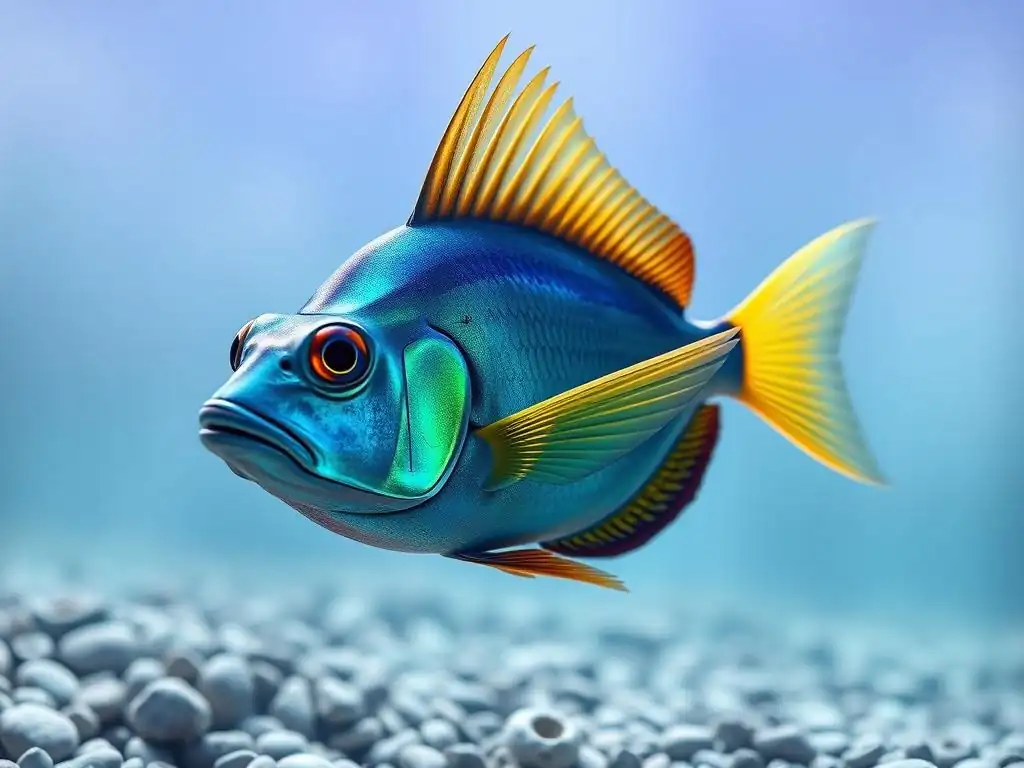
Oscar Fish Breeding Signs: Recognizing Mating Displays and Pair Formation
Recognizing Oscar fish breeding signs involves observing a fascinating set of Oscar fish behavior quirks that indicate courtship and pair formation. Oscars typically reach sexual maturity around 10-12 months of age, when they are approximately 6-8 inches long. When a male and female Oscar begin to form a pair, they will often engage in "lip-locking," a behavior where they lock jaws and push against each other. While this can sometimes be a sign of aggression, in a breeding context, it's often a test of strength and compatibility between potential mates.
Other key indicators include increased intensity in their coloration, particularly the orange and red markings becoming more vivid. The pair will also begin "cleaning" a chosen spawning site, typically a flat, smooth surface like a large rock, slate, or even the tank bottom. They meticulously mouth and rub the surface, removing any debris. This preparatory Oscar fish behavior quirk signals that spawning is imminent, often within 24-48 hours. The female's ovipositor will also become noticeable, appearing as a blunt, tube-like protrusion near her anal fin.
Oscar Fish Parental Care: Protecting Eggs and Fry
Oscar fish exhibit remarkable and dedicated parental care, a highly admirable Oscar fish behavior quirk that sets them apart from many other aquarium species. Once eggs are laid (often hundreds, sometimes over a thousand, depending on the female's size) and fertilized, both parents actively guard the spawning site. The female will typically fan the eggs with her fins to ensure proper oxygenation and prevent fungal growth, while the male patrols the perimeter, aggressively chasing away any perceived threats, including the aquarist's hand.
After the eggs hatch (usually within 3-5 days at around 78-80°F), the tiny fry remain in the pit for a few more days, feeding off their yolk sacs. Once they become free-swimming, the parents continue their vigilant protection. They may even move the fry to different pits or locations within the tank if they feel the current spot is unsafe. This intense protective Oscar fish behavior can last for several weeks, with both parents working in tandem to defend their offspring from any potential predators, showcasing a strong instinctual drive to ensure the survival of their young.
Oscar Fish and Lethargy: Identifying Potential Illnesses and Water Quality Issues
Lethargy is one of the most concerning Oscar fish behavior quirks because it is a non-specific but powerful indicator of underlying health problems. A healthy Oscar is typically active and responsive, constantly patrolling its territory, interacting with its environment, and eagerly anticipating food. When an Oscar becomes lethargic, it will spend extended periods motionless at the bottom of the tank, often in a corner or behind decorations, or float listlessly near the surface. Its fins may be clamped, and its coloration might appear dull or mottled.
This lack of activity is frequently linked to poor water quality, specifically elevated levels of ammonia, nitrite, or nitrate, which cause severe stress and can lead to organ damage. For example, an ammonia spike to just 0.5 ppm can cause significant lethargy and gill irritation. However, lethargy can also be a symptom of various diseases, including bacterial infections, internal parasites, or even Columnaris ("cottonmouth"). Any sustained period of lethargy warrants immediate investigation into water parameters and a thorough visual inspection of the fish for other signs of illness.
Oscar Fish and Erratic Swimming: Recognizing Neurological Issues and Swim Bladder Problems
Erratic swimming patterns represent another critical set of Oscar fish behavior quirks that signal serious health concerns. Unlike their usual confident movements, erratic swimming can manifest as uncontrolled darting, swimming in circles, spinning, or struggling to maintain an upright position. For instance, an Oscar with a swim bladder issue might float upside down or be unable to descend from the surface, while one with a severe neurological problem might repeatedly crash into tank walls.
Swim bladder problems, which affect the fish's buoyancy, can be caused by bacterial infections, dietary issues (e.g., constipating foods), or physical trauma. Neurological issues, while less common, can result from severe water contamination (e.g., heavy metal poisoning), head injuries, or advanced stages of certain diseases. Observing these types of abnormal Oscar fish behavior requires prompt action, as they often indicate a rapidly deteriorating condition that necessitates immediate water changes, dietary adjustments, or, in severe cases, veterinary consultation.
Oscar Fish Appetite Changes: When to Be Concerned About Illness or Stress
A change in appetite is a significant Oscar fish behavior quirk that can signal a problem. Oscars are typically voracious eaters, and a healthy fish will eagerly consume its food. A sudden loss of appetite (anorexia) or a refusal to eat for more than 24-48 hours is a major cause for concern. This could be a direct result of stress from poor water quality, bullying, or an inadequate environment. For example, an Oscar kept in a tank too small for its size might develop chronic stress leading to appetite suppression.
Beyond environmental stress, appetite changes are a common symptom of various illnesses. Internal parasites, bacterial infections, or digestive issues like bloat can all lead to a fish refusing food. Sometimes, an Oscar might mouth the food and then spit it out, indicating discomfort or an inability to properly digest it. Monitoring an Oscar's appetite daily is crucial; a sustained lack of interest in food, especially when combined with other behavioral changes like lethargy or clamped fins, demands immediate investigation and intervention to prevent further health decline.
Creating an Enriching Environment to Address Oscar Fish Behavior Quirks
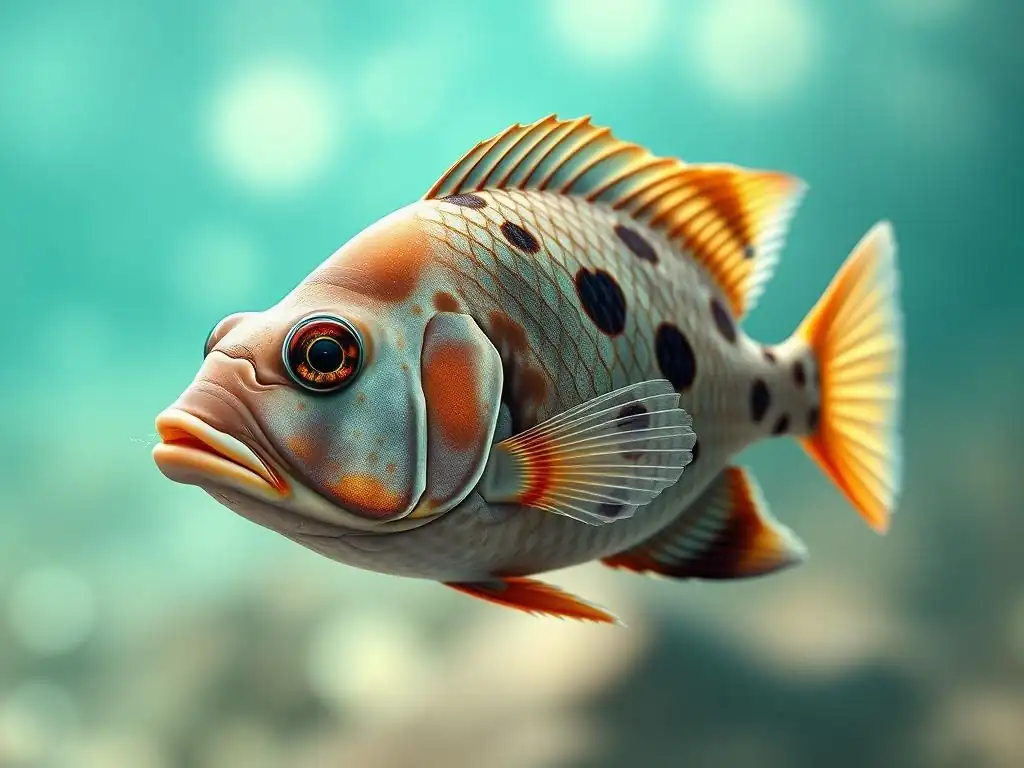
Oscar Fish Tank Size and Enrichment: The Importance of Space and Stimulation
Providing adequate tank size is the single most critical factor in addressing Oscar fish behavior quirks and ensuring their well-being. A minimum of 75 gallons is recommended for a single adult Oscar, with 125 gallons or more for a pair or a community setup. This ample space is not just for swimming but also for behavioral enrichment. Oscars are intelligent and curious, requiring stimulation to prevent boredom and stress. A cramped environment leads to stunted growth, increased aggression, and a host of stress-related Oscar fish behavior problems like lethargy or self-mutilation.
Enrichment involves providing varied stimuli within the tank. This can include different types of sturdy decorations, such as large pieces of driftwood, smooth rocks, and robust artificial plants, which break up line of sight and offer exploration opportunities. Occasionally introducing novel, safe items, like a clean, new PVC pipe or a floating plastic toy (ensure it's fish-safe and too large to swallow), can also provide mental stimulation. A spacious and stimulating environment allows Oscars to express their natural behaviors, reducing the likelihood of destructive or undesirable Oscar fish behavior quirks.
Oscar Fish Tank Setup: Providing Hiding Places, Open Swimming Areas, and Appropriate Substrate
A thoughtfully designed tank setup is essential for managing Oscar fish behavior quirks and promoting a healthy environment. Oscars need a balance of open swimming areas and secure hiding places. Large, sturdy decorations like caves, hollow logs, or strategically placed rocks provide retreat spots where the fish can feel safe and reduce stress from constant exposure or perceived threats. These hiding places are crucial for their sense of security, especially when new to the tank or feeling unwell.
The substrate choice also plays a role in facilitating natural Oscar fish behavior quirks like digging. A smooth, fine gravel or sand substrate is ideal, as sharp or coarse gravel can injure their delicate mouths and gills during their enthusiastic digging activities. Ensure all decorations are heavy and stable, or securely anchored, as Oscars are notorious for re-arranging their tank and can easily topple unsecured items, potentially causing damage to themselves or the aquarium glass. A well-structured tank supports their natural instincts and minimizes stress-induced behaviors.
Oscar Fish and Water Quality: Maintaining a Healthy Habitat Through Regular Maintenance
Maintaining impeccable water quality is paramount for the health and behavioral well-being of Oscar fish, directly impacting many Oscar fish behavior quirks. As large, messy eaters, Oscars produce a significant bioload, quickly degrading water conditions if not managed properly. Poor water quality, characterized by elevated ammonia, nitrite, or nitrate levels, is a leading cause of stress, illness, and abnormal behaviors. For instance, an Oscar exposed to chronic high nitrates (above 20-40 ppm) might exhibit lethargy, clamped fins, or dull coloration.
Regular and substantial water changes are non-negotiable. A minimum of 25-30% of the tank volume should be replaced weekly, and potentially more frequently depending on tank size and stocking density. A powerful filtration system, often a large canister filter rated for 2-3 times the tank volume, is also essential. Consistent monitoring of water parameters (pH 6.5-7.5, ammonia 0 ppm, nitrite 0 ppm, nitrate below 20 ppm) allows for early detection of issues. A clean, stable aquatic environment is the foundation for preventing stress-related Oscar fish behavior quirks and ensuring a thriving fish.
Addressing Problematic Oscar Fish Behavior
Oscar Fish Bullying: How to Intervene and Re-establish Hierarchy
Oscar fish bullying, a common Oscar fish behavior quirk in multi-fish setups, requires prompt intervention to prevent injury or chronic stress to the bullied fish. Bullying often manifests as constant chasing, nipping at fins, or preventing a tank mate from accessing food or resting spots. If the aggression is severe, physical injuries like torn fins, missing scales, or even eye damage can occur. For instance, an Oscar might relentlessly pursue a smaller Severum, forcing it to hide constantly and refuse food.
Intervention strategies include re-arranging the tank decor to break lines of sight and create new territories, which can sometimes "reset" the hierarchy. Adding more hiding places also gives the bullied fish more opportunities to escape. If the bullying persists and is severe, temporary separation using a tank divider might be necessary. In extreme cases, rehoming either the aggressor or the bullied fish may be the only long-term solution to ensure the well-being of all inhabitants.
Oscar Fish Self-Mutilation: Diagnosing and Treating the Cause, Including Water Quality and Stress
Self-mutilation, while less common, is a distressing Oscar fish behavior quirk that indicates severe stress or discomfort. This can include behaviors like repeatedly rubbing against tank decorations or substrate, tearing their own fins, or even biting at their own bodies. This is not a normal behavior and is almost always a symptom of an underlying problem, often chronic stress or irritation. For example, an Oscar in an undersized tank might rub itself raw against the glass due to constant anxiety.
The primary causes are typically poor water quality (e.g., high ammonia, nitrates, or incorrect pH), inadequate tank size, bullying from tank mates, or persistent external parasites that cause intense itching. Treatment involves diagnosing the root cause. This starts with a thorough water parameter test and a large water change. If parameters are ideal, examine for parasites or signs of physical injury from tank mates. Addressing the underlying stressor, whether it's environmental or biological, is key to stopping this problematic Oscar fish behavior.
When to Consult a Veterinarian for Oscar Fish Behavior Issues: Recognizing Serious Health Concerns
While many Oscar fish behavior quirks can be managed by aquarists through water quality adjustments and environmental enrichment, there are instances when professional veterinary consultation is imperative. Recognizing these serious health concerns can be life-saving for your Oscar. If an Oscar exhibits prolonged lethargy (more than 48 hours) despite optimal water parameters, or if it shows severe physical symptoms such as extreme bloating, persistent erratic swimming (e.g., spiraling, inability to stay upright), or significant physical damage (e.g., deep wounds, severe fin rot unresponsive to basic treatment), it's time to seek expert help.
Other red flags include a complete refusal to eat for several days, rapid onset of unusual growths, or severe difficulty breathing. For example, if your Oscar suddenly develops dropsy-like symptoms (swollen body, scales protruding) along with behavioral changes, a fish veterinarian can diagnose internal bacterial infections and prescribe appropriate antibiotics. While fish veterinarians are specialized, their expertise can provide crucial diagnostic insights and treatment options that go beyond standard aquarium hobbyist knowledge, ensuring the best possible outcome for your beloved "water puppy."
Conclusion: Appreciating the Unique Personalities of Oscar Fish
Frequently Asked Questions
What are some common Oscar fish behavior quirks that new owners should be aware of?
Oscar fish are known for their interactive and often demanding personalities. They may rearrange tank decorations, "beg" for food, and even spit water at their owners.
Why is my Oscar fish suddenly acting lethargic and refusing food?
This could indicate a variety of issues, including poor water quality, illness, or stress. Check your water parameters and observe for other symptoms.
What does it mean when my Oscar fish is "blowing bubbles" at the surface of the water?
While not always a cause for concern, bubble blowing can sometimes indicate nesting behavior or a lack of oxygen in the water. Consider increasing surface agitation.
Is it normal for Oscar fish to rearrange the substrate and decorations in their aquarium?
Yes, Oscars are notorious for being "aquatic bulldozers". This behavior is perfectly normal for these inquisitive and powerful fish.
How can I enrich my Oscar fish's environment to prevent boredom and destructive behaviors?
Provide plenty of hiding places, varied food, and regularly rearrange the tank decorations to keep them stimulated. Consider adding durable plants they can't easily uproot.
Final Reflection: Unveiling the Oscar's Soul
The journey into understanding Oscar fish behavior quirks reveals more than just the habits of an aquatic pet; it unveils a complex personality thriving within the confines of an aquarium. These "water puppies," as they're affectionately known, demand more than just food and clean water; they crave interaction and understanding, mirroring the needs of any intelligent creature seeking connection.
The impact of understanding these nuances extends beyond responsible pet ownership. It fosters a deeper appreciation for the sentience and individuality present in all living beings, challenging us to look beyond surface appearances and recognize the intricate lives unfolding around us. The greatness of a nation and its moral progress can be judged by the way its animals are treated.
- Mahatma Gandhi. This quote resonates deeply when we consider the responsibility we undertake when bringing an animal, even a fish, into our care.
Now, armed with a richer understanding of Oscar fish behavior, I invite you to reflect on your own interactions with the natural world. Consider how you can apply this newfound awareness to foster empathy and respect for all creatures, great and small. Let the quirks of the Oscar serve as a reminder that every life, no matter how different from our own, deserves our attention, care, and a genuine effort to understand its unique story.
Unlock Your Oscar's Full Potential!
Thanks for diving deep into the fascinating world of Oscar fish! We hope you've gained a better understanding of these intelligent and charismatic creatures. Now, let's put that knowledge into action and create the best possible environment for your "water puppy."
Here's what you can do right now:
- Immediately implement one of the suggested enrichment activities (e.g., introducing a new toy, rearranging the tank decor) to observe your Oscar's reaction and stimulate its cognitive abilities.
- Join our Aquarium Mastery community forum to share your experiences, ask questions, and connect with other Oscar enthusiasts.
- Take a short video of your Oscar displaying a unique behavior and post it on social media using #AquariumMasteryOscars to contribute to our collective understanding!
What's the first enrichment activity you'll introduce to your Oscar's tank today, and why?