
Otocinclus & Biofilm: The Unseen Feast That Keeps Them Healthy

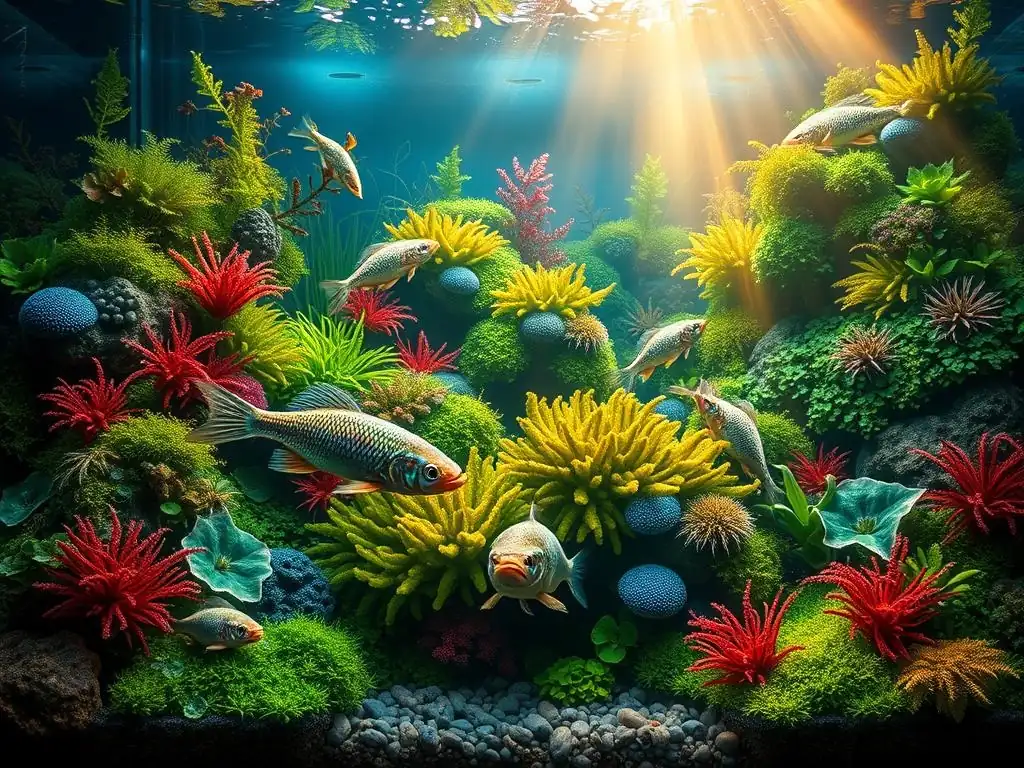
Welcome to Aquarium Mastery, where we unlock the secrets to thriving aquatic ecosystems!
Ever wondered about the unseen power of biofilm in your freshwater aquarium? You might be surprised to learn how crucial it is, especially for those adorable algae-eating Otocinclus. Dive into our latest article, " Otocinclus & Biofilm: The Unseen Feast That Keeps Them Healthy," and discover the amazing health benefits it provides to these little algae eaters. Ready to ensure your Otos are living their best, healthiest lives? Let's explore!
- Understanding the Vital Role of Biofilm in Otocinclus Health
- The Otocinclus Biofilm Connection: A Symbiotic Relationship
- Cultivating Biofilm for Optimal Otocinclus Health
- Recognizing Healthy Biofilm vs. Harmful Algae in Your Otocinclus Tank
- Supplementing Biofilm: Ensuring a Balanced Otocinclus Diet
- Maintaining a Healthy Biofilm Ecosystem for Otocinclus
- Troubleshooting Biofilm Issues in Otocinclus Aquariums
- Long-Term Otocinclus Health: The Biofilm Advantage
- Otocinclus Biofilm Health Benefits: A Recap and Best Practices
-
Frequently Asked Questions
- What is biofilm and why is it important for Otocinclus?
- How does biofilm benefit Otocinclus health?
- How can I ensure there's enough biofilm in my aquarium for my Otocinclus?
- What are the signs that my Otocinclus aren't getting enough biofilm?
- Can I supplement my Otocinclus' diet if there's not enough biofilm?
- Final Reflection: The Silent Symphony of Health
- Nurture Your Aquarium: Unleash the Power of Biofilm!
Understanding the Vital Role of Biofilm in Otocinclus Health
What is Biofilm and Why is it Important for Otocinclus?
Biofilm is a complex, slimy matrix of microorganisms, including bacteria, algae, fungi, and protozoa, that adheres to surfaces submerged in water. For Otocinclus catfish, this seemingly insignificant film is not just important; it is their primary and most vital food source. In their natural habitats, such as the slow-moving tributaries of the Amazon, Otocinclus constantly graze on submerged wood, rocks, and plant matter, consuming the rich, nutrient-dense biofilm that covers these surfaces.
This unique diet provides Otocinclus with essential nutrients, beneficial microbes, and a continuous food supply that is crucial for their survival and well-being. Unlike pure algae, biofilm offers a more complete nutritional profile, incorporating proteins, fats, vitamins, and minerals derived from the diverse microbial community and trapped organic detritus. Studies of wild Otocinclus populations indicate that their digestive systems are specifically adapted to process this complex organic matter, making the presence of robust biofilm a cornerstone for Otocinclus biofilm health benefits.
Otocinclus Natural Diet: Beyond Algae, Embracing Biofilm
Many aquarists mistakenly believe that Otocinclus are solely "algae eaters," expecting them to meticulously clean every trace of green from their tanks. While they do consume some types of soft algae, their natural diet extends far beyond this, primarily consisting of the microscopic organisms and detritus found within biofilm. This distinction is critical because relying solely on algae or commercial algae wafers can lead to nutritional deficiencies if biofilm is not sufficiently present.
In their native South American rivers, Otocinclus species like Otocinclus vittatus and Otocinclus affinis are observed to spend upwards of 80% of their active time grazing on submerged surfaces. This continuous foraging behavior is a testament to their reliance on biofilm as a stable and omnipresent food source. The Otocinclus biofilm health benefits are profound, as this diet provides a constant influx of diverse microorganisms that are essential for their digestive health and overall vitality, offering a nutritional complexity that simple algae cannot match.
The Otocinclus Biofilm Connection: A Symbiotic Relationship
How Otocinclus Benefit from Biofilm Consumption
The consumption of biofilm offers a multitude of benefits to Otocinclus catfish, extending far beyond simple caloric intake. The diverse bacterial and microbial populations within biofilm contribute significantly to the Otocinclus's gut microbiome, aiding in digestion and nutrient absorption. A healthy gut flora, fostered by a biofilm-rich diet, is directly linked to a stronger immune system, making these delicate fish more resilient to common diseases and environmental stressors.
Furthermore, biofilm provides access to crucial micronutrients that are often lacking in commercial fish foods or pure algal diets. These include various B vitamins, beneficial fatty acids, and trace elements produced by the microbial community. It is estimated that a healthy biofilm layer can contribute up to 50% of the daily caloric and nutritional intake for a grazing Otocinclus, depending on the tank's maturity and the fish's activity level. This consistent and balanced nutrition is a key factor in promoting the remarkable Otocinclus biofilm health benefits, leading to improved growth rates, vibrant coloration, and increased longevity.
Biofilm as a Primary Food Source for Otocinclus Catfish
Biofilm's role as a primary food source for Otocinclus catfish cannot be overstated. Its constant availability and the natural foraging behavior it encourages make it an ideal dietary staple. Unlike flake foods or pellets, which are consumed quickly and may lead to competition among tank inhabitants, biofilm allows Otocinclus to graze continuously throughout the day, mimicking their natural feeding patterns. This continuous access to food reduces stress and ensures a steady supply of nutrients.
Observations in aquariums with well-established biofilm layers show that Otocinclus exhibit more robust growth and brighter, more natural coloration compared to those kept in sterile environments reliant solely on supplemental feeding. The biofilm provides a complex array of proteins, carbohydrates, and lipids derived from the microbial life and accumulated organic matter. This natural diet supports their delicate digestive systems, which are not well-suited for processing large quantities of processed foods. The consistent and varied nutritional input from biofilm is fundamental to the long-term Otocinclus biofilm health benefits, fostering their natural vitality.
Cultivating Biofilm for Optimal Otocinclus Health
Creating a Biofilm-Rich Environment in Your Aquarium
Cultivating a thriving biofilm ecosystem is fundamental for the well-being of Otocinclus catfish. The most effective way to encourage biofilm growth is by providing ample surface area within the aquarium. Natural elements such as driftwood, smooth river rocks, and live aquatic plants (especially those with broad leaves like Anubias or Java Fern) offer ideal substrates for microbial colonization. These surfaces act as natural "grazing pastures" for Otocinclus, ensuring a continuous food supply.
Beyond surface area, proper lighting and water flow also play crucial roles. Moderate lighting, typically 8-10 hours a day, promotes beneficial algal and bacterial growth without leading to problematic algae blooms. Gentle to moderate water flow helps to distribute nutrients to the biofilm communities and prevents stagnant areas where less desirable organisms might flourish. For example, a 10-gallon tank with a few pieces of established driftwood and a couple of well-rooted Anubias plants can develop a significant and stable biofilm layer within 3-4 weeks, providing a consistent source of Otocinclus biofilm health benefits.
Natural Methods to Encourage Biofilm Growth for Otocinclus
Encouraging biofilm growth for Otocinclus relies heavily on patience and a hands-off approach, especially in a newly established aquarium. The initial "cycling" process, where beneficial bacteria colonize the filter media and tank surfaces, is the first step in establishing a healthy biofilm. Allowing sufficient time for this process, typically 2-4 weeks, ensures a stable foundation for the microbial communities.
Introducing unboiled natural driftwood, such as Malaysian or Mopani wood, and various types of smooth, inert rocks (e.g., river stones) provides excellent, long-lasting surfaces for biofilm development. It's also important to avoid excessive cleaning of aquarium surfaces. While glass cleaning is often necessary, allowing a thin film to remain on decor, plants, and even the back glass promotes continuous biofilm production. This natural development, rather than constant scrubbing, ensures that the Otocinclus biofilm health benefits are consistently available, supporting their natural grazing behaviors.
Recognizing Healthy Biofilm vs. Harmful Algae in Your Otocinclus Tank
Identifying Beneficial Biofilm for Your Otocinclus
Recognizing beneficial biofilm is crucial for maintaining a healthy environment for your Otocinclus. Healthy biofilm typically appears as a thin, translucent to slightly brownish or greenish film on aquarium surfaces. It's often smooth to the touch, not fuzzy, stringy, or excessively thick. This beneficial film will usually be found on driftwood, rocks, plant leaves, and the aquarium glass. When Otocinclus graze, they will actively scrape at these surfaces, and you might see them "mouth-mowing" over the film.
Unlike problematic algae, beneficial biofilm does not rapidly spread to cover all surfaces in a dense mat. It's a subtle, often almost invisible, layer that provides a constant food source. For instance, a light, dusty green or brown film on the glass that easily wipes off, or a slightly slimy, clear coating on driftwood, are good indications of healthy, Otocinclus-friendly biofilm. Observing your Otocinclus actively and continuously grazing on these surfaces is the best confirmation that the film is providing the desired Otocinclus biofilm health benefits.
Differentiating Between Good Biofilm and Problematic Algae Growth
Distinguishing between beneficial biofilm and harmful algae is essential for aquarium health. Problematic algae, unlike the subtle film of biofilm, often manifest as thick, dense growths that can quickly overwhelm an aquarium. Examples include fuzzy hair algae, stubborn black beard algae (BBA), or vibrant green spot algae that adheres firmly to surfaces. These types of algae often indicate underlying issues such as nutrient imbalances (e.g., high nitrates or phosphates) or excessive light exposure, rather than a healthy microbial ecosystem.
While Otocinclus may nibble at some types of problematic algae, these are not their preferred or primary food source, and their presence suggests an unhealthy tank environment. If you notice large, rapidly expanding mats of green, black, or blue-green slime, or if the algae is excessively thick and inhibits plant growth, it's likely a harmful bloom that needs to be addressed.
A general rule of thumb is that if more than 25% of your tank surfaces are covered in thick, dark, or stringy algae, it's a sign of an imbalance that can negatively impact the overall Otocinclus biofilm health benefits by suffocating the beneficial microorganisms.
Supplementing Biofilm: Ensuring a Balanced Otocinclus Diet
When Biofilm Isn't Enough: Alternative Food Sources for Otocinclus
While biofilm is the cornerstone of an Otocinclus's diet, there are instances where natural biofilm production may not be sufficient to meet the nutritional demands of your fish. This can occur in newer tanks where biofilm hasn't fully established, in aquariums with a high density of Otocinclus (e.g., 6-8 individuals in a 20-gallon tank), or if the fish are particularly large or active. Signs of insufficient biofilm include Otocinclus appearing lethargic, exhibiting sunken bellies, or constantly scavenging without finding much to graze on.
In such cases, supplementation becomes crucial to prevent malnutrition and ensure the long-term health of your Otocinclus. A varied diet, even with abundant biofilm, helps to provide a broader spectrum of nutrients and prevents potential deficiencies. The goal is to complement, not replace, the natural biofilm grazing. This approach ensures that the Otocinclus biofilm health benefits are maximized while providing a safety net of additional nutrition.
Safe and Nutritious Supplements to Complement Biofilm Consumption
When supplementing the diet of your Otocinclus, choose options that are palatable, nutritious, and easy for them to consume. High-quality spirulina-based algae wafers or small sinking pellets designed for bottom-feeders are excellent choices. These should be offered sparingly, typically a small piece every other day, to avoid overfeeding and water quality issues. Blanched vegetables, such as slices of cucumber, zucchini, or spinach leaves, are also highly beneficial. These can be weighted down to sink, allowing the Otocinclus to graze on them naturally.
It's important to remove any uneaten vegetable matter within 24 hours to prevent it from fouling the water. For a group of 5-6 Otocinclus in a 20-gallon tank, offering a 1-inch slice of blanched zucchini 2-3 times a week can provide excellent supplementary nutrition. These supplements not only provide direct nutrients but can also serve as additional surfaces for biofilm to colonize, further enhancing the overall Otocinclus biofilm health benefits by diversifying their food sources.
Maintaining a Healthy Biofilm Ecosystem for Otocinclus
Water Parameters and Their Impact on Biofilm Development
Maintaining stable and appropriate water parameters is paramount for fostering a healthy biofilm ecosystem. Biofilm communities, like all living organisms, thrive in consistent conditions. For Otocinclus, this means temperatures typically ranging from 72-78°F (22-26°C), a pH between 6.5-7.5, and low levels of nitrates, ideally below 20 ppm. While biofilm does consume some nitrates, excessively high levels can favor the growth of less desirable bacterial or algal species, potentially outcompeting beneficial biofilm.
Sudden fluctuations in temperature (e.g., more than 2°F or 1°C daily) or pH (e.g., a swing of 0.5 units) can stress microbial communities and inhibit biofilm colonization. Moderate water hardness (GH 4-12, KH 3-8) generally supports robust biofilm development. Regular water changes are crucial for removing accumulated pollutants and replenishing essential trace elements that contribute to a thriving microbial environment, thereby supporting the consistent Otocinclus biofilm health benefits.
The Role of Filtration in Supporting Biofilm Growth for Otocinclus
Effective filtration plays an indirect yet vital role in supporting a healthy biofilm ecosystem for Otocinclus. Mechanical filtration, often provided by filter floss or sponges, removes particulate matter from the water column. This prevents suspended debris from settling on and smothering the delicate biofilm layers on tank surfaces, ensuring they remain accessible for grazing.
Biological filtration, typically housed within the filter media itself (e.g., ceramic rings, bio-balls), is home to a vast colony of beneficial nitrifying bacteria. A robust biological filter ensures excellent water quality by converting harmful ammonia and nitrite into less toxic nitrate.
This stable, clean water environment is crucial for the overall health of the aquarium, which in turn promotes the growth of beneficial biofilm on all surfaces. While chemical filtration (like activated carbon) can be useful for removing impurities, it should be used judiciously, as excessive use might remove beneficial organic compounds that contribute to biofilm development, thus potentially diminishing the Otocinclus biofilm health benefits.
Troubleshooting Biofilm Issues in Otocinclus Aquariums
Dealing with Insufficient Biofilm Production
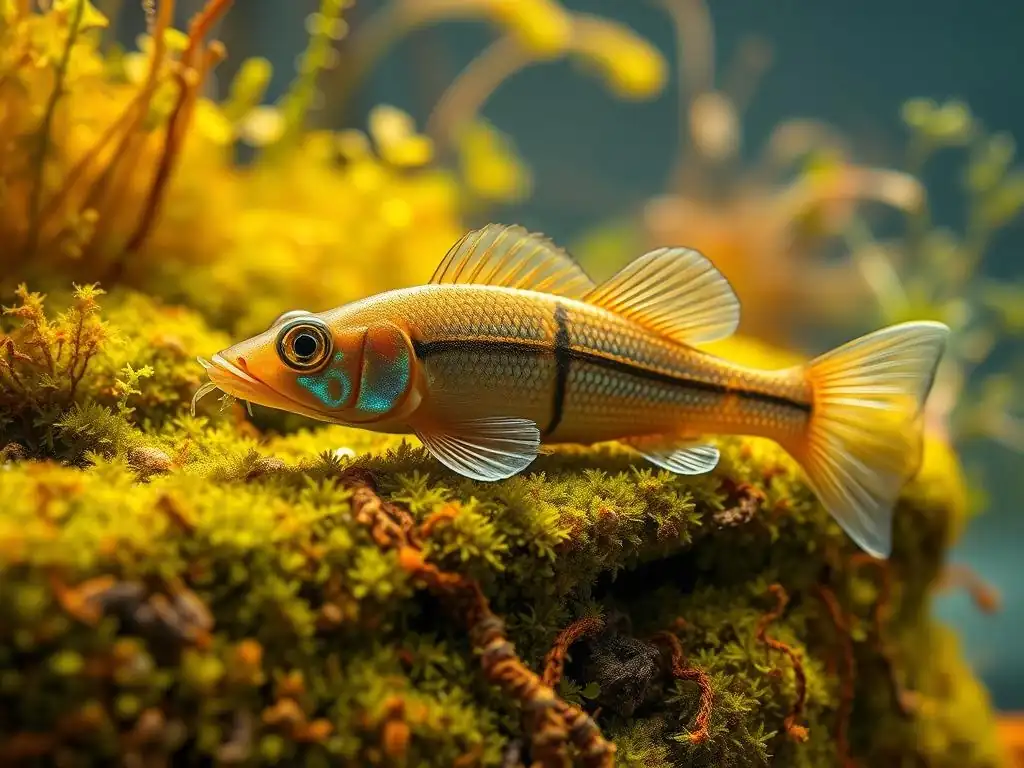
Insufficient biofilm production is a common issue, especially in new aquariums or those that are excessively cleaned. If your Otocinclus appear to be constantly searching for food, have sunken bellies, or are lethargic, a lack of biofilm might be the cause. Common culprits include an immature tank cycle, over-cleaning of surfaces, or an Otocinclus population that is too large for the available surface area. For instance, an 8-gallon tank might struggle to produce enough biofilm for more than 3-4 Otocinclus.
To address this, first, reduce the frequency and intensity of tank cleaning, allowing a thin film to develop on decor and glass. Ensure your tank is fully cycled and mature; patience is key. Adding more natural surfaces like driftwood, smooth rocks, or live plants will significantly increase the available area for biofilm colonization. In some cases, adding a liquid bacterial starter can help jump-start microbial growth. Providing these conditions is essential for establishing and maintaining the Otocinclus biofilm health benefits.
Managing Excessive or Unhealthy Biofilm Buildup
While biofilm is beneficial, excessive or unhealthy buildup can indicate underlying problems. A thick, dark brown or green slime covering the substrate, plants, and decor, often accompanied by a foul smell, is typically an unhealthy bacterial bloom (often cyanobacteria, also known as "blue-green algae") rather than beneficial biofilm. This can be caused by overfeeding, poor water quality (high nitrates/phosphates), or excessive light.
To manage this, the primary step is to identify and address the root cause. Reduce feeding amounts to prevent excess nutrients. Perform larger and more frequent water changes (e.g., 50% daily for a few days) to remove accumulated pollutants. Adjust your lighting schedule and intensity; a temporary blackout (2-3 days) can sometimes help. Increasing water flow in stagnant areas can also deter unhealthy growths. Consistent management of these factors is crucial to ensure that the biofilm present in your tank is truly beneficial and contributes to the Otocinclus biofilm health benefits rather than detracting from overall tank health.
Long-Term Otocinclus Health: The Biofilm Advantage
Promoting Longevity and Vigor Through Biofilm Management
Effective biofilm management is a cornerstone of promoting longevity and vigor in Otocinclus catfish. A consistent and abundant supply of biofilm ensures that these delicate fish have continuous access to their primary food source, significantly reducing stress associated with food scarcity. This continuous grazing, mimicking their natural feeding behaviors, contributes to their overall well-being and allows them to thrive rather than merely survive.
The nutritional completeness provided by biofilm, including its diverse microbial content, strengthens their internal systems. Otocinclus kept in environments rich in biofilm often display more robust growth, brighter and more defined coloration, and a more active, natural demeanor. While wild Otocinclus lifespans can vary, in the aquarium, individuals consistently fed a biofilm-rich diet are observed to live 3-5 years, a notable improvement over those in biofilm-deficient tanks, which might only survive 1-2 years due to chronic stress and malnutrition. This stark difference underscores the profound Otocinclus biofilm health benefits in promoting their long-term vitality.
Biofilm and its Contribution to Otocinclus Disease Resistance
The connection between biofilm and Otocinclus disease resistance is multifaceted and significant. The beneficial bacteria found within healthy biofilm contribute directly to a robust gut microbiome in the Otocinclus. This healthy gut flora outcompetes pathogenic bacteria, making the fish less susceptible to internal infections and digestive issues. Furthermore, enhanced nutrient absorption from their natural diet strengthens their overall immune response.
A continuously available food source also significantly reduces chronic stress, which is a major factor in weakening a fish's immune system. Otocinclus that are well-fed on biofilm are less prone to common aquarium ailments like ich (white spot disease), fin rot, or bacterial infections, even when exposed to typical tank stressors such as water parameter fluctuations or the introduction of new tank mates. By fostering a thriving biofilm ecosystem, aquarists are actively contributing to the Otocinclus's inherent ability to fight off disease, cementing the critical role of Otocinclus biofilm health benefits in their overall resilience.
Otocinclus Biofilm Health Benefits: A Recap and Best Practices
Key Takeaways for Ensuring Optimal Biofilm Availability
Ensuring optimal biofilm availability for your Otocinclus involves a combination of careful tank setup, consistent maintenance, and a deep understanding of their dietary needs.
- Prioritize natural surfaces: Incorporate ample driftwood, smooth rocks, and live, broad-leaved plants to provide extensive areas for biofilm colonization.
- Cycle tanks properly: Allow sufficient time for the aquarium to fully cycle and for beneficial microbial communities to establish before introducing Otocinclus.
- Maintain stable water parameters: Consistent temperature, pH, and low nitrate levels are crucial for the healthy growth of biofilm.
- Supplement wisely: While biofilm is primary, be prepared to offer high-quality algae wafers or blanched vegetables to complement their diet, especially in new or heavily stocked tanks.
- Observe your Otocinclus: Pay close attention to their behavior, activity levels, and physical condition. Sunken bellies or lethargy can signal insufficient biofilm.
Biofilm-Friendly Tank Setup Examples: Planted Tanks, Wood & Rock Aquascapes
Designing an aquarium with Otocinclus biofilm health benefits in mind focuses on maximizing grazing surfaces and promoting microbial growth.
- Heavily Planted Tanks: These setups are ideal, offering vast surface areas on leaves, stems, and substrate for biofilm to thrive. Plants like Anubias, Bucephalandra, Java Fern, and various mosses are excellent choices due to their textured surfaces and ability to grow in moderate light, which supports biofilm. A 20-gallon long tank densely planted with a variety of these species can provide an exceptional, continuously renewing food source.
- Wood & Rock Aquascapes: Incorporating numerous pieces of natural driftwood (e.g., Malaysian, Mopani wood) and various types of inert rocks (e.g., Seiryu Stone, Dragon Stone) creates intricate landscapes with abundant irregular surfaces for biofilm. Ensure wood is well-leached to minimize tannins if clear water is desired, but note that tannins themselves do not harm biofilm.
- Low-Tech Setups: Often, simpler, low-tech aquarium setups that rely on natural processes and minimal intervention are highly effective for fostering biofilm, as they allow microbial communities to establish undisturbed. These environments are often the most successful in showcasing the full range of Otocinclus biofilm health benefits.
Frequently Asked Questions
What is biofilm and why is it important for Otocinclus?
Biofilm is a slimy layer of microorganisms and organic matter that naturally forms in aquariums. Otocinclus are obligate biofilm eaters, meaning it's essential for their diet and health.
How does biofilm benefit Otocinclus health?
Biofilm provides Otocinclus with vital nutrients and microorganisms necessary for digestion and overall well-being. Without sufficient biofilm, they can starve and become susceptible to disease.
How can I ensure there's enough biofilm in my aquarium for my Otocinclus?
Avoid over-cleaning your tank, especially surfaces like glass, decorations, and plants. Consider adding biofilm-generating products or leaving some surfaces undisturbed.
What are the signs that my Otocinclus aren't getting enough biofilm?
Signs include thin body condition, lethargy, and increased susceptibility to illness. They may also spend more time scavenging on surfaces instead of actively grazing.
Can I supplement my Otocinclus' diet if there's not enough biofilm?
Yes, you can supplement with algae wafers, blanched vegetables (like zucchini), and biofilm-enhancing supplements to ensure they get the nutrients they need.
Final Reflection: The Silent Symphony of Health
The intricate relationship between Otocinclus catfish and biofilm, as explored in this article, highlights a crucial aspect of aquarium keeping often overlooked: the symbiotic dance of life at a microscopic level. It's easy to focus on the larger, more visible aspects of our aquariums, but understanding the unseen world of biofilm is paramount to ensuring the health and well-being of these fascinating creatures. This understanding transcends mere fishkeeping; it's a lesson in appreciating the delicate balance of ecosystems, both large and small.
This exploration has profoundly influenced my own perspective on aquarium maintenance, shifting my focus from simply removing "algae" to nurturing a thriving, balanced biofilm ecosystem. Recognizing the vital role biofilm plays in the Otocinclus diet has transformed my approach, leading to healthier, more vibrant fish. Look deep into nature, and then you will understand everything better.
- Albert Einstein. This quote resonates deeply, reminding us that true understanding comes from observing and appreciating the nuances of the natural world, even within the confines of our own aquariums.
Now, consider the implications of this knowledge. How can you, as a fellow aquarist, apply these insights to your own tanks? Take a moment to reflect on the current state of your aquarium's biofilm. Are you inadvertently starving your Otocinclus by being too zealous with cleaning? Embrace a more holistic approach, fostering a thriving biofilm community and witnessing the remarkable health benefits it provides. Let's cultivate not just aquariums, but miniature ecosystems where every creature, great and small, can thrive.
Nurture Your Aquarium: Unleash the Power of Biofilm!
Thanks for diving into the fascinating world of Otocinclus and their biofilm buffet! Now that you understand the importance of this unseen ecosystem, it's time to take action and ensure a thriving environment for your algae eaters.
Here’s how you can make a difference:
- Cultivate a lush biofilm haven by reducing water changes slightly and providing ample surfaces like driftwood and rocks for biofilm growth.
- Explore alternative feeding methods! Introduce blanched vegetables like zucchini or cucumber, to diversify your Otocinclus' diet and supplement biofilm grazing.
- Share your Otocinclus success stories! Post pictures of your flourishing Otocinclus tank on social media using #AquariumMastery and inspire other hobbyists.
What innovative methods will you use to boost biofilm production in your aquarium?