
Decoding Tetra Water Parameters: pH, Hardness, and Temperature Explained

Welcome to Aquarium Mastery!
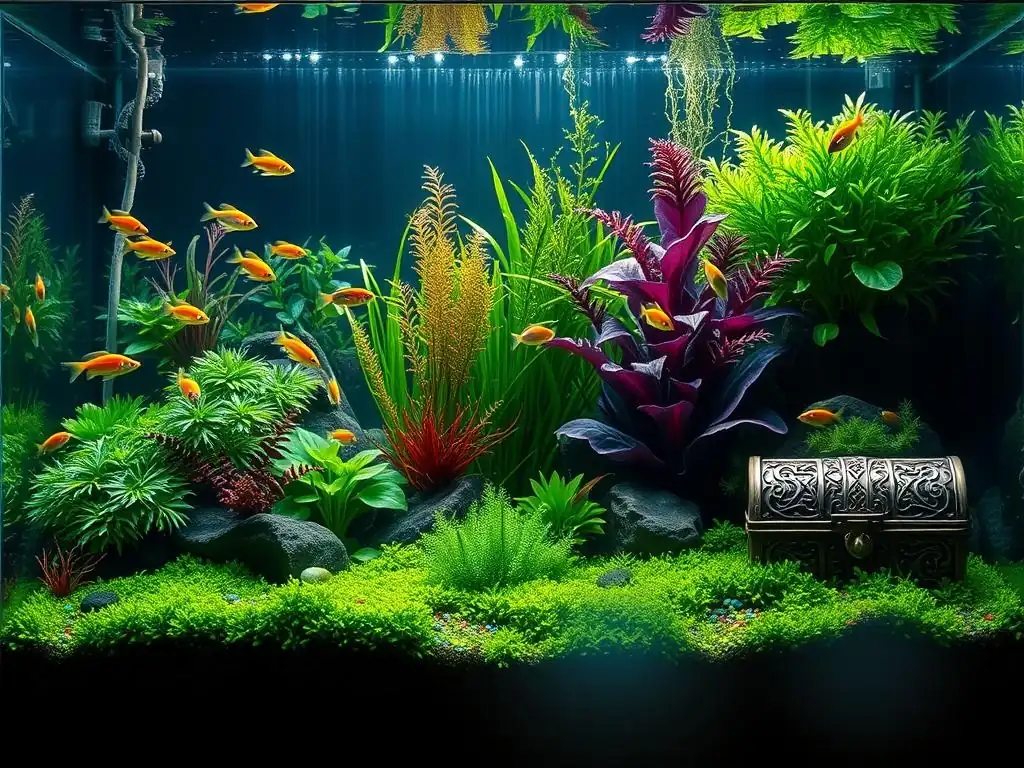
Ever wondered if your Tetra's shimmering scales are a secret code? Unlocking the key to their well-being starts with understanding their environment. Dive into our Tetra aquarium water parameter guide and discover how pH, hardness, and temperature affect these vibrant fish. Ready to create the perfect aquatic paradise for your Tetras? Let's begin!
- Decoding Aquarium Water Parameters for South American Tetras: pH, Hardness, and Temperature Explained
- Understanding Ideal Water Parameters for South American Tetra Fish
- Tetra Aquarium pH Levels: A Comprehensive Guide
- Tetra Aquarium Water Hardness: GH and KH Explained
- Tetra Aquarium Temperature: Finding the Perfect Balance
- Monitoring and Maintaining Optimal Tetra Aquarium Water Parameters
- Troubleshooting Common Water Parameter Issues in Tetra Aquariums
- Creating a Thriving Environment for Your South American Tetra School
-
Frequently Asked Questions
- How do I determine the ideal pH level for my Tetra aquarium?
- What is water hardness, and why is it important for Tetras?
- What is the recommended temperature range for a Tetra aquarium?
- How often should I test my Tetra aquarium water parameters?
- What are some common signs that my Tetra aquarium water parameters are off?
- Final Reflection: The Delicate Balance of Aquatic Life
- Unlock Thriving Tetra Health Today!
Decoding Aquarium Water Parameters for South American Tetras: pH, Hardness, and Temperature Explained
Understanding Ideal Water Parameters for South American Tetra Fish
Why Water Quality Matters for Tetra Health and Longevity
Maintaining pristine and stable water quality is paramount for the health, vibrancy, and longevity of South American Tetras. These small, schooling fish are particularly sensitive to fluctuations and suboptimal conditions, which can quickly lead to stress, weakened immune systems, and susceptibility to various diseases. Poor water parameters, such as incorrect pH or fluctuating temperatures, directly impact a Tetra's physiological processes, including osmoregulation (the balance of salts and water in their bodies) and gill function, leading to labored breathing or even organ damage.
When water parameters deviate significantly from their ideal range, Tetras become highly stressed. This stress manifests as dull coloration, clamped fins, erratic swimming, and a reduced appetite. For instance, a sudden pH drop of just 0.5 units can significantly stress fish, making them highly susceptible to opportunistic pathogens like Ichthyophthirius multifiliis (Ich). Conversely, stable parameters within the recommended ranges can extend a Tetra's lifespan from an average of 3-5 years to 6-8 years or even longer for species like Neon Tetras, demonstrating the profound impact of a well-maintained Tetra aquarium water parameter guide.
Key Aquarium Water Parameters for South American Tetras: An Overview
For South American Tetras, several key water parameters demand careful attention: pH, General Hardness (GH), Carbonate Hardness (KH), and temperature. pH measures the acidity or alkalinity of the water, while GH indicates the total concentration of dissolved mineral ions, primarily calcium and magnesium. KH, or alkalinity, measures the buffering capacity of the water, preventing drastic pH swings. Temperature is crucial as Tetras are ectothermic, meaning their body temperature is regulated by their environment, directly influencing their metabolism and immune response.
These parameters are interconnected; for example, low KH can lead to unstable pH. Understanding and consistently monitoring each parameter is essential for replicating the natural Amazonian habitats that South American Tetras originate from. For most species, the general desired range is a slightly acidic to neutral pH (6.0-7.0), soft to moderately soft water (GH 4-12 dGH), and a stable temperature (23-28°C or 73-82°F). This foundational knowledge is critical for anyone seeking a comprehensive Tetra aquarium water parameter guide.
Tetra Aquarium pH Levels: A Comprehensive Guide
What is pH and Why is it Important for South American Tetras?
pH is a measure of the hydrogen ion concentration in water, indicating its acidity or alkalinity on a scale of 0 to 14. A pH of 7.0 is neutral, values below 7.0 are acidic, and values above 7.0 are alkaline (or basic). For South American Tetras, pH is critically important because it directly impacts their physiological functions, including enzyme activity, gill respiration, and osmoregulation. Rapid or significant pH swings can cause severe stress, damage gill tissue, and impair their ability to extract oxygen from the water.
One of the most crucial aspects of pH for Tetras is its influence on the toxicity of ammonia. Ammonia (NH3), a highly toxic waste product, exists in equilibrium with less toxic ammonium ions (NH4+). At higher pH levels, a greater proportion of total ammonia nitrogen (TAN) shifts towards the highly toxic unionized ammonia (NH3).
For example, at a pH of 8.0 and 25°C, approximately 5% of TAN is in the toxic NH3 form, whereas at a pH of 7.0, this drops to about 0.5%. Maintaining the preferred slightly acidic pH range of 6.0-7.0 for Tetras significantly minimizes the risk of ammonia toxicity, even if small amounts are present.
Ideal pH Range for Popular South American Tetra Species
While most South American Tetras prefer soft, acidic water, there are slight variations among popular species that a comprehensive Tetra aquarium water parameter guide should highlight. Adhering to these ranges helps ensure optimal health and vibrant coloration.
- Neon Tetras ( Paracheirodon innesi): pH 6.0-7.0, ideally around 6.5.
- Cardinal Tetras ( Paracheirodon axelrodi): pH 5.5-7.0, ideally 6.0-6.5. These are often found in very soft, acidic blackwater environments.
- Rummy-Nose Tetras ( Hemigrammus bleheri): pH 6.0-7.0.
- Black Skirt Tetras ( Gymnocorymbus ternetzi): pH 6.0-7.5. These are slightly more tolerant of a wider range.
- Serpae Tetras ( Hyphessobrycon eques): pH 6.0-7.5.
Generally, a pH between 6.5 and 7.0 is a safe and suitable target for a mixed community of South American Tetras, reflecting their natural origins in the Amazon Basin's slightly acidic river systems.
How to Measure pH in Your Tetra Aquarium
Accurate and regular pH testing is fundamental to maintaining a stable Tetra aquarium. The two primary methods for measuring pH are liquid test kits and digital pH meters. Liquid test kits are widely available and cost-effective, typically involving adding drops of reagent to a water sample and comparing the resulting color to a chart. These kits usually offer a precision of 0.2-0.5 pH units, which is sufficient for most home aquarists.
Digital pH meters provide a more precise reading, often to 0.01 pH units, and are generally easier and quicker to use. However, they require regular calibration with buffer solutions (e.g., pH 7.0 and pH 4.0) every 2-4 weeks to maintain accuracy, as their probes can drift over time. Regardless of the method chosen, consistency is key: test your aquarium's pH at the same time of day, ideally before feeding, to get the most reliable readings. Weekly testing is a good habit, but daily testing is advisable when troubleshooting or adjusting parameters.
Safely Adjusting pH Levels in a Tetra Tank
Adjusting pH should always be done slowly and gradually to avoid shocking your Tetras. Rapid pH swings are far more detrimental than a slightly off but stable pH. The goal is to make changes no greater than 0.2 pH units per 24 hours.
Lowering pH in a Tetra Aquarium: Methods and Precautions
To lower pH, particularly for species that thrive in more acidic conditions like Cardinal Tetras, several methods can be employed. Natural methods include adding driftwood, which releases tannins that slightly acidify the water, and peat moss or Indian Almond Leaves, which also release humic acids. For example, adding 5-10 Indian Almond Leaves to a 100-liter tank can gradually lower the pH by 0.2-0.5 units over several days while providing beneficial tannins.
Reverse Osmosis (RO) or Deionized (DI) water, which is essentially pure water with a neutral pH and no buffering capacity, can be mixed with tap water to dilute its pH and hardness. CO2 injection, primarily used for planted tanks, also lowers pH by forming carbonic acid.
When using chemical pH-lowering products, exercise extreme caution as they can cause rapid and dangerous pH crashes if not dosed precisely. Always monitor your fish closely for signs of stress during any pH adjustment.
Raising pH in a Tetra Aquarium: Methods and Precautions
Raising pH is less commonly needed for South American Tetras, but if your tap water is excessively acidic or if a pH crash occurs due to depleted buffering capacity, it may be necessary. Methods include adding crushed coral or aragonite to the substrate or filter, which slowly dissolve and release calcium carbonate, increasing both pH and KH. Aerating the water vigorously can also help by driving off dissolved CO2, which in turn raises pH.
Baking soda (sodium bicarbonate) can temporarily raise pH, but it provides a quick, short-lived spike and does not offer long-term stability as it's rapidly consumed. If using baking soda, add it in very small increments (e.g., 1/4 teaspoon per 40 liters) dissolved in tank water, and monitor the pH constantly. A more stable approach is to ensure sufficient carbonate hardness (KH) is present, as KH acts as the primary buffer against pH drops.
Troubleshooting pH Problems in Tetra Aquariums
The most common pH problem in Tetra aquariums is a "pH crash," where the pH drops rapidly and drastically, often due to a depleted carbonate hardness (KH). This can be caused by insufficient buffering in the water, overfeeding leading to excess organic waste, or infrequent water changes. If KH levels fall below 2-3 dKH, the water loses its ability to neutralize acidic compounds produced by the nitrogen cycle and decaying organic matter, making the pH highly unstable.
Persistent high or low pH can often be traced back to the source water (tap water) or the substrate/decorations used in the tank. For example, some rocks or substrates can leach minerals that continuously raise pH. Solutions include ensuring regular water changes to replenish buffers, using appropriate pH-buffering products (like commercial buffers designed for specific pH ranges, always used with caution), or adjusting the source water with RO/DI water. Regular testing of both pH and KH is a vital part of a proactive Tetra aquarium water parameter guide to prevent these issues.
Tetra Aquarium Water Hardness: GH and KH Explained
Understanding General Hardness (GH) and Carbonate Hardness (KH)
Water hardness is typically measured in two ways: General Hardness (GH) and Carbonate Hardness (KH). GH refers to the concentration of dissolved divalent metal ions, primarily calcium (Ca2+) and magnesium (Mg2+). These minerals are essential for fish health, playing roles in osmoregulation, bone development, and enzyme function. Water with low GH is considered "soft," while water with high GH is "hard." For Tetras, which originate from soft water environments, excessively high GH can cause osmotic stress.
KH, also known as alkalinity, measures the concentration of carbonate and bicarbonate ions. These ions act as buffers, neutralizing acids produced by biological processes (like the nitrogen cycle) and preventing sudden, drastic pH swings. A stable KH is crucial for maintaining a stable pH, as it provides the water's buffering capacity. If KH is too low, the water's pH can "crash," leading to severe stress or death for fish. Therefore, both GH and KH are vital components of a comprehensive Tetra aquarium water parameter guide.
Ideal GH and KH Levels for Popular South American Tetra Species
South American Tetras generally thrive in soft to moderately soft water, reflecting their native environments. The specific ideal ranges for GH and KH can vary slightly by species, but there are common overlaps.
- Neon Tetra: GH 1-10 dGH (18-180 ppm), KH 1-5 dKH (18-90 ppm).
- Cardinal Tetra: GH 1-5 dGH (18-90 ppm), KH 1-3 dKH (18-54 ppm). They prefer softer water than Neons.
- Rummy-Nose Tetra: GH 1-8 dGH (18-140 ppm), KH 1-5 dKH (18-90 ppm).
- Black Skirt Tetra: GH 4-12 dGH (70-210 ppm), KH 3-8 dKH (54-140 ppm). More adaptable to slightly harder water.
- Serpae Tetra: GH 4-12 dGH (70-210 ppm), KH 3-8 dKH (54-140 ppm). Similar adaptability to Black Skirts.
For a general community tank with various South American Tetras, aiming for a GH between 4-8 dGH (70-140 ppm) and a KH between 3-6 dKH (54-108 ppm) provides a suitable and stable environment for most species.
Measuring GH and KH in Your Tetra Aquarium
Measuring GH and KH typically involves using liquid drop test kits, which are readily available and provide accurate results. These kits usually come with two separate reagents and instructions for each test. For GH, you add drops of a reagent to a water sample until the color changes from one hue to another (e.g., orange to green). Each drop added before the color change represents 1 dGH (degrees of General Hardness).
Similarly, for KH, you add drops of a different reagent to a separate water sample until a specific color change occurs (e.g., blue to yellow). Each drop represents 1 dKH (degrees of Carbonate Hardness). These tests are straightforward and usually take less than 5 minutes to complete. Regular weekly testing of both GH and KH, alongside pH, is crucial for monitoring the stability of your Tetra aquarium water parameter guide and preventing potential issues before they impact your fish.
Adjusting Water Hardness for Tetra Species
Adjusting water hardness should, like pH adjustments, be done gradually to avoid stressing your Tetras. Extreme changes can be more harmful than slightly suboptimal but stable conditions.
Softening Water for Tetra Aquariums: Methods and Considerations
To soften water for Tetras, particularly if your tap water is naturally hard, the most effective method is mixing it with Reverse Osmosis (RO) or Deionized (DI) water. RO/DI water is virtually free of minerals, allowing you to precisely control the GH by mixing it with your tap water in specific ratios.
For example, to achieve a GH of 6 dGH from tap water that is 12 dGH, a 50/50 mix with RO/DI water would be appropriate. Peat filtration or adding Indian Almond Leaves and driftwood can also slightly reduce GH over time by absorbing some minerals and releasing tannins.
When using RO/DI water, it's crucial to remineralize it to provide essential trace elements that are stripped away during the purification process. Commercial remineralizing products specifically designed for RO water can be used to add back necessary minerals for fish health, ensuring that while the water is soft, it still provides vital nutrients.
Hardening Water for Tetra Aquariums: Methods and Considerations
While Tetras generally prefer soft water, if your tap water is excessively soft (e.g., below 2 dGH), it may lack sufficient minerals for their health and buffering capacity. In such cases, a slight increase in hardness might be beneficial. Adding a small amount of crushed coral or aragonite to the substrate or filter media will slowly dissolve and release calcium and carbonate ions, gradually increasing both GH and KH.
Another method is to use commercial products designed to increase GH, sometimes marketed as "mineral salts" or "GH boosters." These should be used sparingly and precisely, as Tetras do not require very hard water. For instance, adding 1 tablespoon of crushed coral per 50 liters of water can provide a slow, stable increase in GH and KH, preventing osmotic stress in extremely soft water conditions. Always test the water regularly to ensure the desired levels are achieved without overshooting.
The Relationship Between Hardness and pH in Tetra Tanks
The relationship between hardness, specifically Carbonate Hardness (KH), and pH is fundamental in aquarium chemistry. KH acts as the primary buffer against pH fluctuations. Carbonate and bicarbonate ions (which constitute KH) react with acids produced in the aquarium (e.g., from the nitrogen cycle, fish respiration, and decaying organic matter) to neutralize them, thereby preventing the pH from dropping rapidly.
If the KH is too low (e.g., below 2-3 dKH), the water has little to no buffering capacity. This means that even small amounts of acid can cause a drastic and sudden drop in pH, known as a "pH crash." A pH crash can be lethal to Tetras, as their systems are not equipped to handle such rapid changes. Therefore, maintaining a stable KH, typically between 3-6 dKH for most Tetras, is paramount for ensuring a stable pH and a healthy environment, making it a critical aspect of any comprehensive Tetra aquarium water parameter guide.
Tetra Aquarium Temperature: Finding the Perfect Balance
Why Temperature is Critical for Tetra Wellbeing
Temperature is a critical environmental factor for Tetras because, as ectothermic (cold-blooded) organisms, their internal body temperature is directly influenced by the surrounding water. This means their metabolism, immune system, activity levels, and even their ability to fight off disease are highly dependent on the water temperature. Temperatures outside their ideal range can lead to significant stress, sluggishness, reduced appetite, and increased susceptibility to infections.
A sudden temperature drop of just 2-3°C (3.6-5.4°F) can significantly slow a Tetra's metabolism, weaken its immune response, and make it more vulnerable to common diseases like Ich. Conversely, excessively high temperatures can accelerate their metabolism to an unhealthy degree, reduce the dissolved oxygen levels in the water (as warmer water holds less oxygen), and potentially lead to organ damage or death. Maintaining a stable and appropriate temperature is therefore non-negotiable for the wellbeing of your Tetras.
Recommended Temperature Range for Popular South American Tetra Species
Most South American Tetras are tropical fish and require warm, stable water temperatures to thrive. The ideal range generally falls between 23°C and 28°C (73°F and 82°F), with some slight variations by species:
- Neon Tetra: 22-26°C (72-79°F).
- Cardinal Tetra: 23-27°C (73-81°F). They prefer the warmer end of the spectrum.
- Rummy-Nose Tetra: 24-28°C (75-82°F). Also prefer slightly warmer conditions.
- Black Skirt Tetra: 20-26°C (68-79°F). More tolerant of cooler temperatures within the range.
- Serpae Tetra: 22-28°C (72-82°F).
For a mixed community tank of South American Tetras, a temperature of 25°C (77°F) is often an excellent average, providing a comfortable environment for most common species. Consistent temperature is more important than hitting an exact degree, as fluctuations are more stressful. This vital detail rounds out the comprehensive Tetra aquarium water parameter guide.
Using a Thermometer to Monitor Tetra Tank Temperature
Regularly monitoring your Tetra aquarium's temperature is essential to ensure it remains within the optimal range. Various types of thermometers are available for this purpose, including stick-on liquid crystal thermometers, submersible glass thermometers, and digital thermometers. Stick-on thermometers are convenient but often less accurate, typically providing readings within ±1-2°C. Submersible glass thermometers are generally more accurate (often within ±0.5°C) and are placed inside the tank. Digital thermometers, either submersible or external with a probe, offer the highest precision and are often easiest to read.
Place the thermometer away from the heater to get a representative reading of the overall tank temperature, not just the water immediately surrounding the heating element. Check the temperature daily, especially during seasonal changes, after water changes, or if you notice any changes in your fish's behavior. A stable temperature is a cornerstone of any effective Tetra aquarium water parameter guide.
Maintaining Stable Temperature in Your Tetra Aquarium
Maintaining a consistent temperature in your Tetra aquarium is crucial for their health and reduces stress. Heaters are typically necessary for most tropical Tetra setups.
Choosing the Right Heater for a Tetra Tank
Selecting the correct heater wattage is vital for maintaining stable temperatures. A general rule of thumb is 1-2 watts per liter of water (or 5 watts per gallon) for maintaining temperature in a typical room. For instance, a 100-liter (approximately 26-gallon) tank would typically require a 100-150 watt heater. It's often recommended to slightly oversize the heater rather than undersize it, as an oversized heater will simply turn off more frequently once the set temperature is reached, while an undersized one may struggle to maintain the desired temperature, especially in cooler rooms.
Submersible heaters with adjustable thermostats are the most common and reliable choice. Ensure the heater is fully submersible and rated for continuous use. Some aquarists prefer using two smaller heaters rather than one large one as a safety measure; if one fails, the other can still provide some heat, preventing a drastic temperature drop.
Cooling a Tetra Aquarium in Hot Weather
In hot climates or during summer months, preventing the aquarium from overheating can be a challenge. Temperatures above 28-29°C (82-84°F) can be dangerous for Tetras, reducing dissolved oxygen and increasing metabolic stress. Simple methods include directing a small clip-on fan across the water surface; evaporative cooling can lower the temperature by 2-4°C (3.6-7.2°F). However, this increases water evaporation, requiring more frequent top-offs with dechlorinated water.
Other methods include floating frozen water bottles (ensure they are clean and sealed) in the tank or, for more significant cooling, investing in an aquarium chiller. Chillers are effective but can be expensive. Always avoid adding ice directly to the tank, as it can cause rapid and dangerous temperature fluctuations.
Temperature Fluctuations and Their Impact on Tetras
Rapid or significant temperature fluctuations are extremely stressful for Tetras and can severely compromise their health. Even changes exceeding 2°C (3.6°F) within a 24-hour period can weaken their immune systems, making them highly susceptible to various diseases, including the dreaded Ich, which often manifests when fish are stressed by environmental shifts. Consistent temperature is far more important than hitting an exact degree.
Fluctuations can occur due to faulty heaters, large unheated water changes, or significant room temperature swings. To prevent this, ensure your heater is properly sized and functioning correctly, and always use temperature-matched water for water changes. A reliable heater and a consistent environment are key components of a successful Tetra aquarium water parameter guide.
Monitoring and Maintaining Optimal Tetra Aquarium Water Parameters
Regular Water Testing: A Crucial Habit for Tetra Keepers
Consistent and accurate water testing is the cornerstone of maintaining a healthy Tetra aquarium. It allows you to monitor parameters, identify potential issues before they become critical, and understand the impact of your maintenance routines. For a newly set up Tetra tank, daily testing of ammonia, nitrite, and nitrate is critical during the initial cycling phase until the nitrogen cycle is fully established (ammonia and nitrite consistently at 0 ppm, nitrate present but manageable).
Once the tank is cycled and stable, a weekly testing regimen is recommended. This should include pH, General Hardness (GH), Carbonate Hardness (KH), ammonia, nitrite, and nitrate. This regular monitoring provides a clear trend of your water parameters, helping you to proactively adjust your maintenance schedule or address any emerging problems. This systematic approach is an indispensable part of any reliable Tetra aquarium water parameter guide.
The Importance of Water Changes for Tetra Health
Regular water changes are arguably the most effective and essential maintenance task for a Tetra aquarium. They serve multiple vital purposes: removing accumulated nitrates and other dissolved organic pollutants, replenishing essential trace minerals that are used up by fish and plants, and helping to stabilize pH and hardness. Without consistent water changes, nitrate levels can climb to toxic concentrations, and dissolved organic compounds can build up, leading to poor water quality, algae blooms, and stressed fish.
For a healthy, well-stocked Tetra tank, performing a 20-25% water change weekly is generally recommended. For instance, in a 100-liter (approximately 26-gallon) tank, this means replacing 20-25 liters of water. In heavily stocked tanks or those with larger fish, more frequent or larger water changes may be necessary to keep nitrate levels below the recommended maximum of 20 ppm. Always ensure the new water is dechlorinated and temperature-matched to the tank water to prevent shocking your Tetras.
Choosing the Right Water Conditioner for Tetra Aquariums
A quality water conditioner is an absolute necessity for any aquarium, especially when performing water changes with tap water. Municipal tap water typically contains chlorine or chloramines, which are highly toxic to fish, damaging their gills and potentially leading to death. These chemicals also kill the beneficial bacteria in your biological filter, crashing your nitrogen cycle.
A good water conditioner will instantly neutralize chlorine and chloramines, making the tap water safe for your Tetras. Many conditioners also contain ingredients that detoxify heavy metals (like copper and lead) often found in tap water, and some even include ingredients to reduce fish stress or boost their slime coat. When selecting a conditioner, choose a reputable brand and ensure it explicitly states it removes both chlorine and chloramines. For example, a common dosage for many popular conditioners is 10 ml per 200 liters of water, making it a cost-effective way to ensure water safety.
Troubleshooting Common Water Parameter Issues in Tetra Aquariums
Cloudy Water in a Tetra Tank: Causes and Solutions
Cloudy water is a common issue in aquariums and can be caused by several factors, each requiring a different approach. The most frequent cause in new tanks is a "bacterial bloom," where beneficial bacteria multiply rapidly during the nitrogen cycle, making the water appear milky or hazy. This usually resolves itself within 1-2 weeks as the cycle establishes. Overfeeding is another significant cause; uneaten food decays, leading to bacterial proliferation and excess nutrients. Overfeeding by just 10% can lead to visible cloudiness and ammonia spikes.
Solutions depend on the cause:
- Bacterial Bloom: Patience, reduced feeding, and maintaining filtration are key. Avoid large water changes unless ammonia/nitrite are spiking.
- Overfeeding: Reduce feeding immediately. Perform a 25% water change and thoroughly vacuum the substrate to remove decaying food.
- Inadequate Filtration: Ensure your filter is correctly sized for your tank and performing regular maintenance (e.g., rinsing filter media in old tank water).
- Disturbed Substrate: If cloudiness occurs after cleaning, it's usually harmless particulate matter that will settle with good filtration.
Algae Blooms and Water Quality in Tetra Aquariums
Algae blooms, manifesting as green water, green film on surfaces, or various types of filamentous algae, are often indicators of an imbalance in water quality, primarily an excess of nutrients. The main culprits are high levels of nitrates and phosphates, coupled with too much light. Nitrate levels consistently above 20-30 ppm and phosphate levels above 0.1 ppm can fuel rapid algae growth.
Solutions to algae blooms involve addressing the root causes:
- Nutrient Control: Perform regular, consistent water changes (e.g., weekly 25%) to reduce nitrates. Avoid overfeeding, as uneaten food breaks down into nutrients. Ensure proper filtration to remove organic waste.
- Light Control: Limit the duration of your aquarium lights to 8-10 hours daily. Avoid direct sunlight hitting the tank.
- Algae Eaters: Introducing appropriate algae-eating fish (like Otocinclus catfish or Amano shrimp) can help manage surface algae, but they won't solve the underlying nutrient issue.
Ammonia and Nitrite Spikes: Causes, Prevention, and Solutions
Ammonia (NH3/NH4+) and nitrite (NO2-) are highly toxic compounds that are part of the nitrogen cycle. Even low levels can be lethal to Tetras. Ammonia levels as low as 0.25 ppm can cause gill damage and stress, while nitrite interferes with oxygen uptake. Spikes are typically caused by:
- Uncycled Tank: The most common cause in new setups where beneficial bacteria are not yet established.
- Overfeeding: Excess food decays, producing ammonia.
- Dead Fish/Plants: Decomposing organic matter releases ammonia.
- Filter Malfunction/Cleaning: Disrupting the biological filter can kill beneficial bacteria.
Prevention:
- Proper Cycling: Fully cycle your tank before adding Tetras.
- Responsible Feeding: Feed small amounts that fish can consume in 2-3 minutes.
- Regular Maintenance: Perform consistent water changes and gentle filter cleaning.
Solutions (Emergency Measures):
- Immediate Large Water Changes: Perform a 50% water change immediately if ammonia or nitrite is detected, followed by daily 25% changes until levels are zero.
- Ammonia Detoxifiers: Use a commercial product that neutralizes ammonia temporarily without removing it, buying time for water changes.
- Beneficial Bacteria Supplements: Add liquid beneficial bacteria cultures to boost the biological filter.
- Reduce Feeding: Stop feeding or feed very sparingly until levels are safe.
This section is a critical part of any comprehensive Tetra aquarium water parameter guide for emergency situations.
Creating a Thriving Environment for Your South American Tetra School
Creating a thriving environment for your South American Tetra school is a rewarding endeavor that hinges on a deep understanding and diligent management of water parameters. It's not simply about hitting the right numbers, but about maintaining consistent stability within the optimal ranges for pH, hardness, and temperature. These parameters directly influence your Tetras' health, coloration, behavior, and overall lifespan, making a precise Tetra aquarium water parameter guide indispensable.
Consistent monitoring through regular water testing, proactive maintenance through routine water changes, and a keen eye for any changes in your fish's behavior are the cornerstones of long-term success. By providing stable water conditions that closely mimic their natural Amazonian habitats (e.g., pH 6.5-7.0, GH 4-8 dGH, Temp 24-26°C), you significantly reduce stress on your fish, enhance their immune systems, and encourage their natural schooling behaviors and vibrant colors.
Studies show that consistent parameters can reduce Tetra mortality rates by up to 30% and dramatically improve their overall vitality. A holistic approach to aquarium keeping, centered on water quality, ensures your Tetra school not only survives but truly thrives for years to come.
Frequently Asked Questions
How do I determine the ideal pH level for my Tetra aquarium?
The ideal pH for most Tetra species is slightly acidic, typically between 6.0 and 7.0. You can use a test kit to measure the pH, and adjust it with pH buffers if necessary. Remember to adjust slowly to avoid shocking your fish.
What is water hardness, and why is it important for Tetras?
Water hardness refers to the concentration of minerals like calcium and magnesium. Tetras generally prefer soft water, with a GH (General Hardness) level below 10 dGH. High hardness can cause stress and even health problems in these fish.
What is the recommended temperature range for a Tetra aquarium?
The ideal temperature range for most Tetra species is between 72°F and 82°F (22°C - 28°C). Maintaining a stable temperature is crucial for their health, and a reliable aquarium heater is essential.
How often should I test my Tetra aquarium water parameters?
You should test your water parameters at least once a week, especially after water changes. This allows you to monitor pH, hardness, ammonia, nitrite, and nitrate levels and ensure they are within the safe range for Tetras.
What are some common signs that my Tetra aquarium water parameters are off?
Signs of poor water quality include lethargy, loss of appetite, clamped fins, and rapid breathing. These symptoms often indicate ammonia or nitrite poisoning, or an incorrect pH or temperature level, requiring immediate attention.
Final Reflection: The Delicate Balance of Aquatic Life
The intricacies of maintaining a thriving Tetra aquarium, as we've explored, are deeply intertwined with understanding and controlling its water parameters. The delicate balance of pH, hardness, and temperature is not merely a scientific exercise, but a commitment to the well-being of these captivating creatures. Ignoring these fundamental elements can lead to stress, disease, and ultimately, a diminished lifespan for our aquatic companions.
This understanding extends beyond the individual aquarium; it reflects a broader appreciation for the interconnectedness of ecosystems. The responsibility we assume when creating an artificial aquatic environment underscores the importance of informed stewardship. In nature, nothing exists alone.
- Rachel Carson. This quote resonates deeply when considering the complex interplay of factors that contribute to a healthy aquarium, mirroring the delicate balance found in natural aquatic habitats.
As you embark on, or continue, your journey as a Tetra keeper, remember that knowledge is your most powerful tool. Take the lessons learned here, the understanding of pH, hardness, and temperature, and apply them diligently. Observe your fish, monitor your water, and strive to create an environment where they can truly thrive. Let your aquarium be a testament to your dedication and a vibrant reflection of the beauty and fragility of aquatic life.
Unlock Thriving Tetra Health Today!
Thanks for diving into the world of tetra water parameters! You've now got the knowledge to create a perfect aquatic environment for your finned friends. Ready to put that knowledge into action?
Here's what you can do next:
- Test your aquarium water's pH, hardness, and temperature right now to establish a baseline. Don't wait!
- Explore different natural ways to adjust your water parameters, like using driftwood or specific types of substrate.
- Share your specific water parameter challenges and triumphs with other tetra enthusiasts in our online forum and learn from each other.
What surprising insights did you uncover about your own tank's water quality? Let us know in the comments!