
Are Danios Fin Nippers? Understanding and Preventing This Behavior

Welcome to Aquarium Mastery!
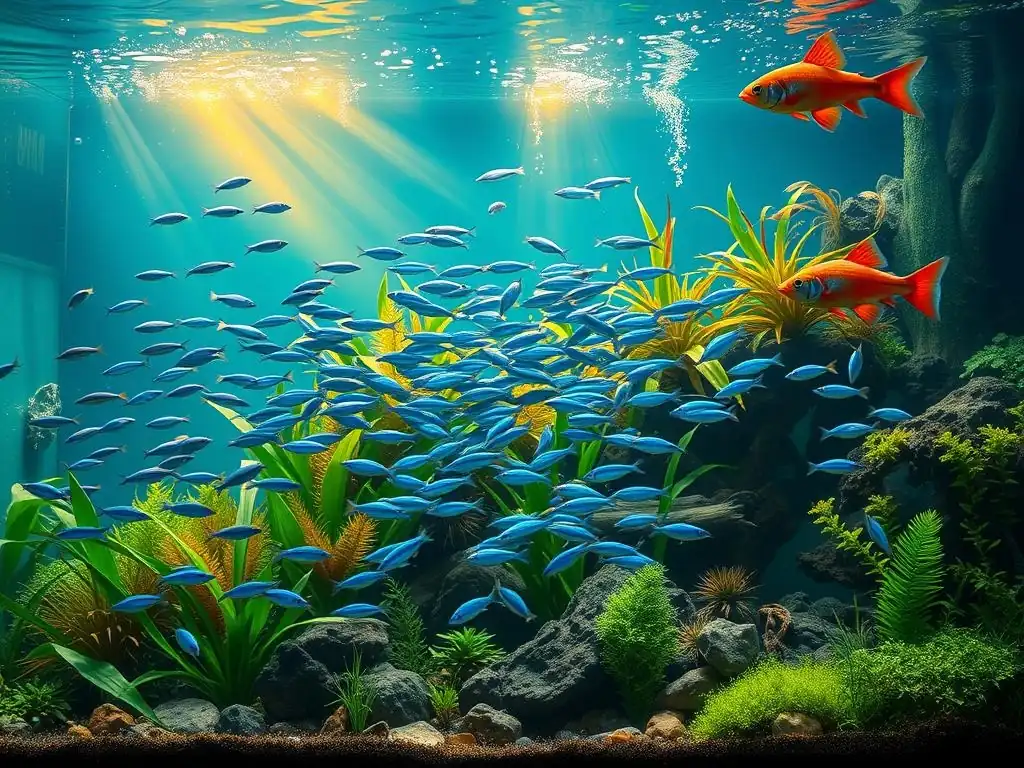
Ever wondered why your peaceful aquarium paradise suddenly resembles a tiny aquatic boxing ring? Danios are generally known for their playful energy, but sometimes that energy can manifest as fin nipping. Are you ready to unravel the mystery of Danios fin nipping solutions and discover how to keep your tank inhabitants swimming harmoniously? Dive into our comprehensive guide below and learn how to identify, prevent, and address this common issue!
- Are Zebra Danios Fin Nippers? Understanding and Preventing This Behavior
- Understanding Zebra Danio Fin Nipping Behavior
- Identifying Fin Nipping: Recognizing the Signs
- Zebra Danio Fin Nipping Solutions: Preventing and Managing the Issue
- Treating Fin Nipping Injuries and Promoting Healing
- Choosing Healthy Zebra Danios to Minimize Fin Nipping
- Summary: Preventing Zebra Danio Fin Nipping for a Healthy Aquarium
-
Frequently Asked Questions
- ### Are Danios always fin nippers?
- ### What are the most common causes of Danios fin nipping?
- ### Which fish are most vulnerable to fin nipping from Danios?
- ### What are some effective strategies to prevent Danios from fin nipping?
- ### When should I consider removing a fin-nipping Danio from the tank?
- Final Reflection: Cultivating Harmony in the Aquarium
- Unlock the Secrets to Harmonious Danio Living!
Are Zebra Danios Fin Nippers? Understanding and Preventing This Behavior
Understanding Zebra Danio Fin Nipping Behavior
What is Fin Nipping in Zebra Danios? A Detailed Explanation
Fin nipping is a common behavioral issue in community aquariums, where one fish repeatedly bites or tears the fins of another. For Zebra Danios ( Danio rerio ), this manifests as their characteristic fast, darting movements being directed aggressively towards the fins of tank mates, often resulting in frayed or damaged caudal, dorsal, or anal fins. While not inherently malicious, this behavior is a significant stressor for the targeted fish and can lead to serious health complications if left unaddressed.
The damage inflicted by fin nipping can range from minor nips to significant tears, sometimes even exposing fin rays. This physical trauma weakens the fish, making it more susceptible to secondary bacterial or fungal infections like fin rot, which can quickly spread and become life-threatening. Understanding the nature of fin nipping is the first step towards implementing effective Danios fin nipping solutions, safeguarding the health and well-being of the entire aquarium ecosystem.
Why Do Zebra Danios Nip Fins? Exploring the Root Causes
Stress as a Trigger for Fin Nipping in Zebra Danios
Stress is a primary catalyst for aggressive behaviors, including fin nipping, in Zebra Danios. When these active fish are subjected to chronic stressors such as fluctuating water parameters, unsuitable tank temperatures, or constant harassment from dominant tank mates, their natural schooling behavior can break down, leading to redirected aggression. For instance, a sudden drop in temperature from 75°F to 68°F or persistent ammonia spikes can induce physiological stress that manifests as nipping.
Chronic stress not only impacts a Danio's behavior but also severely compromises its immune system, making it more vulnerable to disease. A stressed Danio might become unusually territorial or display erratic swimming patterns, leading to more frequent encounters and nips. Recognizing and alleviating these stressors is a fundamental component of any effective Danios fin nipping solutions strategy, aiming to restore peace and health to the aquarium.
Overcrowding and its Impact on Zebra Danio Behavior
Overcrowding is a significant contributor to fin nipping among Zebra Danios. As highly active, schooling fish, Danios require ample space to swim freely and maintain their social hierarchy without constant conflict. In an undersized tank, such as a 10-gallon aquarium attempting to house a school of eight Danios, the lack of personal space intensifies competition for resources and prevents individuals from escaping perceived threats, leading to heightened stress and aggression.
When Danios are confined, their natural exploratory and schooling instincts are inhibited, leading to frustration that often escalates into aggressive interactions. For example, a 20-gallon long tank is generally recommended for a minimum school of 6-8 Zebra Danios to provide adequate swimming lanes and reduce territorial disputes. Without sufficient room, the constant proximity can turn minor squabbles into persistent fin nipping, highlighting the importance of proper stocking densities as a key aspect of Danios fin nipping solutions.
Incompatible Tank Mates Leading to Fin Nipping
The choice of tank mates plays a crucial role in preventing fin nipping. Zebra Danios, with their fast movements and inquisitive nature, can be opportunistic nippers, especially when housed with slow-moving fish that possess long, flowing fins. Species like Angelfish, Bettas, Fancy Guppies, or Gouramis are particularly vulnerable targets due to their enticing finnage, which Danios may perceive as something to chase or explore.
A common scenario involves a school of Danios relentlessly harassing a single Angelfish, leading to severely shredded fins and immense stress for the Angelfish. This mismatch in temperament and physical characteristics creates an environment ripe for fin nipping. Therefore, selecting tank mates that share similar activity levels, fin types, and temperaments is paramount for maintaining a harmonious community and is a critical consideration in developing effective Danios fin nipping solutions.
Lack of Enrichment and Boredom in Zebra Danio Tanks
Zebra Danios are intelligent and active fish that thrive on stimulation and a varied environment. A bare or sparsely decorated tank can lead to boredom and listlessness, which, paradoxically, can manifest as destructive behaviors like fin nipping. Without interesting structures to explore, plants to weave through, or varied feeding opportunities, Danios may seek stimulation by chasing and nipping at the fins of their tank mates.
An aquarium lacking visual barriers or diverse textures can create a monotonous existence for Danios, inhibiting their natural schooling and foraging behaviors. Providing a rich environment with live plants, driftwood, and varied decor allows Danios to engage their natural instincts, reducing the likelihood of boredom-induced aggression. Addressing this environmental void is an often-overlooked but vital element among comprehensive Danios fin nipping solutions.
Identifying Fin Nipping: Recognizing the Signs
Physical Signs of Fin Nipping on Fish
The most direct indicator of fin nipping is observable physical damage to a fish's fins. This damage typically appears as frayed edges, torn sections, or missing pieces of the caudal (tail), dorsal, anal, or even pectoral fins. Unlike fin rot, which often presents as a uniform deterioration or white, fuzzy edges, nipping damage is usually irregular and ragged, resembling bites. For instance, a Guppy housed with Danios might suddenly exhibit a large, clean tear in its flowing tail fin, or an Angelfish might have multiple small, jagged nips along its long fins.
Beyond the immediate damage, persistent nipping can lead to inflammation, redness, or even secondary bacterial or fungal infections at the site of injury. These infections might cause the damaged fin areas to become cloudy, opaque, or develop cotton-like growths. Regular inspection of all fish, particularly those with longer fins, for any signs of fin damage or discoloration is crucial for early detection and prompt intervention as part of effective Danios fin nipping solutions.
Behavioral Changes in Nipper and Nipped
Observing the behavior of both the suspected nipper and the nipped fish provides valuable clues. The victim of fin nipping will often exhibit signs of stress, such as increased hiding, clamped fins (held close to the body), rapid gill movement, or a reluctance to feed. They might appear withdrawn, constantly darting away from other fish, or spending excessive time at the bottom or top of the tank, trying to avoid interaction. For example, a previously outgoing Betta might become reclusive and hide among plants after being introduced to a Danio school.
Conversely, the fin nipper, often a Zebra Danio in this context, might display heightened activity levels directed at specific tank mates. While Danios are generally active, a nipper will show persistent chasing, darting at other fish's fins, or even exhibiting territorial displays around certain areas of the tank. Observing feeding times can be particularly revealing, as competition for food can exacerbate aggressive tendencies and clearly identify the instigator of the nipping behavior, guiding the implementation of appropriate Danios fin nipping solutions.
Zebra Danio Fin Nipping Solutions: Preventing and Managing the Issue
Improving Tank Conditions to Reduce Fin Nipping
Optimizing Tank Size and Space for Zebra Danios
One of the most effective Danios fin nipping solutions involves providing an adequately sized aquarium. Zebra Danios are highly active and fast-swimming fish that require considerable space to thrive and exhibit natural schooling behaviors without stress-induced aggression. For a healthy school of 6 to 8 Zebra Danios, a minimum tank size of 20 gallons long is highly recommended, as it provides sufficient swimming lanes and allows individuals to escape from potential conflicts.
For larger schools or in a community setting, upgrading to a 30-gallon or even a 40-gallon breeder tank offers even more benefits, allowing the Danios ample room to spread out and establish a comfortable social dynamic. This increased space significantly reduces competition and allows less dominant individuals to find refuge, thereby minimizing the primary drivers of fin nipping. Prioritizing tank volume is a foundational step in creating a peaceful aquatic environment.
Maintaining Pristine Water Quality for Zebra Danio Health
Consistent and pristine water quality is paramount in preventing stress and, consequently, fin nipping among Zebra Danios. Poor water conditions, characterized by elevated ammonia, nitrite, or nitrate levels, can severely stress fish, making them more prone to aggressive behaviors or more susceptible to being nipped. Regular water testing (at least weekly) to ensure ammonia and nitrite are at 0 ppm, and nitrates are below 20 ppm, is crucial.
Implementing a consistent schedule of partial water changes, typically 25-30% weekly, is essential for removing accumulated toxins and replenishing beneficial minerals. For example, a 25% weekly water change in a 20-gallon tank removes 5 gallons of old water, significantly diluting pollutants. Clean, stable water reduces physiological stress on Danios, bolstering their immune system and promoting overall well-being, which directly translates to a calmer disposition and a reduction in fin nipping incidents. This consistent effort is a cornerstone of effective Danios fin nipping solutions.
Providing Adequate Hiding Places and Decorations
Creating a visually complex and stimulating environment with ample hiding places and decorations can significantly mitigate fin nipping. Live plants, such as Java Fern, Anubias, or various stem plants, along with driftwood, rocks, and artificial caves, provide crucial visual barriers and escape routes for fish that might be targeted. A tank with a mix of open swimming areas and densely planted zones allows both the nipper and the nipped to retreat and break lines of sight.
For instance, strategically placed tall plants can obscure the view across the tank, preventing a Danio from persistently chasing a specific tank mate. These structures also enrich the environment, reducing boredom and encouraging natural exploratory behaviors. By offering security and mental stimulation, well-placed decorations are an invaluable part of comprehensive Danios fin nipping solutions, helping to diffuse aggression and create a more harmonious community.
Selecting Compatible Tank Mates for Zebra Danios
Avoiding Slow-Moving, Long-Finned Fish
A critical strategy among Danios fin nipping solutions is to rigorously avoid housing Zebra Danios with slow-moving fish that possess long, flowing fins. These species, including Bettas, Angelfish, Fancy Guppies, and some Gouramis, are irresistible targets for the active and sometimes opportunistic Danios. The constant movement of their extended fins can provoke the Danios into persistent chasing and nipping, leading to chronic stress and severe fin damage for the vulnerable fish.
Even in large tanks, the temptation for Danios to nip these fin types remains high. For example, a Betta's elaborate caudal fin, often spanning several inches, presents an easy target for a fast-swimming Danio. The stress inflicted upon the long-finned fish can lead to a weakened immune system, making them susceptible to disease and significantly shortening their lifespan. Prioritizing tank mate compatibility is key to preventing this specific type of aggression.
Choosing Tank Mates with Similar Temperaments
To minimize fin nipping, select tank mates that share similar activity levels, fin types, and temperaments with Zebra Danios. Ideal companions are generally active, fast-swimming, and relatively small fish that can either keep up with Danios or ignore their occasional darting. Excellent choices include other small schooling cyprinids like White Cloud Mountain Minnows, Harlequin Rasboras, or various small Tetras such as Neon Tetras, Ember Tetras, or Rummy Nose Tetras.
These species typically thrive in similar water parameters (e.g., temperatures between 68-78°F and a pH of 6.5-7.5, which suits Danios) and are less likely to be targeted due to their streamlined bodies and shorter fins. Furthermore, fish that are too large or too aggressive for Danios should also be avoided, as they can stress the Danios themselves, potentially contributing to erratic or aggressive behavior. Thoughtful selection of tank mates is a cornerstone of effective Danios fin nipping solutions.
Enriching the Zebra Danio Environment to Reduce Boredom
Adding Live Plants for Natural Exploration
Incorporating live plants into the aquarium provides essential enrichment for Zebra Danios, effectively reducing boredom and potential fin nipping behaviors. Plants like Java Fern, Anubias, or various types of stem plants (e.g., Rotala, Ludwigia) create a dynamic and naturalistic environment that Danios can explore, dart through, and hide among. This natural complexity mimics their wild habitats, encouraging natural behaviors and providing visual stimulation.
Beyond aesthetic appeal, live plants break up lines of sight, which can prevent a dominant Danio from constantly targeting a weaker tank mate. They also contribute to improved water quality by absorbing nitrates, further reducing stress on the fish. A well-planted tank offers both physical and mental stimulation, diverting the Danios' energy towards exploration rather than fin nipping, making them a crucial element in comprehensive Danios fin nipping solutions.
Introducing Varied Feeding Methods
Varying the feeding methods can significantly enrich the Zebra Danio environment and reduce boredom-induced fin nipping. Instead of simply dumping food in one spot, consider scattering flakes across the surface to encourage more active foraging, or using a feeding ring to concentrate food in one area, promoting competitive but natural schooling behavior. Incorporating different types of food, such as high-quality flakes, small pellets, frozen brine shrimp, daphnia, or bloodworms, not only provides complete nutrition but also adds variety to their daily routine.
For example, offering frozen bloodworms a few times a week can provide a stimulating hunt for the Danios, engaging their predatory instincts in a healthy way. This variety in diet and feeding presentation keeps the fish mentally engaged and physically active, preventing the monotony that can lead to aggressive behaviors. Diverse feeding strategies are simple yet effective Danios fin nipping solutions that contribute to overall fish well-being.
Implementing Regular Water Changes to Stimulate Activity
Beyond their role in maintaining pristine water quality, regular water changes can also serve as a form of environmental enrichment for Zebra Danios. The act of performing a partial water change (e.g., 25% weekly) introduces fresh, clean water, which can subtly alter the tank's parameters and provide a refreshing, stimulating experience for the fish. This minor disruption can mimic natural environmental cues, such as rainfall or fresh water flowing into a river.
This slight shift can invigorate Danios, encouraging natural swimming patterns and exploratory behavior, thereby breaking up any potential monotony in their routine. It ensures they remain active and engaged with their environment rather than fixating on tank mates. While primarily for water quality, this routine maintenance also plays a subtle but important role in reducing boredom and is a practical component of a holistic approach to Danios fin nipping solutions.
Treating Fin Nipping Injuries and Promoting Healing
Quarantine and Observation of Affected Fish
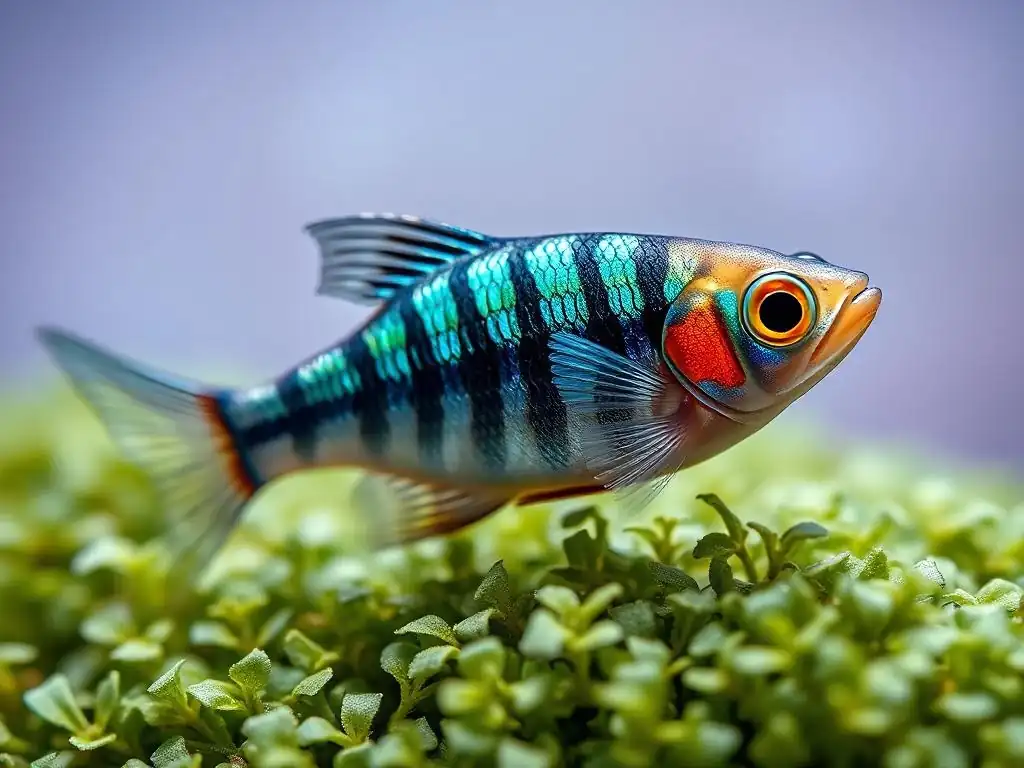
When fin nipping occurs, promptly quarantining the affected fish is a crucial step in its recovery and among effective Danios fin nipping solutions. Moving the injured fish to a separate hospital tank provides a stress-free environment where it can heal without further harassment or competition for resources. This isolation also allows for closer observation of the injury's progression and the early detection of any secondary infections.
A hospital tank should be set up with a heater to maintain a stable temperature (e.g., 75-78°F), a gentle filter (like a sponge filter) for water circulation, and aeration. It's best to keep the tank bare-bottomed for easy cleaning and to avoid hiding places that could prevent observation. Maintaining pristine water quality in the hospital tank is paramount, as clean water is the most fundamental aid to healing.
Using Aquarium Salt to Aid Healing
Non-iodized aquarium salt (sodium chloride) is a valuable tool for aiding the healing of fin nipping injuries. It helps reduce stress on the fish, assists in osmoregulation (balancing bodily fluids), and acts as a mild antiseptic, which can prevent minor secondary infections and promote fin regeneration. A common dosage is 1 teaspoon of aquarium salt per 5 gallons of water, dissolved completely before adding to the hospital tank.
For more severe cases, the dosage can be cautiously increased to 1 tablespoon per 5 gallons, though continuous monitoring of the fish is essential. While beneficial for promoting tissue repair, it's important to note that aquarium salt is not a cure for established bacterial or fungal infections. It serves as a supportive measure, creating an optimal environment for the fish's natural healing processes, making it a key element in many Danios fin nipping solutions.
Medications for Secondary Infections in Fin-Nipped Fish
Fin nipping injuries often create open wounds that are highly susceptible to secondary bacterial or fungal infections, commonly known as fin rot. If the nipped fins appear cloudy, develop white or grey fuzzy growths, or show signs of redness or blood streaks, medication is likely necessary. Broad-spectrum antibacterial medications designed for aquarium use, such as those containing erythromycin, nitrofurazone, or sulfamethoxazole, are often effective against bacterial fin rot.
For fungal infections, antifungal treatments are required. Always follow the manufacturer's instructions precisely regarding dosage and duration, and remember to remove activated carbon from the filter during treatment, as it will absorb the medication. While prevention is always the best course of action, knowing how to effectively treat these secondary infections is a vital part of comprehensive Danios fin nipping solutions, ensuring the long-term health of affected fish.
Choosing Healthy Zebra Danios to Minimize Fin Nipping
Observing Zebra Danio Behavior Before Purchase
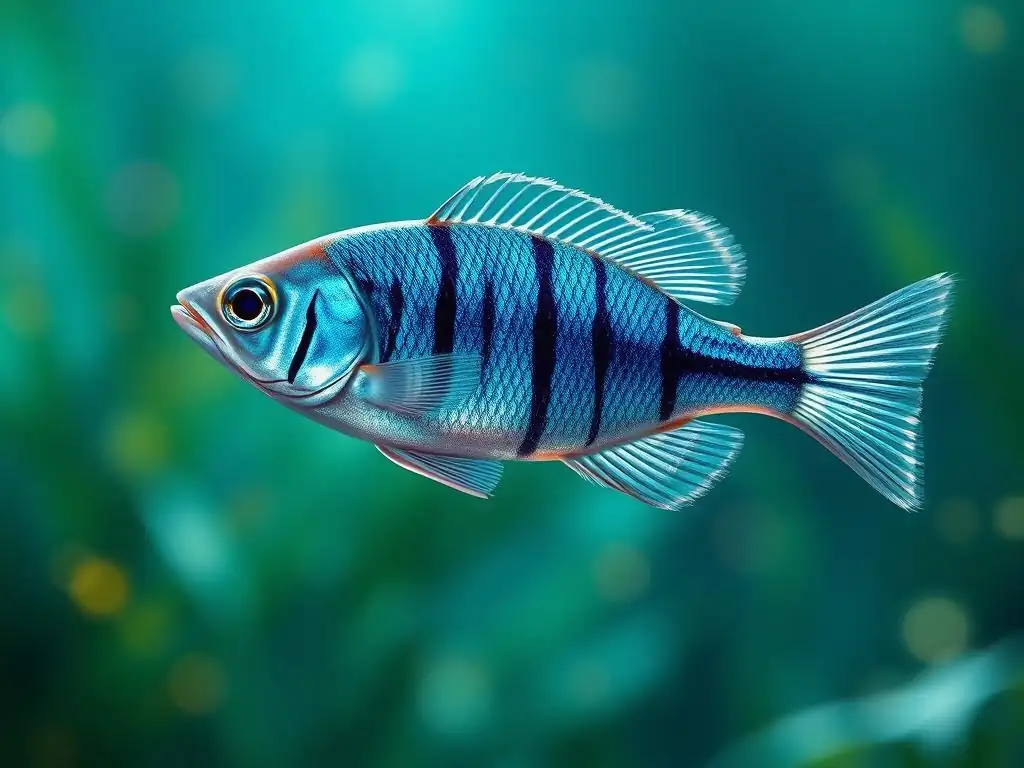
The initial selection of Zebra Danios can significantly impact the likelihood of fin nipping issues in your aquarium. Before purchase, spend ample time observing the Danios in the pet store tank. Look for fish that are active, alert, and swimming cohesively in a school. Healthy Danios will exhibit vibrant coloration, full and undamaged fins, and a strong swimming pattern. Avoid individuals that appear lethargic, are hiding excessively, have clamped fins, or show any visible signs of stress or injury.
Specifically, check their fins for any existing nips or fraying, as this could indicate a predisposition to aggressive behavior or a history of being bullied. A healthy, unstressed fish is far more likely to acclimate well to a new environment and exhibit its natural, peaceful schooling behavior, reducing the chances of it becoming a nipper or a victim in your home aquarium. This careful observation is a proactive and often overlooked step in implementing effective Danios fin nipping solutions.
Summary: Preventing Zebra Danio Fin Nipping for a Healthy Aquarium
Key Takeaways for Avoiding Fin Nipping Issues
Preventing fin nipping in Zebra Danios hinges on a multi-faceted approach that addresses their specific needs and behaviors. The core strategies involve providing an adequately sized tank, ideally 20 gallons or more for a school of 6-8 Danios, to ensure ample swimming space and reduce territorial disputes. Equally important is the careful selection of compatible tank mates, strictly avoiding slow-moving, long-finned species like Bettas or Angelfish, which are irresistible targets for active Danios.
Maintaining pristine water quality through regular testing and consistent partial water changes is crucial for minimizing stress, a primary trigger for aggression. Furthermore, enriching the aquarium environment with live plants, varied decorations, and diverse feeding methods helps alleviate boredom and provides natural outlets for their energy. These proactive measures form the foundation of effective Danios fin nipping solutions, promoting a harmonious and healthy aquatic community.
The Importance of Proactive Tank Management
Ultimately, preventing Zebra Danio fin nipping requires a commitment to proactive tank management rather than reactive problem-solving. Regularly observing your fish for subtle behavioral changes or early signs of fin damage allows for timely intervention before issues escalate. Consistent maintenance, including water quality monitoring and environmental enrichment, creates a stable and stimulating habitat that minimizes stressors and encourages natural, peaceful behaviors.
A well-planned and diligently maintained aquarium fosters the well-being of all its inhabitants, preventing the conditions that typically lead to fin nipping. By understanding the root causes and implementing these comprehensive Danios fin nipping solutions, aquarists can cultivate a thriving and enjoyable aquatic environment where all fish can flourish without fear of aggression.
Frequently Asked Questions
### Are Danios always fin nippers?
No, Danios aren't inherently fin nippers. Fin nipping is often a result of stressful environments or incompatible tank mates, rather than an inherent trait.
### What are the most common causes of Danios fin nipping?
The primary causes include overcrowding, lack of hiding places, and being kept in too small of a school. Unstable water parameters can also contribute.
### Which fish are most vulnerable to fin nipping from Danios?
Fish with long, flowing fins, such as bettas or guppies, are most susceptible. Also, slower-moving fish are more likely targets.
### What are some effective strategies to prevent Danios from fin nipping?
Ensure you have a sufficiently large tank, maintain stable water parameters, and keep Danios in schools of at least six. Provide plenty of plants and decorations for hiding.
### When should I consider removing a fin-nipping Danio from the tank?
If fin nipping persists despite implementing preventative measures, and a specific Danio is consistently the aggressor, isolating the fish may be necessary. This is a last resort.
Final Reflection: Cultivating Harmony in the Aquarium
The insights shared throughout this article highlight the crucial role of understanding and addressing fin-nipping behavior in Danios. Maintaining a peaceful and thriving aquarium environment is not just about aesthetics; it's about ensuring the well-being of these fascinating creatures. By implementing the discussed strategies, we can actively contribute to a more harmonious aquatic ecosystem for our Danios and their tank mates.
This exploration of fin-nipping has underscored the delicate balance within an aquarium and the profound impact our choices have on its inhabitants. Witnessing the vibrant energy of healthy, happy Danios is a reward in itself, a testament to the power of informed and compassionate fishkeeping. The greatness of a nation and its moral progress can be judged by the way its animals are treated.
- Mahatma Gandhi. This quote, though broad, resonates deeply when considering the responsibility we undertake when caring for any animal, including our aquatic companions.
Now, armed with this knowledge, I encourage you to reflect on your own aquarium practices. Are you providing the optimal environment for your Danios to thrive? Are you actively observing their behavior and addressing any signs of stress or aggression? Let's all commit to becoming more mindful and proactive aquarists, fostering a world where Danios, and all aquarium inhabitants, can flourish in peace and harmony.
Unlock the Secrets to Harmonious Danio Living!
Thanks for diving into the world of danios with us! We hope you've gained valuable insights into understanding and preventing fin-nipping behavior to ensure a peaceful aquarium. Ready to take your danio care to the next level?
Here are a few things you can do right now:
- Actively Observe: Make it a daily practice to closely watch your danios for any signs of aggression or fin damage. Early detection is key!
- Introduce a New Perspective: Try rearranging your tank decorations! A fresh layout can disrupt established territories and reduce the likelihood of fin-nipping.
- Share the Knowledge: Help other hobbyists create thriving danio communities by sharing this article with your fellow aquarium enthusiasts!
What's one simple change you'll make in your danio tank this week based on what you've learned?