
DIY Oscar Toys: Enriching Your Cichlid's Environment Safely & Cheaply

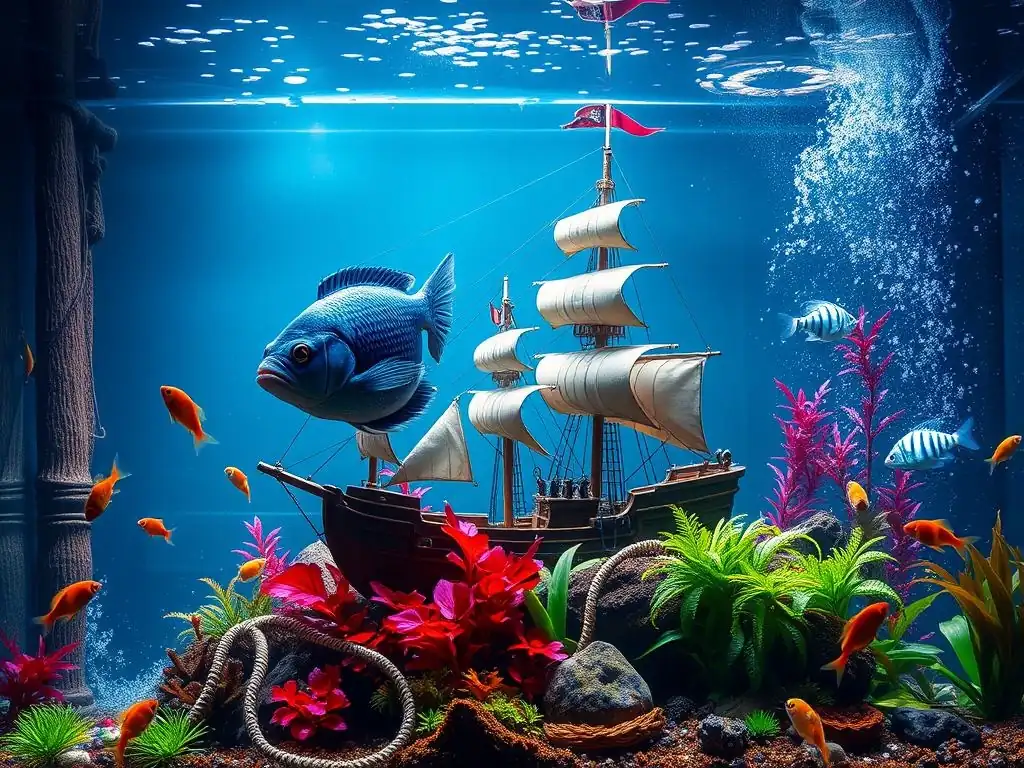
Welcome to Aquarium Mastery, where we dive deep into the captivating world of aquariums! Ever wondered how to keep your Oscar engaged and thriving? It's easier than you think! Get ready to unlock a world of fun with our guide to DIY Oscar enrichment toys, designed to keep your cichlid stimulated and happy without breaking the bank. Curious to learn how to create safe and engaging toys for your finned friend? Let's get started!
- Why Oscar Fish Need Enrichment: Understanding Cichlid Behavior
- DIY Oscar Enrichment Toys: Safe and Budget-Friendly Ideas
- Step-by-Step Guide: Building a PVC Pipe Food Dispenser
- Introducing New Toys to Your Oscar: A Gradual Approach
- Advanced Oscar Enrichment Strategies: Beyond the Basics
- Troubleshooting Common Issues with DIY Oscar Toys
- Long-Term Benefits of Environmental Enrichment for Oscars
- Conclusion: Enriching Your Oscar's Life Through DIY Toys
- Frequently Asked Questions
- Final Reflection: Unleashing Oscar Potential Through Play
- Unleash Your Oscar's Inner Child!
Why Oscar Fish Need Enrichment: Understanding Cichlid Behavior
The Importance of Environmental Enrichment for Oscar Health
Environmental enrichment for captive animals, including fish, is crucial for their overall well-being, reducing stress, and promoting natural behaviors. Just as a dog needs walks and toys, an Oscar fish thrives in an environment that stimulates its senses and challenges its intelligence. Studies in animal welfare consistently show that enriched environments can lead to lower cortisol levels, improved immune function, and increased longevity across various species, a principle that applies significantly to the complex needs of cichlids.
For Oscar fish, a lack of adequate stimulation can manifest as lethargy, aggression towards tank mates or even the tank glass, fin nipping, or in severe cases, self-mutilation. An environment devoid of novelty and opportunity for natural expression contributes to chronic stress, which can weaken the fish's immune system, making it more susceptible to common ailments like Hole-in-the-Head disease or fin rot. Providing a dynamic and engaging habitat is a proactive step in preventing these issues and ensuring a robust, healthy Oscar.
Natural Oscar Behaviors: Mimicking the Wild in Your Aquarium
In their native Amazon basin habitats, Oscar fish ( Astronotus ocellatus ) are intelligent, opportunistic predators and foragers. They naturally explore their surroundings, dig through substrate in search of food or to create spawning sites, and manipulate objects within their environment. Their strong, muscular mouths are perfectly adapted for moving rocks, uprooting plants, and investigating potential food sources, showcasing a high degree of curiosity and problem-solving ability in the wild.
While even a large aquarium offers limited space compared to their natural range, DIY Oscar enrichment toys aim to replicate these inherent behaviors. By providing opportunities for digging, pushing, manipulating objects, and "hunting" for hidden food, aquarists can offer an outlet for these instincts. This mimicry of natural activities prevents the development of behavioral pathologies often seen in confined, monotonous environments, allowing the Oscar to express its full range of natural behaviors.
Boredom in Oscars: Recognizing the Signs and Symptoms
Recognizing signs of boredom or insufficient stimulation in Oscar fish is key to timely intervention. Common indicators include excessive glass surfing (repeatedly swimming back and forth along the tank walls), prolonged periods of lethargy where the fish remains stationary at the bottom or in a corner, or even a noticeable loss of appetite. In some cases, a bored Oscar might become unusually aggressive towards its tank mates or exhibit a lack of responsiveness to its owner, ignoring interactions it once enjoyed.
An Oscar that typically greets you at the front of the tank but suddenly hides or appears listless might be experiencing boredom rather than illness. A healthy, engaged Oscar is generally active, curious, and responsive to its environment. If these behavioral changes are observed and water parameters are stable, consider implementing DIY Oscar enrichment toys to re-engage your fish. Addressing boredom can often alleviate these symptoms, leading to a more vibrant and interactive pet.
DIY Oscar Enrichment Toys: Safe and Budget-Friendly Ideas
Choosing Safe Materials for Your Oscar's Toys
When creating DIY Oscar enrichment toys, material safety is paramount. Always opt for non-toxic, inert materials that will not leach harmful chemicals into the aquarium water. Excellent choices include food-grade plastics such as High-Density Polyethylene (HDPE) or Polypropylene (PP), commonly found in water bottles or food containers, provided they are thoroughly cleaned. Natural materials like untreated slate, granite, or river stones are safe, but ensure they have no sharp edges or are not reactive (e.g., limestone can alter pH). Untreated natural woods, like Mopani or Cholla, are also good options after proper preparation.
Conversely, avoid painted items, soft plastics that can degrade and be ingested, metals that corrode (unless stainless steel), or anything with small parts that could break off and be swallowed. Items with sharp edges, even if initially smooth, should be avoided as Oscars can be quite forceful. Always thoroughly clean any chosen material, for instance, by boiling natural items for several hours to remove tannins and potential contaminants, or by scrubbing plastics with hot water and a brush, ensuring no soap or chemical residues remain.
DIY Rock Structures and Caves for Oscars
Creating safe rock structures and caves provides both territorial markers and engaging exploration opportunities for your Oscar. Utilize large, smooth, inert rocks such as slate, granite, or river stones. When stacking, ensure the structure is incredibly stable to prevent collapse, especially with powerful Oscars known for their digging habits.
For added security, you can use aquarium-safe silicone to bond rocks together, allowing ample time for the silicone to cure completely (typically 24-48 hours) before introducing it to the tank. Design caves that are large enough for your Oscar to easily enter, turn around, and exit, offering a sense of security and a private retreat.
These DIY rock structures offer significant benefits beyond aesthetics. They provide a sense of security, which can reduce stress, and allow Oscars to engage in their natural digging behavior by rearranging the substrate around the base of the rocks. This activity, a form of natural enrichment, keeps them physically active and mentally stimulated. Always ensure the structure rests directly on the tank bottom, not on the substrate, to prevent the Oscar from undermining it and causing a dangerous collapse.
Creating Oscar-Safe "Food Puzzle" Toys
Food puzzles are an excellent form of DIY Oscar enrichment toys, directly mimicking the natural foraging and hunting behaviors of these intelligent cichlids. These toys encourage mental stimulation and physical activity by requiring the Oscar to actively work for its food, preventing rapid consumption and promoting a more natural, prolonged feeding pattern. The general principle involves hiding food within a structure that the Oscar must manipulate – pushing, nudging, or mouthing – to access its reward.
Beyond simply feeding, food puzzles offer numerous benefits. They can significantly reduce boredom-induced aggression by channeling the Oscar's energy into a productive activity. This sustained engagement also helps maintain a healthy weight by slowing down food intake and provides a rich outlet for their predatory and investigative instincts. Introducing a variety of food puzzles can keep the challenge fresh and continuously stimulate your Oscar's problem-solving abilities.
Bottle Enrichment for Oscars: A Simple DIY Project
A simple yet effective DIY Oscar enrichment toy can be made from a clean, clear, food-grade plastic bottle, such as a sturdy water or soda bottle. Begin by thoroughly cleaning the bottle and removing all labels and adhesive residue. Next, drill several holes into the bottle, typically ranging from 0.5 to 1 cm in diameter, depending on the size of your Oscar's food pellets. Place a few large pellets, freeze-dried krill, or other favorite treats inside the bottle, then securely cap it.
Once introduced into the tank, your Oscar will naturally push, nudge, and mouth the bottle to dislodge the food. This activity provides sustained mental and physical engagement as the fish works to obtain its meal. Ensure the plastic is thick and durable enough to withstand your Oscar's powerful jaws without cracking or breaking, and regularly inspect the bottle for any signs of damage or wear.
PVC Pipe Puzzles: Engaging Your Oscar's Hunting Instincts
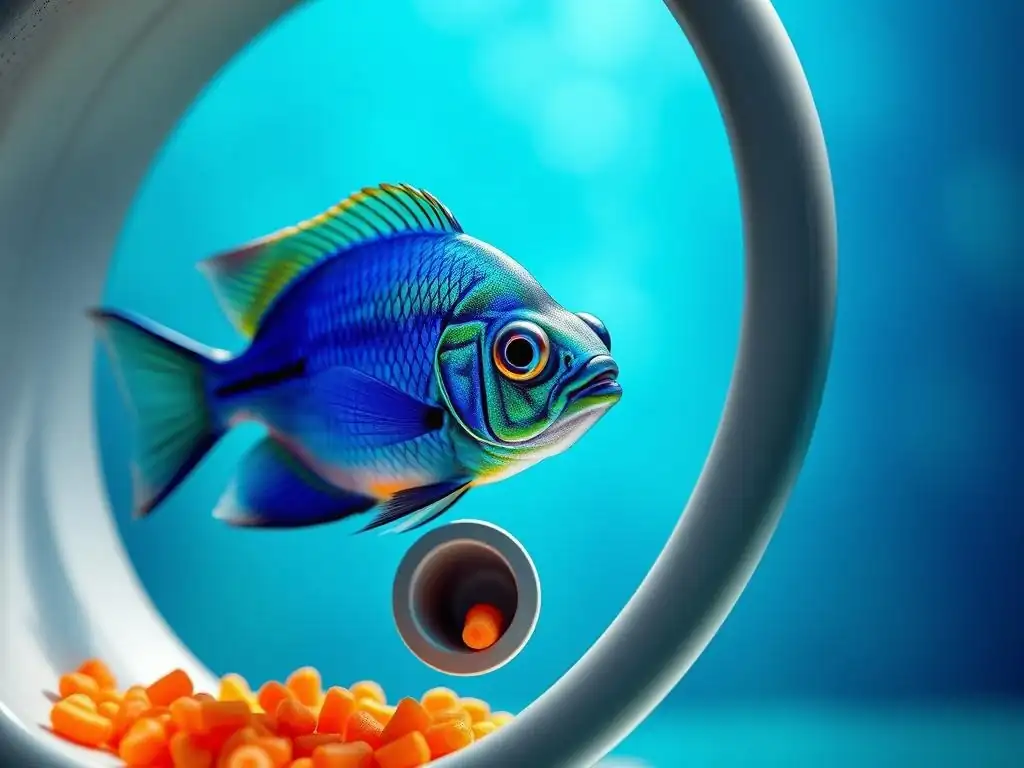
PVC pipes, when properly prepared, can serve as excellent DIY Oscar enrichment toys that tap into their innate hunting and foraging instincts. Obtain aquarium-safe PVC pipe sections, typically 5-10 cm in length and 5-10 cm in diameter, depending on your Oscar's size. Drill multiple holes, ranging from 0.5 cm to 1.5 cm in diameter, along the sides of the pipe. You can cap one end with an aquarium-safe PVC cap, leaving the other end open or partially open, and then insert food pellets or treats inside.
Oscars will typically nose the open end or push the pipe around to dislodge the hidden food, providing a challenging and rewarding activity. Varying the pipe length, diameter, and the size or pattern of the holes can increase the difficulty and keep the enrichment novel. Always ensure that all cut and drilled edges of the PVC pipe are thoroughly sanded smooth to prevent any potential injury to your Oscar.
Floating Toys for Oscars: Encouraging Surface Interaction
Floating toys serve a distinct purpose in Oscar enrichment by encouraging vertical movement and surface interaction, providing a novel stimulus that differs from bottom or mid-level engagement. These toys can be particularly engaging for Oscars who might otherwise spend most of their time near the substrate or in mid-water, offering a new dimension for exploration and play within the aquarium environment.
When selecting or creating floating DIY Oscar enrichment toys, it is crucial they are highly buoyant, non-toxic, and too large for your Oscar to swallow. Avoid any materials that could degrade quickly in water, release harmful chemicals, or have small parts that could break off. Regular inspection for wear and tear is essential to maintain safety.
Cork Bark Floats: A Natural and Safe Option
Natural cork bark, available from reptile or aquarium supply stores, makes an excellent and safe floating toy for Oscars. Before introduction, it's vital to boil the cork bark thoroughly for several hours, changing the water multiple times, to leach out tannins and ensure it is fully saturated. Initially, the cork might sink, but once waterlogged and allowed to dry slightly, it will often float, providing a stable, natural buoyancy. Select pieces that are large enough for your Oscar to interact with but impossible to swallow.
The natural texture of cork bark provides a novel sensory experience, and its buoyancy allows it to float freely, offering a dynamic element to the tank. Oscars might push it around, investigate its surfaces, or even use it as a temporary resting spot near the surface. It is a durable, aesthetically pleasing, and completely safe option for long-term enrichment.
DIY Plastic Ball Enrichment: Keeping it Clean and Safe
For a simple and effective floating DIY Oscar enrichment toy, consider using new, clean, food-grade plastic balls. These can include sturdy baby playpen balls or larger hollow plastic craft spheres, provided they are free of any dyes, chemicals, or small parts. Crucially, ensure the ball is significantly too large for your Oscar to even attempt to swallow, and has no small holes where the fish could get stuck or ingest water.
Oscars will often bat these balls around with their snouts, push them across the surface, or even attempt to mouth them, providing a playful form of enrichment. These types of toys are typically very easy to clean and maintain, requiring only a quick rinse and scrub during regular tank maintenance. Always inspect the plastic ball for any signs of damage, cracks, or sharp edges after use, and replace it if compromised.
Step-by-Step Guide: Building a PVC Pipe Food Dispenser
Preparing Your Workspace and Materials
Before beginning construction, gather all necessary materials in a well-ventilated area to ensure safety. You will need aquarium-safe PVC pipe (a 2-inch diameter, 6-8 inch long section is often suitable for most Oscars), a matching PVC end cap, and optionally, aquarium-safe PVC cement if you plan to permanently seal the cap (otherwise, a snug fit is sufficient for a removable cap). You'll also need a drill with various bit sizes (e.g., 1/4 inch, 3/8 inch), sandpaper or a file for smoothing edges, a measuring tape, a marker, and essential safety gear like glasses and gloves.
Thorough cleanliness is paramount. Before cutting or drilling, meticulously clean all PVC components with warm water and a brush to remove any manufacturing residues, dust, or dirt. Ensure your workspace is stable and clear, providing a secure surface for cutting and drilling to prevent accidents. Proper preparation ensures both safety during construction and the long-term well-being of your Oscar.
Cutting and Drilling the PVC Pipe
Begin by measuring and marking the PVC pipe to your desired length, typically between 6 to 8 inches for an Oscar food dispenser. Use a hacksaw or a specialized PVC cutter to make a clean, straight cut. After cutting, meticulously smooth any rough edges on both the inside and outside of the pipe using sandpaper or a file to prevent any potential injury to your Oscar.
Next, mark the points where you intend to drill the holes for food dispensing. For standard Oscar pellets (e.g., 5mm-7mm), a 10mm (3/8 inch) drill bit is generally effective, allowing pellets to pass through with some effort. Drill holes randomly or in a pattern along the pipe, ensuring you avoid the very ends where the end cap will be attached. The number and size of holes can be adjusted to control the rate at which food is dispensed, increasing or decreasing the challenge for your Oscar.
Assembling the PVC Pipe Dispenser
If you choose to permanently seal the end cap, apply a thin, even layer of aquarium-safe PVC cement to the inside rim of the end cap and the outside of one end of the PVC pipe. Swiftly press the cap firmly onto the pipe, twisting slightly to ensure a secure, watertight seal. It is crucial to allow ample time for the cement to cure completely, following the manufacturer's specific instructions, which typically range from 24 to 48 hours for full strength and outgassing.
Once the cement has fully cured, or if you opt for a removable, snug-fit cap, perform a final inspection of the assembled dispenser. Run your fingers over all surfaces, particularly around the drilled holes and cut edges, to ensure there are absolutely no sharp points or rough patches that could injure your Oscar. The dispenser should feel smooth and safe to the touch.
Safety Checks and Preparation for Aquarium Use
Before introducing your newly constructed PVC pipe food dispenser to your Oscar's aquarium, a series of critical safety checks are essential. First, perform a meticulous visual and tactile inspection. Carefully run your fingers over every surface, inside and out, to confirm there are no sharp edges, burrs from drilling, or loose fragments that could harm your fish. Verify the integrity of the cemented cap, ensuring it's securely attached and shows no signs of weakness.
Next, perform a submerged test in a separate container, such as a clean bucket filled with dechlorinated water. Place the dispenser in the water, ideally with a few food pellets inside, to observe its buoyancy and how it behaves. Does it float as intended, or does it sink? Do the pellets dispense as expected when the dispenser is manipulated? This pre-tank testing ensures the DIY Oscar enrichment toy functions correctly and poses no immediate threat to your aquarium's water quality or your Oscar's safety.
Introducing New Toys to Your Oscar: A Gradual Approach
Observing Your Oscar's Reaction to New Enrichment
When introducing any new DIY Oscar enrichment toy, do so one at a time to avoid overwhelming your fish. Place the toy gently into the aquarium and then step back to observe your Oscar's reaction from a distance for at least 15 to 30 minutes. Look for signs of curiosity, such as your Oscar approaching, nosing, or gently pushing the toy. Conversely, watch for signs of fear, like rapid breathing, hiding, or darting away, or complete indifference where the Oscar simply ignores the new object.
If your Oscar exhibits fear, remove the toy and try reintroducing it later, perhaps in a different location within the tank or during a time when your Oscar is typically less active. If the Oscar shows indifference, leave the toy in the tank for a few hours; sometimes, it takes time for them to acclimate and become curious. Patience is crucial, as some Oscars are naturally more cautious or less immediately receptive to novelty than others.
Rotating Toys for Continued Engagement
Oscars, being intelligent and curious cichlids, can quickly become accustomed to novelty, leading to a decline in interest if the same DIY Oscar enrichment toys are left in the tank indefinitely. To maintain consistent engagement and prevent boredom, it is highly recommended to rotate your Oscar's toys every few days or weeks. Maintain a selection of 3-5 different enrichment items and introduce only 1-2 at a time, keeping the others stored away.
The benefits of toy rotation are significant. It prevents your Oscar from becoming habituated to a single stimulus, ensuring ongoing mental stimulation and physical activity. You will likely notice your Oscar showing renewed interest and excitement when a previously unseen toy is reintroduced. This dynamic approach keeps the environment fresh and continuously challenges your Oscar's investigative instincts, contributing to a more active and well-adjusted fish.
Cleaning and Maintaining Your Oscar's DIY Toys
Regular cleaning of your DIY Oscar enrichment toys is absolutely crucial to prevent the buildup of algae, bacteria, and organic waste, which can compromise both water quality and your Oscar's health. Remove toys from the tank at least weekly, or more frequently if they are food puzzles that come into direct contact with food. Scrub them thoroughly with a dedicated aquarium brush or a clean, unused sponge under hot tap water. Never use soap, detergents, or any chemical cleaners, as residues can be highly toxic to fish.
While cleaning, it is equally important to meticulously inspect each toy for any signs of wear, cracks, sharp edges, or pieces that may have broken off due to your Oscar's interaction. Oscars have powerful jaws and can be quite destructive. Any toy showing significant damage should be immediately discarded or safely repaired if possible; otherwise, it poses a significant safety risk to your fish, who might ingest small fragments or injure themselves on sharp points.
Advanced Oscar Enrichment Strategies: Beyond the Basics
Training Your Oscar with Target Sticks
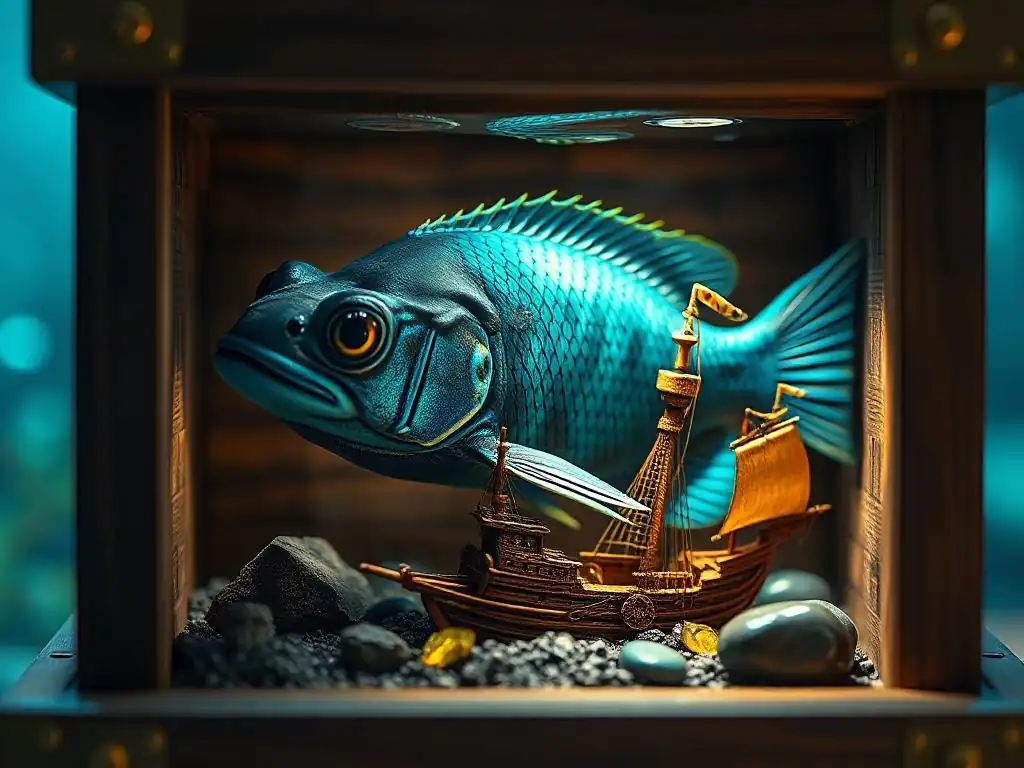
Beyond simple toys, training your Oscar using a target stick offers an advanced and highly engaging form of mental enrichment. Begin with a non-toxic, aquarium-safe stick, such as a clean chopstick or a plastic rod. Hold a favorite food pellet just beyond the tip of the stick. When your Oscar approaches and gently touches the stick with its snout, immediately offer the pellet as a reward. Repeat this process daily in short, 5-10 minute sessions to build a strong association.
This activity not only stimulates your Oscar's intelligence but also strengthens the bond between you and your fish. As your Oscar becomes proficient, you can gradually increase the complexity, guiding it to move through hoops, follow the stick across the tank, or even perform simple "tricks" by associating specific actions with the target stick and subsequent food reward. This interaction provides significant mental exercise and reduces boredom.
Creating a Dynamic Aquarium Environment
Creating a dynamic aquarium environment goes beyond just adding individual DIY Oscar enrichment toys; it involves periodically altering the tank's layout to provide ongoing novelty. Consider subtly rearranging existing decor elements such as rocks, caves, and artificial plants every few weeks or months. This encourages your Oscar to re-explore its territory, investigate new hiding spots, and re-establish its sense of place, tapping into its natural investigative and territorial behaviors.
You can also introduce temporary elements to keep the environment fresh. For example, a large, well-prepared piece of driftwood can be added for a week or two, then removed and replaced with a different arrangement of large, smooth river stones. These subtle redecorations provide continuous mental stimulation and prevent the tank from becoming a monotonous space, leading to a more engaged and curious Oscar.
Incorporating Live Plants (Oscar-Safe Varieties) for Enrichment
While Oscars are notorious for uprooting plants, incorporating certain robust, fast-growing, or hardy live plant species can provide significant enrichment. Oscar-safe varieties include tough, rhizome-based plants like Anubias (attached securely to driftwood or rocks), Java Fern, or very large, well-rooted Amazon Swords. These plants offer visual interest, provide additional hiding spots, and encourage natural behaviors like grazing (though Oscars may nibble) and exploration.
To improve the chances of success, consider planting these species in heavy pots or using weighted bases to make them more difficult for your Oscar to uproot. The presence of live plants, even if occasionally rearranged by your fish, can contribute to a more natural and stimulating environment. They also slightly improve water quality by absorbing nitrates and add to the overall aesthetic, making the tank a more engaging space for both the Oscar and the observer.
Troubleshooting Common Issues with DIY Oscar Toys
My Oscar Isn't Interested: What To Do
If your Oscar shows little to no interest in a newly introduced DIY Oscar enrichment toy, don't be discouraged and avoid immediately removing it. First, try relocating the toy to a different part of the tank. Sometimes an Oscar might prefer to interact with a toy in a specific area, such as near its favorite hiding spot or directly within its primary swimming path. Experiment with placement over a few hours or a day.
If the toy is still ignored, consider whether it's a non-food toy. If so, try introducing a food puzzle toy instead, as hunger is a powerful motivator. If it's a food puzzle, ensure the food inside is something your Oscar absolutely loves. Some Oscars are more motivated by certain types of enrichment than others; for instance, some might prefer manipulating objects, while others are driven purely by food rewards. Persistence and variety are key to discovering what truly engages your individual fish.
The Toy is Damaged: Safety First!
Oscars possess incredibly powerful jaws and are naturally inclined to manipulate and sometimes destroy their environment. If any DIY Oscar enrichment toy shows signs of damage – such as cracks, splintering, sharp edges developing, or pieces breaking off – it must be removed from the aquarium immediately. Even small fragments can be accidentally ingested by your Oscar, leading to internal injuries, or sharp points could cause external abrasions or fin tears.
Do not attempt to repair toys that are structurally compromised, especially those made from plastic or wood that could splinter further. It is always safer to discard the damaged toy and create a new one, perhaps using a more durable material or a modified design that can better withstand your Oscar's powerful interactions. Regular inspection during cleaning is crucial to catch damage early.
Algae Growth on Toys: Cleaning Solutions
Algae growth is a natural and inevitable part of any aquarium environment, and your DIY Oscar enrichment toys will not be immune to it. When you notice a buildup of green or brown algae on the toys, it's a clear sign they need cleaning. Remove the toy from the tank and scrub off the algae using a dedicated aquarium brush or a clean, unused sponge. Hot tap water is usually sufficient for most algae.
For stubborn algae spots, a dilute solution of food-grade hydrogen peroxide can be used, but it is absolutely critical to rinse the toy meticulously and thoroughly under running water for several minutes after cleaning to ensure no residue remains before reintroducing it to the aquarium. Regular cleaning, ideally weekly, will prevent excessive algae buildup. Additionally, maintaining proper lighting duration (typically 8-10 hours per day) and balanced nutrient levels in your tank will help control overall algae growth, keeping your toys and the entire aquarium cleaner.
Long-Term Benefits of Environmental Enrichment for Oscars
Improved Oscar Health and Longevity
Consistent and varied environmental enrichment significantly reduces chronic stress in Oscar fish, which is a major contributor to weakened immune systems and increased susceptibility to disease in captive fish. An enriched environment promotes physical activity, helps maintain a healthy weight by encouraging foraging behaviors, and provides mental stimulation that keeps the fish engaged and active. This holistic approach to care can lead to a demonstrably longer, more vibrant, and disease-resistant life for your Oscar.
While precise scientific figures for Oscar longevity specifically due to enrichment are still emerging, observations in aquaculture and anecdotal evidence from experienced aquarists consistently suggest that fish in stimulating environments exhibit better growth rates and lower mortality. Oscars kept in well-enriched tanks often live well beyond their typical 10-14 year lifespan, with some individuals thriving for 15-20 years, showcasing the profound impact of a stimulating habitat.
Reduced Aggression and Stress
Boredom and a lack of adequate stimulation are common underlying causes of undesirable behaviors in Oscar fish, including aggression towards tank mates (if housed in a community setting) or repetitive, stress-induced actions like glass surfing. By providing outlets for natural behaviors such as digging, foraging, exploration, and manipulating objects through DIY Oscar enrichment toys, you effectively redirect this energy into positive, constructive activities.
A stimulated Oscar is inherently a less stressed Oscar. Reduced stress levels directly translate to fewer stress-induced behaviors, leading to a calmer and more harmonious aquarium environment. This not only benefits the Oscar itself but also any compatible tank mates, fostering a more peaceful cohabitation and a more enjoyable viewing experience for the aquarist.
A More Engaging and Entertaining Aquarium
An enriched environment isn't solely beneficial for the Oscar's health; it profoundly enhances the viewing experience for the aquarist. Watching an Oscar actively manipulate a DIY food puzzle, explore a newly introduced cave, or playfully bat a floating toy is far more captivating and rewarding than observing a listless, unengaged fish. The dynamic interaction between the Oscar and its stimulating environment brings the aquarium to life.
This active engagement transforms the tank from a mere static display into a vibrant, interactive spectacle. It allows observers to witness the intelligence, curiosity, and unique personality of these fascinating cichlids firsthand. The presence of DIY Oscar enrichment toys turns the aquarium into a constantly evolving, entertaining display, enriching the lives of both the fish and its dedicated keeper.
Conclusion: Enriching Your Oscar's Life Through DIY Toys
Frequently Asked Questions
How can DIY toys enrich my Oscar's environment?
DIY toys provide mental stimulation and physical activity, preventing boredom and reducing aggressive behaviors. They help Oscars exhibit more natural behaviors, leading to a healthier and happier fish.
What are some safe materials to use when making DIY Oscar toys?
Safe materials include thoroughly cleaned PVC pipes, aquarium-safe silicone, and smooth river rocks. Avoid anything that could leach harmful chemicals or have sharp edges.
What types of DIY toys can I create for my Oscar?
You can create toys like floating tunnels from PVC, rock caves using aquarium-safe silicone, or puzzle feeders that dispense food slowly. The key is variety and novelty.
How often should I change or rotate my Oscar's DIY toys?
Rotating toys regularly prevents boredom and keeps your Oscar engaged. Aim to swap out toys every few weeks to maintain their interest and provide new challenges.
How do I ensure my DIY Oscar toys are free of harmful substances?
Always thoroughly clean and rinse any materials before introducing them to the aquarium. Use only aquarium-safe silicone and avoid painted or treated items that could leach toxins into the water.
Final Reflection: Unleashing Oscar Potential Through Play
The journey of crafting DIY Oscar enrichment toys isn't just about saving money; it's about actively participating in the well-being of our beloved cichlids. By understanding their natural behaviors and needs, and translating that knowledge into stimulating, safe toys, we elevate their lives beyond mere survival, fostering a richer, more engaging existence within the confines of our aquariums.
This exploration into DIY enrichment has profoundly influenced my perspective on fishkeeping. It's shifted from simply providing sustenance to actively cultivating a stimulating environment, recognizing that mental and physical well-being are inextricably linked. The best way to find yourself is to lose yourself in the service of others.
- Mahatma Gandhi. In this case, "others" are our finned companions, and by serving their needs, we not only enrich their lives but also deepen our connection with the natural world.
Now, I invite you to reflect on your own role in your Oscar's life. Consider how you can move beyond passive observation and become an active architect of their environment. Embrace the creativity and resourcefulness highlighted in this article, and discover the joy of witnessing your Oscar thrive, not just survive. Let's commit to providing not just a tank, but a vibrant, engaging world for these magnificent creatures.
Unleash Your Oscar's Inner Child!
Thank you for diving into the world of Oscar enrichment! We hope you've discovered some fun and affordable ways to keep your cichlid stimulated and happy. Now, let's turn those ideas into action!
Here are some simple steps you can take to brighten your Oscar's day:
- Build your first DIY toy! Use the guidelines from this article to create a safe and engaging enrichment item for your Oscar.
- Share your Oscar's reaction! Post a picture or video of your Oscar interacting with its new toy on social media and tag Aquarium Mastery. We'd love to see your creativity!
- Go beyond the basics: Experiment with different safe materials and designs! Try hiding treats inside the toy to make it more rewarding.
What unexpected materials are you considering using for your Oscar's next enrichment project?