
What to Do With All Those Baby Bristlenose? Finding Homes for Fry

Welcome to Aquarium Mastery!
So, you've got a Bristlenose Pleco that's been busy, huh? Congratulations on the new arrivals! But now what? This article dives deep into Bristlenose Pleco Baby Care, exploring everything from ensuring their survival to the crucial question: how do you find good homes for all those adorable little fry? Let's unlock the secrets to raising healthy Bristlenose babies and navigate the challenges of a successful breeding program. Read on to learn more!
- Bristlenose Pleco Overpopulation: A Common Aquarium Problem
- Assessing Your Capacity: Can You Keep All the Baby Bristlenose?
- Preventing Future Bristlenose Breeding: Population Control Options
- Finding New Homes for Your Bristlenose Pleco Fry: A Step-by-Step Guide
- Advertising Your Bristlenose Pleco Fry for Adoption or Sale
- Caring for Remaining Bristlenose Pleco Fry: Optimizing Growth and Health
- Long-Term Planning: Managing Your Bristlenose Pleco Population
- Frequently Asked Questions
- Final Reflection: The Ripple Effect of Tiny Lives
- Turn Your Bristlenose Boom into a Community Boon!
Bristlenose Pleco Overpopulation: A Common Aquarium Problem
The Joy and Challenge of Breeding Bristlenose Plecos
Breeding Bristlenose Plecos ( Ancistrus cirrhosus ) can be one of the most rewarding experiences for an aquarist. These fascinating catfish are relatively easy to breed, exhibit unique parental care where the male guards the eggs, and their fry are incredibly cute and surprisingly hardy. The initial excitement of seeing tiny, perfect replicas of your adult plecos darting around the tank is undeniable, making all the effort in maintaining ideal conditions feel worthwhile. Many hobbyists intentionally set up breeding projects specifically for these charming fish.
However, this joy quickly turns into a significant challenge due to their prolific breeding habits. A single healthy female Bristlenose Pleco can lay anywhere from 30 to 100 eggs in one clutch, and under optimal conditions, this can happen every 10 to 14 days. This rapid reproduction means that within a few months, a single breeding pair can produce hundreds of Bristlenose Pleco fry, quickly overwhelming even a moderately sized aquarium. Managing this burgeoning population becomes the primary concern for many successful breeders.
Why You Suddenly Have So Many Bristlenose Fry
The appearance of a large number of Bristlenose Pleco fry often seems sudden to the unsuspecting aquarist. This is typically because the conditions in your aquarium have become conducive to breeding without you necessarily setting out to breed them. Stable water parameters (temperature around 78-82°F or 25.5-27.8°C), a consistent and nutritious diet, and the presence of suitable breeding caves or sheltered areas (like PVC pipes or driftwood crevices) are key triggers. Often, hobbyists only discover they have a male and female pair once the first batch of fry emerges from a hidden cave.
Once eggs are laid, the male Bristlenose diligently guards and fans them for approximately 4 to 7 days until they hatch. The newly hatched fry remain in the cave, absorbing their yolk sacs, for another 4 to 6 days before becoming free-swimming.
Because of their small size (often less than half an inch) and their tendency to hide among substrate and decorations, these tiny fish are easily overlooked until they are numerous enough to be noticeable. This delayed discovery contributes to the perception of a "sudden" explosion in the Bristlenose Pleco population, highlighting the importance of proactive Bristlenose Pleco baby care and management.
Understanding Bristlenose Pleco Breeding Habits
Bristlenose Plecos are cave spawners, with the male playing a crucial role in post-spawning care. The female will deposit her adhesive, typically yellow-orange eggs in a secure, enclosed space such as a terracotta cave, a piece of driftwood with a suitable cavity, or even a PVC pipe section. Once the eggs are laid, the male takes over, diligently fanning them with his fins to ensure proper oxygenation and guarding them against any potential threats. This dedicated parental care significantly increases the survival rate of the eggs and subsequent fry.
The frequency of breeding is a major factor in the rapid population growth. Under ideal conditions, including a stable environment and a high-quality diet, a healthy Bristlenose Pleco pair can engage in spawning activities every two to three weeks. This consistent reproductive cycle means that over the course of just a few months, a single pair can easily produce hundreds of fry. Understanding this prolific nature is fundamental for any aquarist considering breeding or dealing with an unexpected boom in their Bristlenose Pleco baby care responsibilities.
Assessing Your Capacity: Can You Keep All the Baby Bristlenose?
Evaluating Your Current Tank Size and Setup
Before deciding to keep all your Bristlenose Pleco fry, it's crucial to realistically evaluate your current aquarium setup. While newly hatched fry are tiny, they grow quickly and will soon contribute significantly to your tank's bioload. A general guideline suggests that an adult Bristlenose Pleco requires at least 10-15 gallons of water space for optimal health and growth. Housing multiple juveniles, even temporarily, demands adequate filtration and a robust biological filter to handle the increased waste.
Consider not just the volume of water, but also the available surface area and hiding spots. Overcrowding can lead to stunted growth, increased aggression among the fish, and compromised water quality. Even a heavily planted 20-gallon tank might comfortably support 5-10 juvenile Bristlenose for a short period (perhaps 2-3 months), but long-term housing for dozens of growing fry will quickly become unsustainable. Proper planning for Bristlenose Pleco baby care requires acknowledging these spatial limitations.
The Space Requirements of Juvenile Bristlenose Plecos
Bristlenose Pleco fry grow from microscopic specks to substantial juveniles, often reaching 1 to 2 inches in length within their first 2 to 3 months. Each additional inch of fish adds to the overall bioload, which is the amount of waste produced by the tank inhabitants. Stunted growth, a common symptom of overcrowding, not only affects the physical development of the fish but can also lead to weakened immune systems and increased susceptibility to disease.
To provide specific context, while a 10-gallon tank can temporarily house 20-30 newly hatched Bristlenose fry for a few weeks, by the time they reach 1 inch in length, this same tank would be severely overcrowded, potentially stunting their growth and causing stress. To ensure proper development and health for a batch of 20-30 one-inch juveniles, an aquarium of 40 gallons or more would be necessary. This significant increase in required space underscores the challenge of managing a large number of growing Bristlenose Pleco fry.
Recognizing the Signs of Overcrowding in Your Aquarium
Overcrowding manifests in several observable ways within an aquarium, and recognizing these signs early is vital for the well-being of your Bristlenose Pleco fry. Immediate behavioral indicators include increased aggression among the fish, such as chasing, fin nipping, or constant darting and hiding, signifying a lack of adequate territory. You might also notice fish gasping at the surface more frequently, which can be a sign of insufficient oxygen due to high bioload.
Beyond behavior, water quality issues are a direct consequence of overcrowding. Rapid accumulation of nitrates, despite regular water changes, is a clear red flag. Frequent algae blooms, even with the presence of algae-eating Bristlenose, and persistently cloudy water are also strong indicators of an overwhelmed filtration system struggling to process excess waste. Ignoring these signs can lead to widespread disease outbreaks and ultimately, the loss of your fish, emphasizing the critical role of diligent Bristlenose Pleco baby care.
Preventing Future Bristlenose Breeding: Population Control Options
Separating Male and Female Bristlenose Plecos
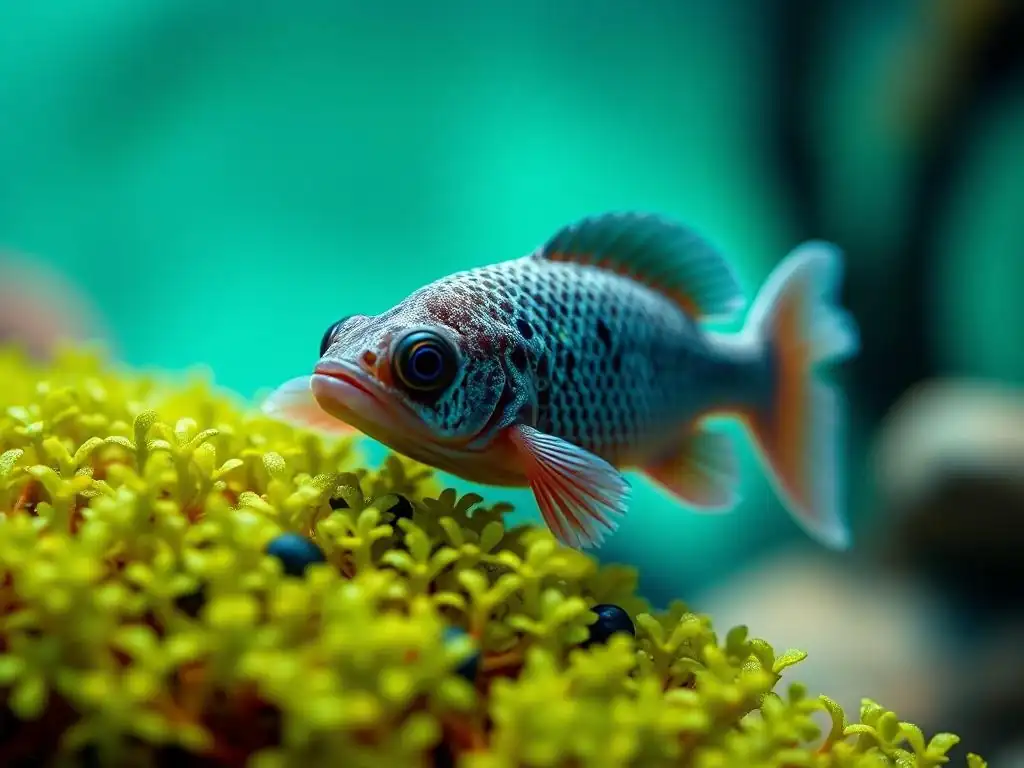
The most direct and effective method for preventing future Bristlenose Pleco breeding is to separate the male and female fish. Sexing Bristlenose Plecos is relatively straightforward once they reach maturity (around 3-4 inches). Males develop prominent, branched bristles (odontodes) on their heads, particularly around the snout, while females have few to no bristles, or only very small ones around the edge of their snout. If you have multiple tanks, moving one sex to a different setup or rehoming one of the breeding pair is a highly successful long-term solution.
Even a single breeding pair can be incredibly prolific, producing hundreds of fry within a few months. If you are not prepared for this continuous cycle of Bristlenose Pleco baby care, physically separating the male and female is paramount. This strategic separation ensures that no further eggs are laid, allowing you to manage the existing fry population without the stress of anticipating another batch.
Removing the Breeding Cave: A Simple Solution
Bristlenose Plecos are cave spawners, meaning they prefer to lay their eggs in enclosed, dark spaces. The male then guards these eggs diligently within the chosen cave. A simple, yet often effective, method to deter breeding is to remove all suitable breeding caves or enclosed structures from your aquarium. This includes terracotta caves, PVC pipes, hollow driftwood, or any other nooks and crannies where a male might feel secure enough to guard eggs.
While removing caves significantly reduces the likelihood of successful breeding, it's important to note that this method is not entirely foolproof. Extremely determined pairs might still attempt to lay eggs on a flat surface or under a large, immovable decoration. However, without the dedicated protection and fanning provided by the male in a secure cave, the survival rate of such exposed eggs and subsequent fry will be significantly lower, making this a useful step in managing Bristlenose Pleco baby care.
Understanding the Ethical Considerations of Population Control
Responsible fishkeeping extends beyond simply providing food and clean water; it also encompasses managing the population of your aquatic pets ethically. Allowing uncontrolled breeding that leads to severe overcrowding and subsequent suffering of fish is not responsible. Preventing unwanted breeding through methods like sex separation or cave removal is a more humane approach than facing the difficult decision of culling or struggling to find homes for an unsustainable number of fish.
Every fish, regardless of its size or age, deserves a good quality of life. This means ensuring they have adequate space, clean water, and proper nutrition, free from the stresses of overcrowding. Proactive population control measures for Bristlenose Pleco breeding demonstrate a commitment to the well-being of your entire aquatic community. It reflects a responsible attitude where the aquarist prioritizes the health and welfare of their fish over simply letting nature take its course without intervention.
Finding New Homes for Your Bristlenose Pleco Fry: A Step-by-Step Guide
Determining the Age and Size of Your Fry for Rehoming
When preparing to rehome your Bristlenose Pleco fry, their age and size are critical factors. Fry are generally most robust and ready for the stress of transport and new environments once they reach approximately 1 to 1.5 inches in length. This typically occurs around 6 to 8 weeks after hatching. At this size, they are past their most delicate stages, have fully absorbed their yolk sacs, and are actively feeding on a variety of foods.
While smaller fry (under 1 inch) are more fragile and have a lower survival rate during transport, larger fry (2+ inches) are often more desirable to potential buyers or recipients. They are well-established, show more of their adult coloration, and are less susceptible to the minor fluctuations that can occur during rehoming. Offering fry at a healthy, robust size maximizes their chances of thriving in their new homes and streamlines the Bristlenose Pleco baby care rehoming process.
Preparing Your Fry for Transport: A Gentle Approach
Proper preparation is essential to minimize stress and ensure the safe transport of your Bristlenose Pleco fry. Begin by fasting the fry for 12 to 24 hours before they are moved. This helps to clear their digestive tracts, significantly reducing the amount of waste they produce during transit. Less waste means cleaner water in the transport bag and a lower risk of ammonia buildup, which can be highly toxic.
When packaging, use durable, clear fish bags, ideally double-bagged for extra security. Fill the bag with approximately one-third clean tank water and two-thirds air (or pure oxygen if available for longer trips). Rounded-bottom bags are preferable as they prevent fish from getting stuck in corners. Maintain a stable temperature during transport by using an insulated container or a cooler, especially in fluctuating weather conditions.
Local Fish Stores: Partnering with Aquarium Businesses
Many local fish stores (LFS) are interested in acquiring locally bred fish, especially popular and hardy species like Bristlenose Plecos. Before bringing your fry in, it's always best to call ahead and inquire about their policies regarding buying or trading fish from hobbyists. Some stores may offer cash, while others prefer to give store credit, which can be used for new supplies, food, or even other fish.
Partnering with your LFS offers several benefits: it provides an immediate solution for rehoming a large batch of fry, supports a local business, and can provide you with valuable trade credit. Be prepared for the store to offer a wholesale price, which will be lower than what they would retail the fish for, but it's a convenient and reliable option for moving many Bristlenose Pleco fry quickly.
Online Aquarium Communities: Reaching a Wider Audience
Online aquarium communities offer a vast network for finding new homes for your Bristlenose Pleco fry. Platforms such as local aquarium club forums, dedicated Facebook groups (e.g., "Bristlenose Pleco Enthusiasts" or local fishkeeping groups), and specialized online marketplaces for aquatic pets can connect you with fellow hobbyists across a wider geographical area.
When posting online, ensure you provide clear, concise information and high-quality photos of your fry and, if possible, the parent fish. Specify the species, size, age, number available, and whether you are selling or giving them away. Clearly state if it's for local pickup only or if you are willing to ship (and outline shipping costs/procedures). These communities are excellent resources for sharing your successful Bristlenose Pleco baby care efforts and finding good homes.
Giving Away Fry to Fellow Hobbyists: Building Aquarium Community
One of the most rewarding ways to rehome your Bristlenose Pleco fry is by giving them away to friends, family, or fellow members of your local aquarium club. This method often ensures that the fish go to caring homes where you can potentially follow up on their well-being. It's also an excellent way to foster goodwill within the aquarium community and help new aquarists get started with healthy, locally-bred fish.
Sharing your fry for free or for a minimal "rehoming fee" (to ensure serious interest) builds camaraderie among hobbyists. It allows for the exchange of knowledge and experience, strengthening the local fishkeeping scene. This approach aligns well with the educational and community-focused nature of responsible Bristlenose Pleco baby care.
Advertising Your Bristlenose Pleco Fry for Adoption or Sale
Creating an Effective Listing: Photos and Descriptions
When listing your Bristlenose Pleco fry for adoption or sale, high-quality visuals are paramount. Include several clear, well-lit photos of the actual fry you are offering. If possible, also include pictures of the parent fish to showcase their coloration, finnage, and overall health, as this can indicate the potential appearance of the fry as they mature. Blurry or dark photos are a significant deterrent to potential interest.
Your description should be comprehensive and accurate. Key information to include: the specific species (e.g., "Common Bristlenose Pleco," "Albino Bristlenose Pleco"), their current size (e.g., "1.5 inches"), approximate age (e.g., "6-8 weeks"), and the number available. Mention their diet (e.g., "eating algae wafers, blanched zucchini, and driftwood"), general temperament, and any special care notes. Clearly state your location for pickup, and if shipping is an option, provide details. This transparency enhances the credibility of your Bristlenose Pleco baby care offering.
Pricing Your Fry: Fair Value and Market Considerations
Determining a fair price for your Bristlenose Pleco fry requires a bit of market research. Prices can vary significantly based on your geographic location, the specific coloration or fin type of your Bristlenose (e.g., albino or super red varieties often command higher prices than common brown ones), and the size of the fry. Generally, Bristlenose fry typically sell for $3 to $10 each, with larger or more unique specimens at the higher end of that range.
Consider offering bulk discounts, such as "5 for $20," to encourage larger purchases and help rehome more fry quickly. If your primary goal is simply to find good homes, offering them for free or a very nominal rehoming fee is also an option. Remember, the ultimate aim is to ensure the fry find suitable environments, so sometimes a lower price or no price at all is the most effective strategy for your Bristlenose Pleco baby care efforts.
Packaging and Shipping Live Fish: Best Practices for Safe Arrival
For situations where local pickup is not feasible, shipping live fish requires careful adherence to best practices to ensure their safe arrival. Always use an insulated box (e.g., Styrofoam-lined cardboard) to protect against temperature fluctuations. Depending on the ambient temperature, include heat packs or cold packs, ensuring they are separated from the fish bags to prevent direct contact.
Fish should be double-bagged in sturdy, clear plastic bags with rounded bottoms to prevent them from getting trapped in corners. Fill bags with approximately one-third water and two-thirds air (or pure oxygen). Fast the fish for 12-24 hours prior to shipping to minimize waste.
Ship via reliable overnight or 2-day services, avoiding weekends or holidays to prevent delays. If selling, consider offering a "Live Arrival Guarantee," which typically means refunding the cost of the fish (excluding shipping) if they arrive deceased, contingent on photographic proof within a specified timeframe. This builds buyer confidence and demonstrates responsible Bristlenose Pleco baby care.
Caring for Remaining Bristlenose Pleco Fry: Optimizing Growth and Health
Maintaining Ideal Water Parameters for Juvenile Bristlenose
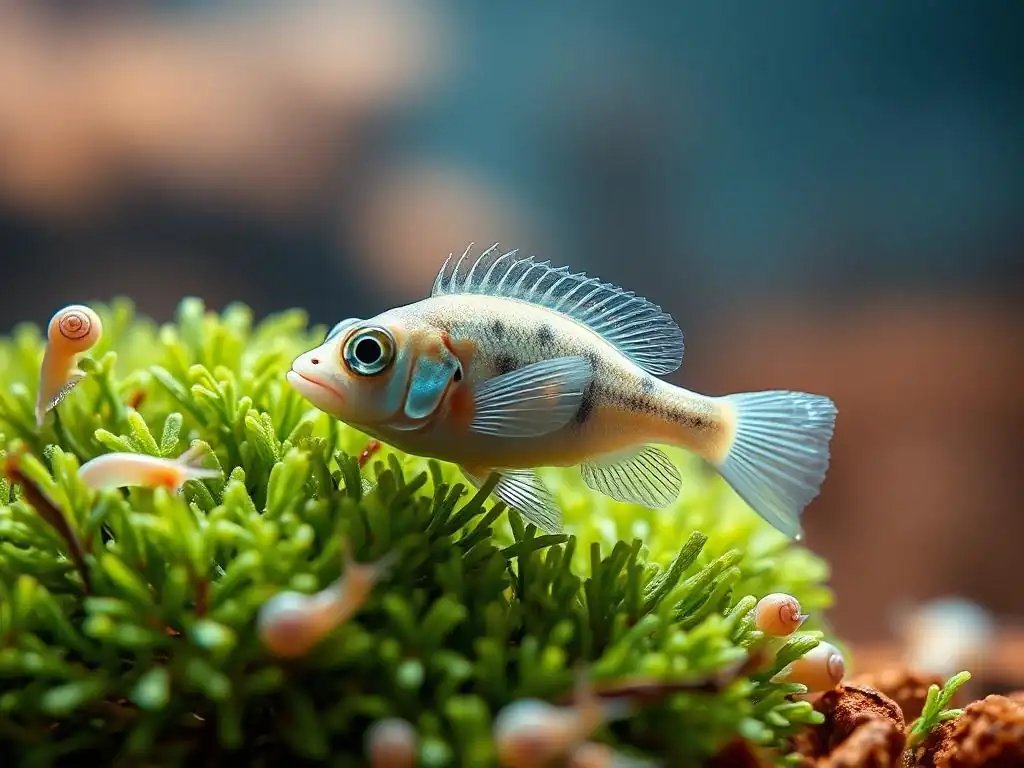
For the Bristlenose Pleco fry you choose to keep, maintaining ideal water parameters is paramount for their rapid growth and robust health. Bristlenose Plecos thrive in stable water conditions: a temperature range of 76-82°F (24.4-27.8°C), a pH of 6.5-7.5, and a moderate hardness (GH 6-10 dGH). Regular and substantial water changes, typically 25-30% weekly, are critical to dilute nitrates, replenish essential minerals, and ensure pristine water quality.
Excellent filtration is also non-negotiable. A mature biological filter is essential to efficiently process the significant bioload produced by a growing group of Bristlenose Pleco fry. High-quality filtration, combined with consistent water changes, creates the stable, clean environment necessary to prevent stress, disease, and promote optimal Bristlenose Pleco baby care.
Feeding Baby Bristlenose Plecos: A Nutritional Diet Plan
Baby Bristlenose Plecos are voracious eaters and require constant access to a highly nutritious and varied diet to support their rapid growth. Offer high-quality sinking algae wafers or pellets as a staple, ensuring they are formulated for plecos. Supplement this with spirulina flakes and blanched vegetables such as zucchini slices, cucumber, or spinach, which are excellent sources of fiber and essential vitamins. Providing a piece of driftwood in the tank is also beneficial, as they will graze on it for cellulose.
Feed your fry multiple times a day in small amounts to prevent water fouling while ensuring constant access to food. Distribute food across the tank to allow all fry to feed without competition. This consistent and varied nutrition is the cornerstone of successful Bristlenose Pleco baby care, promoting strong development and vibrant coloration.
Monitoring Fry Health: Recognizing and Treating Common Issues
Diligent daily observation of your Bristlenose Pleco fry is crucial for early detection of any health issues. Look for signs of distress such as clamped fins, lethargy, loss of color, or abnormal swimming patterns. Common issues can include white spots (Ich), fungal growths, or bacterial infections, often triggered by deteriorating water quality or stress.
Maintaining pristine water quality is the most effective first line of defense against most fry ailments. If you do observe sick fry, immediately quarantine them in a separate tank to prevent the spread of disease to the healthy population. Treat with appropriate aquarium medications, always following the dosage instructions carefully. Early intervention and excellent water conditions are key to successfully managing Bristlenose Pleco baby care and preventing widespread illness.
Long-Term Planning: Managing Your Bristlenose Pleco Population
Considering a Larger Tank: Expanding Your Aquarium Capacity
If you consistently breed Bristlenose Plecos and genuinely wish to maintain a larger population, investing in a substantially larger aquarium is a viable long-term solution. A tank of 75 gallons or more can comfortably house a breeding colony and accommodate several batches of growing fry, provided filtration is robust. This expansion allows for more stable water parameters, reduces aggression among fish due to increased territory, and promotes better growth for a larger number of Bristlenose.
However, expanding your aquarium capacity represents a significant commitment in terms of space, cost (for the tank, stand, filter, and equipment), and ongoing maintenance. It's a choice for dedicated aquarists who are passionate about Bristlenose Pleco breeding and have the resources to support a thriving, larger community.
Rehoming Adult Bristlenose Plecos: A Last Resort Option
While the focus is often on rehoming fry, there may come a time when you need to rehome adult Bristlenose Plecos, especially if population control measures have failed or your capacity has changed. Rehoming adults can be more challenging than rehoming fry due to their larger size, established territorial behaviors, and the fact that most hobbyists are looking for smaller, younger fish.
Utilize the same channels as for fry – local fish stores, online aquarium communities, and fellow hobbyists. Be prepared for less interest or potentially a lower trade-in value compared to fry. Rehoming adult Bristlenose should be considered a last resort, undertaken only after exhausting all other options for managing your population and ensuring the well-being of your Bristlenose Pleco baby care efforts.
Responsible Fishkeeping: Ensuring the Well-being of Your Aquatic Pets
At the heart of every decision regarding your Bristlenose Pleco population lies the core responsibility of a fishkeeper: ensuring the well-being and health of your aquatic pets. This means providing a healthy, safe, and appropriate environment for every fish, from the tiniest fry to the largest adult. Proactive planning for population growth, whether through controlled breeding, effective rehoming strategies, or thoughtful tank expansion, is a hallmark of responsible fishkeeping.
Ultimately, the joy of breeding Bristlenose Plecos should never lead to an ethical dilemma of overcrowded, stressed fish. By being prepared, understanding their prolific nature, and actively managing their population, you can continue to enjoy these remarkable fish while fulfilling your commitment to their welfare. This comprehensive approach ensures that the rewarding experience of Bristlenose Pleco baby care remains positive for both you and your aquatic inhabitants.
Frequently Asked Questions
How long does it take for Bristlenose Pleco babies to hatch?
Bristlenose Pleco eggs typically hatch in around 4-10 days, depending on the water temperature. Warmer temperatures generally lead to faster hatching times.
What should I feed my Bristlenose Pleco fry?
Newly hatched Bristlenose Pleco fry will initially feed off their yolk sacs. Once the yolk sac is gone, offer finely crushed algae wafers and blanched vegetables like zucchini.
What size tank do Bristlenose Pleco fry need?
A 10-gallon tank is generally sufficient for raising a small batch of Bristlenose Pleco fry. However, a larger tank like a 20-gallon long will provide more space and stability as they grow.
How often should I perform water changes for my Bristlenose Pleco fry tank?
Regular water changes are crucial for healthy fry development. Aim for 25-50% water changes at least twice a week to maintain water quality.
What are some signs of illness in Bristlenose Pleco fry?
Signs of illness can include lethargy, loss of appetite, clamped fins, or unusual swimming behavior. Addressing these issues early is vital to prevent widespread problems.
Final Reflection: The Ripple Effect of Tiny Lives
The journey of nurturing and rehoming baby Bristlenose Plecos extends far beyond the confines of our aquariums. It's a microcosm of responsible pet ownership and a testament to the interconnectedness of the aquatic ecosystem, even within our homes. The lessons learned in providing proper Bristlenose Pleco Baby Care resonate deeply, reminding us of the dedication and foresight required to manage any living creature under our charge.
This seemingly small act of caring for fry has a surprisingly large impact. It influences the availability of these fascinating fish in the hobby, promotes ethical breeding practices, and fosters a deeper appreciation for the delicate balance of nature. The responsibility we take in finding good homes for these little ones reflects our commitment to the well-being of all animals. The greatness of a nation and its moral progress can be judged by the way its animals are treated.
- Mahatma Gandhi. This quote underscores the importance of extending our compassion and care to even the smallest creatures, recognizing their inherent value.
Now, consider the ripple effect of your own actions. How can you apply the principles of responsible care and ethical rehoming to other aspects of your life? Take a moment to reflect on the impact you have on the world around you, and let the lessons learned from Bristlenose Pleco Baby Care inspire you to cultivate a more compassionate and responsible approach to all living things.
Turn Your Bristlenose Boom into a Community Boon!
Thanks for diving into the fascinating world of breeding bristlenose plecos! We hope you've enjoyed learning about managing a population explosion. Now, let's channel that success into something even bigger.
Here are a few things you can do next:
- Prioritize finding suitable homes for your fry! Research local fish stores or aquarium clubs willing to take in or purchase your bristlenose plecos.
- Consider offering them to other hobbyists in your area through online forums or social media groups. You might even trade them for other aquarium supplies!
- Get creative! Document the growth and development of your bristlenose fry in a time-lapse video and share it online to inspire others and maybe even find potential buyers.
What innovative ways have you used to find homes for your bristlenose plecos, or what interesting trades have you made within the aquarium community?