
Easiest Livebearers for Beginners: Guppies, Mollies, or Platies?

Welcome to Aquarium Mastery!
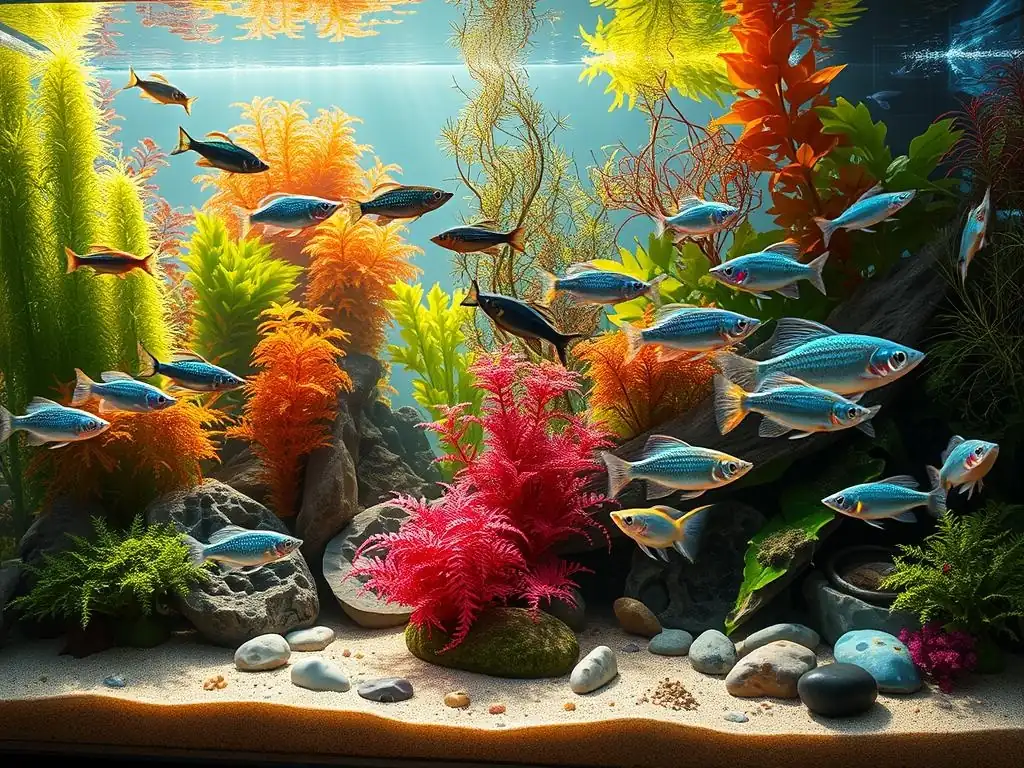
Ever wondered which livebearer will thrive in your first aquarium and bring a splash of color to your underwater world? This is the perfect place to start. Dive in to discover the best beginner livebearer fish – are guppies, mollies, or platies the right choice for you? Let's explore their personalities, care requirements, and everything you need to know to create a vibrant and thriving freshwater tank! Intrigued? Keep reading to unlock the secrets to a successful start!
- Introduction: Choosing the Best Beginner Livebearer Fish for Your Aquarium
- Understanding Livebearer Fish: A Beginner's Guide
- Guppies: The Classic Beginner Livebearer
- Mollies: Adding Variety to Your Livebearer Tank
- Platies: A Hardy and Colorful Option
- Comparing Guppies, Mollies, and Platies: Which is Right for You?
- Setting Up Your Livebearer Aquarium: A Step-by-Step Guide
- Feeding Your Livebearers: A Balanced Diet for Optimal Health
- Livebearer Breeding Tips: Ensuring Successful Reproduction
- Common Mistakes to Avoid with Beginner Livebearers
- Conclusion: Enjoying the Rewarding Experience of Keeping Livebearer Fish
-
Frequently Asked Questions
- What makes livebearer fish like guppies, mollies, and platies ideal for beginners?
- What are the key differences between guppies, mollies, and platies in terms of care requirements?
- How do I control the population of livebearer fish in my aquarium?
- What are some common health problems that livebearer fish are prone to, and how can I prevent them?
- What size aquarium is recommended for a beginner starting with livebearer fish?
- Final Reflection: Embracing the Vivacity of Livebearers
- Dive Deeper into Livebearer Keeping!
Introduction: Choosing the Best Beginner Livebearer Fish for Your Aquarium
Embarking on the journey of aquarium keeping can be incredibly rewarding, and selecting the right fish is the first crucial step. For many novice aquarists, livebearers stand out as an ideal choice due to their hardiness, vibrant colors, and fascinating breeding habits. Among the most popular and readily available livebearers are guppies, mollies, and platies, each offering unique characteristics that appeal to different preferences.
This comprehensive guide will delve into the specifics of each of these best beginner livebearer fish, comparing their care requirements, temperament, and potential challenges. By understanding the nuances of guppy, molly, and platy keeping, you'll be well-equipped to make an informed decision and set up a thriving, beautiful aquarium that brings joy for years to come.
Understanding Livebearer Fish: A Beginner's Guide
What are Livebearers and Why are They Great for New Aquarists?
Livebearers are a diverse group of freshwater fish belonging primarily to the family Poeciliidae, distinguished by their unique reproductive method: they give birth to live, fully formed young, rather than laying eggs. This contrasts sharply with egg-laying species, where eggs are typically laid and then fertilized, often requiring specific conditions for hatching and subsequent care. The fry are born ready to swim and feed, making the breeding process observable and often quite prolific, which is a major draw for many hobbyists.
Their suitability for new aquarists stems from several key factors. Firstly, many livebearer species, including guppies, mollies, and platies, are exceptionally hardy and adaptable to a range of water conditions, making them more forgiving of initial setup fluctuations or minor beginner errors.
Secondly, their active and engaging behavior provides constant visual interest, while their relatively small size means they can be comfortably housed in moderately sized aquariums, such as a 10-gallon tank for a small group. Furthermore, their ease of breeding, often without any special intervention, offers beginners a fascinating glimpse into the life cycle of aquatic creatures, providing a truly educational experience.
The Appeal of Livebearing Fish for Aquarium Hobbyists
The widespread appeal of livebearing fish among aquarium hobbyists, particularly those new to the hobby, extends beyond their simple care requirements and live birth. Their vibrant coloration and diverse fin shapes, especially evident in cultivated varieties of guppies and platies, allow aquarists to create stunning, dynamic displays within their tanks. For instance, a single male Guppy can exhibit a kaleidoscope of blues, reds, and yellows across its body and fins, making it a living jewel in the aquarium.
Beyond aesthetics, their generally peaceful temperament makes them excellent candidates for community tanks, coexisting harmoniously with other non-aggressive species like neon tetras, corydoras, and small rasboras. This compatibility allows beginners to explore a wider variety of fish species without fear of aggression or predation. Moreover, the inherent joy of witnessing new life emerge in the aquarium as fry are born provides a unique and deeply satisfying experience, encouraging ongoing engagement with the hobby. This constant activity and the potential for new additions make livebearers some of the best beginner livebearer fish available.
Guppies: The Classic Beginner Livebearer
Guppy Care: Simple Requirements for Thriving Guppies
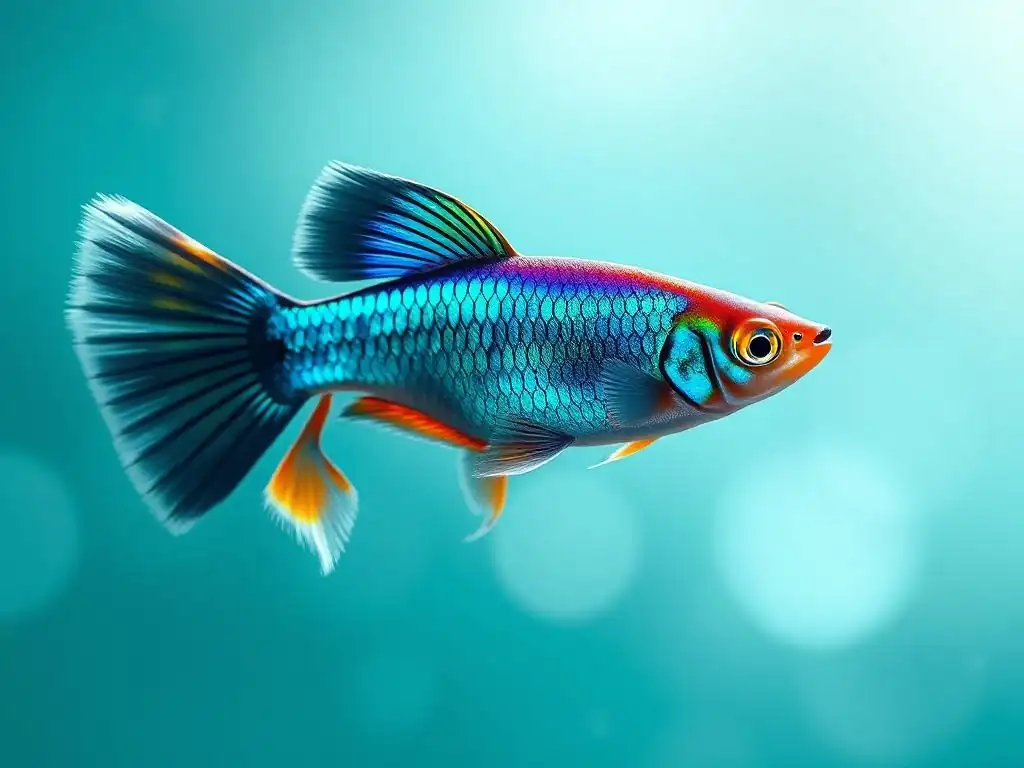
Guppies (Poecilia reticulata) are often hailed as the quintessential best beginner livebearer fish, and for good reason: their care requirements are remarkably straightforward, allowing new aquarists to achieve success with minimal fuss. These small, active fish thrive in well-maintained freshwater aquariums with stable water parameters. An ideal temperature range for guppies is between 72-82°F (22-28°C), and they prefer a slightly alkaline pH of 6.8-7.8. While tolerant of minor fluctuations, consistency is key to their long-term health.
For housing, a minimum 5-gallon tank is sufficient for a small group of three to five guppies, though a 10-gallon tank or larger is always recommended for better stability and to accommodate their prolific breeding. Guppies are omnivores and readily accept a high-quality flake food as their primary diet.
Supplementing this with frozen or live foods like brine shrimp, daphnia, or bloodworms a few times a week will provide essential nutrients and enhance their coloration. It's crucial to perform weekly water changes of 25-30% to keep nitrate levels low and ensure pristine water quality, which is vital for preventing common ailments.
Guppy Varieties: Exploring Different Colors and Fin Shapes
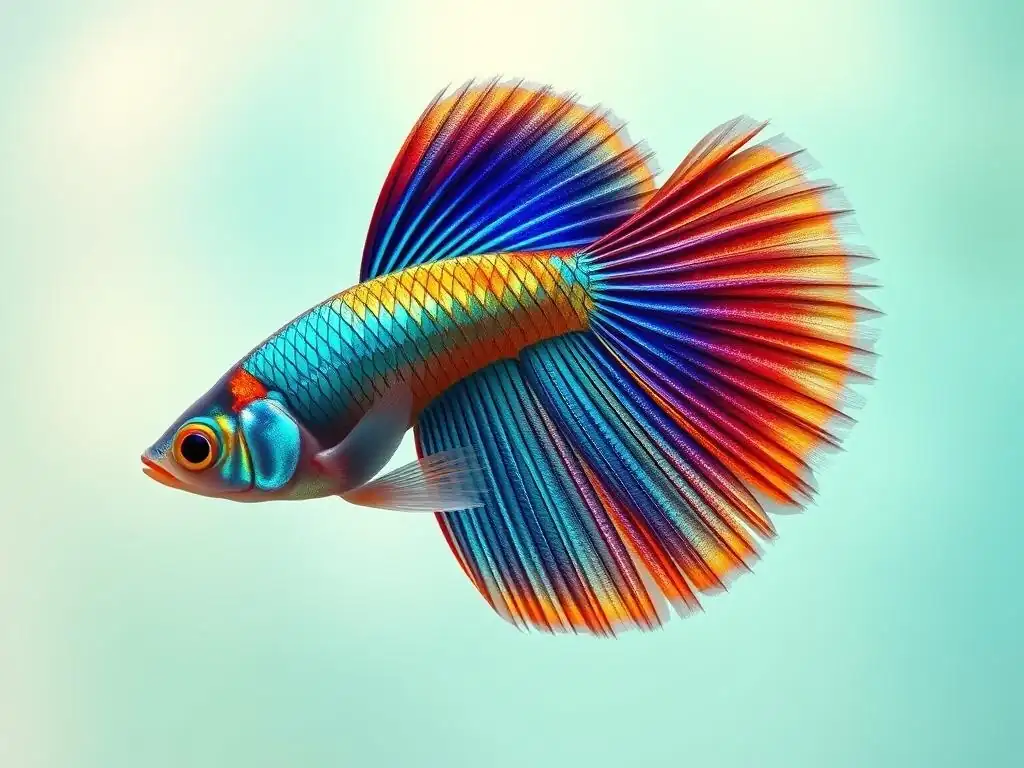
One of the most captivating aspects of guppies is their incredible diversity in color and fin morphology, a result of decades of selective breeding by enthusiasts worldwide. This vast array of varieties means that aquarists can choose guppies that perfectly match their aesthetic preferences, making them a truly customizable best beginner livebearer fish. Common fin types include the dramatic Delta (or Fan) tail, which spreads wide like a fan; the elegant Lyretail, featuring elongated upper and lower lobes; and the Swordtail, where the caudal fin has elongated sword-like extensions.
Beyond fin shapes, guppies boast an astonishing palette of colors and patterns. Popular strains include the vibrant Cobra guppy, known for its intricate snake-like patterns; the Tuxedo guppy, characterized by a dark body contrasted with a lighter front half; and the Moscow guppy, famous for its deep, iridescent blue or green hues. Other notable varieties include the Koi guppy, with its distinct orange and white markings reminiscent of koi carp, and various solid colors like red, yellow, and blue. This genetic plasticity allows for endless combinations, ensuring that no two guppy tanks look exactly alike.
Guppy Breeding: Understanding the Guppy Reproduction Cycle
Guppy breeding is perhaps their most famous characteristic, earning them the moniker "million fish" and solidifying their status as an exceptionally best beginner livebearer fish for those interested in reproduction. Female guppies are capable of storing sperm for multiple pregnancies after a single mating, meaning they can continue to produce broods for up to six months without any further interaction with a male. The gestation period typically lasts between 21 to 30 days, depending on factors like water temperature and the female's health and diet.
A single female guppy can give birth to a surprisingly large number of fry, ranging from 20 to over 100 in a single brood, with larger, more mature females producing more offspring. The fry are born fully developed and immediately capable of swimming and seeking food, though they are tiny and highly vulnerable to predation by adult fish, including their own parents.
To maximize fry survival, it's common practice to provide dense live plants like Java Moss or Hornwort, which offer ample hiding spots, or to use a breeding box to temporarily separate the pregnant female and later protect the fry. This continuous cycle of reproduction means a guppy tank can quickly become a bustling community, requiring careful population management.
Potential Problems with Guppies: Fin Rot, Ich, and Overbreeding
While guppies are generally hardy, they are not immune to common aquarium ailments, and certain conditions can lead to specific problems. Fin rot, characterized by frayed or deteriorating fins, is a frequent issue often caused by poor water quality, high ammonia or nitrite levels, or stress due to overcrowding. Regular water changes and maintaining a clean tank environment are crucial for prevention and recovery.
Ich, or White Spot Disease (Ichthyophthirius multifiliis), manifests as small white spots resembling grains of salt on the fish's body and fins. This parasitic infection is often triggered by sudden temperature changes or stress and can be fatal if not treated promptly with appropriate medication and elevated tank temperatures.
Beyond diseases, overbreeding is a significant challenge with guppies. Their prolific nature means that a tank can quickly become overpopulated, leading to increased biological load, poor water quality, stunted growth, and heightened aggression among males vying for female attention. A common recommendation is to maintain a ratio of at least two to three females per male to diffuse male aggression and reduce stress on individual females. Managing the population through selective breeding, providing ample hiding spots for fry, or planning for a larger tank or rehoming options are essential for long-term guppy health and happiness.
Mollies: Adding Variety to Your Livebearer Tank
Molly Care: Essential Tips for Keeping Mollies Healthy
Mollies (Poecilia sphenops, P. latipinna, P. velifera) are another excellent choice for the title of best beginner livebearer fish, offering a slightly larger size and different aesthetic compared to guppies and platies. While generally hardy, mollies have a distinct preference for harder, more alkaline water, ideally with a pH between 7.5-8.5 and a general hardness (GH) of 10-25 dGH. They also thrive in temperatures ranging from 72-82°F (22-28°C). These specific water parameters are crucial for their long-term health, as prolonged exposure to soft, acidic water can lead to health issues.
A minimum 10-gallon tank is suitable for a small group of mollies, but due to their active nature and potential adult size (especially Sailfin Mollies, which can reach 4-6 inches), a 20-gallon tank or larger is highly recommended for a thriving community. Mollies are omnivorous, with a particular fondness for vegetable matter.
While they will readily accept high-quality flake food, supplementing their diet with spirulina flakes, blanched zucchini, or algae wafers is highly beneficial. Adding a small amount of aquarium salt (about 1 teaspoon per 5 gallons) can also promote their health, particularly if your tap water is naturally soft, though this is not strictly necessary in all setups.
Molly Types: Sailfin, Balloon, and Other Popular Mollies
The world of mollies offers a fascinating array of shapes and colors, making them a diverse and appealing option among best beginner livebearer fish. The most iconic varieties include the Sailfin Molly (Poecilia latipinna and Poecilia velifera), distinguished by the impressively large, sail-like dorsal fin of the males, which can extend significantly above their bodies. These are often larger than common mollies and require more swimming space.
Other popular types include the Common Molly (Poecilia sphenops), which comes in a multitude of colors such as the striking Black Molly (a solid black variant), Dalmatian Molly (white with black spots), Gold Molly, and Marble Molly. The Balloon Molly is another widely recognized variety, characterized by its unusually rounded, "balloon-like" body shape, a result of selective breeding that fuses vertebrae. While visually distinct, Balloon Mollies can sometimes suffer from internal organ compression due to their body shape, potentially leading to digestive or swimming issues. Each type offers a unique appeal, allowing aquarists to customize their tank's inhabitants.
Molly Behavior: What to Expect from Your Mollies
Mollies are generally peaceful and active fish that add a dynamic element to any freshwater aquarium. They are constantly on the move, exploring their environment and interacting with tank mates, making them engaging subjects for observation. Like other livebearers, mollies are social creatures and thrive when kept in groups, ideally with a ratio of two to three females per male to distribute male attention and reduce stress on individual females. Male mollies can exhibit territorial behavior towards each other, especially in smaller tanks, and may occasionally engage in fin-nipping if overcrowded or stressed.
Their active swimming habits mean they appreciate a tank with open swimming areas, alongside plenty of plants and decorations that provide hiding spots and visual breaks. Mollies are known for their scavenging habits, often grazing on algae on tank surfaces and decorations, which can be a beneficial natural clean-up crew. Their robust nature and generally amiable disposition make them suitable tank mates for other peaceful, similarly sized community fish, reinforcing their reputation as a best beginner livebearer fish that contributes positively to a diverse aquarium environment.
Considerations for Mollies: Water Hardness and the Need for Larger Tanks
While mollies are hardy, two significant considerations for their long-term health are their specific water parameter preferences and space requirements. Unlike guppies and platies, mollies genuinely thrive in harder, more alkaline water.
For instance, in water with a general hardness (GH) below 8 dGH and a pH below 7.0, mollies can become stressed, more susceptible to disease, and may fail to display their full vibrant coloration. Some aquarists even keep them in slightly brackish water (with a low salinity of about 1.005 specific gravity) to mimic their natural estuarine habitats, which can significantly boost their immunity and overall vigor, though this is not a strict requirement for most healthy mollies in hard freshwater.
Secondly, their potential size, particularly for Sailfin Mollies which can reach up to 6 inches, necessitates larger tank volumes. A common Molly might be comfortable in a 10-gallon tank in a small group, but a group of active Sailfin Mollies will quickly outgrow such a space, requiring a minimum of 20-30 gallons to thrive.
Overcrowding in insufficient tank sizes leads to stunted growth, increased aggression, and deteriorated water quality, all of which compromise the fish's health and lifespan. Providing ample space and ensuring the right water chemistry are paramount for keeping mollies healthy and happy, solidifying their place as a rewarding yet specific best beginner livebearer fish option.
Platies: A Hardy and Colorful Option
Platy Care: Easy Maintenance for Vibrant Platies
Platies (Xiphophorus maculatus and Xiphophorus variatus) are consistently ranked among the best beginner livebearer fish due to their exceptional hardiness and straightforward care requirements. These active and colorful fish are remarkably adaptable to a wide range of freshwater conditions, making them very forgiving for new aquarists. They thrive in temperatures between 72-78°F (22-26°C) and are comfortable in a pH range of 6.8-8.0, with a general hardness (GH) between 8-18 dGH. This broad tolerance allows them to adapt well to most tap water sources without extensive modification.
A minimum 10-gallon tank is suitable for a small group of platies, offering enough space for them to swim freely and establish territories. Like other livebearers, they are omnivores and will readily accept a high-quality flake food as their primary diet.
Supplementing with small live or frozen foods such as brine shrimp, daphnia, or bloodworms, along with occasional vegetable matter like spirulina flakes, will ensure a balanced diet and enhance their vibrant colors. Regular weekly water changes of 25-30% are essential to maintain clean water and prevent the buildup of harmful nitrates, which is key to their long-term health and vitality.
Platy Color Variations: A Rainbow of Options for Your Tank
Platies are renowned for their incredible array of vibrant colors and patterns, making them a truly spectacular addition to any freshwater aquarium and a strong contender for the title of best beginner livebearer fish based on aesthetics alone. Through selective breeding, aquarists can find platies in virtually every color of the rainbow, often with striking combinations and distinctive markings. Common and highly sought-after varieties include the iconic Red Wag Platy, characterized by its bright red body and black fins, creating a sharp contrast.
The Sunset Platy displays a beautiful gradient of yellow to orange or red, often with black markings. Mickey Mouse Platies are instantly recognizable by the black marking near their caudal fin, which resembles the silhouette of Mickey Mouse's head. Other popular variations include the Comet Platy, with elongated dorsal and caudal fins; Blue Platies, with iridescent blue scales; and various solid color forms like Gold, Red, and Neon Green. This genetic diversity ensures that aquarists can curate a visually stunning tank with platies that offer a continuous display of color and individuality.
Platy Temperament: Peaceful Community Fish
The temperament of platies is one of their most significant advantages, firmly establishing them as a best beginner livebearer fish for community setups. They are exceptionally peaceful and non-aggressive, making them ideal tank mates for a wide variety of other docile freshwater fish. Unlike some other livebearers, male platies are generally not territorial or aggressive towards each other, allowing for groups of mixed sexes without undue stress. They are active swimmers, constantly exploring their environment and interacting with their surroundings, which adds a lively dynamic to the aquarium.
Platies thrive in groups and exhibit social behavior, often schooling loosely together. This social nature contributes to their overall well-being and confidence in the tank. They rarely nip fins or bother other fish, making them suitable companions for species with delicate fins, such as guppies or certain tetras. Their calm demeanor and adaptability to various tank setups, combined with their vibrant colors and ease of care, make platies an excellent choice for beginners looking to establish a harmonious and visually appealing community aquarium.
Potential Issues with Platies: Fungal Infections and False Pregnancy
While platies are remarkably hardy and often considered one of the most robust livebearers, they can still encounter specific health challenges, making awareness of these issues important for any best beginner livebearer fish keeper. Fungal infections, characterized by white, cotton-like growths on the fish's body, fins, or mouth, are a common concern. These infections typically arise when a fish is stressed, injured, or when water quality is poor, allowing opportunistic fungi to proliferate.
Maintaining pristine water conditions, avoiding overcrowding, and promptly addressing any injuries are key preventive measures. Fungal infections are generally treatable with over-the-counter antifungal medications designed for aquariums.
Another unique phenomenon sometimes observed in female platies is "false pregnancy." While platies are livebearers and do get pregnant, occasionally a female may develop a swollen abdomen resembling pregnancy, but no fry are produced. This can sometimes be attributed to internal issues, stress, or even simply a very full digestive tract.
If the swelling persists without fry, or if the fish shows other signs of distress, it might indicate an underlying health problem such as dropsy or internal parasites, which would require further investigation and appropriate treatment. As with all aquarium fish, vigilant observation and prompt action are crucial for maintaining platy health.
Comparing Guppies, Mollies, and Platies: Which is Right for You?
Hardiness Comparison: Which Livebearer is the Toughest?
When evaluating the best beginner livebearer fish based on hardiness, all three contenders—guppies, mollies, and platies—are generally robust, but there are subtle differences. Platies often take the lead as the most forgiving and adaptable. They tolerate a wider range of pH and general hardness values (pH 6.8-8.0, GH 8-18 dGH) and are less prone to specific water chemistry-related ailments than mollies. Their resilience makes them an excellent choice for beginners whose water parameters might not be perfectly consistent.
Guppies are also very hardy but can be more susceptible to fin rot and Ich if water quality deteriorates or if they experience sudden temperature fluctuations. Selective breeding for fancy strains can sometimes result in less robust individuals compared to their wild counterparts.
Mollies, while tough in the right conditions, have a specific preference for harder, more alkaline water (pH 7.5-8.5, GH 10-25 dGH) and can struggle significantly in soft, acidic environments, leading to health issues like "shimmies" or fungal infections. Therefore, if your tap water is naturally soft, platies or guppies might be a safer bet initially, making platies arguably the toughest for general conditions.
Breeding Considerations: Ease and Frequency of Breeding
All three of these best beginner livebearer fish are famously prolific, making livebearer breeding a common and often unavoidable aspect of their care. Guppies are arguably the fastest and most consistent breeders. A single female guppy can produce a brood of 20-100+ fry every 21-30 days, often without any intervention, making population management a primary concern for guppy keepers. Their rapid reproductive cycle means that a small group can quickly multiply into dozens, if not hundreds, of fish.
Platies are also very prolific, with females giving birth to broods of 10-50 fry approximately every 28-35 days. While slightly less numerous in their broods than guppies, their consistent breeding still necessitates careful planning for fry survival and population control. Mollies typically produce broods of 20-60 fry every 30-40 days. While their gestation period is slightly longer and brood size generally smaller than guppies, they are still very capable breeders. For all three, the challenge for beginners is not getting them to breed, but managing the resulting population explosion and ensuring the survival of the fry.
Tank Mate Compatibility: Which Livebearer Plays Nicely?
When it comes to harmonious community tanks, the temperament of your chosen best beginner livebearer fish is a crucial factor. Platies are widely considered the most peaceful and least aggressive of the three. They are excellent community fish, rarely bothering other species or even their own kind, making them highly compatible with a wide array of non-aggressive tank mates such as small tetras, corydoras, and peaceful rasboras. Their docile nature allows them to blend seamlessly into diverse setups.
Guppies are also generally peaceful, but male guppies can sometimes harass females if the male-to-female ratio is not balanced (ideally 1 male to 2-3 females). Their long, flowing fins can also make them targets for fin-nipping by more aggressive or semi-aggressive species. Mollies are typically peaceful, but individual mollies, particularly larger Sailfin males, can occasionally display semi-aggressive tendencies, such as fin-nipping, especially if overcrowded or if male-to-male aggression occurs.
They are generally fine with other peaceful, robust fish, but smaller, very timid fish might be stressed by their active nature. For absolute peace of mind in a mixed community, platies often provide the most reliable compatibility.
Appearance and Variety: Choosing Based on Aesthetics
The aesthetic appeal of these best beginner livebearer fish varies significantly, allowing aquarists to choose based on their personal visual preferences. Guppies are celebrated for their dazzling male coloration and elaborate finnage. Males come in an astonishing array of vibrant colors (red, blue, yellow, green, multi-colored) and diverse fin shapes (Delta, Lyre, Swordtail, Fan, etc. ), making each male a unique, living piece of art. Females are typically more subdued in color and have shorter fins. If dynamic, flashy males are your priority, guppies are an unparalleled choice.
Mollies offer a different kind of visual appeal. They are generally larger and more robust than guppies and platies, with body shapes ranging from the streamlined common molly to the distinct "sail" of the Sailfin Molly or the rounded form of the Balloon Molly. Their coloration tends to be more solid (e.g., Black Molly, Gold Molly) or spotted (Dalmatian Molly), offering a more substantial and elegant presence in the tank.
Platies combine the best of both worlds in a compact package. They are smaller than mollies but larger than many guppy strains, and they boast an incredible variety of solid colors and patterns (Red Wag, Sunset, Mickey Mouse, Blue, Gold).
Their vibrant, often blocky colors and active nature make them highly visible and cheerful additions to any tank. Ultimately, the choice depends on whether you prefer the delicate flashiness of guppies, the sturdy elegance of mollies, or the compact, vibrant charm of platies.
Setting Up Your Livebearer Aquarium: A Step-by-Step Guide
Tank Size: Choosing the Right Size Tank for Your Livebearers
Selecting the appropriate tank size is a foundational step for any best beginner livebearer fish setup and directly impacts the health and happiness of your fish. For a small group of guppies or platies (e.g., 5-7 fish), a 10-gallon aquarium is generally considered the minimum viable size. This volume provides enough space for swimming, helps dilute waste products, and offers a more stable environment than smaller tanks. However, given their prolific breeding, a 15 or 20-gallon tank will offer much greater stability and allow for a larger, healthier population without immediate overcrowding.
For mollies, especially the larger Sailfin varieties, a minimum of a 20-gallon tank is recommended for a small group. Sailfin Mollies can reach lengths of 4-6 inches, and their active swimming requires ample space. Even common mollies benefit from the increased swimming room and stability offered by a 20-gallon tank over a 10-gallon.
Larger tanks are always preferable as they provide more water volume to dilute nitrates, maintain more stable temperatures, and offer more territory for fish, reducing stress and aggression. A good rule of thumb for livebearers is to aim for at least 1 gallon of water per inch of adult fish, though more is always better.
Water Parameters: Maintaining Ideal Conditions for Livebearers
Maintaining stable and appropriate water parameters is paramount for the health of your best beginner livebearer fish. While these fish are generally hardy, consistency is key. A general target range for most livebearers is a pH of 7.0-8.0, with a general hardness (GH) of 8-18 dGH (degrees of hardness), and a temperature range of 72-78°F (22-26°C). However, there are specific nuances to consider for each species.
Mollies, for instance, prefer harder, more alkaline water, ideally with a pH of 7.5-8.5 and a GH of 10-25 dGH. Providing these conditions helps prevent issues like "shimmies" and promotes their overall vitality. Guppies and platies are more tolerant of slightly softer or more neutral water but still thrive in moderately hard, alkaline conditions.
Regular testing of your water with an aquarium test kit for pH, ammonia, nitrite, and nitrate is essential. Ammonia and nitrite should always be zero, while nitrates should be kept below 20 ppm through consistent weekly water changes of 25-30%. Using a reliable aquarium heater to maintain a stable temperature is also critical, as fluctuations can stress fish and lead to disease.
Filtration and Heating: Essential Equipment for a Healthy Aquarium
Proper filtration and heating are non-negotiable components for a healthy best beginner livebearer fish aquarium. A robust filtration system is crucial for removing physical debris, detoxifying harmful ammonia and nitrite, and providing surface agitation for oxygen exchange. For smaller livebearer tanks (10-20 gallons), a hang-on-back (HOB) filter is an excellent choice, offering mechanical, chemical, and biological filtration.
For larger tanks or those with a higher bioload, a canister filter might be more appropriate. When breeding, a sponge filter can be added or used as the primary filter, as it provides gentle filtration and is safe for fry, preventing them from being sucked into the intake.
An aquarium heater is equally vital to maintain a stable water temperature within the optimal range for livebearers (typically 72-78°F or 22-26°C). Sudden temperature fluctuations can severely stress fish, making them susceptible to diseases like Ich. Choose a heater appropriate for your tank size, typically rated at 3-5 watts per gallon. A thermometer is also essential to monitor the water temperature regularly. Ensuring adequate filtration and consistent heating creates a stable, healthy environment where your livebearers can thrive and display their natural behaviors.
Substrate and Decorations: Creating a Natural Environment
The choice of substrate and decorations plays a significant role in creating a comfortable, stimulating, and visually appealing environment for your best beginner livebearer fish. For substrate, fine gravel or sand are both suitable options. Gravel is easy to clean and allows plant roots to anchor, while sand can provide a more natural aesthetic and is preferred by bottom-dwelling tank mates like corydoras. Regardless of choice, ensure the substrate is inert and won't alter water parameters.
Decorations should include a mix of live plants, rocks, and driftwood. Live plants are highly beneficial: they absorb nitrates, oxygenate the water, and provide crucial hiding spots for fry and stressed fish. Densely planted areas, particularly with species like Java Moss, Hornwort, Anacharis, or Guppy Grass, are invaluable for fry survival, offering them refuge from adult fish.
Smooth rocks and pieces of aquarium-safe driftwood can add natural aesthetics and provide additional hiding places. Ensure all decorations are free of sharp edges that could harm fish and are thoroughly rinsed before being placed in the tank. A well-decorated tank not only looks good but also contributes significantly to the well-being and natural behavior of your livebearers.
Feeding Your Livebearers: A Balanced Diet for Optimal Health
Best Foods for Guppies, Mollies, and Platies
Providing a balanced and varied diet is fundamental to the health, vibrancy, and longevity of your best beginner livebearer fish. For guppies, mollies, and platies, a high-quality flake food should serve as the primary staple. Look for flakes that are specifically formulated for tropical fish and contain a good percentage of protein, as well as essential vitamins and minerals. Brands like Hikari Tropical Flakes or Omega One Flakes are often recommended for their nutritional value.
To supplement their diet and provide necessary variety, incorporate frozen or live foods a few times a week. Brine shrimp (Artemia), daphnia, and bloodworms are excellent choices, offering high protein content and stimulating natural hunting behaviors. Mollies, in particular, benefit from a significant portion of vegetable matter in their diet, as they are natural grazers. Spirulina flakes, algae wafers, or blanched vegetables like zucchini or cucumber can be offered to mollies and will also be appreciated by guppies and platies. This varied diet ensures they receive all the necessary nutrients for robust health and vibrant coloration.
Feeding Schedule: How Often to Feed Your Livebearers
Establishing a consistent and appropriate feeding schedule is crucial for the health of your best beginner livebearer fish and the overall water quality of your aquarium. It is generally recommended to feed adult guppies, mollies, and platies two to three times per day. However, the key is to provide very small amounts at each feeding. The goal is to offer only what your fish can consume entirely within two to three minutes. Any food left uneaten beyond this timeframe will begin to decompose, leading to a rapid decline in water quality and potential health issues for your fish.
For fry, a more frequent feeding schedule is necessary due to their rapid growth and high metabolism. Baby livebearers should be fed three to five times a day with finely crushed flake food, specialized liquid fry food, or newly hatched baby brine shrimp. These small, frequent meals support their development without overwhelming their tiny digestive systems or fouling the water. Consistency in feeding times also helps establish a routine for your fish, contributing to their sense of security and overall well-being.
Avoiding Overfeeding: Maintaining Water Quality
Overfeeding is one of the most common and detrimental mistakes new aquarists make, directly impacting water quality and the health of their best beginner livebearer fish. When too much food is introduced into the tank, uneaten particles sink to the substrate and begin to decompose. This decomposition process rapidly releases ammonia into the water, a highly toxic compound that can be lethal to fish even at low concentrations. Ammonia then converts to nitrite, which is also toxic, and finally to nitrate, which is less toxic but still requires management.
Beyond the chemical imbalance, excess food can lead to cloudy water, an increase in undesirable algae growth, and a higher risk of bacterial and fungal infections in fish dueates to weakened immune systems. To avoid overfeeding, adhere strictly to the "two to three minute rule" for adult fish and ensure any uneaten food is promptly removed with a gravel vacuum during routine cleaning. This disciplined approach to feeding, combined with regular water changes and proper filtration, is essential for maintaining pristine water quality and fostering a thriving, healthy environment for your livebearers.
Livebearer Breeding Tips: Ensuring Successful Reproduction
Identifying Pregnant Livebearers: Recognizing the Signs
Recognizing a pregnant female is the first step in successful livebearer breeding, a fascinating aspect for any best beginner livebearer fish enthusiast. Female guppies, mollies, and platies all display similar signs of gravidity. The most prominent indicator is a noticeable swelling of the abdomen, which becomes progressively larger and squarer in shape as the female approaches delivery. This "squared-off" appearance, particularly in the ventral region, is a reliable sign that birth is imminent.
Another key sign is the presence of a "gravid spot." This is a dark, often black or brownish, spot located on the underside of the female, near the anal fin. This spot is actually the transparent skin over the developing fry's eyes, and it becomes more pronounced and darker as the fry mature inside the mother. As the female nears delivery, she may also exhibit behavioral changes, such as becoming more reclusive, hiding among plants or decorations, or showing increased agitation. Observing these signs allows aquarists to prepare for the arrival of new fry.
Creating a Safe Breeding Environment: Breeding Boxes and Dense Plants
Once a pregnant female best beginner livebearer fish is identified, creating a safe environment for her to give birth and for the fry to survive is crucial, as adult fish, including the mother, will often prey on the newborn fry. One common method is to use a breeding box or breeding net, which is a small, perforated container placed inside the main aquarium.
The pregnant female is moved into this box, and once she gives birth, the tiny fry can swim through small slits or holes into a lower compartment, safe from the mother. While effective for fry survival, breeding boxes can be stressful for the female if she is kept in one for too long.
A more natural and often less stressful alternative is to provide a densely planted aquarium. Live plants such as Java Moss, Hornwort, Guppy Grass, and Anacharis create intricate networks of foliage that offer abundant hiding spots for the newborn fry. The tiny fry can instinctively seek refuge within these plants immediately after birth, significantly increasing their chances of survival without requiring the isolation of the female. For serious breeding or large broods, a separate "fry grow-out" tank, specifically set up for the fry, provides the best conditions for their rapid growth and development.
Caring for Fry: Raising Healthy Baby Livebearers
Caring for livebearer fry is a rewarding experience that allows best beginner livebearer fish keepers to observe the growth and development of new life up close. Once born, the fry are incredibly tiny but are fully formed and immediately capable of swimming and feeding. Their rapid growth rate necessitates specific care to ensure their survival and health. The most critical aspect is providing them with appropriate food. Finely crushed high-quality flake food, specialized liquid fry food, or powdered spirulina are suitable initial options.
However, for optimal growth and development, newly hatched baby brine shrimp are highly recommended. These tiny live organisms are packed with nutrients and their wiggling motion stimulates the fry's natural feeding instincts. Fry should be fed frequently, about 3-5 times a day, in very small amounts to avoid fouling the water.
Maintaining pristine water quality is paramount; frequent small water changes (10-15% daily or every other day) using temperature-matched, dechlorinated water are essential to remove waste and prevent the buildup of harmful nitrates. As the fry grow, they can gradually transition to larger foods and less frequent water changes, eventually joining the main tank or being rehomed.
Common Mistakes to Avoid with Beginner Livebearers
Overcrowding: The Importance of Adequate Space
One of the most common pitfalls for best beginner livebearer fish keepers is overcrowding, largely due to their prolific breeding. While these fish are small, a tank that is too densely populated can lead to a cascade of negative consequences. Firstly, overcrowding significantly increases the bioload on the aquarium's filtration system, leading to a rapid accumulation of ammonia, nitrite, and nitrate. This deterioration in water quality stresses the fish, weakens their immune systems, and makes them highly susceptible to diseases like fin rot, Ich, and bacterial infections.
Secondly, insufficient space can lead to stunted growth, as fish fail to reach their full potential size and development. It also exacerbates aggression, particularly among males of guppies and mollies, as they compete for territory and mates. Stressed fish may also exhibit abnormal behaviors, such as incessant hiding or lethargy. To avoid overcrowding, adhere to the "one gallon per inch of adult fish" rule of thumb, or ideally, provide even more space. Regularly assess your fish population and be prepared to rehome excess fry or upgrade to a larger tank if your livebearers are breeding successfully.
Poor Water Quality: Maintaining a Clean Aquarium
Poor water quality is arguably the single biggest killer of aquarium fish, including hardy best beginner livebearer fish. A dirty or improperly maintained tank quickly accumulates harmful toxins. Ammonia, produced from fish waste and uneaten food, is extremely toxic. It is then converted by beneficial bacteria into nitrite, which is also highly poisonous. Finally, nitrite is converted to nitrate, which is less immediately lethal but still harmful in high concentrations (above 20-40 ppm). High levels of any of these compounds will stress fish, suppress their immune systems, cause gill damage, and ultimately lead to death.
Maintaining pristine water quality requires a multi-faceted approach. Regular weekly water changes of 25-30% are essential to dilute nitrates and replenish essential minerals. A properly sized and maintained filter (mechanical, biological, and chemical) is crucial for removing debris and processing waste products. Avoid overfeeding, as uneaten food rapidly decomposes and contributes to ammonia spikes. Regularly test your water parameters using a reliable test kit to monitor ammonia, nitrite, and nitrate levels. By diligently adhering to these practices, you provide a stable and healthy environment where your livebearers can truly thrive.
Incompatible Tank Mates: Avoiding Aggression and Predation
While guppies, mollies, and platies are generally peaceful and excellent choices for best beginner livebearer fish, selecting compatible tank mates is crucial to prevent stress, aggression, and predation. Mixing them with overly aggressive or predatory fish can lead to disastrous outcomes. Large cichlids, for instance, are often too aggressive and will easily prey on smaller livebearers. Even seemingly harmless fish can become fin-nippers if they are stressed or housed in overcrowded conditions, leading to torn fins and increased susceptibility to disease for your livebearers.
Researching the temperament, size, and specific needs of any potential tank mate before introduction is paramount. Ideal companions for livebearers include other peaceful, similarly sized community fish such as corydoras catfish, bristlenose plecos, neon tetras, or rasboras. Avoid species known for aggression, territoriality, or those that grow significantly larger than your livebearers.
Furthermore, be mindful of the natural instinct of many fish, including adult livebearers, to eat fry. If you plan to breed, ensure there are ample hiding spots for the fry or consider a separate breeding tank. Thoughtful tank mate selection ensures a harmonious and stress-free environment for all inhabitants.
Conclusion: Enjoying the Rewarding Experience of Keeping Livebearer Fish
The Joy of Watching Livebearers Thrive
Keeping best beginner livebearer fish like guppies, mollies, and platies is an incredibly rewarding experience that offers numerous joys for aquarists of all levels, especially those just starting out. Their vibrant colors, active swimming patterns, and engaging social behaviors make them a constant source of fascination. Watching a school of colorful guppies dart through plants, observing mollies graze on algae, or seeing platies explore every corner of the tank brings a dynamic energy to any home.
Beyond their aesthetic appeal, the unique experience of witnessing live birth and raising fry provides an unparalleled educational opportunity. It allows aquarists to observe the life cycle of aquatic creatures firsthand, fostering a deeper appreciation for the natural world. The hardiness and forgiving nature of these fish mean that beginners can achieve success and build confidence, which is crucial for continued engagement in the hobby. Ultimately, the simple pleasure of providing a healthy environment and watching these beautiful livebearers thrive is a deeply satisfying aspect of aquarium keeping.
Further Resources for Livebearer Enthusiasts
For those who have successfully embarked on their livebearer journey and wish to delve deeper into the fascinating world of these best beginner livebearer fish, a wealth of information is available to expand your knowledge and refine your skills. As you progress beyond the basics of guppy, molly, or platy care, you might explore advanced breeding techniques, such as selective breeding for specific color strains or fin types. Understanding the genetic principles behind these traits can lead to even more rewarding outcomes.
Further research into common livebearer diseases, their prevention, and advanced treatment methods will equip you to handle any health challenges that may arise, ensuring the long-term well-being of your fish. Exploring specific dietary needs for optimal coloration and breeding success, or investigating the nuances of water chemistry to perfectly match your chosen species' preferences, can elevate your aquarium keeping to the next level. Delving into the vast array of livebearer species beyond guppies, mollies, and platies—such as swordtails or Endler's Livebearers—can also open up new avenues for exploration and enjoyment within the hobby.
Frequently Asked Questions
What makes livebearer fish like guppies, mollies, and platies ideal for beginners?
Livebearers are great for beginners because they are generally hardy, adaptable to various water conditions, and relatively easy to breed. This makes them forgiving for those new to aquarium keeping.
What are the key differences between guppies, mollies, and platies in terms of care requirements?
While all are relatively easy, guppies prefer slightly cooler water, mollies need slightly brackish water sometimes, and platies are adaptable to a wider range. Key differences lie in specific temperature preferences and potential salt requirements.
How do I control the population of livebearer fish in my aquarium?
Controlling population growth is crucial. Options include separating males and females, introducing a natural predator, or rehoming excess fish. Carefully consider the ethical implications of each method.
What are some common health problems that livebearer fish are prone to, and how can I prevent them?
Common issues include fin rot, ich, and swim bladder disease. Maintaining good water quality through regular water changes and proper filtration is key. Quarantine new fish before introducing them to the main tank.
What size aquarium is recommended for a beginner starting with livebearer fish?
A minimum of 10 gallons is recommended for a small group of guppies or platies, while mollies generally require a larger tank, at least 20 gallons. This provides adequate space for swimming and helps maintain stable water parameters.
Final Reflection: Embracing the Vivacity of Livebearers
The journey into fishkeeping, as we've explored, often begins with the vibrant allure of livebearers. Understanding the nuances between guppies, mollies, and platies is more than just choosing a pet; it's about fostering a mindful connection with the natural world within our homes. These readily available and relatively hardy fish offer a fantastic entry point, but responsible selection and care are paramount to ensuring their well-being and a positive experience for the aquarist.
The enduring popularity of livebearers speaks volumes about their impact on the aquarium hobby. My own early experiences with guppies sparked a lifelong fascination with aquatic life, highlighting the profound influence these small creatures can have. Their accessibility and captivating behaviors have introduced countless individuals to the joys and responsibilities of fishkeeping. In every walk with nature one receives far more than he seeks.
- John Muir. This quote perfectly encapsulates the unexpected rewards and deep satisfaction that come from observing and caring for these fascinating creatures.
As you consider your own aquatic adventure, remember that choosing the "best" beginner livebearer is a deeply personal decision. It's about finding the species that resonates with your lifestyle, resources, and commitment to providing a thriving environment. Embrace the learning process, research diligently, and prioritize the well-being of your future finned companions. May your journey into the world of livebearers be filled with wonder, discovery, and the enduring satisfaction of creating a miniature ecosystem within your own home.
Dive Deeper into Livebearer Keeping!
Thanks for exploring the fascinating world of livebearer fish! We hope you've gained valuable insights into choosing the perfect species for your aquarium. Now, it's time to take the plunge!
Here are some steps you can take to continue your livebearer journey:
- Begin your adventure and set up a suitable environment for your chosen livebearer species, whether it's the vibrant guppy, the adaptable molly, or the colorful platy.
- Share your newfound knowledge! Tell your aquarist friends about this guide and help them choose their first livebearers.
- Explore related articles on Aquarium Mastery to discover advanced techniques for breeding and caring for livebearers, and uncover surprising insights into aquascaping with live plants.
What species of livebearer are you most excited to keep, and what tank setup are you envisioning?