
Tiger Barb Lifespan & Size: What to Expect from This Popular Cyprinid

Welcome to Aquarium Mastery!
Ever wondered exactly how long your vibrant Tiger Barbs might grace your freshwater tank with their dazzling stripes? Delve into our comprehensive guide on Tiger Barb Lifespan Expectation and unlock the secrets to ensuring these captivating cyprinids thrive in your care. Discover everything from optimal tank conditions to potential health concerns, and learn how to maximize their lifespan. Ready to become a Tiger Barb maestro? Let's get started!
- Understanding Tiger Barb Lifespan Expectation: An In-Depth Guide
- What is the Average Tiger Barb Lifespan?
- Tiger Barb Size: Growth Rate and Full-Grown Dimensions
- Maximizing Tiger Barb Lifespan: Essential Care Tips
- Common Diseases Affecting Tiger Barbs and Their Impact on Lifespan
- Creating the Perfect Habitat for a Long-Lived Tiger Barb School
- Comparing Tiger Barb Lifespan to Other Barb Species
- Troubleshooting Issues Affecting Tiger Barb Health and Longevity
- Tiger Barb Lifespan Expectation: Key Takeaways for Aquarium Keepers
-
Frequently Asked Questions
- How long do Tiger Barbs typically live in an aquarium?
- What is the average size of a fully grown Tiger Barb?
- What factors can impact the lifespan of a Tiger Barb?
- What are some signs that my Tiger Barb is nearing the end of its lifespan?
- How can I maximize the lifespan of my Tiger Barbs in my aquarium?
- Final Reflection: The Enduring Allure of the Tiger Barb
- Ignite Your Aquarium Passion: Dive Deeper into the Tiger Barb World!
Understanding Tiger Barb Lifespan Expectation: An In-Depth Guide
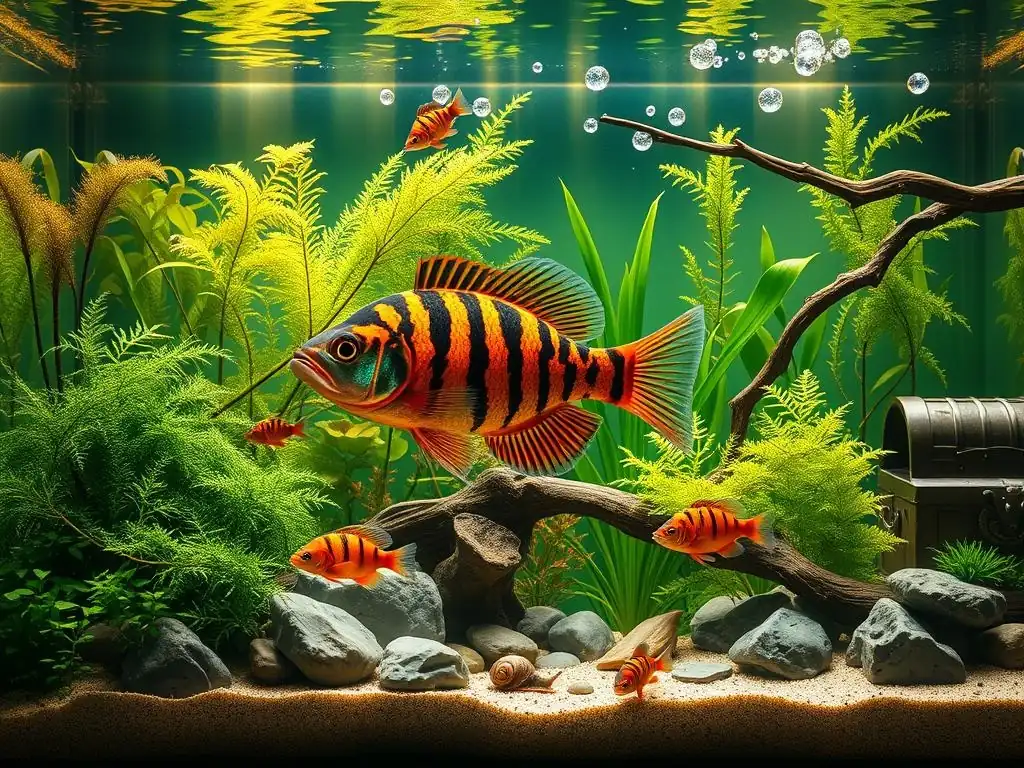
Tiger barbs (Puntigrus tetrazona) are among the most recognizable and active freshwater fish in the aquarium hobby, famed for their striking black and orange stripes and lively schooling behavior. While their energetic nature makes them a captivating addition to many community tanks, understanding their Tiger Barb lifespan expectation is crucial for any responsible aquarist. These robust cyprinids, originating from Southeast Asia, can offer years of enjoyment if provided with the right conditions.
The average Tiger Barb lifespan expectation in a well-maintained home aquarium typically ranges from 5 to 7 years. However, this figure is not set in stone; various factors, from water quality to diet and tank mates, can significantly influence how long these vibrant fish thrive. Achieving the upper end of this lifespan requires consistent attention to their specific environmental and social needs, ensuring a healthy and stress-free existence for your tiger barb school.
What is the Average Tiger Barb Lifespan?
The average Tiger Barb lifespan expectation in captivity is generally between 5 and 7 years. This range is based on observations in aquariums where consistent care, proper nutrition, and suitable environmental conditions are maintained. While some exceptional individuals might live slightly longer, reaching perhaps 8 years, a lifespan shorter than 5 years often indicates underlying issues with their care or environment.
Wild tiger barbs, in their native habitats across Sumatra, Borneo, and other parts of Southeast Asia, face different challenges, including predation, fluctuating water conditions, and competition for resources. In these natural settings, their lifespan can be more variable, though precise data on wild lifespans is less documented compared to captive populations. For the home aquarist, the primary goal is to replicate their ideal natural conditions as closely as possible to maximize their longevity.
Factors Influencing Tiger Barb Lifespan in Captivity
Several critical factors directly influence the Tiger Barb lifespan expectation in a home aquarium. Paramount among these is water quality, which must remain pristine and stable. Fluctuations in temperature outside their ideal range of 72-78°F (22-26°C), or unstable pH levels (ideally 6.0-7.5), can cause significant stress, weakening their immune systems and making them susceptible to disease. The presence of ammonia and nitrite, even in low concentrations, is highly toxic and can drastically shorten their lives, while consistently high nitrate levels (above 20 ppm) also contribute to chronic stress and poor health.
Beyond water parameters, a balanced diet, appropriate tank size, and compatible tank mates play pivotal roles. Tiger barbs require a varied diet of high-quality flakes, pellets, and occasional live or frozen foods to meet their nutritional needs and bolster their immunity.
Overcrowding in a tank smaller than the recommended 20-gallon long for a school of six can lead to chronic stress and aggression, both of which severely reduce Tiger Barb lifespan expectation. Similarly, inappropriate tank mates, especially slow-moving or long-finned species, can become targets for nipping, leading to stress and injury for both parties, ultimately impacting the tiger barbs' health.
Ideal Tank Conditions for Maximizing Tiger Barb Life Expectancy
To maximize the Tiger Barb lifespan expectation, establishing and maintaining ideal tank conditions is paramount. This begins with a properly cycled aquarium, ensuring that the nitrogen cycle is fully established before introducing any fish. Regular water changes, typically 20-30% weekly, are essential to keep nitrate levels low and replenish essential minerals. Monitoring water parameters with reliable test kits for ammonia, nitrite, nitrate, pH, and temperature should be a routine practice to catch any deviations early.
Furthermore, the physical setup of the tank significantly contributes to their longevity. A minimum 20-gallon long tank is recommended for a small school of 6-8 tiger barbs, providing ample swimming space and reducing territorial disputes. The tank should be well-planted with sturdy plants along the sides and back, offering hiding spots and breaking up lines of sight, which helps to diffuse aggression. A robust filtration system, ideally rated for a tank size larger than your actual volume, is crucial for maintaining water clarity and biological stability, directly contributing to a longer Tiger Barb lifespan expectation.
Tiger Barb Size: Growth Rate and Full-Grown Dimensions
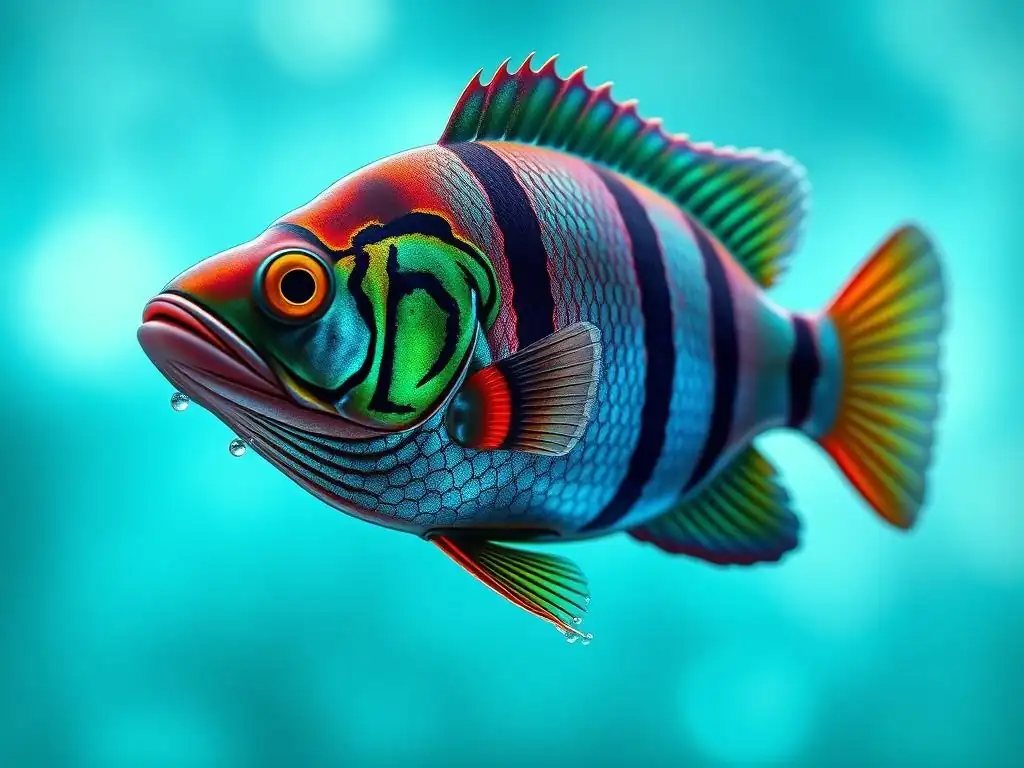
Tiger barbs are not particularly large fish, making them suitable for moderately sized aquariums. Their size, like their lifespan, is influenced by a combination of genetics, diet, and environmental conditions. Understanding their typical growth trajectory and maximum size helps aquarists plan appropriate tank setups and ensure their fish reach their full potential.
These active cyprinids are known for their relatively quick growth in their juvenile stages, especially when provided with optimal care. However, their growth rate slows significantly once they approach their adult size, typically within their first year of life. A fully grown tiger barb is a testament to consistent and proper husbandry, reflecting a healthy environment that supports robust development.
Typical Growth Rate of Tiger Barbs
The growth rate of tiger barbs is relatively rapid during their juvenile phase. From the moment they hatch, tiger barb fry grow quickly, often reaching about 1 inch (2.5 cm) in length within the first few months under ideal conditions. During this period, a protein-rich diet and pristine water quality are crucial for their development, allowing them to build strong bone structure and muscle mass. This initial burst of growth is vital for their overall health and resilience.
As they mature, usually around 6-8 months of age, their growth rate begins to slow down considerably. They will continue to fill out and gain girth, but their length increases at a much reduced pace.
A tiger barb typically reaches its adult size within its first year, assuming it has been kept in an environment conducive to healthy growth, with ample space, a balanced diet, and stable water parameters. Stunted growth, where a fish does not reach its typical adult size, is often an indicator of chronic stress or poor water conditions, which also negatively impacts Tiger Barb lifespan expectation.
Factors Affecting Tiger Barb Growth and Size
Several factors significantly affect the growth and ultimate size of tiger barbs. Nutrition is paramount; a diet lacking in essential nutrients, particularly protein, will result in stunted growth and a weaker immune system. High-quality flake foods and pellets should form the staple, supplemented regularly with live or frozen foods such such as bloodworms, brine shrimp, and daphnia. These supplements provide vital proteins, fats, and vitamins that are critical for robust growth and vibrant coloration.
Water quality and tank conditions also play a crucial role. Poor water quality, characterized by elevated ammonia, nitrite, or nitrate levels, creates a toxic environment that stresses fish and inhibits growth. Overcrowding is another major deterrent to healthy growth; in a cramped tank, tiger barbs experience higher stress levels, competition for food, and an accumulation of growth-inhibiting hormones, which collectively suppress their development. A tank that is too small for a school of tiger barbs can lead to significant stunting, regardless of diet, and negatively impacts Tiger Barb lifespan expectation.
How Big Do Tiger Barbs Get in a Home Aquarium?
In a typical, well-maintained home aquarium, tiger barbs generally grow to an average adult size of about 2.5 to 3 inches (6.5 to 7.5 cm) in total length. This measurement includes their caudal fin. While there can be slight variations, with some individuals potentially reaching just over 3 inches, this size range is a reliable expectation for the species. Female tiger barbs are often slightly larger and rounder than males, especially when gravid, but the overall length difference is usually minimal.
It's important to note that tiger barbs, like many other aquarium fish, rarely reach their absolute maximum potential size in a home setup compared to what they might achieve in extremely large, perfectly natural environments or commercial breeding facilities. However, with consistent care, appropriate tank size, and a high-quality diet, aquarists can expect their tiger barbs to reach their healthy, full-grown dimensions within the 2.5-3 inch range, contributing to their optimal Tiger Barb lifespan expectation.
Maximizing Tiger Barb Lifespan: Essential Care Tips
Achieving the full Tiger Barb lifespan expectation of 5-7 years requires more than just meeting basic needs; it demands consistent, high-quality care that addresses their specific biological and social requirements. Proactive measures in water management, nutrition, and social dynamics are key to ensuring these active fish thrive and live out their full potential.
A holistic approach to care involves not only providing the right environmental parameters but also understanding their natural behaviors and needs. By focusing on these essential care tips, aquarists can create a thriving habitat that promotes robust health, vibrant coloration, and a significantly extended Tiger Barb lifespan expectation.
Water Quality Parameters for Healthy Tiger Barbs
Maintaining pristine and stable water quality is the single most critical factor for maximizing Tiger Barb lifespan expectation. The ideal temperature range for tiger barbs is 72-78°F (22-26°C), and consistency within this range is more important than hitting a precise number. Rapid temperature fluctuations can stress fish and compromise their immune systems. The pH level should be kept between 6.0 and 7.5, with a general hardness (GH) of 5-19 dGH. Regular testing using a reliable liquid test kit is essential to monitor these parameters.
Beyond temperature and pH, managing the nitrogen cycle is paramount. Ammonia and nitrite levels must always be at 0 ppm, as even trace amounts are highly toxic. Nitrate levels should be kept below 20 ppm through consistent weekly water changes, typically 25-30% of the tank volume. Using a dechlorinator during water changes is non-negotiable to neutralize chlorine and chloramines found in tap water. Clean, stable water reduces stress, prevents disease, and directly contributes to a longer, healthier Tiger Barb lifespan expectation.
Proper Diet and Feeding Schedules for Longevity
A varied and nutritious diet is fundamental to achieving a long Tiger Barb lifespan expectation. While tiger barbs are omnivores and will readily accept most foods, a staple of high-quality flake food or small pellets specifically designed for tropical fish should form the base of their diet. Look for foods with a good protein content and added vitamins and minerals.
Supplementing their staple diet with live or frozen foods 2-3 times a week significantly boosts their health and vitality. Excellent choices include bloodworms, brine shrimp, daphnia, and spirulina flakes. These foods provide essential amino acids, fatty acids, and fiber that are often lacking in dry foods alone. Feed small amounts 2-3 times a day, only what they can consume within 2-3 minutes. Overfeeding not only pollutes the tank water, leading to poor water quality, but can also cause digestive issues and obesity in the fish, both of which shorten Tiger Barb lifespan expectation.
Tiger barbs are known for their nippy behavior, which can be a significant source of stress for themselves and other tank inhabitants, ultimately impacting their Tiger Barb lifespan expectation. To mitigate this, they must be kept in a school of at least 6-8 individuals, with 10 or more being even better. Keeping them in a large school diffuses their aggression among themselves, making them less likely to harass other fish. When kept in smaller numbers, their nipping behavior intensifies, leading to chronic stress and injuries for both the barbs and their tank mates.
Choosing compatible tank mates is equally crucial. Avoid housing tiger barbs with slow-moving fish, species with long, flowing fins (like angelfish or bettas), or very small, timid fish. Instead, opt for other fast-moving, robust species that can hold their own. Suitable companions include larger tetras (e.g., Congo Tetras, Black Skirt Tetras), various types of loaches (e.g., Clown Loaches, Kuhli Loaches), plecos, and some types of active, medium-sized cichlids like kribensis. A harmonious tank environment drastically reduces stress, which is a key factor in extending Tiger Barb lifespan expectation.
Common Diseases Affecting Tiger Barbs and Their Impact on Lifespan
Despite their hardy nature, tiger barbs are susceptible to common freshwater aquarium diseases, especially when stressed or housed in suboptimal conditions. Understanding these illnesses, their symptoms, and appropriate treatments is crucial for any aquarist aiming to ensure a long Tiger Barb lifespan expectation. Prompt identification and intervention can prevent minor issues from becoming life-threatening.
Many diseases that affect tiger barbs are often a direct result of poor water quality, overcrowding, or inadequate nutrition, all of which compromise their immune system. Therefore, preventing these conditions through excellent husbandry is the most effective way to safeguard their health and extend their longevity.
Identifying and Treating Common Tiger Barb Illnesses
One of the most prevalent diseases affecting tiger barbs, and freshwater fish in general, is Ich, or White Spot Disease (Ichthyophthirius multifiliis). Symptoms include small, white spots resembling grains of salt scattered across the fish's body and fins, often accompanied by flashing (rubbing against tank decor) and clamped fins. Ich is typically triggered by sudden temperature fluctuations or stress. Treatment often involves slowly raising the tank temperature to 82-84°F (28-29°C) for 7-10 days, combined with the use of Ich-specific medications containing malachite green or formalin, following product instructions carefully.
Another common ailment is Fin Rot, characterized by frayed, ragged fins that may appear red or inflamed at the edges. This bacterial infection is almost always a symptom of poor water quality, especially high nitrate levels, or physical injury from fin nipping. If left untreated, it can lead to severe tissue damage and secondary infections, significantly shortening Tiger Barb lifespan expectation. Treatment involves immediate and consistent large water changes (25-50% daily for several days) to improve water quality, along with the application of broad-spectrum antibacterial medications like Furan-2 or API Melafix, depending on severity.
Preventing Diseases to Extend Tiger Barb Life Expectancy
Preventing diseases is far more effective than treating them when it comes to extending Tiger Barb lifespan expectation. The cornerstone of disease prevention lies in maintaining consistently excellent water quality. This means regular testing for ammonia, nitrite, and nitrate, performing weekly 20-30% water changes, and ensuring robust filtration. A well-maintained filter will remove waste and provide ample beneficial bacteria to process harmful nitrogenous compounds, thereby reducing stressors on the fish.
Quarantining new fish for at least 2-4 weeks before introducing them to the main display tank is a critical preventive measure. This allows time to observe new arrivals for signs of illness and treat them in isolation, preventing the introduction of pathogens to your established community. Furthermore, providing a balanced, nutritious diet, avoiding overcrowding, and ensuring compatible tank mates all contribute to reducing stress levels, which are a major precursor to disease. A stress-free environment, combined with proper nutrition, strengthens the tiger barbs' immune systems, allowing them to naturally resist infections and enjoy a longer Tiger Barb lifespan expectation.
Creating the Perfect Habitat for a Long-Lived Tiger Barb School
The physical environment of the aquarium plays a profound role in the health, happiness, and ultimately, the Tiger Barb lifespan expectation. A well-designed habitat that caters to their natural behaviors and needs can significantly reduce stress, promote natural schooling, and provide the necessary conditions for robust growth and disease resistance.
From the tank's dimensions to the placement of decor and the efficiency of the filtration system, every element contributes to creating an optimal living space. Investing time and effort into setting up the perfect habitat is a direct investment in the longevity and vibrancy of your tiger barb school.
Tank Size Recommendations for a School of Tiger Barbs
For a healthy and thriving school of tiger barbs, tank size is a critical consideration that directly impacts their Tiger Barb lifespan expectation. A minimum tank size of 20 gallons long is recommended for a small school of 6 to 8 individuals. The "long" aspect is crucial because tiger barbs are active swimmers and prefer horizontal swimming space over vertical height. A 20-gallon long tank, typically measuring around 30 inches in length, provides ample room for them to school and exhibit their natural behaviors without feeling cramped.
For larger schools (8-12+ fish) or if you plan to keep them in a diverse community tank, a 30-gallon or even a 55-gallon tank is highly recommended. More space reduces aggression within the school and minimizes stress on all inhabitants by allowing fish to establish territories and retreat when necessary. Overcrowding is a major stressor that can lead to stunted growth, increased aggression, and a significantly reduced Tiger Barb lifespan expectation, making proper tank sizing a non-negotiable aspect of their care.
Aquascaping and Decor for Tiger Barb Wellbeing and Longevity
Thoughtful aquascaping is essential for creating a stress-free environment that promotes a long Tiger Barb lifespan expectation. Tiger barbs appreciate a mix of open swimming areas and dense plant cover. It is advisable to plant the back and sides of the tank heavily with sturdy live or artificial plants, such as Java Fern, Anubias, Amazon Swords, or Cryptocorynes. These plants provide crucial hiding spots and visual barriers, which help to diffuse aggression among the schooling fish and offer a sense of security.
In addition to plants, incorporating smooth rocks, driftwood, or ceramic caves can provide additional hiding places and visual interest. Ensure that any decor items do not have sharp edges that could injure the fish. The front and center of the tank should be left relatively open to allow the tiger barbs ample space to school and swim freely. A well-designed aquascape mimics their natural habitat and reduces stress, contributing significantly to their overall wellbeing and extending their Tiger Barb lifespan expectation.
Filtration and Aeration for Optimal Health and Lifespan
Robust filtration and adequate aeration are indispensable for maintaining the water quality necessary for a long Tiger Barb lifespan expectation. For tiger barbs, it is often beneficial to "over-filter" the tank, meaning using a filter rated for a tank size larger than your actual aquarium volume. A good hang-on-back (HOB) filter or a canister filter provides excellent mechanical, biological, and chemical filtration, effectively removing particulate waste, processing harmful ammonia and nitrite, and removing dissolved organic compounds.
Beyond filtration, proper aeration ensures high levels of dissolved oxygen in the water, which is vital for fish respiration and overall vitality. This can be achieved through the surface agitation created by the filter outflow, or by adding an air stone connected to an air pump. Adequate oxygen levels reduce stress, improve fish metabolism, and support the beneficial bacteria responsible for the nitrogen cycle. A well-filtered and aerated tank directly translates to a healthier environment, significantly contributing to the Tiger Barb lifespan expectation.
Comparing Tiger Barb Lifespan to Other Barb Species
While tiger barbs are a popular choice, understanding their Tiger Barb lifespan expectation in comparison to other commonly kept barb species and general freshwater fish can provide valuable context for aquarists. This comparison highlights their hardiness and longevity relative to other popular aquarium inhabitants.
Different barb species exhibit varying lifespans, influenced by their genetic predispositions, size, and specific care requirements. Similarly, the lifespan of a tiger barb stands in contrast to the typical longevity of other frequently encountered freshwater species, offering a broader perspective on what to expect from your aquarium community.
Tiger Barb vs. Rosy Barb Lifespan
When comparing the Tiger Barb lifespan expectation to that of another popular barb, the Rosy Barb (Pethia conchonius), a slight difference often becomes apparent. Rosy Barbs are generally considered to be even hardier than tiger barbs and can often live a bit longer. While tiger barbs typically live for 5-7 years in a well-maintained aquarium, Rosy Barbs frequently reach 5-8 years, and some individuals have been known to live up to 10 years under exceptional conditions.
This difference can be attributed to several factors. Rosy Barbs are generally less prone to the stress-induced aggression that can sometimes plague tiger barb schools, leading to a more peaceful existence. They are also highly adaptable to a wider range of water parameters and temperatures, making them incredibly forgiving for beginner aquarists. This inherent hardiness and lower stress susceptibility contribute to their slightly extended Tiger Barb lifespan expectation in comparison.
Tiger Barb vs. Other Common Freshwater Fish Lifespans
The Tiger Barb lifespan expectation of 5-7 years positions them favorably among many other common freshwater aquarium fish, indicating they are a relatively long-lived species for their size. For context, many smaller, popular community fish often have shorter lifespans. For example, Neon Tetras typically live for 3-5 years, Guppies and Endler's Livebearers usually only live for 2-3 years, and Mollies and Platies generally have a lifespan of 3-5 years.
Even larger, more robust species can sometimes fall within a similar range; for instance, Betta fish (Siamese Fighting Fish) typically live for 3-5 years. While some larger cichlids or catfish can live for 10-15+ years, the tiger barb's longevity for a schooling, active cyprinid is quite respectable. This makes them a rewarding choice for aquarists looking for a vibrant fish that will be a long-term resident in their tank, providing their Tiger Barb lifespan expectation is met through diligent care.
Troubleshooting Issues Affecting Tiger Barb Health and Longevity
Even with the best intentions, aquarists may encounter issues that can affect tiger barb health and, consequently, their Tiger Barb lifespan expectation. Recognizing the signs of distress and understanding common problems allows for prompt intervention, which is crucial for preventing minor setbacks from escalating into serious health crises.
Proactive troubleshooting and swift action are key to mitigating the negative impacts of these issues. Addressing problems like loss of color, fin rot, or excessive aggression quickly can significantly improve the chances of recovery and ensure your tiger barbs continue to thrive.
Loss of Color: Causes and Solutions
A noticeable loss of color, where the vibrant black and orange stripes of a tiger barb appear faded or dull, is a common indicator of underlying stress or illness that directly impacts Tiger Barb lifespan expectation. The primary causes include poor water quality (high nitrates, unstable pH), an inadequate diet lacking essential nutrients, stress from incompatible tank mates or overcrowding, or the onset of a disease. When tiger barbs are stressed, their natural coloration tends to dim as a defense mechanism or a sign of discomfort.
To address color loss, first, perform a comprehensive water test to ensure all parameters (ammonia, nitrite, nitrate, pH, temperature) are within the optimal range. Correct any deviations with immediate water changes and adjust filtration or heating as needed. Review their diet to ensure it is varied and nutritious, including high-quality flakes and supplemental live/frozen foods.
Assess tank dynamics: ensure they are in a school of at least 8-10 individuals to diffuse aggression, and that tank mates are compatible. If no environmental issues are found, carefully observe for other signs of disease, such as lethargy or clamped fins, and treat accordingly. Addressing these factors promptly will help restore their vibrant coloration and support a healthy Tiger Barb lifespan expectation.
Fin Rot: Treatment and Prevention
Fin rot, a bacterial infection characterized by frayed, ragged, or disintegrating fins, is a common ailment that can severely impact Tiger Barb lifespan expectation if left untreated. It often appears as white edges on the fins, which then become red and inflamed before the fin tissue begins to erode. The most frequent causes are persistently poor water quality, particularly high nitrate levels, and physical injury from fin nipping or abrasive decor, which creates openings for bacteria.
Treatment for fin rot primarily involves improving water quality immediately. Perform a large water change, typically 25-30% daily for several days, to reduce bacterial load and remove irritants. Ensure your filtration system is clean and functioning optimally. In mild cases, clean water alone can facilitate healing.
For more severe infections, over-the-counter antibacterial medications like Furan-2 or API Melafix can be used, following the product instructions carefully. Prevention is key: consistently maintain pristine water conditions, avoid overcrowding, ensure tank mates are compatible, and provide an adequately sized tank with appropriate, smooth decor to prevent injuries. These proactive steps are crucial for safeguarding Tiger Barb lifespan expectation.
Aggression: Managing Tank Dynamics for a Longer Lifespan
Aggression, particularly fin nipping, is a well-known behavior of tiger barbs that, if mismanaged, can lead to chronic stress for all tank inhabitants and significantly shorten Tiger Barb lifespan expectation. This behavior is most pronounced when they are kept in insufficient numbers (fewer than 6), in tanks that are too small, or with incompatible tank mates that are slow-moving or have long, flowing fins. Stress from constant harassment weakens their immune systems, making them more susceptible to disease and reducing their vitality.
The most effective solution for managing tiger barb aggression is to keep them in a sizable school, ideally 8-10 or more individuals. A larger school diffuses their natural pecking order and nipping tendencies among themselves, making them less likely to harass other species. Ensure the tank is adequately sized (minimum 20-gallon long for a small school, larger for more) and features ample hiding spots and visual barriers created by plants or decor.
Choosing active, robust tank mates that can tolerate or ignore their occasional nips is also vital. By providing a proper social structure and environment, you minimize stress for all fish, thereby supporting a longer and healthier Tiger Barb lifespan expectation.
Tiger Barb Lifespan Expectation: Key Takeaways for Aquarium Keepers
Understanding the Tiger Barb lifespan expectation is more than just knowing a number; it's about appreciating the commitment required to provide an environment where these vibrant fish can truly thrive. By focusing on fundamental care principles and proactive management, aquarists can ensure their tiger barbs not only survive but flourish for many years.
The journey of keeping tiger barbs is a rewarding one, filled with their energetic antics and striking beauty. The key to maximizing their longevity lies in consistent dedication to their specific needs, transforming their aquarium into a true sanctuary.
Ensuring a Long and Healthy Life for Your Tiger Barbs
Ensuring a long and healthy life for your tiger barbs, ideally reaching the upper end of their 5-7 year Tiger Barb lifespan expectation, hinges on a few core principles. Foremost is maintaining impeccable water quality: consistently stable temperatures (72-78°F), a pH between 6.0-7.5, and zero ammonia/nitrite with low nitrates (below 20 ppm) are non-negotiable. This requires regular water changes (20-30% weekly) and a robust filtration system, ideally rated for a tank larger than your actual volume. A stable, clean environment is the bedrock of their health.
Equally important is providing a balanced and varied diet, supplementing high-quality dry foods with live or frozen options several times a week. Overfeeding should be avoided to prevent water quality issues and obesity. Furthermore, housing them in an appropriately sized tank (minimum 20-gallon long for a school of 6-8) with ample swimming space and hiding spots is crucial.
Keeping them in a large school (8-10+ individuals) is vital to diffuse their nipping tendencies and reduce stress, while carefully selecting compatible, robust tank mates ensures a harmonious community. Adhering to these practices significantly enhances their vitality and extends their Tiger Barb lifespan expectation.
The Importance of Proactive Care and Observation
Proactive care and diligent observation are critical for maximizing the Tiger Barb lifespan expectation. Rather than reacting to problems once they become severe, a proactive approach involves daily checks for subtle signs of distress or illness. This includes observing their swimming patterns, appetite, fin condition, and color vibrancy. Any changes, such as clamped fins, lethargy, faded stripes, or unusual behavior, should prompt immediate investigation into water parameters, tank mate compatibility, and potential disease.
Regular tank maintenance, including cleaning decor, vacuuming the substrate, and checking equipment, prevents issues before they arise. Consistent vigilance allows for early intervention, such as performing an emergency water change at the first sign of ammonia spike or initiating treatment for Ich before it spreads throughout the tank. By being attentive and taking swift action, aquarists can mitigate risks, prevent chronic stress, and ensure their tiger barbs remain healthy and active, thereby successfully achieving and even extending their Tiger Barb lifespan expectation for many years of enjoyment.
Frequently Asked Questions
How long do Tiger Barbs typically live in an aquarium?
Tiger Barbs generally have a lifespan of 5-7 years in a well-maintained aquarium. Factors like water quality and diet greatly influence their longevity. Providing optimal care is crucial for maximizing their lifespan.
What is the average size of a fully grown Tiger Barb?
Adult Tiger Barbs typically reach a size of 2-3 inches in length. Proper tank size and diet are essential for them to reach their full growth potential.
What factors can impact the lifespan of a Tiger Barb?
Poor water quality, inadequate diet, and stress from incompatible tank mates can significantly shorten a Tiger Barb's lifespan. Maintaining stable water parameters and providing a varied diet are crucial.
What are some signs that my Tiger Barb is nearing the end of its lifespan?
Signs of aging in Tiger Barbs include a decrease in activity, fading coloration, and a general decline in health. These signs can also indicate illness, so careful observation is important.
How can I maximize the lifespan of my Tiger Barbs in my aquarium?
To maximize their lifespan, maintain excellent water quality through regular water changes, provide a varied and nutritious diet, and ensure they have plenty of space and compatible tank mates. Good husbandry is key.
Final Reflection: The Enduring Allure of the Tiger Barb
The information presented throughout this article underscores the importance of understanding responsible fishkeeping practices when considering the vibrant Tiger Barb. Knowing the realistic lifespan expectation and size potential of these captivating cyprinids is not merely academic; it's a fundamental aspect of ensuring their well-being and preventing the heartbreak of premature loss due to inadequate care. This knowledge empowers aquarists to create thriving environments where these fish can flourish, contributing to the overall health and sustainability of the aquarium hobby.
The Tiger Barb's enduring popularity speaks volumes about its visual appeal and relatively hardy nature. However, this popularity also necessitates a deeper understanding of their needs, moving beyond superficial aesthetics to embrace a commitment to their long-term health and happiness. The longevity of a Tiger Barb, as we've explored, is directly tied to the quality of care it receives. The greatness of a nation and its moral progress can be judged by the way its animals are treated.
- Mahatma Gandhi. This quote, while broad, resonates deeply with the responsibility we bear as keepers of these living creatures.
As you consider the information shared in this article, I encourage you to reflect on your own role in the aquarium hobby. Are you prepared to provide the optimal environment and care necessary for your Tiger Barbs to reach their full lifespan potential? Let this knowledge inspire you to become a more informed and responsible aquarist, ensuring that these captivating fish thrive under your care for years to come.
Ignite Your Aquarium Passion: Dive Deeper into the Tiger Barb World!
Thank you for exploring the fascinating world of Tiger Barbs with us! We hope you've found valuable insights into their lifespan, size, and care. Now, it's time to put that knowledge into action and truly connect with these vibrant fish.
Here are a few things you can do next:
- Boldly revamp your tank: Based on what you've learned, make one small change to improve your Tiger Barbs' environment – even rearranging a decoration can make a difference!
- Share your tiger barb experiences! Post a picture of your tiger barbs in their tank on social media and tag us with #AquariumMasteryTigerBarbs.
- Uncover hidden gems! Delve into another article about rare and unique aquarium plants – you might find the perfect addition to your Tiger Barb's habitat.
What's one unique thing you'll do this week to enhance your Tiger Barbs' quality of life?