
Espei Rasbora (Trigonostigma espei): The CopperToned Cousin of the Harlequin

Welcome to Aquarium Mastery!
Ever been mesmerized by the glint of copper in an aquarium, a flash of vibrant color that adds a touch of elegance? Then you're in the right place! Dive in and uncover everything you need to know with our Espei Rasbora care guide. Discover the secrets to keeping these captivating little fish happy and healthy, and learn why they might just be the perfect addition to your freshwater paradise. But are they right for your tank? Let's find out...
- Introduction to the Espei Rasbora: A Beginner-Friendly Aquarium Fish
- Espei Rasbora Care: Creating the Ideal Habitat
- Espei Rasbora Tank Mates: Compatibility and Social Behavior
- Feeding Espei Rasboras: Diet and Nutritional Needs
- Espei Rasbora Health and Disease: Prevention and Treatment
- Breeding Espei Rasboras: A Detailed Guide
- Maintaining a Healthy Espei Rasbora Aquarium: Routine Care
- Troubleshooting Common Espei Rasbora Problems
- Conclusion: Enjoying Your School of Espei Rasboras
- Frequently Asked Questions
- Final Reflection: The Enduring Allure of the Espei Rasbora
- Dive Deeper: Your Aquatic Adventure Awaits!
Introduction to the Espei Rasbora: A Beginner-Friendly Aquarium Fish
Unveiling the Beauty of Trigonostigma espei
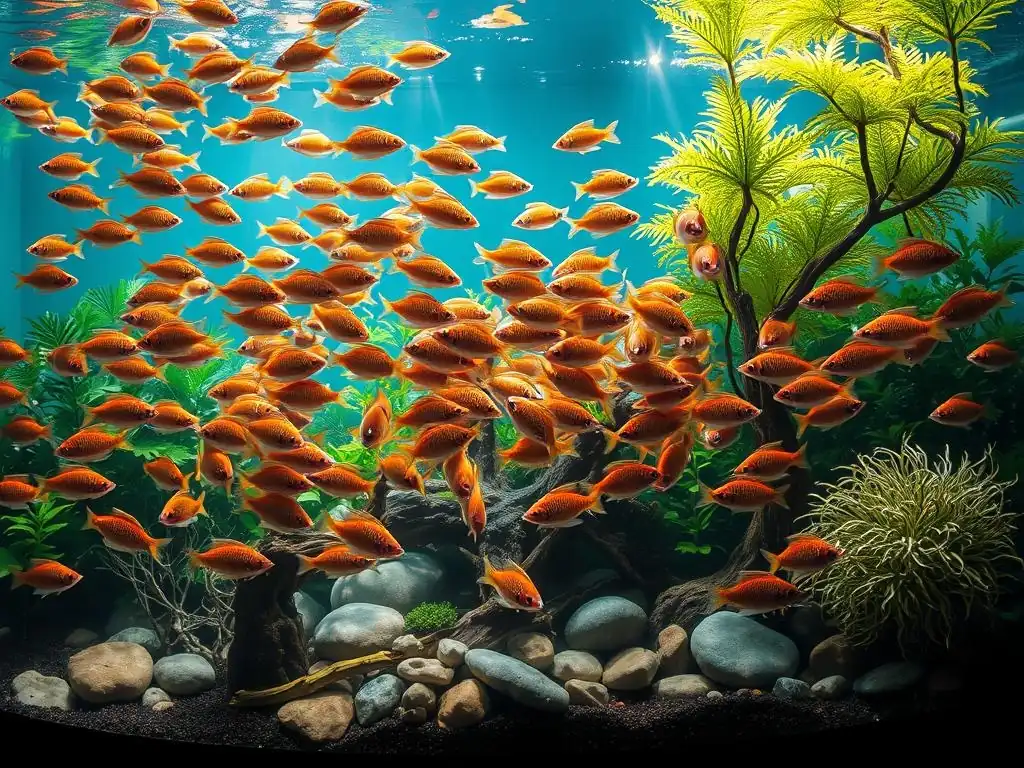
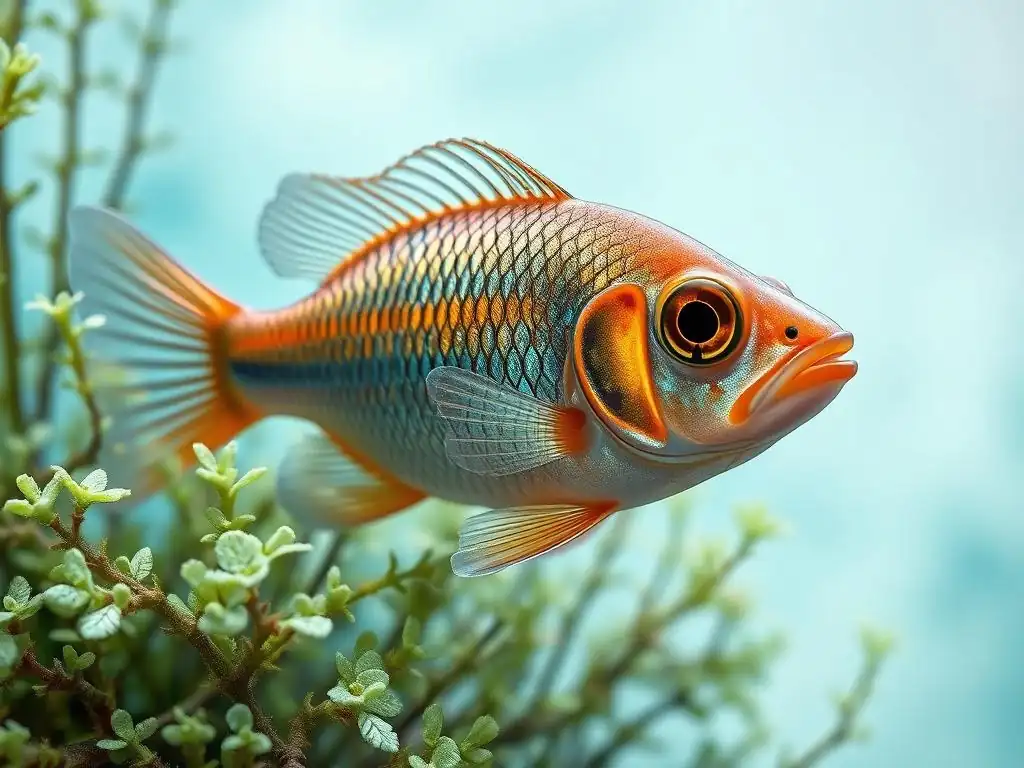
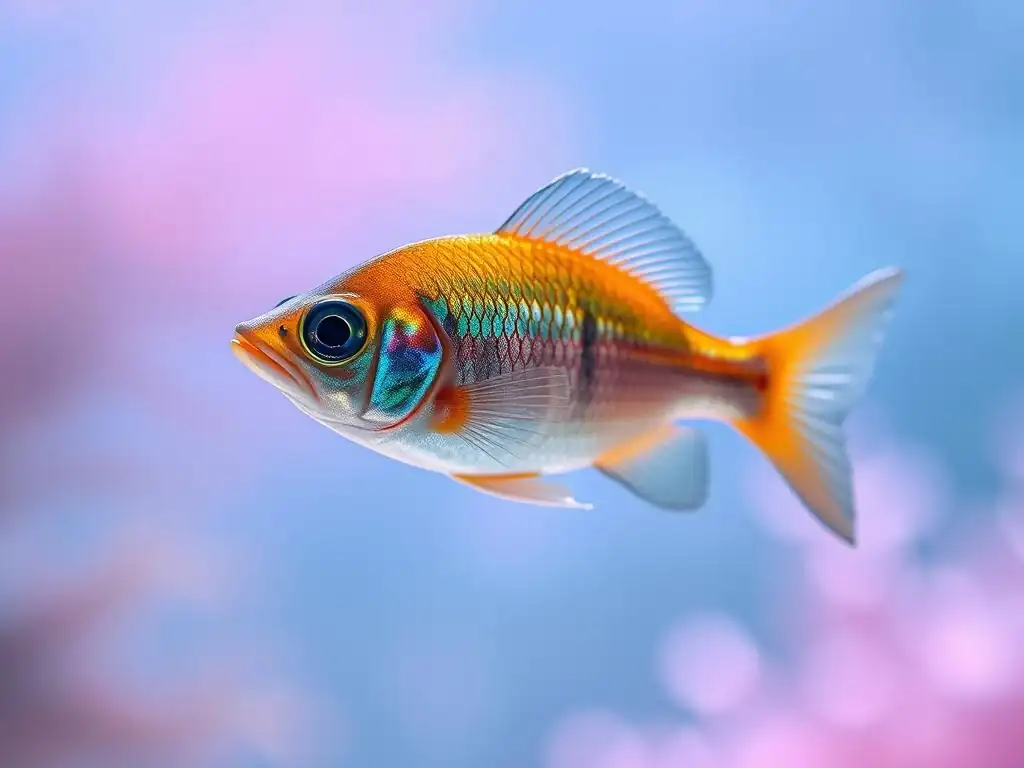
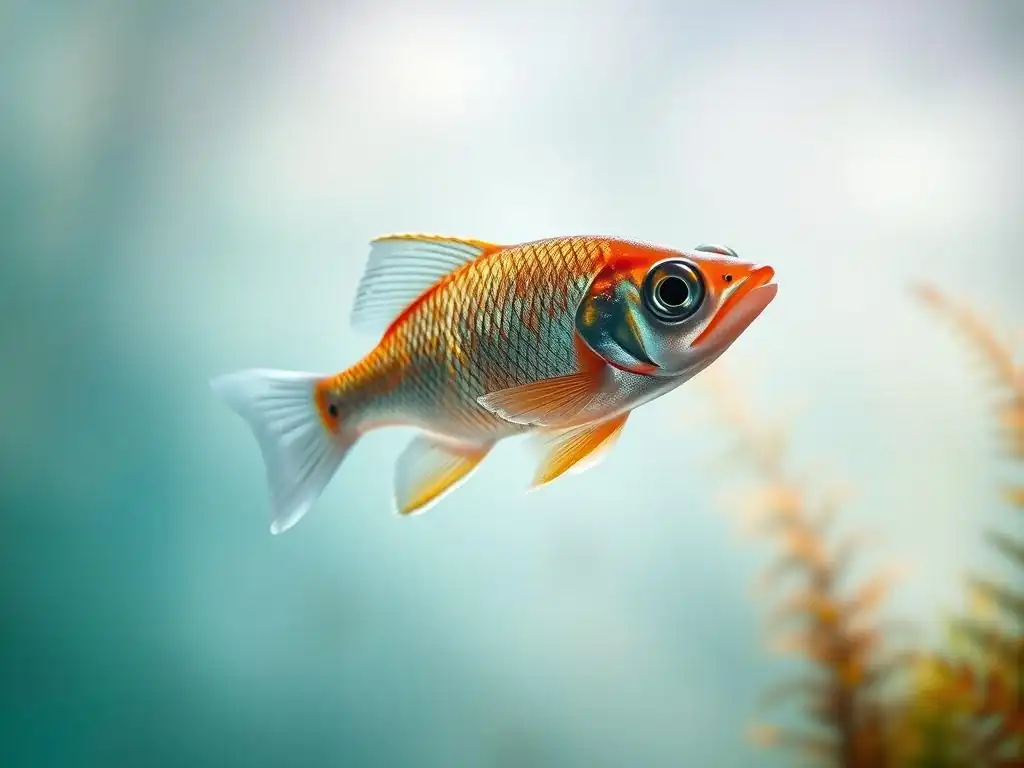
The Espei Rasbora, scientifically known as Trigonostigma espei, is a captivating freshwater fish originating from the blackwater streams and peat swamps of Southeast Asia, particularly found in regions of Thailand, Cambodia, and Vietnam. These diminutive charmers typically reach a modest adult size of about 1 inch (approximately 2.5 centimeters), making them ideal inhabitants for smaller to medium-sized aquariums. Their striking appearance is characterized by a vibrant coppery-orange body adorned with a distinct black, teardrop-shaped marking that tapers towards the tail, often described as a "spear" or "exclamation mark," setting them apart from their more common relatives.
Their peaceful demeanor and natural schooling instinct make Trigonostigma espei a delightful addition to a well-planted community aquarium. When kept in a group of at least six to eight individuals, their collective shimmer and coordinated movements create a mesmerizing display, enhancing the aesthetic appeal of any freshwater setup. The deep copper hues become particularly pronounced under optimal lighting and water conditions, truly showcasing the subtle elegance of this species.
Why Choose Espei Rasboras for Your Freshwater Aquarium?
Espei Rasboras are highly recommended for both novice and experienced aquarists due to their remarkable hardiness and relatively straightforward Espei Rasbora care requirements. Unlike some more delicate species, they are quite adaptable to a range of water conditions, provided these parameters remain stable. Their small size means they have a minimal bioload, contributing less to waste accumulation and making it easier to maintain pristine water quality, a cornerstone of good fish health.
Furthermore, their non-aggressive nature ensures they coexist peacefully with a wide variety of other small, calm fish species. For those interested in creating a vibrant, harmonious community tank, the Espei Rasbora offers an excellent foundation. Their active schooling behavior provides constant visual interest, and their vibrant coloration adds a splash of warmth to the aquatic landscape without overwhelming smaller tanks. This combination of beauty, resilience, and compatibility makes them a top choice for a rewarding aquarium experience.
Distinguishing Espei Rasboras from Harlequin Rasboras
While often confused with their close relative, the Harlequin Rasbora ( Trigonostigma heteromorpha), the Espei Rasbora possesses distinct features that allow for clear differentiation. The most prominent difference lies in their signature black markings: the Espei Rasbora displays a more elongated, spear-like or teardrop-shaped black wedge, distinctly separated from the main body color, often appearing more pointed towards the tail. In contrast, the Harlequin Rasbora typically exhibits a larger, more triangular patch that often merges more smoothly into the body, sometimes described as a "ham hock" shape.
Beyond the black pattern, the base coloration also differs. Espei Rasboras boast a richer, more intense copper or orange hue, which can deepen to a vibrant reddish-orange, especially when healthy and settled. Harlequin Rasboras, while also attractive, tend to have a slightly pinker or reddish-orange body. Additionally, Harlequins are generally slightly larger, reaching up to 1.75 inches (about 4.5 cm), compared to the Espei's maximum of 1 inch. Understanding these distinctions is crucial for proper identification and ensures you are providing specific Espei Rasbora care tailored to this unique species.
Espei Rasbora Care: Creating the Ideal Habitat
Optimal Tank Size for Espei Rasboras: Space Requirements
When considering the optimal habitat for Espei Rasboras, tank size is a critical factor, primarily due to their schooling nature. For a small group of 6 to 8 Trigonostigma espei, a minimum tank size of 10 gallons (approximately 38 liters) is recommended. This allows sufficient space for them to establish a comfortable schooling dynamic and provides adequate horizontal swimming room, which is vital for these active, mid-water swimmers. A longer tank profile, such as a 20-inch long 10-gallon tank, is preferable over a taller, narrower one to maximize their usable swimming area.
For larger schools of 10 or more Espei Rasboras, or when planning a mixed-species community tank, a 20-gallon (around 75 liters) or larger aquarium is highly beneficial. More generous tank dimensions contribute significantly to water stability, reducing the frequency of drastic parameter fluctuations and providing a more robust environment. This increased space also helps to dilute waste products more effectively, creating a healthier, less stressful living space for your Espei Rasboras and supporting a comprehensive Espei Rasbora care guide approach.
Water Parameters for Espei Rasboras: Temperature, pH, and Hardness
Maintaining precise and stable water parameters is paramount for the long-term health and vibrant coloration of your Espei Rasboras. They thrive in temperatures ranging from 72°F to 79°F (22°C to 26°C), which mimics their native tropical environments. A consistent temperature is more important than hitting an exact number, so a reliable aquarium heater with a thermostat is essential to prevent fluctuations.
Regarding pH, Trigonostigma espei prefer slightly acidic to neutral water, with an ideal range of 6.0 to 7.5. For hardness, they do best in soft to medium-hard water, typically between 5 and 12 dGH (degrees of General Hardness). Extreme deviations from these ranges can cause stress and compromise their immune system. Regular testing with a liquid-based aquarium test kit (at least weekly) for pH, temperature, and hardness is a fundamental aspect of effective Espei Rasbora care, allowing for prompt adjustments if necessary.
Substrate and Decor for a Thriving Espei Rasbora Tank: Naturalistic Aquascaping
Creating a naturalistic aquascape significantly enhances the well-being and visual appeal of Espei Rasboras. A dark, fine-grained substrate, such as sand or very fine gravel, is highly recommended. This choice not only helps to accentuate their striking copper coloration but also mimics the silty bottoms of their natural habitats.
Live plants are absolutely crucial for these fish; they provide essential cover, reduce stress, and offer natural foraging opportunities. Species like Java Fern ( Microsorum pteropus), Anubias, Cryptocoryne, and various floating plants (e.g., Amazon Frogbit, Dwarf Water Lettuce) are excellent choices, offering dense foliage where the rasboras can feel secure and display their natural behaviors.
Incorporating elements like driftwood and smooth, rounded river rocks can further enrich the environment. Driftwood, in particular, can slowly release tannins into the water, creating a beneficial blackwater effect that subtly lowers pH and provides a more authentic representation of their native streams. A few dried Indian almond leaves can also be added for this purpose, contributing to a natural, tannin-stained appearance and offering additional hiding spots. This attention to naturalistic decor is a key component of a comprehensive Espei Rasbora care guide, promoting both physical health and psychological comfort for your fish.
Ideal Tank Companions for Espei Rasboras: Peaceful Community Fish
Choosing appropriate tank mates is crucial for the peaceful coexistence and well-being of Espei Rasboras. Their small size and docile nature necessitate companionship with other equally peaceful and similarly sized fish species. Excellent choices include other small schooling rasboras like Chili Rasboras ( Boraras brigittae) or Phoenix Rasboras ( Boraras merah), which share similar environmental preferences and won't outcompete them for food. Small, non-aggressive tetras such as Ember Tetras ( Hyphessobrycon amandae) or Neon Tetras ( Paracheirodon innesi) are also suitable, adding another layer of color and activity to the mid-water column.
For the lower regions of the tank, peaceful bottom-dwellers like Pygmy Corydoras ( Corydoras pygmaeus) or Otocinclus catfish ( Otocinclus affinis) are ideal, as they are small, non-threatening, and help with algae control. Dward Gouramis ( Trichogaster lalius) can also be considered, provided they are known to be particularly placid individuals. The key to successful Espei Rasbora care in a community setting is ensuring all inhabitants have similar temperaments and water parameter requirements, preventing undue stress or aggression.
Fish to Avoid: Aggressive Species and Fin-Nippers
To maintain a harmonious environment for your Espei Rasboras, it is essential to avoid certain types of fish that can pose a threat. Any large, predatory, or overtly aggressive species should be strictly excluded from an Espei Rasbora tank. This includes popular but unsuitable fish like Cichlids (e.g., Oscars, Jack Dempseys), larger Gouramis (e.g., Pearl Gouramis, if not carefully observed), or powerful catfish. Their sheer size and territorial nature can easily intimidate, stress, or even prey upon the small and delicate Espei Rasboras.
Furthermore, fish known for their fin-nipping tendencies, such as certain species of Barbs (e.g., Tiger Barbs, Rosy Barbs), should also be avoided. While some Barbs can be kept in large, species-specific tanks, their natural inclination to nip at the long, flowing fins of other fish can cause significant stress and injury to the Espei Rasbora's delicate fins. Even seemingly docile fish can become problematic if they are much larger or significantly more active, leading to competition for food and space. Prioritizing compatibility is a fundamental aspect of comprehensive Espei Rasbora care.
Maintaining a Balanced Ecosystem: Avoiding Overcrowding
Overcrowding is a common pitfall in aquarium keeping that can severely compromise the health and longevity of your Espei Rasboras and the entire tank ecosystem. While the general guideline of "one inch of fish per gallon" can serve as a rough starting point, it's particularly important to consider the bioload of schooling fish. A tank that is too densely populated leads to a rapid accumulation of waste products, such as ammonia and nitrite, which are highly toxic even in small concentrations. This overwhelms the biological filtration system, leading to poor water quality and chronic stress for the fish.
Chronic stress from overcrowding weakens the immune systems of Trigonostigma espei, making them far more susceptible to common diseases like Ich or Fin Rot. It can also lead to stunted growth, faded coloration, and abnormal behavior due to competition for resources and space. Ensuring ample swimming room, adequate filtration, and adhering to appropriate stocking levels for your tank size are crucial for a thriving, balanced ecosystem. This proactive approach to stocking is a cornerstone of responsible and effective Espei Rasbora care.
Feeding Espei Rasboras: Diet and Nutritional Needs
What to Feed Espei Rasboras: A Varied and Balanced Diet
Providing a varied and balanced diet is fundamental to the health, vibrant coloration, and active behavior of Espei Rasboras. Their primary diet should consist of high-quality, finely crushed flakes or micro-pellets specifically formulated for small tropical fish. It is crucial to select food particles small enough for their diminutive mouths to easily consume. Look for products that list fish meal, spirulina, and various vitamins as key ingredients, ensuring a complete nutritional profile.
To truly optimize their diet and enhance their natural hues, supplementation with other food types is highly beneficial. This includes small sinking pellets, freeze-dried bloodworms, or daphnia, which offer different nutrient compositions and encourage diverse feeding behaviors. A diet rich in carotenoids, found in spirulina or color-enhancing flakes, can significantly intensify their copper-orange coloration. A diverse feeding regimen is a vital component of a comprehensive Espei Rasbora care guide, promoting robust health and a longer lifespan.
Feeding Frequency and Portion Control for Espei Rasboras
Proper feeding frequency and portion control are essential to prevent overfeeding, which is a common cause of poor water quality and fish health issues. Espei Rasboras, with their high metabolism and small stomachs, benefit from being fed 2 to 3 times per day. Each feeding should consist of only a very small amount of food – specifically, what they can consume entirely within 2 to 3 minutes. This ensures that all food is eaten, preventing uneaten particles from decaying and polluting the tank water.
Overfeeding leads to a buildup of ammonia and nitrites, which are toxic to fish, and can also contribute to excessive algae growth. Furthermore, it can cause digestive problems and swim bladder issues in the fish themselves. Conversely, underfeeding can lead to stunted growth, lethargy, and a weakened immune system. Observing your Trigonostigma espei during feeding will allow you to fine-tune the portions, ensuring they receive adequate nutrition without compromising water quality.
Supplementing Their Diet: Live and Frozen Foods
To truly replicate the natural foraging habits of Trigonostigma espei and provide peak nutritional value, supplementing their diet with live and frozen foods is highly recommended. Live foods such as newly hatched brine shrimp, micro-worms, and daphnia are excellent choices. They provide essential proteins, fats, and vitamins in a highly digestible form, and the act of hunting these live prey stimulates their natural instincts, providing valuable enrichment. For example, a small culture of daphnia can be maintained to offer a constant supply of these nutritious morsels.
Frozen foods offer a convenient and equally nutritious alternative. Options like frozen bloodworms, daphnia, and brine shrimp are readily available at most aquarium stores. Always thaw frozen foods thoroughly in a small amount of tank water before feeding to prevent chilling the fish and to ensure proper digestion. Offering these supplements 2-3 times per week significantly boosts their overall health, enhances their vibrant coloration, and can even help condition them for breeding, making them an invaluable part of a complete Espei Rasbora care guide.
Espei Rasbora Health and Disease: Prevention and Treatment
Common Diseases Affecting Espei Rasboras: Identification and Symptoms
While generally hardy, Espei Rasboras can be susceptible to common freshwater aquarium diseases if their environmental conditions are not optimal. Ichthyophthirius multifiliis, commonly known as Ich or white spot disease, is one of the most prevalent, manifesting as small, white, salt-like spots on the body and fins. Other common ailments include Fin Rot, characterized by frayed or disintegrating fins with discolored edges; Velvet disease, appearing as a fine, dusty, gold or rust-colored coating; and Columnaris (Cotton Mouth), which presents as white, cotton-like growths, often around the mouth or gills.
Symptoms to watch for extend beyond visible lesions and include behavioral changes such as lethargy, clamped fins (held close to the body), rapid gill movement, scratching against tank decor (flashing), loss of appetite, and erratic or solitary swimming patterns. Early identification of these symptoms is crucial for successful treatment. Any deviation from their usual active, schooling behavior warrants immediate investigation into water parameters and observation for physical signs of illness, forming a critical part of proactive Espei Rasbora care.
Preventing Diseases in Your Espei Rasbora Tank: Water Quality and Hygiene
The cornerstone of disease prevention in an Espei Rasbora aquarium is consistently pristine water quality and meticulous tank hygiene. This begins with performing regular water changes, typically 25-30% of the tank volume weekly, using dechlorinated water that matches the tank's temperature. This routine removes accumulating nitrates and replenishes essential minerals, preventing the buildup of toxins that stress fish and suppress their immune systems.
Beyond water changes, proper filtration is vital; ensure your filter is adequately sized for your tank and regularly maintained to prevent blockages. Overfeeding should be avoided to minimize organic waste, and uneaten food should be promptly removed. Furthermore, a strict quarantine protocol for all new fish, plants, or invertebrates for at least 2-4 weeks in a separate tank is highly recommended. This prevents the introduction of pathogens into your established aquarium. By adhering to these preventative measures, you significantly reduce the risk of disease outbreaks and ensure the long-term health of your Trigonostigma espei.
Treatment Options for Sick Espei Rasboras: Medications and Quarantine
If an Espei Rasbora shows signs of illness, prompt and appropriate action is necessary. For mild cases, or when the specific disease is uncertain, often the first step is to perform a significant water change (e.g., 50%) and thoroughly clean the tank to improve overall water quality. This can sometimes be enough to help the fish recover if stress or poor parameters were the root cause.
For specific diseases, targeted aquarium medications are available. For example, Ich can be treated with heat elevation (gradually to 82°F/28°C, if tank mates can tolerate it) combined with an Ich-specific medication containing malachite green or formalin. Bacterial infections like Fin Rot might require broad-spectrum antibiotics.
It is always advisable to treat sick fish in a separate quarantine tank. This prevents the medication from affecting the beneficial bacteria in your main display tank's filter and avoids unnecessary stress or medication exposure for healthy fish. During treatment in a quarantine tank, remove activated carbon from the filter as it will absorb the medication. Always follow the medication manufacturer's instructions precisely regarding dosage and duration. A well-prepared approach to treatment is vital for effective Espei Rasbora care when health issues arise.
Breeding Espei Rasboras: A Detailed Guide
Setting Up a Breeding Tank for Espei Rasboras
Breeding Espei Rasboras can be a rewarding experience, and setting up a dedicated breeding tank significantly increases success rates. A small, bare-bottom tank, typically 5 to 10 gallons (19-38 liters), is ideal. The bare bottom makes it easier to spot and remove eggs after spawning. To provide a substrate for egg laying, use spawning mops made from yarn or dense clumps of fine-leaved plants like Java Moss ( Taxiphyllum barbieri) or Hornwort ( Ceratophyllum demersum). These plants offer crucial surfaces for the adhesive eggs to attach.
Filtration in a breeding tank should be gentle to avoid harming delicate eggs or fry. A small, air-driven sponge filter is perfect, providing adequate biological filtration without strong currents. Water parameters should be slightly softer (3-6 dGH) and more acidic (pH 6.0-6.5) than the display tank, mimicking their natural breeding grounds. Maintaining a stable temperature around 78-80°F (25-27°C) is also beneficial. Dim lighting is preferred, as bright light can deter spawning and harm sensitive eggs.
Conditioning Espei Rasboras for Breeding: Diet and Water Parameters
To encourage spawning, prospective breeding pairs or a small group (e.g., two males and three females) of Espei Rasboras should be conditioned in a separate tank for one to two weeks. During this period, provide them with a high-protein, varied diet consisting of live and frozen foods. Excellent choices include newly hatched brine shrimp, micro-worms, daphnia, and small quantities of frozen bloodworms. Generous feeding several times a day will help the females become gravid with eggs and the males to produce viable milt.
Simultaneously, gradually adjust the water parameters in the breeding tank to the optimal levels: soft, acidic water with a stable, slightly elevated temperature. Daily small water changes (around 10-15%) with slightly cooler, conditioned water can sometimes act as a trigger, mimicking the onset of rainy seasons in their natural habitat. This meticulous conditioning process is a vital step in any Espei Rasbora care guide focused on successful reproduction.
Spawning Behavior and Egg Care: Protecting the Fry
Espei Rasboras typically spawn in the early morning hours, often at dawn. The male will pursue the female, and they will swim together into the spawning mop or dense plant cluster. The female will then scatter a small number of clear, adhesive eggs (ranging from 50 to 150 eggs in a successful spawn) among the foliage, which the male simultaneously fertilizes. This process is repeated multiple times until all eggs are laid.
Once spawning is complete, the adult Espei Rasboras will often consume their own eggs if left in the breeding tank. Therefore, it is crucial to remove the adult fish promptly after spawning is observed. The eggs will hatch within 24 to 48 hours, depending on the water temperature. During this period, keeping the tank dim or dark can help prevent fungal growth on the eggs. A gentle air stone can be added to ensure good water circulation around the eggs without creating strong currents.
Raising Espei Rasbora Fry: Feeding and Water Changes
Espei Rasbora fry are incredibly tiny and delicate, resembling slivers of glass once hatched. For the first 3 to 5 days after hatching, they will feed on their yolk sacs and require no external food. Once they become free-swimming, their first food must be microscopic. Infusoria, liquid fry food, or green water are ideal initial diets. After a few days, they can graduate to newly hatched brine shrimp or micro-worms, which provide essential protein for rapid growth. Feed tiny amounts frequently, about 4-5 times a day, to ensure they always have access to food.
Maintaining pristine water quality for the fry is paramount, as they are extremely sensitive to pollutants. Perform very small, frequent water changes (e.g., 10% daily) using an air line tube to gently siphon water, being careful not to accidentally remove any fry. Replace with conditioned water matching the tank's parameters. Growth is initially slow but steady, and within a few weeks, they will be large enough to consume finely crushed flake food. This dedicated approach to rearing fry completes the Espei Rasbora care guide for breeding.
Maintaining a Healthy Espei Rasbora Aquarium: Routine Care
Regular Water Changes: Maintaining Optimal Water Quality
Regular water changes are arguably the single most important aspect of long-term Espei Rasbora care and overall aquarium health. For a well-established Espei Rasbora tank, a weekly water change of 25-30% of the total tank volume is recommended. This routine practice achieves several critical goals: it removes accumulated nitrates, phosphates, and other dissolved organic compounds that can become toxic over time; it replenishes essential trace minerals that are consumed by fish and plants; and it helps maintain stable pH and hardness levels.
When performing water changes, always use a gravel vacuum to thoroughly clean the substrate, removing uneaten food, fish waste, and other detritus that can break down and release harmful substances. The new water added to the tank must be properly conditioned with a high-quality dechlorinator to neutralize chlorine and chloramines found in tap water, which are highly detrimental to fish. Ensuring the new water's temperature closely matches that of the tank water prevents temperature shock, which can stress fish and compromise their immune systems.
Filtration and Aeration: Ensuring a Healthy Environment
Effective filtration and adequate aeration are indispensable components of a healthy Espei Rasbora aquarium. Filtration systems, whether hang-on-back (HOB), canister, or sponge filters, provide three crucial types of purification. Mechanical filtration removes physical particles like uneaten food and detritus, keeping the water clear. Chemical filtration, often through activated carbon, removes dissolved organic compounds and odors. Most importantly, biological filtration, facilitated by beneficial bacteria colonizing filter media, converts toxic ammonia and nitrites into less harmful nitrates, completing the nitrogen cycle.
Adequate aeration ensures a sufficient supply of dissolved oxygen in the water, which is vital for fish respiration and the health of beneficial bacteria. While many filters provide some surface agitation that aids oxygen exchange, an additional air stone and air pump can be beneficial, especially in heavily planted tanks or those with high bioloads. Espei Rasboras prefer calmer waters, so ensure that filter outflows and air stone bubbles do not create excessively strong currents. Proper filtration and aeration are non-negotiable elements in any comprehensive Espei Rasbora care guide.
Monitoring Water Parameters: Testing for Ammonia, Nitrite, and Nitrate
Consistent monitoring of key water parameters is fundamental to proactive Espei Rasbora care. Ammonia and nitrite levels should always be at zero parts per million (ppm) in a cycled and healthy aquarium. Any detectable levels indicate a problem with the biological filter, overfeeding, or overstocking, and require immediate attention, typically a large water change. Nitrate, the end product of the nitrogen cycle, will accumulate over time and should be kept below 20 ppm, ideally below 10 ppm, through regular water changes.
Using a reliable liquid-based aquarium test kit (as opposed to less accurate test strips) to check these parameters weekly or bi-weekly allows you to identify potential issues before they escalate into serious health problems for your Trigonostigma espei. Beyond the nitrogen cycle, regularly checking pH and temperature ensures they remain within the optimal ranges discussed previously. Understanding and responding to your water test results is a critical skill for any aquarist committed to providing the best possible environment for their fish.
Troubleshooting Common Espei Rasbora Problems
Identifying and Addressing Fading Color in Espei Rasboras
Fading coloration in Espei Rasboras, where their vibrant copper-orange hues appear dull or washed out, is a common indicator of underlying stress or health issues. One primary cause is poor water quality, specifically elevated levels of ammonia, nitrite, or high nitrates, which can lead to chronic stress and a weakened immune system.
Inadequate diet, lacking in essential nutrients or carotenoids, can also contribute to a lack of vibrancy. Additionally, an unsuitable environment, such as a tank that is too small, a lack of hiding spots, or the presence of aggressive tank mates, can cause Espei Rasboras to feel insecure and display subdued colors.
To address fading color, begin by performing immediate water tests for ammonia, nitrite, and nitrate; if any are elevated, execute a partial water change (25-50%) and re-evaluate your maintenance schedule. Enhance their diet by offering a variety of high-quality foods, including those rich in color-enhancing ingredients like spirulina, and supplement with live or frozen foods several times a week. Ensure they are kept in a school of at least 6-8 individuals, as schooling provides security. Finally, assess their environment for adequate plant cover and compatible tank mates to reduce stress.
Identifying and Addressing Loss of Appetite in Espei Rasboras
A sudden or gradual loss of appetite in Espei Rasboras is a significant warning sign that something is amiss, often indicating stress, disease, or unsuitable environmental conditions. Internal bacterial infections or parasites can directly affect their digestive system and overall vitality, leading to a refusal to eat. Unstable or incorrect water parameters, such as sudden temperature fluctuations, inappropriate pH, or the presence of toxins like ammonia, can also make fish too stressed or sick to feed. Additionally, if the food offered is not appropriate for their size or is unpalatable, they may simply ignore it.
To address this, first, perform comprehensive water tests to rule out or rectify any parameter imbalances; an emergency water change may be necessary if toxins are present. Observe the fish closely for any other symptoms of disease, such as spots, fin damage, or abnormal swimming, which would necessitate specific treatment in a quarantine tank.
Offer a variety of highly palatable foods, including small live or frozen options like brine shrimp or daphnia, to entice them. If the issue persists despite optimal water quality and varied diet, consult a fish health guide or an experienced aquarist for further diagnosis and Espei Rasbora care advice.
Identifying and Addressing Erratic Swimming in Espei Rasboras
Erratic swimming patterns in Espei Rasboras, which may include darting, spiraling, swimming upside down, or struggling to maintain buoyancy, are clear indicators of severe distress or serious health problems. The most common causes are acute water quality issues, particularly sudden spikes in ammonia or nitrite, which can quickly become lethal. Swim bladder disorders, often caused by poor diet, constipation, or bacterial infections, can affect their buoyancy control. Neurological issues, severe stress from aggressive tank mates, or advanced stages of parasitic infections (like internal parasites) can also lead to disoriented swimming.
Immediate action is required if you observe erratic swimming. Begin by conducting an emergency partial water change (at least 50%) to dilute any potential toxins and stabilize parameters. Test water for ammonia, nitrite, and nitrate immediately. If a swim bladder issue is suspected, try feeding blanched, deshelled peas (small amounts) and avoid dry foods for a few days. If other disease symptoms are present, move the affected fish to a quarantine tank for observation and specific treatment. Ensuring a stable, clean environment and appropriate diet are paramount to preventing such severe symptoms as part of comprehensive Espei Rasbora care.
Conclusion: Enjoying Your School of Espei Rasboras
The Espei Rasbora ( Trigonostigma espei) stands out as an exceptional choice for both beginner and seasoned aquarists, offering a vibrant splash of copper-toned beauty and engaging schooling behavior within the freshwater aquarium. Their relatively easy Espei Rasbora care guide requirements, coupled with their peaceful temperament, make them ideal inhabitants for diverse community tanks. By adhering to the principles outlined in this guide—providing an appropriately sized, well-planted environment with stable water parameters, offering a varied and nutritious diet, and maintaining consistent water quality—you can ensure your Espei Rasboras thrive.
These small, yet resilient, fish not only add dynamic visual interest to your aquatic landscape but also contribute to a balanced and harmonious ecosystem. Their ability to coexist peacefully with a wide array of other small, non-aggressive species makes them a cornerstone for creating a truly captivating and tranquil underwater world. Embracing responsible fishkeeping practices for your Trigonostigma espei will undoubtedly lead to a rewarding and long-lasting enjoyment of these remarkable copper-toned cousins of the harlequin.
Frequently Asked Questions
What are the ideal tank parameters for Espei Rasboras?
Espei Rasboras thrive in slightly acidic water with a pH of 6.0-7.0 and a temperature range of 73-82°F (23-28°C). A well-established aquarium with soft water is ideal.
How many Espei Rasboras should I keep together?
Espei Rasboras are schooling fish and should be kept in groups of at least 8-10 individuals. This helps them feel secure and display their natural schooling behavior.
What do Espei Rasboras eat?
They are omnivores and readily accept small, high-quality flake food, micro pellets, and live or frozen foods like daphnia, brine shrimp, and bloodworms. Variety in their diet promotes optimal health and coloration.
What are some common health problems that affect Espei Rasboras?
While generally hardy, Espei Rasboras can be susceptible to common aquarium diseases like ich (white spot disease) and fin rot, especially in poor water conditions. Maintaining pristine water quality is crucial.
Can Espei Rasboras be kept with other fish species?
Yes, they are peaceful fish and can be kept with other small, non-aggressive species that share similar water parameter preferences. Avoid keeping them with larger, predatory fish that could harass or eat them.
Final Reflection: The Enduring Allure of the Espei Rasbora
The journey through understanding the nuances of Espei Rasbora care reveals more than just the practicalities of aquarium keeping; it highlights the enduring human fascination with the miniature ecosystems we create. From water parameters to social dynamics, each element underscores the delicate balance required to nurture these copper-toned jewels, a balance that mirrors the responsibilities we hold towards the natural world itself.
This exploration has underscored the profound impact even small creatures can have on our lives. The dedication required to provide optimal care for these fish fosters patience, observation, and a deeper appreciation for biodiversity. In nature, nothing exists alone.
- Rachel Carson. This quote resonates deeply when considering the interconnectedness of the aquarium environment and the broader ecological principles it reflects.
Now, as you embark on your own journey with the Espei Rasbora, or simply reflect on the lessons learned, consider the broader implications of responsible pet ownership and environmental stewardship. Let the vibrant colors and graceful movements of these tiny fish serve as a constant reminder of the beauty and fragility of the natural world, and inspire you to cultivate a deeper connection with the ecosystems around you.
Dive Deeper: Your Aquatic Adventure Awaits!
Thank you for exploring the captivating world of Espei Rasboras with us. Now that you're equipped with the knowledge to appreciate these copper-toned gems, let's bring that inspiration to life!
Here are a few ways to continue your journey:
- Bring home your own school of Espei Rasboras and create a vibrant, peaceful haven in your aquarium.
- Share this article with fellow aquarium enthusiasts and spark a conversation about the underrated beauty of nano fish.
- Research compatible tank mates and design a community aquarium that showcases the Espei Rasbora's unique charm.
What's one small aquascaping change you can make this week to better showcase the natural beauty of nano fish like the Espei Rasbora?