
Black Emperor Tetra (N. lacortei) vs. Palmeri: Distinguishing These Regal Beauties

Welcome to Aquarium Mastery!
Ever been captivated by the mesmerizing dance of a Black Emperor Tetra? But are you sure it's a Black Emperor, and not a Palmeri? Dive in as we unravel the secrets to distinguishing these regal beauties, offering a complete guide to Black Emperor Tetra care and ensuring you can truly appreciate the unique charm of Nematobrycon lacortei. Ready to become a true Aquarium Master? Let's explore!
- Introduction: Unveiling the Majesty of Black Emperor Tetras
- Black Emperor Tetra ( Nematobrycon lacortei): A Detailed Profile
- Palmeri (Emperor Tetra): Exploring Its Unique Characteristics
- Key Differences Between Black Emperor Tetra and Palmeri
- Black Emperor Tetra Care: Specific Considerations
- Palmeri Tetra Care: Specific Considerations
- Breeding Black Emperor and Palmeri Tetras: A Comparative Look
- Black Emperor Tetra vs Palmeri: Which Tetra is Right for Your Aquarium?
- Conclusion: Appreciating the Nuances of These Emperor Tetras
-
Frequently Asked Questions
- What are the key differences between Black Emperor Tetras ( Nematobrycon lacortei) and Palmeri Tetras, and why is it important to distinguish them?
- What are the ideal water parameters for Black Emperor Tetras to thrive in a home aquarium?
- What type of diet is recommended for Black Emperor Tetras to ensure they receive proper nutrition?
- What are some common health issues that Black Emperor Tetras are susceptible to, and how can aquarists prevent them?
- What tank size and tankmates are recommended for Black Emperor Tetras to ensure a peaceful and healthy environment?
- Final Reflection: Appreciating the Majesty of the Black Emperor Tetra
- Unveil the Majesty: Your Next Step in Black Emperor Tetra Keeping!
Introduction: Unveiling the Majesty of Black Emperor Tetras
A Glimpse into the World of Nematobrycon lacortei and Nematobrycon palmeri
The world of freshwater aquariums is rich with diverse and captivating species, among which the Emperor Tetras stand out for their regal appearance and engaging behaviors. Within this esteemed group, two species often cause confusion due to their striking similarities: Nematobrycon palmeri, commonly known as the Emperor Tetra, and Nematobrycon lacortei, often referred to as the Black Emperor Tetra. Both species originate from the intricate river systems of South America and are prized by aquarists for their vibrant colors and distinctive finnage, making them excellent choices for a well-maintained community tank.
While both share the "Emperor" moniker and a general body plan, subtle yet significant differences exist in their appearance, natural habitat preferences, and even nuances in their care requirements. Understanding these distinctions is not merely an academic exercise; it is crucial for providing the most appropriate environment and ensuring the long-term health and vitality of these beautiful fish. This article will delve into the specifics of each species, highlighting the key identifiers and outlining the best practices for their successful keeping.
Why Understanding the Differences Matters for Aquarium Enthusiasts
For the dedicated aquarist, precision in species identification is paramount. Misidentifying Nematobrycon lacortei as Nematobrycon palmeri, or vice versa, can inadvertently lead to suboptimal care practices, potentially impacting the fish's stress levels, coloration, and overall lifespan. While their general care guidelines overlap considerably, slight variations in preferred water parameters or social dynamics can make a difference in how well a species thrives.
Moreover, appreciating the unique characteristics of each species enhances the enjoyment of the hobby. Recognizing the distinct deep hues of N. lacortei versus the more golden tones of N. palmeri, or observing subtle differences in their schooling patterns, allows aquarists to become more attuned to their fish's needs. Providing precise Black emperor tetra care, tailored to the specific species, ensures that these regal beauties can display their full splendor and live out their natural lifespan, which can extend to 3-5 years or even longer under ideal conditions.
Black Emperor Tetra ( Nematobrycon lacortei): A Detailed Profile
Origin and Natural Habitat of N. lacortei
The Black Emperor Tetra, Nematobrycon lacortei, hails from the lush, biodiverse river systems of South America, specifically reported to originate from tributaries within the Orinoco River basin in Colombia. Their natural habitat typically consists of slow-moving clearwater or blackwater streams and rivers, often characterized by dense riparian vegetation and an abundance of submerged roots, fallen leaves, and driftwood. These elements provide ample hiding spots and a rich substrate for foraging.
The water conditions in these native environments are generally soft and acidic, with a pH ranging from approximately 5.5 to 6.8 and very low mineral content. Temperatures remain relatively stable, typically between 24°C and 28°C (75°F to 82°F). The presence of decaying organic matter often stains the water a tea-like color, reducing light penetration and creating a subdued, shaded environment that these fish are well-adapted to. Mimicking these conditions is a cornerstone of effective Black emperor tetra care.
Appearance and Distinctive Features of Black Emperor Tetras
Body Shape and Finnage Characteristics
Nematobrycon lacortei typically grows to an adult size of about 4 to 5 cm (1.6 to 2 inches) in length. Their body is elongated and somewhat laterally compressed, giving them a sleek and streamlined appearance. One of the most striking features, particularly in males, is their finnage. The caudal fin (tail fin) is distinctly trident-shaped, with the central rays extending significantly beyond the upper and lower lobes, creating a pronounced "forked" or "three-pronged" look.
Males also exhibit more extended dorsal and anal fins compared to females, which are generally smaller and possess shorter, rounder fins. This sexual dimorphism is a key characteristic, with well-conditioned males displaying truly impressive fin extensions that add to their regal allure. The overall impression is one of elegance and grace, further enhanced by their unique coloration.
Coloration and Markings: Identifying N. lacortei
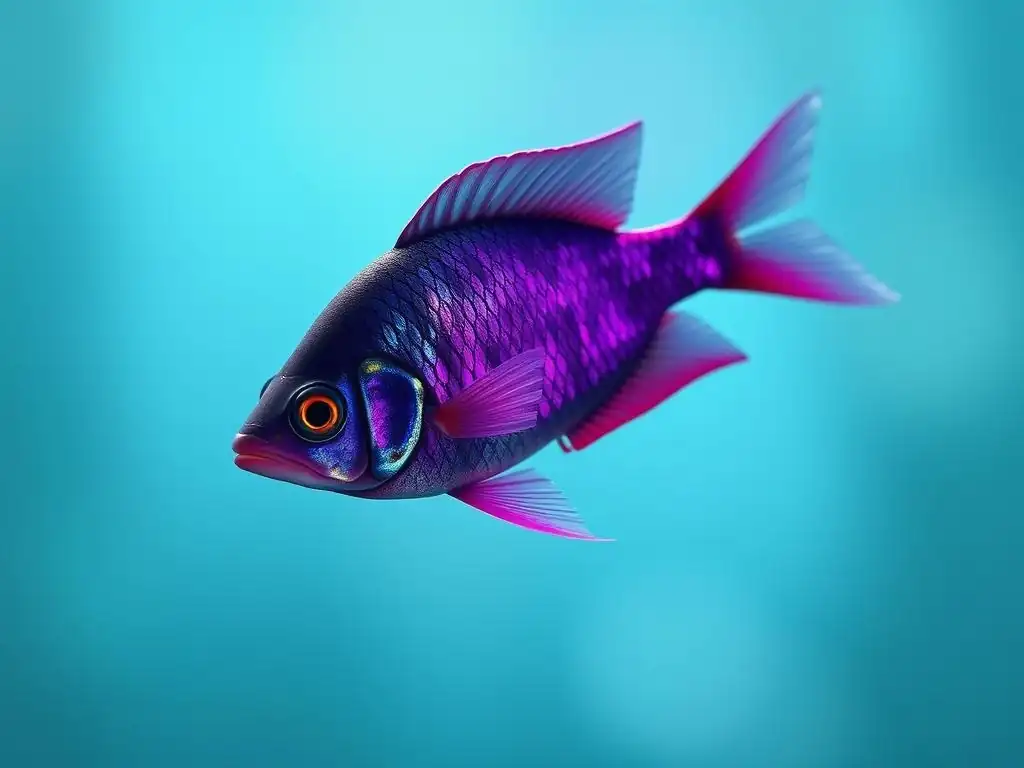
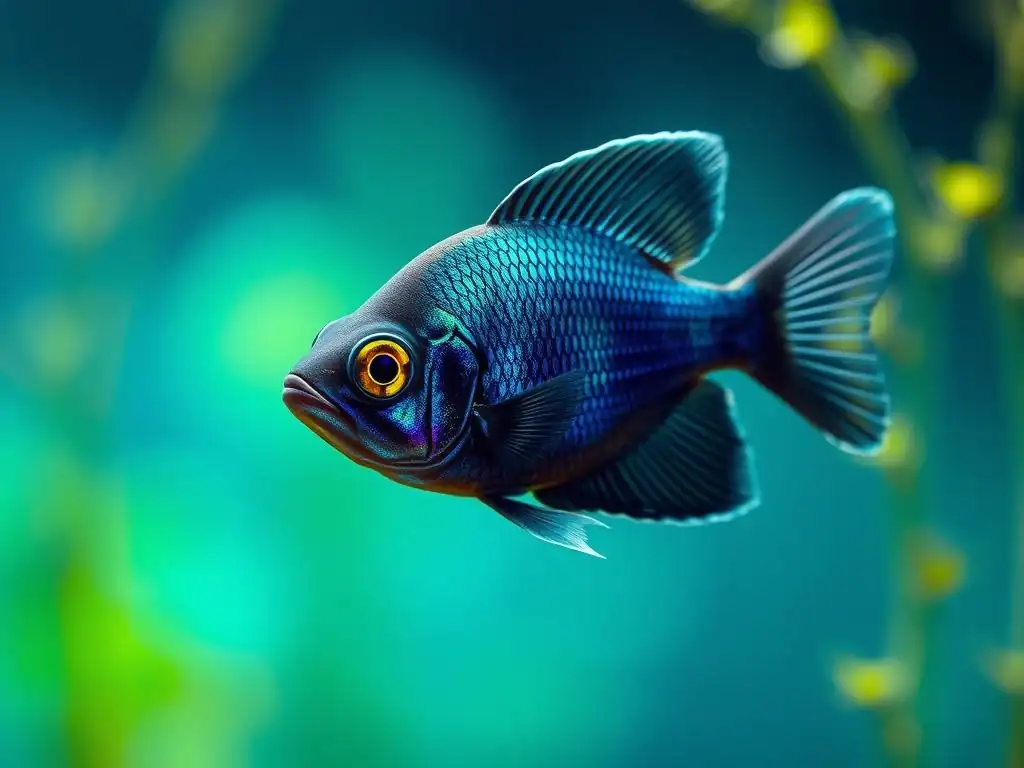
The defining characteristic of the Black Emperor Tetra is its deep, rich coloration. The main body color is often a striking purplish-black or deep charcoal grey, especially prominent in dominant males. Running horizontally along the lateral line, from the snout to the caudal peduncle, is a prominent iridescent stripe. In N. lacortei, this stripe typically shimmers with hues of blue-green to gold, creating a captivating contrast against the darker body.
Another distinguishing feature is their eyes, which often possess a vibrant blue iris that stands out against their dark head. The intensity of their body color can vary depending on their mood, health, and lighting conditions, but the underlying deep, almost velvety black or purplish tone is consistently present, setting them apart from their N. palmeri cousins. This dark base color is a primary visual cue when providing Black emperor tetra care.
Black Emperor Tetra Care Requirements: Creating the Ideal Environment
Tank Size and Setup for Black Emperor Tetras
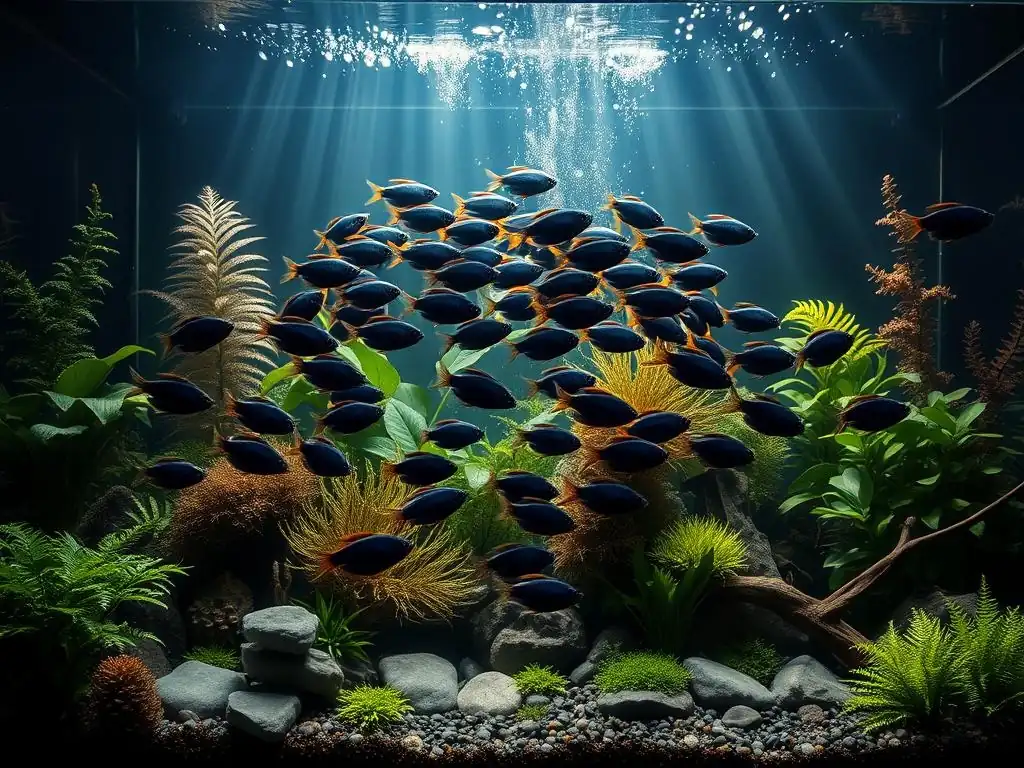
For a thriving school of Black Emperor Tetras, a minimum tank size of 60 to 75 liters (15 to 20 gallons) is recommended for a group of 6 to 8 individuals. As schooling fish, they exhibit their best behaviors and display their most vibrant colors when kept in appropriate numbers. The tank setup should aim to replicate their natural environment. This includes dense planting along the back and sides of the aquarium, providing ample hiding spots and a sense of security.
It is also crucial to leave open swimming space in the foreground for them to explore. A dark substrate, along with driftwood and Indian almond leaves, can help mimic their blackwater origins, release beneficial tannins, and further enhance their coloration. Dim lighting, achieved through floating plants or by reducing overall light intensity, will also contribute to their comfort and reduce stress, which are vital aspects of their Black emperor tetra care.
Water Parameters: Maintaining Optimal Conditions
Maintaining stable and appropriate water parameters is critical for the health and longevity of Black Emperor Tetras. The ideal temperature range is between 24°C and 28°C (75°F and 82°F). They thrive in soft to moderately soft water, with a general hardness (GH) of 2-10 dGH. The pH should be slightly acidic to neutral, ideally ranging from 5.5 to 7.0. While they can tolerate a slightly wider range, consistency is key.
Regular partial water changes, typically 25% weekly, are essential to keep nitrate levels low and ensure pristine water quality. A mature filtration system (sponge filter, hang-on-back, or canister filter) that provides gentle flow is also necessary. Monitoring water parameters with a reliable test kit for ammonia, nitrite, nitrate, pH, and hardness will help prevent potential health issues, making proper water management a cornerstone of Black emperor tetra care.
Diet and Feeding Habits of N. lacortei
Black Emperor Tetras are omnivores, with a strong inclination towards carnivorous foods in their natural diet, consuming small insects, larvae, and zooplankton. In the aquarium, a varied and high-quality diet is crucial for their health, coloration, and overall vitality. A good quality flake food or micro-pellet designed for small tropical fish should form the staple of their diet.
To supplement this, offering live or frozen foods such as bloodworms, brine shrimp, daphnia, and small insect larvae several times a week will provide essential nutrients and stimulate their natural hunting instincts. Feeding small amounts 2-3 times a day is preferable to a single large feeding, as it helps maintain water quality and ensures all fish get their share. A diverse diet is a vital component of comprehensive Black emperor tetra care, promoting robust health and vibrant colors.
Palmeri (Emperor Tetra): Exploring Its Unique Characteristics
Origin and Natural Habitat of N. palmeri
The Emperor Tetra, Nematobrycon palmeri, is native to the river systems of western Colombia, particularly the Atrato and San Juan river basins. Similar to its cousin, N. lacortei, N. palmeri inhabits slow-moving streams and tributaries, often found in areas with dense vegetation, submerged roots, and abundant leaf litter. These environments provide crucial shelter from predators and offer a rich source of microorganisms and detritus for foraging.
The water in these habitats is typically soft and acidic to neutral, with a pH range of approximately 6.0 to 7.5, and a general hardness between 5-15 dGH. Temperatures generally fluctuate between 23°C and 27°C (73°F and 81°F). The presence of tannins from decaying organic matter often gives the water a characteristic tea-stained appearance, which these fish are well-adapted to, influencing their captive care requirements.
Appearance and Distinctive Features of Palmeri Tetras
Body Shape and Finnage Differences Compared to Black Emperor Tetras
Nematobrycon palmeri shares a similar elongated and laterally compressed body shape with N. lacortei, reaching an adult size of approximately 4 to 5 cm (1.6 to 2 inches). Males of N. palmeri also possess the distinctive trident-shaped caudal fin, where the central rays extend beyond the outer lobes, although sometimes this extension can appear slightly less pronounced or as symmetrical as in some N. lacortei specimens.
Like N. lacortei, male Palmeri Tetras display more extended dorsal and anal fins compared to the females, which are generally smaller and have rounder fins. The overall body proportions and fin structures are very similar, making visual identification challenging for the untrained eye without a direct side-by-side comparison. The subtle differences primarily lie in their coloration rather than their fundamental body shape or finnage.
Coloration and Markings: Identifying N. palmeri
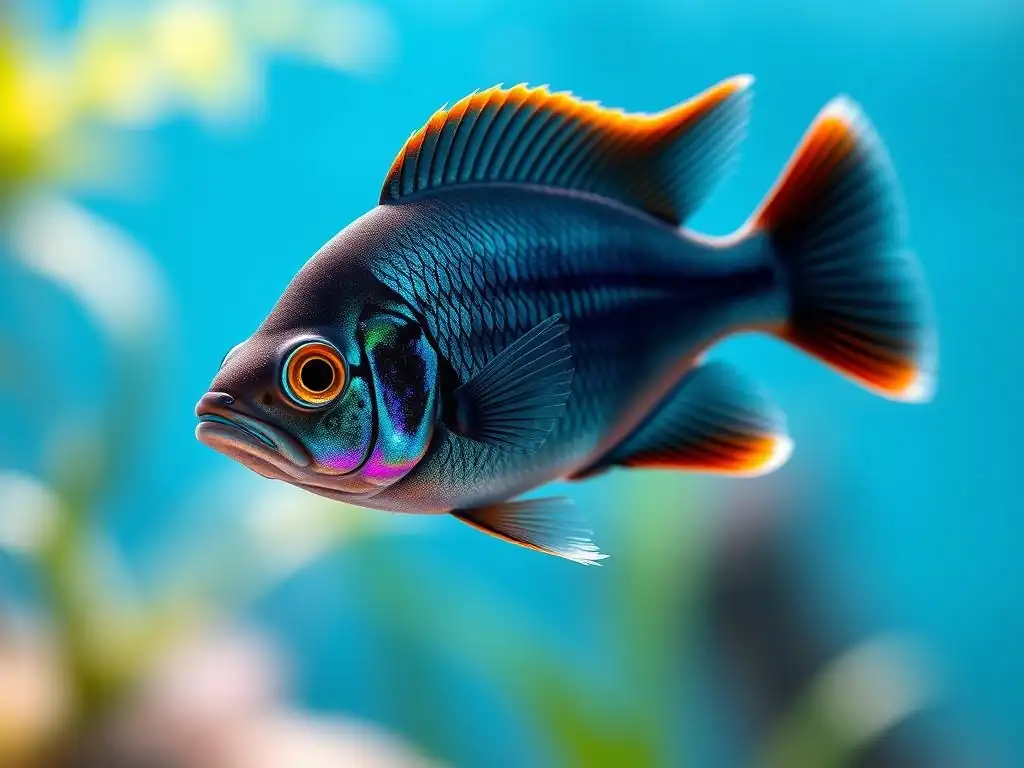
The primary distinguishing feature of Nematobrycon palmeri lies in its coloration. While it also features an iridescent horizontal stripe, the base body color is generally a more silvery-grey to brownish-purple, rather than the deep, intense purplish-black seen in N. lacortei. The iridescent stripe itself typically gleams with golden-yellow to orange-gold hues, creating a brighter contrast against the body compared to the bluer tones of N. lacortei.
The eyes of N. palmeri often have a striking blue iris, similar to its cousin, adding to its captivating appearance. While their colors can intensify during breeding or when in optimal health, the overall lighter, less saturated body tone and the distinct golden-orange hue of the stripe are the most reliable visual cues for identifying the Emperor Tetra. These color nuances are key when considering their specific aesthetic appeal.
Palmeri Tetra Care: Providing a Thriving Habitat
Tank Size and Setup for Palmeri Tetras
For a healthy and active school of Palmeri Tetras, a minimum tank size of 60 to 75 liters (15 to 20 gallons) is recommended for a group of 6 to 8 individuals. Providing them with ample space for schooling and exploration is crucial for their well-being. The aquarium setup should replicate their natural habitat, featuring dense live plants, particularly fine-leaved species, along the back and sides to offer security and hiding spots.
Open swimming areas in the front are also important for their schooling displays. Incorporating dark substrate, driftwood, and leaf litter (such as Indian almond leaves) not only creates an aesthetically pleasing, natural environment but also helps to condition the water with beneficial tannins, contributing to their comfort and health. Dim lighting, possibly achieved with floating plants, will further encourage their natural behaviors and vibrant coloration.
Water Parameters: Maintaining Optimal Conditions
Optimal water parameters are vital for the health and longevity of Palmeri Tetras. They thrive in temperatures ranging from 23°C to 27°C (73°F to 81°F). While they prefer soft to moderately soft water, with a general hardness (GH) of 5-15 dGH, they are slightly more adaptable to varying hardness levels than N. lacortei. The ideal pH range is slightly acidic to neutral, from 6.0 to 7.5.
Consistent water quality is paramount, necessitating regular partial water changes of approximately 25% weekly to keep nitrate levels low and stable. A reliable filtration system that provides gentle water movement is also essential. Regular testing of water parameters (ammonia, nitrite, nitrate, pH, GH, KH) will help ensure the environment remains conducive to their health and prevents stress-related issues.
Diet and Feeding Habits of N. palmeri
Palmeri Tetras are omnivores, with a diet in the wild consisting of small invertebrates, insect larvae, and some plant matter. In the aquarium, a varied and high-quality diet is crucial for maintaining their health, enhancing their colors, and promoting active behavior. A good quality flake or micro-pellet food designed for small tropical fish should form the staple of their daily diet.
To provide a complete nutritional profile and stimulate their natural foraging instincts, supplement their diet with live or frozen foods several times a week. Excellent choices include bloodworms, brine shrimp, daphnia, and grindal worms. Feeding small amounts two to three times a day is generally better than one large meal, as it aids in digestion and helps maintain water quality by preventing overfeeding.
Key Differences Between Black Emperor Tetra and Palmeri
Visual Comparison: Side-by-Side Analysis
Body Shape and Size Discrepancies
When observing Nematobrycon lacortei and Nematobrycon palmeri side-by-side, their body shapes are remarkably similar, both exhibiting an elongated, laterally compressed form, typical of many tetra species. Both species generally reach an adult size of approximately 4 to 5 cm (1.6 to 2 inches). While some anecdotal reports suggest N. lacortei might appear slightly more robust or have a deeper body profile in certain specimens, this difference is often very subtle and not a definitive distinguishing characteristic on its own.
The overall impression of size and shape is largely identical, which contributes significantly to the common misidentification between the two. Therefore, relying solely on body shape or general size for identification is unreliable. Instead, attention must be paid to more specific and consistent visual cues, particularly those related to coloration and fin detailing, which offer clearer differentiation.
Fin Extension and Shape Variations
Both male N. lacortei and N. palmeri are famed for their distinctive trident-shaped caudal fin, where the central rays extend beyond the upper and lower lobes. However, a key differentiator can often be observed in the degree and elegance of this fin extension. In well-conditioned male Black Emperor Tetras ( N. lacortei), the central ray of the caudal fin often appears more dramatically elongated and pointed, sometimes giving a more pronounced "forked" or "spear-like" appearance.
Additionally, the dorsal and anal fins of male N. lacortei can sometimes be noticeably longer and more flowing compared to those of N. palmeri. While male Palmeri Tetras also possess impressive finnage, the extensions in N. lacortei can appear more exaggerated and refined, adding to their distinct regal presence. This subtle difference in fin length and shape, particularly in the caudal fin, can be a valuable identifier for experienced aquarists.
Color Intensity and Pattern Differences
The most reliable visual distinction between the Black Emperor Tetra ( N. lacortei) and the Palmeri ( N. palmeri) lies in their coloration and the hue of their iridescent lateral stripe. N. lacortei is characterized by a deeper, more intense body color, often appearing as a rich purplish-black or dark charcoal grey, which gives it its "Black Emperor" moniker. The iridescent stripe running along its flank typically shines with a blue-green to golden hue, contrasting sharply with its dark body.
In contrast, N. palmeri generally possesses a lighter, more silvery-grey to brownish-purple body base. Its iridescent lateral stripe is predominantly golden-yellow to orange-gold, offering a brighter, more luminous appearance against its less saturated body color. While both species share the striking blue iris, the overall body tone and the specific color of the lateral stripe are the most consistent and apparent visual cues for accurate identification.
Behavioral Distinctions: Observing Their Interactions
Schooling Behavior: Differences in Group Dynamics
Both Nematobrycon lacortei and Nematobrycon palmeri are schooling fish, meaning they thrive and display their most natural behaviors when kept in groups of at least six to eight individuals. However, subtle differences in their schooling dynamics can sometimes be observed. N. lacortei may exhibit a slightly tighter schooling behavior, particularly when feeling insecure or in a new environment, often moving in a more cohesive unit. They can also display a more pronounced hierarchical structure within their school, with dominant males establishing territories.
N. palmeri, while still a strong schooling fish, might sometimes appear a bit more loosely organized in their groups, though they will still congregate and move together. Observing these subtle variances in how they interact within their school can offer another layer of identification for the keen observer, alongside their visual cues. Both species benefit immensely from the security and social interaction that a proper school size provides.
Temperament and Compatibility with Tank Mates
Both Black Emperor Tetras ( N. lacortei) and Palmeri Tetras ( N. palmeri) are generally peaceful community fish, making them excellent additions to a well-planned freshwater aquarium. They are typically not aggressive towards other species and tend to ignore tank mates that are not overly boisterous or fin-nipping. However, during breeding periods, male Emperor Tetras of both species can become slightly territorial towards each other, especially if space is limited.
While largely compatible, some aquarists note that N. lacortei might display a slightly more assertive or confident demeanor than N. palmeri, especially dominant males. It's crucial to avoid keeping either species with large, aggressive fish that might view them as prey, or with known fin-nippers that could damage their beautiful elongated fins. Ideal tank mates include other peaceful tetras, rasboras, corydoras, and small peaceful plecos, ensuring a harmonious community is a key aspect of Black emperor tetra care.
Black Emperor Tetra Care: Specific Considerations
Maintaining Water Quality for Black Emperor Tetra Health
Maintaining pristine and stable water quality is the single most critical factor for the long-term health and vibrancy of Black Emperor Tetras ( N. lacortei). These fish thrive in soft, acidic water, mirroring their natural blackwater origins. Ideal parameters include a pH between 5.5 and 7.0 and a general hardness (GH) of 2-10 dGH. Consistency in these parameters is more important than hitting exact numbers, as sudden fluctuations can cause significant stress.
Regular partial water changes, typically 25% of the tank volume weekly, are essential to keep nitrate levels below 20 ppm and prevent the buildup of toxins. Using a reliable liquid test kit to monitor ammonia, nitrite, nitrate, pH, and hardness is highly recommended. If tap water is hard or alkaline, consider using reverse osmosis (RO) water remineralized to appropriate parameters, or incorporating natural buffering agents like Indian almond leaves or peat filtration to achieve the desired soft, acidic conditions. This meticulous water management is the bedrock of good Black emperor tetra care.
Choosing the Right Tank Mates for Peaceful Coexistence
Selecting appropriate tank mates is crucial for the peaceful coexistence and well-being of Black Emperor Tetras. Being generally peaceful and schooling fish, N. lacortei fares best with other similarly sized, docile species that appreciate similar water conditions. Ideal companions include other small, peaceful tetras (such as Neon Tetras, Cardinal Tetras, or Rummy-Nose Tetras), rasboras, small peaceful bottom-dwellers like Corydoras catfish, and small L-number plecos.
Avoid pairing Black Emperor Tetras with large, aggressive, or overly boisterous fish that might intimidate them or outcompete them for food. Also, steer clear of known fin-nippers, as their elegant, extended fins would be an easy target. Keeping them in a school of at least 6-8 individuals will reduce their shyness and encourage their natural schooling behaviors, contributing significantly to their overall health and happiness. This careful selection is a vital part of Black emperor tetra care.
Preventing and Treating Common Diseases in Black Emperor Tetras
While relatively hardy when provided with optimal Black emperor tetra care, Nematobrycon lacortei can still be susceptible to common freshwater aquarium diseases, particularly if stressed by poor water quality, inadequate diet, or incompatible tank mates. Common ailments include Ich (white spot disease), fin rot, and various bacterial or fungal infections. Prevention is always the best approach.
Maintaining pristine water parameters, providing a balanced and varied diet, ensuring a stable environment, and quarantining all new fish for at least 2-4 weeks before introducing them to the main tank are fundamental preventive measures. If disease does occur, early detection is key. For Ich, a gradual increase in water temperature (if safe for other inhabitants) combined with medication can be effective. Bacterial and fungal infections often require specific medications. Always remove activated carbon during treatment and follow medication instructions carefully. Consistent good husbandry significantly reduces disease risk in Black Emperor Tetras.
Palmeri Tetra Care: Specific Considerations
Maintaining Water Quality for Palmeri Tetra Health
Maintaining excellent water quality is fundamental for the health and vibrancy of Palmeri Tetras ( N. palmeri). While they are slightly more adaptable than N. lacortei, they still thrive in soft to moderately soft water, with a general hardness (GH) of 5-15 dGH. The ideal pH range is slightly acidic to neutral, from 6.0 to 7.5. Stable parameters are paramount, as sudden shifts can cause stress and compromise their immune system.
Regular partial water changes, typically 25% weekly, are essential to dilute nitrates and other accumulated waste products. A robust and mature filtration system that provides gentle water flow is also crucial. Regularly testing the water for ammonia, nitrite, nitrate, pH, and hardness with a reliable kit will help ensure the environment remains optimal and prevent health issues. Mimicking their natural clearwater or blackwater habitat conditions through proper water management is key to their long-term well-being.
Choosing the Right Tank Mates for Peaceful Coexistence
Palmeri Tetras are peaceful schooling fish and make excellent additions to a community aquarium. When choosing tank mates, select species that are similarly sized, non-aggressive, and prefer similar water parameters. Good companions include other peaceful tetras (e.g., Neon Tetras, Rummy-Nose Tetras), rasboras, small peaceful bottom-dwellers like Corydoras catfish, Otocinclus, and small, docile dwarf cichlids.
It is advisable to avoid keeping Palmeri Tetras with large, predatory fish that might view them as food, or with aggressive or fin-nipping species that could damage their elegant fins. Keeping them in a school of at least 6 to 8 individuals is vital for their well-being; a larger school encourages natural schooling behaviors, reduces stress, and allows them to display their full coloration and engaging social dynamics. This careful selection ensures a harmonious and thriving aquarium environment.
Preventing and Treating Common Diseases in Palmeri Tetras
Palmeri Tetras, like many aquarium fish, are susceptible to common freshwater diseases if their environmental conditions are not optimal or if they experience prolonged stress. Common ailments include Ich (white spot disease), fin rot, and various bacterial or fungal infections. Preventive measures are the most effective way to ensure their health and longevity.
These measures include maintaining stable, pristine water quality through regular water changes and proper filtration, providing a balanced and varied diet, avoiding overcrowding, and quarantining all new fish for several weeks before introducing them to the main display tank. If a disease is detected, prompt action is crucial. Treatments vary depending on the ailment; for instance, Ich can often be treated with heat and medication, while bacterial infections require specific antibiotics. Always follow medication instructions carefully and ensure good aeration during treatment.
Breeding Black Emperor and Palmeri Tetras: A Comparative Look
Breeding Conditions and Techniques for N. lacortei
Breeding Black Emperor Tetras ( N. lacortei) in a home aquarium can be moderately challenging but is a rewarding experience. To encourage spawning, a separate breeding tank of 35-75 liters (10-20 gallons) is recommended. The water should be extremely soft (GH 1-5 dGH) and acidic (pH 5.5-6.0), ideally achieved using RO water and peat filtration or Indian almond leaves. Temperature should be set at the higher end of their range, around 26-28°C (79-82°F).
The tank should have dim lighting and spawning media such as fine-leaved plants (e.g., Java moss), spawning mops, or a mesh bottom to protect the eggs. Condition a pair or a small group (one female to two males) with live and frozen foods for several weeks prior. Spawning typically occurs in the morning, with females scattering adhesive eggs. Parents should be removed immediately after spawning, as they will readily consume the eggs. Eggs usually hatch within 24-36 hours.
Breeding Palmeri Tetras ( N. palmeri) is quite similar to N. lacortei in terms of requirements and difficulty. A dedicated breeding tank, approximately 35-75 liters (10-20 gallons), is advised. The water should be soft (GH 5-10 dGH) and slightly acidic (pH 6.0-6.5), which can be achieved with RO water and a small amount of peat or alder cones. The temperature should be maintained around 25-27°C (77-81°F).
Provide dim lighting and plenty of fine-leaved plants like Java moss, or a spawning mop, for the fish to deposit their eggs on. Condition the breeding pair or trio with a high-protein diet of live and frozen foods. Spawning usually takes place in the early morning. Like N. lacortei, Palmeri Tetras are egg eaters, so the parents must be removed promptly after spawning. The eggs are light-sensitive and will hatch in about 24-36 hours, requiring careful management.
Raising Black Emperor and Palmeri Tetra Fry
Raising the fry of both Black Emperor and Palmeri Tetras requires meticulous care due to their extremely small size. Upon hatching, the fry are almost microscopic and will initially feed on their yolk sac for the first few days. Once free-swimming, they require infusoria or a high-quality liquid fry food as their first food source. These tiny organisms provide the necessary nutrition for the fry's initial growth.
After approximately 3-5 days, once they have grown slightly, they can be transitioned to newly hatched brine shrimp nauplii, which are a highly nutritious and stimulating food source. Small, frequent feedings are crucial to ensure adequate nutrition and growth. Maintaining pristine water quality in the fry tank through very small, frequent water changes (e.g., 10% daily) is paramount, as fry are highly sensitive to water parameters. Despite best efforts, a high mortality rate is common during the initial stages of fry development.
Black Emperor Tetra vs Palmeri: Which Tetra is Right for Your Aquarium?
Considerations for Choosing Between the Two Species
When deciding between the Black Emperor Tetra ( N. lacortei) and the Palmeri ( N. palmeri), several factors can influence your choice. Visually, the primary consideration is your preference for coloration: do you prefer the deeper, purplish-black body with blue-green iridescence of N. lacortei, or the more silvery-grey body with golden-orange iridescence of N. palmeri? While subtle, this aesthetic difference can be significant for the overall look of your aquarium.
From a care perspective, both species have very similar requirements regarding tank size, setup, and diet. However, N. lacortei tends to prefer slightly softer and more acidic water conditions, making it a better fit for aquarists who can consistently maintain these parameters. N. palmeri is generally considered a bit more adaptable to a slightly wider range of pH and hardness, potentially making it a more forgiving choice for those with less flexible tap water. Availability can also play a role, as N. palmeri is typically more common in the aquarium trade.
Assessing Your Aquarium's Suitability for Each Tetra
Before introducing either Black Emperor Tetras or Palmeri Tetras to your aquarium, it's essential to assess your current setup and existing fish community. Both species thrive in mature, well-established tanks with stable water parameters. Ensure your tank is adequately sized (at least 60-75 liters for a school) and provides a balance of dense planting for security and open swimming space.
Consider your current water parameters (pH, GH, temperature) and your ability to maintain them consistently. If your water is naturally soft and acidic, N. lacortei might be a perfect fit. If your water is moderately hard or neutral, N. palmeri might be a slightly more comfortable choice without significant water parameter adjustments. Review your current tank mates; both species require peaceful companions that will not nip fins or outcompete them for food. A harmonious environment is crucial for their well-being.
The Allure of Black Emperor Tetra Care: A Rewarding Experience
Regardless of the subtle differences, both Nematobrycon lacortei and Nematobrycon palmeri offer a captivating and rewarding experience for the dedicated aquarist. The Black Emperor Tetra, with its deeper, more mysterious coloration and often more pronounced fin extensions, brings a unique elegance to the freshwater aquarium. Providing meticulous Black emperor tetra care, including stable water conditions, a varied diet, and a peaceful schooling environment, will allow these fish to truly flourish and display their full, vibrant potential.
Observing their engaging schooling behaviors, the subtle dominance displays among males, and the way their iridescent stripes shimmer under appropriate lighting is a constant source of fascination. Choosing to provide optimal Black emperor tetra care is an investment in the beauty and health of your aquatic ecosystem, leading to a thriving and aesthetically pleasing display that will be appreciated for years to come.
Conclusion: Appreciating the Nuances of These Emperor Tetras
Frequently Asked Questions
What are the key differences between Black Emperor Tetras ( Nematobrycon lacortei) and Palmeri Tetras, and why is it important to distinguish them?
The key difference lies in their finnage and overall body shape. Black Emperor Tetras have longer, more flowing fins and a slightly more robust body compared to Palmeri Tetras. Correct identification is crucial for providing appropriate care based on species-specific needs.
What are the ideal water parameters for Black Emperor Tetras to thrive in a home aquarium?
Black Emperor Tetras prefer slightly acidic to neutral water, with a pH between 6.0 and 7.5. The ideal temperature range is 72°F to 78°F (22°C to 26°C). Maintaining stable water parameters is vital for their health and well-being.
What type of diet is recommended for Black Emperor Tetras to ensure they receive proper nutrition?
Black Emperor Tetras are omnivores and require a varied diet. A good staple diet should include high-quality flake food supplemented with live or frozen foods like bloodworms, daphnia, and brine shrimp. This will ensure they receive all the necessary nutrients for optimal health.
What are some common health issues that Black Emperor Tetras are susceptible to, and how can aquarists prevent them?
Common issues include Ich (white spot disease) and fin rot, often caused by poor water quality. Prevention involves regular water changes, proper filtration, and quarantining new fish before introducing them to the main tank.
What tank size and tankmates are recommended for Black Emperor Tetras to ensure a peaceful and healthy environment?
A minimum tank size of 20 gallons is recommended for a small school of Black Emperor Tetras. They are generally peaceful and can be kept with other similarly sized and non-aggressive fish such as other tetras, rasboras, and small corydoras catfish.
Final Reflection: Appreciating the Majesty of the Black Emperor Tetra
The nuances we've explored in differentiating Nematobrycon lacortei and Nematobrycon palmeri are more than just taxonomic distinctions; they represent a deeper appreciation for the biodiversity and delicate ecosystems we must strive to protect. Understanding the specific needs of each species, as highlighted throughout this article, is crucial not only for successful aquarium keeping but also for contributing to responsible conservation efforts.
This journey into the world of Black Emperor Tetras has underscored the importance of informed and ethical practices within the aquarium hobby. It's a reminder that even seemingly small choices, like selecting the right fish food or understanding water parameters, have a ripple effect on the well-being of these creatures and the health of their natural habitats. In the end, we will conserve only what we love; we will love only what we understand; and we will understand only what we are taught.
- Baba Dioum. This quote perfectly encapsulates the responsibility we bear as aquarists and enthusiasts.
Now, armed with this knowledge, I invite you to reflect on your own role in the aquarium hobby. Consider how you can contribute to the well-being of these magnificent fish, and how you can share your knowledge with others. Let's cultivate a community of responsible aquarists, dedicated to providing the best possible care for our Black Emperor Tetras and, in doing so, contributing to the preservation of their wild counterparts.
Unveil the Majesty: Your Next Step in Black Emperor Tetra Keeping!
Thank you for diving deep into the captivating world of Black Emperor Tetras! We hope you’ve found clarity in distinguishing N. lacortei from Palmeri and a newfound appreciation for these regal fish. Now, let's turn that knowledge into action!
- Choose Your Emperor: Commit to responsibly acquiring either Black Emperor Tetra (N. lacortei) or Palmeri, ensuring your source can verify the species and prioritize their well-being.
- Share the Knowledge: Help other aquarists by sharing this article on your favorite forum or social media group!
- Surprise Your Tank: Instead of the usual decorations, consider adding dried oak leaves to your Black Emperor Tetra's tank to mimic their natural habitat and promote vibrant colors.
Which stunning tetra variety are you most excited to keep, and what unique aquascaping ideas do you have in mind for their new home?