
The "False Neon": Why Head and Tail Light Tetras Are Great for Beginners

Welcome to Aquarium Mastery!
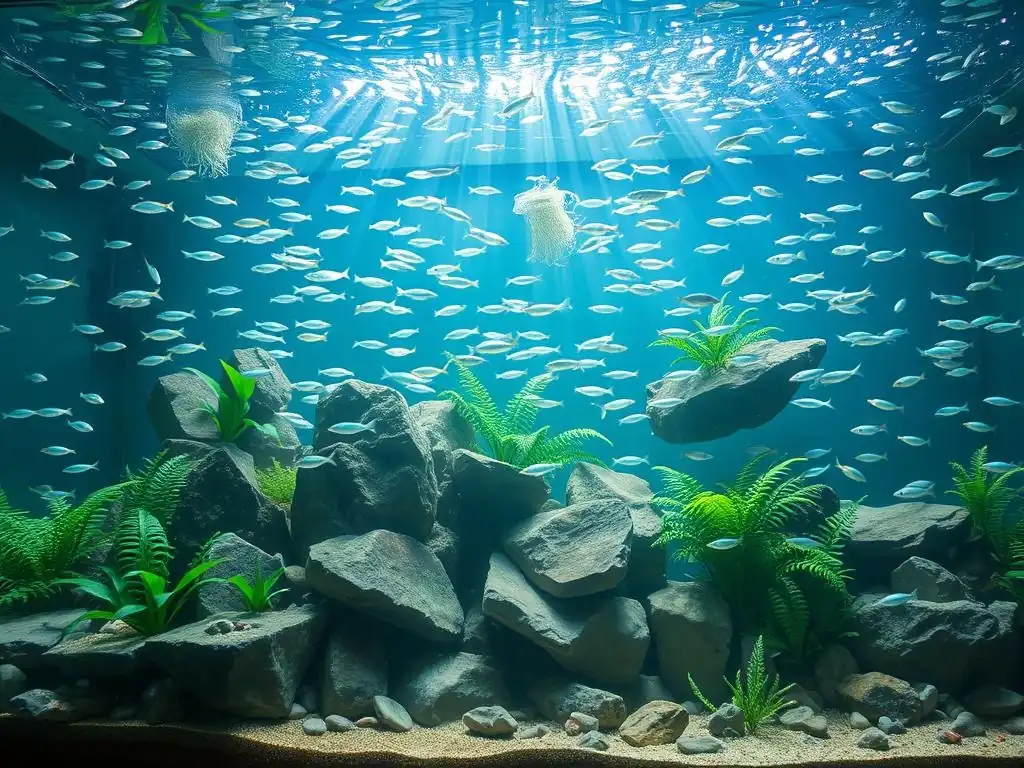
Ever wondered if there's a fish as captivating as the Neon Tetra, but perhaps a little easier to care for? You've come to the right place. Dive in and discover everything you need to know about these shimmering beauties, starting with essential Light Tetra Care Tips in our featured article. Get ready to illuminate your aquarium journey!
- Understanding Head and Tail Light Tetras: An Introduction for Beginners
- Light Tetra Care Tips: Essential Guidelines for Success
- Head and Tail Light Tetra Tank Mates: Creating a Peaceful Community
- Light Tetra Health: Preventing and Treating Common Issues
- Breeding Head and Tail Light Tetras: A Beginner's Guide
- Advantages of Choosing Head and Tail Light Tetras
- Troubleshooting Common Light Tetra Problems
- Conclusion: Embracing the Beauty and Simplicity of Head and Tail Light Tetras
-
Frequently Asked Questions
- What are the key differences between Head and Tail Light Tetras and Neon Tetras?
- What type of aquarium setup is best for Head and Tail Light Tetras?
- What is the ideal diet for Head and Tail Light Tetras?
- How often should I perform water changes in a Head and Tail Light Tetra aquarium?
- Are Head and Tail Light Tetras compatible with other fish species?
- Final Reflection: Embracing the Subtle Glow
- Ignite Your Aquarium Journey!
Understanding Head and Tail Light Tetras: An Introduction for Beginners
What are Head and Tail Light Tetras? Distinguishing Features
The Head and Tail Light Tetra, scientifically known as Hemigrammus ocellifer, is a captivating freshwater fish originating from the slow-moving rivers and tributaries of South America, particularly within the Amazon basin and Guyana. These diminutive yet elegant fish typically reach an adult size of about 1.5 to 2 inches (approximately 4-5 cm), making them a perfect fit for a variety of aquarium sizes. Their sleek, torpedo-shaped body is often translucent or silvery, allowing for a subtle shimmer under appropriate lighting.
What truly sets Hemigrammus ocellifer apart are its eponymous markings. A prominent, iridescent spot of orange or red is located at the base of the caudal peduncle, just before the tail fin, resembling a glowing "tail light." Complementing this is another, often less intense, iridescent patch situated directly behind the eye, giving the impression of a "headlight." These distinctive features not only provide their common name but also serve as key identification markers, distinguishing them from other small schooling tetras.
Why They're Called "False Neons": Appearance and Similarities
The moniker "False Neon" is often attributed to the Head and Tail Light Tetra due to its superficial resemblance and similar schooling behavior to the highly popular Neon Tetra ( Paracheirodon innesi) and Cardinal Tetra ( Paracheirodon axelrodi). All three species share a similar peaceful temperament and prefer to swim in tightly knit schools, creating a dynamic and visually appealing display in an aquarium. Their general body shape and size also contribute to this comparison, as they are all relatively small, slender fish.
However, the "false" in their name highlights the crucial differences that set them apart from their more famous cousins. Unlike the Neon or Cardinal Tetra, which boast vibrant, continuous horizontal stripes of red and blue along their flanks, the Head and Tail Light Tetra lacks these prominent lateral lines. Instead, their unique "head and tail" spots are their defining characteristic, offering a more subtle yet equally enchanting visual appeal. This distinction underscores their individuality while acknowledging their shared charm within the tetra family, making their light tetra care tips distinct from those of their more colorful relatives.
Light Tetra Care Tips: Essential Guidelines for Success
Ideal Tank Setup for Head and Tail Light Tetras
Establishing the correct environment is paramount for the health and vibrancy of Head and Tail Light Tetras. A well-cycled aquarium is a non-negotiable starting point, ensuring that beneficial bacteria are present to process harmful ammonia and nitrite. These fish thrive in a stable, mature tank where water parameters are consistent, minimizing stress and susceptibility to disease. Adequate filtration, providing both mechanical and biological filtration, is also crucial for maintaining pristine water quality, a cornerstone of effective light tetra care.
To truly replicate their natural habitat and promote their best colors and behavior, the tank setup should include ample live plants, driftwood, and smooth rocks. Live plants such as Java Fern, Anubias, and various cryptocorynes offer essential hiding spots and resting areas, mimicking the dense vegetation found in their native South American waters. Floating plants can also be beneficial, diffusing overhead light and creating shaded areas that make these tetras feel more secure and display more vivid coloration.
Tank Size Recommendations for a School of Light Tetras
- For a small school of 6-8 Head and Tail Light Tetras, a minimum tank size of 10 to 15 gallons (approximately 38-57 liters) is recommended. This provides sufficient swimming space and helps dilute waste products, contributing to stable water parameters.
- However, for optimal schooling behavior and long-term health, a larger aquarium of 20 gallons (approximately 76 liters) or more is highly advisable. Larger tanks offer more stability in water chemistry and allow for a larger school, which enhances their natural behavior and reduces stress.
Substrate and Decoration Preferences for Light Tetras
- A fine gravel or sand substrate is ideal for Head and Tail Light Tetras, as it mimics their natural riverbeds and is gentle on their delicate barbels if they forage near the bottom. Darker substrates can also help to bring out their subtle iridescent markings and reduce perceived glare, making them feel more secure.
- Decorations should include plenty of natural elements. Driftwood releases tannins that can slightly lower pH and tint the water, which is beneficial for these blackwater-loving fish. Smooth rocks and caves also provide additional hiding spots and visual interest, contributing to a well-rounded and enriching environment.
Maintaining Optimal Water Parameters for Light Tetras
Maintaining stable and appropriate water parameters is arguably the most critical aspect of successful light tetra care tips. Fluctuations in temperature, pH, or water hardness can quickly lead to stress, weakened immune systems, and susceptibility to various diseases. Regular testing with reliable aquarium test kits for ammonia, nitrite, nitrate, pH, and temperature is essential to monitor these parameters and ensure they remain within the optimal range.
Unstable water conditions are a leading cause of health issues in aquarium fish, including Head and Tail Light Tetras. For instance, even a slight spike in ammonia from overfeeding or insufficient filtration can cause severe gill damage and eventual death. Consistent monitoring allows for prompt corrective actions, such as performing a partial water change or adjusting filtration, preventing minor issues from escalating into serious health crises.
Water Temperature and pH Levels for Healthy Light Tetras
- Head and Tail Light Tetras thrive in a temperature range of 72-78°F (approximately 22-26°C). Maintaining a consistent temperature within this range, ideally with a reliable aquarium heater, is crucial to prevent thermal shock and support their metabolic processes.
- Their preferred pH range is slightly acidic to neutral, typically between 6.0 and 7.5. While they are somewhat adaptable, avoiding extreme fluctuations is vital. Additionally, they prefer soft to moderately hard water, with a general hardness (GH) between 5 and 15 dGH.
Importance of Regular Water Changes for Light Tetra Care
- Regular partial water changes are indispensable for effective light tetra care. A weekly change of 20-25% of the tank's water volume is highly recommended. This practice removes accumulated nitrates, phosphates, and other dissolved organic compounds that can become toxic over time.
- When performing water changes, always use a high-quality dechlorinator to neutralize chlorine and chloramines present in tap water, as these chemicals are lethal to fish. It is also important to match the temperature of the new water as closely as possible to the tank water to prevent temperature shock, which can severely stress the fish.
Light Tetra Diet and Feeding Habits
Head and Tail Light Tetras are omnivores, naturally foraging for small insects, crustaceans, and plant matter in their native habitats. To ensure their long-term health, vibrant coloration, and active behavior, it is crucial to provide them with a varied and balanced diet that mimics their natural feeding habits. Relying solely on one type of food, even a high-quality one, can lead to nutritional deficiencies over time.
A diverse diet not only provides all necessary nutrients but also stimulates their natural foraging instincts, contributing to their overall well-being. Offering a mix of high-quality flakes, micro-pellets, and occasional live or frozen treats will ensure they receive a full spectrum of vitamins, minerals, and proteins. This comprehensive approach to their nutrition is a key component of robust light tetra care.
What to Feed Your Head and Tail Light Tetras: A Balanced Diet
- High-Quality Flake Food: This should form the staple of their diet. Choose flakes specifically formulated for tropical fish, rich in protein and spirulina for color enhancement. Ensure the flakes are crushed into small enough pieces for their mouths.
- Micro-Pellets: Small, sinking pellets are an excellent supplement, ensuring that fish that prefer to feed lower in the water column also get their share. They often contain a denser nutritional profile than flakes.
- Live and Frozen Foods: Offer treats such as bloodworms, daphnia, and brine shrimp once or twice a week. These provide essential proteins and fats, significantly boosting their health and color. Live foods also offer a natural hunting experience.
Feeding Schedule and Avoiding Overfeeding
- Feed your Head and Tail Light Tetras 2-3 times daily, providing small amounts that they can consume entirely within 2-3 minutes. This frequent, small feeding schedule mimics their natural constant foraging and prevents large amounts of uneaten food from decaying in the tank.
- Overfeeding is a common mistake in aquarium keeping and can have severe consequences. Excess food decays, leading to spikes in ammonia and nitrite, which are highly toxic to fish. It can also contribute to obesity in fish, leading to health problems and a shortened lifespan. Always err on the side of underfeeding rather than overfeeding.
Head and Tail Light Tetra Tank Mates: Creating a Peaceful Community
Compatible Fish Species for Light Tetra Aquariums
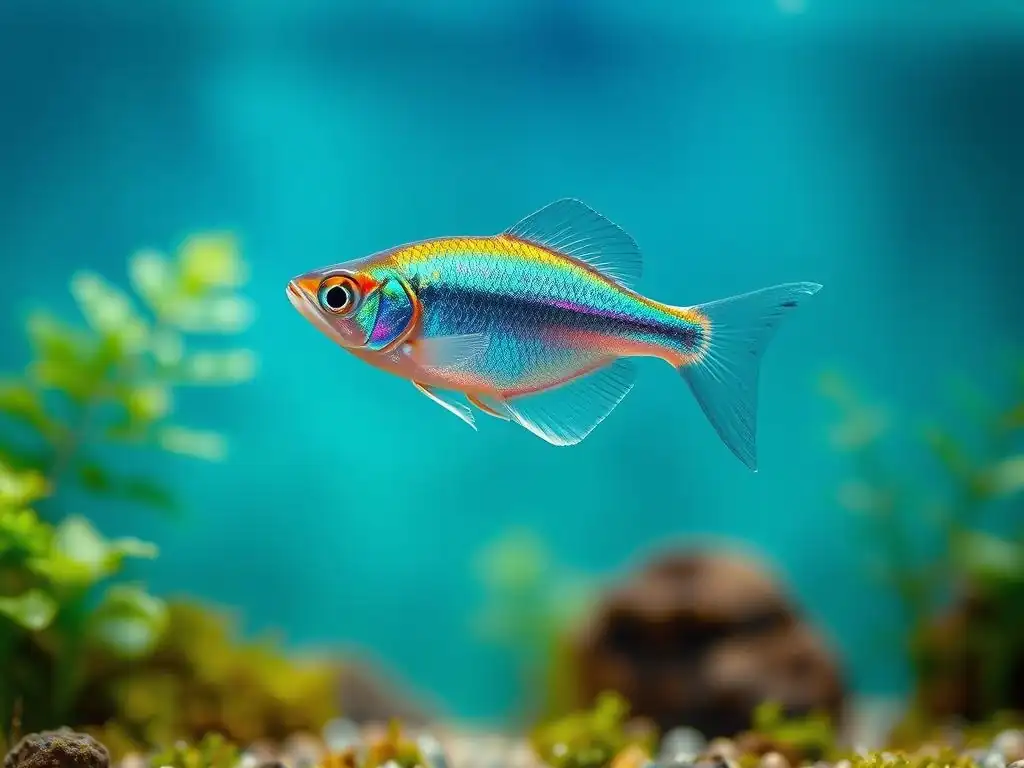
Head and Tail Light Tetras are renowned for their peaceful disposition and schooling nature, making them excellent candidates for community aquariums. When selecting tank mates, the primary considerations are similar size, peaceful temperament, and shared water parameter requirements. Ideal companions should not be aggressive, fin-nipping, or large enough to view the tetras as prey.
Excellent choices for compatible tank mates include other small, peaceful schooling fish such as various rasbora species (e.g., Harlequin Rasboras, Chili Rasboras), other small tetra species (e.g., Ember Tetras, Neon Tetras, Black Skirt Tetras), and certain peaceful dwarf cichlids like German Blue Rams, provided the tank is sufficiently large and well-planted. Bottom dwellers such as Corydoras catfish and Otocinclus catfish are also perfect additions, as they occupy different parts of the water column and are entirely non-aggressive, contributing to a diverse and harmonious ecosystem.
Fish to Avoid: Aggressive Tank Mates That Stress Light Tetras
Just as important as choosing compatible tank mates is knowing which fish to avoid. Introducing aggressive or overly large species can quickly turn a peaceful community tank into a stressful environment for Head and Tail Light Tetras, leading to fin nipping, constant hiding, stress-induced illness, or even predation. Their small size and gentle nature make them vulnerable to bullying and harassment.
Species to steer clear of include large, predatory cichlids such as Oscars or Jack Dempseys, which would easily consume them. Aggressive barbs, particularly Tiger Barbs, are notorious fin-nippers and can relentlessly harass smaller, long-finned fish, causing significant stress and injury. Similarly, some larger gouramis or even certain Betta fish, depending on their individual temperament, might view the tetras' flowing fins as an irresistible target. Maintaining a stress-free environment by carefully selecting tank mates is a crucial light tetra care tip.
Light Tetra Health: Preventing and Treating Common Issues
Recognizing Signs of Illness in Head and Tail Light Tetras
A healthy Head and Tail Light Tetra is an active, vibrant fish that typically swims in a cohesive school, displaying bright, consistent coloration and clear, undamaged fins. Observing their normal behavior is the first step in recognizing potential health issues. Any deviation from this baseline should prompt closer inspection and consideration of your light tetra care practices.
Signs of illness can manifest in various ways, including changes in swimming patterns (e.g., erratic movements, listlessness, rubbing against objects), faded or dull coloration, clamped fins (held close to the body), or visible lesions such as white spots (Ich), fuzzy growths (fungus), or red streaks (bacterial infection). Other indicators include labored breathing, a swollen abdomen (dropsy), or a lack of interest in food. Early detection is key to successful treatment, often involving reviewing and adjusting light tetra care tips.
Common Diseases Affecting Light Tetras and Their Treatment
Like many freshwater fish, Head and Tail Light Tetras are susceptible to common aquarium diseases, especially if water quality is poor or they are under stress. Ich, or White Spot Disease ( Ichthyophthirius multifiliis), is one of the most prevalent and recognizable. It appears as tiny white spots, resembling salt grains, on the fish's body and fins. Treatment typically involves slowly raising the water temperature to 82-84°F (28-29°C) over several days (if compatible with tank mates), adding aquarium salt (non-iodized) at a rate of 1 teaspoon per gallon, and/or using an appropriate over-the-counter Ich medication.
Other common ailments include Fin Rot, a bacterial infection often caused by poor water quality or injury, which manifests as frayed or disintegrating fins. Treatment involves improving water conditions through diligent light tetra care and, if severe, using antibacterial medications. Columnaris, also known as "mouth rot" or "cotton mouth," is another bacterial disease that causes white, cottony growths around the mouth or on the body. This requires prompt treatment with specific antibacterial medications. Preventing these diseases through consistent water quality, a balanced diet, and minimal stress is the most effective form of light tetra care.
Breeding Head and Tail Light Tetras: A Beginner's Guide
Setting Up a Breeding Tank for Light Tetras
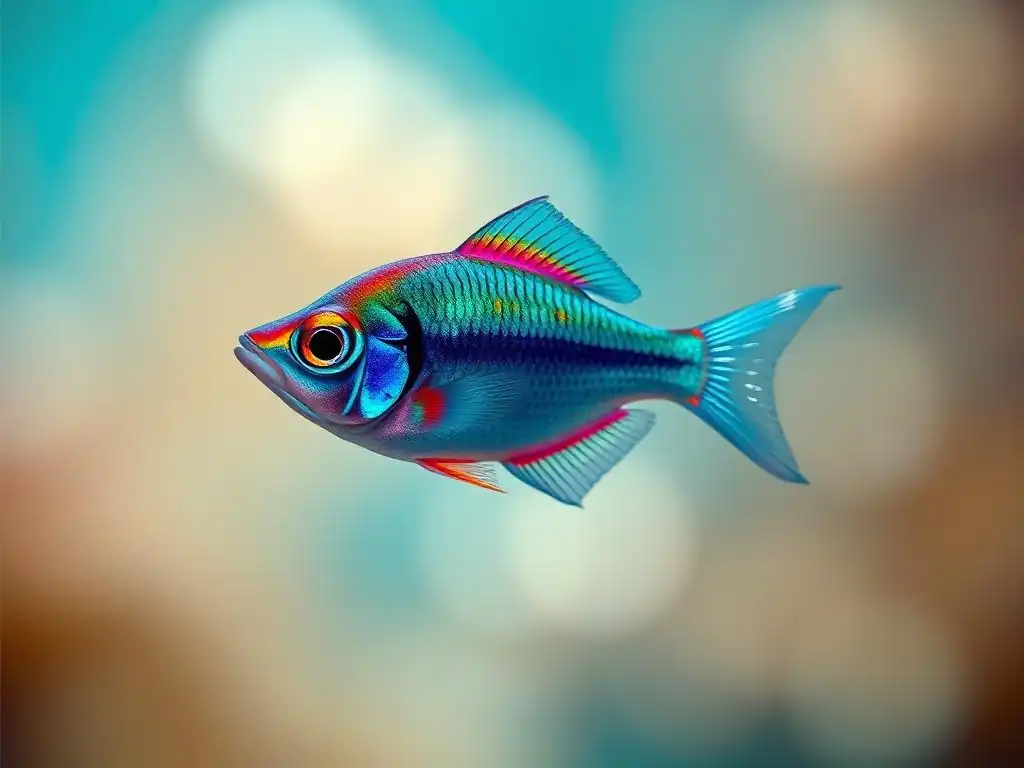
Breeding Head and Tail Light Tetras can be a rewarding experience for the dedicated aquarist, though it requires a separate, specialized setup. A small breeding tank, typically 5 to 10 gallons (19-38 liters), is ideal. This tank should be bare-bottomed to make it easier to locate and remove eggs, or it can contain a spawning mop or a dense clump of fine-leaved plants like Java Moss. These provide a substrate for the adhesive eggs to attach to and offer some protection from adult fish.
Lighting in the breeding tank should be dim, as tetra eggs are often light-sensitive. Filtration should be very gentle; an air-driven sponge filter is perfect as it provides necessary aeration and biological filtration without creating strong currents that could harm delicate eggs or fry. The water parameters should be softer and more acidic than general community tank conditions, ideally with a pH of 5.5-6.5 and a general hardness (GH) of 2-8 dGH, with a temperature slightly elevated to 78-80°F (26-27°C) to encourage spawning.
Encouraging Spawning and Caring for Fry
To encourage spawning, condition a healthy pair or a small group (e.g., two males to one female) of Head and Tail Light Tetras with a diet rich in live and frozen foods, such as bloodworms and brine shrimp, for several days prior to introducing them to the breeding tank. Introduce the selected fish into the breeding tank in the evening. Spawning typically occurs the following morning, with the fish scattering small, adhesive eggs among the plants or spawning mop.
Once spawning is observed, the adult fish should be promptly removed from the breeding tank to prevent them from consuming the eggs. The eggs usually hatch within 24-36 hours. The newly hatched fry are incredibly tiny and will initially feed on their yolk sacs. After a few days, when they become free-swimming, they require microscopic foods like infusoria or liquid fry food. As they grow, they can transition to newly hatched brine shrimp. Maintaining pristine water quality with small, frequent water changes (e.g., 10-15% daily) is crucial for fry survival, as they are highly sensitive to pollutants.
Advantages of Choosing Head and Tail Light Tetras
Hardy and Adaptable: Perfect for New Aquarium Keepers
One of the most significant advantages of Head and Tail Light Tetras is their remarkable hardiness and adaptability, making them an ideal choice for beginner aquarists. While all fish require proper light tetra care, these tetras are generally more forgiving of minor fluctuations in water parameters compared to some more delicate species. This resilience means they are less prone to stress and disease from small, inevitable learning curve mistakes that new fish keepers might encounter.
Their ability to thrive across a slightly broader range of water conditions, from slightly acidic to neutral pH and soft to moderately hard water, makes them suitable for many tap water chemistries with minimal adjustment. This adaptability, combined with their generally robust health, reduces the anxiety often associated with keeping sensitive fish and allows new hobbyists to focus on mastering fundamental light tetra care tips without constant worry about fragile inhabitants.
Active and Engaging: Adding Life to Your Aquarium
Despite their small size, Head and Tail Light Tetras are incredibly active and engaging fish that bring a dynamic energy to any freshwater aquarium. Their natural schooling behavior is particularly captivating; a group of 8-10 individuals will swim together in a coordinated fashion, creating a mesmerizing display of synchronized movement. This constant activity ensures there is always something interesting to observe in the tank, preventing it from looking static or empty.
Their subtle yet distinct "head and tail lights" become even more pronounced as they dart and weave through plants and decor, adding a shimmering effect that enhances the overall aesthetic of the aquarium. Unlike some shy species that spend most of their time hiding, Hemigrammus ocellifer are typically out and about, exploring their environment and interacting with their school, making them a vibrant and central feature of a well-maintained community tank.
Affordable and Easily Accessible: A Great Value Choice
Head and Tail Light Tetras are widely available in most pet stores and online aquatic retailers, making them incredibly accessible for anyone looking to start or expand their freshwater aquarium. Their common availability means that finding a healthy school is rarely an issue, and they are typically stocked year-round. This ease of access ensures that hobbyists can quickly acquire a sufficient number of individuals to establish a proper school, which is crucial for their well-being.
Furthermore, these charming fish are generally very affordable, especially when purchased in groups. This cost-effectiveness allows beginner aquarists to acquire a sizable school of 6-10 fish or more without a significant financial outlay. This makes them a great value choice, enabling new hobbyists to experience the joy of keeping a vibrant, schooling fish without breaking the bank, while still adhering to excellent light tetra care tips.
Troubleshooting Common Light Tetra Problems
Addressing Fin Nipping and Schooling Issues
While Head and Tail Light Tetras are generally peaceful, instances of fin nipping can sometimes occur within a school or towards other tank mates. If fin nipping is observed among the tetras themselves, it often indicates that the school size is too small. A group of fewer than 6-8 individuals can lead to increased stress and aggression as they lack the security of a larger school. Increasing the school size to at least 10 or more tetras will typically alleviate this, as aggression is dispersed among more individuals, and the fish feel more secure.
If fin nipping is directed at other tank mates, it usually points to an incompatibility issue with the chosen species. Long-finned or slow-moving fish are often targets. In such cases, the best solution is to re-evaluate the tank mates and consider rehousing the target fish or the tetras to a more appropriate community. Poor schooling behavior, where tetras appear scattered or isolated, can also be a sign of stress, often due to inadequate school size, aggressive tank mates, or poor water quality. Addressing these underlying light tetra care issues will usually restore their natural schooling instincts.
Dealing with Faded Colors and Lethargy
Faded colors and lethargy are common indicators of stress or illness in Head and Tail Light Tetras, and they warrant immediate investigation of your light tetra care practices. Faded coloration can be a direct result of poor water quality, particularly elevated levels of nitrates, or the presence of ammonia or nitrite. It can also signify an inadequate diet lacking essential nutrients, or chronic stress from unsuitable tank mates or an insufficient school size. The first step should always be to test the water parameters thoroughly.
Lethargy, characterized by reduced activity, spending time hiding, or hovering near the bottom or surface, is a serious sign. It often points to poor water conditions, disease, or insufficient oxygen. If water parameters are within acceptable ranges, observe for other symptoms of illness such as clamped fins, white spots, or labored breathing. Increase aeration if necessary, perform a partial water change, and consider adding a broad-spectrum medication if other signs of illness accompany the lethargy. Consistent and proactive light tetra care tips are crucial for preventing these issues.
Conclusion: Embracing the Beauty and Simplicity of Head and Tail Light Tetras
Recap of Key Light Tetra Care Requirements
The journey of keeping Head and Tail Light Tetras is both rewarding and relatively straightforward, especially for those new to the aquarium hobby. Success hinges on a few core light tetra care requirements: maintaining stable and pristine water parameters within their preferred ranges (temperature 72-78°F, pH 6.0-7.5), providing a spacious and well-planted environment of at least 10-15 gallons for a small school, and offering a diverse, high-quality diet. These fundamental principles ensure their health and vibrant display.
Equally important is ensuring they are kept in a peaceful community, ideally with a school of 8-10 individuals or more to foster their natural schooling behavior and reduce stress. Regular partial water changes and consistent monitoring of water quality are non-negotiable aspects of long-term light tetra care, preventing the buildup of harmful toxins and ensuring a healthy environment where these captivating "false neons" can truly thrive.
Encouragement for Beginner Aquarists Considering Light Tetras
For any beginner aquarist contemplating their first fish, or seeking a hardy yet beautiful addition to a community tank, the Head and Tail Light Tetra stands out as an exceptional choice. Their resilience, peaceful nature, and captivating schooling behavior make them incredibly forgiving and enjoyable to keep. They offer the aesthetic appeal of popular tetras without the demanding care requirements sometimes associated with more sensitive species.
Embracing the beauty and simplicity of Hemigrammus ocellifer can provide a truly fulfilling experience. They are a testament to how a well-cared-for school of these charming fish can transform an aquarium into a dynamic and living piece of art. With diligent application of these light tetra care tips, even a novice can enjoy a thriving and vibrant aquatic display, setting a solid foundation for continued success in the fascinating world of aquarium keeping.
Frequently Asked Questions
What are the key differences between Head and Tail Light Tetras and Neon Tetras?
Head and Tail Light Tetras, also known as Hemigrammus ocellifer, are often mistaken for Neon Tetras. However, Head and Tail Light Tetras have a distinct bright spot on their head and tail, while Neon Tetras have an iridescent blue stripe. They are also generally considered more hardy than Neon Tetras.
What type of aquarium setup is best for Head and Tail Light Tetras?
These tetras thrive in a well-established freshwater aquarium with plenty of plants and hiding places. They prefer a pH between 6.0 and 7.5 and a temperature between 72°F and 82°F. A dark substrate can help enhance their coloration.
What is the ideal diet for Head and Tail Light Tetras?
Head and Tail Light Tetras are omnivores and readily accept a variety of foods. Offer them a balanced diet of high-quality flake food, supplemented with small live or frozen foods like daphnia and brine shrimp.
How often should I perform water changes in a Head and Tail Light Tetra aquarium?
Regular water changes are crucial for maintaining a healthy environment. Aim for weekly water changes of 25-30% to remove accumulated nitrates and maintain stable water parameters. Monitor your water parameters regularly with a test kit.
Are Head and Tail Light Tetras compatible with other fish species?
Yes, Head and Tail Light Tetras are generally peaceful community fish that get along well with other similarly sized, non-aggressive species. Avoid keeping them with large or predatory fish. Ensure your tank is large enough to house all the species comfortably and provide adequate hiding spaces.
Final Reflection: Embracing the Subtle Glow
The journey into aquarium keeping, often perceived as complex, finds a welcoming entry point with the Head and Tail Light Tetra. Their resilience and captivating, yet understated, beauty make them an ideal choice for beginners, proving that the most rewarding experiences often begin with the simplest of steps. This article has aimed to illuminate the path to successful Light Tetra care, and its relevance extends beyond just fishkeeping; it's about fostering a sense of responsibility and appreciation for the delicate balance of nature, even within the confines of a glass tank.
The influence of these little fish extends beyond the aquarium hobby itself. Witnessing the subtle shimmer of their "false neon" can be a powerful reminder of the beauty that exists in simplicity, a stark contrast to the often overwhelming complexities of modern life. This appreciation for the understated, the easily overlooked, is a lesson that resonates far beyond the fish tank. In nature, nothing is perfect and everything is perfect. Trees can be contorted, bent in weird ways, and they're still beautiful.
- Alice Walker. This quote perfectly encapsulates the charm of the Head and Tail Light Tetra; their unassuming nature is precisely what makes them so captivating.
As you embark on, or continue, your aquarium journey, remember the lessons learned here. Let the Head and Tail Light Tetra be a reminder that patience, observation, and a genuine appreciation for the natural world are the keys to success, not just in fishkeeping, but in life itself.
Take the knowledge you've gained, apply these Light Tetra care tips, and create a thriving ecosystem, a small piece of natural beauty that you can nurture and enjoy for years to come. Let their gentle glow inspire you to find beauty in the everyday and to embrace the subtle wonders that surround us.
Ignite Your Aquarium Journey!
Thanks for diving into the world of Head and Tail Light Tetras with us! We hope you've discovered why these vibrant fish are a fantastic choice for beginner aquarists. Now, let's turn that knowledge into action!
Here's how you can continue your journey:
- Start planning your tetra tank today! Research compatible tank mates and begin setting up their perfect environment.
- Share this article with a fellow beginner aquarist to inspire their first foray into the hobby.
- Discover another hidden gem of the aquarium world by researching rare and unusual nano fish that are also beginner friendly.
What exciting additions will you be bringing to your aquarium next?