
Quarantine Protocol for New Gouramis: Protecting Your Existing Stock

Welcome to Aquarium Mastery!
Curious about protecting your existing aquarium inhabitants while introducing new gouramis? Unlocking the secrets to a successful quarantine is paramount, and our comprehensive guide on new gourami quarantine protocols provides the expert advice you need to ensure a healthy and harmonious aquatic environment. Dive in to discover the critical steps for safeguarding your tank and your beloved fish!
- Why a New Fish Quarantine Protocol is Essential for Aquarium Health
- Setting Up Your Quarantine Tank: A Step-by-Step Guide
- The Quarantine Process: A Detailed Timeline
- Identifying Common Fish Diseases During Quarantine
- Post-Quarantine Integration: Introducing Your Fish to the Main Tank
- Troubleshooting Common Quarantine Issues
- Frequently Asked Questions
- Final Reflection: The Vital Shield of Prevention
- Dive Deeper: Safeguard Your School!
Why a New Fish Quarantine Protocol is Essential for Aquarium Health
Preventing Disease Introduction: The Importance of Quarantine
Introducing any new aquatic inhabitant, especially new gouramis, without a proper quarantine protocol is akin to playing Russian roulette with your entire aquarium's health. Many fish, while appearing healthy, can be carriers of various pathogens, including bacteria, parasites, and fungi. These latent infections often become active under the stress of shipping, acclimation, and a new environment, leading to outbreaks that can devastate an established tank. A dedicated quarantine period provides a critical buffer, allowing you to observe, diagnose, and treat potential issues before they ever reach your main display tank.
For instance, common diseases like Ich (Ichthyophthirius multifiliis), often appear within 3-7 days of a fish experiencing stress. Without a quarantine tank, these parasites could rapidly spread to every fish in your main aquarium, including long-term residents that might be more susceptible to severe illness. Implementing a robust new gourami quarantine protocol is paramount for isolating these threats, ensuring that any new fish added to your collection is truly healthy and ready to join your existing community without posing a biological risk.
Protecting Existing Fish: Minimizing Risks with a Strict Quarantine Regimen
The primary goal of a strict quarantine regimen is to safeguard your established fish population from potential infections carried by new arrivals. Your existing fish have developed immunity to pathogens present in their environment, but they are often highly vulnerable to new strains or completely different diseases. Introducing an infected gourami could lead to widespread illness, significant financial loss due to fish fatalities, and the stress of medicating an entire display tank, which can harm beneficial bacteria and live plants.
Consider a scenario where a new Pearl Gourami carries Columnaris (cottonmouth disease). Without quarantine, this highly contagious bacterial infection could quickly spread throughout your main tank, affecting fish that have never been exposed to it. The cost of treating an entire 50-gallon community tank, including medication and potential fish loss, far outweighs the minimal effort and expense of setting up a temporary 10-gallon quarantine tank. A well-executed gourami health quarantine strategy minimizes these risks, ensuring the long-term well-being and stability of your aquatic ecosystem.
Setting Up Your Quarantine Tank: A Step-by-Step Guide
Choosing the Right Quarantine Tank Size: Considering Fish Size and Number
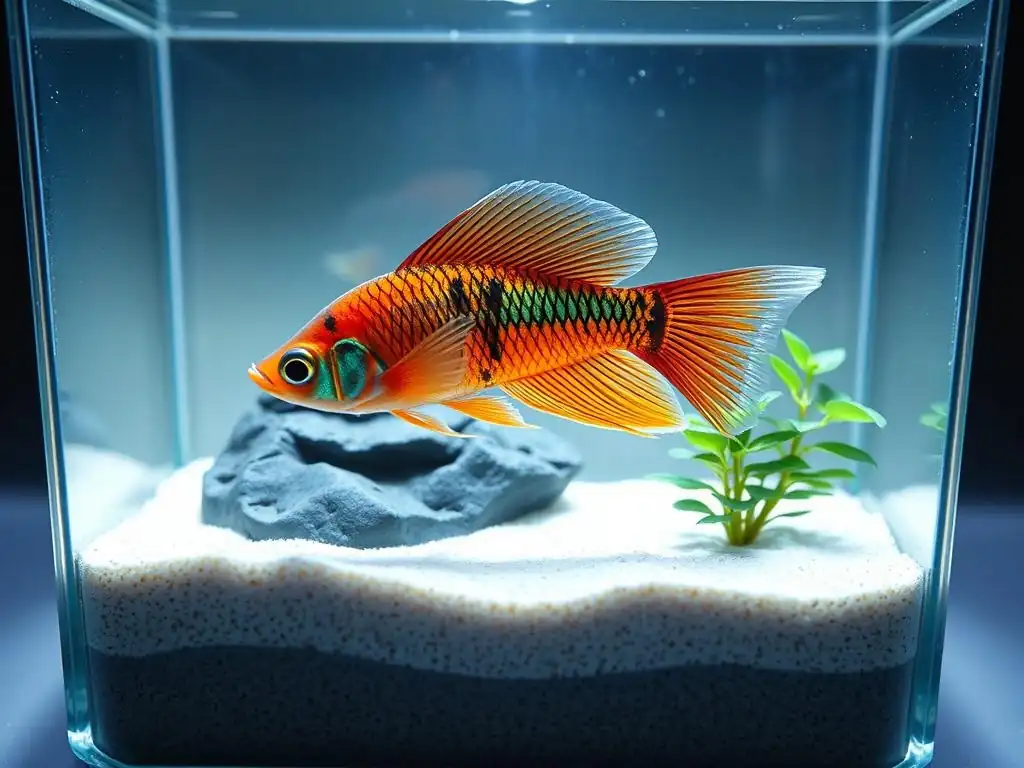
Selecting an appropriately sized quarantine tank is crucial for the well-being of your new gouramis during their isolation period. For most dwarf gouramis (e.g., Dwarf Gourami, Honey Gourami) or a single Pearl Gourami, a 5-10 gallon aquarium is often sufficient. If you plan to quarantine multiple smaller gouramis or a larger species like a Kissing Gourami, a 15-20 gallon tank would be more suitable to prevent overcrowding and reduce stress, which can suppress their immune systems. Overcrowding can quickly lead to poor water quality and increased aggression among new tank mates, exacerbating potential health issues.
The size also needs to accommodate any necessary equipment and allow for easy observation. A tank that is too small will make it difficult to maintain stable water parameters, especially ammonia and nitrite levels, which are critical for fish health. Aim for a tank that provides at least 2-3 gallons per inch of adult fish length, ensuring adequate swimming space and dilution of waste products during the new gourami quarantine protocol.
Essential Equipment for a Quarantine Tank: Heater, Filter, and Air Stone
A basic yet effective quarantine tank setup requires specific equipment to maintain a stable and healthy environment. First, a reliable heater is indispensable to keep the water temperature consistent, typically between 75-82°F (24-28°C), which is ideal for most gouramis and can also accelerate the lifecycle of some parasites, making them easier to treat. An adjustable thermostat heater is preferred for precise control.
Secondly, a small hang-on-back (HOB) filter or a sponge filter is essential for mechanical and biological filtration. Sponge filters are particularly advantageous as they are gentle, easy to clean, and can be pre-cycled in your main tank for a few weeks to establish beneficial bacteria, providing instant biological filtration. Lastly, an air stone connected to an air pump is vital for ensuring adequate oxygenation, especially if medications are used, as some treatments can deplete oxygen levels. These components collectively create a stable environment conducive to the recovery and observation of your new gouramis.
Water Parameters for Quarantine: Maintaining Optimal Conditions
Maintaining stable and optimal water parameters is just as critical in a quarantine tank as it is in your main aquarium, if not more so, given the stress new fish often experience. For most gouramis, target a pH range of 6.5-7.5, a general hardness (GH) of 5-15 dGH, and a carbonate hardness (KH) of 3-8 dKH. Ammonia and nitrite levels must remain at 0 ppm, while nitrates should be kept below 20 ppm. Regular water changes, often 25-50% every 2-3 days, are crucial to manage waste products, especially in a smaller, uncycled quarantine tank.
It is highly recommended to use a reliable liquid test kit to monitor these parameters daily. Fluctuations in water chemistry can severely stress new gouramis, making them more susceptible to disease and hindering their recovery. Ensuring consistent parameters throughout the quarantining new gouramis process is a cornerstone of successful integration into your main tank.
The Quarantine Process: A Detailed Timeline
Day 1-7: Observation and Initial Assessment of New Fish
The first week of quarantine is primarily dedicated to intensive observation and initial assessment of your new gouramis. Upon arrival, carefully acclimate them to the quarantine tank water temperature and chemistry using a drip acclimation method, slowly introducing the tank water to their transport bag over 30-60 minutes. Once introduced, observe their behavior, swimming patterns, and physical appearance closely for at least 3-4 times a day.
During this period, feed sparingly with high-quality flakes or pellets, ensuring they are eating. Note any unusual behavior such as hiding excessively, rapid gill movement, clamped fins, or refusal to eat. This initial phase is crucial for detecting early signs of stress or illness without the immediate need for medication, allowing their immune systems to recover from the transport shock.
Monitoring for Common Fish Diseases: Ich, Fin Rot, and Velvet
During the first week, be vigilant for the tell-tale signs of common freshwater fish diseases. Ich, or white spot disease, manifests as small, salt-like white spots scattered over the body and fins. Fin rot, a bacterial infection, appears as ragged, frayed, or disintegrating fins, sometimes with a red or white edge. Velvet disease, caused by dinoflagellates, presents as a dusty, yellowish-brown coating on the fish's body, often accompanied by scratching against tank decor.
- Ich: Small, distinct white spots (like salt grains).
- Fin Rot: Frayed, disintegrating fins; sometimes red or white edges.
- Velvet: Fine, dusty, yellowish-brown coating; often causes fish to "flash" or rub against surfaces.
If any of these symptoms appear, note the exact date and observed symptoms. Early detection is key to successful treatment and preventing severe progression.
Assessing Fish Behavior: Identifying Signs of Stress or Illness
Beyond physical symptoms, observing the behavior of your new gouramis provides vital clues about their health. Healthy gouramis should be curious, actively exploring their environment, and readily accepting food. Signs of stress or illness include:
- Lethargy: Spending excessive time at the bottom of the tank or near the surface, with minimal movement.
- Clamped Fins: Fins held tight against the body, not fanned out naturally.
- Loss of Appetite: Refusal to eat, spitting out food, or showing no interest in feeding.
- Erratic Swimming: Darting, spiraling, or swimming upside down.
- Gasping at Surface: Indicating low oxygen levels or gill issues.
- Hiding Constantly: While some hiding is normal, excessive hiding suggests discomfort.
A comprehensive assessment of both physical and behavioral indicators during this initial week helps determine the next steps in your new gourami quarantine protocol.
Day 8-14: Gradual Medication (If Necessary) and Continued Observation
If, after the initial observation period, your new gouramis exhibit clear signs of illness, the second week is typically when medication is introduced. It's crucial to correctly identify the disease before administering treatment, as broad-spectrum medications can be stressful and unnecessary if the diagnosis is incorrect. For example, if Ich is confirmed, a medication containing malachite green or formalin might be used. For bacterial infections like fin rot, an antibiotic like erythromycin or furan-2 might be appropriate.
Continue daily observations, noting any changes in symptoms or behavior. If no signs of disease have appeared by Day 7, some aquarists opt for a prophylactic treatment with a broad-spectrum anti-parasitic medication, such as one containing metronidazole and praziquantel, to address internal parasites or less obvious external parasites. This step is optional but can add an extra layer of security, especially if the source of the fish is unknown or historically problematic. Always follow medication instructions precisely regarding dosage and duration.
When to Medicate: Recognizing Symptoms and Choosing Appropriate Treatments
Medication should only be administered when a specific disease is identified or when a prophylactic treatment is chosen based on a calculated risk assessment. Avoid medicating "just in case" without a clear purpose, as all medications can stress fish and impact water quality. For instance, if you observe white spots consistent with Ich, begin treatment with an Ich-specific medication. If you see signs of bacterial infection like fin rot or body sores, select an antibacterial agent.
It is vital to research the specific medication, understanding its active ingredients, proper dosage, and potential side effects. Always remove activated carbon from the filter before medicating, as it will absorb the medication, rendering it ineffective. Perform necessary water changes before re-dosing if required, ensuring the water quality remains high during treatment.
Safe Medication Practices: Dosage and Administration
Safe medication practices are paramount to ensure the effectiveness of the treatment and the well-being of your gouramis. Always read and strictly follow the manufacturer's instructions for dosage and duration. Overdosing can be fatal, while underdosing can lead to resistant pathogens. For example, a typical dose for an Ich treatment might be 1 drop per gallon for a specific product, repeated every 24 hours after a partial water change for 3-5 days.
Administer medication slowly and evenly into the tank water, ensuring good dispersal. Monitor your fish closely for any adverse reactions to the medication itself, such as increased stress, rapid breathing, or loss of appetite. If severe adverse reactions occur, perform an immediate partial water change (50% or more) and consider discontinuing the medication or seeking professional advice. Maintaining pristine water quality with frequent small water changes, especially during treatment, is critical for fish recovery.
Day 15-30: Final Observation and Preparation for Introduction
By the third and fourth weeks, if no diseases have manifested or if treatments have been successfully completed and the fish appear fully recovered, the focus shifts to final observation and preparation for introduction to the main tank. Continue to feed a varied diet and observe for any subtle signs of lingering illness or stress. This extended period ensures that even slow-developing diseases have time to appear and be addressed, and that the fish have fully recovered from any previous treatments.
Before moving the gouramis, ensure they are active, eating well, and exhibiting their natural behaviors. The water parameters in the quarantine tank should match those of the main tank as closely as possible to minimize shock during transfer. This phase is crucial for confirming the long-term health and vigor of your new gouramis before they join your established community.
Confirming Health and Vigor: Ensuring Fish are Disease-Free
To confirm your gouramis are truly disease-free and ready for transfer, look for the following indicators:
- Clear Skin and Fins: No spots, lesions, frayed edges, or unusual discoloration.
- Bright Eyes: Not cloudy or sunken.
- Active and Alert: Swimming normally, not lethargic or hiding excessively.
- Good Appetite: Eagerly accepting food and eating consistently.
- Normal Gills: No rapid breathing, redness, or swelling.
- Proper Waste: Solid, dark feces, indicating healthy digestion.
If any of these signs are not met, extend the quarantine period and reassess. A truly successful new gourami quarantine protocol means absolute certainty about the fish's health before introduction.
Gradual Acclimation to the Main Tank: Minimizing Stress During Transfer
Once you are confident in the health of your gouramis, the final step is to gradually acclimate them to the main tank to minimize stress. Turn off the main tank lights for a few hours before and after introduction to reduce aggression from existing fish. Use a drip acclimation method again, slowly adding water from the main tank to the gouramis' transport container over 30-60 minutes until the water parameters equalize.
Carefully net the gouramis and introduce them to the main tank, discarding the quarantine tank water. Avoid pouring quarantine water into your main tank, as it may contain residual medications or low levels of pathogens. Continue to observe your newly introduced gouramis and existing fish closely for the next few days for any signs of stress or aggression.
Identifying Common Fish Diseases During Quarantine
Recognizing Ich (White Spot Disease): Symptoms and Treatment
Ich, caused by the parasite Ichthyophthirius multifiliis, is one of the most common and recognizable fish diseases. Symptoms include small, distinct white spots resembling grains of salt, typically appearing on the fins, body, and gills. Infected fish may also exhibit rapid breathing, clamped fins, and "flashing" or rubbing their bodies against tank surfaces due to irritation. The lifecycle of Ich is temperature-dependent; higher temperatures (e.g., 82-84°F or 28-29°C) can accelerate its progression, making it easier to treat as the parasite leaves the fish to reproduce.
Treatment for Ich typically involves elevating the water temperature (if appropriate for the fish and tank) to 82-84°F over 24 hours, combined with anti-parasitic medications containing malachite green or formalin. Follow the specific product instructions for dosage and duration, often involving daily treatments after partial water changes for 3-7 days. Ensuring good aeration is crucial during treatment, as some medications can reduce oxygen levels.
Diagnosing Velvet Disease: Prevention and Control
Velvet disease, caused by Oodinium parasites, is less common than Ich but equally dangerous. It presents as a fine, dusty, yellowish-brown, or gold coating on the fish's skin, often best seen under a flashlight held at an angle. Affected gouramis may also show rapid gill movement, clamped fins, lethargy, loss of appetite, and "flashing." The parasitic stage on the fish is short-lived, making early detection and treatment critical.
Treatment for Velvet involves darkening the tank by turning off lights for several days, as the parasite is photosynthetic. This is combined with medications containing copper sulfate or acriflavine. Dosage must be precise, as copper can be toxic to fish and invertebrates. Water changes and gravel vacuuming are also important to remove free-swimming parasites. Maintaining stable, clean water parameters and avoiding stress are key preventative measures against Oodinium.
Treating Fin Rot: Early Detection and Effective Remedies
Fin rot is a bacterial infection, often caused by Aeromonas, Pseudomonas, or Flexibacter bacteria, which are typically opportunistic and prey on fish stressed by poor water quality or injury. Symptoms include frayed, ragged, or disintegrating fins, which may appear opaque, white, or red at the edges. In severe cases, the entire fin can be eaten away, and the infection can spread to the body, causing sores.
Early detection is crucial for successful treatment. The first step is to improve water quality immediately through large, frequent water changes (e.g., 50% daily). If the infection is mild, pristine water conditions alone may be sufficient for recovery. For more advanced cases, antibacterial medications containing erythromycin, furan-2, or oxytetracycline are often effective. Always remove activated carbon during treatment and ensure adequate aeration.
Identifying Fungal Infections: Symptoms and Treatment
Fungal infections, primarily caused by Saprolegnia and Achlya species, typically appear as white, cotton-like growths on the fish's skin, fins, or mouth. These infections are usually secondary, meaning they attack fish that are already weakened by stress, poor water quality, or injury. The cottony patches may spread rapidly and can resemble a tuft of cotton wool.
Treatment involves addressing the underlying cause (e.g., improving water quality, reducing stress) and using antifungal medications. Common treatments include methylene blue dips, or medications containing phenoxyethanol or malachite green. It's important to differentiate fungal infections from Columnaris, which can also appear cottony but is bacterial. Fungal growth tends to be more outwardly fluffy, while Columnaris often presents as a more cohesive "saddleback" lesion or mouth rot.
Post-Quarantine Integration: Introducing Your Fish to the Main Tank
Gradual Introduction Techniques: Minimizing Stress and Aggression
After a successful new gourami quarantine protocol, the final step is to introduce your healthy gouramis to the main display tank. To minimize stress and potential aggression from existing inhabitants, several techniques can be employed. Firstly, dim the lights in the main tank for several hours before and after introduction. This reduces visibility and can calm both new and existing fish. Secondly, rearrange some decorations in the main tank slightly. This creates new territories, forcing existing fish to re-establish their dominance and diverting their attention from the new arrivals.
Another effective method is to introduce the new gouramis just before feeding time. Distributing food simultaneously can distract existing fish and associate the new arrivals with a positive event. For particularly aggressive tank mates, a "fish in a bag" method can be used, where the new gouramis are kept in a clear, water-filled bag floating in the main tank for a few hours. This allows existing fish to see them without direct interaction, gradually accustoming them to the new presence.
Monitoring for Signs of Stress After Introduction: Observing Fish Behavior
Even after careful acclimation and introduction, it's crucial to closely monitor your gouramis and the existing fish for the first few days to a week. Look for any signs of stress in the new gouramis, such as clamped fins, hiding excessively, rapid breathing, or refusal to eat. Also, observe the behavior of your existing fish for undue aggression towards the newcomers, such as chasing, nipping fins, or constant harassment.
If severe aggression is observed, be prepared to intervene. This might involve adding more hiding spots, separating the aggressor, or even removing the new gouramis temporarily back to the quarantine tank if their lives are at risk. A healthy integration means all fish are calm, active, and feeding normally within a few days.
Maintaining a Healthy Aquarium Environment: Preventing Future Disease Outbreaks
The best defense against future disease outbreaks, even after a successful gourami health quarantine, is maintaining a consistently healthy aquarium environment. This includes performing regular weekly or bi-weekly water changes (e.g., 25-30% of tank volume), ensuring all water parameters (ammonia, nitrite, nitrate, pH, temperature) remain stable and within optimal ranges for your fish species. Overfeeding should be avoided, as it leads to excess waste and poor water quality.
Regularly clean filter media and tank decorations, but avoid over-cleaning or replacing all filter media at once, which can disrupt beneficial bacterial colonies. Providing a balanced, high-quality diet and adequate tank space for all inhabitants also contributes significantly to their immune system strength and overall resilience against pathogens. A well-maintained tank is the cornerstone of preventing stress-induced illnesses and ensuring a thriving aquatic community.
Troubleshooting Common Quarantine Issues
Fish Refusal to Eat During Quarantine: Causes and Solutions
It is not uncommon for new gouramis to refuse food during the initial days of quarantine. This is often a direct result of stress from transport, acclimation to a new environment, and the confinement of a smaller tank. Poor water quality (e.g., high ammonia, nitrite) can also suppress appetite. Less frequently, it could be an early sign of an internal parasite or other illness.
To encourage feeding, first ensure water parameters are pristine. Offer a variety of high-quality foods, such as small flakes, pellets, frozen bloodworms, or brine shrimp, at different times of the day. Try turning off tank lights and leaving the room for 15-20 minutes after offering food, as some fish are shy eaters. If refusal persists beyond 3-5 days, consider adding a small amount of garlic guard to the food to enhance palatability or exploring potential underlying health issues.
Cloudy Water in the Quarantine Tank: Addressing Water Quality Issues
Cloudy water in a quarantine tank is a common issue, often indicative of a bacterial bloom or suspended particulate matter. A bacterial bloom, characterized by milky white cloudiness, usually occurs in newly set up, uncycled tanks where beneficial bacteria are not yet established to process ammonia and nitrite. Overfeeding and insufficient filtration can exacerbate this. Green cloudy water suggests an algal bloom due to excess light and nutrients.
To address cloudy water:
- Perform a large water change: 50% or more, using dechlorinated water.
- Reduce feeding: Feed very sparingly, only what the fish consume in 2 minutes.
- Ensure adequate filtration: Check filter media for clogs; if using a sponge filter, ensure good airflow.
- Increase aeration: An air stone can help with oxygenation and surface agitation.
- Test water parameters: Confirm ammonia and nitrite are at 0 ppm. If not, continue daily water changes until they stabilize. Using a beneficial bacteria supplement can help cycle the tank faster.
Stressed Fish Behavior During Quarantine: Reducing Stress Factors
New gouramis often exhibit stress behaviors during quarantine, such as hiding, rapid breathing, clamped fins, or swimming erratically. These are natural responses to a new and unfamiliar environment. High stress levels can suppress their immune systems, making them more vulnerable to disease.
To reduce stress factors:
- Provide Hiding Spots: Add PVC pipes, artificial plants, or small ceramic caves to offer security.
- Maintain Stable Parameters: Consistent temperature, pH, and zero ammonia/nitrite are paramount.
- Dim Lighting: Keep the quarantine tank lighting subdued, or use ambient room light.
- Minimize Disturbances: Avoid sudden movements or loud noises near the tank.
- Limit Tank Mates: Quarantine a single fish or a small, compatible group to prevent aggression.
- Add Indian Almond Leaves: These release tannins which can have calming and mild antiseptic properties, mimicking natural blackwater conditions that many gouramis prefer.
Frequently Asked Questions
How long should I quarantine a new gourami?
A new gourami should be quarantined for a minimum of 4-6 weeks to observe for any signs of illness. This allows ample time to identify and treat potential diseases or parasites before introducing them to your established aquarium.
Why is quarantine so important for gouramis specifically?
Gouramis, like many fish, can carry latent diseases that may not be immediately apparent. Quarantine helps prevent these diseases from spreading to your existing fish, protecting your entire aquarium's health.
What signs should I look for during the quarantine period?
Observe your new gourami for any abnormal behavior, such as lethargy, fin clamping, or erratic swimming. Also, check for physical symptoms like white spots, ulcers, or unusual growths.
What size quarantine tank is appropriate for a gourami?
A 10-20 gallon tank is generally sufficient for quarantining a single gourami, depending on the size of the fish. Be sure the tank is properly cycled and equipped with a filter and heater.
What treatments should I have on hand during quarantine?
Having broad-spectrum medications for common fish diseases and parasites is recommended. Also, keep water testing kits to monitor water quality and ensure a healthy quarantine environment.
Okay, here's a final reflection you can use to close your article, formatted in Markdown and tailored to the topic of quarantining new gouramis:
Final Reflection: The Vital Shield of Prevention
The meticulous process of establishing a new gourami quarantine protocol isn't just about following steps; it's about safeguarding an entire aquatic ecosystem. In a world increasingly aware of interconnectedness and the fragility of ecosystems, understanding and implementing these protocols is more crucial than ever to prevent the spread of disease and protect the health of our beloved fish.
This practice has profoundly influenced the aquarium hobby, fostering a deeper sense of responsibility among aquarists. The peace of mind that comes from knowing you've taken every precaution to protect your existing fish is invaluable, and it underscores the ethical dimension of fishkeeping. An ounce of prevention is worth a pound of cure,
a sentiment that resonates deeply when considering the potential devastation a single infected fish can unleash upon a thriving aquarium.
Now, as you consider bringing new gouramis into your home, remember that the quarantine protocol is more than just a checklist; it's an act of care, a commitment to the well-being of your aquatic companions. Embrace this practice, not as a burden, but as an opportunity to ensure a healthy and vibrant future for your entire aquarium family. Let's all strive to be responsible aquarists, protecting our fish and the delicate ecosystems they inhabit.
Dive Deeper: Safeguard Your School!
Thank you for taking the time to learn about protecting your gouramis! We hope this article has empowered you with the knowledge to ensure a healthy aquarium environment. Now, let's put that knowledge into action.
Here are some key steps you can take to safeguard your aquatic companions:
- Implement a strict quarantine protocol for all new gouramis. This is the single most crucial step in preventing disease outbreaks in your established tank.
- Share this article with fellow aquarium enthusiasts! Knowledge is power, especially when it comes to responsible fishkeeping.
- Research specific diseases common to gouramis and their symptoms. Early detection is key to successful treatment.
What specific quarantine method do you find most effective in preventing the spread of disease in your aquarium?