
Featherfin Hybrids: What You Need to Know

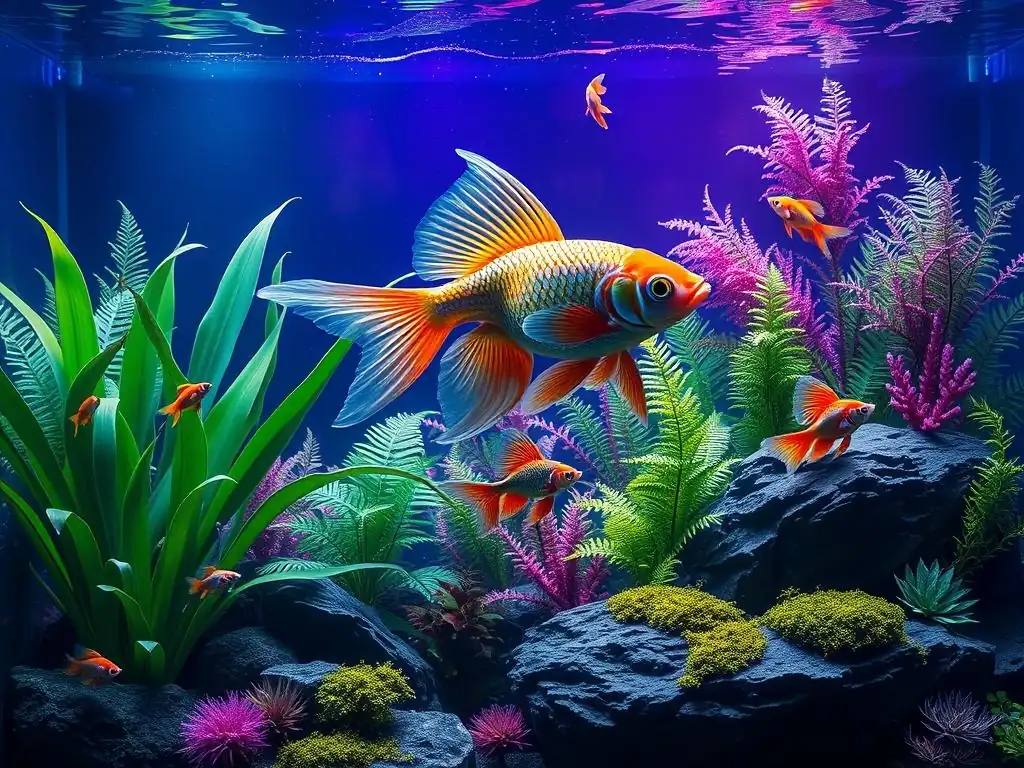
Welcome to Aquarium Mastery!
Ever wondered if you're really giving your Featherfin hybrid the care it deserves? Delve into the fascinating world of these unique fish and unlock the secrets to thriving Featherfin hybrid aquarium care. Discover everything you need to know about their specific needs, from ideal tank conditions to compatible tank mates. Keep reading to unravel the mysteries and ensure your Featherfin hybrid lives a long and healthy life!
- Featherfin Cichlids: Aquarium Care and Hybridization
- Understanding Featherfin Cichlids
- Identifying Featherfin Cichids and Hybrids
- Aquarium Care for Featherfin Cichlids
- Feeding Featherfin Cichlids
- Tank Mates for Featherfin Cichlids
- Breeding Featherfin Cichlids
- Common Health Issues in Featherfin Cichlids
- Purchasing Featherfin Cichlids
- Aquarium Setup Guide
- Conservation
-
Frequently Asked Questions
- What exactly is a Featherfin Hybrid, and why is it important to understand their specific needs?
- How does Featherfin Hybrid aquarium care differ from caring for a purebred Featherfin Catfish?
- What are the key water parameters to monitor when maintaining a Featherfin Hybrid aquarium?
- What type of tank setup is recommended for a Featherfin Hybrid, considering their potential size and behavior?
- What are some common health issues to watch out for in Featherfin Hybrids, and how can they be prevented?
- Final Reflection: Embracing the Unique Beauty of Featherfin Hybrids
- Dive Deeper: Transform Your Tank Today!
Featherfin Cichlids: Aquarium Care and Hybridization
Understanding Featherfin Cichlids
What are Featherfin Cichlids?
Featherfin cichlids, primarily belonging to the genera Cyprichromis and Paracyprichromis, are slender, schooling fish native to the vast depths of Lake Tanganyika in East Africa. These fascinating cichlids are renowned for their elongated, torpedo-shaped bodies, large eyes, and, most notably, the elaborate fin extensions sported by the males, which resemble delicate feathers. They typically inhabit the open water column, often congregating in massive schools numbering in the thousands, feeding on zooplankton.
Commonly kept species in the aquarium hobby include Cyprichromis leptosoma, known for its various geographical color morphs like "Moba" and "Utinta," and Cyprichromis microlepidotus, which features even more extended finnage. These fish are generally peaceful and occupy the upper and middle water levels of an aquarium, making them a unique addition compared to bottom-dwelling or rock-dwelling Tanganyikan cichlids. Their natural behavior of schooling and their graceful movements make them a captivating subject for dedicated aquarists.
Featherfin Cichlid Hybridization in Aquariums
Hybridization in Featherfin cichlids occurs when different species or distinct geographical variants of Cyprichromis interbreed, producing offspring with mixed genetic traits. This phenomenon is surprisingly common in the aquarium hobby, often due to a lack of awareness or misidentification of species by hobbyists or even retailers. The resulting hybrid offspring frequently exhibit a blend of parental characteristics, which can manifest as duller coloration, less defined patterns, or even distorted finnage compared to their purebred counterparts.
The primary concern with Featherfin hybrid aquarium care is the dilution of genetic purity within the hobby. Pure strains, especially those from specific collection points in Lake Tanganyika, hold significant value for their unique genetic makeup and distinct beauty. When hybrids are unknowingly bred and circulated, they can reduce the availability of pure, genetically sound fish, potentially impacting future breeding efforts and the overall integrity of the species within captive populations.
Causes of Hybridization
Several factors contribute to the hybridization of Featherfin cichlids in home aquariums. One leading cause is the simple misidentification of species or geographical variants. A hobbyist might acquire what they believe are two distinct species of Cyprichromis, only to find they are closely related variants that readily interbreed, such as mixing Cyprichromis leptosoma "Moba" with Cyprichromis leptosoma "Utinta." Without precise knowledge of their origins and specific characteristics, such accidental pairings are inevitable.
Another significant factor is the limited space within typical home aquariums compared to their vast natural habitat. In smaller tanks, if a single species group does not have enough individuals or a balanced male-to-female ratio, males may attempt to breed with females of a different Cyprichromis species or variant present in the tank. This forced proximity, combined with the innate drive to reproduce, often leads to hybridization, particularly when no conspecific mates are readily available.
Identifying Featherfin Cichids and Hybrids
Identifying Featherfin Cichlids
Identifying pure Featherfin cichlids requires close attention to their specific morphological features, coloration patterns, and geographical origin. Each Cyprichromis species and even distinct collection points within a species (e.g., Cyprichromis leptosoma "Moba" versus "Kigoma") exhibit unique characteristics. For instance, Cyprichromis leptosoma "Moba" males are famous for their brilliant blue bodies and striking yellow ventral and anal fins, while Cyprichromis sp. "Jumbo" from Kitumba displays a vibrant yellow body with a distinctive black dorsal fin.
Observing the fin structure, particularly the dorsal, anal, and caudal fins of males, is crucial. Pure males will have well-defined, often elongated and pointed fins, with specific ray counts and coloration patterns unique to their species or variant. Understanding the precise locality from which a fish originates also helps in confirming its purity, as different populations within the same species can have subtle but distinct visual cues.
Identifying Hybrid Featherfin Cichlids
Identifying hybrid Featherfin cichlids often involves recognizing a deviation from the established characteristics of pure species. Hybrids typically display an intermediate blend of traits from their parent species, resulting in patterns or colorations that do not align with any known pure form. For example, a hybrid might exhibit a washed-out or muddy coloration that lacks the vibrancy and distinctness of a pure Cyprichromis leptosoma or microlepidotus. Their finnage might also appear less refined, with irregular shapes or a lack of the characteristic elongation seen in pure males.
Furthermore, the behavioral patterns of hybrids can sometimes be less predictable than pure species. While this is less of a visual cue, it can be an indicator in a breeding setup. The most telling signs, however, remain the visual discrepancies: a hybrid might have an odd mix of colors, such as a dull blue body with hints of yellow in unusual places, or fin shapes that are neither fully one species nor the other, indicating a genetic mix.
Fin Morphology
Fin morphology is a critical aspect when distinguishing pure Featherfin cichlids from hybrids. Pure Cyprichromis males are celebrated for their spectacular finnage, which is often elongated, pointed, and beautifully colored. For instance, Cyprichromis microlepidotus males are known for their exceptionally long caudal fin streamers, sometimes extending to twice the length of their body, alongside flowing dorsal and ventral fins. In contrast, Cyprichromis leptosoma males, while still possessing elegant fins, typically have shorter caudal extensions and a more rounded, less streamer-like appearance to their dorsal and anal fins.
When hybridization occurs, these defining fin characteristics often become muddled. A hybrid might display fins that are unusually short for one parent species, or irregularly shaped, lacking the symmetrical elegance of pure strains. The coloration on the fins can also be indicative; instead of the crisp, vibrant colors seen in pure fish, hybrids might have duller, patchy, or indistinct color patterns on their fins, failing to match the specific markings of any known pure species. This lack of precise definition in fin structure and color is a strong indicator of Featherfin hybrid aquarium care concerns.
Body Shape and Coloration
The body shape and coloration are primary indicators for identifying pure Featherfin cichlids and distinguishing them from hybrids. Pure Cyprichromis species maintain a distinctive torpedo-shaped, elongated body, perfectly adapted for their open-water, schooling lifestyle. Each species and geographical variant boasts unique and often stunning coloration. For example, Cyprichromis leptosoma "Moba" males are characterized by their iridescent blue bodies with vibrant yellow ventral and anal fins, while Cyprichromis sp. "Jumbo" from Kitumba exhibits a striking golden-yellow body with a prominent black dorsal fin. These colors are typically intense, well-defined, and consistent within a specific pure strain.
In contrast, hybrid Featherfin cichlids often exhibit a blending or dilution of these distinct color patterns. A hybrid might display a muted or "muddy" combination of colors from its parent species, lacking the sharp definition and vibrancy of a pure specimen. For instance, a hybrid might have an indistinct blue-grey body with faint, irregular yellow patches, failing to replicate the clear, strong hues of its pure lineage. The body shape, while generally still elongated, might also show subtle deviations, such as a slightly stockier build or less streamlined profile, further hinting at mixed genetics.
Aquarium Care for Featherfin Cichlids
Tank Size Requirements
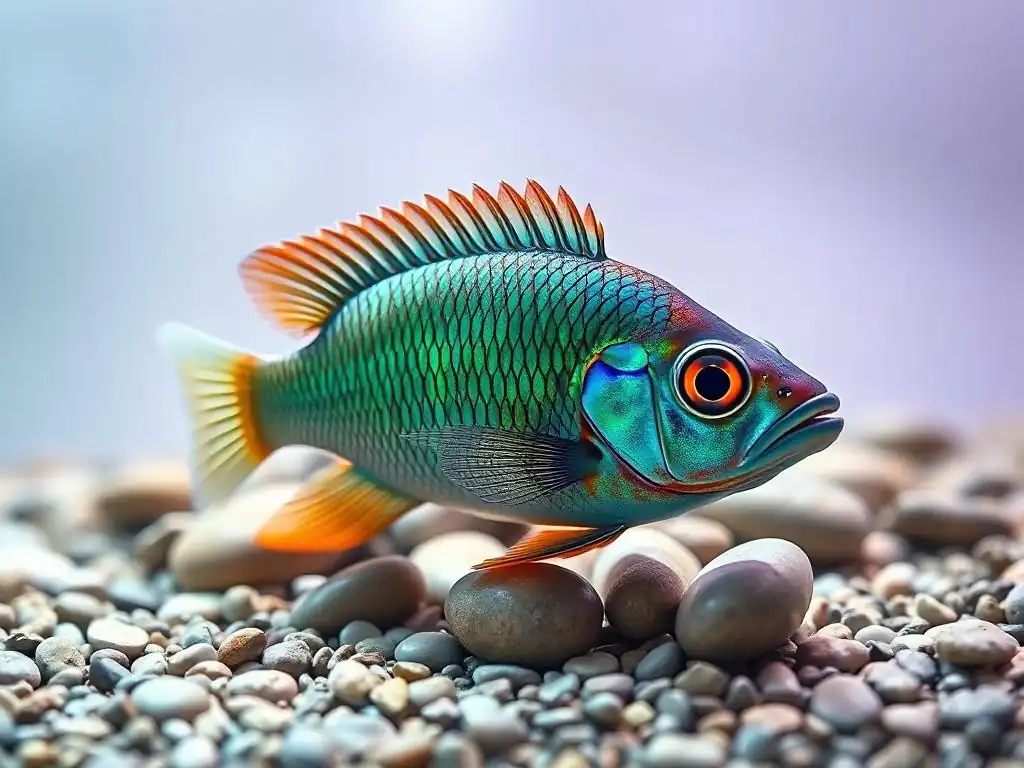
Featherfin cichlids are active, schooling fish that require ample swimming space to thrive and exhibit their natural behaviors. For a small group of 6-8 individuals, a minimum tank size of 75 gallons (approximately 280 liters) is generally recommended. This allows sufficient room for them to school freely and for males to establish small territories without excessive aggression. However, for a truly thriving colony, especially if you plan to keep multiple males or a larger group, a tank of 125 gallons (approximately 470 liters) or more is highly advisable.
Larger tanks are crucial for several reasons. They provide more stable water parameters, reduce the likelihood of aggression among males, and allow for the formation of natural schooling structures, which is vital for their well-being. A wider tank footprint is often more beneficial than a taller one, as it provides more lateral swimming space, mimicking their open-water habitat in Lake Tanganyika. Adequate space is a cornerstone of proper Featherfin hybrid aquarium care, even for pure strains.
Water Parameters
Maintaining precise and stable water parameters is paramount for the health of Featherfin cichlids, as they are highly sensitive to fluctuations. These fish originate from Lake Tanganyika, which is characterized by very specific conditions. The water temperature should be kept consistently between 75-80°F (24-27°C). The pH level is critically important, ideally ranging from 7.8 to 9.0, reflecting the highly alkaline nature of their natural environment.
Furthermore, the water in Lake Tanganyika is exceptionally hard, so the general hardness (dGH) in the aquarium should be maintained between 10-20 dGH. Regular water changes, typically 25-30% weekly, are essential to keep nitrates low and replenish vital minerals. Using a high-quality water conditioner and, if necessary, buffering agents specifically designed for Tanganyikan cichlids can help maintain these crucial parameters consistently.
Filtration
Given their active nature and the need for pristine water conditions, robust and efficient filtration is indispensable for Featherfin cichlids. A high-quality filtration system should incorporate mechanical, biological, and chemical media to effectively remove particulate matter, convert harmful ammonia and nitrites, and absorb impurities. Canister filters, such as those from Eheim (e.g., Professional series) or Fluval (e.g., FX series), are highly recommended due to their large media capacity and strong flow rates.
Aim for a filter system that can turn over the tank's entire volume at least 5-10 times per hour. In addition to canister filters, a large hang-on-back filter or even a well-designed sump system can provide excellent supplementary filtration and oxygenation. Adequate surface agitation, provided by filter outlets or air stones, is also important to ensure proper gas exchange and maintain high dissolved oxygen levels, which Featherfins appreciate.
Substrate and Decoration
The choice of substrate and decorations significantly impacts the well-being and natural behavior of Featherfin cichlids. For the substrate, fine sand, such as pool filter sand or aragonite sand, is highly recommended. This mimics their natural environment and is gentle on their delicate mouths should they sift through it, which they occasionally do. Avoid coarse gravel or sharp substrates, as these can cause injuries.
Decorations should primarily consist of ample rockwork, carefully arranged to create vertical structures, caves, and crevices. While Featherfins are open-water dwellers, they appreciate the security of nearby rocks for hiding or retreating when stressed. Ensure that the rockwork is stable and securely stacked to prevent collapses. It's crucial to leave plenty of open swimming space in the middle and upper parts of the tank, as this is where Featherfins spend most of their time schooling and displaying.
Feeding Featherfin Cichlids
Dietary Needs
Featherfin cichlids are primarily zooplankton feeders in their natural Lake Tanganyika habitat, consuming microscopic organisms suspended in the water column. In the aquarium, replicating this diet precisely can be challenging, but providing a varied and high-quality diet that caters to their omnivorous, yet planktivorous, tendencies is crucial for their long-term health and vibrant coloration. Their digestive systems are adapted to process small, easily digestible food particles rather than large, meaty chunks.
A diet rich in animal protein, but specifically from smaller invertebrate sources, is ideal. Avoid foods high in terrestrial animal protein or fats, which can lead to digestive issues like bloat. Instead, focus on foods that mimic their natural diet, ensuring they receive all necessary vitamins and minerals for optimal health and to maintain their beautiful finnage.
Best Food Options
For Featherfin cichlids, a high-quality, specialized cichlid flake or small pellet food should form the staple of their diet. Brands like Hikari Cichlid Excel, New Life Spectrum, or Omega One offer formulations that are well-suited for omnivorous cichlids. These staple foods should be supplemented regularly with frozen or live foods to provide essential nutrients and variety.
Excellent frozen food options include Mysis shrimp, brine shrimp, cyclops, and daphnia. These are rich in protein and mimic the small invertebrate prey they consume in the wild. Live foods, such as newly hatched brine shrimp or daphnia, can be offered sparingly as treats and to encourage natural hunting behaviors. It is important to avoid feeding high-protein foods designed for carnivorous cichlids, such as beef heart or large krill, as these can be difficult for Featherfins to digest and may contribute to health problems.
Feeding Frequency and Portion Control
Proper feeding frequency and portion control are vital for the health of Featherfin cichlids and for maintaining excellent water quality. Due to their active metabolism and schooling nature, it is best to feed them 2-3 times daily. However, the key is to offer very small amounts at each feeding. The general rule of thumb is to provide only what they can consume entirely within 2-3 minutes.
Overfeeding is a common mistake that can lead to several problems, including poor water quality due to uneaten food decaying, and serious health issues for the fish, such as bloat, digestive blockages, and fatty liver disease. By offering small, frequent meals, you ensure that all fish get enough to eat without polluting the tank or risking their health. Observing their feeding behavior closely will help you fine-tune the ideal portion size for your specific group.
Tank Mates for Featherfin Cichlids
Suitable Tank Mates
Choosing appropriate tank mates for Featherfin cichlids involves selecting other peaceful Tanganyikan cichlids that occupy different levels of the aquarium, minimizing competition and aggression. Featherfins primarily inhabit the upper and middle water column, leaving the bottom areas for other species. Excellent choices include various shell-dwelling cichlids ( Neolamprologus multifasciatus, Lamprologus ocellatus), which live in snail shells on the substrate and rarely interact with Featherfins.
Certain smaller, less aggressive rock-dwelling Tanganyikans can also be suitable, such as Julidochromis regani or Julidochromis transcriptus, provided the tank is sufficiently large with ample rockwork to create distinct territories. Small groups of peaceful Synodontis catfish, like Synodontis multipunctatus, can also be good additions as bottom dwellers. The key is to select species with similar water parameter requirements and a calm temperament to ensure a harmonious community tank.
Fish to Avoid
When selecting tank mates for Featherfin cichlids, it is crucial to avoid species that are overly aggressive, highly territorial, or have significantly different water parameter needs. Aggressive cichlids, such as many Mbuna species from Lake Malawi or larger, more predatory Tanganyikans like Frontosa, will stress and potentially harm the more delicate Featherfins. Their boisterous nature can also disrupt the peaceful schooling behavior of Cyprichromis.
Furthermore, avoid any fish that require soft, acidic water, as these conditions are diametrically opposed to the hard, alkaline water Featherfins need. Introducing such fish would compromise the health of at least one group. Most importantly, to prevent Featherfin hybrid aquarium care issues, it is strongly advised to avoid mixing multiple Cyprichromis species or distinct geographical variants within the same aquarium, as this significantly increases the likelihood of accidental hybridization.
Maintaining a Peaceful Community Tank
Maintaining a peaceful community tank with Featherfin cichlids requires careful planning and ongoing observation. Providing ample space is fundamental; a larger tank allows for the dispersion of aggression and the establishment of distinct territories without constant conflict. For Featherfins themselves, maintaining appropriate male-to-female ratios, typically one male to three or four females, helps to diffuse male aggression and stress on individual females during breeding.
When introducing new fish, it's often beneficial to add all inhabitants simultaneously to allow them to establish territories together, or to add the least dominant species first. Providing plenty of hiding spots and visual barriers with rockwork helps break up lines of sight and reduces potential confrontations. Regular monitoring of fish behavior is essential; any signs of stress, excessive chasing, or fin nipping should be addressed promptly by re-evaluating tank mates or modifying the tank layout to alleviate pressure.
Breeding Featherfin Cichlids
Breeding Considerations
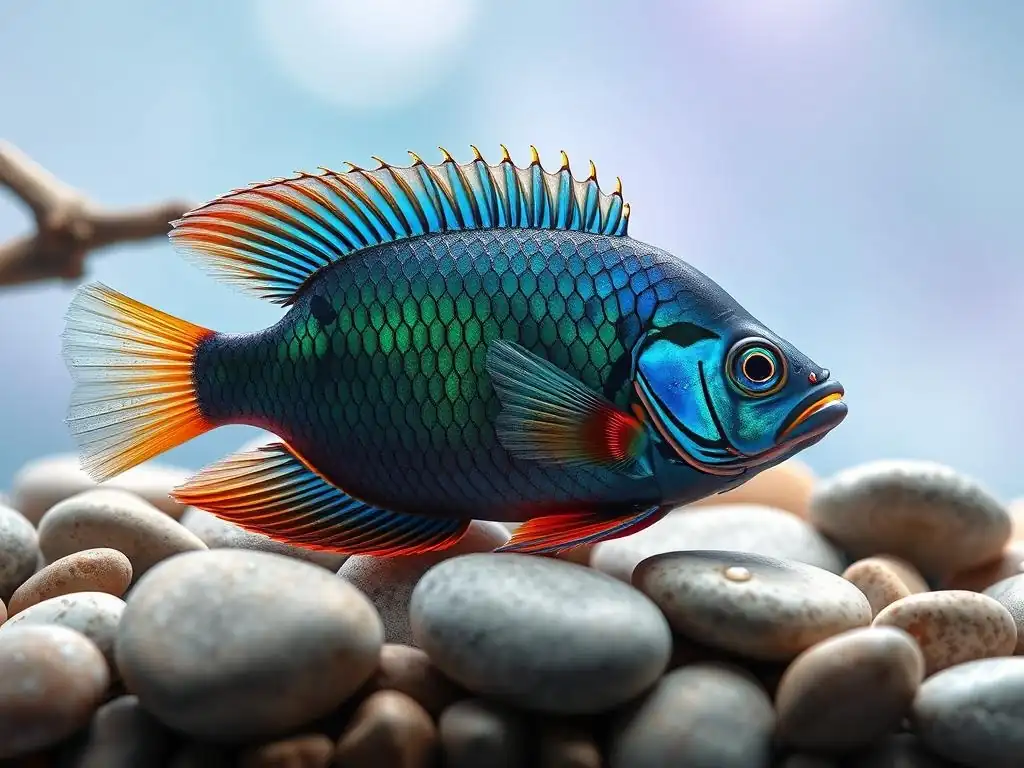
Featherfin cichlids are fascinating maternal mouthbrooders, meaning the female carries the eggs and then the fry in her mouth until they are free-swimming. Successful breeding requires a well-established aquarium with stable and optimal water parameters, mirroring their Lake Tanganyika habitat. Males will display their elaborate finnage and vibrant colors during courtship, attempting to entice females into their preferred spawning areas, often in the open water column or near rocks.
For higher fry survival rates, some aquarists opt to set up a separate breeding tank or remove the brooding female to a dedicated "holding" tank after she has collected the eggs. This prevents other tank inhabitants from stressing her or preying on the released fry. The female will typically hold the eggs for about three weeks, during which time she will not eat. Once the fry are released, they are usually large enough to consume newly hatched brine shrimp or finely crushed flake food.
Ethical Considerations Regarding Hybridization
When breeding Featherfin cichlids, significant ethical considerations arise concerning hybridization. Intentionally breeding different Cyprichromis species or distinct geographical variants is strongly discouraged within the hobby. This practice leads to the creation of hybrid fish, which dilute the genetic purity of the species and can devalue pure strains. The unique genetic makeup and distinct beauty of pure Featherfin cichlids, often tied to specific collection points in Lake Tanganyika, are diminished when mixed with other lineages.
Responsible Featherfin hybrid aquarium care, in this context, means actively working to prevent hybridization. This includes careful identification of all fish before breeding, maintaining single-species tanks, or carefully curated multi-species tanks where hybridization is impossible. If accidental hybridization occurs, it is generally recommended not to sell or distribute the hybrid offspring, to prevent their further spread and to uphold the integrity of pure Cyprichromis lines within the aquarium hobby.
Common Health Issues in Featherfin Cichlids
Identifying Early Signs of Illness
Identifying early signs of illness in Featherfin cichlids is crucial for prompt treatment and preventing the spread of disease. Healthy Featherfins are typically active, alert, and exhibit vibrant coloration and erect fins. Any deviation from these norms should raise a red flag. Early signs of illness often include changes in behavior, such as lethargy, prolonged hiding, erratic swimming patterns, or a sudden loss of appetite.
Physical indicators can also be observed. Look for clamped fins (fins held close to the body), faded or dull coloration, white spots resembling salt grains (Ich), frayed or deteriorating fins, bloating, or any visible sores, ulcers, or growths on the body. Regular daily observation, especially during feeding times, allows aquarists to quickly notice these subtle changes and intervene before the condition escalates, crucial for effective Featherfin hybrid aquarium care.
Treating Common Diseases
Treating common diseases in Featherfin cichlids requires accurate diagnosis and appropriate medication. Ich (White Spot Disease), characterized by small white spots on the body and fins, is often treated by gradually increasing the water temperature (if safe for all tank inhabitants, typically to 82-84°F or 28-29°C) and using specific Ich medications containing malachite green or formaldehyde. Bloat, often linked to diet or poor water quality, can be severe; immediate action includes ceasing feeding, administering Epsom salt baths, and if bacterial, using antibiotics like Metronidazole, often mixed with food.
Fin rot, caused by bacterial infections, manifests as frayed or disintegrating fins and is typically treated by improving water quality and administering broad-spectrum antibiotics. Stress-related issues, such as weakened immune systems leading to secondary infections, are best addressed by identifying and eliminating the source of stress, whether it's poor water parameters, aggression, or overcrowding. Always follow medication instructions carefully and consider treating in a separate quarantine tank to protect beneficial bacteria in the main aquarium.
Preventing Health Problems
Preventing health problems in Featherfin cichlids is far more effective than treating them and hinges on maintaining optimal aquarium conditions and responsible husbandry. The cornerstone of prevention is pristine water quality, achieved through regular and adequate water changes (e.g., 25-30% weekly) and robust filtration that keeps ammonia, nitrite, and nitrate levels at bay. Providing a balanced and appropriate diet, specifically tailored to their planktivorous nature, prevents nutritional deficiencies and digestive issues like bloat.
Avoiding overcrowding is also critical, as it reduces stress, aggression, and the build-up of waste products. A crucial preventative measure is quarantining all new fish for a period of 2-4 weeks in a separate tank before introducing them to the main aquarium. This allows for observation and treatment of any latent diseases, preventing their introduction into the established community. Minimizing sudden environmental changes and maintaining stable water parameters further reduces stress, strengthening the fish's natural immune response and contributing to overall Featherfin hybrid aquarium care.
Purchasing Featherfin Cichlids
Selecting Healthy Cichlids
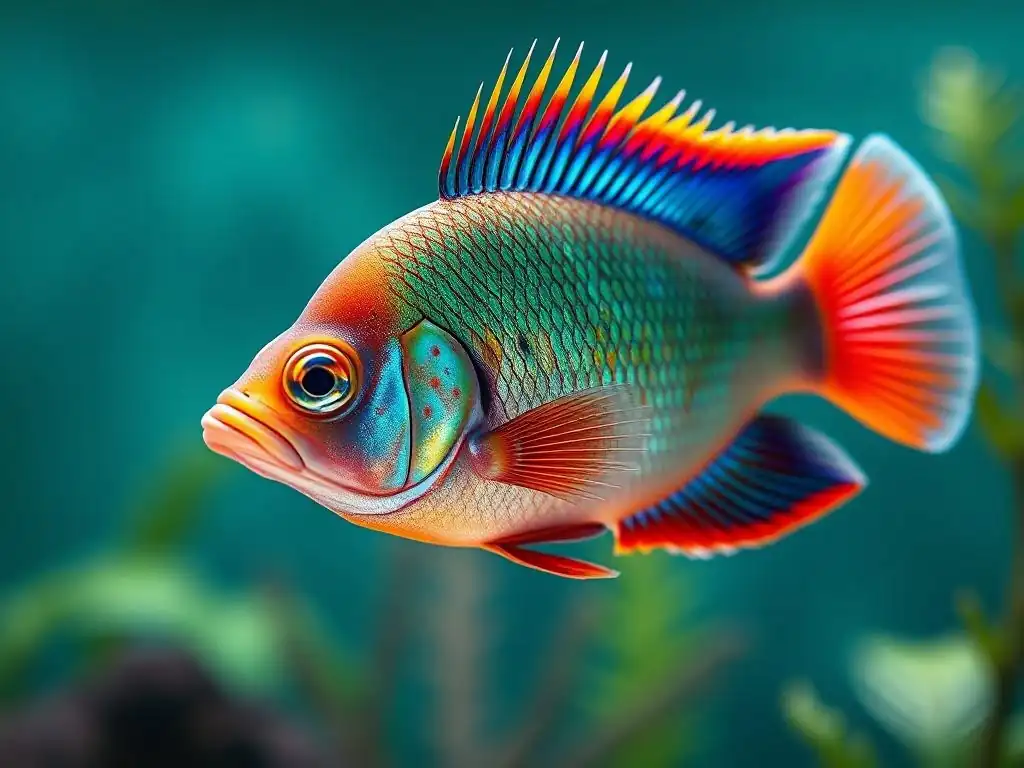
When purchasing Featherfin cichlids, selecting healthy specimens is paramount to their long-term well-being in your aquarium. Look for fish that are active, alert, and swimming gracefully in their tank. Their coloration should be vibrant and well-defined, not faded or dull. Observe their fins; they should be erect, intact, and free from any fraying, tears, or clamping. The eyes should be clear and bright, not cloudy or sunken.
Inspect the body for any visible signs of disease, such as white spots, sores, ulcers, bloated bellies, or emaciation. It's also beneficial to watch them during feeding time to ensure they have a healthy appetite. Inquire about the fish's origin (wild-caught vs. tank-bred) and the water parameters in the store's tank to ensure they align with your setup. A reputable dealer will be transparent about these details and keep their fish in optimal conditions.
Avoiding Unethical Practices
Avoiding unethical practices when purchasing Featherfin cichlids is crucial for supporting responsible aquaculture and conservation efforts. Be wary of retailers who sell "mystery" cichlids, misidentified species, or tanks with obvious signs of disease, overcrowding, or poor water quality. Such conditions indicate a disregard for animal welfare and can lead to unhealthy fish that will struggle in your home aquarium.
Support reputable breeders and stores that prioritize fish health, genetic purity, and sustainable practices. Ask specific questions about their breeding programs, the source of their fish, and their policies regarding identifying and handling hybrids. Do not knowingly purchase Featherfin hybrid aquarium fish if your goal is to maintain pure lines, and be cautious of dealers who intentionally breed or market hybrids without full disclosure. Your purchasing choices directly influence the market and can promote ethical standards within the hobby.
Assessing Long-Term Health
Assessing the long-term health potential of Featherfin cichlids involves understanding their specific needs and ensuring your aquarium can consistently meet them over their lifespan. Featherfins can live for 8-10 years or even longer with proper care, so consider the commitment. Research the adult size of the specific Cyprichromis species or variant you are interested in and ensure your tank is sufficiently sized to accommodate a thriving group for many years.
Beyond the initial purchase, long-term health hinges on consistent water quality, appropriate diet, suitable tank mates, and a stress-free environment. Before buying, have your aquarium fully cycled and parameters stabilized. Be prepared for ongoing maintenance, including regular water changes and filter upkeep. Even if you encounter existing Featherfin hybrid aquarium fish, understanding their specific needs and providing optimal care can ensure they live a full and healthy life, albeit with genetic implications for breeding.
Aquarium Setup Guide
Planning Your Tank
Thorough planning is the first and most crucial step in setting up an aquarium for Featherfin cichlids. Begin by deciding on the appropriate tank size, remembering that larger tanks (75 gallons minimum, 125+ gallons recommended) are always better for these schooling fish. Choose a sturdy location that can support the considerable weight of a filled aquarium, away from direct sunlight or drafts.
Next, research the specific Cyprichromis species or geographical variant you intend to keep, as their exact needs might vary slightly. Plan your equipment: select a robust filtration system, an appropriately sized heater, and adequate lighting. Consider the substrate (fine sand) and the design of your rockwork, ensuring it provides both open swimming spaces and secure hiding spots. Finally, budget for both the initial setup costs and ongoing maintenance expenses, as responsible Featherfin hybrid aquarium care is a long-term commitment.
Setting Up the Aquarium
Once your planning is complete, the physical setup of the aquarium can begin. Start by thoroughly cleaning the tank with water only; avoid soaps or detergents. Place the tank on a level, sturdy stand. Add your chosen substrate, such as fine pool filter sand, spreading it evenly across the bottom. Next, arrange your rockwork, ensuring all pieces are stable and securely stacked to prevent any collapses that could injure your fish. Create various vertical structures and small caves while leaving ample open swimming space.
Install your filtration system, heater, and any other equipment like air pumps or powerheads. Then, slowly fill the tank with dechlorinated water, ensuring the temperature matches the desired range for Featherfins. After filling, begin the nitrogen cycling process, which is essential for establishing beneficial bacteria that convert toxic ammonia and nitrites into safer nitrates. This process typically takes 4-6 weeks and is critical for creating a safe and stable environment before any fish are introduced.
Acclimation Process
The acclimation process is a critical step when introducing new Featherfin cichlids to your established aquarium, minimizing stress and ensuring a smooth transition. Begin by turning off your aquarium lights to reduce stress on the new arrivals. Float the sealed bag containing the fish in your aquarium for 15-20 minutes. This allows the water temperature in the bag to gradually equalize with your tank water, preventing temperature shock.
For sensitive fish like Featherfins, drip acclimation is highly recommended. After the temperature has equalized, open the bag and secure it to the side of the tank. Using airline tubing, siphon water from your main aquarium into the bag, allowing it to drip slowly. Aim for a drip rate that doubles the volume of water in the bag over 30-60 minutes.
This slow introduction of your tank's water gradually adjusts the fish to your specific pH, hardness, and other water parameters. Once acclimated, gently net the fish and release them into the tank, discarding the bag water to prevent introducing any potential pathogens or unwanted chemicals. Keep the tank lights dim for the first few hours to allow them to settle.
Conservation
Impact of Hybridization on Wild Populations
While the direct impact of hobbyist-driven Featherfin hybridization on wild populations in Lake Tanganyika is minimal, as these hybrids typically remain within captive environments, the practice still carries significant indirect implications for conservation. The widespread breeding and distribution of hybrid fish in the aquarium trade can dilute the availability of genetically pure, captive-bred lines. These pure lines serve as a vital genetic reservoir, a "genetic bank," that could be crucial for future conservation efforts, reintroduction programs, or scientific research if wild populations face threats.
When pure strains become scarce due to the proliferation of hybrids, the hobby's ability to support ex-situ conservation (conservation outside of the natural habitat) is diminished. This indirectly reduces the value of captive populations as a safeguard against potential environmental changes or threats in Lake Tanganyika itself. Therefore, maintaining genetic purity in captivity is a form of responsible stewardship, even if not directly affecting wild fish at present.
Responsible Aquarium Keeping
Responsible aquarium keeping is a cornerstone of conservation, particularly for specialized species like Featherfin cichlids. It encompasses a commitment to understanding and meeting the specific needs of the fish, preventing the spread of disease, and, importantly, upholding genetic purity. This means thoroughly researching the species before purchase, providing an adequately sized aquarium with optimal water parameters, and ensuring a balanced diet and appropriate tank mates.
A key aspect of responsible Featherfin hybrid aquarium care is actively preventing hybridization. This involves precise identification of species and variants, avoiding the mixing of closely related Cyprichromis in the same tank, and refraining from intentionally breeding hybrids. If accidental hybrids occur, responsible aquarists should prevent their further distribution into the hobby. This diligent approach helps maintain the integrity of captive populations and contributes to the broader health of the aquarium hobby.
Promoting Sustainable Practices
Promoting sustainable practices within the aquarium hobby is essential for the long-term well-being of Featherfin cichlids and their natural habitat. This includes supporting reputable breeders and suppliers who focus on ethically sourced, tank-bred fish, particularly pure strains, rather than wild-caught specimens that can impact natural populations. Sharing knowledge about proper Cyprichromis care, identification, and the risks of hybridization helps educate fellow hobbyists and encourages responsible choices.
Furthermore, advocating for and participating in efforts to conserve Lake Tanganyika's delicate ecosystem is a vital sustainable practice. While hobbyists may not directly impact the lake, their collective actions—such as avoiding the release of non-native species and promoting genetic purity—contribute to a global consciousness of aquatic conservation. By prioritizing the health and genetic integrity of captive Featherfin populations, aquarists play a significant role in preserving these magnificent cichlids for future generations.
Frequently Asked Questions
What exactly is a Featherfin Hybrid, and why is it important to understand their specific needs?
A Featherfin Hybrid is a fish resulting from a crossbreed, often involving different species of Featherfin Catfish. Understanding their needs is crucial because they may exhibit unique behaviors and have specific environmental requirements not found in either parent species.
How does Featherfin Hybrid aquarium care differ from caring for a purebred Featherfin Catfish?
Care differs due to genetic variations that can influence temperament, size, and susceptibility to diseases. Hybrids may also have unique dietary needs or sensitivities to water parameters compared to their purebred counterparts.
What are the key water parameters to monitor when maintaining a Featherfin Hybrid aquarium?
Maintaining stable water parameters is critical. Key parameters include pH levels, ammonia, nitrite, and nitrate concentrations. Regular testing and water changes are essential for a healthy aquarium environment.
What type of tank setup is recommended for a Featherfin Hybrid, considering their potential size and behavior?
A spacious tank is recommended, as Featherfin Hybrids can grow to a considerable size. Provide plenty of hiding places and ensure the substrate is appropriate for their bottom-dwelling habits. Good filtration is also essential.
What are some common health issues to watch out for in Featherfin Hybrids, and how can they be prevented?
Common issues include Ich, fin rot, and parasitic infections. Prevention involves maintaining optimal water quality, providing a balanced diet, and quarantining new fish before introducing them to the main tank. Regular observation is key to early detection.
Final Reflection: Embracing the Unique Beauty of Featherfin Hybrids
The intricate world of aquarium keeping constantly evolves, and as we've explored in this article, the allure of Featherfin Hybrids and their specific care requirements is undeniable. Understanding the nuances of these captivating fish is not just about maintaining a healthy aquarium; it's about appreciating the beauty and complexity that arise from the intersection of nature and human intervention. The growing popularity of these hybrids underscores a shift towards personalized aquascaping and a desire for unique aquatic companions.
The journey of understanding Featherfin Hybrids has been a reminder of the delicate balance within our ecosystems and the responsibility we bear as aquarists. This exploration has reinforced the importance of informed decision-making and ethical practices in the hobby, ensuring the well-being of these fascinating creatures. The best way to observe a fish is to become a fish.
- Jacques Cousteau. This quote reminds us that truly understanding and caring for Featherfin Hybrids requires empathy and a commitment to providing them with an environment that mimics their natural needs as closely as possible.
Now, as you embark on your own journey with Featherfin Hybrids, I encourage you to reflect on the knowledge shared and apply it with diligence and compassion. Consider the impact of your choices on the lives of these fish and strive to create a thriving ecosystem where they can flourish. Let your aquarium be a testament to responsible aquascaping and a celebration of the unique beauty that Featherfin Hybrids bring to our world.
Dive Deeper: Transform Your Tank Today!
Thanks for exploring the fascinating world of Featherfin Hybrids with us! We hope you've gained valuable insights into their unique care requirements and captivating personalities. Now, it's time to put that knowledge into action.
- Embark on your breeding journey: Start by researching suitable tank mates for your Synodontis catfish to avoid unwanted hybrids.
- Share your experiences: Contribute to responsible fishkeeping by sharing this article with other aquarium enthusiasts.
- Monitor and document: Track the growth and behavior of your catfish, documenting any unusual traits or potential hybrid characteristics.
What steps will you take to become a more informed and responsible Synodontis catfish keeper?