
Ancistrus Diet Secrets: More Than Just Algae for a Healthy Bristlenose

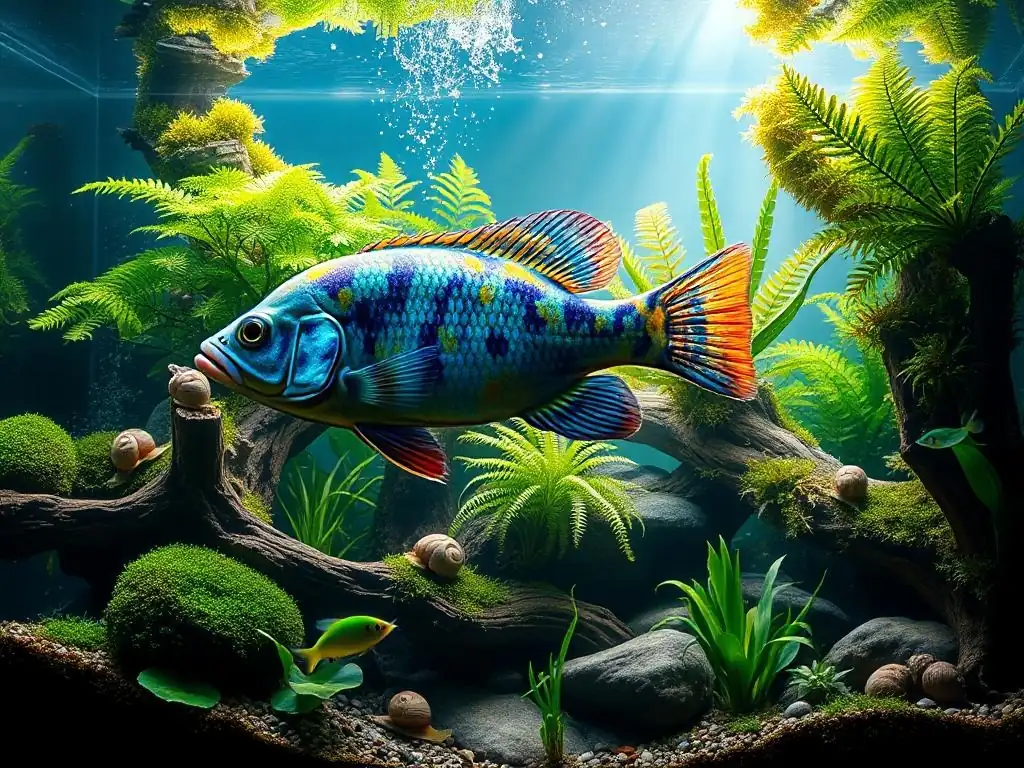
Welcome to Aquarium Mastery! Ever wonder if your Bristlenose catfish is truly getting the nutrients it needs? Beyond algae wafers, a thriving Bristlenose requires a surprisingly diverse diet. Uncover the Bristlenose catfish diet secrets that will transform your algae eater into a vibrant, healthy member of your freshwater aquarium. Curious to learn more? Let's dive in!
- Ancistrus Diet: Beyond Algae for a Healthy Bristlenose Pleco
- Understanding the Nutritional Needs of Your Bristlenose Pleco
- The Complete Bristlenose Pleco Diet: A Detailed Breakdown
- Feeding Strategies for a Thriving Bristlenose Pleco
- Recognizing Signs of Dietary Deficiency in Bristlenose Plecos
- Creating a Balanced Diet: Sample Feeding Schedules
- The Role of Driftwood in a Bristlenose Pleco Diet
- Frequently Asked Questions About Bristlenose Pleco Feeding
-
Frequently Asked Questions
- What is the primary food source for Bristlenose catfish in an aquarium?
- What other foods should I supplement with if I have a Bristlenose catfish?
- How often should I feed my Bristlenose catfish supplemental food?
- Can I feed my Bristlenose catfish protein-based foods?
- How can I tell if my Bristlenose catfish is getting enough to eat?
- Final Reflection: Unlocking the Secrets to Bristlenose Vitality
- Unleash Your Ancistrus' Full Potential!
Ancistrus Diet: Beyond Algae for a Healthy Bristlenose Pleco
Understanding the Nutritional Needs of Your Bristlenose Pleco
Debunking the Myth: Algae as the Sole Food Source
Bristlenose plecos (Ancistrus spp.) are often stereotyped as mere algae-eating machines, a common misconception among aquarists. While these fascinating catfish do consume algae from tank surfaces and decorations, their natural diet in the wild is far more diverse. They are primarily detritivores and omnivores, foraging on biofilm, decaying plant matter, small invertebrates, and general detritus. Relying solely on tank algae or basic algae wafers can lead to significant nutritional deficiencies over time.
The consequences of an algae-only diet can be severe for a Bristlenose. Without a varied intake of essential nutrients, these fish may exhibit stunted growth, a weakened immune system, and a distinct "sunken belly" appearance, indicative of malnutrition. For instance, a young Bristlenose that might typically reach 4-5 inches in length could only grow to 2-3 inches on such a restricted diet, demonstrating a clear lack of the necessary building blocks for proper development and vitality.
The Importance of a Varied Diet for Health and Longevity
To truly unlock the "Bristlenose catfish diet secrets" for optimal health, a diverse feeding regimen is paramount. A varied diet closely mimics their natural foraging behaviors and ensures they receive a comprehensive spectrum of macronutrients—proteins, fats, and carbohydrates—along with crucial micronutrients like vitamins and minerals. This holistic approach is fundamental to supporting their metabolic processes and overall well-being.
The benefits of a well-rounded Bristlenose diet are evident in their physical condition and behavior. Fish fed a diverse array of foods typically display robust coloration, active and curious behaviors, strong fin development, and significantly increased longevity. For example, Bristlenose plecos on a properly balanced diet can often live for 10-15 years, whereas those subjected to a restricted or inadequate diet might only survive for 5-7 years, starkly illustrating the profound impact of proper nutrition on their lifespan.
The Complete Bristlenose Pleco Diet: A Detailed Breakdown
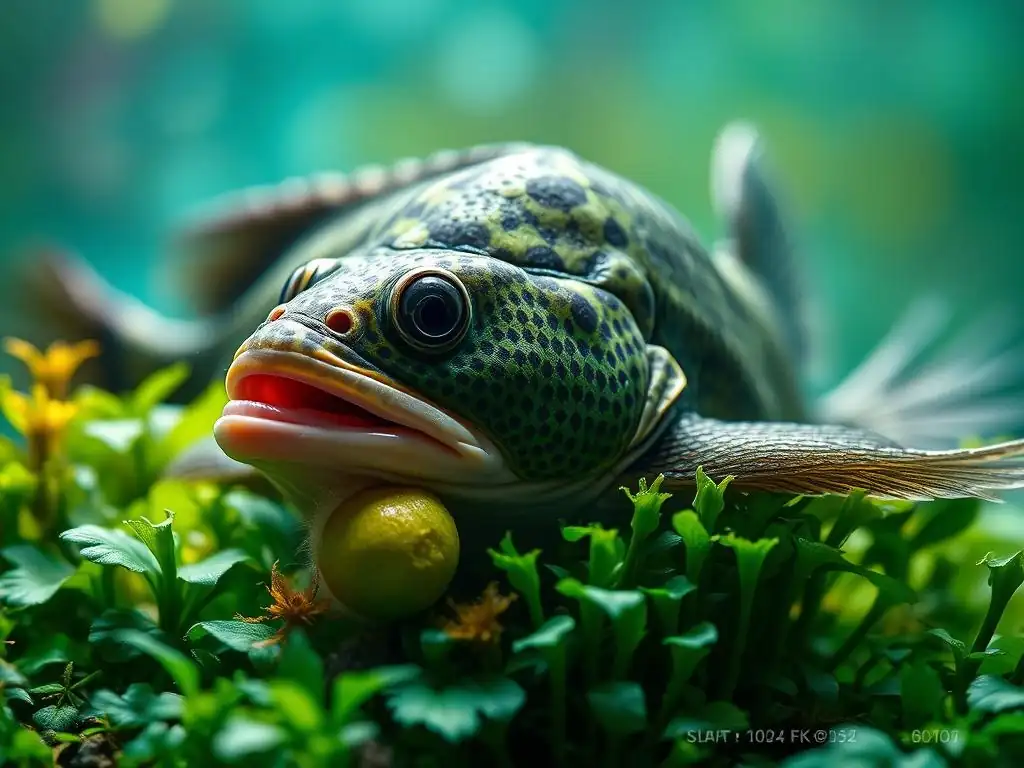
Plant-Based Foods for Bristlenose Plecos
Algae Wafers: A Staple, But Not the Only Option
Algae wafers serve as a convenient and generally accepted base for a Bristlenose's diet, particularly those formulated with a high percentage of spirulina and other vegetable matter. They are designed to sink, making them easily accessible to bottom-dwelling fish. However, it's crucial to understand that many commercial algae wafers, while providing some fiber, may lack sufficient protein or a full spectrum of the vitamins and minerals necessary for complete nutrition, rendering them insufficient as a sole food source.
When selecting algae wafers, prioritize brands that explicitly state a high vegetable content, ideally ranging from 60-80% plant matter, and a moderate protein level, typically around 30-35%. Reputable brands like Hikari Sinking Wafers or Omega One Veggie Rounds are often recommended by experienced aquarists for their quality ingredients and balanced nutritional profiles, providing a solid, though incomplete, foundation for your Bristlenose catfish diet.
Fresh Vegetables: Zucchini, Cucumber, and Squash
Fresh vegetables are an excellent addition to the Bristlenose diet, offering essential fiber, vitamins, and minerals that might be absent or degraded in processed foods. They also provide valuable enrichment, encouraging natural grazing behaviors. Zucchini, cucumber, and yellow squash are particularly favored by Bristlenose plecos due to their soft texture and palatability, making them easy for the fish to rasp.
To prepare fresh vegetables, always blanch them briefly (1-2 minutes in boiling water) to soften their texture and ensure they sink easily. Use a specialized veggie clip or a fork to weigh them down at the bottom of the tank. It is imperative to remove any uneaten portions within 24 hours to prevent decomposition, which can rapidly degrade water quality. A 2-inch slice of zucchini is often sufficient for one adult Bristlenose for a day.
Leafy Greens: Spinach and Kale
Leafy greens such as spinach and kale are highly nutritious additions to a Bristlenose's diet, rich in vital nutrients like vitamins K, A, and C, as well as essential minerals such as iron and calcium. These micronutrients are crucial for strong bone and scale development and overall metabolic health. Leafy greens provide a distinct nutritional profile compared to softer, more watery vegetables like zucchini.
Similar to other fresh vegetables, leafy greens should be blanched for approximately 30 seconds to a minute to soften them before offering. Provide small pieces, roughly 1 square inch per fish, to prevent overfeeding and minimize waste. Due to their tendency to decompose relatively quickly, any uneaten portions should be removed from the aquarium after 12-18 hours to maintain optimal water parameters and prevent ammonia spikes.
Protein Sources for Optimal Growth
Sinking Pellets: Choosing the Right Protein Content
Despite their primary herbivorous classification, Bristlenose plecos do require a moderate amount of protein for robust growth, efficient tissue repair, and overall vitality, particularly during their juvenile stages and for breeding adults. Sinking pellets specifically formulated for omnivorous bottom feeders are an ideal way to incorporate this essential macronutrient into their diet.
When selecting sinking pellets, look for products with a protein content typically ranging from 35% to 45%. Many high-quality fish food brands, such as New Life Spectrum or Fluval Bug Bites, offer balanced nutrition that includes insect meal or fish meal as primary protein sources. These pellets significantly contribute to a comprehensive Bristlenose catfish diet, ensuring they receive the necessary amino acids for healthy development.
Bloodworms and Other Treats: Providing Essential Amino Acids
Frozen or freeze-dried bloodworms, brine shrimp, or daphnia can be offered as an occasional protein boost. These treats provide essential amino acids that may not be abundant in purely plant-based foods, aiding in muscle development, enhancing coloration, and preparing fish for breeding. They can also serve as a good source of enrichment, encouraging natural hunting behaviors.
These protein-rich treats should be given sparingly, perhaps once or twice a week, and in very small quantities. For an adult Bristlenose, offering 3-5 individual bloodworms or a small pinch of brine shrimp is usually sufficient. Overfeeding protein can lead to digestive upset, internal fat deposits, and rapid degradation of water quality due to excessive waste.
Repashy Soilent Green: A High-Quality Protein Source
Repashy Soilent Green is a highly regarded gel-based food that offers a comprehensive nutritional profile for herbivorous and omnivorous bottom feeders, including Bristlenose plecos. It typically contains a carefully balanced blend of algae, spirulina, kelp, and often insect proteins, making it an excellent all-in-one food source that addresses multiple dietary needs. Its unique gel consistency allows for customization in firmness.
This food is celebrated for its superior digestibility and efficient nutrient absorption, which can lead to improved coloration, increased activity, and overall vigor in Bristlenose plecos. It is prepared by simply mixing the powder with hot water and allowing it to cool and solidify into a firm gel, which can then be cut into suitable pieces. Many aquarists find it provides a significant, measurable boost to the overall Bristlenose catfish diet.
Essential Supplements for Ancistrus Health
Calcium: Promoting Strong Bone Development
Calcium is a critical mineral for the skeletal development of Bristlenose plecos, particularly during their rapid growth phases as juveniles. It is also vital for maintaining the strength of their unique rasping teeth, which are constantly used for grazing. In aquariums with soft water parameters, where natural calcium availability might be limited, supplementing dietary calcium becomes even more crucial.
While some commercial fish foods are fortified with calcium, additional sources can be beneficial. These include calcium-rich vegetables like kale or broccoli stems (blanched), or a small piece of cuttlebone (often sold for birds) placed in the tank, which slowly dissolves and releases calcium into the water. Ensuring adequate calcium intake is a key, often overlooked, component of the Bristlenose catfish diet.
Vitamins and Minerals: Ensuring a Balanced Diet
A broad spectrum of vitamins (such as A, D, E, and the B-complex vitamins) and trace minerals (including iodine, iron, and zinc) are absolutely essential for the myriad of metabolic functions, immune system strength, and overall vitality of Bristlenose plecos. Deficiencies in these micronutrients can manifest as a range of health problems, from weakened immunity to poor growth and faded coloration.
A high-quality, varied diet, incorporating both premium pellets and a diverse array of fresh vegetables, generally provides sufficient vitamins and minerals. However, some aquarists opt to occasionally use liquid vitamin supplements specifically designed for fish. These can be added directly to the aquarium water during water changes or, more effectively, soaked into dry foods just before feeding to ensure complete nutritional coverage for their Bristlenose catfish diet.
Feeding Strategies for a Thriving Bristlenose Pleco
How Often to Feed Your Bristlenose Pleco
Bristlenose plecos are primarily nocturnal grazers, meaning they are most active and feed predominantly during the night. However, they are opportunistic and will readily feed during the day if food is available. It is generally recommended to feed them once a day, or every other day, depending on the abundance of natural algae growth within the tank and the specific type of food being offered.
Adjusting feeding frequency is essential and should be based on your specific tank conditions. In aquariums with significant natural algae growth, you might find you need to feed less frequently. Conversely, in a very clean tank with minimal algae or if you house multiple Bristlenose plecos, daily feeding is often necessary. Observe their behavior closely; if they appear to be constantly searching for food, they likely require more frequent or larger meals.
Determining the Right Amount of Food
A widely accepted guideline for determining the correct amount of food for your Bristlenose pleco is the "2-hour rule." This rule suggests offering only an amount of food that your fish can reasonably consume within a two-hour period. Adhering to this principle helps prevent overfeeding, which is a common cause of uneaten food decaying and subsequently fouling the aquarium water.
Each Bristlenose pleco is an individual, and their appetite can vary. Start with a conservative amount, such as half an algae wafer or a 1-inch piece of blanched zucchini. If the food is consumed quickly, you can slightly increase the portion during the next feeding. Conversely, if food remains in the tank for many hours, reduce the amount offered. This observational, trial-and-error approach is key to fine-tuning the optimal Bristlenose catfish diet.
Preventing Overfeeding and Maintaining Water Quality
Overfeeding is one of the most common mistakes made by aquarists and can lead to a cascade of problems in an aquarium. Uneaten food quickly decays, releasing harmful ammonia and nitrites into the water, which are highly toxic to fish. Excessive food can also fuel an explosion of undesirable organisms such as pest snails or planaria, disrupting the tank's ecological balance.
To prevent these issues, always remove any uneaten fresh vegetables or larger pieces of sinking pellets after the designated feeding period (e.g., 24 hours for vegetables, 2-3 hours for pellets). Beyond careful feeding, regular and consistent water changes (e.g., 25-30% weekly) are absolutely crucial. These routine changes help to manage the accumulated waste from feeding and maintain optimal water parameters, ensuring the long-term health and vitality of your Bristlenose pleco.
Recognizing Signs of Dietary Deficiency in Bristlenose Plecos
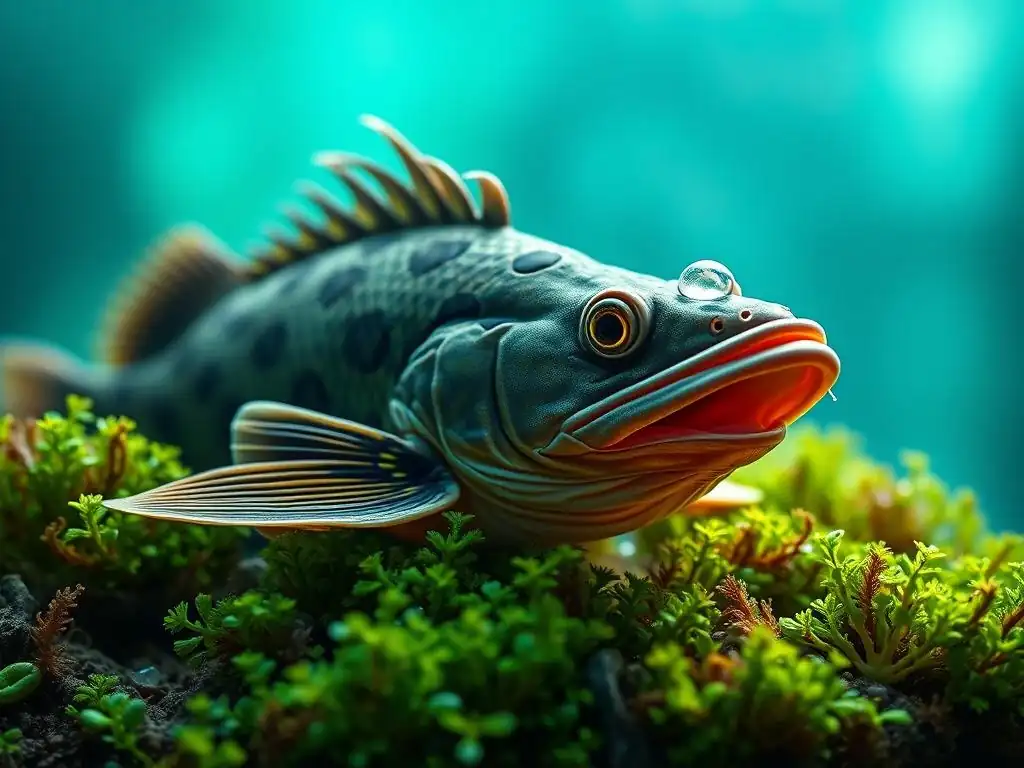
Identifying Common Symptoms: Sunken Belly, Lethargy, and Faded Coloration
The most prominent and concerning sign of undernourishment or an improper Bristlenose catfish diet is the appearance of a "sunken belly" or an overall emaciated look. This condition is characterized by a concave abdomen rather than a full, rounded one, clearly indicating a severe lack of caloric intake and essential nutrients. It's a critical warning sign that immediate dietary intervention is required.
Beyond physical emaciation, other noticeable symptoms of dietary deficiency include pronounced lethargy, where the fish exhibits significantly reduced activity levels and may hide more often than usual. Faded or dull coloration, where their vibrant patterns and natural hues become muted, is another key indicator. Additionally, stunted growth in juvenile Bristlenose plecos is a clear and undeniable sign that their diet needs immediate re-evaluation and improvement.
Addressing Dietary Issues: Adjusting Your Feeding Plan
If you observe any of the aforementioned symptoms of dietary deficiency in your Bristlenose pleco, the first and most critical step is to immediately review and diversify their diet. Increase both the frequency and the variety of high-quality plant-based foods, and if not already doing so, begin incorporating occasional protein sources to provide a more comprehensive nutritional profile.
For long-term adjustments, consistently introduce nutrient-dense foods such as blanched spinach, zucchini, and premium sinking pellets specifically designed for omnivorous bottom feeders. Consider using specialized foods like Repashy Soilent Green, which provides concentrated and easily digestible nutrition. As you increase feeding, closely monitor your water parameters to ensure they remain stable, and always ensure ample driftwood is available for their essential digestive needs.
Creating a Balanced Diet: Sample Feeding Schedules
Example Schedule 1: Focusing on Algae and Vegetables
This sample feeding schedule prioritizes natural grazing behaviors and a high intake of fresh produce, making it suitable for tanks that already have some natural algae growth or for aquarists who prefer a more natural, fiber-rich approach to their Bristlenose catfish diet. It emphasizes consistent daily vegetable offerings.
A sample plan for this approach could be:
- Monday: Small piece of blanched zucchini (approximately a 1-inch slice).
- Tuesday: 1/2 of a high-quality, spirulina-based algae wafer.
- Wednesday: Small piece of blanched cucumber.
- Thursday: 1/2 of a high-quality algae wafer.
- Friday: Small piece of blanched spinach or kale.
- Saturday: 1/2 of a high-quality algae wafer.
- Sunday: Fasting day, allowing them to graze predominantly on any existing tank algae.
This schedule ensures a consistent intake of essential fiber and plant-based nutrients.
Example Schedule 2: Incorporating Protein and Supplements
This schedule offers a more comprehensive approach, ensuring a broader spectrum of nutrients, including occasional protein, which is particularly beneficial for promoting growth, enhancing vitality, and supporting breeding activity in Bristlenose plecos. It aims for a fully rounded Bristlenose catfish diet.
A sample plan for this approach could be:
- Monday: 1/2 algae wafer.
- Tuesday: Small piece of blanched zucchini + 2-3 frozen bloodworms (thawed).
- Wednesday: Sinking omnivore pellet (e.g., 3-4 pellets) or a small chunk of Repashy Soilent Green.
- Thursday: 1/2 algae wafer.
- Friday: Small piece of blanched cucumber or yellow squash.
- Saturday: Sinking omnivore pellet or a small amount of blanched kale.
- Sunday: Fasting day or a very small piece of blanched bell pepper (seedless).
This varied approach helps prevent deficiencies and supports overall robust health.
The Role of Driftwood in a Bristlenose Pleco Diet
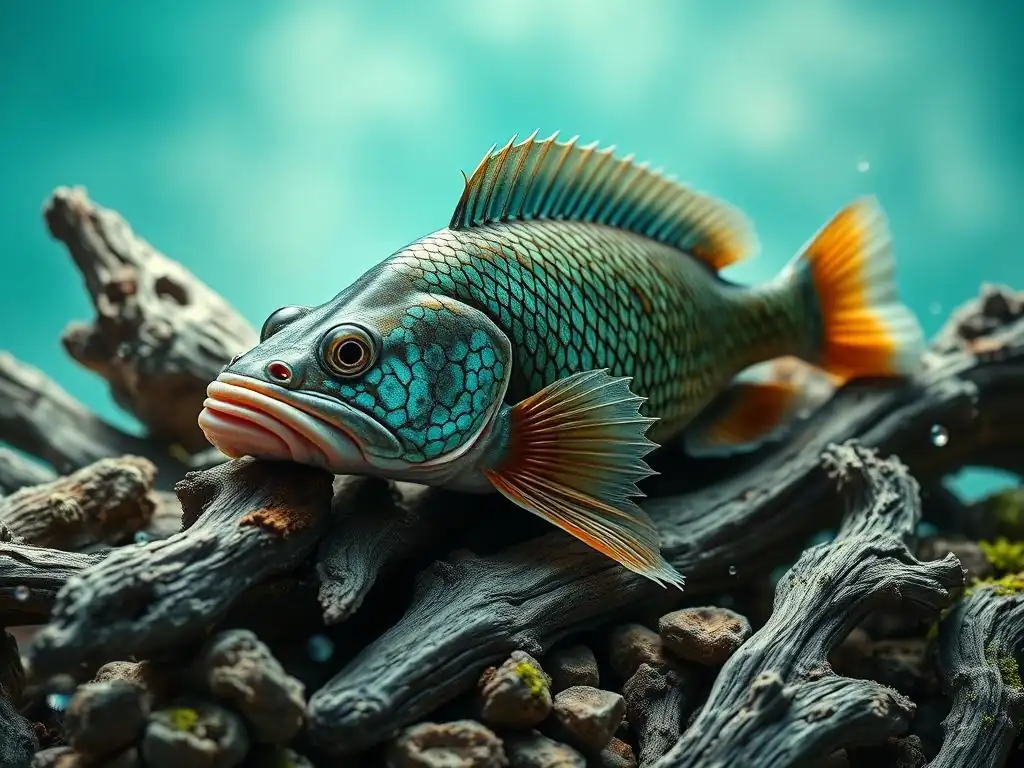
Why Driftwood is Important for Digestion
Bristlenose plecos, like many other species within the Loricariidae family, possess a unique physiological need to rasp on driftwood. While they do not derive significant caloric nutrition from wood, the lignin and cellulose fibers found within it are critically important for their digestive processes. These fibers act as a form of roughage, helping to regulate their digestive tract and promote healthy gut motility.
The constant rasping on driftwood helps to keep their digestive system active and clean, preventing potential blockages and aiding in the efficient absorption of nutrients from other foods they consume. Without consistent access to driftwood, some Bristlenose plecos can suffer from digestive upset, compromised nutrient absorption, or even malnourishment, even if they are otherwise fed an apparently adequate diet.
Choosing the Right Type of Driftwood
Not all types of wood are suitable for an aquarium environment or beneficial for Bristlenose plecos. Safe and widely recommended choices include Mopani wood, Malaysian driftwood, Manzanita, and Cholla wood. These types are typically dense, sink well, and release beneficial tannins into the water, which can slightly lower pH and possess mild antimicrobial properties, contributing to a healthy tank environment.
Before introducing any new driftwood into your aquarium, it is essential to thoroughly clean and pre-soak it for several days or even weeks. This process helps to remove excess tannins that can stain the water excessively and ensures the wood becomes waterlogged enough to sink. Once prepared, strategically place the driftwood in the tank where your Bristlenose pleco can easily access it for rasping, making it an indispensable part of their environment and supporting their natural Bristlenose catfish diet.
Frequently Asked Questions About Bristlenose Pleco Feeding
What to do if my Bristlenose isn't eating algae?
If your Bristlenose pleco appears to be neglecting tank algae, several factors could be at play: insufficient algae growth within the aquarium, a preference for other readily available food sources, or, in some cases, an underlying health issue. In a very clean tank with minimal natural biofilm, they may simply not have enough algae to graze upon.
To address this, first ensure you are offering a diverse array of other foods, such as blanched fresh vegetables (zucchini, cucumber, spinach) and high-quality algae wafers. If they readily consume these, it's likely a preference issue or a lack of natural algae. However, if they refuse all offered foods and exhibit other symptoms like lethargy or faded coloration, it's crucial to investigate for potential illness or water quality problems. A healthy Bristlenose will almost always actively graze.
Can I feed my Bristlenose human food scraps?
As a general and strongly advised rule, it is best to avoid feeding human food scraps to your Bristlenose pleco. Most human foods are highly processed, containing salts, sugars, oils, preservatives, or spices that are not only harmful to fish but can also rapidly foul aquarium water, leading to dangerous water parameter spikes.
While there are exceptions, such as plain, blanched vegetables like zucchini, cucumber, or spinach, these should always be prepared specifically for the fish without any seasoning or additives. Foods like bread, cooked meats, dairy products, or any form of processed leftovers are strictly off-limits. They offer no nutritional benefit to fish and pose significant health risks and severe water quality problems for your Bristlenose catfish diet.
How do I ensure my Bristlenose is getting enough protein?
While Bristlenose plecos are primarily herbivorous, they do require a moderate amount of protein for healthy growth, tissue repair, and overall vitality, especially during their developmental stages and when breeding. Relying solely on standard algae wafers might not provide the adequate protein levels necessary for their optimal health.
To ensure your Bristlenose is getting sufficient protein, incorporate high-quality sinking pellets specifically formulated for omnivorous bottom feeders into their regular diet. These pellets often contain beneficial protein sources such as insect meal (e.g., black soldier fly larvae meal) or fish meal. Additionally, offering occasional treats like frozen bloodworms or brine shrimp (once or twice a week in small amounts) can provide essential amino acids. Repashy Soilent Green is also an excellent option that combines plant matter with a good protein source, ensuring a well-rounded and complete Bristlenose catfish diet.
Frequently Asked Questions
What is the primary food source for Bristlenose catfish in an aquarium?
Bristlenose catfish are primarily algae eaters, but they require a varied diet for optimal health. They will graze on algae growing in the tank.
What other foods should I supplement with if I have a Bristlenose catfish?
Supplement their diet with vegetable matter like blanched zucchini, cucumber, and spinach. Additionally, offer algae wafers specifically formulated for bottom-dwelling fish.
How often should I feed my Bristlenose catfish supplemental food?
Feed supplemental vegetables 2-3 times per week, removing any uneaten portions after 24 hours to prevent water quality issues. Algae wafers can be offered daily in small amounts.
Can I feed my Bristlenose catfish protein-based foods?
Yes, while primarily herbivores, Bristlenose catfish benefit from small amounts of protein occasionally. Offer sinking pellets or flakes intended for bottom feeders a couple of times per week.
How can I tell if my Bristlenose catfish is getting enough to eat?
A healthy Bristlenose catfish will be active and have a rounded belly. If they appear thin or lethargic, increase the amount and frequency of supplemental feeding.
Final Reflection: Unlocking the Secrets to Bristlenose Vitality
The journey through the bristlenose catfish diet secrets has revealed that their well-being hinges on more than just scraping algae. Understanding their omnivorous nature and providing a balanced diet is not just about keeping them alive, but about enabling them to thrive, display vibrant colors, and contribute positively to the aquarium ecosystem. This knowledge is particularly relevant today as aquarists increasingly prioritize responsible and informed fishkeeping practices.
This exploration has underscored the profound impact of informed care on the lives of these fascinating creatures. Witnessing a bristlenose catfish flourish under optimal conditions is a testament to the power of understanding their dietary needs. The greatness of a nation and its moral progress can be judged by the way its animals are treated.
- Mahatma Gandhi. This quote, though broad, resonates deeply when considering the responsibility we undertake when caring for any living being, including our bristlenose catfish.
Now, armed with these insights, consider how you can elevate the care you provide to your own bristlenose catfish. Reflect on the current diet you offer and identify areas for improvement. By embracing a more holistic approach to their nutritional needs, you not only ensure their health and longevity but also deepen your connection with these captivating members of the aquatic world.
Unleash Your Ancistrus' Full Potential!
Thanks for diving into the world of Ancistrus nutrition! We hope you've gained a better understanding of how to keep your bristlenose pleco thriving. Now, it's time to put that knowledge into action and create the optimal feeding plan for your aquatic friend.
- Craft a diverse feeding schedule this week incorporating not just algae wafers, but also blanched vegetables and protein sources.
- Share your personal Ancistrus feeding tips and recipe successes in the comments below to help fellow enthusiasts!
- Consider setting up a small vegetable garden specifically for your Ancistrus – think zucchini, spinach, and lettuce.
What new ingredient are you most excited to introduce to your Ancistrus' diet this week, and why?