
Feeding Your Miniature Predators: The Ideal Diet for Shell Dwelling Cichlids

Welcome to Aquarium Mastery!
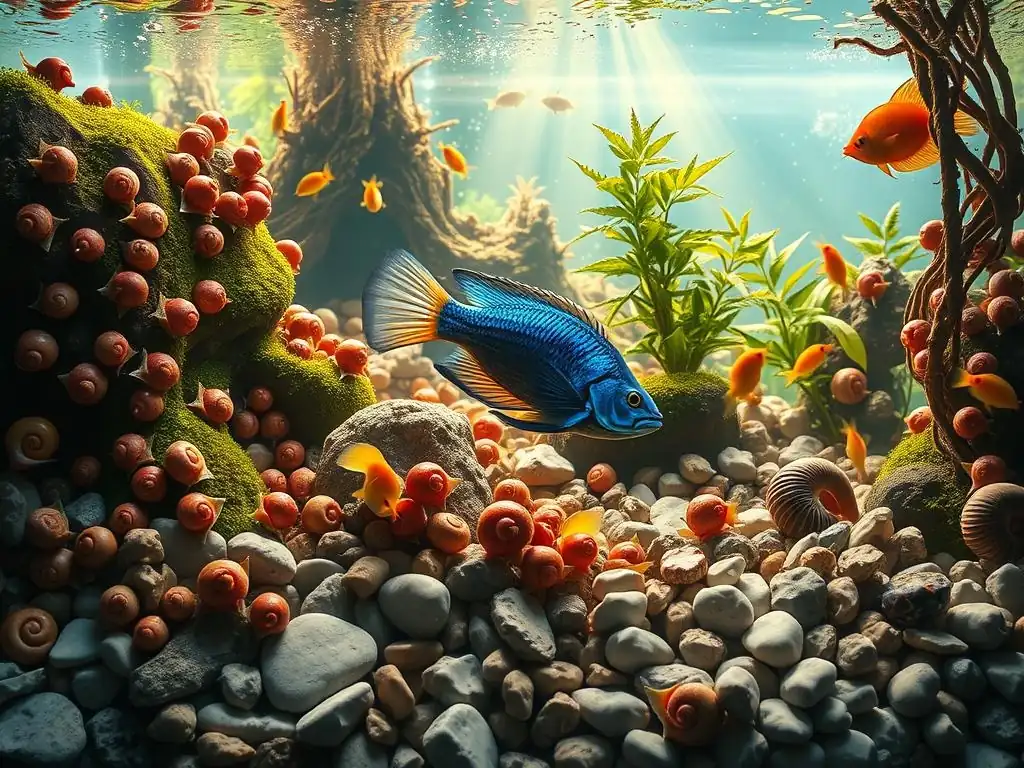
Ever wondered what it takes to satisfy the tiny, but mighty appetites of your shell dwelling cichlids? These fascinating freshwater fish have unique dietary needs that are crucial for their health and vibrant colors. Dive in to discover the secrets of the ideal Shell Dwelling Cichlid Diet and unlock the key to thriving, happy inhabitants in your aquarium. Curious about what to feed them? Let's explore!
- Understanding the Dietary Needs of Shell Dwelling Cichlids
- The Foundation of a Healthy Shell Dwelling Cichlid Diet
- Best Food Options for Shell Dwelling Cichlids
- Creating a Feeding Schedule for Optimal Health
- Special Dietary Considerations for Shell Dwelling Cichlids
- Avoiding Common Feeding Mistakes with Shell Dwellers
- Supplementing the Diet for Enhanced Health and Color
- Maintaining Water Quality Through Proper Feeding Practices
- Conclusion: Mastering the Art of Feeding Shell Dwelling Cichlids
-
Frequently Asked Questions
- What is the best staple food for Shell Dwelling Cichlids?
- How often should I feed my Shell Dwelling Cichlids?
- What types of live or frozen foods can I offer to supplement their diet?
- Are there any foods I should avoid feeding my Shell Dwelling Cichlids?
- How do I know if I am feeding my Shell Dwelling Cichlids the right amount?
- Final Reflection: Nurturing Tiny Ecosystems
- Ignite Your Shell Dweller's Vitality
Understanding the Dietary Needs of Shell Dwelling Cichlids
Why a Specialized Diet is Crucial for Shell Dweller Health
Shell-dwelling cichlids, such as Neolamprologus multifasciatus or Lamprologus ocellatus, are not simply smaller versions of other cichlids; they possess unique physiological and behavioral adaptations that necessitate a specialized Shell Dwelling Cichlid Diet. Their diminutive size and often small mouthparts are adapted for consuming microscopic organisms and tiny invertebrates found within the confines of snail shells in their natural habitat. A generic tropical fish flake or a large cichlid pellet simply won't meet their specific needs, often being too large to ingest or lacking the precise nutritional balance for their carnivorous tendencies.
An improper diet can lead to a cascade of negative health outcomes for these delicate fish. Stunted growth, dull coloration, reduced activity, and a compromised immune system are common indicators of nutritional deficiencies. For instance, poorly fed shell dwellers may only live for 2-3 years in captivity, significantly less than their potential lifespan of 5-8 years when provided with an optimal Shell Dwelling Cichlid Diet. Furthermore, a diet high in indigestible fillers can lead to digestive issues, making them more susceptible to bacterial infections and overall reduced vitality.
Natural Feeding Habits of Shell Dwelling Cichlids in Lake Tanganyika
In their native Lake Tanganyika, shell-dwelling cichlids primarily inhabit vast sandy plains littered with the empty shells of Neothauma tanganyicense snails. Their natural feeding habits revolve around sifting through the sand, picking at biofilm, and actively hunting for microscopic invertebrates that reside within or near these shells. This includes copepods, ostracods, tiny insect larvae, and other detritus-associated organisms. Species like Lamprologus ocellatus are known for their quick, darting movements as they ambush small prey.
This natural Shell Dwelling Cichlid Diet is predominantly protein-rich, derived from small, easily digestible animal matter, with very little plant material. Replicating this in the home aquarium is fundamental to their health and well-being. By understanding that their wild diet consists of approximately 60-70% protein from these tiny invertebrate sources, aquarists can select commercial and supplemental foods that closely match this nutritional profile, promoting natural behaviors and robust health.
The Foundation of a Healthy Shell Dwelling Cichlid Diet
High-Quality Protein Sources for Shell Dwellers
Protein is the cornerstone of a healthy Shell Dwelling Cichlid Diet, vital for growth, muscle development, and successful reproduction. Given their carnivorous or invertivorous nature, their diet must be rich in animal-based proteins. When selecting commercial foods, prioritize those that list fish meal, krill meal, or shrimp meal as the first few ingredients, signifying a high-quality protein source. For instance, a premium sinking pellet formulated for Neolamprologus similis should typically contain a crude protein level exceeding 40-45%.
Beyond commercial formulations, live and frozen foods offer excellent, highly digestible protein. Options like Mysis shrimp, brine shrimp, and bloodworms provide a complete amino acid profile essential for these active cichlids. Incorporating these into the Shell Dwelling Cichlid Diet ensures they receive the necessary building blocks for strong body structure and vibrant coloration. For example, the consistent feeding of high-quality proteins has been observed to increase the spawning frequency and egg viability in breeding pairs.
Essential Vitamins and Minerals for Cichlid Growth and Color
While protein is paramount, a comprehensive Shell Dwelling Cichlid Diet must also include essential vitamins and minerals, which act as crucial cofactors for various physiological processes. Vitamins such as A, D3, E, and C, along with B-complex vitamins, are vital for immune function, skeletal development, and overall vitality. Vitamin C, for instance, is critical for stress reduction and collagen synthesis, while Vitamin D3 is indispensable for calcium absorption, preventing skeletal deformities, especially in rapidly growing fry.
Minerals like calcium, phosphorus, and iodine are equally important. Calcium and phosphorus are fundamental for strong bone and fin structure, particularly for species like Altolamprologus compressiceps 'Shell' that attain a larger size. High-quality commercial foods are typically fortified with these micronutrients. Additionally, natural sources like spirulina, often found in premium flakes, provide beta-carotenes, a precursor to Vitamin A, which naturally enhances the vibrant colors of shell dwellers.
The Role of Fiber in Shell Dweller Digestion
Although shell-dwelling cichlids are primarily carnivorous, a small, appropriate amount of digestible fiber plays a beneficial role in their digestive health. This fiber typically comes from the indigestible exoskeletons of their natural prey or from the binding agents in high-quality commercial foods, rather than from significant plant matter. Adequate fiber promotes gut motility and helps prevent constipation, ensuring a smooth passage of food through the digestive tract.
However, it is crucial to avoid overfeeding fiber, as excessive amounts can lead to digestive upset in these protein-focused fish. Unlike herbivorous cichlids, shell dwellers are not equipped to process large quantities of plant material. A suitable crude fiber content for a quality flake or pellet designed for shell dwellers is usually in the range of 3-5%. Feeding vegetable-based flakes intended for species like Mbuna cichlids would be detrimental to a proper Shell Dwelling Cichlid Diet, potentially causing bloating and nutrient malabsorption.
Best Food Options for Shell Dwelling Cichlids
Live Foods: A Natural and Stimulating Option
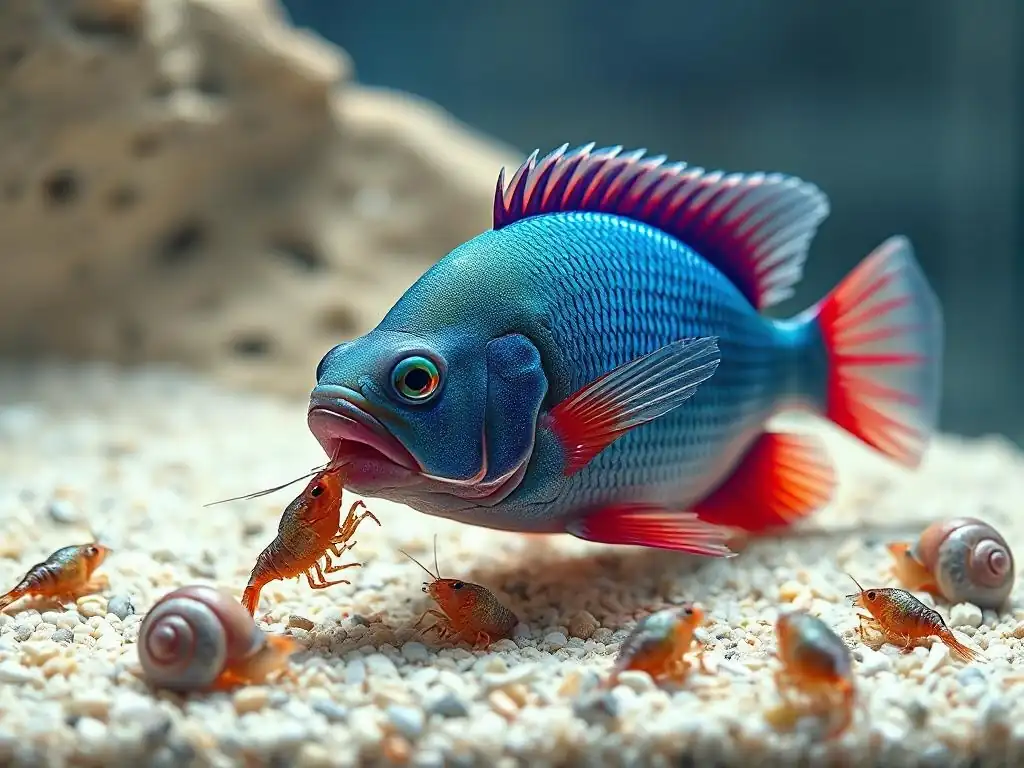
Live foods are arguably the closest approximation to the natural Shell Dwelling Cichlid Diet, offering not only superior nutrition but also invaluable mental and physical stimulation. The act of hunting and capturing live prey engages their natural predatory instincts, promoting activity and reducing stress. This can significantly enhance their overall well-being and natural behaviors within the aquarium.
While highly beneficial, the use of live foods necessitates caution regarding potential pathogen introduction. Sourcing from reputable suppliers or, ideally, culturing your own live foods can mitigate this risk. For instance, many hobbyists successfully maintain cultures of brine shrimp or Daphnia. The high moisture content and enzymatic activity of live foods also contribute to better hydration and digestion, often leading to improved spawning rates and more vibrant coloration in breeding colonies of species like Neolamprologus brevis.
Brine Shrimp: A Staple Live Food for Small Cichlids
Newly hatched brine shrimp nauplii ( Artemia salina) are an exceptionally popular and effective live food, especially for shell dweller fry and small-mouthed adults. Their tiny size, typically around 0.5 mm, makes them easily consumable, and their erratic swimming motion triggers a strong feeding response. Adult brine shrimp, while larger, are also readily accepted by most adult shell dwellers.
Nutritionally, brine shrimp are high in protein, often exceeding 60% dry weight for nauplii, but they are relatively low in essential fatty acids. To enhance their nutritional profile for a comprehensive Shell Dwelling Cichlid Diet, it is highly recommended to "gut-load" them by feeding them spirulina or other nutritious feeds for several hours before offering them to your fish. Many dedicated aquarists hatch brine shrimp daily to ensure maximum freshness and nutritional benefit.
Daphnia: Promoting Gut Health and Digestion
Daphnia, commonly known as water fleas, are small crustaceans ranging from 0.2 to 5 mm, making them another excellent live food choice for shell dwellers. They are readily consumed by most species and offer unique digestive benefits. Daphnia are known to act as a mild laxative, aiding in gut motility and preventing constipation, which can be particularly useful if shell dwellers have been overfed on dry foods.
While not as protein-dense as brine shrimp, Daphnia provide essential enzymes and a beneficial amount of roughage. They are relatively easy to culture at home, providing a consistent supply of live food. Including Daphnia regularly in the Shell Dwelling Cichlid Diet, perhaps two to three times a week, offers valuable variety and contributes to a healthy digestive system, especially when sourced from clean, unpolluted environments to avoid introducing contaminants.
Microworms: An Excellent First Food for Fry
Microworms ( Panagrellus redivivus) are microscopic nematodes, typically ranging from 50 to 1000 micrometers in length, making them an ideal first food for the incredibly tiny fry of shell-dwelling cichlids. Many shell dweller fry, such as those of Neolamprologus multifasciatus, are too small to consume newly hatched brine shrimp nauplii immediately after hatching. The constant wiggling motion of microworms actively attracts the fry, encouraging them to begin feeding.
These tiny worms are remarkably easy to culture at home using a simple oatmeal medium, providing a continuous and reliable supply of highly digestible protein and fat. This early nutritional boost is critical for the survival rates and rapid development of shell dweller fry. Providing microworms as the initial food for the first few days ensures that the smallest fry receive adequate nutrition, laying the foundation for robust growth.
Frozen Foods: Convenient and Nutritious
Frozen foods offer a convenient and highly nutritious alternative to live foods, bridging the gap between the nutritional value of live prey and the practicality of dry foods. They boast a longer shelf life and often retain more nutrients than heavily processed flakes or pellets. Furthermore, frozen foods significantly reduce the risk of introducing parasites or diseases that can sometimes accompany wild-caught live foods.
The variety of frozen foods available allows for a diverse and comprehensive Shell Dwelling Cichlid Diet without the need for maintaining live cultures. It is always best practice to thaw frozen foods in a small amount of tank water before feeding. This prevents chilling the fish's digestive system and helps avoid the introduction of excess nutrients from the thawing liquid, which could otherwise foul the aquarium water. A varied regimen might include different frozen options throughout the week to ensure a broad spectrum of nutrients.
Frozen Bloodworms: A Treat in Moderation
Frozen bloodworms, the larvae of midge flies, are a highly palatable and nutritious treat for shell-dwelling cichlids. They are rich in iron and protein, making them very appealing and capable of stimulating a strong feeding response even in finicky eaters. Their vibrant red color is often attractive to fish, encouraging them to feed readily.
However, due to their relatively high fat content and potential to cause digestive issues if overfed, bloodworms should be offered sparingly as part of a balanced Shell Dwelling Cichlid Diet. A serving of frozen bloodworms once or twice a week as a supplement is generally sufficient, rather than making them a daily staple. For a small colony of 10 Lamprologus ocellatus, a small portion equivalent to a quarter of a standard frozen cube would be an appropriate amount per feeding. Always thaw and rinse them thoroughly before feeding to remove any residual liquid that could pollute the water.
Frozen Mysis Shrimp: A Balanced Nutritional Source
Frozen Mysis shrimp ( Mysis relicta or similar species) are considered one of the best frozen food options for a balanced Shell Dwelling Cichlid Diet. They are exceptionally nutritious, packed with high-quality protein, essential amino acids, and beneficial fatty acids, including Omega-3s. Their relatively small size, typically around 1-2 cm, makes them easily consumable by most adult shell dwellers.
Mysis shrimp are renowned for their palatability and are often accepted even by picky eaters. Furthermore, they naturally contain digestive enzymes that can aid in the fish's own digestion, making them particularly beneficial. Many aquarists report enhanced coloration, increased vitality, and improved breeding success in their shell dwellers when frozen Mysis shrimp are a regular component of their diet, ideally offered 2-3 times per week.
Frozen Cyclops: Ideal for Small-Mouthed Cichlids
Frozen Cyclops, tiny copepods typically measuring between 0.5 and 2 mm, are an ideal frozen food choice for shell-dwelling cichlids with very small mouths, such as Neolamprologus multifasciatus or Lamprologus brevis. They are also perfectly sized for growing fry that have transitioned beyond microworms but are still too small for larger foods. Despite their minute size, they offer excellent nutritional value.
Cyclops are rich in protein and carotenoids, which are natural pigments that can significantly enhance the vibrant colors of your cichlids. They are an excellent choice for daily feeding or as a primary component of a varied frozen Shell Dwelling Cichlid Diet, ensuring that even the smallest and most delicate members of your colony receive adequate and easily digestible nutrition. Their small particle size also minimizes waste in the aquarium.
Flake and Pellet Foods: Choosing the Right Formulations
Dry foods, in the form of high-quality flakes and pellets, serve as a practical and convenient staple for a balanced Shell Dwelling Cichlid Diet. When chosen carefully, they can provide a complete and nutritionally balanced foundation. The key is to select formulations specifically designed for carnivorous cichlids or small omnivores, as general tropical fish foods often lack the necessary protein content or contain inappropriate fillers.
It is crucial to scrutinize the ingredient list of any dry food. Look for fish meal, krill, spirulina, and other high-quality protein sources listed among the first few ingredients. Avoid foods that contain excessive fillers such as corn starch, wheat flour, or soy, as these offer minimal nutritional value to shell dwellers and can lead to excessive waste. A good quality flake or pellet for shell dwellers should typically boast a crude protein content of 45-55% and a fat content around 8-12% for optimal health.
High-Quality Cichlid Flakes: Selecting the Best Brands
When selecting flakes for your shell dwellers, prioritize those labeled as high-quality cichlid flakes. These formulations are designed to be easily digestible and to retain their nutritional integrity even after being exposed to water. Reputable brands often employ advanced manufacturing processes that result in flakes that do not quickly dissolve and pollute the aquarium water. Brands such as New Life Spectrum or Hikari frequently offer specialized formulations tailored for the dietary needs of smaller cichlids.
On the product label, ensure the flake formulation is demonstrably protein-rich, ideally with over 45% crude protein, and includes natural color enhancers like spirulina or astaxanthin. The particle size of the flakes should be appropriately small to allow for comfortable consumption by shell dwellers, preventing uneaten food from sinking and contributing to water quality issues. Smaller, more digestible flakes also reduce the amount of waste produced by the fish.
Sinking Pellets: Ensuring All Shell Dwellers Get Fed
Sinking pellets offer a distinct advantage for shell-dwelling cichlids, many of which are naturally bottom dwellers and prefer to forage for food near the substrate. Species like Neolamprologus similis or Lamprologus brevis often spend their time near or within shells at the bottom of the tank. Sinking pellets ensure that food reaches these fish, preventing faster surface feeders from monopolizing all the nutrients.
It is vital to choose very small micro-pellets, typically ranging from 0.5 to 1.0 mm, that are easy for the shell dwellers' small mouths to handle. These pellets should be specifically formulated for carnivorous or omnivorous cichlids, emphasizing high protein content and low waste production. For example, a small colony of 15 Neolamprologus multifasciatus might thrive on a daily feeding of 2-3 tiny sinking pellets per fish, ensuring each individual receives adequate nutrition.
Granules: A Good Alternative to Flakes
Granules present an excellent alternative to flakes, often providing a denser nutritional profile and a slower sink rate that allows more fish in a colony to feed. Unlike flakes, which can sometimes break down into fine dust, granules tend to maintain their form better, which helps to prevent clouding of the aquarium water and reduces uneaten food waste.
Granules offer a practical compromise between the broad feeding opportunity of flakes and the targeted delivery of sinking pellets. They are generally easier to portion accurately and create less mess than flakes. Many high-quality granule formulations are fortified with a comprehensive range of vitamins and minerals, making them a well-rounded and convenient component of a diverse Shell Dwelling Cichlid Diet.
Creating a Feeding Schedule for Optimal Health
How Often to Feed Your Shell Dwelling Cichlids
Due to their active metabolism and relatively small stomach capacity, shell-dwelling cichlids benefit significantly from multiple small feedings throughout the day rather than one large meal. This approach closely mimics their natural grazing behavior in Lake Tanganyika. For most adult colonies, two to three small feedings per day are ideal. For instance, a morning and an evening feeding of a small pinch of flake food or a tiny portion of frozen food works well.
This consistent, small-portion feeding strategy offers several benefits. It helps maintain stable blood sugar levels and energy, promoting consistent growth and activity. Crucially, it also minimizes the amount of uneaten food that can quickly decompose and degrade water quality, which is vital for the health of these sensitive fish. Observing your fish's consumption rate and adjusting accordingly is key to finding the perfect balance for your specific colony.
Portion Control: Preventing Overfeeding and Water Quality Issues
Overfeeding is one of the most pervasive and detrimental mistakes in aquarium keeping, particularly when caring for shell dwellers. These fish are opportunistic feeders and will readily consume more food than they need, which can lead to severe digestive problems and, more critically, rapid deterioration of water quality due to decaying uneaten food. Excess food quickly breaks down, releasing ammonia and nitrites, which are highly toxic to fish.
To prevent these issues, it is imperative to practice strict portion control. A general rule of thumb is to feed only what your shell dwellers can consume entirely within 2-3 minutes. If any food remains after this short period, it indicates you are feeding too much, and the excess should be promptly removed to prevent water pollution.
For example, a colony of 15 Neolamprologus multifasciatus may only require a pinch of flake food the size of a fingernail per feeding. Adjust portions based on the number and size of your fish, always erring on the side of underfeeding rather than overfeeding.
Varying the Diet: Mimicking Natural Feeding Patterns
Just like humans, fish thrive on a diverse diet that ensures they receive a full spectrum of essential nutrients. Relying solely on one type of food, even a high-quality one, can lead to subtle nutritional deficiencies over time and may make fish less enthusiastic about feeding. A varied Shell Dwelling Cichlid Diet not only provides complete nutrition but also offers behavioral enrichment by mimicking the diversity of their natural food sources.
A robust rotational feeding strategy is highly recommended. For instance, alternate between high-quality cichlid flakes, small sinking pellets, and various frozen foods such as Mysis shrimp, Cyclops, or brine shrimp throughout the week. Incorporating live foods like newly hatched brine shrimp or Daphnia once or twice a week further enhances the dietary diversity and provides stimulating hunting opportunities, contributing to the overall vitality and natural behavior of your shell dwellers.
Special Dietary Considerations for Shell Dwelling Cichlids
Feeding Fry: The Importance of Infusoria and Micro-foods
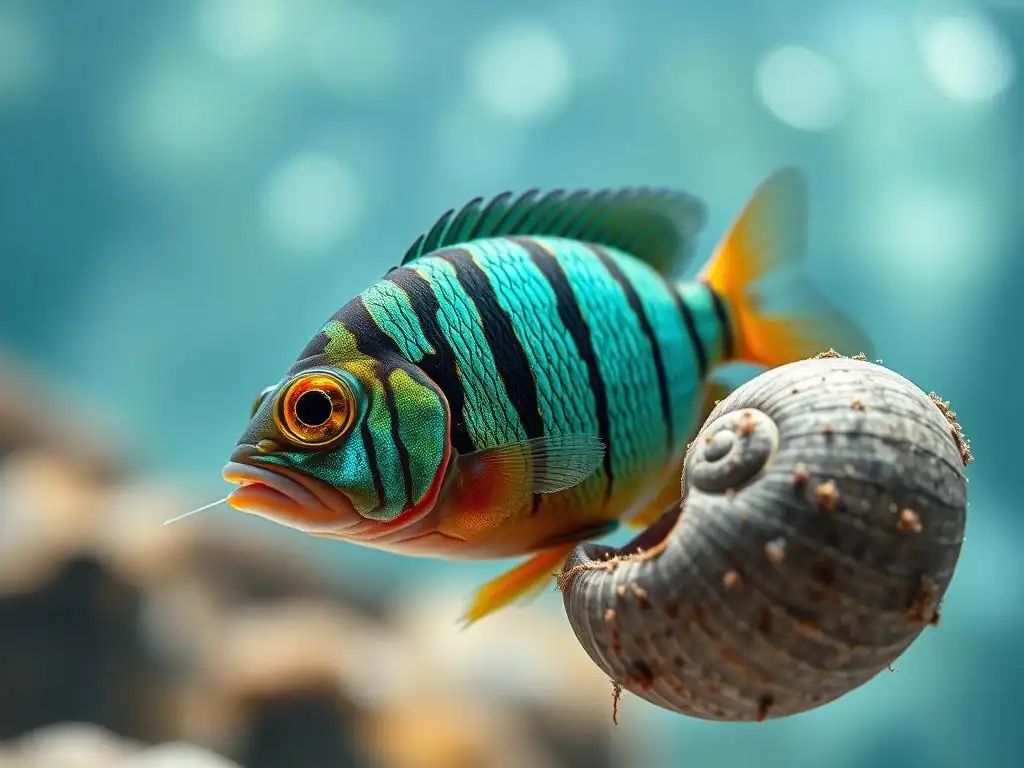
Shell dweller fry are incredibly tiny upon hatching, often measuring just 2-3 mm, and require microscopic food sources during their initial days. Infusoria, which are microscopic protozoa, are often the indispensable first food for newly hatched fry, providing essential nutrients in a size small enough for their delicate mouths to consume. Culturing infusoria can be easily done using vegetable matter or dedicated cultures.
As the fry grow, typically after a few days to a week, they can gradually transition to slightly larger micro-foods. This progression usually begins with microworms, followed by newly hatched brine shrimp nauplii. Once they have grown a bit more, finely crushed high-quality flake food or frozen Cyclops can be introduced. This meticulous approach to early feeding is critical for the survival rates and robust development of shell dweller fry, ensuring they receive the precise nutrients needed for rapid growth.
Conditioning Breeders: Preparing for Spawning with a Nutrient-Rich Diet
Diet plays a pivotal role in conditioning adult shell-dwelling cichlids for successful spawning. A nutrient-rich diet prepares the fish physiologically, leading to healthier breeders, increased viability of eggs, and more consistent breeding behaviors. This conditioning involves elevating the frequency and quality of protein-rich foods in their Shell Dwelling Cichlid Diet. Well-conditioned pairs are more likely to spawn regularly and produce larger, healthier broods.
To optimize breeding readiness, supplement their regular diet with a higher proportion of live or frozen foods. Offerings such as Mysis shrimp, adult brine shrimp, or small amounts of bloodworms should be increased. For example, boosting the frequency of live or frozen food offerings to 3-4 times per week for 2-3 weeks prior to an expected spawning period can significantly enhance fertility, egg production, and the overall vigor of the breeding pair, making them more inclined to reproduce.
Addressing Specific Health Issues Through Diet
While diet is not a magic bullet for all ailments, it plays a significant preventative and supportive role in managing certain health issues in shell-dwelling cichlids. A chronically deficient Shell Dwelling Cichlid Diet, particularly one lacking essential vitamins, can severely weaken the fish's immune system, making them more susceptible to common diseases and stress-related illnesses.
Conversely, a tailored diet can aid recovery or alleviate specific symptoms. For instance, if a fish appears sluggish or shows signs of mild constipation, offering Daphnia can act as a gentle, natural laxative to aid digestion. For fish recovering from illness or stress, highly palatable and easily digestible foods like frozen Mysis shrimp can help regain strength and stimulate appetite. It is equally important to avoid high-fat or poorly digestible foods, which can contribute to digestive issues like bloat, though this is less common in Tanganyikan cichlids than in some other cichlid species.
Avoiding Common Feeding Mistakes with Shell Dwellers
Overfeeding and its Consequences
Overfeeding stands as the single most common and destructive mistake in aquarium husbandry, particularly with sensitive species like shell dwellers. When fish are fed too much, the uneaten food rapidly decomposes in the water, leading to a dangerous surge in ammonia and subsequently nitrite levels. Both ammonia and nitrite are highly toxic to fish, causing severe stress, irreversible gill damage, and often leading to fatalities.
Beyond water quality degradation, chronic overfeeding has direct internal consequences for the fish themselves. It can lead to fatty liver disease, internal organ damage, and digestive blockages. An accumulation of undigested food in the gut can foster bacterial infections, compromising the fish's immune system and overall vitality. For instance, shell dwellers consistently overfed may exhibit lethargy, dull coloration, and a reduced lifespan, often succumbing to secondary infections.
Feeding Low-Quality Foods: The Impact on Health and Color
Not all fish foods are created equal, and feeding low-quality formulations can have profound negative impacts on your shell dwellers. These inferior foods often contain excessive amounts of cheap fillers, such as corn, soy, or wheat, and utilize low-grade protein sources that are difficult for carnivorous shell dwellers to digest. This results in poor nutrient absorption and a diet that lacks the essential building blocks for optimal health.
A prolonged Shell Dwelling Cichlid Diet consisting of poor-quality food inevitably leads to visible signs of ill health: stunted growth, faded or dull coloration, chronic lethargy, and a significantly weakened immune system. Fish fed such diets often produce more waste, further contributing to poor water quality. For example, Lamprologus ocellatus that are deprived of carotenoids found in high-quality foods will lose their characteristic vibrant orange or yellow hues, appearing pale and listless.
Ignoring Individual Needs: Tailoring the Diet to Each Species
While general dietary guidelines apply to all shell dwellers, it is crucial to recognize that different species within this group may have subtle variations in their dietary preferences or requirements, based on their specific ecological niche in Lake Tanganyika. For instance, the minuscule mouth of Neolamprologus multifasciatus necessitates much smaller food particles than those suitable for the larger Lamprologus callipterus.
Therefore, a truly optimal Shell Dwelling Cichlid Diet involves observing your specific species' feeding behavior and adjusting food particle size and type accordingly. While most are primarily invertivores, some might consume more biofilm or detritus in the wild. For example, Altolamprologus compressiceps 'Shell' might appreciate slightly larger frozen foods like finely chopped krill, whereas Telmatochromis brichardi might benefit from a greater emphasis on insect-based proteins. Tailoring the diet ensures that each individual in your diverse colony receives appropriate nutrition.
Supplementing the Diet for Enhanced Health and Color
Using Vitamin Supplements: When and How to Use Them
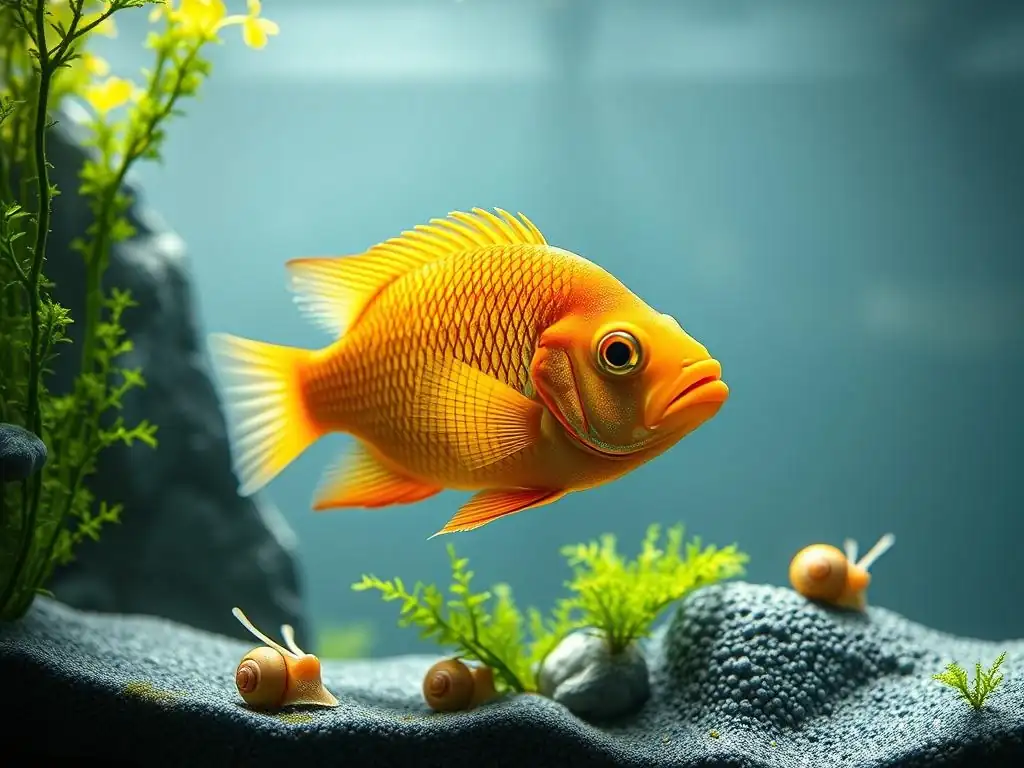
While a high-quality, varied Shell Dwelling Cichlid Diet should ideally provide all necessary vitamins, supplementation can be highly beneficial in specific circumstances. These situations include conditioning fish for breeding, aiding in recovery from illness or stress (e.g., after shipping), or boosting the immune system during periods of environmental change. Vitamins can help bridge any potential nutritional gaps and enhance overall vitality.
Liquid vitamin supplements designed for aquarium fish can be added directly to the tank water, though this method is less efficient as absorption can be limited. A more effective approach is to soak dry or thawed frozen foods in the vitamin solution just before feeding. For example, add a few drops of a quality aquarium vitamin supplement to a small portion of thawed Mysis shrimp and allow it to soak for 10-15 minutes. This ensures direct ingestion, maximizing the bioavailability of the vitamins to your shell dwellers.
Natural Color Enhancers: Spirulina and Astaxanthin
Natural pigments play a crucial role in bringing out the vibrant and striking coloration of shell-dwelling cichlids. Spirulina, a nutrient-dense blue-green algae, and astaxanthin, a powerful carotenoid pigment, are widely incorporated into fish diets specifically to enhance reds, oranges, and yellows. These are not artificial dyes but natural compounds that fish absorb and metabolize, depositing them in their skin to intensify their natural hues.
Spirulina is rich in beta-carotenes and other valuable pigments, while astaxanthin is commonly found in crustaceans like krill and shrimp. Incorporating foods high in these natural color enhancers, such as premium flakes with a high spirulina content or frozen krill, can significantly improve the natural vibrancy of species like Lamprologus ocellatus or Neolamprologus brevis. Consistent feeding of such a Shell Dwelling Cichlid Diet can lead to visibly more intense and brilliant colors within a few weeks.
Probiotics: Promoting Gut Health and Digestion
The concept of probiotics, beneficial bacteria that support gut health, is increasingly recognized in fish nutrition. Similar to humans, a healthy balance of beneficial bacteria in a fish's gut is crucial for efficient digestion, optimal nutrient absorption, and a robust immune response. Probiotic-enriched fish foods contain live beneficial bacterial strains that can help maintain a healthy gut flora, especially after periods of stress, illness, or antibiotic treatments.
A healthy gut microbiome can significantly improve the fish's ability to utilize nutrients from their food, leading to better growth rates and reduced waste production. Furthermore, a strong gut barrier contributes to a stronger overall immune system, making fish more resilient to pathogens. Some premium Shell Dwelling Cichlid Diet formulations now include probiotics. Regular feeding of such foods can lead to better overall health, more robust fish, and potentially a reduction in instances of digestive upset.
Maintaining Water Quality Through Proper Feeding Practices
The Link Between Feeding and Ammonia Levels
There is an undeniable and direct link between feeding practices and the chemical parameters of aquarium water, particularly ammonia levels. Uneaten food and fish waste (feces) are the primary organic sources that decompose in the aquarium, leading to the production of ammonia. When fish are overfed, the sheer volume of organic waste introduced into the system increases dramatically, overwhelming the beneficial bacteria responsible for the nitrogen cycle and causing dangerous spikes in ammonia and subsequently nitrite.
High ammonia levels are acutely toxic to fish, causing severe stress, irreparable damage to their gills, and can ultimately be fatal. A responsible Shell Dwelling Cichlid Diet, characterized by appropriate portion control and the use of high-quality, highly digestible foods, minimizes the production of waste. This proactive approach is fundamental to maintaining stable and safe ammonia levels, ideally below 0.25 ppm, which is crucial for the long-term health and well-being of these sensitive cichlids.
Efficient Waste Removal: Regular Water Changes and Filtration
Even with the most meticulous feeding practices, waste products will inevitably accumulate in the aquarium, necessitating effective waste management strategies. Regular partial water changes are absolutely crucial for diluting nitrates, which are the end product of the nitrogen cycle, and for removing dissolved organic compounds that accumulate from fish metabolism and food breakdown. For shell dweller tanks, a weekly 20-25% water change is often recommended to maintain pristine conditions.
Furthermore, a robust and appropriately sized filtration system is indispensable. This system should ideally combine mechanical filtration (to remove particulate matter like uneaten food and solid waste), biological filtration (to provide ample surface area for beneficial bacteria to convert toxic ammonia and nitrite into less harmful nitrate), and chemical filtration (such as activated carbon to remove dissolved organic pollutants and maintain water clarity). Ensuring filter media are regularly cleaned (but never sterilized) complements a proper Shell Dwelling Cichlid Diet in safeguarding the water quality vital for these unique fish.
Conclusion: Mastering the Art of Feeding Shell Dwelling Cichlids
Frequently Asked Questions
What is the best staple food for Shell Dwelling Cichlids?
A high-quality flake food or small pellet designed for small carnivores is ideal. Ensure it contains a good balance of protein and essential nutrients to support their growth and vibrant coloration.
How often should I feed my Shell Dwelling Cichlids?
Feed them small amounts two to three times per day. Avoid overfeeding, as this can lead to water quality issues and health problems.
What types of live or frozen foods can I offer to supplement their diet?
Excellent options include bloodworms, daphnia, brine shrimp, and cyclops. These provide essential vitamins and minerals and stimulate their natural hunting instincts.
Are there any foods I should avoid feeding my Shell Dwelling Cichlids?
Avoid foods that are too large for them to eat, as well as foods high in fillers or carbohydrates. These can be difficult to digest and offer little nutritional value.
How do I know if I am feeding my Shell Dwelling Cichlids the right amount?
Monitor their body condition and behavior. If they appear thin or inactive, increase the amount slightly. If they are becoming overweight or food is uneaten, reduce the portions.
Final Reflection: Nurturing Tiny Ecosystems
The intricacies of maintaining a thriving aquarium, especially when housing delicate species like shell dwelling cichlids, extend far beyond mere aesthetics. Understanding and replicating their natural diet is paramount to their health, longevity, and the overall success of the miniature ecosystem we create. This article has explored the nuances of the ideal shell dwelling cichlid diet, highlighting the importance of variety, size, and nutritional content in ensuring these tiny predators flourish.
The impact of providing a proper diet resonates far beyond the confines of the aquarium. It's a testament to our responsibility as caretakers, a reflection of our understanding of ecological balance, and a demonstration of our commitment to the well-being of these fascinating creatures. The choices we make in selecting their food directly influence their behavior, breeding patterns, and susceptibility to disease. The greatness of a nation and its moral progress can be judged by the way its animals are treated.
- Mahatma Gandhi. This quote, though often applied to larger animals, holds equal weight when considering the tiny inhabitants of our aquariums.
As you embark on, or continue, your journey of caring for shell dwelling cichlids, remember that their diet is not just a routine task, but a vital connection to their natural world. Take the time to observe their feeding habits, experiment with different food options, and continuously refine your approach. By doing so, you're not just feeding your fish; you're cultivating a thriving ecosystem and deepening your appreciation for the delicate balance of life within your aquarium. Let this knowledge empower you to create a vibrant and healthy environment where your shell dwelling cichlids can truly thrive.
Ignite Your Shell Dweller's Vitality
Thanks for diving deep into the world of shell dwelling cichlids and their dietary needs! We hope you found this guide helpful in understanding how to best nourish these miniature marvels. Now it's time to put your knowledge into action and create a thriving habitat for your finned friends.
Here's how you can elevate your shell dweller care today:
- Implement a varied feeding schedule. Mix high-quality flakes with frozen or live treats to provide a balanced and stimulating diet.
- Explore breeding: Start with a small tank of Neolamprologus multifasciatus to give your fish the opportunity to breed, as their hunting behaviors strengthen when seeking food to provide for their young.
- Share your feeding strategies! Join the Aquarium Mastery community forum and exchange tips and tricks with other shell dweller enthusiasts.
What unique treat will you be introducing to your shell dwellers' diet this week?