
Filtration for *Cyprichromis* Tanks: Ensuring Optimal Water Quality

Welcome to Aquarium Mastery!
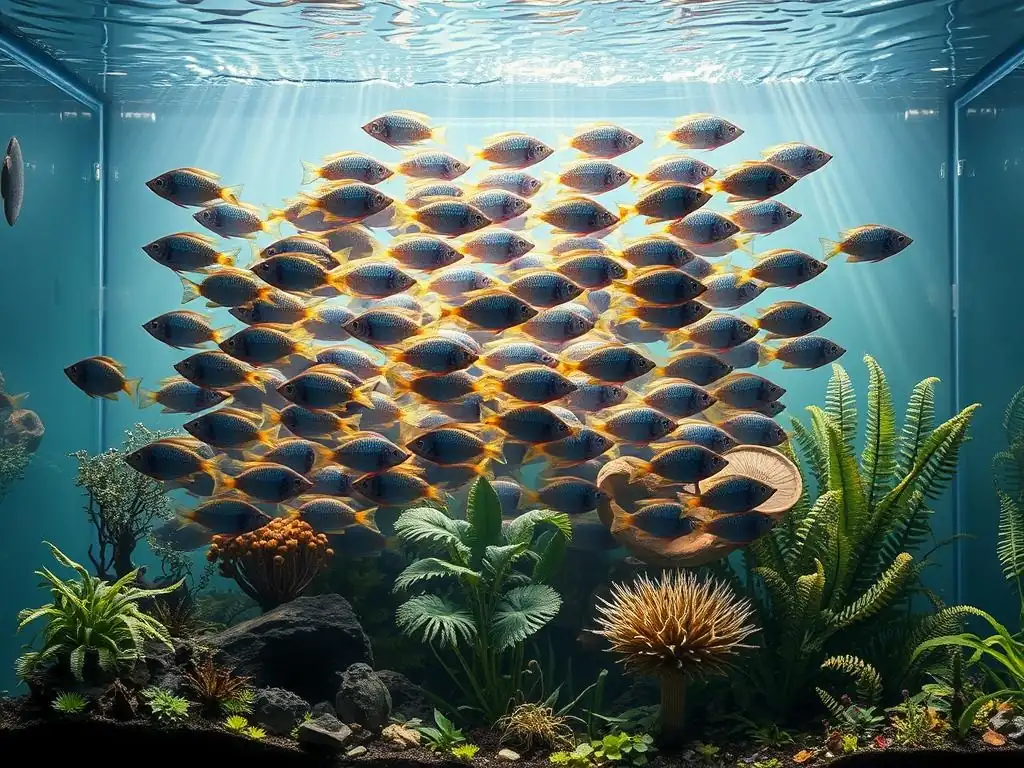
Ever wondered how to create the perfect aquatic haven for your dazzling Cyprichromis? Dive into our comprehensive guide on Cyprichromis tank filtration needs and unlock the secrets to crystal-clear water and thriving fish. Discover the critical components and fine-tune your filtration system for optimal water quality. Ready to see your Cyprichromis flourish? Let's get started!
- Understanding Cyprichromis and Their Unique Tank Requirements
- Cyprichromis Tank Filtration Needs: A Detailed Overview
- Choosing the Right Filter for Your Cyprichromis Tank
- Optimizing Cyprichromis Tank Filtration: Best Practices
- Troubleshooting Common Cyprichromis Tank Filtration Issues
- Advanced Filtration Techniques for Cyprichromis Aquariums
- Conclusion: Ensuring a Thriving Cyprichromis Aquarium Through Proper Filtration
-
Frequently Asked Questions
- What type of filtration is best for a Cyprichromis tank?
- How often should I perform water changes in a Cyprichromis tank?
- What size filter is recommended for a Cyprichromis tank?
- What are the signs of inadequate filtration in a Cyprichromis tank?
- Can I use a canister filter for my Cyprichromis tank?
- Final Reflection: The Enduring Clarity of Cyprichromis Life
- Transform Your *Cyprichromis* Tank Today!
Understanding Cyprichromis and Their Unique Tank Requirements
The Importance of Pristine Water Conditions for Cyprichromis
Cyprichromis species, often referred to as featherfin cichlids, are exquisite inhabitants of Lake Tanganyika, renowned for their graceful swimming and vibrant schooling behavior. Their delicate nature, however, necessitates an unwavering commitment to pristine water quality within the aquarium environment. Unlike many other cichlids, Cyprichromis are particularly sensitive to elevated levels of dissolved organic compounds and nitrogenous waste products such as ammonia, nitrite, and even nitrate. Prolonged exposure to these toxins can lead to severe stress, compromised immune systems, and susceptibility to various diseases, ultimately diminishing their vibrant coloration and significantly shortening their lifespan.
Maintaining optimal water conditions is not merely about preventing illness; it is fundamental for encouraging natural behaviors, promoting breeding success, and allowing these fish to display their full genetic potential. A robust and efficient Cyprichromis tank filtration system is the primary defense against accumulating pollutants, ensuring that the water remains crystal clear and chemically stable. This meticulous attention to water parameters, mirroring their natural habitat, is a cornerstone of successful Cyprichromis husbandry, directly impacting their vitality and overall well-being.
Cyprichromis Natural Habitat and Replicating It in Your Aquarium
The native habitat of Cyprichromis species is the vast and ancient Lake Tanganyika in East Africa, a lake characterized by its immense size, stable water parameters, and remarkably low levels of dissolved organic matter. The water in Lake Tanganyika is consistently hard and alkaline, typically exhibiting a pH range of 8.0 to 9.2 and a GH (General Hardness) between 10-20 dGH.
Crucially, nutrient levels, particularly nitrates, are exceptionally low due to the lake's oligotrophic nature and efficient natural processes. Cyprichromis primarily inhabit the open water column, feeding on zooplankton, which means they are accustomed to vast expanses of clean, highly oxygenated water with minimal particulate matter.
Replicating these precise conditions in a closed aquarium system is the core challenge of Cyprichromis care, and it directly influences their Cyprichromis tank filtration needs. Aquarists must strive to maintain high pH and hardness, while simultaneously ensuring that ammonia and nitrite remain at undetectable levels (0 ppm) and nitrates are kept as low as possible, ideally below 10-15 ppm.
This often requires a combination of powerful filtration, regular water changes, and careful stocking to prevent the rapid accumulation of waste products. Mimicking their natural environment through effective filtration and diligent maintenance is key to their long-term health and the successful display of their captivating schooling behavior.
Cyprichromis Tank Filtration Needs: A Detailed Overview
Biological Filtration: The Cornerstone of a Healthy Cyprichromis Aquarium
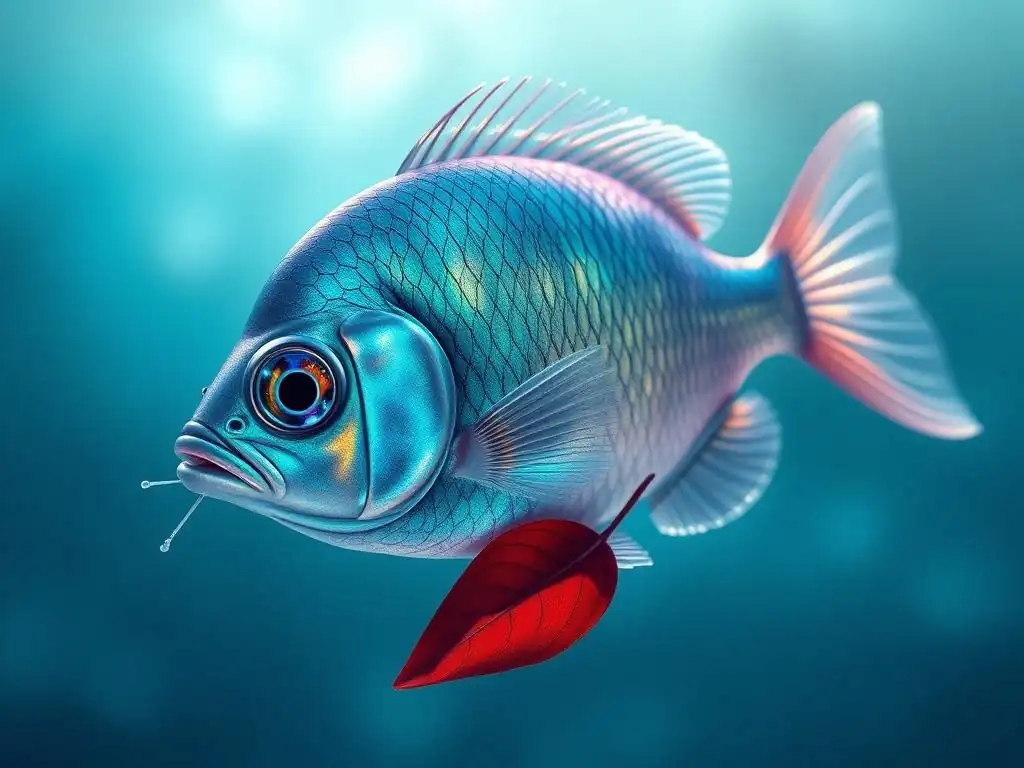
Biological filtration is arguably the most critical component of any Cyprichromis tank filtration setup, serving as the backbone for maintaining a non-toxic environment. This process relies on beneficial nitrifying bacteria, primarily Nitrosomonas and Nitrobacter species, which colonize porous surfaces within the filter media and throughout the aquarium.
These bacteria perform the vital function of the nitrogen cycle: Nitrosomonas converts highly toxic ammonia (NH3/NH4+) excreted by fish and decaying organic matter into less toxic nitrite (NO2-), and then Nitrobacter converts nitrite into relatively less harmful nitrate (NO3-). For Cyprichromis, undetectable levels of ammonia and nitrite are non-negotiable, given their extreme sensitivity.
To ensure robust biological filtration, it is crucial to provide ample surface area for bacterial colonization. This is achieved through specialized filter media such as ceramic rings, bio-balls, sintered glass, or porous foam. These media types offer a vast microscopic landscape where billions of beneficial bacteria can thrive, effectively processing the waste produced by the Cyprichromis population.
Without sufficient biological filtration, ammonia and nitrite levels would quickly skyrocket, leading to immediate stress, gill damage, and eventual fatality for these delicate featherfin cichlids. Therefore, investing in high-quality biological media and allowing adequate time for the nitrogen cycle to establish is paramount for any successful Cyprichromis aquarium.
Mechanical Filtration: Removing Particulate Matter in Cyprichromis Tanks
Mechanical filtration plays a crucial role in maintaining the visual clarity and overall cleanliness of a Cyprichromis tank, directly addressing their Cyprichromis tank filtration needs for pristine water. This type of filtration physically removes suspended particles from the water column, such as uneaten food, fish waste, and decaying plant matter.
By trapping these solids, mechanical filtration prevents them from breaking down further and contributing to the biological load, thus reducing the potential for ammonia and nitrite spikes. It also ensures that the water remains crystal clear, allowing for optimal viewing of these beautiful fish and preventing unsightly detritus from accumulating on the substrate or decor.
Common mechanical filter media include filter floss, sponges, and fine filter pads. These materials work by physically straining particles from the water as it passes through them. For Cyprichromis tanks, which benefit from a very clean environment, using multiple layers of mechanical media, progressing from coarse to fine, is often recommended.
For instance, a coarse sponge can trap larger debris, while a finer pad or floss can capture smaller suspended particles. Regular cleaning or replacement of mechanical media is essential, typically weekly or bi-weekly depending on the bioload, as clogged media can reduce water flow and become a source of nitrates if left to decompose.
Chemical Filtration: Maintaining Water Chemistry for Featherfin Cichlids
Chemical filtration is an invaluable tool for fine-tuning water parameters and removing dissolved organic compounds that mechanical and biological filtration cannot address, making it a key component of comprehensive Cyprichromis tank filtration needs. This method utilizes specialized media that adsorb or react with specific chemical impurities in the water. For Cyprichromis aquariums, chemical filtration is particularly useful for removing tannins that can discolor the water, eliminating odors, and, most importantly, reducing levels of nitrates, phosphates, and other dissolved organics that can contribute to algae growth and overall water degradation.
The most common chemical media include activated carbon, which excels at removing discoloration, odors, and residual medications, though it should be replaced monthly as its adsorptive capacity is finite. Other advanced resins, such as Purigen or specialized nitrate/phosphate removers, are highly effective at polishing the water and keeping nutrient levels exceptionally low, which is crucial for Cyprichromis in their low-nutrient Tanganyikan environment. While not a substitute for biological and mechanical filtration, chemical filtration acts as an excellent supplement, helping to maintain the ultra-clean, stable water conditions that Cyprichromis thrive in, ensuring their health and vibrant appearance.
Choosing the Right Filter for Your Cyprichromis Tank
Canister Filters: A Popular Choice for Cyprichromis Aquariums
Canister filters are external, sealed units that sit below or beside the aquarium, drawing water out of the tank, processing it through multiple media chambers, and then returning the filtered water. They are highly favored by experienced aquarists, especially for larger setups or tanks with a significant bioload, due to their impressive capacity and versatility.
A typical canister filter for a Cyprichromis tank might be rated for a 50-75 gallon aquarium, even if the tank is only 40 gallons, to ensure ample filtration turnover and media volume. This type of filter is designed to handle all three types of filtration – mechanical, biological, and chemical – within its various compartments, allowing for a highly customized filtration strategy.
The design of canister filters allows for a substantial volume of filter media, which is critical for establishing a robust biological filter that can handle the waste produced by a school of Cyprichromis. Their powerful pumps ensure excellent water circulation throughout the tank, which is beneficial for oxygenation and preventing dead spots where detritus could accumulate. Furthermore, because they are external, canister filters contribute minimally to the visual clutter within the aquarium itself, making them an aesthetically pleasing choice for dedicated Cyprichromis displays.
Advantages of Canister Filters for Cyprichromis
Canister filters offer numerous benefits that make them an excellent choice for meeting the stringent Cyprichromis tank filtration needs. Their primary advantage lies in their large media capacity, allowing for generous amounts of biological media, which is essential for processing the nitrogenous waste produced by these sensitive cichlids. This ample space also accommodates various mechanical and chemical media, enabling comprehensive multi-stage filtration that keeps water exceptionally clear and free of dissolved pollutants. For instance, a 75-gallon Cyprichromis tank might benefit from a canister filter capable of holding 2-3 liters of biological media, ensuring robust ammonia and nitrite conversion.
Another significant advantage is their powerful flow rates, often exceeding 200-300 gallons per hour (GPH) for mid-sized units, which promotes excellent water circulation and oxygenation throughout the aquarium, mimicking the open-water conditions Cyprichromis prefer. Being external, canister filters also contribute to a cleaner, less cluttered tank appearance and operate very quietly, enhancing the overall aquarium experience. Their sealed design minimizes evaporation and splashing, and the ability to customize filter media allows aquarists to precisely tailor their filtration setup to the specific demands of a Cyprichromis environment.
Disadvantages of Canister Filters for Cyprichromis
Despite their many advantages, canister filters do come with certain drawbacks that aquarists should consider when planning their Cyprichromis tank filtration. One of the most significant is their initial cost, which is generally higher than other filter types, often ranging from $100 to $400 or more depending on size and features. This investment can be a barrier for some hobbyists, particularly those setting up smaller Cyprichromis tanks. Furthermore, while their sealed design is beneficial for quiet operation, it can also make cleaning and maintenance more involved compared to simpler filter types.
Cleaning a canister filter typically requires disconnecting hoses, opening the unit, and rinsing or replacing media, a process that can be somewhat messy and time-consuming, often taking 20-40 minutes. There is also a small but present risk of leaks if seals are not properly maintained or reassembled, which can lead to significant water damage if unnoticed. Lastly, the complexity of setting up and priming a canister filter can be daunting for beginners, requiring careful adherence to instructions to ensure proper function and prevent airlocks.
Sponge Filters: A Simple and Effective Option for Smaller Cyprichromis Tanks
Sponge filters are among the simplest and most cost-effective filtration solutions available, consisting of a porous sponge material connected to an air pump via airline tubing. The air pump creates bubbles that rise through a lift tube, drawing water through the sponge.
This process serves two primary functions: it provides excellent biological filtration by offering a vast surface area for beneficial bacteria to colonize, and it mechanically filters out larger particulate matter. While often associated with breeding tanks or quarantine setups, sponge filters can be a viable option for smaller Cyprichromis tanks, particularly those under 20 gallons, or as supplemental filtration in larger systems.
Their gentle flow makes them ideal for tanks housing Cyprichromis fry or delicate species, as they do not create strong currents that could stress young fish. The air bubbles also contribute to excellent water oxygenation, which is beneficial for the overall health of the fish and the biological filter. For a dedicated Cyprichromis breeding tank of, say, 10-15 gallons, a medium-sized sponge filter can provide sufficient biological support to maintain stable water conditions, especially when paired with regular small water changes.
Advantages of Sponge Filters for Cyprichromis
Sponge filters offer several compelling advantages, particularly for specific Cyprichromis tank filtration scenarios. Their primary benefit is their exceptional biological filtration capability. The porous sponge material provides an enormous surface area for nitrifying bacteria to colonize, effectively converting ammonia and nitrite into less harmful nitrates. This makes them highly reliable for maintaining stable water parameters, which is crucial for sensitive Cyprichromis. Furthermore, sponge filters are remarkably inexpensive, often costing less than $10 per unit, and are incredibly simple to set up and maintain.
Their gentle water flow is another significant advantage, making them ideal for tanks housing Cyprichromis fry, juveniles, or very small adult groups where strong currents might cause stress. The continuous bubbling action also provides excellent water oxygenation, contributing to overall fish health. Lastly, sponge filters are very safe for fry, as there are no exposed impellers or strong suction to draw in small fish. They are also highly durable and can last for many years with proper care, making them a low-maintenance and reliable choice for foundational filtration or as a supplementary filter in larger setups.
Disadvantages of Sponge Filters for Cyprichromis
Despite their simplicity and effectiveness, sponge filters do have some limitations when considering Cyprichromis tank filtration needs. Their primary drawback is their limited mechanical filtration capability; while they trap larger debris, they are not as effective at removing very fine particulate matter, which can result in less than crystal-clear water. This aesthetic issue might be a concern for aquarists aiming for pristine water clarity in their display Cyprichromis tanks. Additionally, sponge filters typically require an external air pump to operate, which adds another piece of equipment and can generate a continuous humming noise, depending on the pump's quality.
Another disadvantage is their appearance within the aquarium. Unlike external filters, sponge filters are submerged in the tank and can be visually obtrusive, detracting from the aquascape, especially in smaller, highly decorated setups. They also occupy valuable tank space, which could otherwise be used by the fish or for additional decor. For larger Cyprichromis aquariums, a single sponge filter is often insufficient to handle the bioload and provide adequate water turnover, necessitating the use of multiple units or supplementing with a more powerful filter type.
Hang-On Back (HOB) Filters: A Versatile Filtration Solution for Cyprichromis
Hang-On Back (HOB) filters, also known as power filters, are a popular and versatile choice for many aquariums, including those housing Cyprichromis. These filters hang on the back rim of the aquarium, with an intake tube extending into the water to draw in tank water, and a waterfall-like spillway returning filtered water to the tank. HOB filters typically combine mechanical, biological, and often chemical filtration within replaceable cartridges or media baskets. They are widely available and come in various sizes, suitable for tanks ranging from 10 to 75 gallons or more.
For Cyprichromis tanks, HOB filters can provide a good balance of filtration efficiency and ease of maintenance. Many models offer customizable media compartments, allowing aquarists to replace standard carbon cartridges with specialized biological media or additional mechanical filtration. Their relatively high flow rates help ensure good water circulation and surface agitation, which aids in oxygen exchange, a crucial aspect of Cyprichromis tank filtration needs. They are generally user-friendly and offer a convenient step up from internal or sponge filters without the complexity of canister systems.
Advantages of HOB Filters for Cyprichromis
Hang-On Back (HOB) filters offer several practical advantages that make them a suitable choice for many Cyprichromis tank filtration setups, particularly for tanks in the 20-75 gallon range. One of their key benefits is their ease of installation; they simply hang on the back of the tank, requiring minimal setup beyond filling with water and plugging them in. Maintenance is also straightforward, typically involving easy access to filter cartridges or media baskets for rinsing or replacement, often taking less than 10 minutes. This accessibility makes regular filter care less of a chore, promoting consistent water quality.
HOB filters provide a good balance of mechanical and biological filtration, often incorporating a sponge or floss for mechanical debris removal and a dedicated area for biological media. Many models also feature a slot for activated carbon or other chemical media, allowing for comprehensive multi-stage filtration. Their relatively high flow rates, often ranging from 100-400 GPH depending on the model, ensure adequate water turnover and surface agitation, which is beneficial for oxygenation and maintaining a clean water column for Cyprichromis. Furthermore, HOB filters are generally more affordable than canister filters, making them a budget-friendly yet effective option.
Disadvantages of HOB Filters for Cyprichromis
While versatile, Hang-On Back (HOB) filters do have some disadvantages that should be considered for Cyprichromis tank filtration. A notable concern for some aquarists is the noise level; the "waterfall" effect of water returning to the tank can create a constant trickling or splashing sound, which may be disruptive in quiet environments. Some models can also develop a rattling noise from the impeller over time if not regularly cleaned. Another limitation is their media capacity, which is generally smaller compared to canister filters, meaning they hold less biological media and may require more frequent replacement of chemical media.
HOB filters also create an open system, which can lead to increased evaporation compared to sealed canister filters, requiring more frequent top-offs. The intake tube can sometimes be a hazard for very small Cyprichromis fry if not protected with a pre-filter sponge.
Furthermore, while they offer decent flow, they may not be sufficient for very large Cyprichromis tanks (e.g., 75+ gallons) that require extremely high turnover and circulation to mimic their vast natural environment, potentially leading to dead spots if not supplemented. Lastly, the presence of the filter hanging on the back of the tank can be less aesthetically pleasing than a discreet external canister or sump.
Internal Filters: Another Alternative for Cyprichromis Setups
Internal filters are submersible units that are placed directly inside the aquarium, typically attached to the tank wall with suction cups. They consist of a pump, a small filter media chamber, and an outlet. While often used as supplementary filtration, for smaller Cyprichromis setups, particularly those under 20 gallons or temporary holding tanks, they can serve as the primary filtration source. These filters primarily provide mechanical and biological filtration, with some models offering a small space for chemical media like activated carbon.
Their compact design makes them easy to hide behind decor or plants, and they are generally very quiet in operation as they are fully submerged. Internal filters are also relatively inexpensive and simple to install, making them accessible for beginner aquarists.
They excel at providing localized water circulation, which can be beneficial in certain tank layouts, and their direct placement in the tank means they are less prone to issues like leaks that can affect external filters. For a small breeding setup with a few pairs of Cyprichromis, an appropriately sized internal filter can maintain water quality if combined with frequent small water changes.
Advantages of Internal Filters for Cyprichromis
Internal filters offer several distinct advantages, making them a viable option for specific Cyprichromis tank filtration scenarios, particularly for smaller tanks or as supplementary units. Their primary benefit is their compact and submersible design, allowing them to be easily hidden within the aquarium decor, which contributes to a cleaner aesthetic compared to hang-on-back filters. Being fully submerged, they operate very quietly, producing virtually no discernible noise, which is ideal for quiet living spaces. This also eliminates the risk of leaks associated with external filters.
Internal filters are typically very inexpensive, making them an accessible choice for hobbyists on a budget, and they are incredibly simple to install and maintain. Cleaning usually involves simply detaching the unit from the tank wall and rinsing the sponge or media. They provide effective mechanical filtration, quickly clearing particulate matter from the water, and also offer a decent amount of surface area for biological filtration, especially the models with larger sponge elements. Their direct placement in the tank ensures excellent localized water circulation, contributing to good oxygenation and preventing stagnant areas, which is beneficial for Cyprichromis health.
Disadvantages of Internal Filters for Cyprichromis
Despite their convenience, internal filters have several disadvantages when considering comprehensive Cyprichromis tank filtration needs. Their most significant limitation is their relatively small media capacity compared to canister or even some HOB filters. This means they offer less space for biological media, potentially limiting the number of beneficial bacteria that can colonize, and requiring more frequent replacement of chemical media if used. For larger Cyprichromis tanks, a single internal filter is almost always insufficient to handle the bioload and provide adequate water turnover, often leading to compromised water quality.
Another drawback is that internal filters occupy valuable space within the aquarium itself. While they can be hidden, they still take up physical volume that could otherwise be used by fish for swimming or by aquascaping elements. This can be particularly noticeable in smaller tanks where every inch counts.
Furthermore, while they provide good localized circulation, their overall water turnover for the entire tank might be lower than external filters designed for the same tank volume, potentially leading to less consistent filtration throughout the aquarium. Lastly, because they are submerged, cleaning them requires reaching into the tank, which can disturb the fish and substrate.
Optimizing Cyprichromis Tank Filtration: Best Practices
Filter Media Selection for Cyprichromis Tanks: A Guide
Selecting the appropriate filter media is a critical aspect of optimizing your Cyprichromis tank filtration system. Each type of media serves a specific purpose, and a well-rounded filtration setup will typically incorporate a combination of mechanical, biological, and chemical media to address all aspects of water quality.
For Cyprichromis, whose natural environment is incredibly clean and stable, the emphasis should be on maximizing biological filtration while also ensuring meticulous removal of particulate matter and dissolved organic compounds. The choice of media will largely depend on the type of filter you are using (e.g., canister, HOB, sump) and the specific needs of your aquarium.
It is important to remember that not all filter media are created equal, and investing in high-quality, long-lasting media can significantly enhance the efficiency and effectiveness of your filtration. When layering media in a multi-stage filter, the general principle is to place mechanical media first to trap larger debris, followed by biological media, and then chemical media last. This arrangement protects the biological media from clogging and ensures that water is pre-filtered before reaching the chemical components, maximizing their lifespan and effectiveness.
Choosing the Right Biological Media for Cyprichromis
For Cyprichromis tanks, superior biological media is paramount given their sensitivity to nitrogenous waste. The goal is to provide the largest possible surface area for beneficial bacteria to colonize and convert ammonia and nitrite.
Traditional biological media like ceramic rings and bio-balls offer good surface area, but more advanced sintered glass or porous ceramic media provide significantly more microscopic pores, leading to a much higher bacterial colonization capacity. For example, a single liter of high-quality sintered glass media, such as Seachem Matrix or Eheim Substrat Pro, can offer a surface area equivalent to hundreds of square feet, far surpassing that of traditional media.
When setting up your Cyprichromis tank filtration, ensure that your chosen filter (especially canister or sump) has ample space for a substantial amount of biological media. For a 75-gallon Cyprichromis tank, aiming for at least 1.5 to 2 liters of high-porosity biological media is a good starting point. This generous amount helps create a stable biological filter capable of handling the bioload from a healthy school of Cyprichromis, ensuring that ammonia and nitrite remain at undetectable levels. Regularly rinse, but never thoroughly clean, biological media in old tank water during filter maintenance to preserve the bacterial colonies.
Selecting Mechanical Filtration Media for Crystal Clear Water
Achieving crystal clear water is not just aesthetically pleasing but also crucial for a healthy Cyprichromis environment, making proper mechanical filtration media selection vital for Cyprichromis tank filtration needs. Mechanical media physically traps suspended particles like uneaten food, fish waste, and decaying plant matter, preventing them from breaking down and adding to the biological load. For optimal results, it's often best to use a progressive layering approach, starting with coarser media to capture larger debris and moving to finer media for polishing the water.
Common mechanical media include coarse sponges, filter pads, and fine filter floss. For instance, a canister filter might utilize a coarse sponge at the intake to catch large particles, followed by a medium sponge, and then a layer of fine filter floss or a polishing pad to remove even the smallest suspended particles.
It is critical to regularly clean or replace mechanical media, typically weekly or bi-weekly depending on the bioload. Clogged mechanical media can reduce water flow through the filter and, if left uncleaned, can begin to decompose, releasing nitrates and phosphates back into the water, counteracting the goal of pristine conditions for Cyprichromis.
Utilizing Chemical Filtration Media for Water Parameter Control
Chemical filtration media are indispensable tools for fine-tuning water quality and addressing specific issues that mechanical and biological filtration cannot, playing a key role in comprehensive Cyprichromis tank filtration. These media work by adsorbing dissolved pollutants, removing odors, discoloration, and specific compounds like nitrates and phosphates. For Cyprichromis aquariums, maintaining low nitrate and phosphate levels is particularly important to prevent algae growth and mimic their naturally oligotrophic (low-nutrient) Lake Tanganyika environment.
Activated carbon is a widely used chemical media that effectively removes organic pollutants, odors, and water discoloration. However, its adsorptive capacity is finite, and it should be replaced approximately every 3-4 weeks to remain effective. For targeted removal of nitrates and phosphates, specialized resins like Purigen or dedicated nitrate/phosphate removers are highly effective.
For example, Purigen, a synthetic adsorbent, can remove dissolved organic waste with minimal impact on trace elements, making it ideal for maintaining the ultra-clean water Cyprichromis require. These chemical media should be placed after mechanical and biological media in the filter flow path to ensure they are not clogged by particulate matter, maximizing their efficiency and lifespan.
Maintaining Your Cyprichromis Tank Filter: Regular Cleaning and Maintenance
Regular cleaning and maintenance of your Cyprichromis tank filter are as crucial as selecting the right equipment and media. Without consistent upkeep, even the most advanced filtration system will become inefficient, leading to a decline in water quality and potential health issues for your sensitive Cyprichromis. The frequency of cleaning depends on the filter type, tank bioload, and the specific media used. For instance, mechanical media (sponges, floss) in HOB or canister filters typically require rinsing every 1-2 weeks, or when water flow noticeably diminishes. Biological media, however, should be handled with extreme care to preserve beneficial bacteria.
When cleaning mechanical media, always use old tank water that has been siphoned during a water change, or dechlorinated tap water, to avoid killing the beneficial bacteria that may have colonized it. Never rinse biological media under harsh tap water or allow it to dry out, as this will destroy the bacterial colonies vital for the nitrogen cycle.
For canister filters, a thorough cleaning might be needed every 4-8 weeks, involving rinsing mechanical media, checking biological media for blockages, and replacing chemical media as recommended by the manufacturer. Neglecting filter maintenance can lead to a buildup of detritus within the filter itself, which then breaks down into nitrates, directly counteracting your efforts to maintain pristine conditions for your Cyprichromis.
Water Changes: An Essential Supplement to Filtration for Cyprichromis
While a robust filtration system is fundamental, regular water changes are an absolutely essential supplement for maintaining optimal water quality in Cyprichromis tanks. Even the most efficient biological filter cannot remove nitrates, the end product of the nitrogen cycle, which can accumulate to harmful levels over time. Cyprichromis are particularly sensitive to high nitrate concentrations, with levels above 20 ppm often causing stress and susceptibility to disease. Water changes directly remove accumulated nitrates, phosphates, and other dissolved organic compounds that filtration alone cannot eliminate.
For Cyprichromis aquariums, a weekly water change of 20-30% of the tank volume is generally recommended. For example, in a 55-gallon tank, this would mean changing 11-16.5 gallons each week. This consistent dilution helps keep nitrate levels low, replenishes essential trace elements that fish and beneficial bacteria consume, and maintains the overall chemical stability of the water. Always ensure that the replacement water is dechlorinated and temperature-matched to the aquarium water to prevent shocking the fish. Regular, consistent water changes, combined with a highly effective Cyprichromis tank filtration system, create the ideal environment for these delicate cichlids to thrive.
Achieving Optimal Water Flow for Cyprichromis Health and Well-being
Optimal water flow is a critical, yet often overlooked, aspect of Cyprichromis tank filtration and overall aquarium health. In their natural Lake Tanganyika habitat, Cyprichromis inhabit the open water column, accustomed to constant, moderate to strong currents. Replicating this flow in the aquarium is vital for their well-being, promoting natural swimming behaviors, and ensuring proper oxygenation. Insufficient water movement can lead to stagnant areas where detritus accumulates, fostering anaerobic conditions and allowing harmful bacteria to flourish.
A good filtration system, particularly a powerful canister filter or a sump system, can provide significant water turnover, often circulating the entire tank volume 5-10 times per hour. For example, a 55-gallon Cyprichromis tank would ideally have a filter or combination of filters producing 275-550 GPH.
Additionally, strategically placed powerheads or wavemakers can be used to supplement the filter's output, creating dynamic currents throughout the tank. This increased flow helps keep particulate matter suspended in the water column, allowing the mechanical filter to efficiently remove it, and ensures that oxygen-rich water reaches all areas of the aquarium, supporting both the fish and the beneficial bacteria in the filter.
Troubleshooting Common Cyprichromis Tank Filtration Issues
Cloudy Water in Your Cyprichromis Tank: Causes and Solutions
Cloudy water is a common and often frustrating issue for aquarists, and for Cyprichromis tanks, it usually signals an underlying problem with the Cyprichromis tank filtration or water parameters. The cloudiness can manifest in various forms: milky white, green, or hazy. A milky white or bacterial bloom often occurs in new tanks (new tank syndrome) as the biological filter establishes, or in established tanks due to an ammonia spike from overfeeding or a filter crash.
Green water typically indicates a free-floating algae bloom, usually caused by excess nutrients and light. Hazy water with suspended particles points to insufficient mechanical filtration or excessive stirring of the substrate.
To address cloudy water, the first step is to test your water parameters, particularly ammonia, nitrite, and nitrate, to identify if a biological imbalance is the root cause. For bacterial blooms, reduce feeding, perform a 25-30% water change, and ensure your biological filter is functioning optimally. For green water, consider reducing lighting duration to 8-10 hours, performing water changes, and enhancing chemical filtration (e.g., Purigen) or considering a UV sterilizer.
If the issue is particulate matter, increase the frequency of mechanical filter media cleaning or replacement, or add finer filter floss to your setup. Never use chemical clarifiers without understanding the cause, as they can sometimes stress sensitive fish like Cyprichromis.
High Ammonia or Nitrite Levels: Addressing Biological Filtration Problems
High ammonia or nitrite levels are red flags in any aquarium, but for sensitive Cyprichromis, they pose an immediate and severe threat, indicating a critical failure in the biological filtration component of your Cyprichromis tank filtration system. These toxic compounds are direct indicators that the beneficial nitrifying bacteria are either not sufficiently established (common in new tanks or after a filter crash) or are overwhelmed by the bioload (due to overstocking, overfeeding, or decaying organic matter). Ammonia levels above 0.25 ppm and any detectable nitrite are dangerous for Cyprichromis and require immediate action.
The most critical first step is to perform a significant partial water change, ideally 30-50%, to dilute the toxins. Repeat daily if levels remain high. Reduce or cease feeding entirely until ammonia and nitrite drop to zero. Inspect your filter: ensure it's running, not clogged, and that biological media is intact and not recently cleaned with tap water or replaced.
If the filter has crashed, consider adding a bacterial supplement (e.g., bottled beneficial bacteria) to re-establish the biological filter more quickly. Aeration should also be maximized. Once the immediate crisis is averted, evaluate your stocking levels and feeding practices to prevent future recurrences, ensuring your biological filtration can adequately manage the bioload.
Algae Blooms: Managing Nutrient Levels with Effective Filtration
Algae blooms, whether green water, hair algae, or brown diatoms, are common issues in aquariums and typically signify an imbalance in nutrient levels, often linked to deficiencies in your Cyprichromis tank filtration or maintenance routine. While a small amount of algae is normal, an uncontrolled bloom indicates an excess of nitrates and phosphates, coupled with sufficient light. For Cyprichromis tanks, excessive algae not only detracts from the aesthetic but also suggests that the pristine, low-nutrient conditions they require are not being met.
To manage algae blooms effectively, a multi-pronged approach is necessary. First, enhance your mechanical and chemical filtration. Ensure mechanical media is frequently cleaned or replaced to remove suspended particles before they decompose. Introduce or refresh chemical media like Purigen or specialized phosphate removers to actively strip excess nutrients from the water column. Second, re-evaluate your feeding regimen; overfeeding is a primary source of excess nutrients.
Feed small amounts that your Cyprichromis can consume within a minute or two, no more than once or twice daily. Third, increase the frequency and/or volume of your weekly water changes to dilute accumulated nitrates and phosphates. Lastly, assess your lighting duration and intensity; reducing light to 8-10 hours per day can significantly hinder algae growth. Consistent application of these strategies, in conjunction with robust filtration, will help bring algae under control and maintain the clean environment Cyprichromis need.
Advanced Filtration Techniques for Cyprichromis Aquariums
The Benefits of Using a Sump for Cyprichromis Filtration
For serious Cyprichromis enthusiasts and larger aquarium setups, incorporating a sump into the Cyprichromis tank filtration system represents an advanced and highly effective solution. A sump is essentially an external reservoir, typically placed in the cabinet below the main display tank, connected via an overflow system that drains water from the main tank into the sump, and a return pump that sends filtered water back. This design offers numerous significant benefits that greatly enhance water quality and stability for sensitive fish like Cyprichromis.
One of the primary advantages of a sump is its immense capacity for filter media. Unlike canister or HOB filters, sumps can hold vast quantities of mechanical, biological, and chemical media, allowing for unparalleled filtration efficiency. This large volume of biological media ensures a robust and stable nitrogen cycle, keeping ammonia and nitrite at zero and helping to manage nitrates.
Furthermore, a sump effectively increases the total water volume of the aquarium system, providing greater dilution of pollutants and more stable water parameters (pH, temperature, salinity in saltwater setups, though Cyprichromis are freshwater). It also allows for all unsightly equipment, such as heaters, protein skimmers (for saltwater, not relevant for Cyprichromis), and dosing pumps, to be hidden from view, maintaining the aesthetic appeal of the display tank. Maintenance is also often easier as media can be accessed without disturbing the main tank.
UV Sterilizers: Controlling Algae and Pathogens in Cyprichromis Tanks
A UV (Ultraviolet) sterilizer is an advanced piece of equipment that can be a valuable addition to a comprehensive Cyprichromis tank filtration setup, particularly for maintaining crystal-clear water and proactively controlling pathogens. A UV sterilizer works by passing aquarium water through a chamber containing a UV-C light bulb. As water flows over the bulb, the ultraviolet radiation destroys the DNA of free-floating microorganisms, including various types of algae, bacteria, viruses, and protozoan parasites. It does not affect beneficial bacteria colonized on surfaces within the tank or filter, as only free-floating organisms are exposed to the UV light.
The primary benefits of using a UV sterilizer in a Cyprichromis tank include the elimination of green water algae blooms, significant reduction in the population of disease-causing pathogens in the water column (thus lowering the risk of fish diseases), and overall water polishing, resulting in exceptional clarity. For Cyprichromis, whose health is intrinsically linked to pristine water, reducing the pathogenic load can be a major advantage, especially when introducing new fish or dealing with an outbreak.
When selecting a UV sterilizer, it's crucial to choose one with an appropriate wattage and flow rate for your tank size to ensure effective sterilization, as insufficient contact time with the UV light will render it ineffective. Regular bulb replacement (typically every 6-12 months) is also necessary, as UV-C output diminishes over time.
Conclusion: Ensuring a Thriving Cyprichromis Aquarium Through Proper Filtration
The health and vibrancy of your Cyprichromis population are inextricably linked to the quality of their aquatic environment, making the implementation of a robust and well-maintained Cyprichromis tank filtration system not merely a recommendation, but an absolute necessity. These captivating featherfin cichlids, originating from the pristine waters of Lake Tanganyika, demand a stable, clean, and highly oxygenated habitat that meticulously mimics their natural conditions. Achieving this requires a holistic approach to filtration, encompassing effective mechanical, biological, and chemical processes.
Whether you opt for the high capacity of a canister filter, the simplicity of a sponge filter, the versatility of a Hang-On Back unit, or the advanced capabilities of a sump, the core principle remains consistent: providing ample surface area for beneficial bacteria, efficiently removing particulate matter, and meticulously controlling dissolved pollutants. This foundational filtration must be consistently supported by diligent maintenance, including regular filter cleaning and, critically, frequent partial water changes to dilute accumulated nitrates and replenish essential minerals.
By prioritizing and optimizing your Cyprichromis tank filtration needs, you will not only prevent common ailments and stressors but also unlock the full potential of these magnificent cichlids, allowing them to display their natural behaviors, vibrant colors, and ultimately, thrive for years to come in your home aquarium.
Frequently Asked Questions
What type of filtration is best for a Cyprichromis tank?
The best filtration for Cyprichromis tanks typically involves a combination of mechanical, biological, and chemical filtration. This multi-stage approach ensures pristine water conditions.
How often should I perform water changes in a Cyprichromis tank?
Regular water changes are crucial; aim for 25-50% weekly water changes. This helps maintain stable water parameters and removes accumulated nitrates.
What size filter is recommended for a Cyprichromis tank?
Choose a filter rated for at least double the volume of your tank. Cyprichromis are sensitive to water quality, so over-filtration is beneficial.
What are the signs of inadequate filtration in a Cyprichromis tank?
Signs include cloudy water, elevated ammonia/nitrite levels, and stressed fish. Regular water testing is vital for early detection.
Can I use a canister filter for my Cyprichromis tank?
Yes, canister filters are an excellent choice for Cyprichromis tanks due to their large media capacity and efficient filtration.
Final Reflection: The Enduring Clarity of Cyprichromis Life
The principles of effective filtration, as explored throughout this article, are not merely technical specifications; they represent a commitment to sustaining thriving aquatic ecosystems within our homes. Understanding and addressing the unique Cyprichromis tank filtration needs is more relevant than ever, as responsible aquarists strive to replicate the pristine conditions of their natural habitat and ensure the long-term health and vibrancy of these captivating fish.
The dedication to maintaining optimal water quality extends beyond the immediate benefits for Cyprichromis. It reflects a deeper appreciation for the interconnectedness of life and our responsibility as custodians of these delicate creatures. The health of our waters is the principal indicator of how we live on the land.
- Luna Leopold. This quote underscores the profound impact our choices have on the environment, even within the confines of a home aquarium.
As you consider the information presented here, I encourage you to reflect on your own role in creating a healthy and sustainable environment for your Cyprichromis. Let this knowledge empower you to make informed decisions, ensuring that your tank is not just a display, but a thriving ecosystem that reflects your commitment to the well-being of these remarkable fish. Embrace the challenge, and witness the enduring beauty that comes from nurturing life with clarity and care.
Transform Your *Cyprichromis* Tank Today!
Thank you for diving into the world of Cyprichromis filtration! We hope you've gained valuable insights into maintaining a pristine aquatic environment for your fish. Now, let's put that knowledge into action!
- Implement a weekly 25% water change with properly dechlorinated water to maintain optimal water parameters - this is your primary action.
- Research different filter media options and experiment with a combination that best suits your tank's needs and bioload.
- Share your Cyprichromis tank setup and filtration methods on social media using #AquariumMastery to inspire other aquarists!
What specific filtration challenge are you tackling in your Cyprichromis tank this week?