
Tetra Aggression: Identifying Causes and Restoring Peace in Your Shoal

Welcome to Aquarium Mastery!
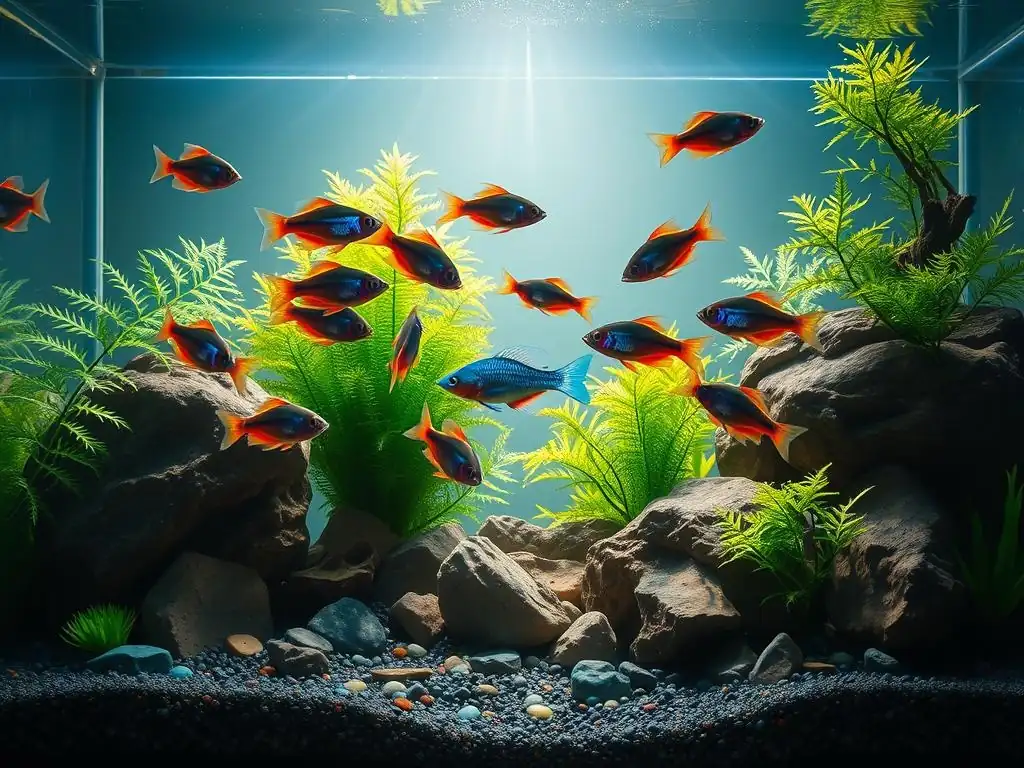
Ever wondered why your usually peaceful tetra shoal is suddenly turning into a tiny, fin-nipping frenzy? Dive into our comprehensive " Aggressive Tetra Solutions Guide" and unlock the secrets to understanding and resolving aggression in your tetra tank. Discover the underlying causes, from incorrect tank size to incompatible tank mates, and learn practical steps to restore harmony to your underwater world. Ready to transform your tetra tank from a battlefield to a blissful haven? Let's get started!
- Understanding Tetra Aggression: A Comprehensive Guide
-
Addressing the Root Causes of Tetra Aggression
- Overcrowding and Tetra Aggression: Ensuring Adequate Tank Space
- The Importance of School Size: Minimizing Aggression in Tetra Shoals
- Water Quality and Tetra Behavior: How Poor Conditions Trigger Aggression
- Dietary Deficiencies and Tetra Fights: Providing a Balanced Diet
- Incompatible Tank Mates: How Mixing Species Can Lead to Tetra Aggression
-
Solutions for Reducing Aggression in Your Tetra Tank
- Increasing Tank Size: A Long-Term Solution for Aggressive Tetras
- Boosting School Size: Creating a More Natural Tetra Environment
- Optimizing Water Parameters: Maintaining a Healthy Habitat for Your Tetras
- Improving Tetra Diet: Addressing Nutritional Needs to Reduce Aggression
- Re-evaluating Tank Mates: Removing Problematic Fish Species
- Creating a Peaceful Tetra Aquarium Environment
- Tetra Species and Aggression: Understanding Species-Specific Temperaments
- Preventing Future Tetra Aggression: Proactive Tank Management
- Aggressive Tetra Solutions Guide: A Summary of Key Strategies
-
Frequently Asked Questions
- What are the most common causes of aggression in tetra aquariums?
- How can I identify which tetra in my shoal is the aggressor?
- What are some solutions for reducing aggression if my tank is already fully stocked?
- How many tetras should I ideally keep in a shoal to minimize aggression?
- What are some signs that the aggression in my tetra tank requires more drastic intervention?
- Final Reflection: Cultivating Harmony in the Aquarium
- Transform Your Tetra Tank Today!
Understanding Tetra Aggression: A Comprehensive Guide
Why Are My Tetras Fighting? Common Causes of Aggression in Tetra Schools
Tetras, often celebrated for their vibrant colors and peaceful schooling behavior, can sometimes exhibit unexpected aggression within their aquatic communities. This behavior is rarely random; it typically stems from underlying stressors in their environment or social structure. One common cause is inadequate tank space, which leads to heightened territorial disputes as fish compete for limited resources and swimming areas. For instance, a school of six Neon Tetras placed in a 10-gallon tank will almost inevitably display more nipping and chasing than the same group housed in a 20-gallon long aquarium, where space is less contested.
Another significant factor contributing to tetra aggression is an insufficient school size. Tetras are inherently schooling fish, relying on the safety and social dynamics of a large group. When kept in numbers fewer than their instinctive requirement, typically fewer than six to eight individuals, they become stressed and insecure.
This stress can manifest as aggression directed at each other or at other, often more timid, tank mates. Poor water quality, an imbalanced diet, and the presence of incompatible tank mates are also major contributors, each capable of pushing typically docile tetras to aggressive displays as they struggle to cope with suboptimal conditions.
Identifying Aggressive Behavior in Tetras: Signs to Watch For
Recognizing the signs of aggression in tetras is crucial for prompt intervention and applying the correct aggressive tetra solutions guide. While a certain amount of playful chasing or fin-flicking is normal within a healthy school, persistent or harmful behaviors indicate a problem. Key indicators include consistent fin nipping, where one or more tetras repeatedly bite the fins of others, often resulting in frayed or torn fins. This is particularly common with species like Black Skirt Tetras if their school size is too small.
Other clear signs of aggression include body slamming, where a tetra forcefully bumps into another, or prolonged chasing that prevents a fish from feeding or resting. Stressed and aggressive tetras may also exhibit faded colors, rapid gill movement indicating stress, or an increased tendency to hide and isolate themselves. In severe cases, you might observe a dominant tetra relentlessly harassing a weaker one, pushing it into corners or away from food. Understanding these visual cues is the first step in diagnosing the problem and implementing an effective aggressive tetra solutions guide to restore peace.
Addressing the Root Causes of Tetra Aggression
Overcrowding and Tetra Aggression: Ensuring Adequate Tank Space
Overcrowding is a primary catalyst for aggression in tetra tanks, turning typically peaceful shoaling fish into stressed, territorial combatants. When there isn't enough space, tetras become highly competitive for food, hiding spots, and swimming lanes, leading to constant low-level stress and overt aggression.
For example, a common guideline suggests that a minimum of 20 gallons is suitable for a school of 6-8 small tetras like Neons or Cardinals, providing ample swimming room and reducing the perceived need to compete. Housing this same group in a 10-gallon tank, which offers only half the recommended space, significantly increases the likelihood of fin nipping and chasing.
The cumulative stress from living in an overcrowded environment can also weaken the tetras' immune systems, making them more susceptible to diseases like Ich or fin rot. Studies in aquaculture often show that increased stocking densities correlate directly with elevated stress hormone levels and aggressive interactions among fish. Therefore, providing ample space, ideally a minimum of 2 gallons per small tetra for a healthy school, is not just about comfort but a fundamental aspect of preventing aggression and maintaining the overall health and tranquility of your aggressive tetra solutions guide.
The Importance of School Size: Minimizing Aggression in Tetra Shoals
Tetras are obligate schooling fish, meaning their survival and well-being are intrinsically linked to living in a large group. When kept in insufficient numbers, typically fewer than 6-8 individuals for most species, their natural schooling instincts are thwarted. This leads to profound stress, insecurity, and often, redirected aggression. A small group of tetras lacks the safety in numbers that a larger shoal provides, making them feel vulnerable and more prone to nipping at each other out of anxiety or to establish a pecking order that would normally be diffused across many individuals.
For instance, a group of three Neon Tetras in a tank will almost certainly exhibit more stress-related aggression and fin nipping than a school of ten. In a larger school, typically 8-12 individuals, any minor aggression is spread out among many fish, reducing the impact on any single individual. The presence of more conspecifics also reinforces their natural social structure, allowing them to feel secure and display their natural, peaceful behaviors. This aspect of school size is a cornerstone of any effective aggressive tetra solutions guide.
Water Quality and Tetra Behavior: How Poor Conditions Trigger Aggression
Suboptimal water quality is a silent but potent stressor that can significantly contribute to aggressive behavior in tetras. Fluctuations in pH, temperature, or the presence of ammonia, nitrite, and high nitrate levels directly impact a fish's physiological well-being, making them irritable, lethargic, or prone to lashing out. For example, ammonia and nitrite levels above 0 ppm are highly toxic and can cause acute stress, leading to erratic swimming and aggression as fish struggle to cope. Elevated nitrate levels, even below acutely toxic levels, can cause chronic stress when consistently above 20 ppm, manifesting as faded colors and increased territoriality.
Maintaining stable and appropriate water parameters is critical. Most tetras thrive in a pH range of 6.0-7.5 and temperatures between 72-78°F (22-26°C). Rapid shifts in temperature by more than 2-3°F (1-1.5°C) within a few hours can be particularly jarring, leading to stress-induced aggression. Regular water testing and consistent water changes are paramount to keeping parameters stable and within optimal ranges, directly contributing to a calmer and healthier tetra community. This foundational element is often overlooked but crucial for any aggressive tetra solutions guide.
Dietary Deficiencies and Tetra Fights: Providing a Balanced Diet
A diet lacking essential nutrients can significantly impact a tetra's health and disposition, potentially leading to aggression. Just like humans, fish require a balanced intake of proteins, fats, vitamins, and minerals to thrive. A diet consisting solely of generic flake food, while providing some sustenance, often lacks the complete nutritional profile necessary for optimal health and can lead to deficiencies over time. These deficiencies can manifest as reduced vitality, faded colors, and a weakened immune system, making the fish more susceptible to stress and irritability, which can then translate into aggressive behavior.
To counteract this, a varied diet is essential. Supplementing high-quality flake or micro-pellet food with frozen or live foods like brine shrimp, bloodworms, daphnia, or spirulina flakes 2-3 times a week provides crucial proteins, vitamins, and roughage. For instance, a diet rich in astaxanthin (found in some specialty fish foods or naturally in certain live foods) can enhance natural coloration and overall vitality, making fish less prone to stress.
Ensuring all fish get adequate food, especially shy or less dominant individuals, can also prevent food-related skirmishes. A well-fed, healthy tetra is far less likely to be an aggressive tetra, making diet a key component of any comprehensive aggressive tetra solutions guide.
Incompatible Tank Mates: How Mixing Species Can Lead to Tetra Aggression
The selection of tank mates is a critical factor in maintaining a peaceful tetra aquarium. Introducing fish species that are incompatible with tetras, either due to temperament, size, or specific environmental needs, can inevitably lead to stress and aggression. For instance, pairing small, delicate tetras like Neon Tetras with large, boisterous, or aggressive fish such as certain Cichlids (e.g., Convict Cichlids) is a recipe for disaster. The tetras will be constantly stressed, chased, and possibly injured, leading to a state of chronic anxiety that can make them lash out at each other.
Conversely, some tetra species themselves can be fin-nippers, especially if their schooling needs are not met. Serpae Tetras, for example, are known for their nippy tendencies. Housing them with slow-moving, long-finned fish like Angelfish or Bettas will almost certainly result in torn fins and stress for the victims. It is essential to research the typical temperament, adult size, and specific needs of all fish before introducing them into a community tank. Opting for species with similar temperaments, sizes, and water parameter requirements significantly reduces the potential for conflict and is a vital part of any aggressive tetra solutions guide.
Solutions for Reducing Aggression in Your Tetra Tank
Increasing Tank Size: A Long-Term Solution for Aggressive Tetras
When dealing with aggressive tetras, especially those exhibiting territorial disputes or constant chasing, increasing the tank size is often the most effective long-term solution. A larger aquarium provides significantly more swimming space, allowing individual tetras to establish their own territories without constant conflict and reducing competition for resources. For example, upgrading from a 10-gallon tank to a 20-gallon long tank for a school of small tetras like Neons or Cardinals effectively doubles their horizontal swimming area. This increased space directly correlates with a reduction in stress and aggressive interactions, as fish have ample room to retreat and avoid confrontations.
Beyond just the gallonage, the footprint of the tank matters. A longer, shallower tank offers more linear swimming space, which is often preferred by schooling fish like tetras, compared to a taller, narrower tank of the same volume. This additional space dilutes perceived threats and allows for more natural schooling behaviors to emerge, rather than forced, cramped interactions. While an initial investment, providing a larger home is a foundational step in any comprehensive aggressive tetra solutions guide, leading to a more harmonious and healthier aquatic environment for your tetras.
Boosting School Size: Creating a More Natural Tetra Environment
For many tetra species, increasing the school size is a highly effective strategy to mitigate aggression and foster a more natural, peaceful environment. Tetras are inherently social creatures that thrive in large groups, finding security and comfort in numbers. When kept in small groups (e.g., fewer than six individuals), they often become stressed, shy, or, conversely, overly aggressive towards each other or other tank inhabitants. This is because the social dynamics are disrupted, and aggression cannot be diffused across a larger number of individuals.
By increasing the school to a minimum of 8-12 individuals, depending on the species and tank size, you dilute any potential aggression. If one tetra attempts to nip or chase, the presence of many others means the aggression is spread out, reducing the impact on any single fish.
For instance, a group of four Serpae Tetras might constantly nip at each other, but a school of ten will typically exhibit far less internal aggression, as their natural pecking order is more stable and less focused on individual targets. This strategy is a cornerstone of an effective aggressive tetra solutions guide, promoting natural behaviors and reducing stress.
Optimizing Water Parameters: Maintaining a Healthy Habitat for Your Tetras
Consistent and optimal water parameters are non-negotiable for reducing aggression in tetras. Poor water quality, characterized by fluctuating temperatures, incorrect pH, or the presence of toxins like ammonia and nitrite, creates immense stress for fish, making them irritable and prone to aggressive outbursts. For example, a sudden pH drop from 7.0 to 6.0 can be highly stressful for tetras adapted to more neutral water, leading to erratic behavior and increased conflict. Similarly, detectable levels of ammonia or nitrite (anything above 0 ppm) are direct indicators of a failing nitrogen cycle and will cause severe distress.
To optimize water parameters, regular testing with a reliable liquid test kit is essential. Weekly water changes of 25-30% help to keep nitrate levels below 20 ppm and replenish essential minerals. Ensuring stable water temperature within the recommended range (e.g., 72-78°F or 22-26°C for most common tetras) with a good quality heater is also vital. Consistent maintenance practices not only prevent aggression but also significantly improve the overall health and longevity of your tetras. This proactive approach to water quality is a fundamental element of any comprehensive aggressive tetra solutions guide.
Improving Tetra Diet: Addressing Nutritional Needs to Reduce Aggression
An inadequate or monotonous diet can contribute to stress and aggression in tetras by compromising their overall health and vitality. Fish that are malnourished may become lethargic, display faded colors, and have weakened immune systems, making them more susceptible to stress and, consequently, aggressive behaviors. For instance, a diet solely based on a single type of dry flake food often lacks the complete spectrum of vitamins, minerals, and proteins found in a varied natural diet, potentially leading to long-term deficiencies.
To combat this, provide a diverse diet that includes high-quality flakes or micro-pellets as a staple, supplemented with frozen or live foods. Frozen brine shrimp, bloodworms, daphnia, and spirulina-enriched flakes are excellent choices to offer 2-3 times a week. These supplements provide essential fatty acids, proteins, and vitamins that promote vibrant health and reduce stress.
Ensuring all fish get enough food, especially the shyer individuals, by spreading food across the tank or feeding in multiple spots, can also prevent food-related aggression. A well-nourished tetra is a happy, less aggressive tetra, highlighting the importance of diet in any aggressive tetra solutions guide.
Re-evaluating Tank Mates: Removing Problematic Fish Species
Incompatible tank mates are a frequent cause of aggression in tetra aquariums, and re-evaluating the current inhabitants is a crucial step in restoring peace. If tetras are consistently being chased, nipped, or stressed by other species, those problematic fish need to be addressed. For example, a single Betta fish introduced into a tank with Neon Tetras might initially seem peaceful but can quickly become a fin-nipping menace, leading to severe stress and injury for the tetras. Similarly, housing small, delicate tetras with larger, more boisterous cichlids or even certain types of barbs can result in constant harassment.
The solution often involves carefully observing interactions and, if necessary, rehoming the incompatible species to a separate tank or returning them to the fish store. Before introducing new fish, thorough research into their temperament, adult size, and specific compatibility with your existing tetra species is paramount. Opt for tank mates that are known to be peaceful, have similar water parameter requirements, and are not significantly larger or smaller than your tetras. This strategic approach to tank mate selection is a critical component of any effective aggressive tetra solutions guide.
Creating a Peaceful Tetra Aquarium Environment
Adding Visual Barriers and Hiding Places: Reducing Stress and Aggression
A strategically decorated aquarium can significantly reduce aggression among tetras by providing visual barriers and ample hiding places. In a tank with open spaces, dominant tetras can easily spot and harass weaker or submissive individuals, leading to constant stress. Introducing dense planting, driftwood, rock formations, and even ceramic caves breaks up lines of sight, allowing stressed fish to retreat and escape the attention of aggressors. For example, planting tall, bushy plants like Amazon Swords or Vallisneria along the back and sides of the tank creates natural partitions.
Studies on fish behavior often show that complex environments with multiple hiding spots lead to lower stress levels and reduced aggressive encounters. A tank with 50-70% plant coverage, for instance, provides numerous safe havens for tetras to de-stress. This allows them to feel secure, reducing their need to assert dominance or hide constantly. These physical elements are not just aesthetic but functional, playing a key role in creating a tranquil environment as part of an aggressive tetra solutions guide.
Adjusting Lighting: Dimming Lights to Calm Aggressive Tetras
The intensity and duration of aquarium lighting can have a profound impact on tetra behavior, with overly bright or prolonged illumination often contributing to stress and aggression. Many tetra species originate from blackwater environments where the light is naturally subdued by dense forest canopies and tannin-stained water. In a brightly lit aquarium, they can feel exposed and vulnerable, leading to increased anxiety and, consequently, aggressive displays.
Consider dimming the lights, reducing the photoperiod, or using floating plants to diffuse the light. For instance, reducing the lighting period from 12 hours to 8-10 hours per day can significantly alleviate stress. Adding floating plants like Salvinia minima or Dwarf Water Lettuce can create natural shaded areas, mimicking their native habitat and providing a sense of security. This simple adjustment can often lead to a noticeable calming effect on aggressive tetras, encouraging more natural schooling and less frantic behavior, making it a valuable tip in any aggressive tetra solutions guide.
Introducing New Tetras Carefully: Minimizing Disruption to the School
Introducing new tetras into an established school requires a careful approach to minimize disruption and prevent an increase in aggression. Rushing the introduction can stress both the new and existing fish, potentially leading to territorial disputes or bullying. The first crucial step is always to quarantine new fish in a separate tank for at least 2-3 weeks. This prevents the introduction of diseases into your main aquarium and allows the new fish to de-stress from transport.
When it's time to add them to the main tank, dim the aquarium lights. Introducing the new tetras in the evening or at night, just before the lights go out, can help them acclimate without immediate harassment from the established school.
Adding several new tetras at once (if tank capacity allows) rather than just one can also help diffuse aggression, as the existing fish have more new individuals to focus on, reducing the likelihood of one fish being singled out. This strategic introduction is a vital measure in preventing future aggression and is a recommended practice in any aggressive tetra solutions guide.
Tetra Species and Aggression: Understanding Species-Specific Temperaments
Neon Tetra: Aggression Levels and Mitigation Strategies
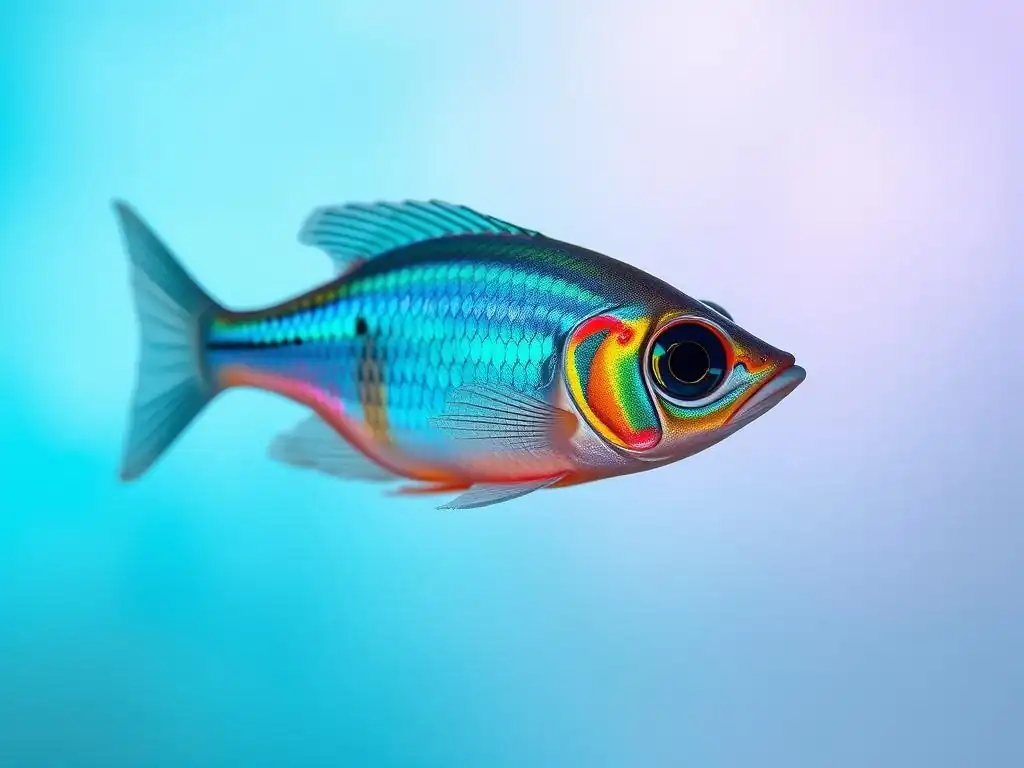
Neon Tetras (Paracheirodon innesi) are widely renowned for their vibrant colors and generally peaceful disposition, making them a staple in community tanks. They typically grow to about 1.5 inches (4 cm). However, even these seemingly docile fish can exhibit aggression, primarily in the form of fin-nipping or chasing, if their basic needs are not met. The most common triggers for aggression in Neon Tetras are insufficient school size and inadequate tank space. When kept in groups smaller than six individuals, they become stressed and insecure, often turning their anxiety into aggression towards each other or smaller, slower tank mates.
To mitigate aggression in Neon Tetras, ensuring a school of at least 8-12 individuals is paramount. This large group allows them to feel secure and display their natural schooling behaviors, diffusing any minor squabbles across many fish. Providing a minimum tank size of 20 gallons (75 liters) for a school of this size offers ample swimming space and reduces territorial disputes.
Maintaining stable water parameters (pH 6.0-7.5, temperature 72-78°F) and a varied diet also contributes significantly to their overall well-being, leading to a calmer, more peaceful school. These strategies are key components of an aggressive tetra solutions guide for this popular species.
Black Skirt Tetra: Aggression Levels and Mitigation Strategies
Black Skirt Tetras (Gymnocorymbus ternetzi), growing up to 2.5 inches (6.5 cm), are popular for their striking black and white fins. While generally considered community fish, they have a reputation for being moderately nippy, especially if kept in small groups or when stressed. Their aggression often manifests as fin-nipping, particularly towards fish with long, flowing fins like Angelfish, Bettas, or Guppies. This behavior is usually a result of boredom, stress, or an attempt to establish dominance in an undersized school.
To minimize aggression in Black Skirt Tetras, it is crucial to keep them in a school of at least 6-8 individuals, ideally more, in a tank of 20 gallons (75 liters) or larger. A larger school helps distribute their natural nippy tendencies, making it less focused on a single victim. Providing a well-planted tank with plenty of hiding spots can also help reduce stress and provide retreat options for targeted fish.
Additionally, selecting robust, fast-moving tank mates that can hold their own or are less susceptible to fin nipping is advisable. Avoiding slow-moving or long-finned species is a key part of an aggressive tetra solutions guide for Black Skirts.
Serpae Tetra: Aggression Levels and Mitigation Strategies
Serpae Tetras (Hyphessobrycon eques) are perhaps the most notoriously aggressive species among commonly kept tetras, growing to about 1.75 inches (4.5 cm). They are well-known for their fin-nipping habits and can be quite boisterous and territorial, especially if their specific needs are not met. Their aggression is often directed at other Serpae Tetras within their school, or at any tank mate that is slow-moving, has long fins, or is significantly smaller.
To effectively manage aggression in Serpae Tetras, it is imperative to keep them in a large school of at least 8-10 individuals, preferably in a tank of 20 gallons (75 liters) or more. A larger school helps to diffuse their aggression internally, spreading nips and chases across many fish rather than concentrating on one or two. Providing a heavily planted tank with plenty of visual breaks and hiding spots also helps to reduce stress and provides refuge for targeted individuals.
Selecting tank mates carefully is critical: opt for other robust, fast-moving, and similarly sized fish that can tolerate occasional nipping, such as certain Danios or larger Rasboras. Avoid any species with long, delicate fins. Understanding these species-specific traits is essential for an effective aggressive tetra solutions guide.
Preventing Future Tetra Aggression: Proactive Tank Management
Regular Water Changes: Maintaining Optimal Water Quality
Preventing future tetra aggression hinges significantly on proactive tank management, with regular water changes being a cornerstone. Consistent water quality is paramount for the health and temperament of your tetras. Accumulation of nitrates, phosphates, and other dissolved organic compounds can lead to chronic stress, weakened immune systems, and increased irritability, all of which contribute to aggressive behaviors. For instance, maintaining nitrate levels consistently below 20 ppm is a widely accepted benchmark for healthy freshwater aquariums.
Performing a 25-30% water change weekly or bi-weekly, depending on your tank's bioload, effectively removes harmful substances and replenishes essential trace elements. This routine prevents sudden fluctuations in water parameters that can shock fish and induce stress. Using a gravel vacuum during water changes also helps remove uneaten food and waste trapped in the substrate, further contributing to cleaner water. This diligent approach to water changes is a fundamental preventative measure in any aggressive tetra solutions guide, ensuring a consistently healthy and peaceful environment.
Establishing and adhering to a consistent feeding schedule is a simple yet highly effective strategy for preventing food-related aggression among tetras. When feeding is irregular or inconsistent, tetras can become overly competitive and aggressive during meal times, fighting over scarce resources. This is particularly true if dominant fish monopolize the food, leaving weaker individuals hungry and stressed. For example, feeding small amounts 2-3 times a day at roughly the same times each day, rather than one large, infrequent meal, can significantly reduce competition.
Additionally, ensuring that food is distributed evenly across the tank can help prevent dominant tetras from hoarding all the sustenance. Spreading flakes or pellets over a wider surface area or using multiple feeding points allows all fish, including the more timid ones, to get their share. A well-fed tetra is less likely to be aggressive due to hunger or perceived scarcity. This consistent and equitable feeding approach is a practical and essential component of any aggressive tetra solutions guide focused on long-term prevention.
Monitoring Tetra Behavior: Early Detection of Potential Problems
Regularly observing your tetras' behavior is a critical proactive measure for early detection of potential aggression issues. Spending just 5-10 minutes each day watching your fish can provide invaluable insights into their social dynamics and overall health. Subtle changes in behavior, such as one tetra consistently chasing another, increased hiding, faded coloration, or reluctance to feed, can be early warning signs of escalating stress or aggression. For instance, if you notice a normally active tetra spending most of its time in a corner or with clamped fins, it might be a target of bullying that requires intervention.
Early detection allows for timely intervention before problems escalate into serious injury or chronic stress for the fish. By identifying the initial signs of aggression, you can quickly evaluate potential causes—such as overcrowding, poor water quality, or an insufficient school size—and implement the appropriate aggressive tetra solutions guide. This proactive monitoring approach not only maintains peace in your aquarium but also ensures the long-term well-being of your entire tetra school.
Aggressive Tetra Solutions Guide: A Summary of Key Strategies
Resolving and preventing tetra aggression requires a holistic approach that addresses environmental, social, and physiological factors. This aggressive tetra solutions guide emphasizes that a peaceful tetra shoal is a direct reflection of a well-managed and understanding aquarist. Key strategies include ensuring adequate space, maintaining appropriate school sizes, and optimizing water quality. A balanced diet and careful tank mate selection are also crucial. By proactively managing these elements and understanding species-specific temperaments, you can create a thriving, harmonious community for your tetras.
Quick Checklist: Steps to Take When Dealing With Aggressive Tetras
When faced with aggressive tetras, follow this quick checklist to diagnose and resolve the issue:
- Check Tank Size: Is your tank large enough for your specific tetra species and their school size? Aim for at least 2 gallons per small tetra in a school of 8+.
- Verify School Size: Are your tetras in a school of at least 6-8 (or more, depending on species)? Increase numbers if necessary.
- Test Water Parameters: Are ammonia and nitrite at 0 ppm, and nitrates below 20 ppm? Is pH and temperature stable and appropriate? Perform water changes if needed.
- Evaluate Diet: Are you feeding a varied and balanced diet? Supplement flakes with frozen or live foods 2-3 times a week.
- Assess Tank Mates: Are all tank mates compatible in terms of size and temperament? Remove or rehome problematic species.
- Provide Hiding Places: Does your tank have enough plants, driftwood, or decorations to break lines of sight and offer refuge?
- Adjust Lighting: Is the lighting too bright or on for too long? Consider dimming or adding floating plants.
- Monitor Behavior: Observe your tetras daily for any signs of stress or escalating aggression.
Frequently Asked Questions
What are the most common causes of aggression in tetra aquariums?
Aggression in tetras often stems from inadequate tank size, insufficient shoal numbers, or incompatible tank mates. Addressing these factors is crucial for restoring peace.
How can I identify which tetra in my shoal is the aggressor?
Observe your tetras closely. The aggressor will typically display persistent chasing, nipping at fins, and dominating feeding times. Look for these behaviors consistently.
What are some solutions for reducing aggression if my tank is already fully stocked?
If overstocking isn't the issue, consider rearranging the aquascape to break up territories and provide more hiding places. You could also try adding more plants for visual barriers.
How many tetras should I ideally keep in a shoal to minimize aggression?
A general rule of thumb is to keep at least six tetras of the same species to establish a proper social hierarchy and distribute aggression. Larger shoals are often even better.
What are some signs that the aggression in my tetra tank requires more drastic intervention?
If tetras are severely injured, consistently hiding, or refusing to eat due to aggression, consider separating the aggressor or rehoming some fish. These are signs of serious problems.
Okay, here's a final reflection tailored for your article "Tetra Aggression: Identifying Causes and Restoring Peace in Your Shoal," designed to resonate with readers and encourage further engagement, while also incorporating your specified structure and keyword focus:
Final Reflection: Cultivating Harmony in the Aquarium
The insights shared throughout this guide highlight that understanding and addressing aggression in tetra shoals is not just about fishkeeping, but about creating a balanced and thriving ecosystem. The solutions presented, from optimizing tank size to carefully selecting tankmates, are immediately relevant for any aquarist struggling with a seemingly chaotic tetra community, offering a pathway to transform conflict into peaceful coexistence.
This journey into the world of tetra behavior underscores how deeply interconnected the aquarium environment is. Witnessing a once-aggressive shoal transform into a harmonious community is a testament to the power of informed intervention and patient observation. It reminds us that even within the confines of a glass tank, the principles of empathy and understanding can foster remarkable change. The best aquarium is not just a display of aquatic life, but a reflection of the aquarist's commitment to their well-being.
As you observe your own tetra shoal, remember that you hold the key to unlocking their potential for peaceful interaction. Take the lessons learned here – the importance of space, the impact of diet, the nuances of social dynamics – and apply them with dedication and care. Let this guide be more than just a resource; let it be an inspiration to create an aquarium where every tetra can thrive, contributing to a vibrant and balanced aquatic world.
Transform Your Tetra Tank Today!
Thanks for diving into the world of tetra behavior! We hope you've gained valuable insights into understanding and addressing aggression within your tetra shoal. Now, let's put that knowledge into action and create a more harmonious environment for your finned friends.
Here's how you can make a difference right now:
- Prioritize immediate re-arrangement of your tank decor to break up established territories and create new hiding spots. This single step can significantly reduce initial aggression.
- Share this article with fellow aquarium enthusiasts! Help them understand tetra behavior and build healthier aquatic communities.
- Explore related resources on Aquarium Mastery, like our guide to optimal tetra feeding strategies, to further refine your tank's environment.
What specific changes are you planning to implement in your tetra tank this week to foster a more peaceful environment?