
Fin Rot in Swordtails & Variatus: Treatment and Prevention Mastered

Welcome to Aquarium Mastery!
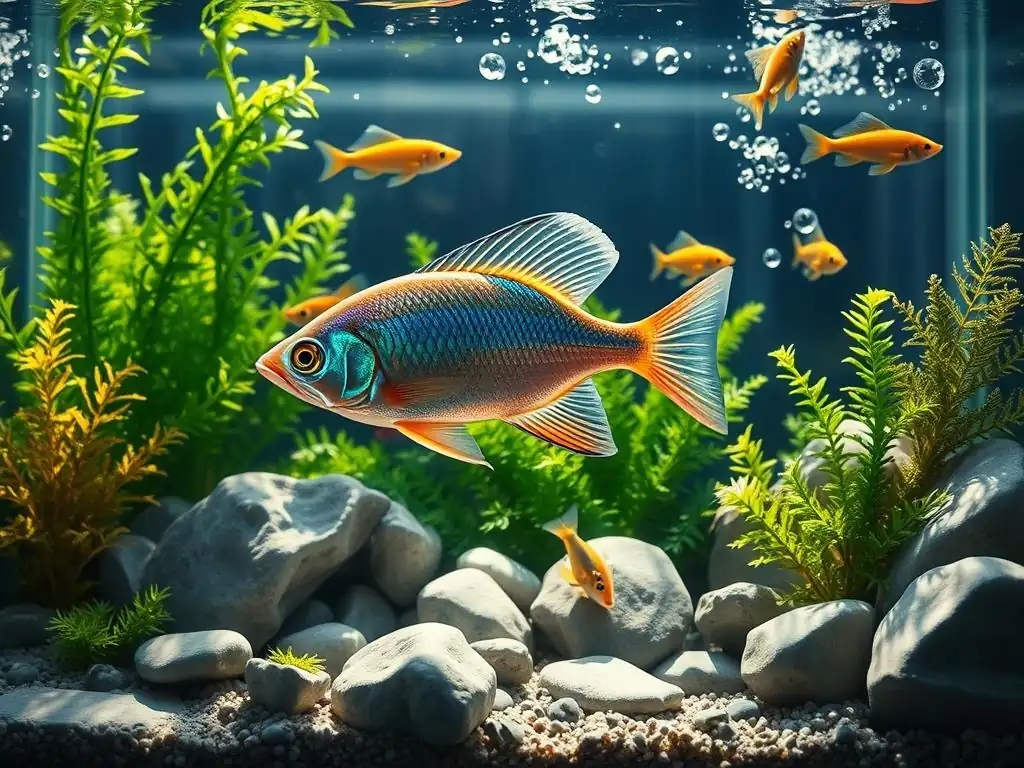
Is your Swordtail's fin looking a little ragged? Don't panic! We understand the worry that comes with seeing your finned friends unwell. This article dives deep into Swordtail fin rot treatment, offering a comprehensive guide to diagnosing, treating, and preventing this common ailment. Discover the secrets to restoring your Swordtail's vibrant health and maintaining a thriving freshwater aquarium. Ready to learn how? Let's get started!
- Understanding Fin Rot in Swordtails and Variatus
-
Swordtail Fin Rot Treatment: A Step-by-Step Guide
- Step 1: Diagnosing Fin Rot in Your Swordtails & Variatus Accurately
- Step 2: Isolating Infected Fish: The Quarantine Tank Setup
- Step 3: Medication Options for Swordtail Fin Rot Treatment
- Step 4: Water Quality Management During Fin Rot Treatment
- Step 5: Monitoring Your Swordtails & Variatus During Treatment
- Preventing Fin Rot in Swordtails and Variatus: Long-Term Strategies
- Post-Treatment Care for Swordtails and Variatus Recovering from Fin Rot
- Advanced Fin Rot Cases in Swordtails & Variatus: When to Seek Expert Help
-
Frequently Asked Questions
- How can I tell if my Swordtail has fin rot?
- What are the primary causes of fin rot in Swordtails?
- What are the first steps I should take to treat fin rot in my Swordtail?
- Are there any specific medications recommended for treating Swordtail fin rot?
- How can I prevent fin rot from occurring in my Swordtail aquarium in the future?
- Final Reflection: The Ripple Effect of Responsible Fishkeeping
- Cure Fin Rot & Restore Your Fish's Radiance!
Understanding Fin Rot in Swordtails and Variatus
What is Fin Rot and How Does it Affect Swordtails & Variatus?
Fin rot is a common bacterial infection that primarily affects the fins and tails of freshwater fish, including popular livebearers like swordtails and variatus. Caused by opportunistic bacteria such as Aeromonas, Pseudomonas, and Flexibacter, this disease typically arises when fish are stressed or kept in suboptimal conditions, making them vulnerable to pathogens that are often already present in the aquarium environment. The infection manifests as an erosion of fin tissue, starting from the edges and progressively moving inward, resembling ragged tears or a milky, opaque appearance.
For swordtails and variatus, fin rot can be particularly detrimental. Initially, the vibrant colors of their fins may dull, and the characteristic sword-like caudal fin of the male swordtail can become severely frayed and shortened. If left untreated, the infection can advance to the base of the fin, potentially exposing bone and leading to permanent fin damage or even systemic infection, where the bacteria enter the fish's bloodstream.
This can result in lethargy, loss of appetite, and ultimately, death. Early intervention is crucial to prevent the disease from becoming fatal and to ensure the longevity and health of these active, beautiful fish.
Identifying the Early Signs of Fin Rot in Swordtails and Variatus Fish
Recognizing the early indicators of fin rot is paramount for effective swordtail fin rot treatment. The initial signs are often subtle but become more pronounced as the disease progresses. Aquarists should closely observe their swordtails and variatus for any changes in fin appearance or behavior. One of the first visual cues is a slight fraying or tattering of the fin edges, which may appear translucent or discolored, often white or reddish. Unlike physical damage from fin nipping, fin rot typically presents with a ragged, uneven erosion rather than a clean tear.
Beyond the visible deterioration, affected fish may exhibit behavioral changes such as clamped fins, where the fins are held close to the body rather than spread normally. They might also become more lethargic, hide more frequently, or show a reduced interest in food. In some cases, red streaks may appear in the fins due to inflammation, or the fin edges might develop a white, cotton-like growth, indicating a secondary fungal infection. Timely identification, potentially within 24 to 48 hours of onset, significantly improves the chances of a full recovery, often requiring less aggressive intervention compared to advanced cases.
Common Causes of Fin Rot in Swordtail and Variatus Aquariums
Fin rot is rarely a primary disease but rather a secondary infection triggered by underlying stress factors that compromise a fish's immune system. The most prevalent cause is poor water quality, specifically elevated levels of ammonia, nitrite, and nitrate. These nitrogenous compounds, byproducts of fish waste and decaying organic matter, are highly toxic and can severely stress fish, making them susceptible to bacterial infections. For instance, ammonia levels as low as 0.25 ppm can induce stress in swordtails, increasing their vulnerability to opportunistic pathogens.
Other significant stressors include overcrowding, which leads to increased waste production and heightened aggression among tank inhabitants. Incompatible tank mates, sudden fluctuations in water temperature or pH, and inadequate tank maintenance (such as infrequent water changes or substrate vacuuming) also contribute to a compromised environment.
Physical injuries, whether from rough handling during netting, sharp tank decorations, or fin nipping by aggressive species, can create open wounds that serve as entry points for bacteria. A common scenario is the appearance of fin rot within one to two weeks of introducing new, unquarantined fish, highlighting the importance of proper acclimatization and isolation protocols.
Swordtail Fin Rot Treatment: A Step-by-Step Guide
Step 1: Diagnosing Fin Rot in Your Swordtails & Variatus Accurately
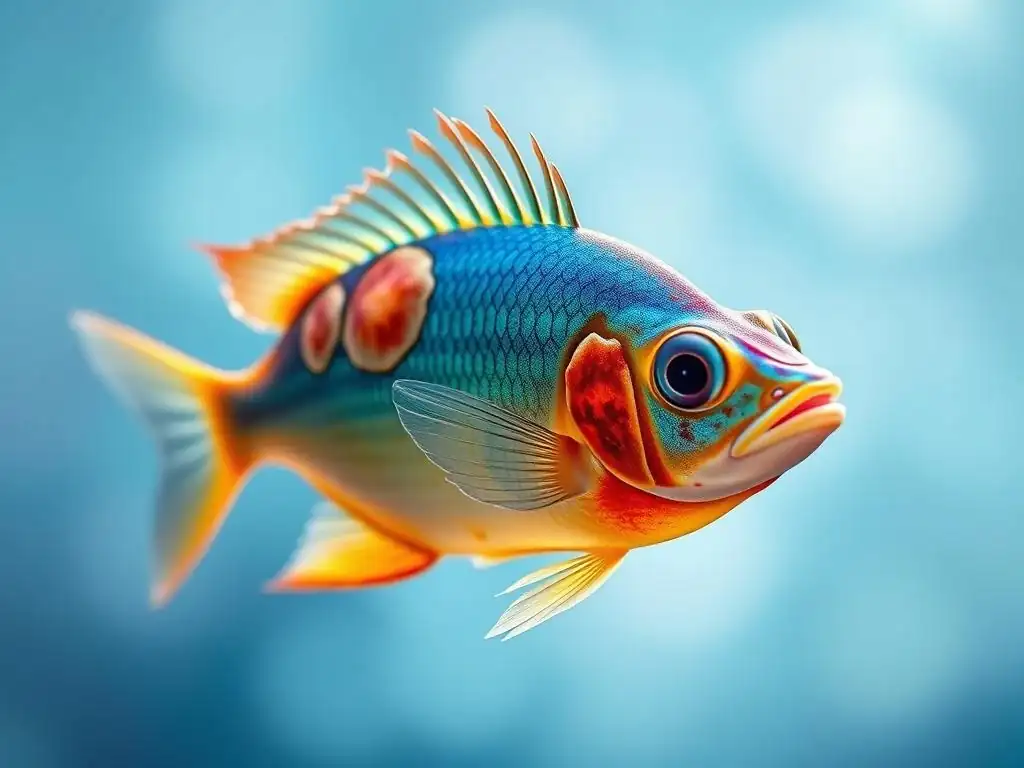
Accurate diagnosis is the critical first step in any swordtail fin rot treatment plan. While the visual signs of fin rot are generally distinct, it's essential to differentiate it from physical damage or other fungal infections that might present similarly. Begin by carefully observing the affected fish: note the extent of fin erosion, any discoloration, and accompanying behavioral changes like clamped fins, lethargy, or loss of appetite. Take clear mental notes or even photographs for comparison over time.
Immediately after initial observation, test your aquarium's water parameters. High levels of ammonia, nitrite, and nitrate are almost always present in tanks with fin rot outbreaks. Use a reliable liquid test kit to measure ammonia, nitrite, nitrate, pH, and temperature. For example, a dip test for ammonia showing any color change from the healthy yellow (0 ppm) to green or blue is a strong indicator of a compromised environment that needs immediate attention. Documenting these parameters provides crucial insights into the root cause and guides subsequent steps in the swordtail fin rot treatment.
Step 2: Isolating Infected Fish: The Quarantine Tank Setup
Once fin rot is diagnosed, isolating the infected swordtails or variatus into a dedicated quarantine tank is highly recommended. This step serves multiple purposes: it prevents the potential spread of the bacterial infection to healthy tank mates, reduces stress on the infected fish by removing them from a potentially competitive environment, and allows for precise, targeted swordtail fin rot treatment without affecting the main aquarium's biological filter or other inhabitants.
A quarantine tank doesn't need to be elaborate; a 5 to 10-gallon tank is often sufficient for a few average-sized swordtails. Equip it with a reliable heater to maintain a stable temperature, a small sponge filter for biological filtration, and an air stone to ensure adequate oxygenation. Avoid using substrate, as it can trap waste and make cleaning difficult.
Simple hiding places, such as PVC pipes or artificial plants, can help reduce stress. Fill the quarantine tank with fresh, dechlorinated water, ideally matching the main tank's temperature and pH to minimize shock. Maintaining stable parameters, such as a temperature of 78-80°F (25.5-26.7°C), can support the fish's metabolism and aid the healing process.
Step 3: Medication Options for Swordtail Fin Rot Treatment
Using Antibiotics for Fin Rot in Swordtails
For moderate to severe cases of fin rot where water quality improvements alone are insufficient, a targeted antibiotic swordtail fin rot treatment may be necessary. Broad-spectrum antibiotics are typically employed to combat the bacterial pathogens responsible for the infection. Common active ingredients found in aquarium medications include Nitrofurazone, Kanamycin, and Erythromycin. Products like Furan-2, which often contain Nitrofurazone, are frequently used due to their effectiveness against a range of gram-negative bacteria.
When using antibiotics, it is crucial to follow the manufacturer's instructions precisely regarding dosage and duration. A typical treatment course might last 4 to 7 days, with daily dosing often preceded by a partial water change. For instance, a common recommendation for Furan-2 is one packet per 10 gallons of water daily, with a 25% water change before each subsequent dose. It is imperative to complete the entire course of medication, even if symptoms appear to improve early, to prevent the development of antibiotic-resistant bacteria and ensure the complete eradication of the infection.
Natural Remedies for Treating Fin Rot in Variatus and Swordtails
For mild cases of fin rot or as a supportive measure during recovery, several natural remedies can be highly effective for treating fin rot in variatus and swordtails. The most critical "natural remedy" is consistently excellent water quality, achieved through frequent, significant water changes. Beyond this, aquarium salt (non-iodized, pure sodium chloride) can be a beneficial addition.
For mild infections, a low dose of 1 teaspoon per 5 gallons can be added to the quarantine tank, or a short-term salt bath (1-3 teaspoons per gallon for 10-30 minutes) can be administered in a separate container. Salt acts as an antiseptic and helps reduce osmotic stress on the fish.
Another popular natural approach involves Indian Almond Leaves (IAL) or Catappa leaves. When steeped in aquarium water, these leaves release tannins, which possess mild antiseptic and anti-fungal properties. They can also slightly lower pH, soften water, and provide a calming, natural environment. Adding one Indian Almond Leaf per 10-20 gallons of water can contribute to a healing environment. While these natural methods are generally safer and less disruptive to the fish, they are best suited for early-stage infections or as preventative measures, often used in conjunction with rigorous water quality management.
Step 4: Water Quality Management During Fin Rot Treatment
Performing Water Changes to Combat Fin Rot
Water quality is the cornerstone of any effective swordtail fin rot treatment. Regardless of whether medications are used, frequent and substantial water changes are absolutely essential. This practice directly addresses the root cause of many fin rot cases by diluting harmful bacterial populations, removing accumulated toxins like ammonia and nitrite, and reducing nitrate levels. For fish in a quarantine tank, or for a very mild case in the main tank, daily water changes of 25-50% are recommended.
These regular water changes ensure that the fish are recovering in the cleanest possible environment, which significantly reduces stress and allows their immune system to focus on healing. For example, daily 25% water changes for 3-5 days can often be enough to reverse mild fin rot without medication, especially if the initial water parameters were poor. Always ensure that the replacement water is dechlorinated and temperature-matched to avoid shocking the fish, which could further compromise their already weakened state.
Maintaining Optimal Water Parameters for Healing
Beyond just performing water changes, actively maintaining optimal water parameters is crucial for promoting healing and preventing recurrence during swordtail fin rot treatment. For swordtails and variatus, target parameters include 0 ppm ammonia, 0 ppm nitrite, and nitrates below 20 ppm. The pH should be stable, ideally within the range of 7.0 to 7.8, and water hardness (GH) should be between 10-25 dGH (175-450 ppm). Consistent monitoring with a reliable test kit is vital.
Temperature also plays a significant role. Slightly elevating the water temperature to 78-80°F (25.5-26.7°C) can boost the fish's metabolism and immune response, accelerating the healing process. However, avoid sudden or extreme temperature fluctuations. Maintaining a stable pH within ±0.2 units and temperature within ±1°F (±0.5°C) can dramatically reduce stress on recovering fish, allowing their energy to be directed towards regenerating damaged fin tissue rather than coping with environmental instability.
Step 5: Monitoring Your Swordtails & Variatus During Treatment
Consistent and diligent monitoring of your swordtails and variatus is a crucial component of effective swordtail fin rot treatment. Daily observation allows you to assess the progress of the treatment and make necessary adjustments. Look for signs of improvement, such as a halt in fin erosion, the appearance of clear, translucent new fin tissue, and a return to normal coloration. Behavioral cues, including increased activity levels, improved appetite, and fins being held normally rather than clamped, also indicate positive progress.
It is highly beneficial to keep a detailed record of your observations. Note down daily medication doses, water parameter readings (ammonia, nitrite, nitrate, pH, temperature), and specific behavioral changes or physical improvements in each fish. This record helps you track the effectiveness of your chosen treatment protocol.
Fin regrowth can often be observed within 3 to 5 days of effective treatment, initially appearing as a transparent fringe. While full fin length recovery can take 2 to 4 weeks, seeing this initial clear growth is a strong positive sign. If no improvement is observed after 3-5 days, or if the condition worsens, it may be necessary to reconsider the diagnosis or switch to a different medication.
Preventing Fin Rot in Swordtails and Variatus: Long-Term Strategies
Maintaining Excellent Water Quality to Prevent Fin Rot
Importance of Regular Water Testing
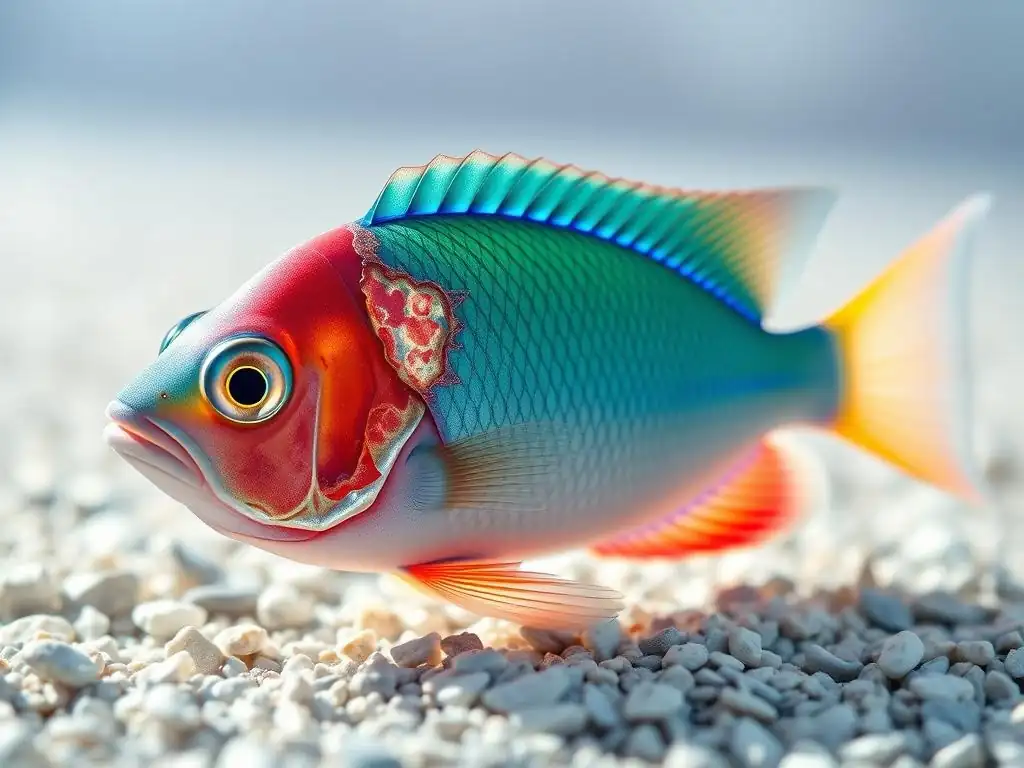
Regular water testing is arguably the most critical preventative measure against fin rot in swordtail and variatus aquariums. By consistently monitoring key water parameters, aquarists can identify and address potential issues before they escalate into health problems like fin rot. Weekly or bi-weekly testing for ammonia, nitrite, nitrate, pH, and temperature should be a standard practice. For instance, a 20-gallon swordtail aquarium housing five adult fish might see nitrates rise from a healthy 5 ppm to a stressful 30 ppm within a single week if not properly managed, creating an ideal environment for bacterial proliferation.
These routine tests provide an early warning system, allowing for prompt intervention such as partial water changes or adjustments to feeding routines. Understanding the nitrogen cycle and ensuring ammonia and nitrite remain at zero is paramount, as even low levels of these toxins can severely compromise a fish's immune system. Consistent testing empowers aquarists to maintain stable, healthy water conditions, which is the foundation of a disease-resistant aquarium.
Choosing the Right Filtration System
Selecting and maintaining an appropriate filtration system is fundamental to preventing fin rot by ensuring excellent water quality. A robust filtration setup should incorporate mechanical, biological, and chemical filtration components. Mechanical filtration removes particulate matter, biological filtration converts harmful ammonia and nitrite into less toxic nitrate, and chemical filtration can remove dissolved organic compounds and odors. Over-filtration, meaning a filter rated for a larger tank size than your actual aquarium, is generally beneficial as it provides extra capacity for waste processing.
For a 20-gallon tank housing swordtails, a hang-on-back (HOB) filter rated for 30-50 gallons (e.g., capable of processing 150-250 gallons per hour, or GPH) offers ample mechanical and biological filtration. This type of filter effectively removes solid waste and provides sufficient surface area for beneficial nitrifying bacteria to colonize, thereby efficiently breaking down fish waste and maintaining low nitrate levels. Regular cleaning of mechanical filter media and proper maintenance of biological media are essential to ensure the filter operates at peak efficiency and contributes to a stable, healthy environment, significantly reducing the risk of fin rot.
Proper Tank Maintenance for Swordtails & Variatus
Substrate Cleaning and Waste Removal
Thorough and regular substrate cleaning is a vital component of preventing fin rot in swordtail and variatus aquariums. Uneaten food, fish waste, and decaying plant matter can accumulate in the substrate, decomposing and releasing harmful ammonia and nitrites into the water. This organic buildup also provides a breeding ground for pathogenic bacteria. Using a gravel vacuum during routine water changes allows for the efficient removal of this detritus from the substrate.
It is recommended to vacuum at least 30-40% of the substrate surface area during each weekly or bi-weekly water change. This practice can remove up to 70% of accumulated organic waste, significantly reducing the bioload and preventing the formation of anaerobic pockets, which can release toxic hydrogen sulfide. Consistent substrate cleaning ensures a cleaner water column and a healthier environment, directly contributing to the prevention of stress-induced diseases like fin rot.
Avoiding Overcrowding in Your Aquarium
Overcrowding is a significant stress factor and a leading cause of fin rot outbreaks in livebearer tanks. While the general guideline of "one inch of fish per gallon" is a rough starting point, it often underestimates the needs of active fish like swordtails, which can grow to 3-4 inches. Furthermore, livebearers reproduce rapidly, meaning a few initial fish can quickly multiply, leading to severe overcrowding. This high fish density increases the bioload on the filtration system, leading to rapid accumulation of waste and deteriorating water quality.
For example, a 20-gallon tank should ideally house no more than 6-8 adult swordtails to provide adequate space for swimming and reduce territorial disputes. Having 15-20 swordtails in a 20-gallon tank, a common result of unchecked breeding, drastically increases stress levels due to limited space, heightened aggression, and competition for resources. This constant stress suppresses the fish's immune system, making them highly susceptible to opportunistic bacterial infections like fin rot. Managing population size, either through rehoming or providing a larger tank, is crucial for long-term health.
Nutritional Support for a Healthy Immune System
Selecting the Right Food for Swordtails & Variatus
A balanced and nutritious diet is fundamental to building and maintaining a strong immune system in swordtails and variatus, thereby enhancing their resistance to diseases like fin rot. Relying solely on a single type of food, even a high-quality one, can lead to nutritional deficiencies over time. It is crucial to offer a varied diet that includes high-quality flake or pellet food as a staple, supplemented with a range of other nutritious options.
Look for flake foods with at least 35% crude protein, as protein is essential for growth and tissue repair. Complement this staple with vegetable-based foods like spirulina flakes, which provide essential vitamins and fiber, and occasional treats of live or frozen foods such as brine shrimp, bloodworms, or daphnia. Feeding live or frozen foods 2-3 times a week not only provides a broader spectrum of nutrients but also offers enrichment and encourages natural foraging behaviors, contributing to overall well-being.
Supplementing Diet with Vitamins
Even with a varied diet, some essential nutrients, particularly vitamins, can degrade over time in processed fish foods. Supplementing your swordtails' and variatus' diet with liquid vitamins specifically formulated for aquarium fish can significantly bolster their immune system and improve their ability to ward off infections. Products like Vita-Chem or similar multi-vitamin complexes can be added directly to the fish food before feeding.
A common practice is to soak a portion of the fish's daily food in a few drops of liquid vitamin supplement 2-3 times per week. This ensures that the fish receive a concentrated dose of crucial micronutrients that might otherwise be lacking. For instance, Vitamin C is a powerful antioxidant known to enhance a fish's immune response, with studies showing improved disease resistance when present at levels of 50-100 mg/kg of feed. Regular vitamin supplementation helps maintain robust health, making your fish more resilient to environmental stressors and less prone to fin rot.
Recognizing and Addressing Stress Factors in Your Aquarium
Minimizing Aggression Among Fish
Aggression among tank inhabitants is a significant stress factor that can directly contribute to fin rot, especially in community tanks with swordtails and variatus. Male swordtails can be territorial, and constant harassment can stress other fish, leading to clamped fins, hiding, and eventually a weakened immune system. To minimize aggression, maintain an appropriate male-to-female ratio, typically one male to two or three females, which helps distribute the male's attention and reduces stress on individual females.
Adequate space is also crucial. Overcrowding exacerbates aggression, as fish compete for territory and resources. For example, a single male swordtail with three females in a 20-gallon tank allows for sufficient personal space and reduces the likelihood of constant chasing or fin nipping, which can cause physical damage that acts as an entry point for fin rot bacteria. Observing fish interactions daily and adjusting tank populations or layouts if necessary can prevent chronic stress and promote a harmonious environment.
Ensuring Adequate Hiding Places
Providing ample hiding places is an often-underestimated yet critical strategy for minimizing stress and preventing fin rot in swordtail and variatus aquariums. Fish, particularly those lower in the pecking order or those recovering from illness, need safe havens where they can retreat from more aggressive tank mates or simply feel secure. Without adequate cover, constant exposure to perceived threats can lead to chronic stress, compromising their immune system.
Live plants, such as Java Fern, Anubias, or dense stem plants like Hornwort, offer excellent natural hiding spots and break up sightlines. Driftwood, caves, and carefully arranged rock formations also serve this purpose. For instance, ensuring at least one to two dense hiding spots per fish in a community tank can reduce overall stress levels by up to 40% in shy or subordinate fish. This sense of security significantly contributes to a fish's overall well-being and its ability to resist opportunistic infections like fin rot.
Post-Treatment Care for Swordtails and Variatus Recovering from Fin Rot
Gradual Reintroduction to the Main Tank
After successful swordtail fin rot treatment in a quarantine tank, the reintroduction of recovered fish to the main aquarium must be handled carefully to prevent relapse or stress. Do not reintroduce the fish until all signs of fin rot have completely disappeared, and the fins show clear signs of regrowth. It is advisable to keep the fish in the quarantine tank for an additional 7 to 10 days after the last observed symptom or completed medication course, to ensure full recovery and confirm no relapse.
Before reintroduction, perform a final water change in the quarantine tank and ensure its parameters match the main tank as closely as possible. Dimming the lights in the main tank during reintroduction can help reduce initial stress. Observe the reintroduced fish closely for several hours and days to ensure they are integrating well, feeding normally, and showing no signs of stress or aggression from tank mates. A gradual reintroduction minimizes shock and allows the fish to acclimate to the main environment without undue stress.
Continued Monitoring for Relapse
Even after a successful swordtail fin rot treatment and reintroduction, continuous monitoring for relapse is crucial. Fin rot can recur if the underlying stressors in the main tank are not fully addressed or if the fish's immune system remains compromised. Keep a close eye on the previously affected fish for several weeks, paying particular attention to their fins, behavior, and appetite. Any renewed fraying, discoloration, or clamping of fins should trigger immediate concern.
Relapse rates can be as high as 20-30% if factors like persistent poor water quality, overcrowding, or ongoing aggression are not resolved in the main aquarium. Be prepared to re-isolate the fish into the quarantine tank at the first sign of recurrence. Proactive observation and a willingness to act quickly are key to preventing a full-blown re-infection and ensuring the long-term health of your swordtails and variatus.
Strengthening the Immune System Post-Treatment
Strengthening the immune system of swordtails and variatus post-treatment is vital for preventing future fin rot outbreaks and ensuring their long-term health. This involves maintaining all the preventative measures discussed previously, making them consistent habits. Continue to prioritize excellent water quality through regular testing and consistent water changes, aiming for pristine conditions with 0 ppm ammonia/nitrite and low nitrates.
A varied and highly nutritious diet is also critical. Continue supplementing their diet with high-quality flakes, spirulina, and occasional live or frozen foods. Incorporating foods rich in Vitamin C, such as spirulina flakes or dedicated vitamin supplements, can significantly bolster a fish's immune system, with studies showing improved disease resistance when Vitamin C is present at optimal levels. Finally, ensure the aquarium environment remains stress-free by avoiding overcrowding, providing ample hiding places, and maintaining compatible tank mates. A robust immune system is the best defense against any disease.
Advanced Fin Rot Cases in Swordtails & Variatus: When to Seek Expert Help
Recognizing Signs of Severe Fin Rot
While early and moderate cases of fin rot often respond well to home swordtail fin rot treatment, there are instances where the infection progresses rapidly or becomes severe, indicating a need for professional intervention. Recognizing these signs is crucial. Severe fin rot is characterized by extensive fin erosion that has reached the fin base, potentially exposing bone or flesh. The infection may spread to the body, leading to open sores, ulcers, or red inflamed patches on the body.
Affected fish might exhibit extreme lethargy, complete loss of appetite, rapid or labored breathing (e.g., gill movements exceeding 100 per minute), and signs of systemic infection such as a swollen abdomen (dropsy-like symptoms), scales sticking out, or general emaciation. If the fish's condition deteriorates rapidly despite home treatment, or if these severe symptoms are present from the outset, it indicates a highly aggressive bacterial strain or a severely compromised fish that requires immediate, specialized attention.
Consulting with an Aquatic Veterinarian
When home swordtail fin rot treatment protocols fail to show improvement after 7-10 days, or if the fin rot is severe and systemic from the beginning, consulting with an aquatic veterinarian is the most prudent course of action. Aquatic veterinarians possess specialized knowledge and diagnostic tools that are unavailable to the average hobbyist. They can accurately diagnose the specific pathogen responsible for the infection, which might be resistant to common over-the-counter medications.
An aquatic veterinarian can perform diagnostics such as fin biopsies, skin scrapes, or bacterial cultures, which can identify the precise bacterial strain in over 80% of severe cases. This allows for the prescription of targeted, strong antibiotics that are often more effective than general aquarium medications. They can also provide guidance on supportive care, advanced water chemistry management, and address any underlying health issues contributing to the fish's vulnerability. Seeking professional help in advanced cases can significantly increase the chances of recovery and prevent further suffering.
Frequently Asked Questions
How can I tell if my Swordtail has fin rot?
Fin rot in Swordtails is typically identified by ragged, frayed, or discolored fins. You may also notice fin tissue receding towards the body. Look for lethargy and loss of appetite in affected fish.
What are the primary causes of fin rot in Swordtails?
The most common causes include poor water quality due to infrequent water changes, stressful tank conditions, and bacterial infections. These factors weaken the Swordtail's immune system, making them vulnerable.
What are the first steps I should take to treat fin rot in my Swordtail?
Immediately improve water quality with a large water change. Quarantine the affected fish to prevent the spread of infection and begin treatment with aquarium salt.
Are there any specific medications recommended for treating Swordtail fin rot?
Yes, several medications are effective. Antibiotics like erythromycin or tetracycline are often recommended for bacterial fin rot. Always follow the instructions carefully.
How can I prevent fin rot from occurring in my Swordtail aquarium in the future?
Maintain excellent water quality through regular water changes and filtration. Provide a stress-free environment with adequate space and appropriate tank mates. A balanced diet also helps boost their immune system.
Final Reflection: The Ripple Effect of Responsible Fishkeeping
The insights shared in this article, focusing on effective Swordtail fin rot treatment, extend far beyond the confines of a single aquarium. Understanding and addressing this common ailment is not just about saving individual fish; it's about fostering a deeper understanding of aquatic ecosystems and the responsibilities that come with keeping them. The health of our aquatic companions reflects our commitment to their well-being and the delicate balance of their environment.
This journey into the world of fin rot has underscored the profound connection between knowledge, responsible action, and the thriving of our aquatic ecosystems. It's a reminder that even seemingly small acts of neglect can have significant consequences. The greatness of a nation and its moral progress can be judged by the way its animals are treated.
- Mahatma Gandhi. This quote, though often applied to larger animals, resonates deeply with the care we extend to our fish, highlighting the ethical dimension of our hobby.
Now, armed with this knowledge, I invite you to reflect on your own practices and consider how you can contribute to a healthier future for all aquatic life. Let's commit to proactive prevention, diligent observation, and informed treatment, ensuring that our Swordtails and Variatus, and indeed all our aquatic friends, thrive in vibrant, healthy environments. The power to make a difference lies in your hands; embrace it and become a champion of responsible fishkeeping.
Cure Fin Rot & Restore Your Fish's Radiance!
Thank you for diving into the world of fin rot and learning how to protect your Swordtails & Variatus! Now that you're armed with knowledge, let's put it into action and ensure a healthy, vibrant aquarium.
Here are a few ways to start:
- Immediately assess your tank parameters. Ensure proper water quality to prevent further infection.
- Share this guide with fellow aquarists! Helping others recognize and combat fin rot contributes to a thriving fishkeeping community.
- Experiment with natural treatments mentioned in the article such as Indian Almond Leaves, observe and document the effects to expand your personal aquatic husbandry knowledge.
What specific water parameter will you test first to ensure your Swordtails & Variatus are swimming in a healthy environment?