
Live vs. Frozen vs. Pellet: The Great Betta Food Debate Solved

Welcome to Aquarium Mastery!
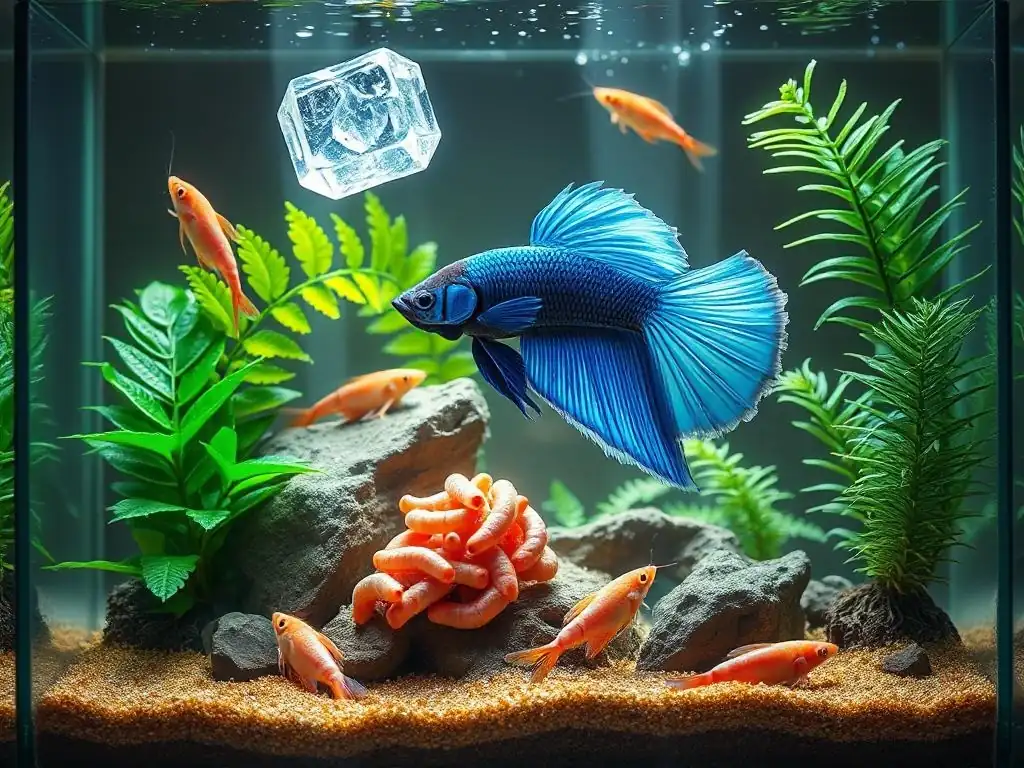
Curious about the best diet for your vibrant Betta? You've landed in the right place. The Bettas frozen food debate rages on, but fear not! We're diving deep into the pros and cons of live, frozen, and pellet foods to help you unlock the secrets to a happy, healthy Betta. Get ready to separate fact from fiction and discover the ultimate feeding strategy for your finned friend. Let's get started!
- Understanding Betta Nutritional Needs for Optimal Health
- Live Food for Bettas: A Natural and Stimulating Option
- Frozen Food for Bettas: Convenience and Nutritional Value
- Pellet Food for Bettas: A Staple Diet Option
- Live vs Frozen vs Pellet: Detailed Comparison Table
- Common Betta Feeding Concerns Addressed
- Creating a Balanced Betta Feeding Schedule
- Tips for Successfully Feeding Your Betta Fish
- Conclusion: The Best Food Strategy for Your Betta
-
Frequently Asked Questions
- What are the main types of food options available for Betta fish?
- What are the potential benefits of feeding Betta fish frozen food?
- What are the drawbacks of feeding Betta fish live food?
- How does frozen food compare to pellet food in terms of nutritional value for Bettas?
- Is it necessary to feed Betta fish a variety of foods, including frozen?
- Final Reflection: Nourishing the Heart of the Betta
- Ignite Your Betta's Vitality!
Understanding Betta Nutritional Needs for Optimal Health
Essential Nutrients for Thriving Betta Fish
For Betta fish to truly thrive, their diet must be rich in specific macronutrients and micronutrients. As obligate carnivores, protein is paramount, ideally constituting 35-45% of their diet for high-quality pellets, and even higher for natural live or frozen options. This protein should come from animal-based sources like insect meals (e.g., black soldier fly larvae meal), whole fish meal (e.g., salmon, herring), and shrimp meal, which provide the essential amino acids necessary for growth, muscle development, and overall vitality.
Beyond protein, healthy fats (lipids), making up around 8-12% of their diet, are crucial for energy and the absorption of fat-soluble vitamins. Vitamins such as A, C, D, E, K, and a full spectrum of B-complex vitamins, alongside minerals like calcium and phosphorus, support immune function, bone structure, and vibrant coloration. Deficiencies can manifest in various ways, such as stunted growth, faded colors, or susceptibility to diseases like fin rot, which can sometimes be linked to a lack of Vitamin C.
The Importance of a Varied Betta Diet
Relying on a single food source, even a high-quality one, is often insufficient for a Betta's long-term health. Different food types offer unique nutrient profiles, ensuring a comprehensive intake that a singular diet cannot provide. This variety mimics their natural foraging behaviors in the wild, where they would consume a diverse range of insects and small invertebrates, thus preventing nutritional deficiencies and significantly enhancing their overall vitality and resilience.
A varied diet not only ensures complete nutrition but also stimulates appetite and reduces boredom, which can lead to stress in captive Bettas. Just as humans benefit from a diverse diet, so too do Bettas. This approach contributes to more vibrant coloration, stronger immune systems, and can markedly extend a Betta's lifespan beyond the typical 2-3 years often seen in less optimally fed fish, with many well-cared-for Bettas living for 4-5 years or even longer.
Live Food for Bettas: A Natural and Stimulating Option
Benefits of Feeding Live Food to Your Betta
Live food offers unmatched palatability and stimulation of a Betta's natural hunting instincts. This mimics their wild diet, encouraging active predatory behavior, which is excellent for mental enrichment. Live foods are particularly beneficial for finicky eaters or when conditioning Bettas for breeding, as the movement often entices them to eat when other foods fail. Additionally, live foods are naturally high in moisture, contributing to the Betta's hydration.
From a nutritional standpoint, live foods are often superior due to their high content of natural enzymes and specific proteins that can be degraded during processing in other food types. For instance, newly hatched brine shrimp nauplii are packed with easily digestible protein, while daphnia act as a natural laxative, aiding digestion. This fresh, unprocessed nutrition can enhance coloration, boost energy levels, and contribute to overall vitality and robust health.
Popular Live Food Options for Bettas
Several live food options are popular and beneficial for Bettas, each offering unique advantages. Brine shrimp (Artemia salina), especially newly hatched nauplii, are highly digestible and suitable for Betta fry and adults, and can be gut-loaded with nutrients. Daphnia, or water fleas, are excellent for digestion and are small enough for Bettas of all sizes. Bloodworms (Chironomid larvae) are extremely palatable and high in iron, making them a favorite treat, though they should be fed sparingly due to their less complete nutritional profile.
Other viable options include mosquito larvae, which are a natural prey item and high in protein, though sourcing them safely is crucial. Microworms, grindal worms, and white worms are also used, particularly for conditioning breeding pairs, as they are higher in fat content. It is important to vary these options to ensure a broad spectrum of nutrients and to select appropriate sizes for your Betta's mouth.
Culturing Your Own Live Food: A Cost-Effective Approach
Culturing your own live food provides a consistent, fresh, and often disease-free source of nutrition for your Betta, proving to be highly cost-effective in the long run. Setting up a simple brine shrimp hatchery, for example, can yield thousands of nutritious nauplii within 24-36 hours from a small investment in cysts and a basic setup. Similarly, daphnia cultures can be maintained in a container with green water (algae) or by feeding them spirulina powder and yeast.
Microworm cultures are also simple to establish using an oatmeal and yeast substrate, providing a continuous supply of tiny worms. While there's an initial setup cost, typically ranging from $10-$30 for cultures, the ongoing expense is minimal compared to repeatedly purchasing live food from pet stores. This method not only ensures purity but also significantly reduces the long-term feeding budget for Betta enthusiasts.
Potential Risks of Live Food: Parasites and Contamination
Despite the numerous benefits, live food carries potential risks, particularly concerning parasites and contamination. Wild-caught live foods, such as mosquito larvae collected from outdoor puddles or ponds, pose a high risk of introducing harmful parasites like Ich, internal worms, or various bacterial infections into your aquarium. These pathogens can quickly spread and devastate a tank's inhabitants.
Even commercially sourced live foods can sometimes carry risks if they originate from less reputable suppliers with poor hygiene practices. Cross-contamination from collection sites or inadequate handling during packaging can introduce unwanted organisms. To mitigate these risks, it is strongly recommended to source live food only from highly reputable aquatics stores that maintain strict quality control, or, ideally, to culture your own live food at home. This concern is often a central point in the Bettas frozen food debate, where frozen food is perceived as a safer alternative due to the freezing process killing most parasites.
Frozen Food for Bettas: Convenience and Nutritional Value
Advantages of Frozen Food in Betta Care
Frozen food presents a highly convenient and nutritionally valuable option for Betta care. Its primary advantage lies in its extended shelf life, allowing for storage in a freezer for up to 6 months to a year without significant degradation, making it readily available whenever needed. This eliminates the need for frequent trips to the pet store or the complexities of live food culturing.
Furthermore, frozen food offers a significant safety advantage over wild-caught live food. The flash-freezing process typically kills most common parasites and harmful bacteria, reducing the risk of introducing pathogens into your aquarium. This method also preserves much of the food's nutritional content, including proteins, fats, and many heat-sensitive vitamins, making it an excellent supplement or primary food source. This safety aspect is a key argument in the Bettas frozen food debate, providing peace of mind for aquarists.
Best Frozen Food Choices for Bettas
When selecting frozen foods for Bettas, several options stand out for their nutritional value and palatability. Frozen bloodworms are perhaps the most popular choice due to their high iron content and irresistible appeal to Bettas, making them an excellent treat. Frozen brine shrimp, both adult and nauplii forms, are highly digestible and can be a staple in a Betta's diet, suitable for daily feeding.
Frozen daphnia are beneficial for aiding digestion and providing chitin, which supports the digestive tract. For a richer nutritional boost, frozen Mysis shrimp are an excellent choice, being packed with protein and essential fatty acids that enhance coloration and overall vigor. Rotating between these options ensures a comprehensive nutritional intake and keeps the Betta engaged with varied textures and tastes.
Proper Thawing and Feeding Techniques for Frozen Betta Food
Proper thawing and feeding techniques are crucial when using frozen food to ensure both your Betta's health and water quality. Never feed frozen food directly to your fish, as the extreme cold can cause digestive shock and internal issues. Instead, thaw a small portion in a clean, separate cup filled with a small amount of tank water for 5-10 minutes until it reaches room temperature.
Once thawed, use a small pipette, syringe, or turkey baster to carefully deliver the food to your Betta, ensuring precise portion control. It is vital to discard any uneaten thawed food within 10-15 minutes of feeding to prevent it from decaying in the tank and fouling the water, which can lead to ammonia spikes. Always thaw only the amount that will be consumed immediately to maintain the quality and safety of the remaining frozen portion.
Addressing Concerns About Nutrient Loss in Frozen Food
A common concern in the Bettas frozen food debate is the potential for nutrient loss during the freezing and thawing process. While some minimal degradation of certain delicate nutrients, such as specific vitamins, can occur, modern flash-freezing techniques are designed to significantly minimize this. Compared to dried foods, which often undergo high-heat processing, frozen foods generally retain a much higher percentage of moisture and heat-sensitive vitamins.
The primary factors contributing to nutrient loss in frozen foods are improper storage, such as exposure to air leading to freezer burn, or repeated thawing and refreezing, which damages cell structures and leaches nutrients. High-quality frozen products from reputable brands (e.g., San Francisco Bay Brand, Hikari) are processed rapidly and stored optimally to preserve maximum nutritional value, making them a highly viable and nutritious alternative that often rivals live food in terms of benefits to the Betta.
Pellet Food for Bettas: A Staple Diet Option
Selecting High-Quality Betta Pellets: Ingredients to Look For
When selecting pellet food for your Betta, prioritizing quality ingredients is paramount. Look for pellets specifically formulated for Bettas, as these are designed to meet their carnivorous dietary needs. The first few ingredients listed on the packaging should be high-quality animal proteins, such as whole fish meal (e.g., salmon, krill), spirulina, or insect meals like black soldier fly larvae. Avoid pellets where fillers like corn, wheat, or soy are among the primary ingredients, as these offer little nutritional value to a carnivore and can contribute to digestive issues.
An ideal Betta pellet should have a crude protein content of at least 35-45%, with some premium brands offering even higher percentages. Ensure the pellets are fortified with essential vitamins, particularly Vitamin C for immune health, and a balanced array of minerals. The size of the pellet is also crucial; it should be small enough (typically 1-2mm) for your Betta to comfortably consume without choking. Reputable brands often include Hikari Betta Bio-Gold, Fluval Bug Bites Betta Formula, and Omega One Betta Buffet, which consistently deliver on these quality metrics.
How to Properly Feed Your Betta Pellets: Preventing Overfeeding
Proper feeding techniques are essential to prevent overfeeding, a common issue that leads to significant health problems for Bettas. A Betta's stomach is remarkably small, roughly the size of its eyeball. Therefore, it is recommended to feed only 2-4 pellets per meal, 1-2 times a day. Observe your Betta closely during feeding; if their belly appears distended or bloated after eating, reduce the portion size for subsequent meals.
Overfeeding is a primary cause of swim bladder disorders, constipation, and dangerously poor water quality due to uneaten food decaying and releasing ammonia and nitrites. Always remove any uneaten pellets from the tank within 5 minutes to prevent water contamination. Using a small feeding ring can help contain floating pellets, making it easier for your Betta to find them and for you to remove any leftovers.
Different Types of Betta Pellets: Floating vs. Sinking
Betta pellets are generally designed to either float or slowly sink, catering to different feeding preferences and tank setups. Most Betta-specific pellets are formulated to float initially, which is ideal as Bettas are naturally surface feeders. This allows them to easily consume the food from the water's surface, mimicking their instinct to snatch insects that land on the water. Floating pellets also make it easier for aquarists to monitor how much food is being consumed and to remove any uneaten portions.
Some pellets are designed to sink slowly, or may eventually sink if left uneaten. While Bettas are capable of retrieving food from the bottom, it is less natural for them and can be more challenging, especially in tanks with substrate. Uneaten sinking pellets can quickly dissolve and foul the water, contributing to poor water quality. For a solo Betta tank, floating pellets are generally preferred for ease of feeding and maintenance.
Supplementing Pellet Diets for a Balanced Nutrition
While high-quality Betta pellets provide a solid foundation, they rarely offer the complete spectrum of nutrients and the mental enrichment that a diverse diet provides. Therefore, supplementing a pellet-based diet with frozen or occasional live food is crucial for optimal Betta health and longevity. Pellets, despite their formulation, cannot fully replicate the enzymes, specific fatty acids, and varied textures found in natural prey.
This supplementation ensures a broader nutrient profile, fills any potential nutritional gaps, and provides valuable mental stimulation. For instance, a common and effective strategy is to feed high-quality pellets as a daily staple for 5 days a week, then offer frozen bloodworms or brine shrimp on the remaining 2 days. This balanced approach is often considered the most effective resolution to the Bettas frozen food debate, providing a comprehensive and engaging diet.
Live vs Frozen vs Pellet: Detailed Comparison Table
Nutritional Content Comparison of Betta Foods
In terms of raw nutritional content, live food often leads in natural enzymes and specific proteins that are highly bioavailable. For example, live brine shrimp, when gut-loaded, can offer a protein content of approximately 60% (dry weight) and are rich in moisture. Frozen foods come a very close second; due to flash-freezing, they retain an excellent proportion of protein (e.g., frozen bloodworms typically contain 50-60% protein on a dry weight basis), fats, and many vitamins.
Pellets, while highly variable, are formulated to be nutritionally complete. High-quality Betta pellets typically contain 35-45% crude protein and are fortified with essential vitamins and minerals. While they might lack some of the natural enzymes found in live food, their controlled formulation ensures a consistent and balanced intake of primary nutrients that can be difficult to guarantee with wild-caught live foods.
Cost Analysis: Live, Frozen, and Pellet Food Options
From a cost perspective, pellet food is generally the most economical choice for daily feeding. A small container of high-quality Betta pellets, costing around $5-$15, can last a single Betta for several months, making it the most budget-friendly option for a staple diet.
Frozen foods are moderately priced. A blister pack of frozen bloodworms or brine shrimp, typically costing $5-$10, can last for several weeks depending on feeding frequency. Live foods, when purchased regularly from pet stores, can be the most expensive option, often costing $3-$5 per small bag of bloodworms or brine shrimp. However, culturing your own live food at home, while requiring an initial investment of $10-$30 for cultures and basic supplies, becomes the most cost-effective solution in the long term, significantly reducing ongoing expenses.
Ease of Use and Storage Comparison
Pellet food is undoubtedly the easiest to use and store. It requires no preparation beyond scooping and feeding, and can be stored conveniently at room temperature in an airtight container, taking up minimal space. This makes it highly practical for daily use.
Frozen food requires a bit more effort. It needs to be thawed before feeding and must be stored in a freezer, which requires dedicated space. While still relatively straightforward, the thawing step adds a minor layer of complexity compared to pellets. Live food is the most demanding in terms of ease of use and storage.
If purchased, it often needs to be consumed quickly or kept alive in specific conditions. If cultured, it requires ongoing maintenance, dedicated containers, and a degree of commitment, making it the least convenient option for many aquarists. This factor significantly influences personal preference in the Bettas frozen food debate.
Impact on Betta Behavior and Enrichment
The type of food offered can significantly impact a Betta's behavior and provide varying levels of enrichment. Live food offers the highest level of mental and physical stimulation. The act of chasing and hunting live prey engages a Betta's natural predatory instincts, providing essential exercise and reducing boredom. This active foraging behavior is crucial for their psychological well-being.
Frozen food also provides some degree of enrichment, offering variety in texture and taste, which can stimulate a Betta's appetite and interest. While it doesn't involve active hunting, the natural form of the food can still be more engaging than uniform pellets. Pellets, while providing essential sustenance, offer the least enrichment. They are primarily a source of nutrition and do not typically stimulate natural hunting behaviors or provide the same level of mental engagement as live or frozen alternatives.
Common Betta Feeding Concerns Addressed
Addressing Common Misconceptions About Frozen Food for Bettas
One prevalent misconception in the Bettas frozen food debate is that frozen food loses all its nutritional value during the freezing process. This is largely untrue. Modern flash-freezing techniques are designed to rapidly preserve nutrients, locking in proteins, fats, and many vitamins effectively. When stored and thawed correctly, high-quality frozen foods retain a significant portion of their original nutritional content, making them a highly nutritious and convenient alternative to live food.
Another common misconception is that frozen food directly causes bloat in Bettas. Bloat or swim bladder issues are typically caused by overfeeding, especially with high-fat or low-fiber foods, or by rapid consumption leading to ingestion of air, rather than the frozen food itself. Proper portioning and thawing techniques are key to preventing such issues, regardless of the food type.
Is Frozen Food as Nutritious as Live Food for Bettas?
While live food, especially when gut-loaded, might offer a slight edge in terms of certain enzymes and the absolute freshness of nutrients, high-quality frozen food comes remarkably close in overall nutritional value for Bettas. The rapid flash-freezing process used by reputable manufacturers effectively preserves the essential proteins, fats, and vitamins, often making the nutritional difference negligible for practical purposes.
For the vast majority of home aquarists, the practical benefits of frozen food—such as its safety (due to the freezing process killing most parasites), convenience, and the wide variety available—often outweigh the marginal nutritional advantages that live food might offer. This makes frozen food a very strong contender and often a preferred choice in the Bettas frozen food debate, especially when considering the potential risks associated with unethically or unsafely sourced live food.
Can Bettas Survive on Pellets Alone?
Yes, Bettas can survive on a diet consisting solely of high-quality pellets, especially if those pellets are nutritionally complete and specifically formulated for Bettas. Many Betta owners successfully keep their fish alive on a pellet-only diet for years. However, merely surviving is distinctly different from truly thriving.
A pellet-only diet, even with the best quality pellets, may lead to long-term nutritional deficiencies over time, as it lacks the diversity of nutrients found in a varied diet. It also fails to provide the mental stimulation and enrichment that comes from consuming different food types and textures. For optimal health, vibrant coloration, robust immune function, and a longer, more active life, it is generally recommended to supplement a pellet diet with frozen or occasional live food, ensuring a more comprehensive and engaging nutritional plan.
Creating a Balanced Betta Feeding Schedule
Recommended Feeding Frequency and Portion Sizes for Bettas
For adult Betta fish, a recommended feeding schedule typically involves two small meals per day, six days a week, with one designated fasting day. Each meal should consist of a very small portion, generally 2-4 high-quality pellets, or an equivalent amount of frozen or live food. For instance, this could translate to 2-3 small frozen bloodworms or 5-7 frozen brine shrimp nauplii per feeding.
This twice-daily, small-portion approach helps prevent overfeeding, which is a major cause of digestive issues and water quality problems. The inclusion of a fasting day once a week is highly beneficial, allowing the Betta's digestive system to rest and cleanse itself, further reducing the risk of constipation and swim bladder disorders. Always observe your Betta during feeding to adjust portions based on their appetite and body condition.
Combining Live, Frozen, and Pellet Foods for Optimal Health
The most effective strategy for Betta feeding is to combine all three food types into a varied and balanced diet. A common approach is to use high-quality Betta pellets as the primary staple, feeding them 4-5 days a week. These pellets provide a consistent base of essential nutrients.
On the remaining 2-3 days, supplement the diet with a rotation of diverse frozen foods, such as bloodworms, brine shrimp, and Mysis shrimp. This introduces variety in texture and nutrient profiles, enhancing overall health and providing enrichment. Live foods can be offered as an occasional treat, perhaps once a week or every other week, to stimulate natural hunting instincts and provide highly bioavailable nutrients. This rotational feeding ensures a broad spectrum of nutrients, minimizes deficiencies, and keeps the Betta engaged and active.
Monitoring Your Betta's Health Through Their Diet: Signs of Nutritional Deficiency
Regularly monitoring your Betta's physical condition and behavior is crucial for identifying potential nutritional deficiencies or dietary imbalances. Observe their activity level; a lethargic Betta might not be receiving adequate energy. Pay attention to their coloration; dull or faded colors can often indicate a lack of essential vitamins and minerals. Their fin condition should also be noted; clamped or ragged fins can sometimes be a sign of poor overall health linked to diet.
Changes in waste, such as stringy white feces, might suggest internal parasites or digestive issues related to diet. Swim bladder issues, where a Betta struggles to swim upright or floats sideways, are frequently linked to constipation from overfeeding or a lack of fiber. By closely observing these signs, you can make timely adjustments to your Betta's diet, ensuring they receive the optimal nutrition needed to thrive.
Tips for Successfully Feeding Your Betta Fish
Encouraging Picky Eaters to Accept Different Food Types
Bettas can sometimes be notoriously picky eaters, especially when introducing new food types. To encourage them to accept a varied diet, start by offering very small amounts of the new food. If your Betta refuses it, don't get discouraged; try again the next day. Sometimes, a short fasting period of one day can increase their appetite and willingness to try novel foods.
Experiment with different textures and sizes of food. A Betta that refuses a pellet might readily accept a frozen bloodworm or a live daphnia. You can also try mixing a small amount of the new food with a familiar favorite to help them associate it with something positive. Persistence and patience are key, as Bettas can be quite stubborn, but most will eventually adapt to a varied diet with consistent effort.
Preventing Overfeeding and Water Quality Issues
Preventing overfeeding is the single most critical aspect of Betta care, directly impacting both the fish's health and the aquarium's water quality. Always feed small amounts at a time—only what your Betta can consume within 2-3 minutes. Any uneaten food should be promptly removed from the tank to prevent its decomposition. Using a small feeding dish or a floating feeding ring can help contain pellets and make removal easier.
Overfeeding is the leading cause of poor water quality, as decaying food releases ammonia and nitrites, which are highly toxic to fish. This can lead to cloudy water, excessive algae growth, and significant stress on your Betta, making them susceptible to diseases. Even with careful feeding, regular partial water changes, such as 25% weekly, are essential to maintain pristine water parameters and act as a safety net against any minor overfeeding incidents.
Recommended Betta Food Brands
For high-quality Betta pellets that prioritize optimal nutrition, several brands consistently receive high recommendations from experienced aquarists. Hikari Betta Bio-Gold is widely praised for its balanced formulation and palatability. Fluval Bug Bites Betta Formula, which uses black soldier fly larvae as a primary ingredient, offers an excellent insect-based protein source. Omega One Betta Buffet Pellets are also a strong choice, known for their inclusion of whole, natural ingredients like salmon and kelp.
When it comes to frozen foods, San Francisco Bay Brand is a highly reputable option, offering a wide range of frozen bloodworms, brine shrimp, and Mysis shrimp in convenient blister packs. Hikari also provides high-quality frozen foods that are flash-frozen to preserve nutrients effectively. Sourcing Mysis shrimp from reliable aquatic suppliers ensures you receive a product that is processed to retain maximum nutritional value, making these brands reliable choices in the ongoing Bettas frozen food debate.
Conclusion: The Best Food Strategy for Your Betta
Prioritizing a Varied and Nutritious Diet for Betta Longevity
The "great Betta food debate" between live, frozen, and pellet foods isn't about identifying a single superior option, but rather understanding that the best strategy involves a synergistic combination of all three. A varied and nutritious diet, built upon high-quality pellets as a staple, generously supplemented with diverse frozen foods, and occasionally enriched with live treats, represents the gold standard for Betta health and well-being. This approach ensures a comprehensive intake of all necessary nutrients, provides essential mental and physical enrichment, and significantly minimizes the risks associated with any single food source.
Ultimately, prioritizing a varied and balanced diet contributes profoundly to a Betta's vibrant coloration, robust immune system, and overall vitality. This holistic feeding strategy is a key factor in extending a Betta's lifespan well beyond the typical 2-3 years, often allowing them to live a full and active life of 4-5 years or even more, truly thriving under optimal care.
Frequently Asked Questions
What are the main types of food options available for Betta fish?
The main food options for Betta fish are live food, frozen food, and pellet food. Each offers different nutritional benefits and drawbacks.
What are the potential benefits of feeding Betta fish frozen food?
Frozen food offers a good balance of nutrition and convenience. It is often more palatable than pellets and contains essential nutrients.
What are the drawbacks of feeding Betta fish live food?
Live food can be challenging to source consistently and carries a risk of introducing parasites or diseases into the aquarium. It also requires more preparation.
How does frozen food compare to pellet food in terms of nutritional value for Bettas?
Generally, frozen food tends to be more nutritious than dry pellets, as it retains more of the original nutrients. However, high-quality Betta pellets can be a good base diet.
Is it necessary to feed Betta fish a variety of foods, including frozen?
While not strictly necessary, feeding a varied diet, including frozen food, is highly recommended. It helps ensure your Betta receives a complete range of nutrients.
Okay, here's a final reflection designed to close your article "Live vs. Frozen vs. Pellet: The Great Betta Food Debate Solved," optimized for the keyword "Bettas frozen food debate" and following the structure you outlined:
Final Reflection: Nourishing the Heart of the Betta
The journey through the Bettas frozen food debate reveals more than just the nutritional value of different food types; it underscores our responsibility as caretakers to provide the best possible life for these vibrant creatures. Understanding the nuances of live, frozen, and pellet foods is not merely about convenience, but about actively contributing to the health, happiness, and longevity of our Betta companions.
This exploration has highlighted how deeply intertwined our choices are with the well-being of our Betta fish. The act of choosing the right food, preparing it thoughtfully, and observing the positive impact on our Betta's health becomes a small, daily ritual of care and connection. The best way to observe a fish is to become the water.
- Jacques Cousteau. This quote reminds us that understanding our Betta's needs requires empathy and a willingness to immerse ourselves in their world.
Now, armed with this knowledge, consider how you can further enrich the lives of your Betta fish. Reflect on the information presented and experiment with different feeding strategies to discover what truly resonates with your individual Betta's needs and preferences. Let this article be a starting point, not an end, in your ongoing journey to provide the most vibrant and fulfilling life possible for your aquatic friend.
Ignite Your Betta's Vitality!
Thank you for diving deep into the world of betta nutrition! We hope this article has shed light on the live vs. frozen vs. pellet food debate and empowered you to make informed choices for your finned friend. Now it's time to put that knowledge into action.
Here's how you can further enhance your betta's life:
- Prioritize a varied diet and incorporate at least two different food types mentioned in this article into your betta's weekly meal plan.
- Explore the fascinating world of culturing your own live food – starting with something simple like microworms!
- Share your betta's favourite food combination in the comments below and help other betta owners discover new culinary delights for their fish.
What unique food have you discovered that your betta absolutely loves, and what impact has it had on their health and vibrancy?