
From Fry to School: Integrating Young Cyprinids into Your Main Tank Safely

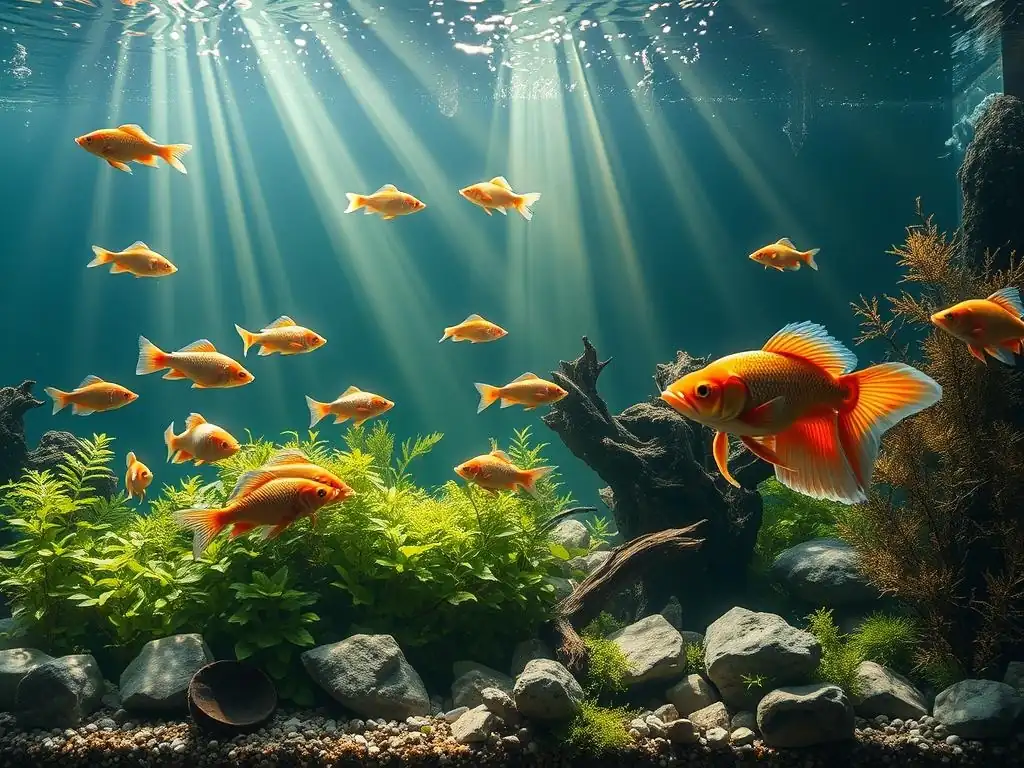
Welcome to Aquarium Mastery!
Ever wondered how to successfully introduce those adorable young cyprinids into your bustling main tank without turning it into a feeding frenzy? This article dives deep into safe cyprinid integration, revealing expert strategies and essential precautions. Get ready to unlock the secrets to a harmonious aquarium, where your new finned friends thrive alongside the established community. Let's dive in and discover how!
- Understanding the Challenges of Cyprinid Integration: Why Safety Matters
- Preparing for Safe Cyprinid Introduction: A Step-by-Step Guide
- Choosing Compatible Tank Mates for Small Cyprinids
- The Introduction Process: Minimizing Stress for Cyprinids
- Post-Introduction Care: Ensuring Long-Term Cyprinid Health
- Troubleshooting Common Issues with Cyprinid Integration
- Long-Term Cyprinid Care and Tank Maintenance
-
Frequently Asked Questions
- How soon can I introduce young cyprinids into my established main tank?
- What water parameters are crucial to match between the grow-out tank and the main tank for cyprinids?
- What are some signs of stress in young cyprinids after being introduced to the main tank?
- What types of fish should I avoid housing with young cyprinids in the main tank?
- How can I ensure young cyprinids get enough food in a community tank setting?
- Final Reflection: The Delicate Dance of Aquatic Harmony
- Nurture & Navigate: Launch Your Cyprinid Journey!
Understanding the Challenges of Cyprinid Integration: Why Safety Matters
The Vulnerability of Cyprinid Fry and Juvenile Fish
Young cyprinids, encompassing popular species like Danios, Rasboras, and White Cloud Mountain Minnows, are remarkably delicate in their early life stages. Their diminutive size, often just a few millimeters long as fry, makes them highly susceptible to physical harm and environmental stressors. Their fins are fragile, their scales are not fully developed, and their immune systems are still maturing, leaving them vulnerable to pathogens that established adult fish might easily ward off.
Furthermore, the caloric demands for rapid growth in young cyprinids are immense. Any significant stress or inadequate nutrition during this critical period can lead to stunted growth, developmental abnormalities, or even mortality. For instance, a newly hatched Zebra Danio fry, measuring less than 3 millimeters, has virtually no defense mechanisms against larger tank inhabitants and requires a precise, stable environment to thrive.
Stress Factors in Introducing Young Cyprinids to an Established Tank
Introducing young cyprinids to an existing aquarium presents a multitude of stress factors that can severely impact their health. The sudden transition to a new environment with different water parameters, lighting conditions, and the presence of larger, established fish can induce a significant shock response. This stress compromises their already developing immune systems, making them highly susceptible to common fish diseases.
The "fight or flight" response triggered by perceived threats from tank mates can lead to erratic swimming, prolonged hiding, or a complete refusal to eat. This sustained stress can exhaust the young fish, deplete their energy reserves, and increase their vulnerability to opportunistic pathogens already present in the main tank. Even if the adult fish are immune to these pathogens, the stressed fry may succumb.
Assessing the Risks: Predation, Competition, and Water Parameters
The primary risks when attempting safe cyprinid integration main tank are direct predation, intense competition for resources, and unsuitable water parameters. Larger fish, even those considered "peaceful," can view small, vulnerable cyprinid fry as a food source. For example, an adult Angelfish, while not overtly aggressive, will readily consume any fish small enough to fit into its mouth, including young Rasboras.
Competition for food and territory is another significant hurdle. Established fish often dominate feeding areas, leaving insufficient food for the slower, shyer fry. Moreover, disparities in water parameters between the breeding or grow-out tank and the main display tank can be fatal. A sudden shift of even 0.5 pH units or a temperature difference of 2-3°C can induce osmotic shock, leading to organ damage and death in sensitive young cyprinids.
Preparing for Safe Cyprinid Introduction: A Step-by-Step Guide
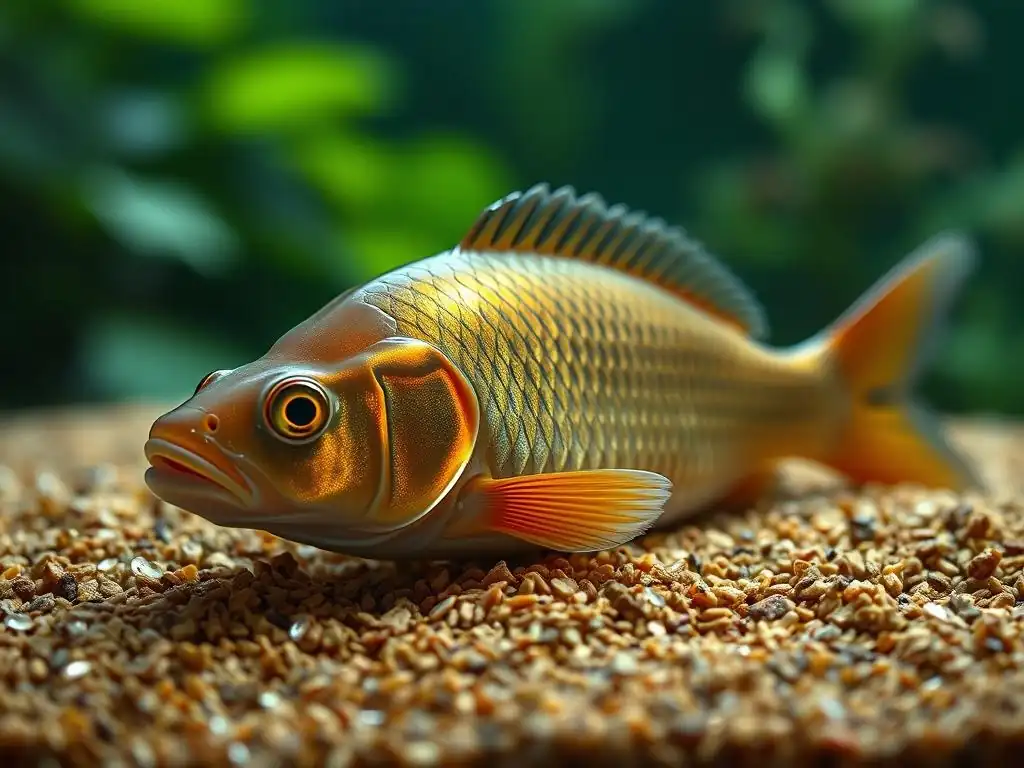
Step 1: Quarantine Tank Setup for Cyprinid Fry
Setting up a dedicated quarantine tank for your cyprinid fry is a non-negotiable step for successful and safe cyprinid integration main tank. This isolated environment allows you to monitor their health, acclimate them gradually to new conditions, and treat any potential illnesses without risking the entire main tank ecosystem. It provides a stress-free transition period essential for their survival.
This temporary habitat also serves as a crucial observation deck, allowing you to ensure the young fish are eating well, growing, and displaying healthy behaviors before they face the complexities of a community tank. A typical quarantine period of at least two to four weeks is recommended to observe for latent diseases.
Choosing the Right Quarantine Tank Size for Growing Cyprinids
The size of your quarantine tank should be appropriate for the number and projected growth of your cyprinid fry. For a small batch of 20-30 Danio or Rasbora fry, a 5 to 10-gallon aquarium is often sufficient for the initial weeks or months of growth. This size allows for adequate swimming space and minimizes the volume of water to be treated if medication becomes necessary.
However, it's crucial to avoid overcrowding, as this can quickly degrade water quality and stunt growth. A general guideline is to allow approximately 1 gallon of water per 5-10 fry initially, adjusting upwards as they grow. For example, if you're growing out 50 White Cloud Mountain Minnow fry, a 20-gallon long tank would provide ample space for their development over several months.
Essential Equipment: Heater, Filter, and Air Stone
A stable and appropriate temperature is vital for growing cyprinid fry, making a reliable heater essential. Most cyprinid species thrive between 22-26°C (72-79°F). A low-flow filter is also critical; a sponge filter is ideal as it provides excellent biological filtration without the risk of sucking up delicate fry, and it can be easily seeded with beneficial bacteria from an established tank.
An air stone connected to an air pump is equally important to ensure adequate oxygenation, especially in smaller tanks or those with a higher bioload. This ensures the water remains well-oxygenated, which is crucial for the respiratory health of rapidly growing fish. Ensure all equipment is properly sized for the tank to maintain optimal conditions.
Step 2: Gradual Acclimation to Main Tank Water Parameters
Gradual acclimation is arguably the most critical step to prevent osmotic shock and ensure the survival of sensitive young cyprinids. Their delicate systems are highly vulnerable to sudden shifts in water chemistry, which can lead to severe stress, organ damage, and even death. This process slowly introduces them to the new water, allowing their bodies to adjust.
The goal is to slowly equalize the water parameters of the quarantine tank with those of the main tank. This typically involves a drip acclimation method, which minimizes the shock of a sudden environmental change. It's a foundational element of successful safe cyprinid integration main tank.
Drip Acclimation Method for Sensitive Cyprinids
The drip acclimation method is highly recommended for sensitive species like young cyprinids. Begin by placing the fish, along with their current water, in a clean container (e.g., a bucket or plastic tub). Then, use an airline tube to siphon water from your main display tank into the container. A simple knot or an airline valve can be used to control the drip rate to a slow, steady flow, typically 1-2 drops per second.
Allow the main tank water to slowly drip into the container until the volume of water in the container has doubled or tripled. This process can take anywhere from 1 to 2 hours, or even longer for species particularly sensitive to parameter changes or if there's a significant difference in pH or hardness. Once complete, gently net the fish and introduce them to the main tank, discarding the acclimation water rather than adding it to your display tank.
Monitoring Water Chemistry During Acclimation (pH, Ammonia, Nitrites, Nitrates)
Before beginning the acclimation process, it is imperative to test the water parameters of both your quarantine tank and your main display tank. Pay close attention to pH, temperature, and hardness (GH/KH). Ideally, these parameters should be as close as possible. Ammonia and nitrites should be at zero parts per million (ppm) in both tanks, as even small amounts are highly toxic to young fish.
Nitrate levels in the main tank should ideally be below 20 ppm. During the drip acclimation, you can periodically retest the water in the acclimation container to ensure the parameters are slowly shifting towards those of the main tank. This meticulous monitoring ensures a truly safe cyprinid integration main tank by preventing sudden chemical shocks.
Step 3: Observing Cyprinid Behavior in Quarantine
During the quarantine period, diligent observation of your cyprinid fry is paramount. This allows you to identify any signs of stress or disease before they are introduced to the main tank, preventing the potential spread of pathogens to your established fish population. Look for active swimming, schooling behavior, and a healthy appetite.
A minimum two-week quarantine period is generally recommended, but a four-week period provides an even greater assurance that latent diseases will manifest. Healthy cyprinids should exhibit vibrant colors and consistent feeding habits, indicating they are thriving in their temporary environment.
Identifying Signs of Stress or Disease
Vigilance in identifying signs of stress or disease is crucial during quarantine. Common indicators include clamped fins (fins held close to the body), lethargy, rapid or labored breathing, and a loss of appetite. Physical signs of disease might include white spots (Ich), fuzzy growths (fungus), red streaks on the body or fins (bacterial infection), or flashing (rubbing against tank decor).
Any of these symptoms necessitate immediate action. For instance, a single white spot could indicate the onset of Ich, a highly contagious parasite. If any signs of illness appear, the introduction to the main tank must be delayed, and appropriate treatment initiated promptly in the quarantine tank.
Treating Common Cyprinid Fry Ailments (if necessary)
Should your cyprinid fry exhibit signs of illness during quarantine, prompt and gentle treatment is essential. Common ailments include Ich (white spot disease), Columnaris (cottonmouth disease), and fin rot. For Ich, a gradual increase in water temperature to 28-30°C (82-86°F) combined with an appropriate medication (like a malachite green or formalin-based product) can be effective, though always check if the medication is safe for fry.
For fungal infections or fin rot, gentle antibacterial or antifungal treatments, such as methylene blue dips or low-dose broad-spectrum medications, can be used. It is vital to use medications sparingly and precisely according to instructions, as fry are particularly sensitive to chemicals. Always ensure the medication is specifically labeled as safe for delicate fish or fry.
Choosing Compatible Tank Mates for Small Cyprinids
Assessing Existing Fish Temperament and Size
A critical component of safe cyprinid integration main tank is a thorough assessment of your existing tank inhabitants. Observe their temperament: are they generally peaceful, or do they exhibit territorial or aggressive behaviors? Crucially, evaluate their size. Any fish large enough to fit a young cyprinid into its mouth, even if generally peaceful, poses a significant predatory risk.
For example, while an adult Dwarf Gourami might typically be considered a calm fish, a young Rasbora fry could still be seen as a snack. Similarly, larger Cichlids, many Gourami species (like Kissing Gouramis), and some larger Barbs (e.g., Tiger Barbs) are often too aggressive or predatory to coexist safely with small, vulnerable cyprinid fry.
Ideal Tank Mates for Danios, Rasboras, and White Clouds
When planning for safe cyprinid integration main tank, consider species that are similarly small, peaceful, and preferably schooling. Ideal tank mates for Danios, Rasboras, and White Cloud Mountain Minnows include other small, non-aggressive schooling fish such as Neon Tetras, Ember Tetras, or small Pencilfish. Bottom dwellers like Corydoras catfish and Otocinclus catfish also make excellent companions, as they occupy different tank levels and are not predatory.
These species generally share similar water parameter requirements and are unlikely to pose a threat to the young cyprinids. Furthermore, the presence of other peaceful schooling fish can enhance the sense of security for the newly introduced cyprinids, encouraging them to school more readily and reducing overall stress.
Avoiding Aggressive or Predatory Species
To ensure the highest chance of success for safe cyprinid integration main tank, strictly avoid any fish species known for aggression, fin-nipping, or predatory behavior. This includes most Cichlids (with the exception of some very small, peaceful dwarf species and even then, with caution), larger Gouramis (such as Pearl Gouramis or Blue Gouramis which can be territorial), and many Barb species (like Tiger Barbs, which are notorious fin-nippers).
Even seemingly benign species like Betta fish can be aggressive towards smaller, active fish like Danios, often nipping their fins. The constant stress of being harassed or the direct threat of predation will quickly lead to the demise of young cyprinids, making careful tank mate selection paramount.
The Introduction Process: Minimizing Stress for Cyprinids
Turning Off the Lights: Reducing Initial Stress
Upon introducing young cyprinids to the main tank, a simple yet effective strategy to minimize initial stress is to turn off the aquarium lights. This creates a subdued environment that helps reduce visual stimulation and the immediate attention from existing tank inhabitants. The dimness allows the new fish to explore their surroundings and find hiding spots without feeling immediately exposed or threatened.
It is advisable to keep the lights off for at least 1-2 hours after introduction, or even overnight if feasible. This period of darkness provides a crucial window for the young cyprinids to acclimate to their new environment, locate cover, and begin to feel secure before the full activity of the main tank resumes.
Introducing Cyprinids in Small Groups
Cyprinids are schooling fish by nature, and introducing them in small groups rather than individually significantly reduces their stress levels. The safety in numbers provided by a school helps them feel more secure and encourages natural behaviors. For instance, introducing a group of 6-10 young Zebra Danios together is far less stressful for them than adding just one or two at a time.
However, avoid overwhelming your tank's bioload or existing fish with too many new additions at once. If you have a very large batch of young cyprinids, consider introducing them in stages over several days or weeks. This staggered approach further supports safe cyprinid integration main tank by allowing the biological filter to adjust and existing fish to become accustomed to the new presence gradually.
Monitoring Cyprinid Behavior After Introduction: What to Watch For
After the cyprinids have been introduced, continuous monitoring of their behavior is essential for the first few days and weeks. Observe for any signs of prolonged stress, such as clamped fins, hiding excessively, erratic swimming, or a general lack of activity. Also, closely watch the existing tank mates for any signs of aggression, fin-nipping, or undue harassment towards the newcomers.
Crucially, ensure the young cyprinids are actively finding and consuming food. They can be shy initially, and larger, established fish may outcompete them. If you notice persistent bullying or a lack of feeding, intervention might be necessary, perhaps by temporarily separating the aggressive fish or providing more targeted feeding.
Post-Introduction Care: Ensuring Long-Term Cyprinid Health
Providing Adequate Hiding Places and Cover
Once young cyprinids are introduced, ensuring an abundance of hiding places and cover is vital for their long-term well-being. Dense live planting, particularly stem plants like Hornwort or Cabomba, offers excellent refuge. Caves, driftwood, and rock formations also provide safe havens where the fish can retreat when feeling stressed or threatened.
Cyprinids, especially when young, feel significantly more secure and are less prone to stress when they have ample cover. This promotes natural schooling behavior and reduces the likelihood of them becoming targets for curious or occasionally aggressive tank mates, contributing directly to safe cyprinid integration main tank.
Maintaining Optimal Water Quality for Cyprinids
Maintaining consistently optimal water quality is paramount for the long-term health and growth of young cyprinids. Their developing bodies are more sensitive to fluctuations in parameters and the presence of toxins. Regular water testing for ammonia, nitrite, and nitrate levels is non-negotiable; ammonia and nitrite should always be zero, and nitrates should ideally be kept below 20 ppm through routine maintenance.
Perform regular partial water changes, typically 25% weekly, to remove accumulated nitrates and replenish essential minerals. Ensure your filtration system is adequately sized and maintained, providing both mechanical and biological filtration. Stable, clean water is the cornerstone of a thriving community and ensures the success of safe cyprinid integration main tank.
Feeding Young Cyprinids a Nutritious Diet
Providing a nutritious and appropriate diet is crucial for the rapid growth and development of young cyprinids. They require smaller, more frequent feedings than adult fish. Offer high-quality crushed flake food, micro-pellets, and live or frozen foods such as baby brine shrimp or daphnia. These smaller food items are easily consumed and provide the necessary protein for growth.
Ensure that the food reaches the young cyprinids and is not monopolized by larger, faster tank mates. You may need to feed in multiple locations or use a target feeding method to ensure they receive adequate nutrition. Young cyprinids typically benefit from 2-3 small feedings per day to support their metabolic needs.
Troubleshooting Common Issues with Cyprinid Integration
Dealing with Bullying or Fin-Nipping
Despite careful planning, bullying or fin-nipping can sometimes occur after safe cyprinid integration main tank. First, identify the aggressor. If it's a specific fish, consider its temperament and whether it's truly compatible. Increasing the amount of hiding places and breaking up line of sight with additional decor or plants can help diffuse aggression. Sometimes, adding more of the bullied cyprinid species can dilute aggression, as the stress is spread among a larger group.
If aggression persists and seriously threatens the well-being of the young cyprinids, you may need to consider removing the aggressive fish to a separate tank, or, if feasible, re-homing it. In some cases, a temporary tank divider can be used for a few days to allow the new fish to settle in without direct interaction.
Addressing Competition for Food
Competition for food is a common challenge when integrating young cyprinids, as larger, established fish often dominate feeding times. To ensure the newcomers receive adequate nutrition, try feeding in multiple locations simultaneously. Distribute food across the surface or use a combination of floating and sinking foods to cater to different feeding preferences and tank levels.
Consider feeding more frequently in smaller amounts throughout the day. Observe carefully during feeding times to confirm that the young cyprinids are actively eating. If necessary, you might need to target feed them directly using a pipette or by distracting the larger fish on one side of the tank while the smaller fish feed on the other.
Recognizing and Treating Diseases in Newly Introduced Cyprinids
Even with meticulous quarantine, newly introduced cyprinids can sometimes develop diseases due to residual stress or latent pathogens. Early recognition of illness is paramount. Watch for any changes in appearance (e.g., spots, growths, frayed fins, discolored patches) or behavior (e.g., lethargy, rapid breathing, flashing, clamped fins, loss of appetite).
If a disease is suspected, the best course of action is to promptly isolate the affected fish in a dedicated hospital tank. Treating in a separate tank avoids medicating the entire main display, which can harm beneficial bacteria or invertebrates. This allows for targeted treatment with appropriate medications and closer monitoring of the sick fish's response.
Long-Term Cyprinid Care and Tank Maintenance
Regular Water Changes and Filtration
Regular water changes and diligent filtration are fundamental pillars of long-term cyprinid health and a vibrant aquarium ecosystem. Weekly partial water changes, typically 25-30% of the tank volume, are crucial for removing accumulated nitrates, replenishing essential minerals, and maintaining stable water chemistry. This practice directly supports the success of safe cyprinid integration main tank over the long haul.
Proper filter maintenance is equally important. Rinse filter media in old tank water (never tap water, which contains chlorine that kills beneficial bacteria) to remove detritus while preserving the vital bacterial colony. Ensure your filter is always clean and running efficiently to manage the bioload effectively.
Monitoring Cyprinid Growth and Development
Continuous monitoring of your cyprinids' growth and development is a rewarding aspect of long-term care. Healthy young cyprinids should exhibit steady growth, vibrant coloration, and active schooling behaviors. Regularly observe their size, fin condition, and overall body shape.
Any signs of stunted growth, pale coloration, or abnormal development could indicate underlying issues related to water quality, nutritional deficiencies, or persistent stress. Addressing these issues promptly will ensure your cyprinids reach their full potential and contribute to a thriving, balanced community for years to come.
Maintaining a Balanced Ecosystem for a Thriving Cyprinid Community
The ultimate goal of safe cyprinid integration main tank is to foster a balanced and thriving ecosystem where your young cyprinids can flourish into healthy adults. This involves maintaining appropriate stocking levels, ensuring a diverse and well-established biological filter, and providing a stable environment with consistent water parameters.
A well-balanced tank is more resilient to minor fluctuations and less prone to disease outbreaks. By consistently providing clean water, a nutritious diet, compatible tank mates, and ample enrichment, you create an environment where your cyprinid community can display their natural behaviors and bring joy to your aquarium for many years.
Frequently Asked Questions
How soon can I introduce young cyprinids into my established main tank?
You should wait until the cyprinids are of a sufficient size to avoid being eaten by larger tank mates. Monitor growth closely and ensure they are no longer considered "bite-sized" before introduction.
What water parameters are crucial to match between the grow-out tank and the main tank for cyprinids?
Maintaining consistent water parameters is key. Pay close attention to temperature, pH, and ammonia levels. Gradual acclimation is essential to minimize stress.
What are some signs of stress in young cyprinids after being introduced to the main tank?
Signs of stress can include erratic swimming, hiding excessively, and loss of appetite. Monitor them closely for these symptoms in the first few days.
What types of fish should I avoid housing with young cyprinids in the main tank?
Avoid aggressive or predatory fish that could bully or harm the cyprinids. Larger cichlids and some catfish species are generally not suitable tank mates.
How can I ensure young cyprinids get enough food in a community tank setting?
Ensure they have access to food by providing small, frequent feedings. You may need to use specialized feeding methods to ensure they get their share, especially if there are faster or more dominant fish in the tank.
Final Reflection: The Delicate Dance of Aquatic Harmony
The journey from fragile fry to thriving member of a community tank highlights the delicate balance inherent in aquarium keeping. Successfully navigating the challenges of safe cyprinid integration underscores our responsibility as stewards of these miniature ecosystems. It's a testament to the power of informed observation, patient nurturing, and a deep respect for the intricate web of life within our glass-walled worlds.
This process extends beyond mere technical skill; it's about fostering a deeper understanding of the needs and behaviors of these fascinating creatures. Witnessing the transformation of tiny fry into vibrant, schooling fish is a profoundly rewarding experience, a tangible reminder of the interconnectedness of life. In nature, nothing exists alone.
- Rachel Carson. This quote resonates deeply when considering the delicate interplay of species within a closed aquarium environment, emphasizing the importance of thoughtful integration.
Now, consider the lessons learned. Think about the patience, the observation, and the dedication required to successfully integrate these young cyprinids. How can you apply this same mindful approach to other aspects of your life, fostering harmony and growth in your own communities? Embrace the challenge, and remember that even the smallest act of care can create a world of difference.
Thank you for exploring the fascinating world of raising young cyprinids! We hope you found valuable insights into safely integrating them into your main aquarium. Now, let's turn that knowledge into action!
- Carefully introduce your healthiest-looking cyprinids to the main tank using a slow acclimation method - this is the most impactful step towards their successful integration!
- Document your acclimation process and share your experience in our forum - your observations could help others!
- Consider a creative addition: research uncommon, yet compatible, tank mates to enrich your cyprinid community!
Ready to create a thriving cyprinid community in your tank? What specific challenge are you most excited to tackle first?