
The Gentle Glow: Ideal Tank Mates for Your Peaceful Glowlight Tetra School

Welcome to Aquarium Mastery!
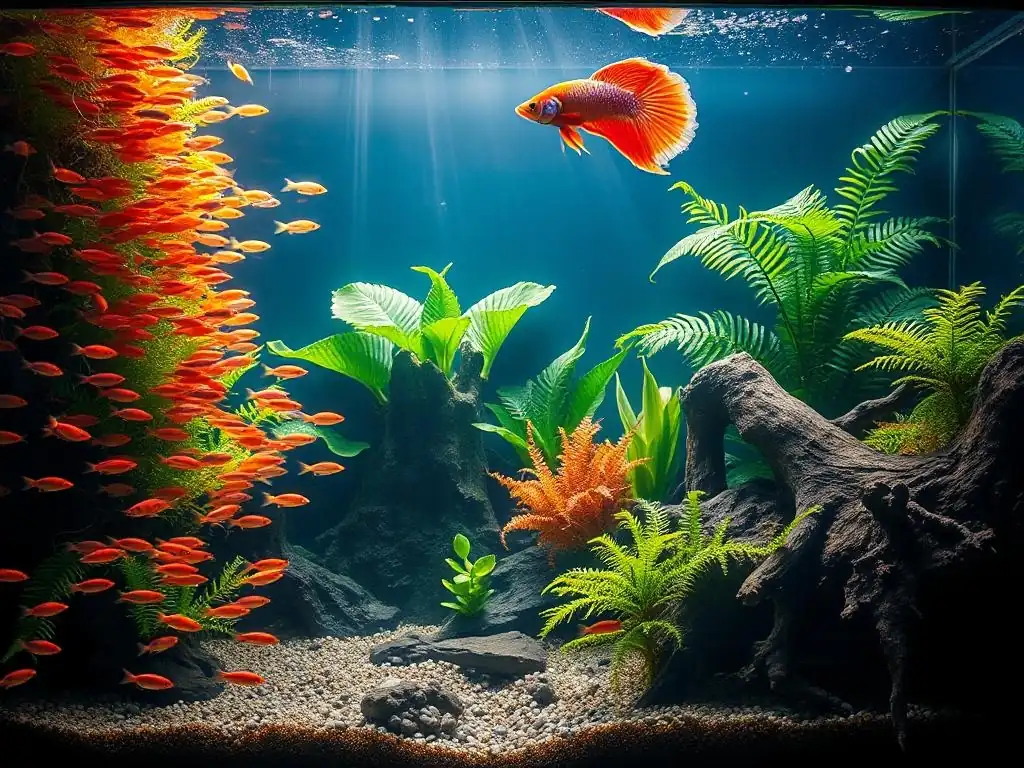
Ever wondered who makes the perfect companions for your shimmering school of Glowlight Tetras? These peaceful beauties thrive in a community, but choosing the right tank mates can be tricky. Dive in and unlock the secrets to creating a harmonious aquarium with our in-depth guide to Glowlight Tetra compatible tank mates, ensuring a vibrant and thriving underwater world! What unexpected pairings await?
- Understanding Glowlight Tetra Temperament and Tank Needs
- Top Peaceful Tank Mates for Glowlight Tetras
- Fish to Avoid: Unsuitable Tank Mates for Glowlight Tetras
- Creating a Harmonious Aquarium Environment for Glowlight Tetras and Their Companions
- Feeding Your Glowlight Tetras and Their Tank Mates
- Monitoring and Maintaining a Healthy Glowlight Tetra Community Tank
- Troubleshooting Common Problems in a Glowlight Tetra Community Tank
- Conclusion: Building a Thriving Ecosystem with Glowlight Tetras and Their Compatible Tank Mates
-
Frequently Asked Questions
- What type of fish are Glowlight Tetras, and why is compatibility important?
- What are some good general considerations when choosing tank mates for Glowlight Tetras?
- Can I keep Glowlight Tetras with larger fish?
- Are there any specific species of fish that are definitely not compatible with Glowlight Tetras?
- What about invertebrates? Are there any shrimp or snails that would be good tank mates for my Glowlight Tetras?
- Final Reflection: Embracing Harmony in the Aquarium
- Ignite Your Aquarium: Foster a Thriving Tetra Community!
Understanding Glowlight Tetra Temperament and Tank Needs
Key Considerations for Glowlight Tetra Compatibility
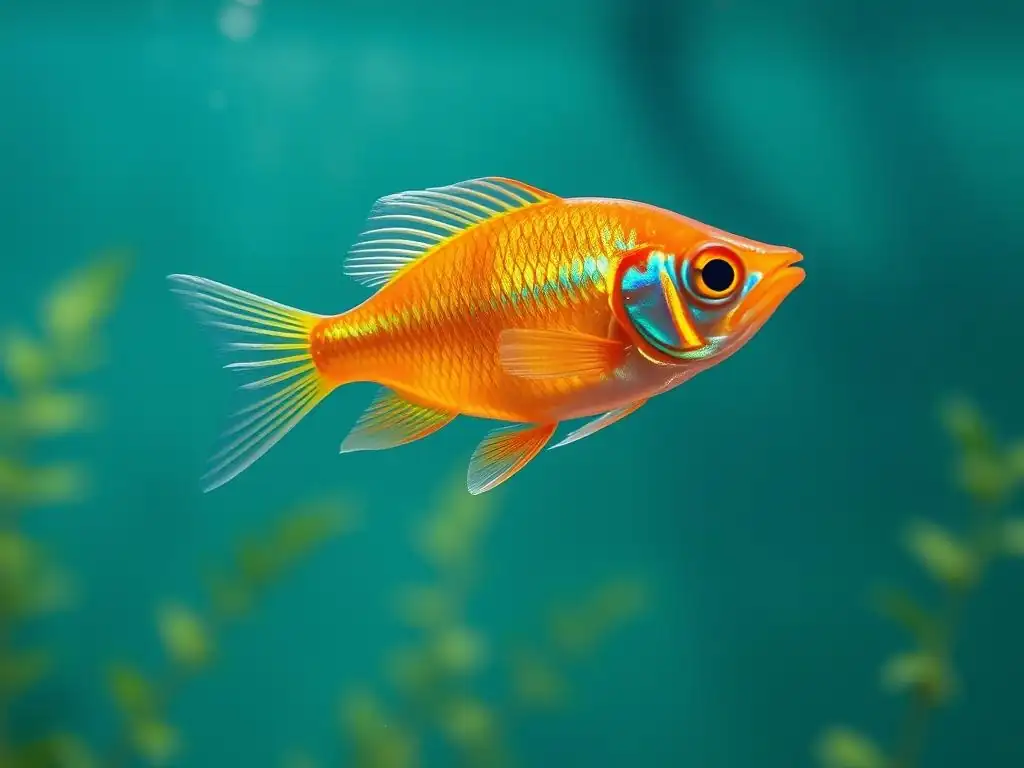
Glowlight Tetras ( Hemigrammus erythrozonus) are renowned for their peaceful disposition and the striking orange-red stripe that runs along their bodies, making them a popular choice for community aquariums. These small, schooling fish typically reach an adult size of about 1.5 to 2 inches (approximately 4 to 5 cm), which is a crucial factor when considering Glowlight tetra compatible tank mates.
Their timid nature means they can easily be stressed or intimidated by larger, more boisterous, or aggressive species. To thrive, Glowlight Tetras require the security of a school, ideally consisting of at least six to eight individuals, to exhibit their natural schooling behavior and reduce stress levels.
When selecting tank mates, it's essential to prioritize species with similar temperaments and size. Fast-swimming or fin-nipping fish can cause significant stress and physical harm to Glowlight Tetras, leading to illness or even death. Furthermore, considering the activity levels and preferred swimming areas of potential tank mates will help create a balanced and harmonious environment, ensuring that all inhabitants have adequate space and resources without direct competition. The goal is to establish a calm ecosystem where the Glowlight Tetras feel secure enough to display their vibrant colors and natural behaviors.
Ideal Water Parameters for a Thriving Glowlight Tetra Tank
Maintaining stable and appropriate water parameters is paramount for the health and longevity of Glowlight Tetras and their Glowlight tetra compatible tank mates. These fish originate from soft, acidic waters in South America, particularly the Essequibo River in Guyana, and replicate these conditions in the home aquarium is vital. The ideal temperature range for Glowlight Tetras is between 72°F and 78°F (22°C to 26°C), which is comfortably within the range for most peaceful community fish. Consistency in temperature helps prevent stress and disease.
Regarding water chemistry, Glowlight Tetras prefer a slightly acidic to neutral pH, typically ranging from 6.0 to 7.0. The water hardness (GH) should be soft to moderately hard, ideally between 5 and 12 dGH. Regular testing of ammonia, nitrite, and nitrate levels is crucial, with ammonia and nitrite ideally at 0 ppm, and nitrates kept below 20 ppm through consistent water changes. Providing these stable, clean water conditions not only supports the vibrant health of your Glowlight Tetras but also benefits a wide array of other peaceful freshwater species, making the selection of suitable companions much easier.
Top Peaceful Tank Mates for Glowlight Tetras
Small, Peaceful Community Fish for Glowlight Tetra Tanks
Creating a harmonious community tank with Glowlight Tetras involves selecting fish that share similar needs and temperaments. The best Glowlight tetra compatible tank mates are typically other small, peaceful, and non-aggressive schooling fish that won't outcompete them for food or space. These species often inhabit similar regions of the water column or have distinct behaviors that minimize conflict, ensuring a serene environment for all.
The following fish are excellent choices due to their docile nature, comparable size, and preference for similar water conditions. Introducing these species in appropriate group sizes will further enhance the stability and natural beauty of your aquarium, allowing the Glowlight Tetras to school confidently and display their full potential.
Ember Tetras: A Complementary Schooling Companion
Ember Tetras ( Hyphessobrycon amandae) are an outstanding choice for Glowlight tetra compatible tank mates due to their remarkably similar requirements and equally peaceful disposition. Reaching a maximum size of only about 0.8 inches (2 cm), they are even smaller than Glowlight Tetras, ensuring no intimidation issues. Their vibrant orange-red coloration provides a beautiful contrast to the Glowlight's distinct stripe, adding visual depth to the tank.
Like Glowlight Tetras, Ember Tetras are schooling fish and thrive in groups of 8-10 or more, exhibiting more confident behavior when kept in larger numbers. They prefer similar water parameters, including temperatures between 72-79°F (22-26°C), a pH of 5.5-7.0, and soft water, making them seamless additions to a Glowlight Tetra setup. Their gentle nature means they will not compete aggressively for food or space, allowing both species to flourish side-by-side.
Pygmy Corydoras: Bottom-Dwelling Peacekeepers
Pygmy Corydoras ( Corydoras pygmaeus) are tiny, peaceful catfish that make excellent Glowlight tetra compatible tank mates by occupying a different niche within the aquarium. These charming bottom-dwellers grow to only about 1 inch (2.5 cm) in length, making them entirely non-threatening to the mid-water swimming Glowlight Tetras. They are highly social and should be kept in groups of at least six, where they will actively forage for leftover food particles on the substrate.
Their calm demeanor ensures they will not disturb the Glowlight Tetras, and their preference for soft, sandy substrates aligns well with the needs of a planted community tank. Pygmy Corydoras thrive in temperatures ranging from 72-79°F (22-26°C) and a pH of 6.0-7.5, which perfectly overlaps with Glowlight Tetra requirements. Their presence helps maintain tank cleanliness by consuming detritus, contributing to a healthier overall environment.
Harlequin Rasboras: A Vibrant and Compatible Choice
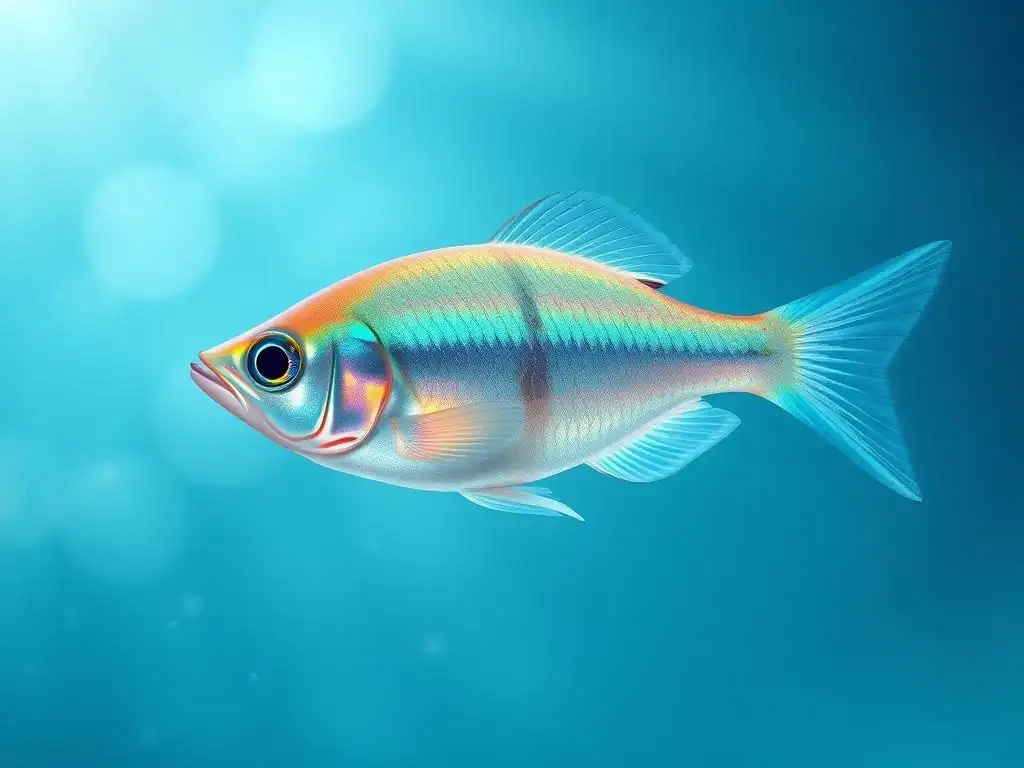
Harlequin Rasboras ( Trigonostigma heteromorpha) are another superb option for Glowlight tetra compatible tank mates. These striking fish, characterized by their distinctive black triangular patch, grow to about 1.8 inches (4.5 cm), making them comparable in size to Glowlight Tetras. They are known for their peaceful temperament and active schooling behavior, which can add dynamic movement to the mid-to-upper levels of the aquarium.
Harlequin Rasboras prefer slightly softer, acidic water conditions, with a pH range of 6.0-7.5 and temperatures between 72-82°F (22-28°C), making them highly adaptable to a Glowlight Tetra setup. They are not fin-nippers and will not harass their tank mates, instead focusing on their own schooling activities. Their robust health and relatively easy care make them a reliable and visually appealing addition to any community tank featuring Glowlight Tetras.
Invertebrate Tank Mates for Glowlight Tetras
Beyond fish, certain invertebrates can also serve as excellent Glowlight tetra compatible tank mates, adding unique behaviors, colors, and functional benefits to the aquarium ecosystem. These creatures typically occupy different areas of the tank and have non-aggressive natures, ensuring they do not pose a threat to the peaceful Glowlight Tetras. They can also contribute to tank cleanliness, making them practical and aesthetically pleasing additions.
When introducing invertebrates, it's important to consider their size and whether they might become prey for larger, less peaceful fish, though this is rarely an issue with the gentle Glowlight Tetra. Ensuring they have adequate hiding spots and food sources is also key to their well-being within a community setup.
Cherry Shrimp: Adding Color and Cleanliness
Cherry Shrimp ( Neocaridina davidi) are small, vibrant freshwater shrimp that are exceptionally Glowlight tetra compatible tank mates. Growing to approximately 1 inch (2.5 cm), their small size and peaceful nature ensure they will not bother the Glowlight Tetras. In fact, Glowlight Tetras are generally too small and non-aggressive to pose a significant threat to adult shrimp, especially if the tank is well-planted with plenty of hiding spots.
These industrious invertebrates are excellent algae eaters and detritivores, constantly scavenging the tank for leftover food and biofilm. They come in various shades of red, adding a dynamic splash of color to the bottom and mid-level of the aquarium. Cherry Shrimp thrive in similar water parameters to Glowlight Tetras, with temperatures between 65-80°F (18-27°C) and a pH of 6.5-8.0, making them an ideal, functional, and beautiful addition to a community tank.
Nerite Snails: Algae Control Experts
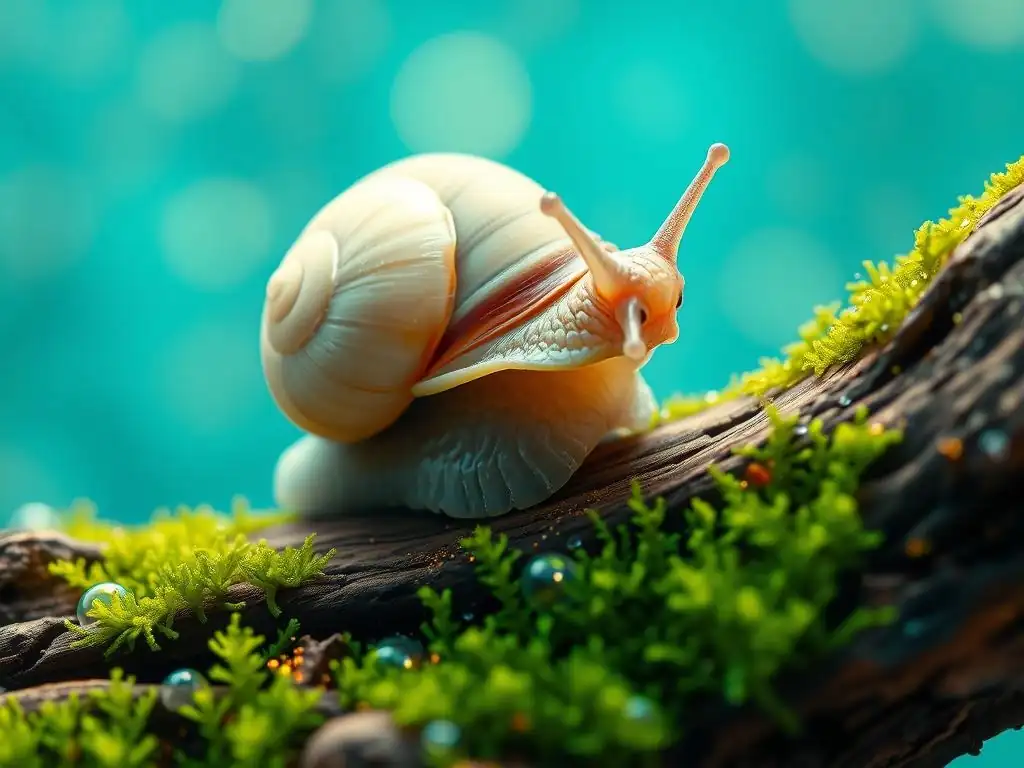
Nerite Snails ( Neritina natalensis and other species) are arguably one of the best Glowlight tetra compatible tank mates for algae control. These snails are highly efficient at consuming various types of algae, including diatoms and green spot algae, from tank glass, decorations, and plant leaves, without harming live plants. They remain relatively small, typically reaching about 1 inch (2.5 cm) in diameter, and are completely peaceful, posing no threat to fish or other invertebrates.
A significant advantage of Nerite Snails in a freshwater community tank is that they do not reproduce prolifically in freshwater, preventing overpopulation issues common with other snail species. They lay small, white, sesame-seed-like eggs that do not hatch unless in brackish or saltwater conditions. Their preference for temperatures between 72-80°F (22-27°C) and a pH of 6.5-8.5 aligns well with Glowlight Tetra parameters, making them a practical and low-maintenance choice for a clean and balanced aquarium.
Fish to Avoid: Unsuitable Tank Mates for Glowlight Tetras
When planning a community aquarium, knowing which species to avoid is as crucial as knowing which ones to include, especially when dealing with the delicate nature of Glowlight Tetras. Introducing incompatible fish can lead to chronic stress, fin damage, illness, and even the loss of your peaceful Glowlight Tetras. The primary goal is to prevent situations where Glowlight Tetras are intimidated, harassed, or perceived as food by other tank inhabitants.
Careful research into the temperament, adult size, and feeding habits of any potential tank mate is essential. Avoiding species that are known for aggression, fin-nipping, or predatory behavior will ensure a thriving and stress-free environment for your cherished Glowlight Tetras.
Aggressive Fish That Can Stress Glowlight Tetras
Aggressive fish are unequivocally unsuitable as Glowlight tetra compatible tank mates. Species known for territoriality or outright aggression can cause immense stress to the timid Glowlight Tetras, leading to clamped fins, hiding, loss of color, and susceptibility to disease. Even if direct physical harm isn't immediate, constant harassment will significantly reduce the lifespan and quality of life for your Glowlight Tetras.
Examples of fish to avoid include most Cichlid species, such as Convict Cichlids ( Amatitlania nigrofasciata), African Cichlids, and even some Central/South American Cichlids like Jewel Cichlids ( Hemichromis bimaculatus). While some dwarf cichlids like German Blue Rams can sometimes coexist in very large, heavily planted tanks, they are generally not recommended due to their potential territoriality during breeding. Any fish that consistently chases, nips, or otherwise intimidates smaller, peaceful species should be excluded from a Glowlight Tetra community.
Fin-Nipping Species to Avoid
Fin-nipping is a common problem in community tanks, and species prone to this behavior are particularly detrimental to Glowlight Tetras, which have delicate fins. Fin-nipping causes physical injury, opens the door to bacterial and fungal infections, and creates chronic stress for the victim. The beautiful, flowing fins of Glowlight Tetras make them prime targets for such behavior.
Classic examples of fin-nipping fish that should never be considered Glowlight tetra compatible tank mates include Tiger Barbs ( Puntigrus tetrazona), Serpae Tetras ( Hyphessobrycon eques), and some larger, more boisterous Gourami species like the Pearl Gourami ( Trichopodus leerii) if not carefully chosen. These fish, while sometimes kept in community tanks, are best housed with more robust, faster-moving species that can withstand their playful, yet damaging, antics.
Large Fish That May Prey on Glowlight Tetras
Any fish that grows significantly larger than the 2-inch maximum size of a Glowlight Tetra poses a potential predatory threat, regardless of its general temperament. The "if it fits in their mouth, they'll eat it" rule applies here. Even if a larger fish is generally peaceful, a small Glowlight Tetra can be mistaken for food, especially during feeding times or when the larger fish is hungry.
Common examples of fish that, while often considered peaceful, can grow too large to be Glowlight tetra compatible tank mates include mature Angelfish ( Pterophyllum scalare), particularly the larger varieties, and many larger Gourami species like the Opaline Gourami ( Trichopodus trichopterus). Even some larger Rainbowfish species, while generally peaceful, can be intimidating due to their size and activity. It is always safer to err on the side of caution and avoid any fish that could potentially consume your small Glowlight Tetras.
Creating a Harmonious Aquarium Environment for Glowlight Tetras and Their Companions
Tank Size and Setup for a Community Aquarium with Glowlight Tetras
The foundation of a harmonious community aquarium featuring Glowlight Tetras and their Glowlight tetra compatible tank mates is appropriate tank size and thoughtful setup. While a school of 6-8 Glowlight Tetras can technically live in a well-maintained 10-gallon tank, a minimum of a 20-gallon long aquarium is highly recommended for a mixed community setup.
A 20-gallon long (approximately 30 inches in length) provides more horizontal swimming space, which is crucial for schooling fish like tetras, and offers greater stability in water parameters compared to smaller volumes. For a truly diverse community with multiple schools and bottom dwellers, a 30-gallon or 40-gallon breeder tank would be even more ideal, allowing ample room for all inhabitants to thrive without feeling overcrowded.
The physical setup should prioritize both open swimming areas and plenty of hiding spots. Dense live planting, particularly stem plants like Rotala or Cabomba, and broad-leaved plants like Anubias or Java Fern, provide security and visual barriers. Driftwood and smooth rocks can also offer shelter and break up lines of sight, reducing potential stress.
Ensure the substrate is fine-grained, like sand or small gravel, especially if you plan to include bottom-dwelling Glowlight tetra compatible tank mates such as Pygmy Corydoras, to protect their delicate barbels. A well-designed tank minimizes aggression and encourages natural behaviors, creating a visually appealing and healthy ecosystem.
Maintaining Optimal Water Quality for a Peaceful Community Tank
Optimal water quality is the backbone of a healthy and peaceful community aquarium for Glowlight Tetras and their companions. Consistent water parameters prevent stress, boost fish immunity, and inhibit the proliferation of algae and disease-causing pathogens. This involves a combination of effective filtration, regular water changes, and diligent monitoring.
A reliable filter, such as a hang-on-back (HOB) filter with adequate media for mechanical, chemical, and biological filtration, or a canister filter for larger tanks, is essential to process waste and maintain clear water. The flow should be gentle enough not to stress the small Glowlight Tetras, but sufficient to circulate the water effectively.
Regular partial water changes are perhaps the most critical aspect of water quality maintenance. A weekly or bi-weekly change of 25-30% of the tank's volume is a good general guideline, but the frequency and volume may need adjustment based on stocking density and feeding habits. Always use a dechlorinator when adding tap water.
Routinely test water parameters, including ammonia, nitrite, and nitrate, using a liquid test kit. Ammonia and nitrite should always be undetectable (0 ppm), and nitrates should be kept below 20 ppm. Maintaining these strict parameters ensures that your Glowlight Tetras and all their Glowlight tetra compatible tank mates live in a clean, stable, and thriving environment, significantly reducing the risk of health issues and promoting vibrant colors.
Feeding Your Glowlight Tetras and Their Tank Mates
Ensuring All Fish Get Enough Food
Feeding a community tank with Glowlight Tetras and their Glowlight tetra compatible tank mates requires a strategic approach to ensure all inhabitants receive adequate nutrition without overfeeding. Glowlight Tetras are omnivores with a preference for small, high-quality foods. They will readily accept finely crushed flakes, micro pellets, and small frozen or live foods like daphnia, brine shrimp, and bloodworms. Since they are mid-water swimmers, their food should be able to float or slowly sink to their level.
When feeding a mixed community, it's important to cater to the dietary needs and feeding habits of all species. Bottom-dwellers like Pygmy Corydoras will require sinking pellets or wafers to ensure they get food that doesn't get consumed by the faster mid-water fish. Similarly, any shrimp or snails will benefit from algae wafers or specific invertebrate foods.
Feeding small amounts two to three times a day is generally better than one large feeding, as it allows all fish to access food more easily and reduces the amount of uneaten food decaying in the tank. Observing feeding behavior will help you adjust quantities and types of food to suit your specific community.
Preventing Overfeeding and Water Quality Issues
Overfeeding is one of the most common pitfalls in aquarium keeping and can quickly lead to severe water quality degradation, posing a significant threat to Glowlight Tetras and their Glowlight tetra compatible tank mates. Excess food decays, releasing ammonia and nitrites, which are highly toxic to fish, and contributing to spikes in nitrates. It also fuels unsightly algae blooms and can lead to cloudy water, making the aquarium less appealing and less healthy.
The general rule of thumb is to feed only what your fish can consume within 2-3 minutes. If food remains after this time, you are likely overfeeding.
To prevent overfeeding, use a timer for feeding if necessary, or measure out small portions. Consider skipping a day of feeding once a week, as this can stimulate their natural foraging instincts and helps keep the digestive system clear. Regularly vacuuming the substrate during water changes will also remove any uneaten food and detritus that settles at the bottom. By being mindful of feeding quantities and frequency, you can maintain pristine water conditions, ensuring a stable and healthy environment for your Glowlight Tetras and all their peaceful companions, thereby minimizing the risk of stress and disease.
Monitoring and Maintaining a Healthy Glowlight Tetra Community Tank
Observing Fish Behavior for Signs of Stress or Disease
Diligent observation of your Glowlight Tetras and their Glowlight tetra compatible tank mates is crucial for early detection of stress or disease, allowing for prompt intervention. Healthy Glowlight Tetras will exhibit vibrant colors, active schooling behavior, and a keen interest in food. Any deviation from these norms warrants closer inspection. Signs of stress in Glowlight Tetras can include clamped fins, hiding excessively, rapid gill movement (indicating difficulty breathing or poor water quality), faded coloration, or erratic swimming.
Common signs of disease across a community tank can include white spots (Ich), fuzzy growths (fungus), lesions, sores, or abnormal swelling. Changes in appetite, prolonged inactivity, or isolating themselves from the school are also red flags. Observing feeding habits, interaction between species, and general activity levels daily can help you identify problems before they escalate. Early detection often means the difference between a minor issue and a widespread outbreak that could jeopardize the entire community of Glowlight tetra compatible tank mates.
Regular Water Changes and Tank Maintenance
Regular water changes and comprehensive tank maintenance are the cornerstones of a thriving aquarium, directly impacting the health and longevity of Glowlight Tetras and their Glowlight tetra compatible tank mates. While daily observation helps identify immediate issues, routine maintenance prevents them from occurring in the first place. A consistent schedule of 25-30% partial water changes every one to two weeks is generally recommended, depending on tank size, stocking density, and filtration efficiency. This process replenishes essential minerals, removes accumulated nitrates, and dilutes any harmful substances that may have built up.
Beyond water changes, maintenance includes cleaning the aquarium glass to remove algae, vacuuming the substrate to remove uneaten food and waste, and cleaning or replacing filter media as needed. It's crucial not to clean all filter media at once, especially biological media, as this can remove beneficial bacteria and crash the nitrogen cycle. Instead, rinse biological media in old tank water during a water change. Consistent adherence to this maintenance routine ensures stable water parameters, reduces stress, and creates a clean, healthy habitat where Glowlight Tetras and all their Glowlight tetra compatible tank mates can flourish.
Troubleshooting Common Problems in a Glowlight Tetra Community Tank
Dealing with Fin-Nipping or Aggression
Despite careful planning, issues like fin-nipping or aggression can occasionally arise in a community tank, even among seemingly Glowlight tetra compatible tank mates. If you observe Glowlight Tetras with frayed fins or notice one species harassing another, immediate action is necessary to prevent further stress and injury.
First, confirm the aggressor; sometimes, seemingly peaceful fish can become territorial, especially during breeding or if the tank is too small. Increasing the school size of the bullied fish (e.g., adding more Glowlight Tetras to reach a group of 10-12) can often reduce aggression, as larger schools feel more secure and diffuse nipping behavior.
If the aggression persists or is severe, evaluate the tank setup. Adding more hiding spots, dense planting, or breaking up lines of sight with driftwood can help. If a specific tank mate is consistently aggressive, the most effective solution is often to remove the offending fish and rehome it. Sometimes, a temporary separation in a breeder box or quarantine tank can help calm the aggressor before reintroduction, but this is less common for persistent issues. Prioritizing the well-being of your peaceful Glowlight Tetras means taking swift action against any form of aggression.
Addressing Common Fish Diseases in a Community Setting
Even in well-maintained aquariums, fish diseases can sometimes emerge, posing a threat to Glowlight Tetras and their Glowlight tetra compatible tank mates. Common freshwater diseases include Ich (white spot disease), Fin Rot, and various bacterial or fungal infections. Early detection is key to successful treatment. If you notice signs of disease, the first step is to confirm water parameters are optimal, as poor water quality is often a primary stressor that weakens fish immune systems. Test for ammonia, nitrite, and nitrate; correct any imbalances immediately with a partial water change.
For mild, isolated cases, increasing tank temperature slightly (for Ich, if compatible with all fish) or adding aquarium salt (non-iodized, specifically for freshwater fish, at appropriate dosages) can sometimes help. However, for more advanced or widespread infections, specific medications may be required. It is often advisable to treat sick fish in a separate quarantine tank to avoid medicating the entire display tank, which can harm beneficial bacteria or sensitive invertebrates.
Always follow medication instructions precisely. Regular observation, consistent water changes, and a varied, nutritious diet are the best preventative measures to keep your Glowlight Tetras and all their companions healthy and resilient.
Conclusion: Building a Thriving Ecosystem with Glowlight Tetras and Their Compatible Tank Mates
Frequently Asked Questions
What type of fish are Glowlight Tetras, and why is compatibility important?
Glowlight Tetras are small, peaceful freshwater fish known for their distinctive glowing stripe. Compatibility is crucial to prevent stress and ensure they thrive in a community tank.
What are some good general considerations when choosing tank mates for Glowlight Tetras?
Consider tank mates with similar temperament, water parameter needs, and size. Avoid aggressive or overly boisterous fish that could intimidate or bully the gentle Glowlight Tetras.
Can I keep Glowlight Tetras with larger fish?
Generally, it's best to avoid very large or predatory fish. Even if they don't actively hunt the tetras, their size can cause significant stress, hindering the Glowlight Tetras' well-being.
Are there any specific species of fish that are definitely not compatible with Glowlight Tetras?
Avoid fin-nippers like Tiger Barbs, or large, aggressive fish like Oscars or Cichlids. These species are known to create a hostile environment for smaller, peaceful fish.
What about invertebrates? Are there any shrimp or snails that would be good tank mates for my Glowlight Tetras?
Yes! Many peaceful invertebrates like Cherry Shrimp or Nerite Snails can be excellent additions. They are generally harmless to fish and can even help keep the tank clean.
Final Reflection: Embracing Harmony in the Aquarium
The delicate dance of life within an aquarium, as we've explored, hinges on the careful selection of compatible species. Creating a thriving ecosystem for your Glowlight Tetras is more than just choosing fish; it's about fostering a balanced and peaceful community. The principles of compatibility, temperament, and environmental needs discussed throughout this article are not merely guidelines, but rather the cornerstones of responsible fishkeeping, ensuring the well-being of every inhabitant.
This journey into the world of Glowlight Tetra tank mates has underscored the profound impact we have as custodians of these miniature aquatic worlds. Understanding the nuances of their behavior and needs allows us to create environments where they not only survive, but truly flourish. As Jacques Cousteau wisely stated, The sea, once it casts its spell, holds one in its net of wonder forever.
This sentiment extends to the freshwater realm as well; the wonder of a well-balanced aquarium is a testament to our ability to understand and respect the intricate web of life.
Now, as you consider the future of your own aquarium, I encourage you to reflect on the lessons learned. Don't just populate your tank; cultivate a harmonious community. Observe, learn, and adapt. Let the gentle glow of your Glowlight Tetras serve as a constant reminder of the beauty and responsibility that comes with nurturing life, and may your aquarium be a testament to the power of thoughtful and compassionate care.
Ignite Your Aquarium: Foster a Thriving Tetra Community!
Thank you for exploring the delicate balance of glowlight tetra companionship! We hope you’ve found inspiration to create an even more harmonious underwater world. Now, let's translate that knowledge into action!
- Prioritize harmony: Begin by carefully introducing one or two new, compatible species into your aquarium to observe their interaction with your glowlight tetras.
- Delve deeper: Research lesser-known, peaceful nano fish species to uncover unique and surprising tank mate possibilities beyond the usual recommendations.
- Share the glow: Post a photo or video of your glowlight tetra community on social media using #AquariumMasteryGlow and inspire others with your setup!
What fascinating, unexpected tank mate have you successfully paired with your glowlight tetras, and what unique behaviors have you observed?