
Rasbora Care Essentials: Water Parameters, Diet, and Tank Setup Perfection

Welcome to Aquarium Mastery!
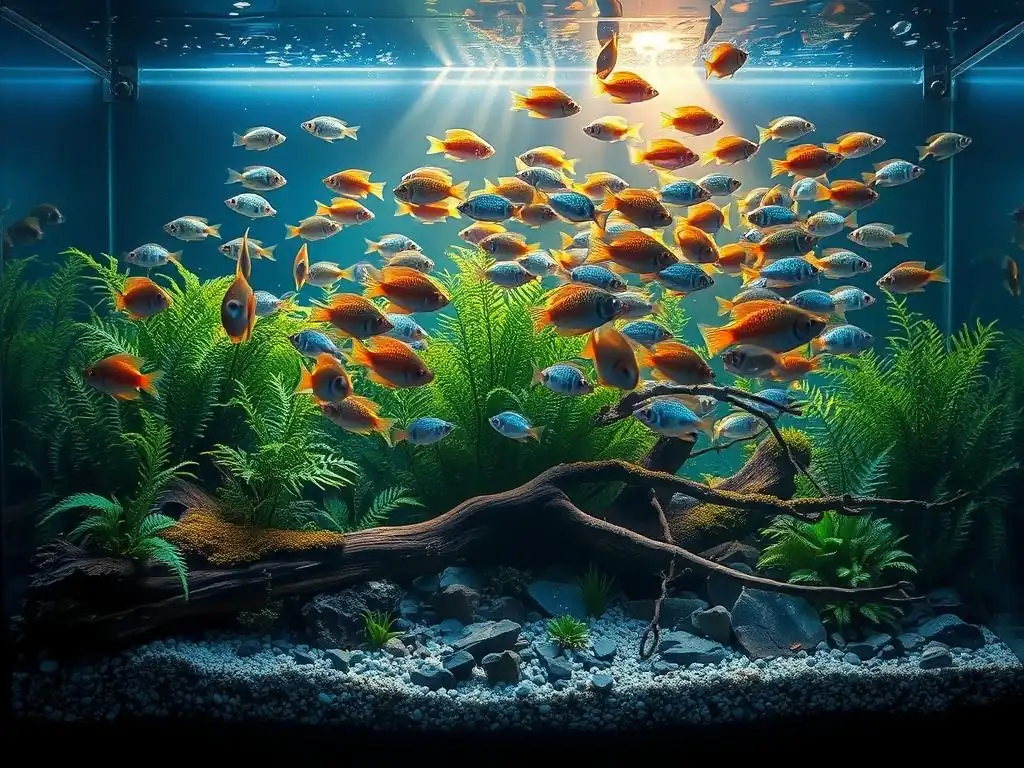
Ever wondered how to create the perfect shimmering paradise for your Rasboras? Our comprehensive guide to Rasbora tank setup is here to unlock the secrets to their health and happiness. Dive in and discover everything you need to know about water parameters, diet, and creating a thriving ecosystem that will keep your Rasboras dazzling for years to come! Ready to transform your aquarium?
- Chili Rasbora Care Essentials: Water Parameters, Diet, and Tank Setup Perfection
- Understanding Chili Rasbora Fish: A Comprehensive Care Guide
- Chili Rasbora Tank Setup Guide: Creating the Ideal Habitat
- Chili Rasbora Water Parameters: Maintaining Optimal Conditions
- Chili Rasbora Diet and Feeding: Ensuring Nutritional Needs are Met
- Choosing the Right Chili Rasbora Tank Mates
- Chili Rasbora Health and Disease Prevention
- Chili Rasbora Breeding: A Guide to Spawning and Raising Fry [Optional Section]
- Troubleshooting Common Chili Rasbora Care Issues
- Conclusion: Mastering Chili Rasbora Care for a Thriving Aquarium
- Frequently Asked Questions
- Final Reflection: Cultivating Thriving Rasbora Habitats
- Ignite Your Rasbora's Radiance!
Chili Rasbora Care Essentials: Water Parameters, Diet, and Tank Setup Perfection
Understanding Chili Rasbora Fish: A Comprehensive Care Guide
Introduction to Chili Rasboras: Small Schooling Fish for Freshwater Aquariums
Chili Rasboras, scientifically known as Boraras brigittae, are enchanting freshwater fish highly sought after for their diminutive size and vibrant coloration. Originating from the slow-moving, heavily vegetated blackwater streams and peat swamps of Borneo, Southeast Asia, these tiny cyprinids typically reach an adult size of only 0.6 to 0.8 inches (approximately 1.5 to 2 centimeters). Their striking deep red bodies adorned with a distinct black lateral line make them a captivating addition to any carefully planned freshwater aquarium.
These peaceful micro-fish are renowned for their strong schooling behavior, preferring to live in groups of at least 8-10 individuals to feel secure and display their natural behaviors. Their small stature and gentle temperament make them ideal inhabitants for nano aquariums or peaceful community setups. Understanding their specific environmental needs, which will be thoroughly covered in this comprehensive Rasbora tank setup guide, is paramount to their long-term health and vibrant display in captivity.
Why Chili Rasboras are Popular Among Aquarists
Chili Rasboras have garnered immense popularity among aquarists for several compelling reasons, primarily their stunning aesthetic appeal. Their intense red hue, often deepening with optimal care and diet, provides a brilliant splash of color in any planted tank, especially when contrasted against green foliage. Despite their small size, a large school creates a dynamic and visually engaging spectacle as they move in unison throughout the aquarium.
Beyond their beauty, their minimal bioload makes them excellent choices for smaller aquariums where water quality can be challenging to maintain with larger species. A group of 10-15 Chili Rasboras can comfortably inhabit a 10-gallon tank without significantly impacting water parameters, provided a proper Rasbora tank setup is established and maintained. Their peaceful disposition also ensures they are not a threat to other small, non-aggressive fish or invertebrates, making them versatile for diverse community tank designs.
Chili Rasbora Tank Setup Guide: Creating the Ideal Habitat
Choosing the Right Size Tank for Your Chili Rasbora School
While Chili Rasboras are incredibly small, they are active schooling fish that require adequate space to thrive and exhibit natural behaviors. A minimum tank size of 5 gallons (approximately 19 liters) can house a small school of 6-8 individuals. However, for a more robust and visually impressive school of 10-15 or more, a 10-gallon (38 liters) or larger aquarium is highly recommended. Larger tanks offer increased stability in water parameters, which is crucial for these sensitive fish.
When planning your Rasbora tank setup, consider the tank's footprint rather than its height. A longer tank, such as a 20-gallon long (30"x12"x12"), provides more horizontal swimming space, which is far more beneficial for schooling fish than a tall, narrow tank. This additional length allows them to spread out, school effectively, and reduce potential stress from confined spaces, enhancing their overall well-being.
Essential Aquarium Equipment for Chili Rasbora Care
Aquarium Filter Selection for Chili Rasboras
Filtering for Chili Rasboras requires a delicate balance: effective biological and mechanical filtration without creating strong currents. Sponge filters are often considered the best choice for a Rasbora tank setup due to their gentle flow, excellent biological filtration capabilities, and inability to suck in small fish or fry. They provide ample surface area for beneficial bacteria to colonize, crucial for the nitrogen cycle.
If opting for a hang-on-back (HOB) filter, select one with adjustable flow or baffle the output to reduce the current significantly. Strong water flow can stress Chili Rasboras, exhausting them as they struggle to swim against it. A pre-filter sponge on the intake is also advisable to prevent accidental ingestion of small fish and improve mechanical filtration.
Aquarium Heater and Thermostat Considerations
Chili Rasboras are tropical fish that require stable water temperatures to thrive. The ideal temperature range for Boraras brigittae is generally between 72-79°F (22-26°C). A reliable aquarium heater equipped with an accurate thermostat is essential to maintain this consistent temperature. For a 10-gallon tank, a 25-50 watt heater is typically sufficient, ensuring it is fully submersible for even heat distribution.
It is equally important to use a separate, accurate thermometer to monitor the water temperature regularly. Sudden temperature fluctuations, even by a few degrees, can cause significant stress to these delicate fish, making them susceptible to disease. Consistent temperature is a cornerstone of a successful Rasbora tank setup guide.
Lighting Requirements for a Thriving Chili Rasbora Tank
Chili Rasboras naturally inhabit environments with dense vegetation and overhead canopy, resulting in subdued lighting conditions. Therefore, moderate to low lighting is ideal for their aquarium. Overly bright lighting can cause stress, leading them to hide more frequently and potentially dulling their vibrant coloration.
If your Rasbora tank setup includes live plants that require higher light intensity, consider using floating plants like Dwarf Water Lettuce ( Pistia stratiotes) or Salvinia species to help diffuse the light reaching the fish. A timer set for 8-10 hours of light per day will provide a consistent day-night cycle, which is beneficial for both fish and plant health, while preventing excessive algae growth.
Substrate and Decoration Ideas for a Chili Rasbora Biotope
Selecting the Best Substrate for Chili Rasboras
For a Chili Rasbora aquarium, fine-grained substrates like sand or very small, smooth gravel are highly recommended. These fish spend a good portion of their time foraging near the bottom, and a fine substrate prevents injury to their delicate barbels and fins. Darker substrates are particularly beneficial as they help to enhance the Chili Rasboras' vibrant red coloration, making them appear more striking and reducing stress by minimizing light reflection from the tank bottom.
Avoid coarse or sharp-edged gravel, which can potentially damage their sensitive skin and fins. If you plan to heavily plant your Rasbora tank setup, a nutrient-rich aquasoil can be used as a base layer, covered with a cosmetic layer of sand or fine gravel to provide a natural and fish-friendly environment.
Adding Plants to Your Chili Rasbora Aquarium
Live plants are an indispensable element of an optimal Rasbora tank setup. They provide crucial hiding spots, visual barriers, and contribute significantly to water quality by absorbing nitrates. Dense planting, especially with fine-leaved and stem plants, mimics their natural heavily vegetated habitats, making the fish feel secure and encouraging natural behaviors.
Excellent plant choices include Java Moss ( Taxiphyllum barbieri), various Anubias species ( Anubias barteri), Java Fern ( Microsorum pteropus), and Cryptocoryne species ( Cryptocoryne wendtii). Floating plants such as Water Sprite ( Ceratopteris thalictroides) or Red Root Floaters ( Phyllanthus fluitans) are also highly beneficial, as they diffuse light and provide additional cover, creating a more natural and stress-free environment for your Chili Rasboras.
Incorporating Driftwood and Rocks for a Natural Look
Driftwood is an excellent addition to a Chili Rasbora aquarium, serving multiple purposes in a naturalistic Rasbora tank setup. It releases tannins into the water, which can slightly lower the pH and impart a subtle tea-colored tint. This mimics the blackwater conditions often found in their native habitats, enhancing their natural coloration and reducing stress. Moreover, driftwood provides surfaces for beneficial biofilm to grow, which can be a supplemental food source for the fish.
Smooth, inert rocks can also be used to create additional visual interest, caves, and crevices. Ensure any rocks chosen do not significantly alter water parameters, especially if your tap water is already hard. Arrange these decorations thoughtfully to create a complex environment with plenty of exploration opportunities and visual breaks, contributing to the overall well-being of your Chili Rasboras.
Chili Rasbora Water Parameters: Maintaining Optimal Conditions
Understanding Water Chemistry for Chili Rasboras
Ideal pH Levels for Chili Rasboras
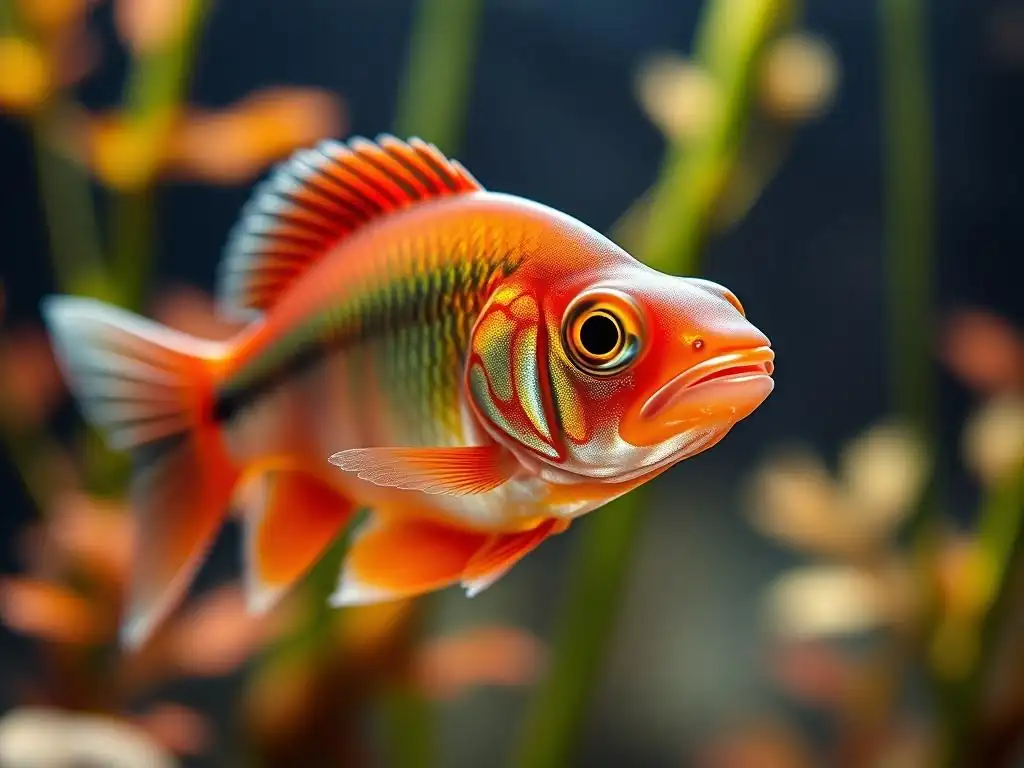
Chili Rasboras thrive in soft, slightly acidic to neutral water conditions. The ideal pH range for these fish is generally between 6.0 and 7.0, with a pH of around 6.5 often considered optimal. While their wild counterparts can be found in waters with pH as low as 4.0-5.0, maintaining such extreme acidity in a home aquarium can be challenging and risky due to potential pH crashes.
Consistency in pH is far more critical than hitting a precise number. Rapid or frequent fluctuations in pH can cause significant stress and even death. Regular monitoring with a reliable test kit is essential to ensure the pH remains stable within their preferred range, a key component of a successful Rasbora tank setup guide.
Maintaining Proper Water Hardness (GH and KH)
These delicate fish prefer very soft water. The General Hardness (GH) should ideally be in the range of 3-8 dGH (approximately 50-140 ppm), reflecting their preference for mineral-poor environments. Carbonate Hardness (KH), which acts as a buffer against pH swings, should also be low, typically 1-4 dKH (18-70 ppm). However, very low KH can make the pH prone to sudden drops, so careful monitoring is necessary.
If your tap water is hard, using reverse osmosis (RO) or deionized (DI) water remineralized to the appropriate GH and KH levels is often the most reliable method. Incorporating peat moss in the filter or adding driftwood can also naturally help to soften the water and lower the pH over time, further refining your Rasbora tank setup.
Ammonia, Nitrite, and Nitrate Control in Chili Rasbora Tanks
Maintaining pristine water quality is non-negotiable for Chili Rasboras. Ammonia (NH3/NH4+) and nitrite (NO2-) must always be undetectable (0 ppm) in the aquarium, as even trace amounts are highly toxic and can quickly lead to fish illness or death. These compounds are byproducts of fish waste and uneaten food and are processed by the beneficial bacteria in a properly cycled filter.
Nitrates (NO3-), the end product of the nitrogen cycle, are less toxic but should still be kept low, ideally below 20 ppm, and preferably between 5-10 ppm. Regular partial water changes are the primary method for controlling nitrate accumulation. A fully cycled aquarium before introducing Chili Rasboras is paramount to ensure the biological filtration system is robust enough to handle the bioload.
The Importance of Regular Water Changes for Chili Rasbora Health
Regular partial water changes are the single most critical maintenance task for the long-term health and vibrancy of Chili Rasboras. They effectively dilute accumulated nitrates, phosphates, and other pollutants, while replenishing essential trace elements. For a well-established and moderately stocked Rasbora tank setup, a weekly water change of 20-30% is a common recommendation.
For sensitive species like Chili Rasboras, more frequent, smaller water changes (e.g., 10-15% twice a week) can be even more beneficial, as they minimize drastic fluctuations in water parameters, which can stress the fish. Always use a reliable water conditioner to dechlorinate tap water and ensure the replacement water is temperature-matched to avoid thermal shock.
Water Testing and Treatment for a Healthy Chili Rasbora Environment
Consistent water testing is an absolute necessity for successful Chili Rasbora care. Use a high-quality liquid test kit to regularly monitor pH, ammonia, nitrite, and nitrate levels. Weekly testing is recommended, especially during the initial cycling phase of your Rasbora tank setup and when troubleshooting any issues. General Hardness (GH) and Carbonate Hardness (KH) should also be tested periodically to ensure stability.
If water parameters deviate from the ideal range, appropriate treatments or adjustments may be necessary. For instance, if tap water is too hard, consider blending it with RO water. If pH is unstable, a small amount of peat moss in the filter or Indian almond leaves can help naturally buffer the water to a lower, more stable pH. Always address the root cause of water parameter issues rather than relying solely on chemical additives.
Chili Rasbora Diet and Feeding: Ensuring Nutritional Needs are Met
What Do Chili Rasboras Eat? A Guide to Their Natural Diet
In their natural habitats, Chili Rasboras are primarily micropredators, meaning their diet consists of very small live organisms. They forage for tiny aquatic invertebrates, insect larvae, and zooplankton that inhabit the dense vegetation and leaf litter of their blackwater streams. Their extremely small mouths dictate the size of food particles they can consume, which is a crucial consideration for their captive diet.
Understanding their natural feeding habits is essential for providing a balanced and nutritious diet in the aquarium. A diet rich in protein and varied food sources will promote optimal health, vibrant coloration, and natural behaviors, complementing the carefully designed Rasbora tank setup.
Recommended Foods for Chili Rasboras in Captivity
High-Quality Flake Food Options for Chili Rasboras
Finely crushed, high-quality flake foods designed for small tropical fish can serve as a staple for Chili Rasboras. It is imperative to choose flakes with a high protein content, ideally 40-50% or more, and minimal fillers. Examples include specialized micro-flake foods from reputable brands.
The key is to crush the flakes into a powder or very tiny pieces that can easily fit into their minute mouths. Feeding pieces that are too large can lead to refusal, wasted food, and potential digestive issues. Always ensure the food is consumed within a few minutes to prevent water quality degradation.
Live and Frozen Foods for Enhanced Chili Rasbora Nutrition
To truly optimize the health and coloration of your Chili Rasboras, supplementing their diet with live and frozen foods is highly recommended. Newly hatched brine shrimp are an excellent choice due to their small size and high nutritional value. Micro-worms and daphnia are also readily accepted and provide essential proteins and fats.
Frozen foods like cyclops, baby brine shrimp, and daphnia are equally beneficial. Thaw a small portion in a cup of tank water before feeding to prevent chilling the aquarium water and ensure the food is palatable. Offer these live or frozen options 2-3 times per week to provide a varied and enriching diet that stimulates their natural hunting instincts.
Supplementing with Vegetable Matter for a Balanced Diet
While Chili Rasboras are primarily carnivorous, incorporating a small amount of vegetable matter can contribute to a well-rounded diet. Finely crushed spirulina-based flakes or a tiny piece of an algae wafer (crushed to powder) can provide beneficial plant matter, vitamins, and fiber.
However, vegetable matter should not form a significant portion of their diet, as their digestive systems are optimized for protein. A balanced approach that prioritizes high-protein live, frozen, and crushed flake foods, with occasional vegetable supplementation, will ensure all their nutritional needs are met within the confines of their specific Rasbora tank setup.
Feeding Schedule and Portion Control for Chili Rasboras
Due to their small size and active metabolism, Chili Rasboras benefit from being fed small amounts multiple times a day rather than one large meal. Feeding 2-3 times daily is ideal, offering only what they can consume within 2-3 minutes. This approach prevents overfeeding, which can lead to uneaten food decaying and fouling the water, causing ammonia spikes.
Observe your fish during feeding to gauge appropriate portion sizes. If food remains after a few minutes, reduce the amount for the next feeding. Consistent portion control is vital for maintaining excellent water quality and preventing digestive issues in these delicate fish, further reinforcing the importance of proper care alongside the initial Rasbora tank setup guide.
Choosing the Right Chili Rasbora Tank Mates
Compatible Fish Species for a Peaceful Community Tank
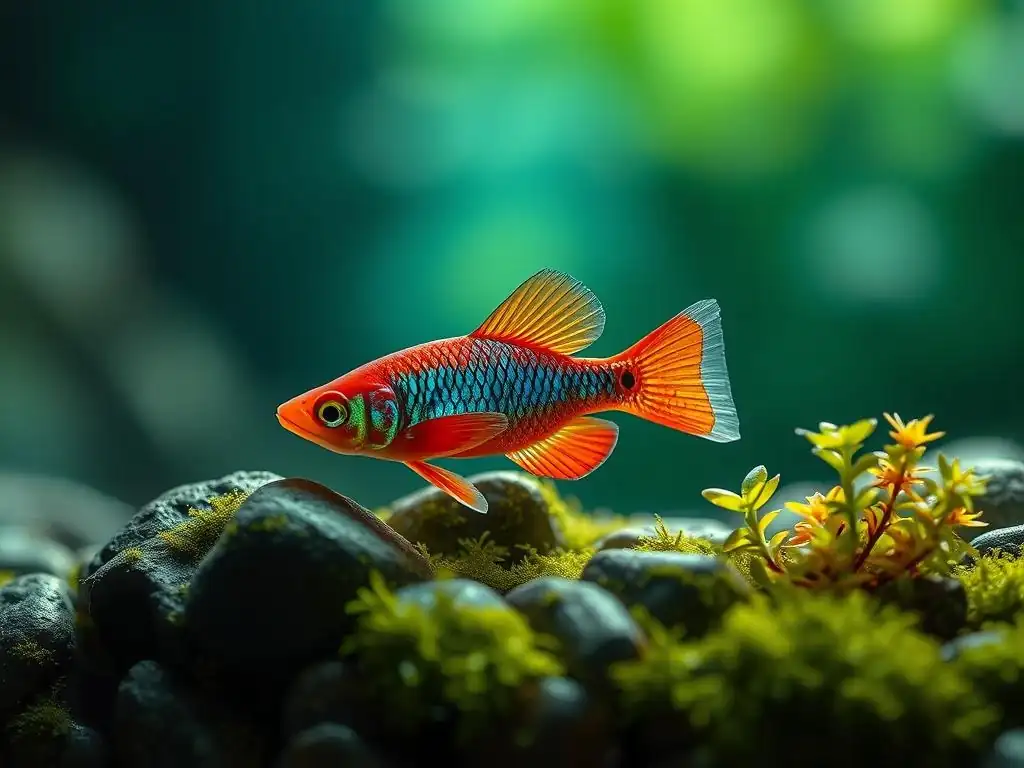
Chili Rasboras are exceptionally peaceful and should only be housed with equally small, non-aggressive, and docile fish species that share similar water parameter requirements. Ideal tank mates include other Boraras species (e.g., Phoenix Rasboras, Strawberry Rasboras), Pygmy Corydoras ( Corydoras pygmaeus or C. habrosus), Otocinclus catfish ( Otocinclus affinis), and certain small, peaceful killifish.
For example, a 20-gallon long Rasbora tank setup could comfortably house a school of 15 Chili Rasboras, 6 Pygmy Corydoras, and 3 Otocinclus catfish, providing ample space for all inhabitants without overcrowding. The key is to select species that will not outcompete the Chili Rasboras for food or intimidate them due to size or temperament.
Avoiding Aggressive Tank Mates That Stress Chili Rasboras
It is crucial to avoid housing Chili Rasboras with any larger, boisterous, or fin-nipping fish species. Even seemingly peaceful fish that are significantly larger can intimidate or stress these tiny rasboras, leading to a decline in health and color. Unsuitable tank mates include most common tetras (e.g., Neon Tetras, Black Skirt Tetras, Serpae Tetras), larger livebearers (e.g., Guppies, Mollies, Platies), and virtually all cichlids, even dwarf varieties.
Aggressive tank mates can cause chronic stress, leading to suppressed immune systems, faded coloration, hiding behavior, and susceptibility to disease. They may also outcompete Chili Rasboras for food, leading to starvation. Ensuring compatible tank mates is as vital as the initial Rasbora tank setup for their well-being.
Invertebrates and Other Tank Mates Suitable for Chili Rasboras
Small, peaceful invertebrates make excellent companions for Chili Rasboras, adding both visual interest and practical benefits to the aquarium. Dwarf shrimp species, particularly Cherry Shrimp ( Neocaridina davidi) and Amano Shrimp ( Caridina multidentata), are ideal choices. They are non-aggressive, contribute to algae control, and their breeding in a planted tank can provide a fascinating dynamic.
Nerite Snails ( Neritina natalensis) are also highly recommended for their algae-eating prowess and peaceful nature. It is advisable to avoid larger or potentially predatory shrimp species like Ghost Shrimp ( Palaemonetes paludosus), as they can sometimes be opportunistic hunters of very small fish or fry. Always ensure any chosen invertebrate thrives in similar soft, acidic to neutral water conditions as the Chili Rasboras.
Chili Rasbora Health and Disease Prevention
Common Chili Rasbora Diseases and Symptoms
While relatively hardy in optimal conditions, Chili Rasboras can be susceptible to common freshwater aquarium diseases if water quality deteriorates or they experience prolonged stress. Common ailments include Ich (Ichthyophthirius multifiliis), characterized by small white spots resembling salt grains on the body and fins, and Fin Rot, which manifests as frayed, deteriorating fins.
Bacterial infections like Columnaris (cotton-mouth disease) can appear as fuzzy, white growths on the mouth or body. Symptoms of general illness often include lethargy, clamped fins, labored breathing, loss of appetite, or faded coloration. Prompt identification and treatment are crucial, but prevention through excellent Rasbora tank setup and consistent care is always the best approach.
Quarantine Procedures for New Chili Rasboras
Implementing a strict quarantine procedure for all new fish is paramount to preventing the introduction of diseases into your established aquarium. New Chili Rasboras should be housed in a separate, fully cycled quarantine tank for at least 2 to 4 weeks before being introduced to the main display tank. This allows you to observe them for any signs of illness without risking your existing fish population.
The quarantine tank should be equipped with a heater, a gentle filter (like a sponge filter), and some hiding spots. During this period, closely monitor their behavior and appearance. If any signs of disease emerge, treat them in the quarantine tank. This proactive measure significantly reduces the risk of widespread disease outbreaks in your primary Rasbora tank setup.
Maintaining a Clean Tank to Prevent Disease Outbreaks
The foundation of disease prevention for Chili Rasboras lies in maintaining pristine water quality and a stable environment. Adhere diligently to the guidelines for filtration, regular water changes, and substrate cleaning outlined in this Rasbora tank setup guide. Promptly remove any uneaten food to prevent its decomposition, which can lead to dangerous ammonia spikes.
Avoid overstocking and overfeeding, as these are primary contributors to poor water conditions and increased bioload, stressing fish and making them more vulnerable to pathogens. A consistent, stable environment, coupled with a nutritious diet, significantly boosts the fish's immune system, making them more resilient to common fish diseases and ensuring a thriving aquarium.
Chili Rasbora Breeding: A Guide to Spawning and Raising Fry [Optional Section]
Creating Breeding Conditions for Chili Rasboras
Chili Rasboras are egg scatterers and can be encouraged to breed in a dedicated breeding tank. A small aquarium, such as a 2.5-5 gallon tank, is suitable. To stimulate spawning, the water should be very soft and acidic, ideally with a pH of 5.5-6.5 and a GH of 1-3 dGH. The temperature should be slightly elevated to 75-79°F (24-26°C).
Provide plenty of fine-leaved plants like Java Moss or spawning mops for the fish to scatter their tiny, adhesive eggs on. Alternatively, a mesh bottom can be used to allow eggs to fall through, protecting them from being eaten by the parents. Condition a small group (e.g., 2 males to 1 female) or a pair with live and frozen foods for several days prior to introducing them to the breeding tank. Spawning typically occurs in the early morning, and adults should be removed after spawning to prevent egg predation.
Caring for Chili Rasbora Eggs and Fry
Chili Rasbora eggs are minute and translucent, usually hatching within 24-48 hours depending on temperature. The fry are even smaller, becoming free-swimming approximately 3-5 days after hatching. Their initial food source must be incredibly tiny; infusoria or specialized liquid fry foods are essential for the first week. Once they grow slightly, they can be transitioned to newly hatched brine shrimp or micro-worms.
Maintaining impeccable water quality in the fry tank is paramount for their survival. Use very gentle aeration, perhaps from a small air stone with minimal bubbles, and perform tiny daily water changes (5-10%) using aged, temperature-matched water. Growth is slow, and raising Chili Rasbora fry requires meticulous attention and consistent care, highlighting the delicate nature of this species even after the initial Rasbora tank setup.
Troubleshooting Common Chili Rasbora Care Issues
Addressing Fin Nipping and Aggression
While Chili Rasboras are known for their peaceful nature, fin nipping or aggression can occasionally occur, typically if they are severely stressed, overcrowded, or housed with inappropriate tank mates. If you observe fin nipping, first assess the school size; Chili Rasboras feel most secure and display less internal squabbling in groups of at least 8-10 individuals. Ensure your Rasbora tank setup provides ample swimming space and visual breaks.
Next, review your tank mate compatibility. Larger or more boisterous fish, even if not directly aggressive, can cause enough stress to induce nipping behavior within the Rasbora school. Adding more hiding spots, dense planting, or breaking up line of sight with decor can sometimes alleviate stress. In rare cases of persistent bullying, isolating the aggressive or bullied individual in a separate tank may be necessary.
Dealing with Water Quality Problems
The most common issues in a Chili Rasbora aquarium stem from poor water quality: elevated ammonia, nitrite, or nitrate levels. High ammonia and nitrite, typically caused by an uncycled tank, overfeeding, or overstocking, manifest as lethargy, gasping at the surface, clamped fins, and loss of color. High nitrates, usually due to infrequent water changes, present similar, though often less acute, symptoms.
For immediate action on high ammonia or nitrite, perform an emergency 50% water change using dechlorinated, temperature-matched water. Follow this with daily 25% water changes until levels return to 0 ppm. For high nitrates, increase the frequency and volume of your regular water changes. Always re-test parameters after changes to confirm improvement and identify the root cause to prevent recurrence in your Rasbora tank setup.
Diagnosing and Treating Chili Rasbora Illnesses
Early detection is critical for successfully treating Chili Rasbora illnesses. Observe your fish daily for any changes in behavior, appetite, swimming patterns, or physical appearance. If you notice symptoms like white spots (Ich), frayed fins (Fin Rot), or cotton-like growths (Columnaris), prompt action is required. For Ich, slowly raise the tank temperature to 82°F (28°C) over 24 hours and use an appropriate Ich medication, following product instructions carefully.
For bacterial infections like fin rot or columnaris, a broad-spectrum antibiotic designed for aquarium use may be necessary. Whenever possible, treat sick fish in a separate quarantine tank to avoid medicating the main display tank, which can harm beneficial bacteria or sensitive invertebrates. Always remove activated carbon from the filter during medication as it will absorb the treatment, rendering it ineffective.
Conclusion: Mastering Chili Rasbora Care for a Thriving Aquarium
Mastering Chili Rasbora care involves a holistic approach that prioritizes stable water parameters, a balanced diet, and a carefully designed Rasbora tank setup guide. These tiny, vibrant fish thrive in soft, slightly acidic water, mimicking their natural blackwater habitats. Providing a densely planted environment with ample hiding spots and subdued lighting is crucial for their comfort and security, encouraging them to display their captivating schooling behaviors.
By adhering to a consistent maintenance schedule, including regular water changes and vigilant water quality monitoring, aquarists can ensure a healthy and stress-free environment. Their peaceful nature necessitates compatible, equally docile tank mates and a varied diet of high-quality, appropriately sized foods. With attentive care and a well-executed Rasbora tank setup, these miniature gems will reward you with their stunning coloration and engaging activity for years to come, truly bringing your freshwater aquarium to life.
Frequently Asked Questions
What is the ideal tank size for a Rasbora tank setup?
The ideal tank size for a Rasbora tank depends on the species, but generally, a 10-gallon tank is suitable for smaller species. For larger Rasbora species or a larger school, consider a 20-gallon tank or larger to provide ample swimming space.
What are the essential water parameters for Rasboras?
Rasboras thrive in slightly acidic to neutral water. Maintain a pH between 6.0 and 7.0, and a temperature between 72°F and 78°F. Ensure good water quality through regular testing and water changes.
What is the best diet for Rasboras in a tank setup?
Rasboras are omnivores and require a varied diet. Offer them high-quality flake food as a staple, supplemented with live or frozen foods like daphnia, brine shrimp, and bloodworms for optimal health.
How often should I perform water changes in my Rasbora tank?
Regular water changes are crucial for maintaining a healthy aquarium. Aim for 25% water changes every one to two weeks, depending on the tank's bioload and filter efficiency.
What are some common issues to watch out for in a Rasbora tank setup?
Common issues include ich (white spot disease), fin rot, and stress due to poor water quality. Monitor your Rasboras regularly for signs of illness and address any problems promptly with appropriate treatments.
Final Reflection: Cultivating Thriving Rasbora Habitats
The intricacies of Rasbora care, as explored in this guide, extend beyond mere aquarium maintenance; they represent a commitment to creating miniature ecosystems where these vibrant fish can truly flourish. Understanding the nuances of water parameters, diet, and tank setup is not just about keeping Rasboras alive; it's about enabling them to express their natural behaviors and showcase their stunning beauty.
The impact of responsible Rasbora keeping resonates far beyond the confines of our aquariums. By meticulously replicating their natural environments, we foster a deeper appreciation for the delicate balance of aquatic ecosystems and the importance of conservation. In the end, we will conserve only what we love; we will love only what we understand; and we will understand only what we are taught.
- Baba Dioum. This quote underscores the crucial role of informed aquarists in promoting responsible practices and inspiring others to protect the natural habitats of these fascinating creatures.
Now, armed with this knowledge, I invite you to reflect on your own approach to aquarium keeping. Consider how you can further refine your Rasbora tank setup, not just to meet their basic needs, but to truly enrich their lives. Let this guide serve as a catalyst for continuous learning and improvement, ensuring that every Rasbora you care for thrives in a vibrant and healthy environment.
Ignite Your Rasbora's Radiance!
Thank you for diving into the world of Rasboras! Now that you're equipped with the essentials for their care, let's put that knowledge into action and create a thriving aquatic haven.
Here's how to take the next step:
- Replicate Paradise: Test your aquarium's water parameters tonight to ensure they meet Rasboras' ideal conditions (pH, hardness, temperature). Tiny adjustments can make a huge difference!
- Dive Deeper:Research a specific Rasbora species, like the Chili Rasbora, to understand its unique needs and fine-tune your aquarium setup accordingly.
- Share the Spark: Spark a conversation with other aquarists! Share your best Rasbora care tip in the comments below and help others discover the joy of these beautiful fish.
What's one simple, yet impactful change you'll make to your Rasbora's environment this week?