
Gold Severum Brilliance: How to Maintain Their Stunning Color & Vitality

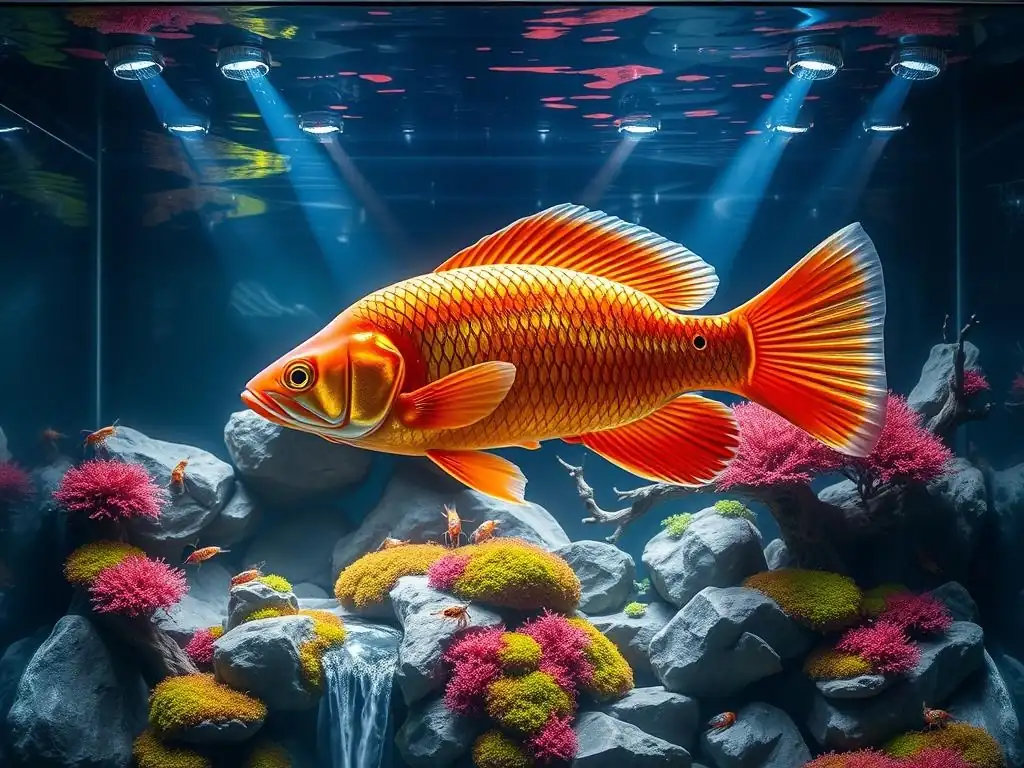
Welcome to Aquarium Mastery!
Ever wondered how to keep your Gold Severum shining with vibrant color? Unlock the secrets to achieving and maintaining their breathtaking brilliance! We'll dive deep into the essentials of Gold Severum color maintenance, from water parameters to diet, ensuring your fish not only thrives but also displays its full, golden glory. Ready to transform your aquarium into a showcase of underwater beauty? Let's explore!
- Understanding Gold Severum Coloration and Genetics
- Optimizing Your Gold Severum's Environment for Vibrant Color
- Diet and Nutrition: Feeding Your Gold Severum for Peak Color
- Gold Severum Tank Mates and Their Influence on Color
- Preventing and Treating Diseases That Affect Gold Severum Color
- Techniques for Enhancing Gold Severum Color
- Troubleshooting Common Gold Severum Color Problems
- Maintaining Long-Term Gold Severum Color Vibrancy
-
Frequently Asked Questions
- How do I ensure my Gold Severum retains its vibrant color?
- What type of food enhances the color of Gold Severums?
- What water parameters are most important for Gold Severum color and health?
- Can stress affect the color of my Gold Severum?
- How often should I perform water changes to keep my Gold Severum healthy and brightly colored?
- Final Reflection: Unveiling the Golden Glow
- Unveil Your Severum's Golden Potential!
Understanding Gold Severum Coloration and Genetics
The Genetic Basis of Gold Severum Color
Gold Severums (Heros efasciatus 'Gold' or sometimes referred to as Heros severus 'Gold') are a captivating variant of the Severum cichlid, distinguished by their brilliant golden-yellow to orange hues. Unlike their wild counterparts, which typically display more muted browns, greens, and reds, the striking gold coloration is not naturally occurring but is the result of selective breeding over many generations.
This specific coloration is largely attributed to the presence and distribution of specialized pigment cells called xanthophores (responsible for yellow) and erythrophores (responsible for red/orange). The genetic predisposition for a higher concentration or more efficient expression of these pigments gives the Gold Severum its iconic appearance.
The inheritance of this gold trait is complex, often involving multiple genes (polygenic inheritance) rather than a single gene. This means that while offspring from two gold parents are likely to be gold, the exact shade and intensity can vary. Breeders meticulously select individuals with the most desirable and vibrant coloration to continue their lines, ensuring the perpetuation of this stunning genetic trait. Understanding this genetic foundation is crucial for any aquarist aiming for optimal Gold severum color maintenance, as it sets the inherent potential for their fish's vibrancy.
Factors Influencing Gold Severum Color Intensity
While genetics lay the groundwork, numerous environmental and care-related factors significantly influence the intensity and brilliance of a Gold Severum's color. These factors include diet, water quality, lighting, tank environment, stress levels, and overall health. A Severum with excellent genetic potential for color can still appear dull or faded if its environment is suboptimal or its nutritional needs are not met.
For instance, a diet lacking in specific carotenoids—pigments found in many natural foods—will directly impact the fish's ability to produce vibrant yellow and orange tones, regardless of its genetic makeup. Similarly, poor water parameters, such as elevated nitrates or inconsistent pH, can induce chronic stress, leading to a noticeable dulling of color. Optimal Gold severum color maintenance requires a holistic approach that addresses all these contributing elements to unlock the fish's full chromatic potential.
Recognizing Healthy Color vs. Color Loss in Gold Severums
A healthy Gold Severum exhibits a rich, uniform golden-yellow to orange coloration that appears bright and vibrant. Their eyes should be clear and alert, often with a reddish tint, and their fins should be fully extended and free of nips or cloudiness. The golden hue should be consistent across their body, though some individuals may display faint barring or subtle reddish patches, especially during breeding or territorial displays. Observing these characteristics regularly helps aquarists establish a baseline for their fish's normal, healthy appearance.
Conversely, signs of color loss or dullness in a Gold Severum can indicate underlying issues. This might manifest as a washed-out appearance, a grayish or pale overlay, or a significant reduction in the intensity of their golden tones. Temporary fading can occur when the fish is sleeping, startled, or briefly stressed (e.g., during a water change or tank cleaning).
However, persistent or unexplained color fading is a strong indicator of chronic stress, poor water quality, inadequate diet, or the onset of disease. Promptly identifying and addressing these issues is paramount for effective Gold severum color maintenance and ensuring the fish's overall well-being.
Optimizing Your Gold Severum's Environment for Vibrant Color
Aquarium Size and Setup for Gold Severums
The size and setup of an aquarium play a fundamental role in the overall health and, consequently, the vibrant coloration of Gold Severums. These cichlids are relatively large, reaching lengths of 8 to 10 inches (20-25 cm) in captivity. For a single adult Gold Severum, a minimum tank size of 55 gallons (approximately 208 liters) is recommended to allow ample swimming space and reduce stress.
For a pair or a small group, a 75-gallon (284 liters) or larger aquarium is essential. Overcrowding is a significant stressor that can lead to aggressive behavior, inhibited growth, and a noticeable dulling of color.
Beyond volume, the physical setup contributes to a stress-free environment conducive to brilliant Gold severum color maintenance. Provide plenty of hiding spots and visual breaks using driftwood, rocks, and robust live plants (like Anubias or Java Fern, which can anchor to decor). These elements mimic their natural habitat, offering security and reducing territorial disputes. A well-structured tank allows the fish to establish territories and retreat when feeling threatened, preventing the chronic stress that often manifests as faded coloration.
The Impact of Water Quality on Gold Severum Color
Water quality is arguably the most critical factor influencing Gold Severum health and the brilliance of their coloration. Poor water parameters directly stress the fish, compromise their immune system, and inhibit their ability to express vibrant pigments. High levels of ammonia, nitrites, or nitrates are particularly detrimental, leading to gill damage, lethargy, and a dull, washed-out appearance. Consistently pristine water is non-negotiable for superior Gold severum color maintenance.
Maintaining Proper Water Parameters for Color Enhancement (pH, Temperature, Ammonia, Nitrites, Nitrates)
Gold Severums thrive in stable, clean freshwater conditions. Ideal water parameters for their health and color vitality include:
- pH: Slightly acidic to neutral, typically ranging from 6.0 to 7.0. While they can tolerate a broader range, stability is key. Fluctuations can cause stress and color loss.
- Temperature: A consistent temperature between 75°F and 82°F (24°C-28°C) is optimal. Deviations outside this range can weaken their immune system and lead to faded colors.
- Ammonia (NH3/NH4+): Must be 0 ppm. Ammonia is highly toxic and will quickly lead to severe stress and color fading.
- Nitrites (NO2-): Must be 0 ppm. Like ammonia, nitrites are extremely toxic and impair oxygen uptake, causing stress and dullness.
- Nitrates (NO3-): Should be kept below 20 ppm, ideally closer to 10 ppm. While less toxic than ammonia or nitrites, high nitrate levels indicate accumulated organic waste and can lead to chronic stress and diminished color over time. Regular testing with a reliable liquid test kit is essential for monitoring these parameters for effective Gold severum color maintenance.
Regular Water Changes and Their Role in Color Vitality
Regular partial water changes are the cornerstone of maintaining optimal water quality and, by extension, vibrant Gold Severum coloration. These changes dilute accumulated nitrates, replenish essential minerals, and remove dissolved organic compounds that can build up and stress fish. For a well-stocked Gold Severum tank, a weekly water change of 25-30% is generally recommended. In larger tanks or with fewer fish, bi-weekly changes might suffice, but consistency is paramount.
Using a good quality dechlorinator is crucial to neutralize chlorine and chloramines present in tap water, which are harmful to fish and beneficial bacteria. The temperature of the new water should closely match the tank water to prevent thermal shock. Consistent water change routines not only keep the water pristine but also signal a stable environment to the fish, significantly contributing to their comfort, health, and brilliant Gold severum color maintenance.
Substrate and Decorations: Choosing Color-Enhancing Options
The choice of substrate and decorations can subtly influence the perceived and actual vibrancy of your Gold Severum's color. A darker substrate, such as fine-grained black or dark brown gravel or sand, can make the fish's golden hues appear more striking by providing a contrasting background. Light-colored substrates, conversely, can sometimes cause fish to lighten their own coloration as a camouflage response, making their gold appear less intense.
Beyond color, the texture and safety of decorations are important. Smooth, non-abrasive rocks and driftwood pieces are ideal, providing shelter without posing a risk of injury. Live plants, especially those that are robust and can withstand some nibbling, contribute to a natural and calming environment. A comfortable and secure fish is less stressed and more likely to display its full, vibrant coloration. Strategic placement of these elements creates visual breaks and territories, further reducing stress and promoting excellent Gold severum color maintenance.
Lighting for Gold Severums: Maximizing Color Reflection
Appropriate lighting is crucial for both the health of your Gold Severum and the visual appeal of its coloration. While Gold Severums don't have specific high-intensity light requirements like some plants, a full-spectrum LED light with adjustable color channels can significantly enhance their appearance. Lights that emphasize the red and yellow spectrum can make their golden hues pop, appearing more brilliant to the human eye.
However, moderation is key. Overly bright or prolonged lighting can stress fish, leading to faded colors and even algae issues. A typical lighting schedule of 8-10 hours per day is generally sufficient. Consider a light with a dimmer or a timer to simulate natural day-night cycles. The right lighting not only showcases your Gold Severum's existing brilliance but also contributes to a stable environment that supports long-term Gold severum color maintenance.
Diet and Nutrition: Feeding Your Gold Severum for Peak Color
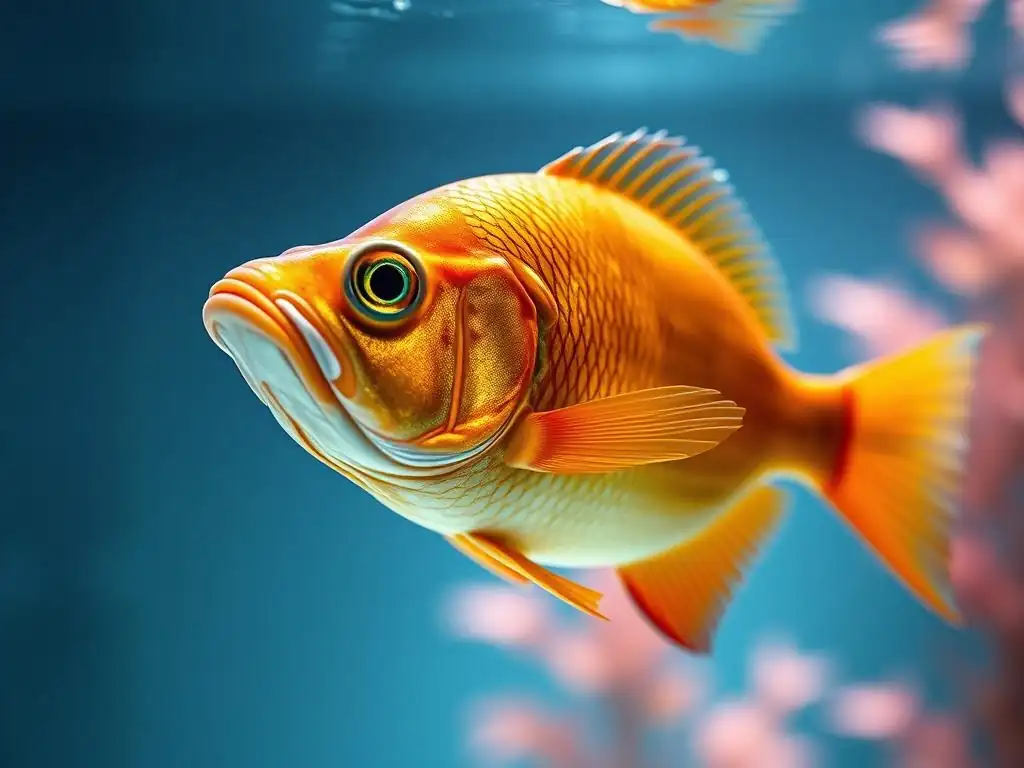
The Best Foods for Gold Severum Color Enhancement
Diet is one of the most direct and impactful factors in maintaining and enhancing the brilliant coloration of your Gold Severum. Like many cichlids, their ability to produce vibrant yellow and orange pigments is heavily reliant on the intake of specific carotenoid compounds. A diet rich in these natural color enhancers will visibly improve their golden hues, ensuring optimal Gold severum color maintenance from the inside out.
High-Quality Pellets and Flakes for Color Development
The foundation of a Gold Severum's diet should be a high-quality commercial pellet or flake food specifically formulated for cichlids. Look for products that list ingredients like spirulina, astaxanthin, krill, and shrimp meal high up on the ingredient list. These ingredients are naturally rich in carotenoids. For instance, some premium cichlid pellets boast a minimum of 3-5% spirulina content, which is excellent for enhancing yellow and orange tones. These staple foods provide a balanced nutritional profile, including essential proteins, fats, vitamins, and minerals, which are crucial for overall health and robust immune function, both prerequisites for vibrant coloration.
Natural Color Enhancers: Spirulina, Krill, and Paprika
To further boost their color, supplement the staple diet with natural color-enhancing ingredients. Spirulina, a blue-green algae, is an exceptional source of beta-carotene and other carotenoids, directly contributing to vibrant yellow and orange pigments. Krill and shrimp meal are also excellent, providing astaxanthin, a powerful antioxidant and pigment source that intensifies red and orange hues. Some aquarists even use finely ground, high-quality paprika (a red pepper derivative) in small amounts, mixed into homemade fish foods, as it is rich in capsaicin and other red pigments. Incorporating these elements several times a week can significantly improve Gold severum color maintenance.
Live and Frozen Foods to Supplement Coloration
Live and frozen foods offer both nutritional benefits and a natural foraging experience, which can reduce stress and promote overall vitality. Mysis shrimp, brine shrimp (especially those enriched with spirulina), bloodworms, and daphnia are excellent choices.
Mysis shrimp, for example, are naturally high in astaxanthin, making them an ideal choice for enhancing red-orange pigments. While these foods may not contain as high a concentration of specific carotenoids as dedicated color-enhancing pellets, they provide varied nutrition, essential fatty acids, and digestive enzymes that contribute to a healthy gut and efficient nutrient absorption, all of which indirectly support brilliant Gold severum color maintenance.
Feeding Frequency and Portion Control for Optimal Color and Health
Proper feeding frequency and portion control are vital for both the health and color of your Gold Severum. Overfeeding can lead to obesity, digestive issues, and, more importantly, rapid deterioration of water quality due to uneaten food rotting in the tank. This, in turn, stresses the fish and dulls their color. It's generally recommended to feed adult Gold Severums 1-2 times per day, offering an amount they can consume entirely within 2-3 minutes. Juvenile Severums, growing rapidly, may benefit from 2-3 smaller feedings daily.
Observing your fish during feeding will help you fine-tune portions. Their bellies should appear slightly rounded after a meal, not distended. A varied diet, rotated regularly, ensures they receive a full spectrum of nutrients and color enhancers. Consistency in feeding times also helps reduce stress. By adhering to a disciplined feeding regimen, you not only maintain excellent water quality but also ensure your Gold Severum is receiving the precise nutrition needed for peak health and truly brilliant Gold severum color maintenance.
Gold Severum Tank Mates and Their Influence on Color
Stress Reduction Through Compatible Tank Mates
The social environment of a Gold Severum's aquarium significantly impacts its stress levels, which directly correlates with its color vibrancy. Gold Severums are generally peaceful cichlids, but they can become stressed or aggressive if housed with unsuitable tank mates. Stress, whether from constant harassment, territorial disputes, or feeling threatened, causes fish to release stress hormones that can suppress their immune system and lead to faded, dull coloration. Therefore, selecting compatible tank mates is a cornerstone of effective Gold severum color maintenance.
Ideal tank mates are typically other large, peaceful cichlids or robust community fish that can hold their own without being overly aggressive. Examples include other Severum species (e.g., Green Severums), larger peaceful Central or South American cichlids like Angelfish (if appropriately sized), or robust schooling fish such as Silver Dollars, Congo Tetras, or larger Rainbowfish. These species provide companionship without causing undue stress, allowing the Gold Severum to feel secure and display its best colors.
Avoiding Aggressive Tank Mates That Cause Color Fading
Housing Gold Severums with highly aggressive or overly boisterous species is a common mistake that inevitably leads to chronic stress and significant color fading. Fish that constantly nip fins, chase, or physically injure your Gold Severum will keep it in a perpetual state of fear, diverting energy from color production to survival. Examples of fish to avoid include highly aggressive cichlids like certain types of Flowerhorns, large African Cichlids from the Rift Lakes (Mbuna), or very fast, nippy fish that might harass them.
Even smaller, seemingly harmless fish can cause stress if they are extremely fast and constantly dart around, making the Gold Severum feel insecure. A Gold Severum that is constantly hiding or displaying stress stripes will not exhibit its brilliant golden hues. Prioritizing a harmonious community tank is crucial for long-term Gold severum color maintenance, ensuring your fish remains calm, healthy, and colorful.
Creating a Community Tank That Promotes Gold Severum Wellbeing and Color
Designing a community tank specifically to promote Gold Severum wellbeing and color involves careful consideration of space, décor, and species compatibility. A large aquarium (75 gallons or more) is essential to provide adequate territory for all inhabitants and minimize potential conflicts. Strategic placement of driftwood, rocks, and robust live plants (like Amazon Swords or Giant Vallisneria) creates visual barriers and hiding spots, allowing fish to retreat and establish their own space.
Introducing all fish at a similar size, if possible, can help establish a more balanced pecking order. Monitoring interactions closely during the first few weeks is vital. A well-balanced community tank where Gold Severums feel secure and unthreatened will result in less stress, better overall health, and ultimately, the most vibrant display of their stunning golden coloration. This proactive approach to tank mate selection is a key aspect of comprehensive Gold severum color maintenance.
Preventing and Treating Diseases That Affect Gold Severum Color
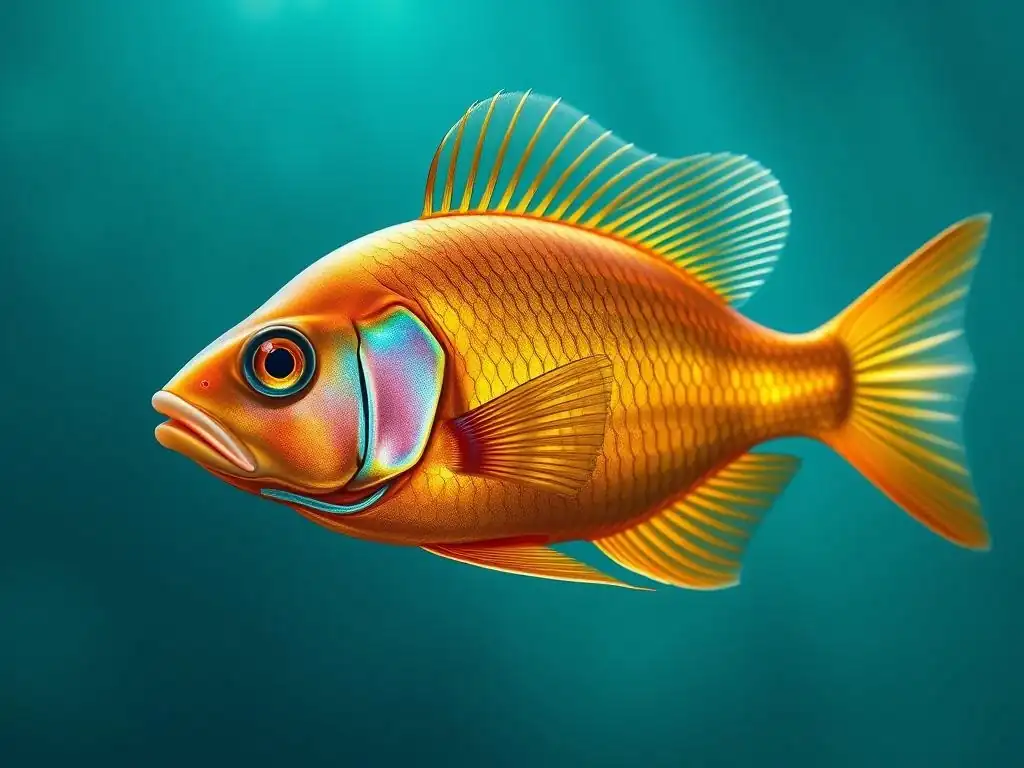
Recognizing Signs of Illness That Can Diminish Color
A Gold Severum's vibrant color is often the first indicator of its overall health. Any significant or prolonged dulling, fading, or the appearance of abnormal patches of color can be a strong sign of underlying illness. Beyond color changes, look for other symptoms such as:
- Behavioral changes: Lethargy, hiding more than usual, rapid breathing, flashing (rubbing against objects), clamped fins, or loss of appetite.
- Physical changes: White spots (Ich), fuzzy growths (fungus), red streaks (hemorrhagic septicemia), swollen body (dropsy), fin rot, cloudy eyes, or visible parasites.
- Stress indicators: Persistent dark stress bars or a generally washed-out appearance that does not improve after a few hours or a water change.
Early recognition of these signs is critical. A fish that is fighting an infection or suffering from a parasitic infestation will divert its energy and resources away from non-essential functions like pigment production, leading to a noticeable decline in its brilliant coloration. Timely intervention is paramount for effective Gold severum color maintenance and recovery.
Common Diseases Affecting Gold Severums and Their Color Impact
Gold Severums are generally hardy fish, but like all aquarium inhabitants, they are susceptible to common freshwater diseases, especially when stressed by poor water quality or inadequate diet. Each disease can have a distinct impact on their color:
- Ich (White Spot Disease): Characterized by small, white spots resembling salt grains on the body and fins. Affected fish often become pale and dull due to stress and irritation.
- Fin Rot: Bacterial infection causing fins to appear frayed, ragged, and sometimes inflamed. The overall body color may dull as the fish's health declines.
- Hole-in-the-Head Disease (HITH): Often linked to poor water quality, nutritional deficiencies (especially mineral imbalances), or flagellate parasites. Manifests as pitting lesions on the head and lateral line. Fish severely affected by HITH will appear stressed and their color will fade significantly.
- Bacterial Infections (Systemic): Can cause symptoms like dropsy (swollen body with scales protruding), red streaks, or ulcers. These severe infections lead to extreme stress and a complete loss of vibrant color, often resulting in a grayish, lifeless appearance.
- Internal Parasites: Can cause wasting, poor appetite, and pale coloration despite adequate feeding.
Addressing these health issues promptly is crucial not only for the fish's survival but also for restoring its stunning Gold severum color maintenance.
Treatment Strategies to Restore Color and Vitality
The first step in treating any illness affecting a Gold Severum's color is to accurately diagnose the problem. If unsure, consult with an experienced aquarist or veterinarian.
- Improve Water Quality: This is always the immediate first step. Perform a large (30-50%) water change, ensuring all parameters (ammonia, nitrite, nitrate, pH, temperature) are within ideal ranges. Clean filters and remove any decaying matter. Pristine water helps reduce stress and supports the fish's immune system.
- Medication: Administer appropriate medications based on the diagnosis. For Ich, raise the temperature slowly and use an Ich-specific medication. For bacterial infections, broad-spectrum antibiotics may be required. Always follow dosage instructions carefully.
- Nutritional Support: Ensure the fish is receiving a high-quality, varied diet, possibly supplemented with vitamins, to bolster its immune system during recovery.
- Stress Reduction: Minimize disturbances, maintain stable lighting, and ensure compatible tank mates. A quiet, stable environment aids healing.
- Quarantine: If possible, move the sick fish to a separate quarantine tank to prevent the spread of disease and allow for more focused treatment.
Once the underlying illness is resolved and the fish recovers its health, its vibrant golden coloration should gradually return. Consistent attention to water quality, nutrition, and stress management will then ensure sustained Gold severum color maintenance.
Techniques for Enhancing Gold Severum Color
Using Color-Enhancing Foods Safely and Effectively
While a high-quality staple diet is essential, strategic use of color-enhancing foods can significantly boost your Gold Severum's brilliance. These foods are typically rich in specific carotenoids like astaxanthin, spirulina, and beta-carotene, which are directly responsible for producing yellow, orange, and red pigments in fish. To use them safely and effectively for Gold severum color maintenance:
- Choose Reputable Brands: Select color-enhancing pellets or flakes from well-known manufacturers that list the specific carotenoids on their ingredient list. Avoid products with artificial dyes or excessive fillers.
- Integrate, Don't Replace: Color-enhancing foods should supplement, not replace, your Gold Severum's primary diet. Feed them 2-3 times a week as part of their varied feeding regimen, rather than every day. Over-reliance on a single type of food, even a color-enhancing one, can lead to nutritional imbalances.
- Observe and Adjust: Pay attention to your fish's response. Within a few weeks to a month, you should notice a discernible improvement in color intensity. If no change is observed, or if fish show digestive upset, consider adjusting the frequency or trying a different product. For example, some aquarists report noticeable improvements in Gold severum color within 3-4 weeks of consistent feeding with spirulina-rich foods.
Tannins and Their Impact on Gold Severum Color
Tannins, released from driftwood, catappa leaves (Indian almond leaves), and alder cones, can create a "blackwater" environment, which closely mimics the natural habitats of many South American cichlids, including Severums. While tannins impart a tea-stained hue to the water, their benefits extend beyond aesthetics:
- Stress Reduction: Tannins have mild antiseptic and antifungal properties and can lower pH, creating a softer, more acidic environment that is less stressful for Gold Severums. A less stressed fish is more likely to display its full, vibrant coloration.
- Enhanced Contrast: The darker water provided by tannins can create a stunning contrast that makes the Gold Severum's brilliant yellow and orange colors appear even more striking to the human eye. This visual effect enhances the perception of their color.
- Health Benefits: Some studies suggest that humic substances (part of tannins) can boost fish immunity and reduce the impact of environmental stressors. This overall health improvement directly supports Gold severum color maintenance.
To incorporate tannins, add appropriately sized pieces of pre-soaked driftwood, or regularly replace catappa leaves or alder cones in the tank. Start gradually to avoid drastic pH swings, and monitor water parameters. The ideal level of tannins for color enhancement is subjective and depends on desired aesthetics and water parameters, but a light amber tint is usually sufficient to reap the benefits.
Troubleshooting Common Gold Severum Color Problems
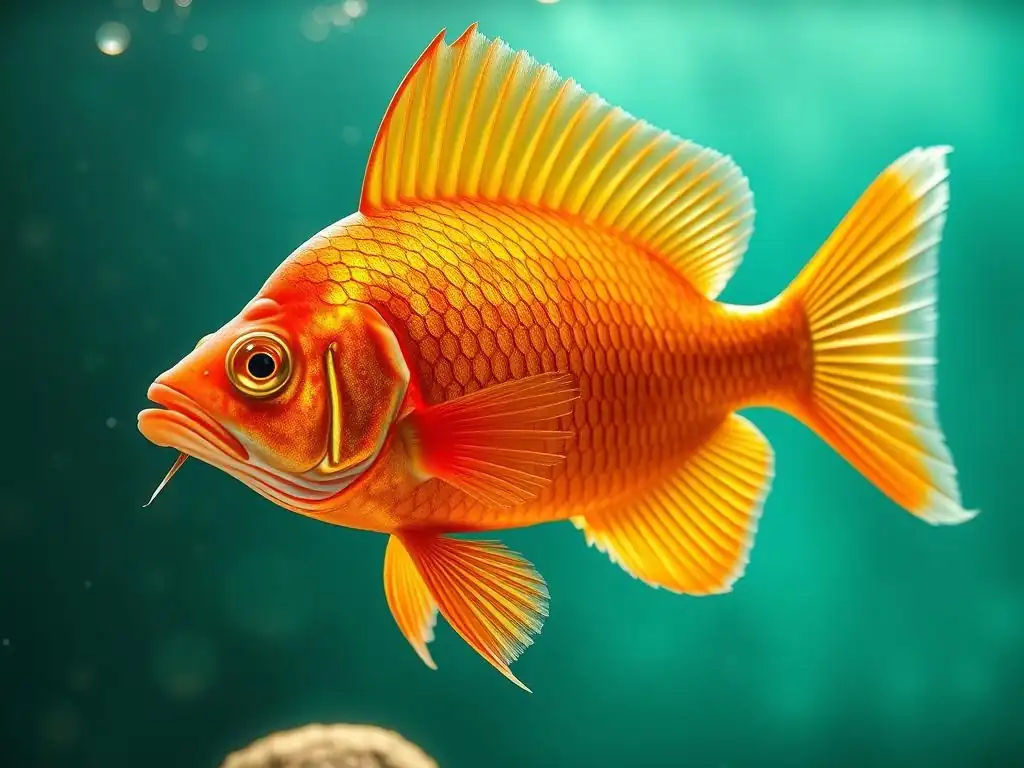
Why is My Gold Severum Losing Color?
Color loss in Gold Severums is a common concern and almost always indicates an underlying issue. The most frequent culprits include:
- Stress: This is the primary reason. Stress can be triggered by aggressive tank mates, overcrowding, sudden changes in environment (e.g., new tank, major redecoration), loud noises, or unstable water parameters. A stressed Gold Severum will often appear pale or develop dark stress bars.
- Poor Water Quality: High levels of ammonia, nitrites, or nitrates, as well as inconsistent pH or temperature, are highly detrimental. These toxins stress the fish and inhibit their ability to maintain vibrant pigmentation. For example, nitrate levels consistently above 40 ppm can lead to chronic stress and dull coloration.
- Inadequate Diet: A diet lacking in essential nutrients, particularly carotenoids (like astaxanthin and beta-carotene), will prevent the fish from producing and maintaining its golden hues. A Gold Severum fed only generic flakes without color-enhancing ingredients will inevitably show less vibrant color.
- Illness or Parasites: As discussed, sick fish divert energy from color production to fighting off disease. Even a mild infection can cause significant color fading.
- Natural Changes: Sometimes, color can temporarily fade during sleep, after spawning (due to exhaustion), or during territorial disputes. However, if the fading is prolonged or constant, it's a problem. Gold severum color maintenance requires addressing these root causes.
If stress is suspected as the cause of color loss, immediate action is necessary to restore your Gold Severum's vibrancy:
- Water Quality Check: Perform a full suite of water tests (ammonia, nitrite, nitrate, pH, temperature). Rectify any off-kilter parameters with a partial water change (25-50%) and ensure regular maintenance. Even a slight ammonia spike to 0.25 ppm can cause significant stress.
- Tank Mate Assessment: Observe interactions. If a tank mate is overly aggressive or constantly harassing the Gold Severum, consider rehoming the aggressor or providing more hiding spots and visual barriers. Ensure the tank is not overcrowded; for instance, a 55-gallon tank is insufficient for more than one adult Gold Severum and certainly not for multiple large cichlids.
- Environmental Stability: Avoid sudden, drastic changes to the tank environment. Maintain consistent lighting schedules (8-10 hours per day) and stable temperatures. Minimize external disturbances around the tank.
- Dietary Review: Ensure the fish is receiving a high-quality, varied diet with ample color-enhancing ingredients. For example, incorporating spirulina-rich pellets 3-4 times a week can noticeably improve Gold severum color maintenance.
- Provide Hiding Spots: Ensure there are enough caves, driftwood, or dense plant areas for the Severum to retreat to when feeling threatened or simply to rest. This sense of security significantly reduces stress.
Dealing with Color Fading After Spawning
It is quite common for Gold Severums to experience a temporary fading of their vibrant colors after a spawning event. Spawning is an incredibly energy-intensive and stressful process for both male and female fish. They expend significant physical energy, and the hormonal changes associated with breeding can also influence their pigmentation. The female, in particular, may appear paler and more exhausted, especially if she has laid a large clutch of eggs.
To help them recover and restore their brilliant Gold severum color maintenance:
- Post-Spawning Care: Provide a quiet, stable environment. Minimize disturbances around the tank.
- Enhanced Nutrition: Offer highly nutritious, easily digestible foods. Increase the frequency of feeding with high-protein live or frozen foods (like bloodworms or Mysis shrimp) and color-enhancing pellets for a few days to a week. This helps replenish lost energy and nutrients.
- Water Quality: Perform a small water change (10-15%) to ensure pristine water conditions, as breeding activity can sometimes increase bioload.
- Monitor for Stress/Injury: Ensure the pair isn't overly aggressive towards each other post-spawning, especially if eggs or fry are lost. If aggression is high, temporary separation might be necessary.
With proper care and reduced stress, the Gold Severum's color should typically return to its full vibrancy within a few days to a week after the spawning period concludes.
Maintaining Long-Term Gold Severum Color Vibrancy
Consistent Care for Sustained Color Excellence
Sustaining the brilliant golden coloration of your Gold Severum over its entire lifespan requires unwavering consistency in all aspects of its care. This isn't a one-time fix but an ongoing commitment. Regular water changes are perhaps the most critical component; weekly 25-30% changes, using dechlorinated, temperature-matched water, prevent the buildup of nitrates and other pollutants that stress fish and dull their color. For instance, a tank with a consistent nitrate level below 15 ppm will typically house more vibrant fish than one hovering at 30-40 ppm.
Beyond water quality, a disciplined feeding regimen with a varied, high-quality diet is essential. This means consistently offering premium cichlid pellets rich in carotenoids, supplemented with frozen or live foods several times a week.
For example, feeding a spirulina-enhanced pellet three times a week, combined with daily high-quality staple pellets and occasional frozen Mysis shrimp, ensures a steady intake of color-boosting nutrients. Consistency in lighting schedules (e.g., 9 hours on, 15 hours off) and maintaining stable water parameters (e.g., pH within 0.2 units of target, temperature within 1°F) further reduce stress, which is paramount for long-term Gold severum color maintenance.
Monitoring and Adjusting Your Approach for Optimal Results
Effective Gold severum color maintenance is an adaptive process. Regularly observe your fish for any subtle changes in color, behavior, or appetite. A slight dulling might indicate the need for an extra water change, a review of their diet, or a check for new stressors in the tank. For instance, if you notice a slight paling after introducing a new tank mate, it's a cue to monitor their interactions more closely or consider re-arranging decor to create more territories.
Keep a log of water parameters, feeding schedules, and any observations. This data can help you identify patterns and make informed adjustments. Perhaps your tap water quality fluctuates seasonally, or a specific food brand yields better color results. By continuously monitoring and fine-tuning your approach—whether it's increasing the frequency of color-enhancing foods, adjusting the lighting spectrum, or adding more driftwood for tannins—you can proactively address potential issues and ensure your Gold Severum always displays its peak vibrancy.
Enjoying the Stunning Beauty of a Healthy and Vibrant Gold Severum
Ultimately, the goal of meticulous Gold severum color maintenance is to allow these magnificent cichlids to display their full, breathtaking beauty. A healthy, well-cared-for Gold Severum is a true centerpiece in any freshwater aquarium, captivating observers with its shimmering golden scales and engaging personality. The satisfaction derived from seeing your fish thrive, exhibiting colors as brilliant as their potential allows, is immensely rewarding.
Beyond the visual appeal, a vibrant Gold Severum is a testament to the aquarist's dedication and understanding of its needs. Its glowing color is a living indicator of optimal health, a balanced environment, and consistent, thoughtful care. By providing the best possible conditions, you not only ensure the Gold Severum's well-being but also unlock its inherent brilliance, allowing you to truly enjoy the stunning spectacle of a truly vibrant and healthy Gold Severum.
Frequently Asked Questions
How do I ensure my Gold Severum retains its vibrant color?
Maintaining vibrant color in Gold Severums requires attention to water quality, a balanced diet rich in carotenoids, and adequate lighting. Regular water changes and a varied food source are key.
What type of food enhances the color of Gold Severums?
Foods rich in carotenoids, like spirulina, krill, and color-enhancing flakes, are crucial. These pigments help intensify the gold coloration of your severum.
What water parameters are most important for Gold Severum color and health?
Maintaining stable water parameters is essential. Pay close attention to pH levels (around 6.5-7.5), temperature (75-82°F), and keep ammonia and nitrite levels at zero.
Can stress affect the color of my Gold Severum?
Yes, stress can significantly impact their color. Ensure a peaceful environment with compatible tank mates and plenty of hiding places to minimize stress and maintain vibrant coloration.
How often should I perform water changes to keep my Gold Severum healthy and brightly colored?
Regular water changes are vital; aim for 25-50% water changes every 1-2 weeks. This helps remove nitrates and maintain optimal water quality, promoting healthy color and vitality.
Final Reflection: Unveiling the Golden Glow
The journey to understanding Gold Severum color maintenance is more than just a guide to fishkeeping; it's a testament to our dedication to responsible aquarium stewardship. By understanding the nuances of their environment, diet, and overall well-being, we not only enhance their vibrant hues but also contribute to a healthier and more fulfilling life for these magnificent creatures. This commitment resonates deeply in a world increasingly aware of the interconnectedness of all living things.
The pursuit of maintaining the Gold Severum's brilliance has profoundly influenced my own perspective on aquarium keeping, shifting it from a hobby to a mindful practice. It's a constant reminder that our actions have direct consequences on the lives we choose to nurture. The greatness of a nation and its moral progress can be judged by the way its animals are treated.
- Mahatma Gandhi. This quote, though often applied to broader animal welfare, holds true within the microcosm of our aquariums. The vibrant health of our Gold Severums reflects our own dedication and care.
Now, I invite you to reflect on your own role in the lives of your aquatic companions. Consider how you can further optimize their environment, refine their diet, and deepen your understanding of their needs. Let the pursuit of Gold Severum color maintenance be a catalyst for a more conscious and compassionate approach to aquarium keeping, enriching both their lives and your own.
Unveil Your Severum's Golden Potential!
Thank you for diving into the world of Gold Severums! We hope you’ve gained valuable insights into keeping these magnificent fish thriving. Now, let’s put that knowledge into action and ensure your Severum reaches its full, radiant glory.
Here’s what you can do next:
- Immediately assess your Severum's current diet and commit to incorporating at least two new high-quality, color-enhancing foods into their weekly feeding schedule. This is the most direct way to boost their golden hue!
- Join our thriving Aquarium Mastery community forum and share photos of your Severum – let's learn from each other's experiences and celebrate their beauty!
- Experiment with altering the substrate in your aquarium (consider a lighter substrate) and observe how it impacts your Severum's color over the next few weeks.
What specific color-enhancing food are you most excited to try with your Gold Severum, and why?