
Aquarium Mastery's InDepth Guide to Successful Head and Tail Light Tetra Breeding

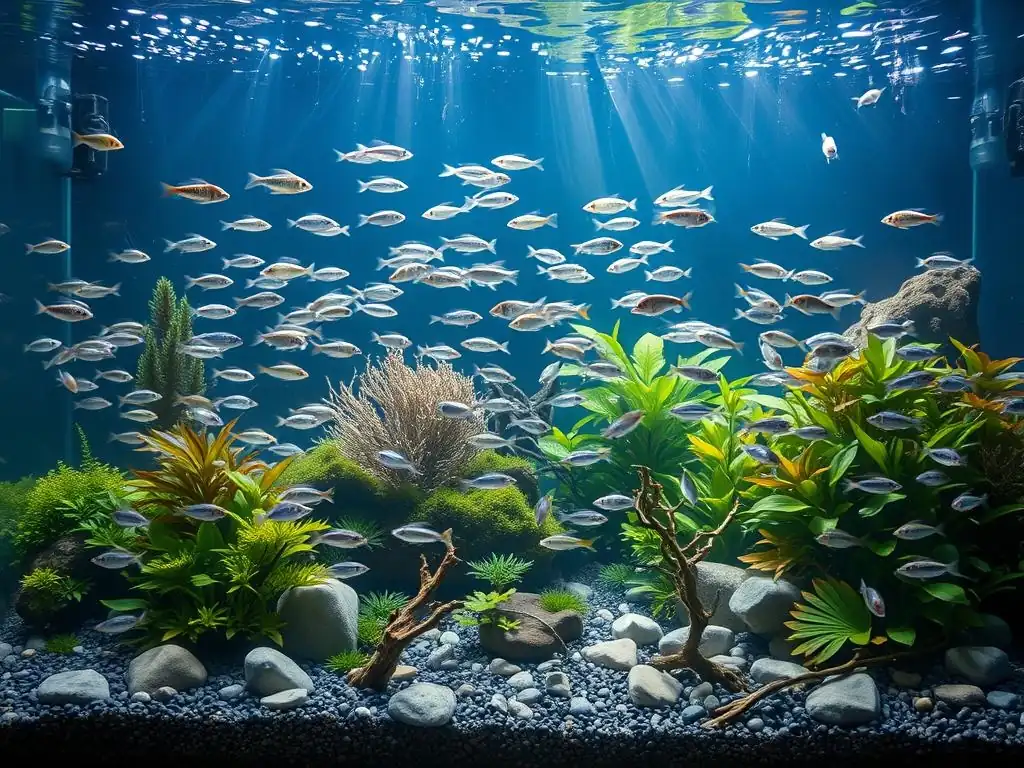
Welcome to Aquarium Mastery! Ever wondered how to unlock the secrets of breeding those dazzling Head and Tail Light Tetras? Their shimmering glow is captivating, but successful breeding requires more than just luck. Dive into our in-depth guide and discover the proven techniques to transform your aquarium into a thriving breeding ground. Are you ready to witness the next generation of these captivating fish? Let's get started!
- Understanding Head and Tail Light Tetras for Breeding
- Preparing Your Head and Tail Light Tetras for Breeding
- The Head and Tail Light Tetra Breeding Process: A Step-by-Step Guide
- Head and Tail Light Tetra Fry Care: From Hatching to Juvenile
- Preventing and Addressing Common Issues in Head and Tail Light Tetra Breeding
- Raising Head and Tail Light Tetra Fry to Adulthood
- Advanced Techniques for Head and Tail Light Tetra Breeding
- Troubleshooting Head and Tail Light Tetra Breeding Problems
- Raising Head and Tail Light Tetra Fry to Adulthood
- Advanced Techniques for Head and Tail Light Tetra Breeding
- Troubleshooting Head and Tail Light Tetra Breeding Problems
- Conclusion: Mastering Head and Tail Light Tetra Reproduction
-
Frequently Asked Questions
- How difficult is it to breed Head and Tail Light Tetras?
- What are the ideal water parameters for Head and Tail Light Tetra breeding?
- What type of tank setup is recommended for Head and Tail Light Tetra breeding?
- How do I know when my Head and Tail Light Tetras are ready to breed?
- What should I do after the Head and Tail Light Tetras have spawned?
- Final Reflection: Illuminating the Future of Tetra Breeding
- Ignite Your Breeding Passion!
Understanding Head and Tail Light Tetras for Breeding
Identifying Healthy Head and Tail Light Tetras for Breeding Stock
Selecting robust and healthy breeding stock is the cornerstone of successful head and tail tetra breeding. Look for individuals exhibiting vibrant coloration, particularly the distinct red spot at the base of the tail and the iridescent golden line running along their flanks. Healthy tetras will be active swimmers, displaying curiosity and a typical schooling behavior.
Their fins should be fully intact, without any signs of fraying or clamping, and their eyes should be clear and bright. A full, rounded belly (but not bloated) indicates good nutritional status, while a sunken belly can be a sign of illness or malnourishment. Avoid any fish showing white spots (ich), fungal growths, or labored breathing.
Furthermore, consider the age of your potential breeders. While Head and Tail Light Tetras can live for 3-5 years, the most productive breeding period typically occurs when they are between 6 months and 2 years old. Younger, sexually mature adults tend to be more vigorous and produce healthier offspring.
It is highly recommended to acquire breeding candidates from a reputable source, such as a specialized aquarium store or an experienced local breeder, who can attest to the fish's lineage and health history. Upon acquisition, a minimum two-week quarantine period in a separate tank is crucial to observe for any signs of disease and ensure they are in peak condition before attempting head and tail tetra breeding.
Distinguishing Male and Female Head and Tail Light Tetras
Differentiating between male and female Head and Tail Light Tetras, while subtle, becomes more apparent when the fish are in breeding condition. Generally, mature female tetras tend to be noticeably fuller and rounder in the belly area, especially when gravid (carrying eggs). This difference in body shape is often the most reliable indicator, with females appearing more robust and plumper when viewed from above or head-on. Their overall body size might also be slightly larger than males.
Males, conversely, are typically more slender and streamlined, maintaining a more torpedo-shaped body even when well-fed. Their coloration, particularly the iridescent line and tail spot, may appear slightly more intense or vibrant during courtship, as they attempt to attract females. While fin shape can sometimes offer clues (males occasionally have slightly more pointed dorsal or anal fins), this is not a definitive characteristic for head and tail tetra breeding. Observing them during feeding time can also provide hints; females often show a more pronounced swelling after consuming food, whereas males remain relatively lean.
Optimal Tank Setup for Head and Tail Light Tetra Breeding
A dedicated breeding tank is essential for successful head and tail tetra breeding, providing a controlled environment for spawning and protecting the delicate eggs and fry. A small tank, approximately 5-10 gallons (19-38 liters), is generally sufficient for a single breeding pair or a small group. The key is to keep the setup simple and sterile.
The substrate should be either bare bottom or covered with a thin layer of marbles or a spawning mop. A bare bottom allows for easy cleaning and egg visibility, while marbles or a mop provide crevices for eggs to fall into, protecting them from parental consumption.
Water parameters are paramount. Head and Tail Light Tetras prefer soft, acidic water for spawning, mimicking their natural Amazonian habitat. Aim for a pH between 5.5 and 6.5 and very low general hardness (GH) and carbonate hardness (KH), ideally below 5 dGH (89 ppm) and 3 dKH (53 ppm) respectively. A temperature range of 76-80°F (24.5-26.5°C) is optimal to encourage spawning.
Filtration should be minimal, such as a small sponge filter, to prevent powerful currents that could harm eggs or fry. Dim lighting or subdued light is also preferred, as the eggs are light-sensitive. Include fine-leaved plants like Java Moss or spawning mops to provide additional spawning sites and security for the eggs, crucial for successful head and tail tetra breeding.
Preparing Your Head and Tail Light Tetras for Breeding
Conditioning Head and Tail Light Tetras with Diet
Proper dietary conditioning is vital to encourage Head and Tail Light Tetras to spawn and to ensure the production of healthy, viable eggs. For several weeks leading up to the intended breeding period, feed your potential breeders a varied and high-quality diet. This should include a mix of live, frozen, and high-quality flake foods.
Live foods such as bloodworms, brine shrimp, daphnia, and grindal worms are particularly effective due to their high protein content and natural appeal, stimulating the fish's reproductive instincts. For instance, feeding small portions of live brine shrimp three times a day for two weeks prior to spawning attempts can significantly boost the females' egg production.
Frozen foods like cyclops or finely chopped bloodworms also provide excellent nutrition and are a convenient alternative to live foods. Supplementing their diet with a high-quality spirulina-enhanced flake food ensures they receive essential vitamins and minerals. Avoid overfeeding, which can lead to poor water quality and health issues. Instead, offer small amounts multiple times a day, ensuring all food is consumed within a few minutes. This consistent, nutrient-rich feeding regimen helps both males and females reach peak breeding condition, optimizing their readiness for head and tail tetra breeding.
Creating the Ideal Breeding Environment: Water Parameters and Tank Conditions
The precise adjustment of water parameters within the breeding tank is a critical factor for triggering spawning in Head and Tail Light Tetras. As mentioned, these fish originate from soft, acidic blackwater environments. To replicate this, use reverse osmosis (RO) water or deionized water, remineralized slightly to achieve a very low general hardness (GH) of 1-3 dGH (18-53 ppm) and a carbonate hardness (KH) of 0-2 dKH (0-36 ppm).
The pH should be carefully maintained between 5.5 and 6.5. A common approach is to use peat filtration or add blackwater extracts to lower pH and introduce beneficial humic substances, which also helps prevent fungal growth on eggs.
Temperature is another key trigger; gradually raising the temperature to 78-80°F (25.5-26.5°C) over a day or two can often stimulate spawning behavior. Lighting should be dim and subdued, mimicking the shaded waters of their natural habitat. Many breeders use a low-wattage LED light or position the tank away from direct light sources.
The breeding tank should be calm and free from strong currents, which can stress the fish or disperse the eggs. Ensuring these precise conditions are met provides the optimal cues for Head and Tail Light Tetras to feel secure and initiate the complex process of head and tail tetra breeding.
Setting Up a Separate Breeding Tank for Head and Tail Light Tetras
A dedicated breeding tank is not merely a recommendation but a necessity for successful head and tail tetra breeding. This separate environment allows for precise control over water parameters vital for spawning, which might be difficult to maintain in a larger community tank. For instance, while a display tank might run at a pH of 7.0, the breeding tank can be specifically conditioned to a more acidic 6.0 pH without affecting other inhabitants. Typically, a 5-10 gallon (19-38 liter) tank is adequate for one pair or a small group of tetras.
The setup should be minimalistic to facilitate egg collection and fry care. A bare bottom is often preferred, though a layer of glass marbles or a spawning grid can be used to protect eggs from being eaten by the parents. Spawning mops made from synthetic fibers or clumps of fine-leaved plants like Java Moss (Taxiphyllum barbieri) or Hornwort (Ceratophyllum demersum) should be placed in the tank, providing ideal surfaces for the fish to deposit their adhesive eggs.
Filtration should be limited to a gentle air-driven sponge filter to maintain water quality without creating strong currents that could harm delicate eggs or newly hatched fry. The breeding tank should be prepared and cycled in advance, ensuring stable and optimal conditions before introducing the breeding pair for head and tail tetra breeding.
The Head and Tail Light Tetra Breeding Process: A Step-by-Step Guide
Introducing the Breeding Pair to the Breeding Tank
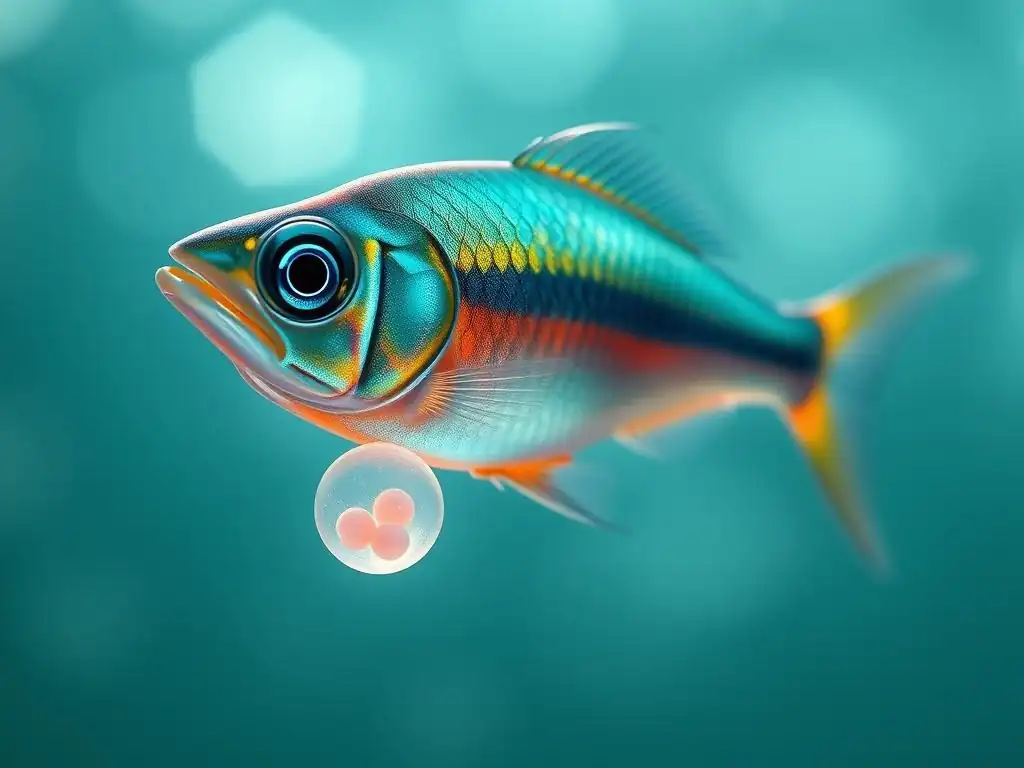
Once the breeding tank is prepared with optimal water parameters and suitable spawning media, the selected Head and Tail Light Tetra breeding pair (or group) can be introduced. It is often recommended to introduce the fish in the late afternoon or evening.
This allows them to acclimate to their new environment overnight and potentially begin spawning at dawn, which is a common time for many tetra species. Gently acclimate the fish to the breeding tank's water by floating their transport bag in the tank for 15-20 minutes to equalize temperature, then slowly adding small amounts of tank water to the bag over another 30-60 minutes before releasing them.
For the best results in head and tail tetra breeding, some breeders opt for a "group spawning" approach, introducing 2-3 males for every female, or a ratio of 2 males to 1 female. This competitive environment can sometimes stimulate more vigorous spawning activity. After introduction, dim the lights and minimize disturbances. Observe the tank quietly from a distance to avoid startling the fish. Patience is key; spawning may not occur immediately, but if conditions are ideal, it often happens within 24-48 hours.
Recognizing Spawning Behavior in Head and Tail Light Tetras
Recognizing the subtle cues of spawning behavior in Head and Tail Light Tetras is crucial for successful head and tail tetra breeding. Typically, spawning occurs in the early morning, often just as the light begins to filter into the room. The male will become more vibrant in coloration and begin to actively pursue the female, often nudging her head or flanks. This courtship dance involves the male displaying his fins and shimmying around the female, attempting to entice her into the spawning media.
The actual spawning act involves the pair swimming side-by-side into the chosen spawning site—be it a spawning mop, Java Moss, or even against the tank glass. The female will release a small clutch of eggs, usually 5-10 at a time, which are then immediately fertilized by the male. These eggs are small, clear, and adhesive, sticking to the plants or mop fibers.
A single female can lay anywhere from 50 to 300 eggs over several hours during a successful spawning event. After each release of eggs, the pair may briefly separate before resuming their courtship and continuing to deposit more eggs. Observing this synchronized dance is a clear sign that your efforts in head and tail tetra breeding are progressing successfully.
Protecting the Eggs: Preventing Parental Predation
One of the most significant challenges in head and tail tetra breeding is preventing the adult fish from consuming their own eggs. Head and Tail Light Tetras, like many other small characins, are notorious egg eaters. Once spawning is complete, typically within a few hours of the first eggs being laid, the breeding adults must be promptly removed from the breeding tank. This is best done immediately after you observe the cessation of spawning activity or if you notice the parents beginning to actively search for and eat the eggs.
If using a spawning mop or fine-leaved plants, the eggs will be scattered throughout the material, making them somewhat protected. However, a bare-bottom tank with a spawning grid or marbles offers superior protection by allowing the eggs to fall through to an inaccessible layer. After removing the adults, it's beneficial to add a small amount of methylene blue to the water.
This antifungal agent helps prevent fungal infections, which are a common cause of egg loss, especially for infertile eggs. A typical dosage might be 1 drop per gallon, resulting in a light blue tint to the water. This proactive step significantly increases the hatch rate and is a vital part of protecting the delicate product of your head and tail tetra breeding efforts.
Head and Tail Light Tetra Fry Care: From Hatching to Juvenile
Hatching and Initial Fry Care: The First Few Days
Head and Tail Light Tetra eggs are typically light-sensitive and will hatch within 24-36 hours at a temperature of 78-80°F (25.5-26.5°C). The newly hatched fry are incredibly tiny and almost transparent, resembling slivers of glass. For the first 2-3 days, they will remain largely inactive, often clinging to tank surfaces or plants. During this period, they are nourished by their yolk sac and do not require external feeding. It is crucial to maintain extremely stable water parameters during this delicate stage, as sudden changes can be fatal. Keep the tank dimly lit to reduce stress on the light-sensitive fry.
Once the yolk sac is absorbed, usually by day 3 or 4, the fry will become free-swimming and begin actively searching for food. This transition marks the critical point for initiating their first feeding. Any uneaten eggs should be siphoned out carefully to prevent fungal growth and water quality degradation, using a small airline tubing.
The water must remain pristine; however, avoid large water changes that could shock the fragile fry. Small daily water changes of 10-15% using aged or pre-conditioned water are ideal. This meticulous care during the initial days sets the foundation for successful head and tail tetra breeding outcomes.
Feeding Head and Tail Light Tetra Fry: Infusoria and Beyond
The microscopic size of newly free-swimming Head and Tail Light Tetra fry dictates their initial diet. For the first week to ten days after their yolk sacs are absorbed, infusoria is the ideal first food. Infusoria are microscopic organisms that can be cultured at home using decaying plant matter or specialized kits. Feeding should occur multiple times a day, typically 3-5 times, in very small quantities to ensure constant availability without polluting the water. A common method is to add a few drops of concentrated infusoria culture directly into the fry tank.
As the fry grow, usually after about a week, they can be gradually transitioned to slightly larger foods. Newly hatched brine shrimp nauplii are an excellent next step, providing rich nutrition and stimulating hunting instincts. Daphnia and microworms are also suitable additions to their diet at this stage. It's important to continue feeding small amounts frequently, as the fry have high metabolic rates. Overfeeding can quickly foul the water, leading to disastrous consequences for the fry. Consistent monitoring of water quality and careful feeding are paramount for successful head and tail tetra breeding and raising healthy fry.
Maintaining Water Quality for Growing Head and Tail Light Tetra Fry
Maintaining pristine water quality is arguably the most critical aspect of raising Head and Tail Light Tetra fry. Due to their small size and sensitivity, they are highly susceptible to ammonia, nitrite, and nitrate buildup. The lack of a robust biological filter in a small fry tank means that frequent, small water changes are essential. Daily water changes of 10-15% are recommended, using aged, dechlorinated water that matches the temperature and parameters of the fry tank precisely. For instance, if the fry tank is 5 gallons, a 0.5 to 0.75-gallon change daily is appropriate.
When performing water changes, use an airline tube to gently siphon debris from the bottom of the tank, being extremely careful not to suck up any fry. A piece of fine netting over the end of the siphon can prevent accidental fry removal. The sponge filter should be gently squeezed out in old tank water periodically to prevent clogging, but avoid cleaning it too thoroughly, as it harbors beneficial bacteria.
Consistent monitoring of water parameters with a liquid test kit (e.g., testing ammonia and nitrites daily for the first few weeks) will provide early warnings of potential issues. This rigorous attention to water quality significantly impacts the survival rate of young fish and is fundamental to successful head and tail tetra breeding.
Preventing and Addressing Common Issues in Head and Tail Light Tetra Breeding
Identifying and Treating Fungal Infections in Eggs
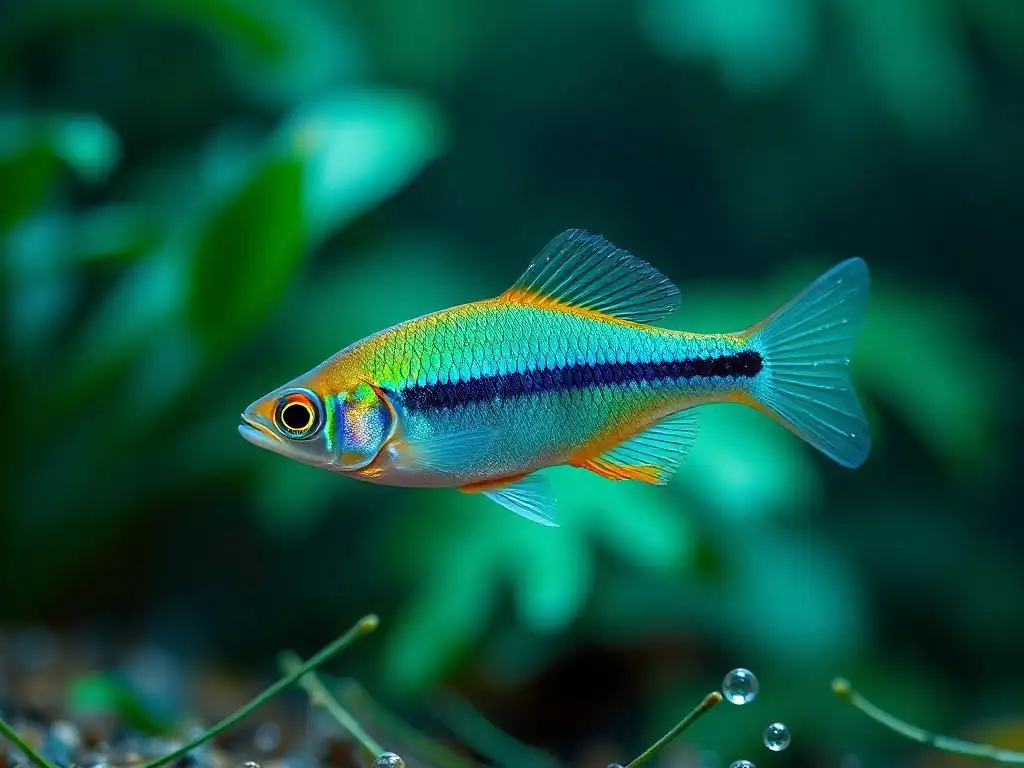
Fungal infections are a common and frustrating problem in head and tail tetra breeding, often causing significant egg loss. Infected eggs typically appear opaque white or fuzzy, distinguishing them from healthy, clear eggs. Fungal spores are ubiquitous in water, and they primarily target infertile or damaged eggs, but can quickly spread to viable ones. Prompt identification and treatment are crucial to prevent a widespread outbreak that can decimate an entire spawn.
To prevent fungal growth, a prophylactic measure like adding methylene blue to the breeding tank water immediately after the adults are removed is highly effective. A very light blue tint to the water is usually sufficient. If fungal growth is observed, gently siphon out any infected eggs to prevent further spread.
In severe cases, a very dilute salt bath (e.g., 1 teaspoon of aquarium salt per 5 gallons) can be used, but this must be done with extreme caution as fry are sensitive to salt. Maintaining excellent water quality and ensuring good water circulation around the eggs (e.g., with a gentle air stone) also helps deter fungal development, contributing significantly to successful head and tail tetra breeding.
Addressing Non-Spawning Behavior and Potential Causes
When Head and Tail Light Tetras fail to spawn, despite seemingly ideal conditions, it can be perplexing for the breeder. Several factors can contribute to non-spawning behavior. One common issue is insufficient conditioning; if the fish are not fed a rich, varied diet for several weeks, they may not develop eggs or sperm adequately. Ensure a consistent supply of live and frozen foods, as discussed previously.
Another significant factor is stress. This can be caused by overly bright lighting, strong water currents, a lack of hiding spots, or constant disturbances near the tank. Dimming the lights and ensuring a quiet environment can often alleviate this.
Incorrect water parameters are also a frequent culprit. While you might aim for specific pH and hardness, slight deviations or instability can inhibit spawning. Double-check your test kit readings and ensure the water has been properly aged and conditioned. Age of the fish plays a role; very young or very old tetras may not be reproductively active.
Finally, the male-to-female ratio can sometimes be a factor. If a female is not being adequately courted, or if there are too many dominant males, spawning may not occur. Adjusting the ratio to 2-3 males per female in the breeding tank can sometimes stimulate competition and lead to successful head and tail tetra breeding.
Minimizing Fry Mortality Rates: Tips and Tricks
Minimizing fry mortality rates is paramount for successful head and tail tetra breeding, as these tiny creatures are incredibly vulnerable. One of the primary causes of early fry death is poor water quality. Ensure daily, small water changes (10-15%) using temperature-matched, aged, and dechlorinated water. Ammonia and nitrite levels must remain at zero, and nitrates as low as possible. Overfeeding is another major contributor to mortality, as uneaten food quickly fouls the water. Feed very small amounts multiple times a day, ensuring all food is consumed within minutes.
Inadequate initial food size is also a common pitfall. Newly hatched fry require microscopic food like infusoria for the first few days; larger foods like newly hatched brine shrimp nauplii will be too big for them to consume. Ensuring a constant supply of appropriate-sized food is crucial. Furthermore, the lack of gentle aeration or circulation can lead to oxygen deprivation, especially in warmer water.
A small, air-driven sponge filter provides both filtration and gentle water movement without creating strong currents. Lastly, preventing sudden temperature fluctuations or light shock is vital. Keeping the tank in a stable environment with subdued lighting for the first few weeks significantly increases the survival chances of your Head and Tail Light Tetra fry, culminating in successful head and tail tetra breeding.
Raising Head and Tail Light Tetra Fry to Adulthood
Gradual Acclimation to Larger Tanks
As Head and Tail Light Tetra fry grow, they will eventually outgrow their small breeding tank and require more space. This transition, typically when they are around 0.5 to 0.75 inches (1.2-1.9 cm) in length, must be handled with extreme care to avoid shock and mortality. A good intermediate step is to move them to a 15-20 gallon (57-76 liter) grow-out tank. Before transferring, ensure the grow-out tank is fully cycled and its water parameters (temperature, pH, hardness) precisely match those of the fry tank.
The acclimation process should be slow and gentle. One effective method is the drip acclimation technique, where water from the new tank is slowly dripped into the fry's current container over several hours until the water volume has tripled or quadrupled. This gradual change allows the fry to adjust to the new water chemistry without stress.
Another approach for larger batches of fry is to transfer them with a container of their old water, then slowly add water from the new tank over an hour or two. Avoiding sudden changes is paramount for the continued success of your head and tail tetra breeding project, ensuring the young tetras thrive in their new, larger environment.
Transitioning to Adult Food and Diet
The dietary needs of Head and Tail Light Tetra fry evolve as they mature. After successfully consuming infusoria and newly hatched brine shrimp nauplii for several weeks, they will be ready for a transition to more adult-appropriate foods. When they reach approximately 0.5 inches (1.2 cm) in length, they can begin to accept finely crushed high-quality flake food. It's beneficial to soak the flakes briefly in tank water before feeding to make them softer and easier to digest.
Gradually introduce other small, nutritious foods such as micro pellets, finely chopped frozen bloodworms, daphnia, or cyclops. Continue to offer newly hatched brine shrimp as a staple, as it remains an excellent growth food. By the time they are 1-1.5 inches (2.5-3.8 cm) and resemble miniature adults, they can consume standard adult-sized flake food and a wider variety of frozen foods.
A varied diet remains crucial for their continued health and vibrant coloration. Consistent feeding schedules, usually 2-3 times per day in small portions, will support their rapid growth and ensure they transition smoothly into healthy adult fish, marking the successful completion of your head and tail tetra breeding efforts.
Monitoring Growth and Development of Young Tetras
Consistent monitoring of the growth and development of young Head and Tail Light Tetras is essential to ensure their health and identify any potential issues early. Healthy fry will exhibit steady growth, showing a noticeable increase in size week by week. By 6-8 weeks old, they should begin to display the characteristic red tail spot and iridescent body stripe, becoming more recognizable as miniature adults. Their fins should be fully formed and their bodies well-proportioned.
Observe their behavior closely. Actively swimming, schooling, and readily accepting food are all signs of healthy development. Any signs of stunted growth, clamped fins, listlessness, or unusual coloration could indicate underlying problems such as poor water quality, inadequate nutrition, or disease.
It is important to maintain detailed records of water parameters, feeding schedules, and any observed issues. Regular, small water changes and a consistent, high-quality diet are the primary drivers of healthy growth. Successfully raising a batch of fry to maturity, where they can even become future breeding stock themselves, is the ultimate reward of dedicated head and tail tetra breeding.
Advanced Techniques for Head and Tail Light Tetra Breeding
Selective Breeding for Enhanced Coloration
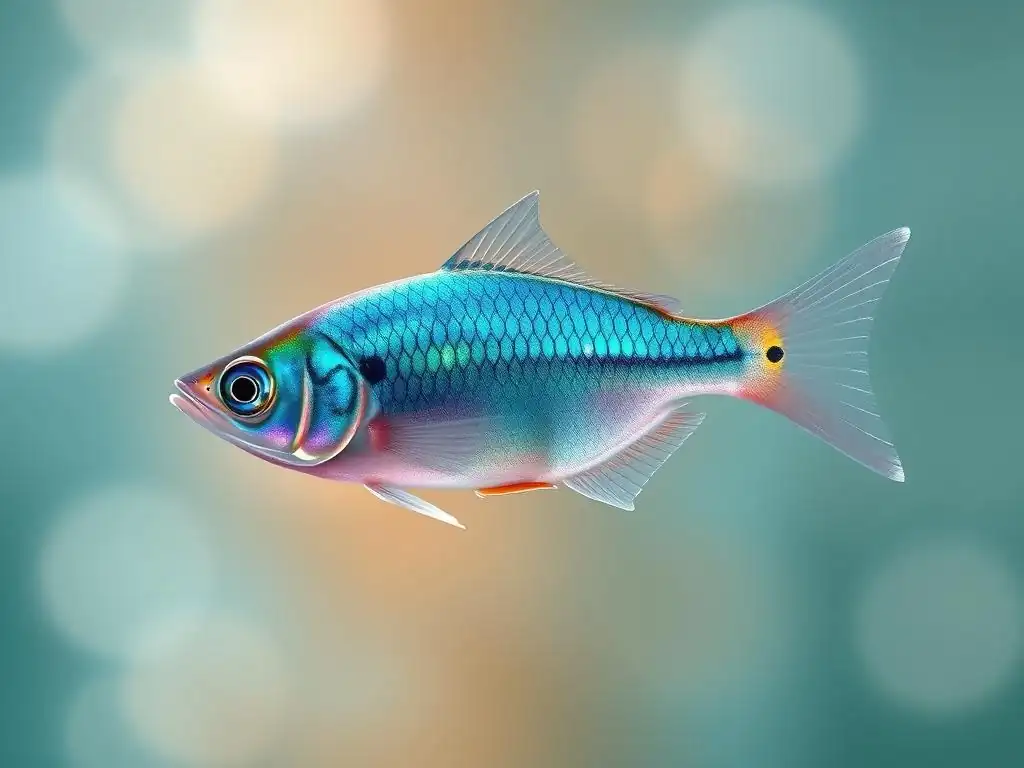
Selective breeding is an advanced technique used to enhance desirable traits, such as vibrant coloration, in Head and Tail Light Tetras. This involves carefully choosing breeding pairs that exhibit the most intense red tail spots and the brightest iridescent body stripes. Over several generations, consistently breeding only the most colorful individuals can lead to offspring with significantly enhanced aesthetics. For instance, if you notice a particular male consistently displays a deeper red, pair him with a female who also shows strong coloration.
The process requires meticulous record-keeping of each spawning event and the characteristics of the resulting fry. As the fry grow, identify and isolate the most promising individuals for future breeding stock. This often means culling (removing) fry that do not meet the desired color standards, though this is a practice some hobbyists prefer not to undertake.
Selective breeding is a long-term commitment, typically requiring multiple generations (e.g., 3-5 generations) to see significant, stable improvements in color intensity and coverage. It transforms head and tail tetra breeding from a simple reproduction effort into a fascinating genetic project, aiming to create truly exceptional specimens.
Optimizing Breeding Schedules and Yields
Optimizing breeding schedules and yields in head and tail tetra breeding involves understanding the fish's reproductive cycle and manipulating environmental factors for maximum output. Head and Tail Light Tetras can be conditioned to spawn every 1-2 weeks, provided they are given adequate rest and nutrition between spawning attempts. After a successful spawn, remove the breeding pair and return them to a well-maintained conditioning tank where they can recover and build up energy reserves. Feeding them a rich diet for 5-7 days before reintroducing them to the breeding tank can prepare them for another spawning cycle.
To maximize yield, ensure the breeding tank conditions are consistently optimal for egg viability. This includes precise pH (5.5-6.5), soft water (GH 1-3 dGH), and stable temperature (78-80°F). Using multiple spawning mops or a large spawning grid can provide more surface area for egg deposition, potentially increasing the number of eggs laid per spawn.
Some breeders also use a "group spawning" method with a higher ratio of males to females (e.g., 2 males to 1 female) to stimulate more vigorous spawning activity and a higher yield of fertilized eggs. Consistently applying these strategies can significantly increase the number of fry produced from your head and tail tetra breeding efforts.
Understanding the Genetics of Head and Tail Light Tetras
While the specific genetics of Head and Tail Light Tetras (Hemigrammus ocellifer) are not as extensively documented as some other ornamental fish, a basic understanding of Mendelian inheritance can be applied to head and tail tetra breeding, especially when attempting selective breeding for traits like coloration. Most observable traits, such as the intensity of the red spot or the iridescence of the body stripe, are likely polygenic, meaning they are influenced by multiple genes rather than a single dominant/recessive pair. This explains why selective breeding often requires several generations to achieve stable, noticeable improvements.
However, if a mutation were to occur (e.g., a variant with an unusual fin shape or body pattern), it might follow simpler inheritance patterns. For instance, if a recessive gene were responsible for a unique coloration, breeding two carriers could result in a predictable percentage of offspring displaying that trait.
Keeping detailed lineage records of your breeding pairs and their offspring over multiple generations can help you observe and predict the transmission of specific characteristics. While a deep dive into tetra genomics is beyond the scope of most hobbyists, appreciating the genetic basis of traits allows for more informed decisions in your head and tail tetra breeding program, moving beyond simple reproduction to a more scientific approach.
Troubleshooting Head and Tail Light Tetra Breeding Problems
Eggs Not Hatching: Poor Water Quality, Infertile Eggs, and Solutions
When Head and Tail Light Tetra eggs fail to hatch, it's a common and frustrating issue in head and tail tetra breeding, often pointing to specific environmental or biological problems. One primary cause is poor water quality in the breeding tank. High levels of ammonia, nitrite, or even elevated nitrates can be toxic to developing embryos. Solution: Ensure the breeding tank is meticulously clean, fully cycled, and that all water parameters (pH, GH, KH, temperature) are within the optimal ranges (pH 5.5-6.5, GH 1-3 dGH, 78-80°F). Perform a small water change with aged, pristine water.
Another significant reason for non-hatching eggs is infertility. This can occur if the male is not mature, not vigorous enough, or if the male-to-female ratio during spawning was suboptimal, leading to unfertilized eggs. These infertile eggs often turn opaque white within hours of being laid and quickly succumb to fungal infections. Solution: Ensure your breeding stock is well-conditioned and of prime breeding age (6 months to 2 years). Consider using a slightly higher male-to-female ratio (e.g., 2:1 or 3:1) to increase competition and fertilization rates. Removing infertile, fungused eggs promptly also prevents the spread of infection to viable eggs.
Fry Dying Off: Overfeeding, Insufficient Water Changes, and Solutions
High mortality rates among Head and Tail Light Tetra fry are a common challenge in head and tail tetra breeding, frequently linked to two critical factors: overfeeding and insufficient water changes. Overfeeding is particularly insidious because uneaten food rapidly decomposes, leading to dangerous spikes in ammonia and nitrite, which are highly toxic to delicate fry. Fry have tiny stomachs and high metabolisms, requiring frequent, minuscule meals rather than large, infrequent ones. Solution: Feed very small amounts, 3-5 times daily, ensuring all food is consumed within minutes. If any food remains after 5-10 minutes, you are overfeeding.
Insufficient water changes exacerbate the problem, allowing toxins from decaying food and fry waste to accumulate. Even with careful feeding, fry produce waste, and a small, unfiltered fry tank quickly becomes toxic. Solution: Implement a strict regimen of daily, small water changes, typically 10-15% of the tank volume.
Use an airline tube for gentle siphoning to remove debris from the bottom without disturbing the fry. Always use temperature-matched, aged, and dechlorinated water for these changes. Consistent monitoring of ammonia and nitrite levels with a liquid test kit is also vital for early detection of issues, allowing for prompt corrective action to safeguard your head and tail tetra breeding success.
Parents Not Spawning: Stress, Improper Tank Conditions, and Solutions
When Head and Tail Light Tetra parents refuse to spawn, despite appearing healthy, it often indicates underlying issues related to stress or improper tank conditions. Stress can be induced by various factors, including overly bright lighting, excessive noise or activity around the tank, or a lack of secure hiding spots.
Fish that feel exposed or threatened are unlikely to engage in reproductive behavior. Solution: Place the breeding tank in a quiet area, dim the lighting (or use natural ambient light), and ensure there are plenty of fine-leaved plants or spawning mops for the fish to feel secure and deposit eggs.
Improper water parameters are another frequent cause of non-spawning. While the fish may survive in general community tank parameters, they require very specific conditions to be triggered for head and tail tetra breeding. This includes soft, acidic water (pH 5.5-6.5, GH 1-3 dGH) and a stable temperature around 78-80°F (25.5-26.5°C). If these parameters are not met precisely, or if they fluctuate significantly, the fish may simply not feel the urge to reproduce.
Solution: Double-check all water parameters with accurate liquid test kits. Use RO or deionized water, remineralized as needed, and consider adding peat or blackwater extract to achieve the desired soft, acidic environment. Patience is also key; sometimes, it takes a few days for the fish to acclimate and begin spawning in the ideal conditions.
Raising Head and Tail Light Tetra Fry to Adulthood
Gradual Acclimation to Larger Tanks
As Head and Tail Light Tetra fry mature, typically reaching about 0.5 to 0.75 inches (1.2-1.9 cm) in length, they will outgrow their small breeding tank and require more space for healthy development. This transition is a critical phase in head and tail tetra breeding and must be managed carefully to prevent stress or shock.
A suitable grow-out tank of 15-20 gallons (57-76 liters) is ideal for a batch of young tetras, providing ample room for growth and activity. Before transferring the fry, ensure the grow-out tank is fully cycled, stable, and its water parameters (temperature, pH, hardness) precisely match those of the fry tank.
The acclimation process itself should be slow and deliberate. One effective method is drip acclimation: place the fry (with some of their original water) into a separate container, then slowly drip water from the new grow-out tank into the container using airline tubing. This process should take at least 1-2 hours, allowing the water volume in the container to triple or quadruple, ensuring a gradual adjustment to the new water chemistry.
For larger batches, transferring fry in small groups with a net and then slowly adding water from the new tank can also work. Avoiding sudden environmental shifts is paramount for the continued success of your head and tail tetra breeding efforts, ensuring the young tetras thrive in their new, more spacious home.
Transitioning to Adult Food and Diet
The dietary progression for Head and Tail Light Tetra fry is crucial for their healthy growth into adulthood. After relying on infusoria and newly hatched brine shrimp nauplii for their initial weeks, they will be ready for a more varied and larger diet. When the fry reach approximately 0.5 inches (1.2 cm) in length, they can begin to accept finely crushed high-quality flake food. It's often beneficial to soak these flakes briefly in a small amount of tank water before feeding to soften them, making them easier for the young fish to consume and digest.
Gradually introduce other small, nutrient-rich foods into their diet. Micro pellets, finely chopped frozen bloodworms, daphnia, and cyclops are excellent choices that provide diverse nutrition and encourage strong growth. Continue to offer newly hatched brine shrimp as a highly beneficial supplement, as its high protein content is excellent for developing fish.
By the time the young tetras are 1 to 1.5 inches (2.5-3.8 cm) long, they will closely resemble adult Head and Tail Light Tetras and can consume standard adult-sized flake food and a wider variety of frozen foods. Maintaining a consistent feeding schedule, typically 2-3 times per day in small portions, will support their rapid development and ensure they transition into vibrant, healthy adult fish, a testament to successful head and tail tetra breeding.
Monitoring Growth and Development of Young Tetras
Continuous monitoring of the growth and development of young Head and Tail Light Tetras is essential for ensuring their well-being and identifying any potential issues early. Healthy fry will exhibit a steady and noticeable increase in size week by week. By 6-8 weeks of age, they should begin to clearly display the characteristic red spot at the base of the tail and the iridescent golden line along their body, becoming easily recognizable as miniature versions of the adult fish. Their fins should be fully formed, clear, and their body shape well-proportioned, not stunted or emaciated.
Observe their behavior closely: active swimming, schooling with their siblings, and readily approaching the surface or feeding area when food is offered are all strong indicators of healthy development. Any signs of stunted growth, clamped fins, listlessness, or unusual discoloration could signal underlying problems such as poor water quality, inadequate nutrition, or the onset of disease.
Maintaining meticulous records of water parameters (pH, temperature, nitrates), feeding schedules, and any observed health changes can provide valuable insights for future head and tail tetra breeding efforts. Successfully raising a batch of fry to maturity, where they can eventually become part of your adult display tank or even future breeding stock, is the ultimate reward of dedicated care.
Advanced Techniques for Head and Tail Light Tetra Breeding
Selective Breeding for Enhanced Coloration
Selective breeding is a sophisticated approach in head and tail tetra breeding aimed at enhancing specific desirable traits, such as the vibrancy and intensity of their signature coloration. This process involves meticulously choosing breeding pairs that exhibit the most pronounced red tail spot and the most brilliant iridescent body stripe. For instance, if a male consistently shows an exceptionally deep red pigment and a female possesses a particularly bright, unbroken gold line, pairing them increases the probability of passing these traits to their offspring.
This technique requires careful observation and methodical record-keeping across multiple generations. As the fry grow, individuals displaying superior color characteristics are identified and set aside as future breeding stock. Conversely, those with less desirable traits might be removed from the breeding program (a practice known as culling, which is at the breeder's discretion).
While the genetic mechanisms for color in Head and Tail Light Tetras are complex and often polygenic, consistent selective breeding over several generations (e.g., 3-5 generations) can lead to a noticeable and stable improvement in the overall color quality of your strain. This transforms head and tail tetra breeding into a long-term project focused on genetic improvement and aesthetic enhancement.
Optimizing Breeding Schedules and Yields
Optimizing breeding schedules and maximizing yields are key objectives for advanced head and tail tetra breeding. These tetras can be conditioned to spawn frequently, often every 1-2 weeks, provided they are given adequate recovery time and nutrition. After a successful spawning event, the breeding pair should be removed from the breeding tank and returned to a well-maintained conditioning tank. Here, they should receive a rich, varied diet, particularly live and frozen foods, for 5-7 days to replenish their energy reserves and prepare for the next spawning cycle.
To maximize the number of eggs laid and fertilized, ensure the breeding tank conditions are consistently perfect. This includes maintaining precise soft, acidic water parameters (pH 5.5-6.5, GH 1-3 dGH) and a stable temperature (78-80°F or 25.5-26.5°C). Using multiple spawning mops or a large spawning grid can provide more surface area for egg deposition, potentially leading to higher egg counts per spawn.
Some experienced breeders also employ a "group spawning" method, placing 2-3 males with each female to encourage competition and potentially increase the number of eggs laid and fertilized. By diligently applying these strategies, you can significantly increase the productivity and success rate of your head and tail tetra breeding program.
Understanding the Genetics of Head and Tail Light Tetras
While the specific genetic mapping of Head and Tail Light Tetras (Hemigrammus ocellifer) is not as widely studied as some commercially farmed species, a foundational understanding of genetics can significantly inform advanced head and tail tetra breeding. Most observable traits, such as the intensity of the red caudal spot or the brilliance of the iridescent lateral line, are likely polygenic, meaning they are influenced by multiple genes rather than a single gene pair. This polygenic inheritance explains why selective breeding for enhanced coloration often requires consistent effort over several generations to achieve stable and noticeable improvements.
For instance, if a particularly vibrant red spot is desired, breeding individuals with the deepest red will, over time, concentrate the genes responsible for that trait. Conversely, if a rare mutation (e.g., an albino or long-finned variant) were to appear, its inheritance might follow simpler Mendelian patterns, such as dominant or recessive traits.
Keeping meticulous records of the lineage, characteristics of parents, and the resulting offspring from each spawn is invaluable. This data allows breeders to observe patterns of inheritance and make more informed decisions about future pairings, transforming head and tail tetra breeding from a simple reproductive effort into a more scientific and goal-oriented endeavor focused on genetic improvement.
Troubleshooting Head and Tail Light Tetra Breeding Problems
Eggs Not Hatching: Poor Water Quality, Infertile Eggs, and Solutions
When Head and Tail Light Tetra eggs fail to hatch, it's a common and disheartening issue in head and tail tetra breeding, often stemming from environmental or biological factors. One primary culprit is poor water quality within the breeding tank. Even trace amounts of ammonia, nitrite, or elevated nitrates can be highly toxic to developing embryos, preventing them from hatching.
Solution: Ensure the breeding tank water is pristine, fully cycled, and that all parameters (pH 5.5-6.5, GH 1-3 dGH, temperature 78-80°F) are precisely maintained and stable. Perform a small, gentle water change with aged, dechlorinated water if parameters are off.
Another significant reason for non-hatching eggs is infertility. This can occur if the male is not mature, not vigorous enough, or if fertilization simply didn't occur during spawning. Infertile eggs typically turn opaque white within hours of being laid and are highly susceptible to fungal infections.
Solution: Ensure your breeding stock is in peak condition, well-fed, and of prime breeding age (6 months to 2 years). Consider increasing the male-to-female ratio during spawning (e.g., 2-3 males per female) to encourage competition and improve fertilization rates. Promptly siphoning out any infertile, fungused eggs is crucial to prevent the spread of infection to viable eggs, thereby maximizing the success of your head and tail tetra breeding efforts.
Fry Dying Off: Overfeeding, Insufficient Water Changes, and Solutions
High mortality rates among Head and Tail Light Tetra fry are a frequent and frustrating challenge in head and tail tetra breeding, often directly linked to improper feeding and maintenance. Overfeeding is a primary cause, as uneaten food quickly decomposes, leading to dangerous spikes in ammonia and nitrite, which are highly toxic to delicate fry. Fry have tiny digestive systems and high metabolisms, requiring frequent, minuscule meals rather than large, infrequent ones. Solution: Feed very small amounts, 3-5 times daily, ensuring all food is consumed within 5-10 minutes. If food remains, reduce the quantity for the next feeding.
Insufficient water changes exacerbate the problem, allowing toxic waste products from both uneaten food and fry metabolism to accumulate. Even with careful feeding, fry produce waste, and a small, unfiltered fry tank quickly becomes a hazardous environment. Solution: Implement a strict regimen of daily, small water changes, typically 10-15% of the tank volume.
Use an airline tube for gentle siphoning to remove debris from the bottom without disturbing the fry. Always use temperature-matched, aged, and dechlorinated water for these changes. Consistent monitoring of ammonia and nitrite levels with a liquid test kit provides early warnings of potential issues, allowing for prompt corrective action to safeguard your head and tail tetra breeding success and ensure the survival of your young fish.
Parents Not Spawning: Stress, Improper Tank Conditions, and Solutions
When Head and Tail Light Tetra parents consistently refuse to spawn, despite appearing healthy, it almost always indicates underlying issues related to environmental stress or improper tank conditions. Stress can manifest from various factors, including overly bright lighting, excessive noise or vibrations around the tank, or a perceived lack of security due to insufficient hiding spots.
Fish that feel exposed or threatened are unlikely to engage in the vulnerable act of reproduction. Solution: Place the breeding tank in a quiet, low-traffic area, dim the lighting (or rely on subdued ambient light), and ensure there are ample fine-leaved plants or spawning mops to provide cover and a sense of security for the fish.
Improper water parameters are another common and critical cause of non-spawning behavior. While Head and Tail Light Tetras can survive in a range of conditions in a community tank, they require very specific, pristine parameters to be triggered for head and tail tetra breeding. This includes soft, acidic water (pH 5.5-6.5, GH 1-3 dGH) and a stable temperature around 78-80°F (25.5-26.5°C). If these parameters are not met precisely, or if they fluctuate, the fish may simply not feel the physiological urge to reproduce.
Solution: Use accurate liquid test kits to verify all water parameters. Employ RO or deionized water, remineralized as needed, and consider adding peat filtration or blackwater extract to achieve the desired soft, acidic environment. Patience is also vital; sometimes, it takes a few days for the fish to acclimate fully and initiate spawning in the ideal conditions.
Conclusion: Mastering Head and Tail Light Tetra Reproduction
The Rewards of Breeding Head and Tail Light Tetras
Mastering head and tail tetra breeding offers a multitude of rewarding experiences for the dedicated aquarist. Beyond the sheer satisfaction of successfully propagating a species, it provides an unparalleled opportunity to observe the intricate natural behaviors of these charming fish, from their delicate courtship rituals to the remarkable transformation of microscopic fry into vibrant, schooling adults. Witnessing the entire life cycle unfold within your own aquarium is a deeply fulfilling aspect of the hobby, fostering a deeper connection to the aquatic world.
Furthermore, successful breeding can contribute to the sustainability of the aquarium hobby by reducing reliance on wild-caught specimens, thereby easing pressure on natural populations. It also allows for the development of healthier, more robust strains adapted to aquarium life, as tank-bred fish are often more resilient and less prone to disease than their wild counterparts.
For those interested in genetics, it opens doors to selective breeding projects, allowing for the enhancement of desired traits like coloration. The knowledge and skills gained from this detailed endeavor are invaluable, transforming a casual interest into a profound mastery of aquatic husbandry and the intricate art of head and tail tetra breeding.
Further Resources for Tetra Breeders
For those committed to advancing their skills in head and tail tetra breeding and exploring the wider world of tetra propagation, a wealth of resources exists beyond this guide. Online forums and dedicated Facebook groups for freshwater fish breeding, such as "Tropical Fish Breeding Forum" or "Tetra Breeders Collective," offer vibrant communities where experienced hobbyists share insights, troubleshoot problems, and discuss advanced techniques. These platforms provide real-time advice and peer support, often covering nuances not found in general articles.
Specialized books on aquarium fish breeding, particularly those focusing on egg-laying characins, can provide comprehensive theoretical knowledge and practical advice. Reputable aquarium magazines and their online archives often feature detailed articles on species-specific breeding challenges and successes. Attending local aquarium club meetings or conventions can also connect you with seasoned breeders in person, offering invaluable hands-on tips and potential access to high-quality breeding stock. Continuously engaging with these resources will deepen your understanding and enhance your proficiency in all aspects of head and tail tetra breeding, empowering you to become a truly masterful aquarist.
Frequently Asked Questions
How difficult is it to breed Head and Tail Light Tetras?
Breeding Head and Tail Light Tetras can be moderately challenging. It requires a dedicated breeding tank with specific water parameters and a soft, acidic environment to encourage spawning.
What are the ideal water parameters for Head and Tail Light Tetra breeding?
The ideal water parameters include a temperature of 75-80°F (24-27°C), a pH of 5.5-6.5, and very soft water with a low KH (carbonate hardness). These conditions mimic their natural breeding environment.
What type of tank setup is recommended for Head and Tail Light Tetra breeding?
A dimly lit, species-only breeding tank of at least 10 gallons is recommended. Include fine-leaved plants or a spawning mop to provide cover and a place for the eggs to be laid.
How do I know when my Head and Tail Light Tetras are ready to breed?
Look for signs of ripe females with noticeably rounded abdomens, indicating they are carrying eggs. Males will also display more intense colors and engage in courtship behavior.
What should I do after the Head and Tail Light Tetras have spawned?
Remove the parent fish from the breeding tank immediately after spawning. Head and Tail Light Tetras will eat their own eggs and fry if given the opportunity.
Final Reflection: Illuminating the Future of Tetra Breeding
The journey into successful Head and Tail Light Tetra breeding isn't just about understanding water parameters and spawning behavior; it's about fostering a deeper connection with the delicate ecosystems we strive to recreate in our aquariums. The principles outlined in this guide, from meticulous preparation to attentive fry care, resonate far beyond the confines of a glass tank, reminding us of the patience and dedication required to nurture life in all its forms.
This exploration of tetra breeding has profoundly influenced my understanding of the interconnectedness of life. Witnessing the tiny fry emerge and develop has instilled a profound respect for the resilience and beauty of nature. In every walk with nature one receives far more than he seeks.
- John Muir. This quote perfectly encapsulates the rewarding experience of breeding these fascinating fish, a journey that extends beyond mere hobby and becomes a lesson in environmental stewardship.
Now, I invite you to reflect on your own relationship with the natural world. Consider how the principles of patience, observation, and dedication, so crucial in Head and Tail Light Tetra breeding, can be applied to other aspects of your life. Embrace the challenge of nurturing life, whether it's in your aquarium, your garden, or your community, and discover the profound rewards that come from fostering growth and beauty around you.
Ignite Your Breeding Passion!
Thank you for diving into the world of Head and Tail Light Tetras with us! We hope this guide has illuminated the path to successful breeding. Now, let's put that knowledge into action.
Here are some next steps to take:
- Begin preparing your breeding tank using the specific guidelines outlined in the article. Remember, a pristine and carefully managed environment is key.
- Share your newfound breeding insights with fellow aquarium enthusiasts in online forums or local aquarium clubs. Spark conversations and learn from others' experiences.
- Consider documenting your breeding journey through photos or videos and start a personal aquarium journal. This helps track progress and can be a valuable resource for future attempts.
Ready to witness the miracle of life in your own aquarium?