
The "Golden" Tetra Phenomenon: Understanding Guanine Deposits vs. True Species

Welcome to Aquarium Mastery!
Ever wondered why your "Golden" Tetra isn't quite as golden as you expected? Dive into our comprehensive guide exploring the fascinating difference between a true Golden Tetra species and the common issue of guanine buildup. Unravel the mysteries behind this shimmering phenomenon and discover how to ensure your fish are truly thriving. Curious to learn more? Let's get started!
- Introduction to Golden Tetras and Guanine Buildup
- Distinguishing Guanine Buildup from True Golden Tetra Species
- Factors Contributing to Guanine Deposition in Tetras
- Recognizing and Addressing Guanine Buildup in Your Tetra Tank
- Caring for True Golden Tetras (Hemigrammus rodwayi)
- Preventing and Treating Guanine Buildup: A Proactive Approach
- Common Misconceptions about "Golden" Tetras
- Conclusion: Appreciating the Beauty of Tetras, Golden or Otherwise
-
Frequently Asked Questions
- What exactly are guanine deposits on Golden Tetras, and why do they sometimes appear?
- How can I differentiate between guanine buildup and a disease affecting my Golden Tetra?
- What water parameters are most important to maintain to prevent guanine buildup in Golden Tetras?
- Is guanine buildup always a sign of a serious problem with my Golden Tetra or my aquarium?
- What are some steps I can take to help my Golden Tetra recover from guanine buildup?
- Final Reflection: Unveiling Beauty Beneath the Surface
- Unveil Your Aquarium's Hidden Beauty!
Introduction to Golden Tetras and Guanine Buildup
What are Golden Tetras? A Brief Overview
The term "Golden Tetra" can be a source of confusion for many aquarium enthusiasts. It often refers to two distinct scenarios: a specific, naturally occurring species, Hemigrammus rodwayi, and various other tetra species that exhibit a striking golden or metallic sheen due to a phenomenon known as guanine deposition. While both might appear "golden," their origins and implications for aquarium care are fundamentally different.
Hemigrammus rodwayi, the true Golden Tetra, is a naturally occurring fish found in the Amazon basin. It possesses a subtle, uniform golden-yellow hue that is part of its genetic makeup. In contrast, the "golden" appearance in other tetras, such as the common Black Skirt Tetra ( Gymnocorymbus ternetzi) or even various forms of the Serpae Tetra, is often a result of environmental factors influencing the visibility or accumulation of guanine crystals on their skin, creating a reflective, metallic luster.
The Mystery of the "Golden" Sheen: Guanine Explained
Guanine is a crystalline purine compound, a natural byproduct of metabolism, found in the scales and skin cells of many fish. These microscopic crystals are highly reflective and are responsible for the iridescent, shimmering quality seen in numerous fish species, from the silvery scales of a sardine to the vibrant blues and greens of a neon tetra. They function not as pigments that absorb and reflect specific wavelengths of light, but as structural elements that scatter and reflect light, creating a prismatic effect.
The "golden" sheen observed in some tetras is a direct result of these guanine crystals. When these crystals are densely packed or arranged in specific ways within the cells, they can reflect light in a manner that appears golden or silvery-gold. This structural coloration is distinct from pigment-based colors, which are produced by melanin or carotenoids. Understanding this distinction is crucial for deciphering the "golden tetra guanine buildup" phenomenon.
Why Guanine Deposits Appear in Some Tetras
The excessive or unusually prominent appearance of guanine deposits, leading to a noticeable "golden" or metallic sheen, is often an indicator of environmental or physiological factors rather than a natural coloration. In many cases, this increased visibility of guanine crystals can be a stress response, a symptom of suboptimal water quality, or even related to dietary deficiencies. It's not uncommon for fish under stress to exhibit changes in their reflective properties as their bodies attempt to cope with adverse conditions.
For instance, tetras kept in tanks with fluctuating water parameters, high nitrate levels, or inadequate nutrition might display a more pronounced golden tetra guanine buildup. This is because their metabolic processes are affected, potentially leading to an overproduction or altered arrangement of these reflective crystals. It serves as a visual cue for the aquarist that something in the fish's environment or health needs attention, distinguishing it from the stable, inherent coloration of a true Golden Tetra.
Distinguishing Guanine Buildup from True Golden Tetra Species
Identifying True Golden Tetra Species (Hemigrammus rodwayi)
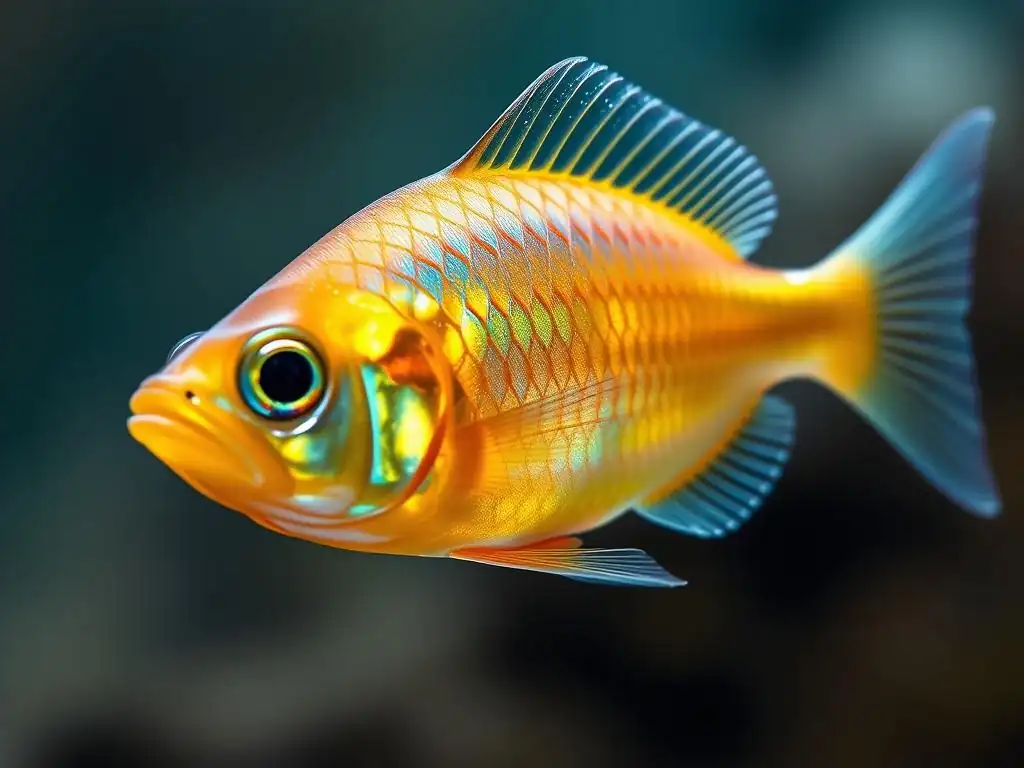
The true Golden Tetra, Hemigrammus rodwayi, is a distinct species native to the Amazon and Guiana Shield regions of South America, particularly found in slow-moving tributaries and blackwater environments. Its coloration is a consistent, subtle golden-yellow or brassy hue that is integrated into its body, rather than appearing as a surface sheen. This natural pigmentation is uniform across its body, without the patchy or overly metallic appearance often associated with guanine buildup in other species.
Aquarists seeking to acquire Hemigrammus rodwayi should look for fish with this characteristic, understated golden body color, often complemented by a clear or slightly amber caudal fin and sometimes a small, faint dark spot at the base of the tail. They typically reach a size of about 1.5 to 2 inches (3.8 to 5 cm) in length. Their appearance is one of natural elegance, a direct contrast to the sometimes startling reflectivity of guanine-laden common tetras.
Key Characteristics of Hemigrammus rodwayi: Fins, Body Shape, and Behavior
Beyond its inherent golden coloration, Hemigrammus rodwayi possesses several identifying features. It has a slender, torpedo-shaped body typical of many tetra species, with a slightly deeper body profile than some of its relatives. Its fins are generally clear or translucent, though some individuals may exhibit a faint reddish tint, particularly on the caudal (tail) fin. Unlike some other tetras, H. rodwayi does not typically display prominent spots or stripes on its body, relying instead on its uniform golden hue for camouflage and display.
Behaviorally, true Golden Tetras are peaceful schooling fish, thriving when kept in groups of six or more. They are active swimmers, preferring the middle and upper levels of the aquarium, and exhibit typical tetra schooling behavior, moving cohesively throughout the tank. This consistent behavior and their stable, genetic coloration are key indicators that differentiate them from other tetras exhibiting a temporary golden tetra guanine buildup.
Guanine Buildup: A Temporary Cosmetic Change
In contrast to the permanent, genetic coloration of Hemigrammus rodwayi, the golden sheen caused by guanine buildup in other tetra species is largely a temporary and cosmetic phenomenon. This reflective layer often appears as an overly metallic, silvery, or brassy overlay on the fish's scales, sometimes looking like fine glitter or a thin coat of metallic paint. It can be uneven, appearing patchier on some areas of the body than others, and its intensity can fluctuate based on lighting conditions and the fish's overall health.
Crucially, this condition is not a true species characteristic but an acquired trait, frequently indicative of environmental stressors. Unlike a true Golden Tetra's coloration, the appearance of significant golden tetra guanine buildup can often be reduced or even reversed through improvements in water quality, diet, and stress reduction. This reversibility underscores its nature as a physiological response rather than an inherent genetic trait.
Factors Contributing to Guanine Deposition in Tetras
Water Chemistry and its Role in Guanine Accumulation
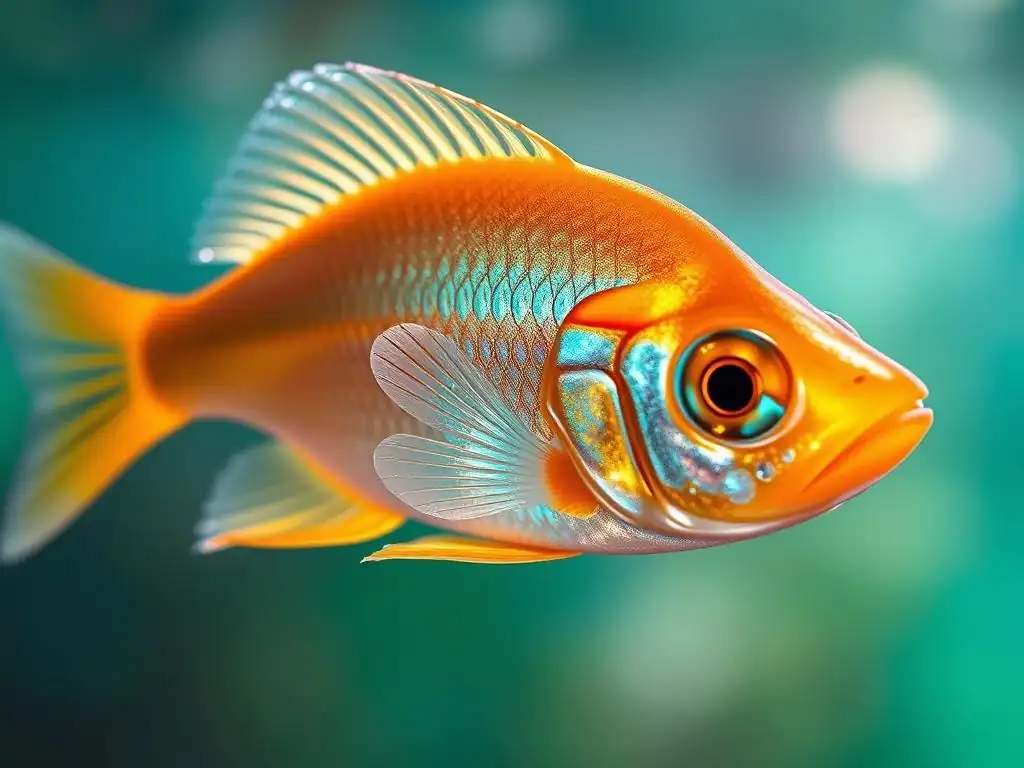
Suboptimal water chemistry is a primary catalyst for golden tetra guanine buildup. When fish are subjected to poor water conditions, their physiological systems come under stress, which can manifest in various ways, including altered metabolism and the increased visibility of guanine crystals. High levels of nitrates, often exceeding 20 ppm, are a common culprit, as are fluctuating pH levels outside the ideal range for tetras (typically pH 6.0-7.5). Ammonia and nitrite, even in trace amounts (ideally 0 ppm), are acutely toxic and can rapidly induce stress responses.
For example, a sudden pH crash from 7.0 to 6.0, or a prolonged period with nitrate levels climbing towards 40 ppm, can significantly stress tetras, leading to a more pronounced metallic sheen. This is the fish's way of signaling distress, as their internal systems are working harder to maintain homeostasis in an unhealthy environment. Consistent water parameters and regular water changes are essential to prevent this stress-induced guanine accumulation.
Diet and its Influence on Tetra Appearance
The nutritional content of a tetra's diet plays a significant role in its overall health and appearance, including the propensity for golden tetra guanine buildup. A diet lacking essential vitamins, minerals, or a balanced protein-to-fat ratio can lead to deficiencies that compromise a fish's immune system and metabolic functions. When a fish is undernourished or receiving a monotonous diet of low-quality flakes, its body may struggle to maintain optimal cell health, potentially leading to an increase in visible guanine deposits.
For instance, feeding only a single type of dry flake food without supplementation can deprive tetras of critical micronutrients. Incorporating high-quality flakes, micro-pellets, and occasional live or frozen foods like brine shrimp, daphnia, or bloodworms, ensures a broader spectrum of nutrients. A well-fed fish is more robust, less susceptible to stress, and less likely to exhibit excessive guanine buildup, showcasing its natural, vibrant coloration instead.
Stress and its Impact on Tetra Health and Appearance
Stress, whether from environmental factors, aggressive tank mates, or improper handling, profoundly impacts a tetra's health and can directly contribute to golden tetra guanine buildup. When fish are stressed, their bodies release hormones that can alter their metabolism and immune response. Chronic stress can suppress the immune system, making fish more susceptible to diseases and causing their natural coloration to dull or, conversely, trigger an exaggerated reflective appearance due to guanine.
Overcrowding is a common stressor; a 10-gallon tank housing 15 tetras, for example, will lead to constant competition for space and resources, elevating stress levels. Similarly, pairing peaceful tetras with nippy or aggressive species can cause continuous anxiety. Maintaining appropriate stocking densities, providing ample hiding spots, ensuring stable lighting cycles, and avoiding sudden loud noises or movements around the tank are crucial steps to minimize stress and prevent stress-related guanine issues.
Recognizing and Addressing Guanine Buildup in Your Tetra Tank
Visual Cues: How to Differentiate Guanine from a True Golden Coloration
Distinguishing golden tetra guanine buildup from the natural coloration of a true Golden Tetra ( Hemigrammus rodwayi) requires careful observation. Guanine buildup typically appears as a metallic, reflective sheen that often looks like fine glitter or a silver/brass overlay on the fish's scales. This sheen can be patchy or unevenly distributed across the body and may appear more pronounced under direct or specific lighting angles. It often gives the fish an almost "painted" or "plated" appearance, rather than a deep, integrated color.
In contrast, Hemigrammus rodwayi possesses a uniform, subtle golden-yellow hue that is part of its actual skin and scale pigmentation. This color is consistent, not patchy, and does not have the stark metallic reflectivity of excessive guanine. If the "golden" color fluctuates in intensity, appears only on certain parts of the body, or looks excessively shiny, it is highly likely to be guanine buildup rather than a true species coloration.
Monitoring Water Parameters to Prevent Guanine Deposits
Proactive management of water parameters is the most effective way to prevent and mitigate golden tetra guanine buildup. Regular testing for ammonia, nitrite, and nitrate is paramount. Ammonia and nitrite should always be at 0 ppm. Nitrate levels should be kept below 20 ppm, ideally closer to 10 ppm, through consistent water changes. pH and hardness (GH, KH) should be stable and within the preferred range for the specific tetra species being kept; for most common tetras, a pH between 6.0 and 7.5 and GH of 3-10 dGH is suitable.
For instance, if your nitrate levels consistently creep above 20 ppm despite weekly water changes, consider increasing the frequency or volume of changes (e.g., 30-40% twice a week) or improving filtration. Using a reliable liquid test kit provides accurate readings, allowing aquarists to identify and correct imbalances before they lead to noticeable guanine issues and stress in their fish.
Dietary Adjustments to Minimize Guanine Accumulation
Optimizing your tetra's diet is another crucial step in addressing golden tetra guanine buildup. A high-quality, varied diet ensures that fish receive all necessary nutrients to maintain optimal health and prevent stress-related physiological responses. Begin by feeding a premium flake or micro-pellet food as the staple, ensuring it lists fish meal or other quality protein sources as the primary ingredients.
Supplement this staple diet with diverse live or frozen foods several times a week. Options like brine shrimp, daphnia, bloodworms, and mysis shrimp provide essential proteins, fats, and micronutrients often lacking in dry foods. For example, offering frozen daphnia twice a week can significantly boost a tetra's nutritional intake. Avoid overfeeding, as uneaten food decomposes and pollutes the water, exacerbating conditions that lead to guanine buildup. Feed small amounts that can be consumed within 2-3 minutes, two to three times a day.
Caring for True Golden Tetras (Hemigrammus rodwayi)
Optimal Tank Conditions for Hemigrammus rodwayi
Providing optimal tank conditions is vital for the health and vibrancy of Hemigrammus rodwayi. These true Golden Tetras thrive in a well-established freshwater aquarium that mimics their natural South American habitat. A minimum tank size of 10-20 gallons (approximately 38-76 liters) is recommended for a small school of 6-8 individuals. The water should be soft to moderately hard, with a general hardness (GH) between 3-10 dGH, and slightly acidic to neutral pH, ideally ranging from 6.0 to 7.5.
Temperature should be maintained consistently between 72-78°F (22-26°C). Aquascaping should include densely planted areas, especially with broad-leafed plants like Anubias or Java Fern, to provide hiding spots and security. Driftwood and leaf litter can also be added to release tannins, creating a beneficial blackwater environment which they naturally inhabit. Open swimming spaces are also essential for their schooling behavior.
Hemigrammus rodwayi Diet and Feeding Habits
Hemigrammus rodwayi are omnivores with a hearty appetite, readily accepting a variety of foods. Their diet should consist primarily of high-quality flake or micro-pellet foods designed for tropical fish, which provide essential vitamins and minerals. These should be offered as a staple, fed in small amounts two to three times daily, only what they can consume within a few minutes to prevent overfeeding and water quality issues.
To ensure a balanced diet and promote optimal health and coloration, it is crucial to supplement their dry food with live or frozen options a few times per week. Excellent choices include brine shrimp, daphnia, bloodworms, and small insect larvae. These protein-rich supplements mimic their natural diet and provide vital nutrients that enhance their immune system and overall vitality, contributing to their natural golden hue.
Hemigrammus rodwayi Temperament and Tank Mates
True Golden Tetras are peaceful and shy schooling fish, making them excellent candidates for community aquariums. They are best kept in groups of at least six, but preferably ten or more, to reduce stress and allow them to display their natural schooling behaviors. When kept in insufficient numbers, they can become timid and stressed, which may affect their coloration and activity levels.
Ideal tank mates for Hemigrammus rodwayi include other small, peaceful community fish that share similar water parameter requirements. Good companions might include other small tetra species (e.g., Neon Tetras, Ember Tetras), Rasboras, Corydoras catfish, Otocinclus catfish, and peaceful dwarf cichlids like German Blue Rams. Avoid housing them with large, aggressive, or fin-nipping species, as their peaceful nature makes them vulnerable to bullying and stress, which could lead to visible golden tetra guanine buildup as a symptom of poor conditions.
Preventing and Treating Guanine Buildup: A Proactive Approach
Regular Water Changes and Filtration
The cornerstone of preventing and treating golden tetra guanine buildup lies in consistent, high-quality water maintenance. Regular water changes are critical for diluting and removing nitrates, phosphates, and other dissolved organic compounds that accumulate in the aquarium and can stress fish. A weekly water change of 25-30% of the tank volume is generally recommended for most community tanks. For example, in a 20-gallon tank, this would mean changing 5-6 gallons of water weekly.
Alongside water changes, robust filtration is essential. A good filtration system should include mechanical filtration to remove particulate matter (like uneaten food and fish waste), biological filtration to convert harmful ammonia and nitrite into less toxic nitrate, and chemical filtration (such as activated carbon) to remove dissolved organics and odors. A well-maintained filter keeps the water crystal clear and chemically stable, significantly reducing environmental stressors that contribute to golden tetra guanine buildup.
Maintaining a Balanced Aquarium Ecosystem
A balanced aquarium ecosystem is a thriving one, and it is key to preventing golden tetra guanine buildup. This balance is achieved through careful attention to several factors: proper stocking levels, appropriate plant density, and consistent maintenance routines. Overstocking is a common error; for example, trying to house 20 adult tetras in a 10-gallon tank will inevitably lead to increased waste, higher nitrate levels, and chronic stress for the fish. A general guideline is one inch of fish per gallon for smaller species, though this is a rough estimate and should be adjusted for fish activity and waste production.
Live plants play a crucial role in absorbing nitrates and providing natural filtration, contributing to cleaner water and a more stable environment. Regular substrate vacuuming removes trapped detritus, preventing anaerobic pockets and further reducing waste buildup. By ensuring that the tank's biological processes are in harmony and that fish are not overcrowded, aquarists can create a stable, low-stress environment where guanine buildup is far less likely to occur.
Addressing Specific Diseases Linked to Guanine Buildup
While golden tetra guanine buildup itself is not a disease, its appearance can sometimes be a symptom or an exacerbated condition in fish suffering from underlying health issues or chronic stress. Fish weakened by bacterial infections, internal parasites, or other illnesses may exhibit a more pronounced or unusual guanine sheen as their bodies struggle to cope. For example, a fish with a persistent bacterial infection might show a dull appearance overall, but specific patches of scales could become overly reflective due to guanine.
If golden tetra guanine buildup is observed in conjunction with other signs of illness, such as clamped fins, lethargy, loss of appetite, or visible lesions, it is crucial to address the underlying disease. This might involve quarantining the affected fish and administering appropriate medication based on a proper diagnosis. Proactive measures like quarantining all new fish for at least two to three weeks before introducing them to the main display tank can prevent the introduction and spread of pathogens that could lead to such symptoms.
Common Misconceptions about "Golden" Tetras
Debunking Myths about Guanine Buildup
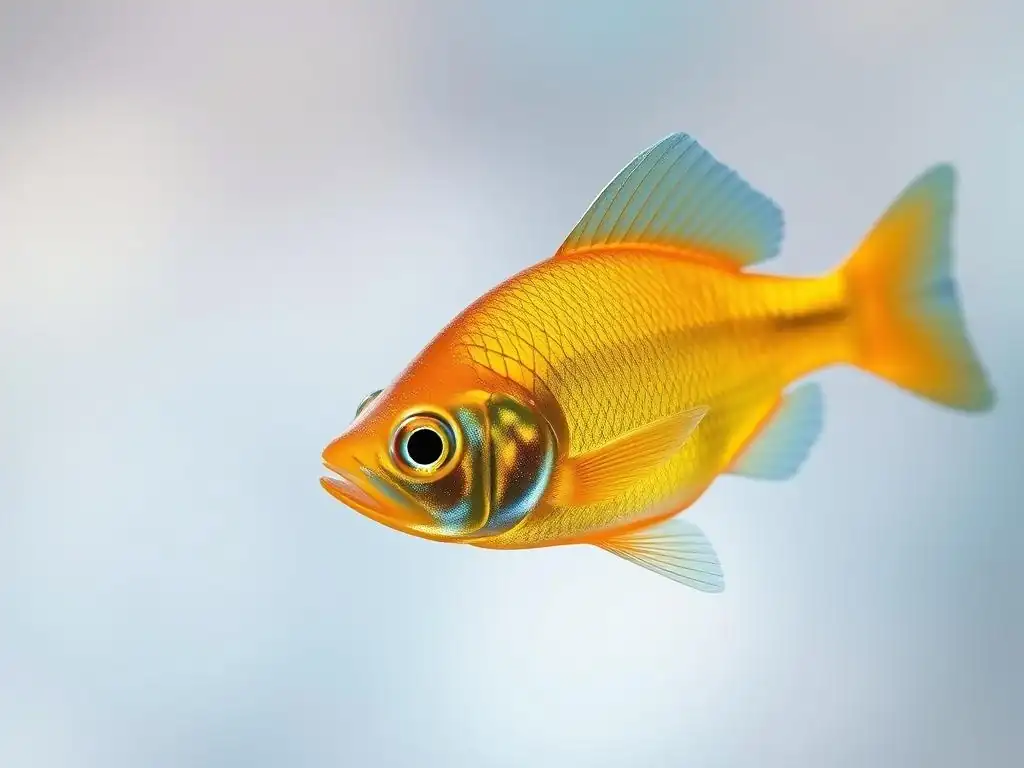
Several misconceptions surround the "golden" appearance in tetras, particularly regarding golden tetra guanine buildup. One common myth is that a fish exhibiting a strong metallic gold sheen is exceptionally healthy or a rare, highly desirable variant. In reality, as discussed, an exaggerated golden tetra guanine buildup is often a sign of stress or suboptimal conditions, indicating that the fish's environment or diet needs improvement. It's a physiological response, not necessarily a marker of peak health.
Another myth is that all "golden tetras" are the same species or a single genetic mutation. This is incorrect. While Hemigrammus rodwayi is a true, naturally golden species, many other tetras displaying a metallic gold sheen are common species like Black Skirt Tetras or Serpae Tetras that are reacting to their environment. These fish are not genetically "golden" but are temporarily exhibiting increased guanine visibility. Understanding this distinction is key to proper care and appreciation of these fish.
Understanding Genetic Variations vs. Environmental Factors
The core of the "Golden" Tetra phenomenon lies in differentiating between true genetic variations and environmentally induced physiological responses. Hemigrammus rodwayi is a prime example of a true genetic variation; its golden coloration is an inherent part of its species' genetic code, passed down through generations. This color is stable, uniform, and does not fluctuate dramatically with minor changes in water parameters or diet.
Conversely, the golden tetra guanine buildup seen in other species is primarily an environmental or physiological phenomenon. It is not a fixed genetic trait for that specific coloration but rather a manifestation of the fish's internal state influenced by external factors like water quality, diet, and stress. While some genetic predisposition for guanine production exists in all fish, its excessive or visible accumulation is usually a signal from the environment. This distinction is vital for aquarists to correctly diagnose issues and provide appropriate care.
Conclusion: Appreciating the Beauty of Tetras, Golden or Otherwise
Maintaining a Healthy and Vibrant Tetra Community
Whether you are keeping the truly golden Hemigrammus rodwayi or other tetra species that may occasionally exhibit golden tetra guanine buildup, the fundamental principles of aquarium husbandry remain paramount. A healthy and vibrant tetra community is built upon consistent care, meticulous water parameter management, and a balanced, nutritious diet. Providing a stable environment, free from undue stress, allows all tetras to display their most natural and beautiful colors, whether they are the subtle gold of H. rodwayi, the shimmering iridescence of a Neon Tetra, or the deep reds of a Serpae.
Regular monitoring of water quality, performing consistent water changes, and ensuring your filtration system is robust are non-negotiable aspects of preventing issues like guanine buildup. By observing your fish closely and understanding their behaviors, you can proactively address any signs of stress or illness, ensuring their long-term well-being and allowing their inherent beauty to shine through.
Further Resources for Tetra Care and Identification
The world of tetras is incredibly diverse and fascinating, offering a wide array of species with unique characteristics and care requirements. To deepen your understanding of specific tetra species, their optimal tank conditions, dietary needs, and compatibility with other fish, exploring detailed species profiles is highly recommended. Understanding the nuances of individual species, beyond general tetra care, can greatly enhance your success and enjoyment in the hobby.
For those keen on distinguishing between true species and environmental manifestations like golden tetra guanine buildup, continuous learning and careful observation are key. Resources that provide in-depth information on fish anatomy, physiology, and common aquarium issues can equip aquarists with the knowledge needed to identify and address problems effectively, fostering a thriving aquatic environment.
Frequently Asked Questions
What exactly are guanine deposits on Golden Tetras, and why do they sometimes appear?
Guanine deposits are natural crystalline waste products that can accumulate on the skin of some fish, including Golden Tetras. They often appear due to water quality issues or stress within the aquarium environment.
How can I differentiate between guanine buildup and a disease affecting my Golden Tetra?
Guanine deposits typically appear as shimmering, crystalline patches, while diseases often present with other symptoms like fin rot, fuzzy growths, or abnormal behavior. Observe your fish closely for any accompanying signs of illness.
What water parameters are most important to maintain to prevent guanine buildup in Golden Tetras?
Maintaining stable and pristine water quality is crucial. Regularly test and adjust parameters like ammonia, nitrite, and nitrate levels, and perform frequent water changes.
Is guanine buildup always a sign of a serious problem with my Golden Tetra or my aquarium?
Not necessarily, but it's a warning sign to investigate potential issues. It could indicate stress from poor water conditions, overcrowding, or other environmental factors.
What are some steps I can take to help my Golden Tetra recover from guanine buildup?
Improve water quality through more frequent water changes and better filtration. Ensure proper tank size and compatible tank mates to reduce stress on your Golden Tetra.
Final Reflection: Unveiling Beauty Beneath the Surface
The exploration of the "Golden" Tetra phenomenon, as we've seen, goes beyond mere aesthetics; it delves into the very nature of perception and the importance of scientific accuracy. The distinction between guanine buildup and true species variation highlights a crucial lesson in critical observation, reminding us that appearances can be deceiving and that deeper investigation is often required to understand the true essence of things, both in the aquarium and beyond.
This phenomenon, seemingly confined to the world of aquariums, mirrors broader societal trends where superficial judgments often overshadow genuine understanding. My own fascination with this topic stems from a belief that appreciating the nuances of nature, even in something as small as a fish, fosters a greater respect for the complexities of the world around us. The important thing is to never stop questioning.
- Albert Einstein. This quote resonates deeply, urging us to constantly challenge our assumptions and seek a more profound understanding of the phenomena we encounter.
As we conclude this exploration of the "Golden" Tetra and its guanine buildup, I invite you to reflect on the lessons learned. Consider how you might apply a similar lens of critical observation to other aspects of your life. Are there "golden" facades that obscure deeper truths? Are you willing to look beyond the surface to uncover the genuine beauty and complexity that lies beneath? Let the "Golden" Tetra serve as a reminder to question, explore, and appreciate the true nature of things, fostering a more informed and nuanced perspective on the world.
Thanks for diving into the shimmering world of "golden" tetras! We hope you’ve found clarity in distinguishing guanine deposits from true species and are ready to elevate your aquarium game. Now, let's turn that knowledge into action.
- Boldly Observe: Closely examine your tetras today using a magnifying glass to confirm the presence of guanine deposits. Note your findings – are they widespread or isolated?
- Share your observations! Post a picture or video of your tetras on our Aquarium Mastery forum and ask for a second opinion from fellow enthusiasts. Let’s learn together!
- Consider a surprising action: Create a "fish journal" specifically for tracking changes in your fish's appearance over time. You will be surprised how fast you see changes!
What fascinating details did you discover while observing your tetras today? Share in the comments!