
Shell Dweller Tank Maintenance: A Simple Routine for Healthy Fish

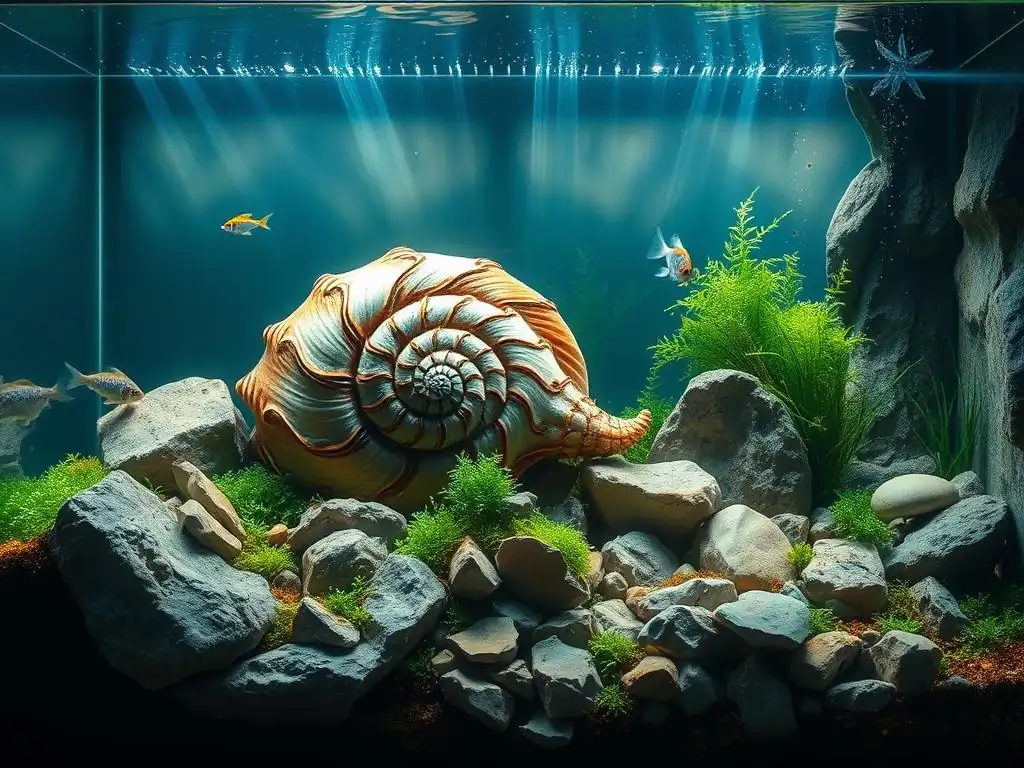
Welcome to Aquarium Mastery!
Ever wondered how to keep your Shell Dweller aquarium thriving, showcasing those fascinating behaviors and vibrant colors? Dive in! This guide unveils a simple yet effective Shell Dweller aquarium maintenance routine that will not only keep your fish healthy and happy but also unlock the secrets to creating a truly captivating underwater world. Intrigued? Let's get started!
- Understanding Shell Dweller Aquarium Needs
- A Simple Shell Dweller Aquarium Maintenance Routine
- Maintaining Optimal Water Chemistry for Shell Dwellers
- Feeding Your Shell Dwellers: A Balanced Diet
- Preventing and Addressing Common Shell Dweller Tank Issues
- Breeding Shell Dwellers
- Troubleshooting Shell Dweller Aquarium Problems
- Conclusion: Ensuring a Healthy and Vibrant Shell Dweller Aquarium
-
Frequently Asked Questions
- What exactly are Shell Dwellers and why do they need a specific maintenance routine?
- How often should I perform water changes in my Shell Dweller aquarium?
- What are the key water parameters I need to monitor for a Shell Dweller tank?
- How important is the substrate and shell arrangement for Shell Dwellers?
- What are some common problems that can arise in a Shell Dweller tank, and how can I prevent them?
- Final Reflection: Cultivating Thriving Shell Dweller Habitats
- Empower Your Shell Dweller Aquarium Today!
Understanding Shell Dweller Aquarium Needs
The Unique Requirements of Shell Dwelling Cichlids
Shell dwelling cichlids, often simply called "shell dwellers," are a fascinating group of fish native to Lake Tanganyika in East Africa. Their name perfectly describes their primary habitat: the empty shells of Neothauma tanganyicense snails that litter the lakebed. This unique lifestyle dictates their specific needs in an aquarium environment, distinguishing them from many other freshwater species. Species like Neolamprologus multifasciatus (Multies) or Lamprologus ocellatus (Ocellatus) typically reach adult sizes of 1.5 to 2.5 inches, making them suitable for smaller aquarium setups, though their social structures require careful consideration for tank size.
Their natural behavior involves extensive digging, moving sand to create burrows around and within their chosen shells, which serve as shelters, breeding sites, and territorial markers. This means a fine, soft substrate is not just recommended but essential for their well-being. Furthermore, while many cichlids are known for aggression, shell dwellers often display a unique form of territoriality focused on their shell and immediate surroundings, rather than widespread tank dominance. Understanding these innate behaviors is the foundation for establishing an effective Shell Dweller aquarium maintenance routine.
Importance of Water Parameters for Shell Dweller Health
The water chemistry of Lake Tanganyika is remarkably stable, hard, and alkaline, and replicating these conditions is paramount for the long-term health and vibrancy of shell dwellers. Ideal parameters include a pH range of 7.8 to 9.0, with many successful aquarists aiming for 8.2 to 8.6. The general hardness (GH) should be between 10-20 dGH, and carbonate hardness (KH) between 10-18 dKH.
Temperatures should be maintained consistently between 75-80°F (24-27°C). Fluctuations in these parameters, especially sudden drops in pH or temperature, can cause severe stress, suppress the immune system, and make the fish susceptible to diseases like bloat or Ich.
Maintaining these precise and stable conditions is a core component of any effective Shell Dweller aquarium maintenance routine. Regular testing and appropriate adjustments are necessary to prevent the accumulation of harmful nitrates and to ensure the water remains within the optimal range. For instance, a pH crash from 8.5 to 7.0 due to neglected water changes or inadequate buffering capacity can be fatal to these sensitive fish, highlighting the critical role of consistent water quality management.
Substrate and Shell Selection for a Thriving Shell Dweller Tank
The choice of substrate and shells is perhaps the most defining aspect of a shell dweller aquarium setup, directly influencing their natural behaviors and overall welfare. A fine, soft sand substrate, such as play sand or aragonite sand, is indispensable. It should be at least 2-3 inches deep to allow for their extensive digging and re-sculpting of the tank floor. Coarse gravel or sharp substrates can injure their delicate mouths and fins as they sift through the sand, and also prevent them from performing their natural burrowing behaviors, leading to stress.
Regarding shells, the more, the merrier. While Neothauma shells are their natural choice, readily available escargot shells, turbo snail shells, or even small decorative ceramic shells can serve as excellent substitutes.
It's crucial to provide more shells than fish, typically aiming for 2-3 shells per fish, to offer ample hiding spots, breeding sites, and territorial options, which helps disperse aggression. For example, a colony of 10 N. multifasciatus might thrive with 20-30 appropriately sized shells scattered across the sandy bottom, creating a complex, naturalistic environment that reduces stress and encourages breeding, making it a vital part of a complete Shell Dweller aquarium maintenance routine.
A Simple Shell Dweller Aquarium Maintenance Routine
Daily Checks: Observing Your Shell Dwellers
A successful Shell Dweller aquarium maintenance routine begins with daily observation. Each day, take a few minutes to visually inspect your shell dwellers. Look for any changes in behavior, such as lethargy, erratic swimming, clamped fins, or a refusal to eat. Healthy shell dwellers are typically active, displaying natural digging behaviors, interacting with their shells, and eagerly responding to feeding time. Pay attention to their coloration; a loss of vibrant color can be an early indicator of stress or illness.
Beyond the fish themselves, quickly check the tank's overall status. Verify the water level, topping off with dechlorinated, temperature-matched water if evaporation has occurred. Ensure the heater is functioning correctly and the temperature gauge displays the optimal range of 75-80°F (24-27°C). A quick scan for any visible equipment malfunctions, like a noisy filter or a leaking connection, can prevent larger problems. This proactive daily check allows for early detection of issues, enabling prompt intervention before minor problems escalate into serious health crises for your shell dwellers.
Weekly Water Changes: Maintaining Water Quality in Your Shell Dweller Tank
Weekly water changes are the cornerstone of any effective Shell Dweller aquarium maintenance routine, especially given their sensitivity to accumulating nitrates and their need for stable water parameters. Regular water changes dilute harmful waste products, replenish essential minerals, and help maintain the stable pH and hardness levels characteristic of their natural habitat. Skipping or delaying these changes can lead to a gradual decline in water quality, causing chronic stress and increasing susceptibility to disease.
While a daily top-off addresses evaporation, it does not remove dissolved waste products. Only a consistent water change schedule can effectively manage nitrate levels, which should ideally be kept below 20 ppm for shell dwellers. For instance, in a 20-gallon shell dweller tank, a 25-30% weekly water change removes approximately 5-6 gallons of water, significantly reducing nitrate concentrations and ensuring a healthier environment for your fish.
How Much Water to Change in a Shell Dweller Tank?
For most established shell dweller aquariums with a moderate stocking level, a weekly water change of 25-30% is generally recommended. This percentage is sufficient to keep nitrate levels in check without causing drastic shifts in water chemistry that could stress the fish. For example, if you have a 30-gallon tank, changing 7.5 to 9 gallons weekly would be appropriate. In cases of higher bioloads, such as a densely populated breeding colony or a tank with larger shell dweller species, increasing the weekly change to 35-40% might be beneficial.
The key is consistency. A smaller, regular water change is far more effective and less stressful for the fish than infrequent, large-volume changes. For instance, changing 25% weekly is superior to changing 50% bi-weekly, as it maintains more stable water parameters over time. Always monitor your nitrate levels with a test kit; if they consistently rise above 20 ppm before your next scheduled water change, consider increasing the volume or frequency of your changes.
Preparing Water for Shell Dweller Aquariums
Proper water preparation is critical when performing water changes as part of your Shell Dweller aquarium maintenance routine. Always use a high-quality water conditioner or dechlorinator to neutralize chlorine and chloramines present in tap water, which are highly toxic to fish and beneficial bacteria. Beyond dechlorination, it's crucial to match the temperature of the new water to the tank water as closely as possible, ideally within 1-2°F (0.5-1°C), to prevent temperature shock, which can severely stress shell dwellers and compromise their immune system.
For aquarists whose tap water is naturally soft or acidic, it may be necessary to buffer the new water to match the hard, alkaline conditions required by shell dwellers. Products specifically designed for Tanganyikan cichlids, such as Tanganyika buffer salts, can be used to raise and stabilize pH, GH, and KH.
Always pre-mix any buffering agents thoroughly in the new water before adding it to the tank, and test the parameters of the prepared water to ensure it aligns with your target values before introduction. This meticulous approach to water preparation minimizes stress and supports the long-term health of your shell dwellers.
Monthly Maintenance Tasks for Shell Dweller Tanks
While daily checks and weekly water changes form the backbone of a Shell Dweller aquarium maintenance routine, several crucial tasks should be performed on a monthly basis to ensure the long-term health and stability of the aquarium. These less frequent but equally important activities address aspects that accumulate or degrade over time, such as substrate detritus and filter efficiency. Integrating these into your routine helps prevent issues before they become problematic, contributing to a consistently healthy environment for your shell dwellers.
These monthly tasks focus on deeper cleaning and equipment inspection, ensuring that all components of the aquatic ecosystem are functioning optimally. Neglecting these can lead to a gradual decline in water quality, reduced filtration efficiency, and an accumulation of organic waste, all of which can negatively impact the delicate balance required for shell dweller well-being. A systematic approach to these monthly tasks reinforces the overall effectiveness of your Shell Dweller aquarium maintenance routine.
Cleaning the Substrate in a Shell Dweller Aquarium
Although shell dwellers are constant diggers, naturally sifting and aerating the sandy substrate, waste can still accumulate in less disturbed areas, particularly beneath shells or around decorations. Monthly, perform a light gravel vacuuming of the open sand areas. Avoid deep vacuuming the entire substrate at once, as this can disrupt the beneficial bacteria colonies that reside within the sand and process waste. Instead, focus on areas where food might settle or where detritus is visibly accumulating.
When vacuuming near shells, be gentle to avoid disturbing the fish or collapsing their burrows. Shell dwellers often create intricate tunnels and depressions, and over-aggressive cleaning can destroy these structures, causing stress. A good practice is to gently skim the surface of the sand, allowing the vacuum to pick up loose debris without disturbing the deeper layers. This targeted approach helps maintain substrate cleanliness while preserving the biological integrity of the tank, a key element of a thorough Shell Dweller aquarium maintenance routine.
Inspecting and Maintaining Filtration for Shell Dwellers
Filtration is paramount for maintaining excellent water quality in a shell dweller tank, and monthly inspection and maintenance are essential for its optimal performance. During your monthly routine, check your filter's flow rate; a reduced flow often indicates clogged mechanical media. Rinse filter sponges or mechanical media (such as filter floss) in a bucket of old tank water siphoned during a water change. Never rinse them under tap water, as the chlorine can kill beneficial bacteria.
If you use chemical filtration media like activated carbon, it typically needs to be replaced every 3-4 weeks as its adsorptive capacity becomes exhausted. Inspect the filter's impeller and tubing for any blockages, debris, or signs of wear. A clean and efficient filter ensures proper biological, mechanical, and chemical filtration, preventing the buildup of ammonia, nitrite, and nitrate, which is critical for a stable Shell Dweller aquarium maintenance routine.
Evaluating and Adjusting Shell Dweller Tank Decorations
Monthly, take time to evaluate and, if necessary, adjust the decorations in your shell dweller tank, primarily the shells themselves. Check each shell for integrity; sometimes, shells can develop sharp edges over time, which could potentially injure your fish. Remove any broken or questionable shells and replace them with new, clean ones. Ensure all shells are stable and won't shift unexpectedly, which could trap a fish or collapse a burrow.
Consider rearranging some of the shells to break up established territories or to offer new exploration opportunities for your fish. Shell dwellers are highly territorial, and occasionally shifting their environment can help redistribute aggression or encourage new breeding pairs to form. Also, inspect any other tank decorations for excessive algae buildup or for areas where detritus might be accumulating. A quick scrub can remove unsightly algae and ensure that all surfaces are clean and safe, contributing to the overall aesthetic and health of your Shell Dweller aquarium maintenance routine.
Maintaining Optimal Water Chemistry for Shell Dwellers
Testing Water Parameters: pH, Ammonia, Nitrite, and Nitrate
Regular and accurate water testing is an indispensable part of any effective Shell Dweller aquarium maintenance routine. For shell dwellers, it's crucial to regularly monitor pH, ammonia, nitrite, and nitrate levels. Ammonia and nitrite should always read zero. Any detectable levels indicate an issue with the nitrogen cycle, often due to overfeeding, overstocking, or an immature filter. Nitrates, the end product of the nitrogen cycle, should be kept below 20 ppm for optimal fish health.
pH is equally critical, ideally maintained between 8.2 and 8.6 for Tanganyikan cichlids. Consistent monitoring, at least weekly, allows you to identify trends and address potential issues before they become life-threatening. For example, a sudden drop in pH from 8.4 to 7.5 could signify a lack of buffering capacity or an accumulation of acids from organic waste, necessitating immediate action such as a partial water change or the addition of buffering agents. Using a reliable liquid test kit, rather than test strips, provides more accurate readings, empowering you to make informed decisions for your shell dweller's environment.
Adjusting pH Levels in Your Shell Dweller Tank
Maintaining the precise and stable alkaline pH required by shell dwellers (ideally 8.2-8.6) can be challenging if your source water is naturally soft or acidic. If your pH consistently drops below 7.8, or fluctuates significantly, adjustments are necessary. The safest and most effective way to raise and stabilize pH in a shell dweller tank is through the use of buffering agents specifically designed for Tanganyikan cichlids, such as commercially available Tanganyika buffer salts. These products not only raise the pH but also increase the carbonate hardness (KH), providing essential buffering capacity that resists pH swings.
Avoid using harsh chemicals like "pH up" products that can cause rapid and dangerous pH fluctuations, stressing the fish. Instead, add buffers gradually, preferably to your new water during weekly water changes, allowing for a slow and steady adjustment. For instance, if your tap water has a pH of 7.0 and you aim for 8.4, you would add the recommended amount of buffer to your new water and test it before adding it to the tank. Consistent application as part of your Shell Dweller aquarium maintenance routine will help create the stable, high-pH environment these fish need to thrive.
Managing Hardness (GH and KH) for Tanganyikan Cichlids
General Hardness (GH) and Carbonate Hardness (KH) are vital water parameters for shell dwellers, as they reflect the mineral content and buffering capacity of the water, respectively. Lake Tanganyika is known for its very hard water, with GH levels typically ranging from 10-20 dGH and KH from 10-18 dKH. These minerals are essential for fish osmoregulation, bone development, and overall metabolic function. KH, in particular, is crucial because it acts as a "pH buffer," preventing drastic pH drops by neutralizing acids produced during the nitrogen cycle and organic decomposition.
If your tap water is soft (low GH and KH), you will need to supplement these minerals. Aragonite sand, used as a substrate, can naturally contribute to hardness over time due to its calcium carbonate content. Alternatively, specific mineral salts designed for Tanganyikan cichlids can be added during water changes to maintain target GH and KH levels.
Regularly testing both GH and KH ensures that your water has sufficient mineral content and buffering capacity, preventing the stressful pH swings that can undermine even the most diligent Shell Dweller aquarium maintenance routine. For instance, if your tap water has a KH of 4 dKH, adding a Tanganyika buffer can elevate it to a more stable 10-12 dKH, providing robust pH stability.
Feeding Your Shell Dwellers: A Balanced Diet
Choosing the Right Food for Shell Dwelling Cichlids
Selecting the appropriate diet is a crucial aspect of a comprehensive Shell Dweller aquarium maintenance routine. Shell dwellers are primarily micro-predators and omnivores in their natural habitat, feeding on small invertebrates, crustaceans, and algae found in the substrate. Therefore, their aquarium diet should reflect this, offering a mix of high-quality protein and some vegetable matter. Flake foods and small pellets formulated for cichlids or omnivorous fish make excellent staples, provided they are small enough for their mouths.
Look for foods with a protein content generally above 35-40%. Good options include Hikari Cichlid Excel (small pellets), New Life Spectrum Cichlid Formula (small pellets), or high-quality tropical flakes like Omega One. Avoid generic goldfish or bottom feeder foods, which often lack the necessary protein and nutrient profile for active cichlids. Supplementing with frozen foods like brine shrimp, mysis shrimp, or daphnia, which are rich in protein and easily digestible, can greatly enhance their diet and provide essential variety.
Feeding Frequency and Portion Sizes for Shell Dwellers
Proper feeding frequency and portion sizes are vital to prevent overfeeding, which can lead to poor water quality and health issues. Shell dwellers have small stomachs and a relatively fast metabolism, so it's generally best to feed them small amounts multiple times a day rather than one large meal. Two to three small feedings per day are ideal, providing just enough food that they can consume entirely within 1-2 minutes. This minimizes uneaten food decaying in the tank, which is a common cause of ammonia and nitrate spikes.
Overfeeding is a significant contributor to poor water quality and can lead to issues like bloat, a serious and often fatal condition in cichlids. A good rule of thumb is to start with a tiny pinch of flakes or 3-5 small pellets per fish, observing how quickly they consume it. If there's food left on the substrate after two minutes, you're feeding too much. Adjusting feeding habits based on observation is a key part of maintaining a healthy Shell Dweller aquarium maintenance routine.
Supplementing Your Shell Dweller's Diet
While high-quality flakes and pellets form the foundation of a shell dweller's diet, supplementing with a variety of other foods can significantly enhance their health, coloration, and breeding activity. Frozen foods like brine shrimp, mysis shrimp, daphnia, and cyclops are excellent choices. Brine shrimp and daphnia are particularly good for smaller species or fry, providing essential proteins and roughage. Mysis shrimp are richer in nutrients and often eagerly accepted by adult shell dwellers.
Live foods, such as newly hatched brine shrimp, are also highly beneficial, especially for conditioning breeding pairs or raising fry. However, be cautious with live foods purchased from unknown sources, as they can sometimes introduce parasites or diseases into your tank. For variety, some aquarists also offer very finely crushed spirulina flakes or small amounts of blanched zucchini, though shell dwellers are primarily carnivorous. A varied diet ensures they receive a full spectrum of vitamins and minerals, contributing to their overall vitality and strengthening their resistance to disease, an important aspect of a comprehensive Shell Dweller aquarium maintenance routine.
Preventing and Addressing Common Shell Dweller Tank Issues
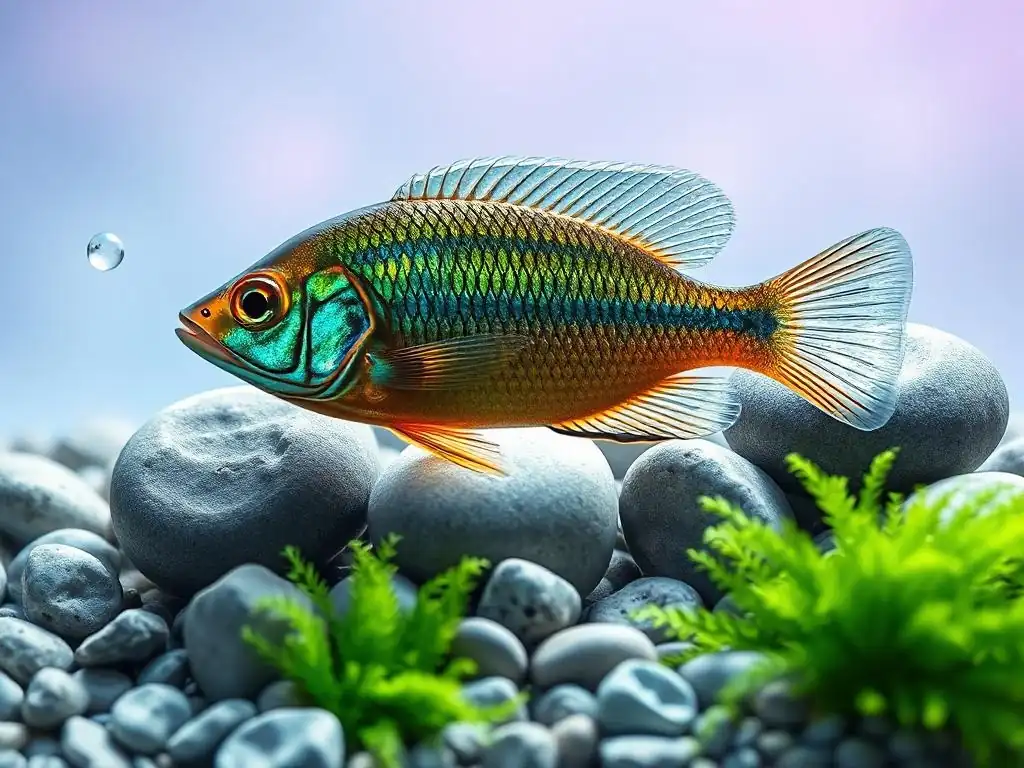
Recognizing Signs of Stress or Illness in Shell Dwellers
Early detection of stress or illness is critical for successful intervention and is an important part of any Shell Dweller aquarium maintenance routine. Healthy shell dwellers are typically active, exhibiting natural digging behaviors, interacting with their shells, and displaying vibrant coloration. Signs of stress or illness can include:
- Lethargy or hiding excessively: While they use shells for shelter, unusual prolonged hiding or inactivity is a red flag.
- Clamped fins: Fins held tightly against the body, rather than fanned out.
- Loss of appetite or refusal to eat.
- Changes in coloration: Pale or dull colors, or unusual dark patches.
- Rapid breathing or gasping at the surface: Indicates poor water quality or gill issues.
- Physical signs: White spots (Ich), fuzzy growths (fungus), red streaks on fins or body, bloating, or unusual lesions.
- Erratic swimming or flashing: Rubbing against objects to relieve irritation.
If you observe any of these symptoms, the first step should always be to test your water parameters (ammonia, nitrite, nitrate, pH, temperature) as poor water quality is a leading cause of stress and disease.
Dealing with Algae in Your Shell Dweller Aquarium
Algae is a common issue in aquariums, including shell dweller tanks, and managing it is part of a thorough Shell Dweller aquarium maintenance routine. While a small amount of green algae on tank walls or decorations is natural and harmless, excessive algae growth can be unsightly and indicate an imbalance in the tank. Common causes of excessive algae include:
- Excess nutrients: Too much light or overfeeding leads to high nitrates and phosphates.
- Too much light: Prolonged or intense lighting periods.
- Lack of maintenance: Infrequent water changes or filter cleaning.
To combat algae:
- Reduce light: Limit lighting to 8-10 hours per day. Consider a siesta period (e.g., 4 hours on, 2 hours off, 4 hours on).
- Optimize feeding: Feed smaller portions to ensure all food is consumed, reducing excess nutrients.
- Increase water changes: More frequent or larger water changes can help dilute nitrates and phosphates.
- Manual removal: Scrape algae off glass with an aquarium safe scraper. For shells and decorations, remove them and scrub gently outside the tank.
- Consider algae-eating snails: While not typical shell dweller tank mates, some larger nerite snails might be tolerated if they don't interfere with the shell dwellers' territories too much. However, caution is advised as tank mates can sometimes add stress.
Addressing the underlying cause is key to long-term algae control.
Treating Common Diseases in Shell Dwelling Cichlids
Despite best efforts, shell dwellers can occasionally fall ill. Prompt and accurate treatment is crucial. Here are some common diseases and general approaches:
- Ich (White Spot Disease): Characterized by small white spots resembling salt grains on the body and fins. Often caused by temperature fluctuations or stress. Treatment involves raising the tank temperature slowly to 82-84°F (28-29°C) for several days (if compatible with tank mates) and using an Ich-specific medication like malachite green or formalin, following product instructions carefully. Maintain excellent aeration during treatment.
- Bloat: A serious and often fatal bacterial infection, typically caused by poor diet (too much protein, lack of fiber) or poor water quality. Symptoms include a swollen abdomen, white stringy feces, loss of appetite, and lethargy. Treatment often involves antibiotics like Metronidazole or specialized cichlid bloat medications. Fasting the fish for 2-3 days can also help. Prevention through proper diet and pristine water quality is far better than cure.
- Fin Rot: Characterized by frayed, ragged, or disintegrating fins, often with a white or red edge. Usually caused by poor water quality, stress, or bacterial infection. Treatment involves large water changes (50% daily for several days) and broad-spectrum antibacterial medication. Maintaining a robust Shell Dweller aquarium maintenance routine is the best defense against these and other common ailments.
Always quarantine new fish before adding them to your main tank to prevent disease introduction.
Breeding Shell Dwellers
Setting Up a Dedicated Breeding Tank
While many shell dwellers will breed readily in a well-maintained community tank, setting up a dedicated breeding tank can significantly increase fry survival rates and reduce stress on other tank inhabitants. A 10-gallon (approximately 38-liter) tank is sufficient for a pair or small colony of smaller species like Neolamprologus multifasciatus or Lamprologus ocellatus. The setup should be minimalistic: a fine sand substrate (at least 2-3 inches deep), plenty of empty snail shells (escargot shells work well), and a small sponge filter or gentle hang-on-back filter to provide adequate filtration without strong currents that could harm fry.
Water parameters in the breeding tank should mirror those of the main tank: pH 8.2-8.6, GH 10-20 dGH, KH 10-18 dKH, and temperature 78-80°F (25.5-27°C). A slightly elevated temperature can sometimes encourage spawning. The abundance of shells allows the female to choose a preferred breeding site and provides ample shelter for the fry once they emerge. This controlled environment minimizes predation from other fish and allows the breeder to closely monitor the pair and their offspring, making it an effective strategy within a broader Shell Dweller aquarium maintenance routine.
Maintaining a Healthy Breeding Population
Maintaining a healthy breeding population of shell dwellers requires consistent care and attention to their specific needs. Once a pair or colony begins spawning, it's crucial to continue with the established Shell Dweller aquarium maintenance routine, including regular weekly water changes (25-30%) to keep water quality pristine. High water quality is paramount for the health of both the adult fish and the developing fry. Overfeeding should be avoided, even with fry present, as excess food can foul the water rapidly.
During the breeding period, ensure the adults are receiving a varied and nutritious diet, including high-quality flakes/pellets supplemented with frozen or live foods like brine shrimp or daphnia. This provides the necessary energy and nutrients for egg production and subsequent care for the fry. In species like N. multifasciatus, the parents will guard their shell and the developing fry fiercely, sometimes for several weeks. Providing plenty of shells and a stable environment minimizes stress, allowing the parents to focus on raising their brood successfully and contributing to a thriving breeding colony.
Troubleshooting Shell Dweller Aquarium Problems
Sudden Shell Dweller Deaths: Identifying Potential Causes
Sudden shell dweller deaths are distressing and usually indicate a serious underlying problem in the aquarium. When this occurs, immediately test your water parameters (ammonia, nitrite, nitrate, pH, temperature). The most common causes of sudden death are:
- Ammonia or Nitrite Spikes: Highly toxic, even small amounts can be fatal. This often happens in new tanks (new tank syndrome), after filter crashes, or due to overfeeding/overstocking.
- pH Crash or Extreme Fluctuations: Shell dwellers require stable, alkaline water. A sudden drop in pH (e.g., from 8.5 to 7.0) can be lethal due to osmotic shock.
- Chlorine/Chloramine Poisoning: Forgetting to use a dechlorinator during a water change can instantly kill fish.
- Oxygen Deprivation: High temperatures, overstocking, or a lack of surface agitation can lead to insufficient oxygen.
- Disease Outbreak: A rapidly spreading, virulent disease might cause multiple deaths quickly, especially if fish were already stressed.
- Toxins: Introduction of household chemicals (e.g., air fresheners, cleaning sprays) near the tank.
If parameters are off, perform a large (50%) water change immediately, ensuring new water is dechlorinated and temperature-matched. Address the root cause to prevent further losses, making this an emergency step in your Shell Dweller aquarium maintenance routine.
Aggression Issues Among Shell Dwellers: Solutions and Prevention
While relatively peaceful for cichlids, shell dwellers are territorial, and aggression can arise, especially if tank conditions are not optimal. Common causes include:
- Insufficient shells: Not enough shells to establish individual territories.
- Overcrowding: Too many fish for the tank size, leading to competition for space.
- Imbalanced sex ratios: Too many males can lead to intense fighting. For some species, a single male with multiple females or a colony with more females than males works best.
- Lack of visual breaks: Open tanks without distinct territories can lead to constant chasing.
Solutions and prevention strategies for aggression as part of your Shell Dweller aquarium maintenance routine include:
- Provide more shells: Ensure there are at least 2-3 shells per fish, scattered throughout the tank to create multiple territorial options.
- Increase tank size: If aggression persists, a larger tank provides more space for territories.
- Rearrange shells: Occasionally rearranging shells can disrupt established territories and reduce persistent bullying.
- Introduce visual barriers: While shell dwellers prefer open sand, strategically placed rocks or driftwood can create line-of-sight breaks.
- Monitor sex ratios: For species like N. multifasciatus, a colony setup with many females and fewer males often works best. If you have an aggressive male, consider removing him to a separate tank if possible.
Cloudy Water in Your Shell Dweller Tank: Finding the Solution
Cloudy water in a shell dweller tank is a common issue that can usually be resolved by adjusting your Shell Dweller aquarium maintenance routine. The type of cloudiness often indicates the cause:
- White/Milky Cloudiness: Most often a bacterial bloom, which occurs when there's a sudden increase in beneficial bacteria (e.g., in a new tank, after a filter crash, or due to overfeeding). It usually resolves on its own within a few days to a week. Ensure good aeration and avoid overfeeding. Test ammonia and nitrite to ensure they are zero.
- Green Cloudiness: Indicates a "green water" algae bloom. This is caused by excessive light and/or high nutrients (nitrates/phosphates). Reduce lighting hours, perform a partial water change, and ensure you're not overfeeding. A UV sterilizer can rapidly clear green water but doesn't address the root cause.
- Brown/Yellowish Cloudiness: Often caused by tannins leaching from driftwood (harmless, but can tint water) or an accumulation of dissolved organic compounds due to infrequent water changes or overloaded filtration. Perform larger or more frequent water changes and ensure your filter media (especially chemical media like activated carbon) is clean or replaced regularly.
In all cases, consistent water changes and careful feeding are the best long-term solutions.
Conclusion: Ensuring a Healthy and Vibrant Shell Dweller Aquarium
The Key to Successful Shell Dweller Keeping
The key to successful shell dweller keeping lies in understanding and diligently replicating their unique natural environment. This involves maintaining stable, hard, and alkaline water parameters (pH 8.2-8.6, GH 10-20 dGH, KH 10-18 dKH, temperature 75-80°F), providing an appropriate fine sand substrate, and ensuring an abundance of empty snail shells for shelter and breeding. A robust and consistent Shell Dweller aquarium maintenance routine is not just about cleaning; it's about creating a stable, low-stress environment that allows these fascinating cichlids to thrive, exhibit their natural behaviors, and even breed.
Regular weekly water changes (25-30%), daily observations for signs of stress or illness, and monthly filter maintenance are the pillars of this routine. Coupled with a balanced diet and appropriate tank setup, these practices minimize the risk of disease, manage aggression, and ensure that your shell dwellers live long, healthy, and vibrant lives. Patience and attention to detail will be rewarded with a captivating display of these unique Tanganyikan cichlids.
Resources for Further Learning About Shell Dwellers
For aquarists seeking to deepen their knowledge and refine their Shell Dweller aquarium maintenance routine, numerous resources are available. Online forums dedicated to cichlids and Lake Tanganyika specifically, such as Cichlid-Forum.com or the Aquatic Community forum, offer vast archives of information and active communities where you can ask questions and share experiences. These platforms often contain species-specific care sheets and troubleshooting guides compiled by experienced hobbyists.
Books on African cichlids, particularly those focusing on Lake Tanganyika, provide in-depth information on species profiles, natural habitats, breeding behaviors, and advanced husbandry techniques. Notable authors include Ad Konings, whose photographic guides are invaluable. Additionally, local aquarium clubs or specialty fish stores often have knowledgeable staff or members who can offer practical advice tailored to your specific setup. Continuous learning and engagement with the broader aquarist community will undoubtedly enhance your shell dweller keeping journey.
Frequently Asked Questions
What exactly are Shell Dwellers and why do they need a specific maintenance routine?
Shell Dwellers are small cichlids that live in empty snail shells. Their unique habitat needs specific care to maintain water quality and shell placement, vital for their well-being and breeding.
How often should I perform water changes in my Shell Dweller aquarium?
A weekly water change of 25-30% is generally recommended. This helps to remove accumulated nitrates and maintain stable water parameters beneficial for shell dweller health.
What are the key water parameters I need to monitor for a Shell Dweller tank?
You should monitor for pH, ideally around 7.8-8.6, ammonia, nitrite, and nitrate levels. Maintaining stable, slightly alkaline water is crucial for their health and breeding success.
How important is the substrate and shell arrangement for Shell Dwellers?
The substrate should be fine sand, allowing them to dig and move shells. The shell arrangement is extremely important; provide multiple shells per fish and ensure they are arranged in a way that allows for territories and hiding places.
What are some common problems that can arise in a Shell Dweller tank, and how can I prevent them?
Common problems include aggression, water quality issues, and shell displacement. Prevent these by providing adequate space, maintaining a consistent water change schedule, and carefully arranging the shells.
Final Reflection: Cultivating Thriving Shell Dweller Habitats
The principles of consistent and mindful aquarium maintenance outlined in this article are not merely about keeping a tank clean; they are about fostering a thriving ecosystem for these fascinating shell dwellers. In a world increasingly disconnected from the natural world, creating and maintaining a healthy aquarium offers a tangible connection to the delicate balance of life and a reminder of our responsibility to nurture it.
The impact of understanding and implementing a proper shell dweller aquarium maintenance routine extends beyond the glass walls of the tank. It's about appreciating the intricate relationships within a closed environment and recognizing the ripple effect of our actions. The care of a small aquarium is a microcosm of the care of the planet. Every action, no matter how small, has consequences.
This understanding fosters a deeper respect for the environment and encourages us to apply the same principles of mindful stewardship to our larger world.
Now, consider the lessons learned here. Reflect on the simplicity of the routine, the importance of consistency, and the profound impact of creating a healthy environment. How can you apply these principles of mindful care and attention to detail in other areas of your life? Embrace the opportunity to cultivate thriving environments, both within your aquarium and beyond, and witness the beauty that unfolds when we commit to nurturing the delicate balance of life around us.
Empower Your Shell Dweller Aquarium Today!
Thank you for diving into the world of shell dweller tank maintenance! We hope you’ve gained valuable insights into keeping your aquatic companions happy and healthy. Now, let's translate that knowledge into action!
Here are a few next steps you can take:
- Commit to a consistent weekly water change schedule—it’s the single best thing you can do for your shell dwellers!
- Share this article with fellow aquarium enthusiasts and spark a conversation about their maintenance routines!
- Brainstorm creative ways to aquascape your tank for the next maintenance and post the idea to aquarium forums to get inspired by other people!
What unique maintenance tips have you discovered that keep your shell dwellers thriving?