
Gourami Compatibility Chart: Your Guide to Peaceful Coexistence

Welcome to Aquarium Mastery!
Ever wondered if those elegant Gouramis you've been admiring will truly thrive in your community tank? Dive in to our comprehensive "Gourami Tank Compatibility Guide" below and unlock the secrets to peaceful coexistence in your freshwater aquarium. Discover which tank mates will make your Gouramis happy and healthy – and which to avoid! Ready to create a harmonious underwater world? Let's explore!
- Understanding Gourami Temperament for Successful Tank Mates
-
Gourami Tank Compatibility Guide: Species-Specific Recommendations
- Dwarf Gourami Compatibility: Ideal Tank Mates and Avoidances
- Pearl Gourami Compatibility: Creating a Harmonious Environment
- Three Spot Gourami (Blue, Gold, Opaline) Compatibility: A More Assertive Gourami
- Kissing Gourami Compatibility: Understanding Their Unique Behavior
- Honey Gourami Compatibility: Gentle and Peaceful Options
- Creating a Peaceful Aquarium Environment for Gouramis
- Troubleshooting Gourami Tank Mate Issues
- Advanced Gourami Tank Mate Considerations
- Summary: Ensuring Peaceful Coexistence in Your Gourami Tank
-
Frequently Asked Questions
- How do I determine if a gourami species is compatible with my existing tank setup?
- What are some general guidelines for successful gourami tank mates?
- Can I keep multiple gourami species together in one tank?
- What factors contribute to aggression between gouramis?
- Where can I find more detailed information on specific gourami species and their compatibility?
- Final Reflection: Cultivating Harmony Beneath the Surface
- Unleash the Perfect Gourami Community!
Understanding Gourami Temperament for Successful Tank Mates
Gourami Species and Their General Compatibility Levels
Gouramis are a diverse group of freshwater fish belonging to the family Osphronemidae, encompassing a wide range of sizes, colors, and temperaments. While some species, like the Honey Gourami (Trichogaster chuna), are renowned for their peaceful and shy nature, others, such as the Three Spot Gourami (Trichopodus trichopterus), can exhibit significant territoriality and aggression, particularly among males or towards smaller, more timid tank mates. Understanding these inherent behavioral differences is the first critical step in building a harmonious aquarium and is central to any effective Gourami tank compatibility guide.
Generally, smaller Gourami species like the Dwarf Gourami (Colisa lalia) or Honey Gourami are better suited for peaceful community tanks, provided their tank mates are equally docile and non-aggressive. Larger species, such as the Pearl Gourami (Trichopodus leerii) or the Kissing Gourami (Helostoma temminckii), require more robust companions or specialized setups due to their size and potential for territorial disputes. For instance, a Pearl Gourami, reaching up to 4-5 inches, is typically peaceful, whereas a Kissing Gourami, which can grow to 10-12 inches, becomes quite assertive as an adult, necessitating careful consideration in a Gourami tank compatibility guide.
Factors Affecting Gourami Aggression in Aquariums
Several key factors significantly influence a Gourami's aggression levels within an aquarium environment. Tank size is paramount; an undersized tank (e.g., a 10-gallon tank for a species requiring 20 gallons or more) leads to cramped conditions, heightened stress, and increased territorial disputes, especially among male Gouramis or when housing multiple individuals. Adequate space allows Gouramis to establish territories without constant conflict, which is a core principle of maintaining a peaceful Gourami tank.
Aquascaping also plays a crucial role in mitigating aggression. A well-planted tank with numerous hiding spots, caves, and visual barriers (e.g., driftwood, tall plants) helps break line of sight, allowing less dominant fish to escape aggressive encounters and providing a sense of security. Additionally, water quality and diet can indirectly affect temperament; poor water parameters or insufficient feeding can lead to chronic stress, making Gouramis more prone to aggressive behavior or increased shyness, undermining the effectiveness of even the best Gourami tank compatibility guide.
Gourami Tank Compatibility Guide: Species-Specific Recommendations
Dwarf Gourami Compatibility: Ideal Tank Mates and Avoidances
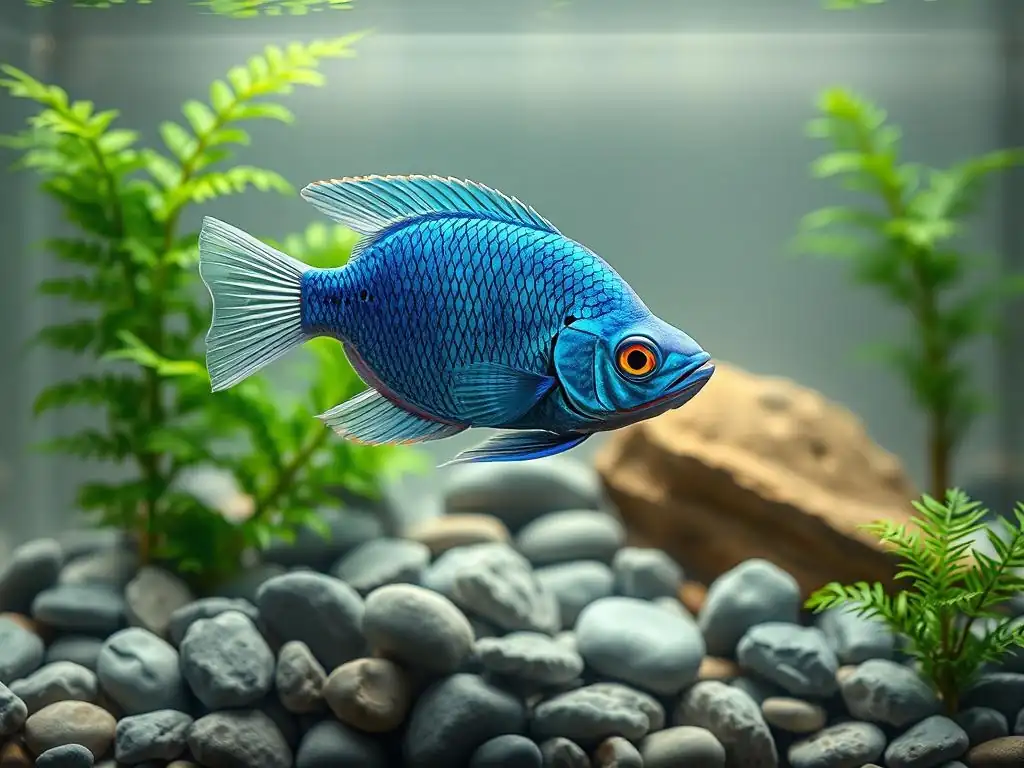
Dwarf Gouramis (Colisa lalia) are popular for their vibrant colors and relatively small size, typically reaching 2-3 inches. While generally peaceful, males can be territorial towards other male Dwarf Gouramis or similar-looking fish, especially in tanks smaller than 20 gallons. They are mid-to-top dwelling fish that appreciate densely planted aquariums, which provide ample hiding spots and security. This makes the selection of appropriate tank mates crucial for their well-being in any Gourami tank compatibility guide.
Their shy nature means they thrive best with calm, non-aggressive tank mates that won't outcompete them for food or space. Overly boisterous or fin-nipping species can cause immense stress to Dwarf Gouramis, leading to clamped fins, faded coloration, and increased susceptibility to disease. Therefore, understanding both ideal companions and species to avoid is vital for successful Dwarf Gourami tank compatibility.
Best Tank Mates for Dwarf Gouramis: Small, Peaceful Fish
Ideal tank mates for Dwarf Gouramis are typically small, peaceful schooling fish that occupy different levels of the aquarium, minimizing direct competition. Excellent choices include Corydoras catfish (e.g., Pygmy Corydoras, Panda Corydoras), which are bottom dwellers and help keep the substrate clean, and Otocinclus catfish, small algae eaters that are completely non-aggressive. Small, peaceful tetras like Neon Tetras, Ember Tetras, or Rummy Nose Tetras are also suitable, as are various species of Rasboras such as Harlequin Rasboras or Chili Rasboras, which add schooling activity without posing a threat.
Other compatible options include peaceful livebearers like Guppies or Platies, though caution should be exercised to ensure they are not overly boisterous or prone to fin nipping. These species generally have similar water parameter requirements and do not compete directly with Dwarf Gouramis for food or territory, fostering a peaceful community. This careful selection is a cornerstone of a well-rounded Gourami tank compatibility guide for Dwarf Gouramis.
Fish to Avoid with Dwarf Gouramis: Aggressive and Fin-Nipping Species
Certain fish species are entirely unsuitable for coexisting with Dwarf Gouramis due to their aggressive tendencies, fin-nipping habits, or large size. Aggressive Cichlids (e.g., African Cichlids, larger South American Cichlids) are a definite no-go, as they will harass, injure, or even prey upon Dwarf Gouramis. Known fin-nippers, such as Tiger Barbs or Serpae Tetras, should also be avoided, as they can severely damage the Dwarf Gourami's delicate fins, leading to stress and potential infection.
Additionally, larger, fast-moving fish like some larger Danios can intimidate and outcompete Dwarf Gouramis for food, causing them to hide constantly and become stressed. Housing multiple male Dwarf Gouramis in tanks smaller than 20-30 gallons is also ill-advised due to their strong territorial instincts and potential for fatal fights. This critical information helps prevent common pitfalls when consulting a Gourami tank compatibility guide.
Pearl Gourami Compatibility: Creating a Harmonious Environment
Pearl Gouramis (Trichopodus leerii) are celebrated for their stunning iridescence and calm, peaceful demeanor, making them one of the most popular Gourami species for community tanks. They typically grow to about 4-5 inches and are less territorial than many other Gouramis, preferring a tranquil environment with plenty of plant cover. Their gentle nature makes them excellent candidates for a diverse community, providing they are housed with equally docile tank mates.
Unlike some of their more assertive relatives, Pearl Gouramis rarely initiate aggression. However, their long, flowing fins can be tempting targets for fin-nippers, and their somewhat shy disposition means they can easily be stressed by overly boisterous or dominant fish. Therefore, a successful Gourami tank compatibility guide for Pearl Gouramis focuses on creating a serene and secure habitat where they can thrive without intimidation.
Suitable Tank Companions for Pearl Gouramis: Peaceful and Community-Oriented
Pearl Gouramis thrive in a community setting with a variety of peaceful fish. Suitable tank companions include most peaceful community fish that are not overly aggressive or prone to fin-nipping. Good choices are larger tetras such as Congo Tetras, Lemon Tetras, or Black Skirt Tetras (non-nipping varieties), as well as various Rasboras like Harlequin Rasboras or Scissortail Rasboras. Bottom-dwelling fish such as Corydoras catfish, Otocinclus, and peaceful Loaches (e.g., Kuhli Loaches) are excellent additions as they occupy different tank levels and do not interfere with the Gouramis.
Peaceful Rainbowfish species, such as Boeseman's Rainbowfish or Neon Rainbowfish, can also make good companions due to their similar size and calm temperament. In very large tanks (50+ gallons), other peaceful Gourami species like Honey Gouramis can sometimes be kept together, provided there is ample space and hiding spots. The key is to select fish that respect the Pearl Gourami's calm nature and do not pose a threat to their delicate fins.
Incompatible Fish for Pearl Gouramis: Avoiding Bullying and Stress
To ensure the well-being of Pearl Gouramis, several types of fish should be avoided. Aggressive Cichlids, such as most African Cichlids or larger South American Cichlids, are entirely unsuitable as they will undoubtedly bully and potentially kill Pearl Gouramis. Any known fin-nippers, including Tiger Barbs or Serpae Tetras, pose a significant threat to their long, flowing fins, leading to injury and stress.
Additionally, large, predatory fish that might view Pearl Gouramis as a food source should be avoided. While generally robust, Pearl Gouramis can become highly stressed by constant harassment from overly boisterous or territorial tank mates, leading to a weakened immune system, susceptibility to disease, and a shortened lifespan. A comprehensive Gourami tank compatibility guide emphasizes that maintaining a stress-free environment is paramount for these elegant fish.
Three Spot Gourami (Blue, Gold, Opaline) Compatibility: A More Assertive Gourami
Three Spot Gouramis (Trichopodus trichopterus), including their popular color morphs like Blue, Gold, and Opaline Gouramis, are a striking and widely available species. They typically grow larger than Dwarf Gouramis, reaching about 5-6 inches. Unlike their more docile Pearl or Honey relatives, Three Spot Gouramis can be semi-aggressive and territorial, especially males towards other Gouramis or similar-looking fish. This assertiveness means their Gourami tank compatibility guide requires careful consideration.
Their territorial nature often manifests in chasing and nipping, particularly during breeding periods or in tanks that are too small. They are robust fish that can hold their own, but they need tank mates that are equally robust and can tolerate occasional assertive behavior without being overly stressed. A minimum tank size of 30 gallons for a single specimen is recommended, with larger tanks (50+ gallons) necessary for groups or diverse communities to mitigate aggression.
Good Tank Mates for Three Spot Gouramis: Robust and Similar-Sized Fish
When selecting tank mates for Three Spot Gouramis, prioritize species that are similar in size, active, and capable of defending themselves or avoiding conflict. Good choices include larger, robust tetras like Buenos Aires Tetras or Black Skirt Tetras, though caution is still advised with the latter due to occasional nipping tendencies. Various species of Rainbowfish (e.g., Boeseman's Rainbowfish, Turquoise Rainbowfish) are often compatible, as they are active swimmers and can generally outmaneuver any potential aggression.
Medium-sized Barbs, such as Rosy Barbs or Cherry Barbs (less aggressive), can also coexist, provided the tank is large enough and there are plenty of hiding spots. Larger peaceful Loaches like Yoyo Loaches or Clown Loaches (for very large tanks) are suitable bottom dwellers. Some peaceful, medium-sized Cichlids, such as Kribensis Cichlids, can also be considered in adequately sized tanks, provided their temperament is carefully monitored. The key is to choose tank mates that are not easily intimidated and can hold their own.
Fish to Keep Away from Three Spot Gouramis: Small and Easily Intimidated Species
Due to their assertive nature, Three Spot Gouramis are incompatible with many smaller, more delicate, or slow-moving fish. Very small species like Neon Tetras, Guppies, Endlers, or Celestial Pearl Danios are highly susceptible to bullying and predation. Slow-moving fish with long, flowing fins, such as Bettas or Angelfish, are also poor choices, as their fins are prime targets for nipping, and their calm demeanor makes them easy victims of harassment.
It is also generally advised to avoid housing Three Spot Gouramis with other Gourami species unless the tank is exceptionally large (75+ gallons) and heavily aquascaped to create distinct territories. Mixing different Gourami species, especially multiple males, can lead to intense territorial disputes. Their aggressive tendencies mean that any fish that cannot effectively defend itself or escape conflict will likely suffer stress, injury, or even death, making careful selection crucial for their Gourami tank compatibility guide.
Kissing Gourami Compatibility: Understanding Their Unique Behavior
Kissing Gouramis (Helostoma temminckii) are unique in the Gourami family, primarily known for their distinctive "kissing" behavior, which is often a form of sparring or territorial display rather than affection. They are also one of the largest Gourami species, capable of reaching lengths of 10-12 inches (25-30 cm) in optimal conditions. Their large size, combined with a semi-aggressive and territorial temperament, especially as they mature, makes them unsuitable for most standard community aquariums.
Due to their potential for aggression and their significant adult size, Kissing Gouramis require very large tanks, typically 75-100 gallons or more for a single adult, and even larger for a group or a diverse community. Their tank mates must be equally large, robust, and able to withstand occasional territorial disputes. Any Gourami tank compatibility guide for Kissing Gouramis must prioritize ample space and careful species selection.
Tank Mates That Can Coexist with Kissing Gouramis: Careful Considerations
Given their size and temperament, tank mates for Kissing Gouramis must be chosen with extreme care. Suitable companions are generally other large, robust, and semi-aggressive fish that can hold their own. This can include certain larger Rainbowfish species (e.g., Red Rainbowfish, Salmon Red Rainbowfish), larger peaceful Barbs (e.g., Tinfoil Barbs, if tank size permits), and medium to large Cichlids such as Severums or Firemouth Cichlids, provided the tank is exceptionally large and well-established.
Larger Loach species, such as Clown Loaches (again, in very large tanks), can also coexist. It's crucial that any chosen tank mates are not easily intimidated and are active enough to avoid direct conflict. While it is possible to keep multiple Kissing Gouramis together in a very spacious tank (150+ gallons), their "kissing" battles can be intense, and ample hiding spots and visual breaks are essential to mitigate aggression.
Fish Not Recommended for Kissing Gouramis: Potential for Conflict
Kissing Gouramis are incompatible with the vast majority of common aquarium fish due to their size and potential for aggression. Any small, delicate, or slow-moving fish should be strictly avoided, as they will likely be seen as food or be severely bullied. This includes most tetras (e.g., Neon Tetras, Cardinal Tetras), Rasboras, Guppies, Corydoras catfish, and smaller Gourami species like Dwarfs or Honeys.
Furthermore, fish with long, flowing fins, such as Bettas or Angelfish, are highly vulnerable to fin nipping from Kissing Gouramis. Species that are overly shy or easily stressed will suffer greatly in a tank with these large, assertive fish. Their unique "kissing" behavior, while fascinating, can also be quite forceful, potentially injuring smaller or more fragile tank mates. Therefore, a dedicated species tank or a very carefully planned large, robust community tank is necessary for Kissing Gouramis, making this section of the Gourami tank compatibility guide particularly restrictive.
Honey Gourami Compatibility: Gentle and Peaceful Options
Honey Gouramis (Trichogaster chuna), often called Sunset Gouramis, are among the smallest and most peaceful Gourami species, typically reaching only about 2 inches (5 cm) in length. Their calm, shy, and gentle nature makes them an excellent choice for peaceful community tanks or even nano aquariums (as small as 5-10 gallons for a single individual or a pair). They are known for their beautiful, subtle coloration and their curious, inquisitive behavior when comfortable.
Due to their timid disposition, Honey Gouramis require very calm and non-aggressive tank mates. They can easily be intimidated or outcompeted for food by larger, more boisterous, or aggressive fish. Therefore, a successful Gourami tank compatibility guide for Honey Gouramis focuses on creating a serene environment where they feel secure and can thrive without stress.
Best Companions for Honey Gouramis: Calm and Non-Aggressive Species
The best companions for Honey Gouramis are small, peaceful, and non-aggressive species that won't overwhelm or outcompete them. Excellent choices include Pygmy Corydoras or Dwarf Corydoras, which are tiny bottom dwellers and completely harmless. Otocinclus catfish are also ideal, as they are small algae eaters that pose no threat. Very small schooling fish like Ember Tetras, Chili Rasboras, Celestial Pearl Danios, or Microdevario kubotai (Neon Green Rasbora) are perfect, as they are peaceful and occupy different parts of the water column.
Shrimp species, such as Cherry Shrimp or Amano Shrimp, can also coexist, though very tiny shrimplets might occasionally be preyed upon. Honey Gouramis thrive in well-planted tanks, and their tank mates should also appreciate a similar environment. The key is to select fish that are gentle, do not grow large, and do not exhibit fin-nipping tendencies, ensuring a tranquil setting for these delicate Gouramis.
Fish to Avoid with Honey Gouramis: Larger or More Active Fish
To protect Honey Gouramis from stress and harm, it is crucial to avoid housing them with any fish that are aggressive, fin-nippers, or simply too large or active. This includes all aggressive Cichlids, most Barbs (especially Tiger Barbs or Serpae Tetras), and even larger, more boisterous schooling fish like larger Danios or some species of Tetras that might outcompete them for food. Any fish known for fin-nipping will quickly damage their delicate fins, leading to injury and stress.
Furthermore, larger Gourami species (e.g., Three Spot, Pearl, Kissing Gouramis), even those considered peaceful like Pearls, can unintentionally intimidate Honey Gouramis due to their size difference. Housing them with Bettas is also ill-advised, as Bettas can be territorial and aggressive towards other anabantoids. The shy nature of Honey Gouramis means that constant harassment or intimidation can lead to them hiding constantly, refusing to eat, becoming stressed, and ultimately succumbing to disease, highlighting the importance of this Gourami tank compatibility guide for their well-being.
Creating a Peaceful Aquarium Environment for Gouramis
Tank Size and Aquascaping for Gourami Compatibility
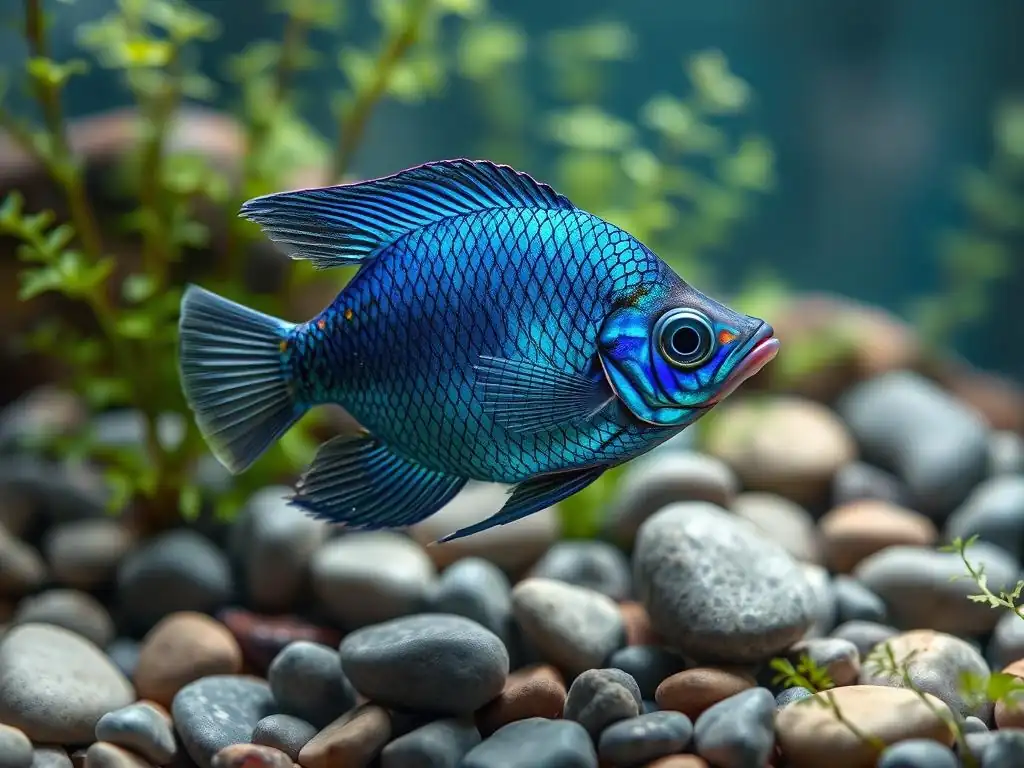
The physical environment of an aquarium plays a pivotal role in promoting peaceful coexistence among Gouramis and their tank mates. Adequate tank size is perhaps the most critical factor; a larger tank provides more swimming space, reduces territorial disputes, and dilutes aggression. For instance, while a single Dwarf Gourami might tolerate a 10-gallon tank, a 20-gallon tank significantly improves its comfort and reduces stress, especially if housing a pair or considering Gourami tank compatibility with other species.
Pearl Gouramis typically require a minimum of 30 gallons, while the larger Three Spot Gouramis need at least 30-40 gallons per individual for optimal well-being. Kissing Gouramis, due to their impressive adult size, demand 75-100 gallons or more.
Thoughtful aquascaping is equally important. Densely planted areas, whether with live or high-quality artificial plants, provide essential hiding spots and visual barriers. These barriers break up lines of sight, allowing Gouramis to establish territories without constantly seeing or being seen by rivals, thereby reducing stress and aggression. Caves, driftwood, and rock formations further enhance the environment by offering additional shelter and exploration opportunities. For species like Dwarf Gouramis that build bubble nests, floating plants (e.g., Salvinia, Dwarf Water Lettuce) are beneficial, providing anchor points and a sense of security.
Maintaining Water Quality for Gourami Health and Behavior
Consistent and high-quality water parameters are fundamental to the health and peaceful behavior of Gouramis. These fish generally thrive in warm, soft to moderately hard water with a slightly acidic to neutral pH. Ideal temperatures typically range from 75-82°F (24-28°C), while pH levels between 6.0 and 7.5 are broadly suitable, though specific species may have narrower preferences. Maintaining stable parameters prevents stress, which can lead to weakened immune systems, disease, and increased aggression or shyness.
Regular water changes (e.g., 25-30% weekly) are essential to keep nitrate levels low and replenish vital minerals. A robust filtration system (mechanical, biological, and chemical) is also crucial for removing waste products and maintaining crystal-clear water. Poor water quality, characterized by elevated ammonia or nitrite, can cause severe stress and lead to visible signs of discomfort such as clamped fins, faded colors, and erratic swimming. A healthy Gourami is a happy Gourami, and optimal water conditions are a non-negotiable aspect of any effective Gourami tank compatibility guide.
Feeding Strategies to Minimize Competition and Aggression
Proper feeding strategies are vital not only for the nutritional health of Gouramis but also for minimizing competition and aggression within a community tank. Gouramis are omnivores and benefit from a varied diet consisting of high-quality flake or pellet foods, supplemented with frozen or live foods such such as bloodworms, brine shrimp, and daphnia. Feeding small amounts multiple times a day (e.g., 2-3 times) is generally better than one large meal, as it ensures all fish get adequate food and reduces the intensity of feeding frenzies.
Competition for food can be a significant source of stress and aggression, especially in a tank with diverse species or multiple Gouramis. To mitigate this, distribute food widely across the surface or use multiple feeding spots to prevent a single dominant fish from monopolizing resources. For shy or slower-eating Gourami species, target feeding with a pipette or tongs can ensure they receive sufficient nutrition. Ensuring all fish are well-fed and not experiencing food scarcity reduces their motivation to compete aggressively, fostering a more harmonious environment consistent with a comprehensive Gourami tank compatibility guide.
Troubleshooting Gourami Tank Mate Issues
Identifying Signs of Stress or Aggression in Gouramis
Early identification of stress or aggression is crucial for maintaining a healthy and peaceful Gourami aquarium. Visual signs of stress in Gouramis often include clamped fins, faded or dull coloration, rapid breathing (gilling), and prolonged hiding. A stressed Gourami might also lose its appetite, become lethargic, or exhibit erratic swimming patterns. Physical damage, such as torn fins, missing scales, or body wounds, is a clear indication of bullying or aggressive encounters.
Behavioral signs of aggression typically involve persistent chasing, nipping, or fin-flaring directed at specific tank mates. Male Gouramis, particularly Dwarf or Three Spot species, may engage in territorial displays or outright fights with other males or similar-looking fish. If these signs are observed, it's imperative to act quickly, as prolonged stress or physical harm can lead to weakened immune systems, disease, and even death for the affected fish. This proactive observation is a key component of any practical Gourami tank compatibility guide.
Separating Incompatible Fish: Creating a Safe Haven
If severe aggression or bullying is identified and cannot be resolved through environmental adjustments, the most effective solution is often to separate the incompatible fish. This may involve removing the aggressor or the victim. A temporary hospital tank or a breeder box can serve as an immediate safe haven for the bullied fish, allowing it to recover from stress and injuries without further harassment. For the aggressor, temporary isolation in a separate tank can sometimes reset their territorial instincts.
In cases where fish are consistently incompatible despite all efforts to follow a Gourami tank compatibility guide, permanent rehoming of one of the fish may be necessary. This could mean returning it to the pet store, finding a new owner, or setting up a dedicated tank if space permits. Prioritizing the health and well-being of all aquarium inhabitants should always be the primary goal, even if it means altering the initial stocking plan.
Adjusting Tank Conditions to Improve Gourami Compatibility
Before resorting to permanent separation, several adjustments to tank conditions can often improve Gourami compatibility and reduce aggression. Increasing the tank size provides more territory and reduces crowding, which is a common trigger for conflict. Adding more hiding spots and visual barriers through dense planting, driftwood, or rock caves can significantly reduce stress by allowing less dominant fish to escape sight and establish their own retreats. Rearranging existing decor can also disrupt established territories, forcing fish to re-evaluate their dominance hierarchy.
Ensuring optimal water quality and consistent feeding schedules can also alleviate stress-induced aggression. Sometimes, overstocking is the root cause; reducing the overall fish population can dramatically reduce stress and territorial disputes. For instance, if a male Dwarf Gourami is constantly harassing other fish, removing one or two of its most frequent targets might restore peace. These strategic adjustments are vital tools in managing and enhancing Gourami tank compatibility.
Advanced Gourami Tank Mate Considerations
Breeding Gouramis in a Community Tank: Compatibility Challenges
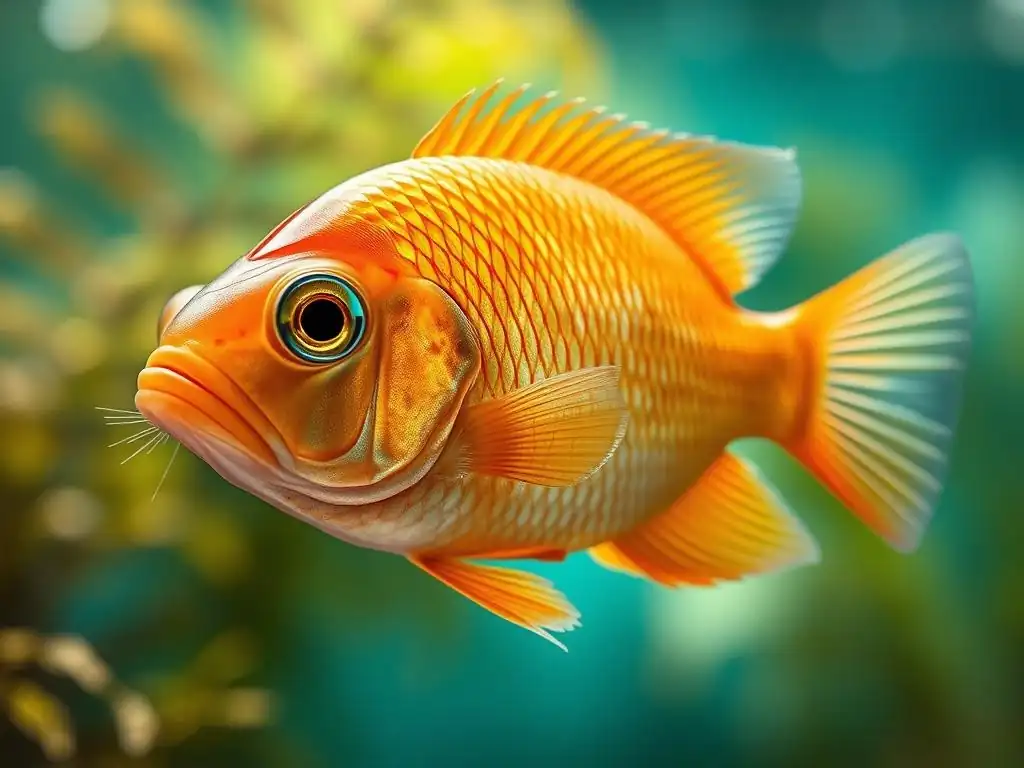
Attempting to breed Gouramis in a community tank introduces significant compatibility challenges, primarily due to the male's heightened aggression during the breeding process. Male Gouramis, especially Dwarf and Three Spot species, become intensely territorial around their bubble nests and fry. They will aggressively chase away any fish, regardless of species, that approaches their nesting site, leading to increased stress and potential injury for other tank inhabitants. This territoriality can disrupt the entire community dynamic, making a once peaceful Gourami tank suddenly hostile.
While some aquarists might achieve accidental spawns in large, heavily planted community tanks, a dedicated breeding tank is highly recommended for intentional Gourami breeding. This allows the male to protect his nest without threatening other fish and provides a safer environment for the fry to develop. Removing the female after spawning is also crucial, as the male may become aggressive towards her once the eggs are laid. Any Gourami tank compatibility guide suggesting breeding in a community setup should come with strong caveats about the risks involved.
Introducing New Fish to an Established Gourami Tank: Gradual Acclimation
Introducing new fish to an established Gourami tank requires careful planning and gradual acclimation to minimize stress for both the newcomers and the existing Gourami inhabitants. Proper acclimation, such as drip acclimation over 30-60 minutes, slowly adjusts the new fish to the tank's water parameters (temperature, pH, hardness), reducing shock. Introducing new fish after lights out or during feeding time can distract existing Gouramis and prevent immediate aggression.
It is also advisable to slightly rearrange the tank decor before introducing new fish. This disrupts existing territories and forces all fish, including the Gouramis, to re-establish their boundaries, making the new fish less of an immediate "intruder." Closely monitor interactions for the first few days and weeks. Any signs of excessive chasing, nipping, or hiding indicate potential Gourami tank compatibility issues that need prompt attention. Quarantining new fish in a separate tank for 2-4 weeks before introduction is also a best practice to prevent disease transmission.
Managing Multiple Gourami Species in the Same Aquarium: A Balancing Act
Housing multiple Gourami species in the same aquarium can be a rewarding but challenging endeavor, requiring careful planning and a very large tank. While it is generally not recommended for beginners, experienced aquarists can achieve success by understanding the specific temperaments of each Gourami species. Combining very peaceful species like Pearl and Honey Gouramis is safer than mixing assertive Three Spots with shy Dwarfs. A minimum tank size of 75-100 gallons is often necessary to provide adequate space for multiple species to establish territories without constant conflict.
The key to success lies in providing ample hiding spots, visual barriers, and diverse aquascaping to break up lines of sight and create numerous micro-territories. Introduce Gouramis of different species at the same time if possible, or introduce the more docile species first to allow them to establish themselves before a more assertive Gourami is added. Constant observation for signs of aggression or stress is paramount. If consistent bullying occurs, be prepared to separate or rehome fish. This advanced strategy for Gourami tank compatibility requires a deep understanding of each species' needs and vigilant monitoring.
Summary: Ensuring Peaceful Coexistence in Your Gourami Tank
Key Takeaways for Successful Gourami Tank Compatibility
Achieving peaceful coexistence in a Gourami tank hinges on several fundamental principles. Firstly, thorough research into the specific temperament, adult size, and environmental needs of your chosen Gourami species is paramount. Not all Gouramis are created equal in terms of aggression or shyness. Secondly, select tank mates meticulously, prioritizing fish that match your Gourami's temperament, are of appropriate size, and occupy different levels of the water column to minimize direct competition.
Thirdly, provide an adequately sized aquarium with thoughtful aquascaping that includes ample hiding spots and visual barriers. This reduces stress and territorial disputes by allowing Gouramis to establish their own spaces. Lastly, maintain impeccable water quality through regular maintenance and consistent feeding strategies to ensure all inhabitants are healthy and well-fed, reducing stress-induced aggression. By adhering to these guidelines, your Gourami tank compatibility guide becomes a living, thriving reality.
Further Resources for Gourami Care and Tank Mate Selection
For aquarists seeking to deepen their understanding of Gourami care and optimize their Gourami tank compatibility, a wealth of information is available. Detailed species profiles on AquariumMastery.com provide in-depth insights into the specific water parameters, dietary needs, and behavioral nuances of various Gourami species, offering tailored advice beyond general guidelines. These resources can help you understand the subtle cues of Gourami health and happiness.
Beyond species-specific information, exploring broader freshwater aquarium maintenance guides can further enhance your success. Articles on water chemistry, filtration systems, plant selection, and troubleshooting common tank issues offer comprehensive knowledge that supports the overall health of your aquarium ecosystem. By leveraging these resources, you can ensure a thriving, stress-free environment for your Gouramis and their carefully chosen tank mates, making your aquarium a testament to successful Gourami tank compatibility.
Frequently Asked Questions
How do I determine if a gourami species is compatible with my existing tank setup?
Consider the size of your tank, the temperament of the gourami and your current fish, and the specific needs of each species. Research the specific compatibility of each gourami species with your current tank inhabitants.
What are some general guidelines for successful gourami tank mates?
Generally, avoid keeping gouramis with aggressive or fin-nipping fish. Also, ensure adequate space and hiding places to reduce stress and territorial disputes. Peaceful community fish are often the best choice.
Can I keep multiple gourami species together in one tank?
It depends on the species and tank size. Some gourami species are more territorial than others. Larger tanks with plenty of hiding places can sometimes accommodate multiple gourami, but careful observation is critical.
What factors contribute to aggression between gouramis?
Overcrowding is a major factor. Other factors include lack of hiding places and keeping multiple males of a territorial species in the same tank. Proper tank setup is paramount.
Where can I find more detailed information on specific gourami species and their compatibility?
AquariumMastery.com provides detailed species profiles and compatibility charts for various gourami species. Consult our resources for in-depth information and recommendations.
Okay, here's a final reflection designed for your "Gourami Compatibility Chart: Your Guide to Peaceful Coexistence" article, aiming to rank for "Gourami tank compatibility guide," and following the structure you provided:
Final Reflection: Cultivating Harmony Beneath the Surface
The intricate world of aquariums mirrors our own, and understanding the delicate balance of species coexistence is more crucial than ever for responsible fishkeeping. Just as we strive for harmony in our communities, so too must we prioritize the well-being and compatibility of the creatures we bring into our homes. This guide, we hope, provides a solid foundation for creating thriving, peaceful aquatic environments.
This journey into gourami compatibility has underscored the importance of informed decision-making. It's not just about aesthetics; it's about ethical stewardship and ensuring the long-term health and happiness of these fascinating fish. The greatness of a nation and its moral progress can be judged by the way its animals are treated.
- Mahatma Gandhi. This quote, though broad, resonates deeply with the responsibility we have as aquarists to create environments that allow our fish to flourish, not just survive.
Now, we invite you to reflect on the knowledge you've gained. Consider how you can apply these principles not only to your own aquarium but also to your approach to other aspects of life. Strive to understand the needs of others, to foster environments of respect and understanding, and to cultivate harmony wherever you go. Let the lessons learned beneath the surface inspire a deeper appreciation for the interconnectedness of all living things and a commitment to creating a more peaceful world, one tank at a time.
Unleash the Perfect Gourami Community!
Thanks for diving into the world of Gourami! We hope this article has empowered you to create a vibrant and harmonious aquarium. Now, let's put that knowledge into action!
Here's how you can ensure your Gouramis thrive:
- Prioritize: Start building your compatibility chart! Use our guidelines to identify suitable tank mates based on temperament, size, and water parameter needs.
- Explore other fish profiles on Aquarium Mastery to discover potential companions for your Gourami, ensuring a diverse and engaging aquatic environment.
- Share this guide with fellow aquarium enthusiasts to spread the word about responsible fish keeping and help them create their own peaceful Gourami communities!
What Gourami species are you most excited to introduce to your community tank, and what precautions are you planning to take to ensure their compatibility?