
Gouramis and Shrimp: A Peaceful Partnership or a Recipe for Disaster?

Welcome to Aquarium Mastery!
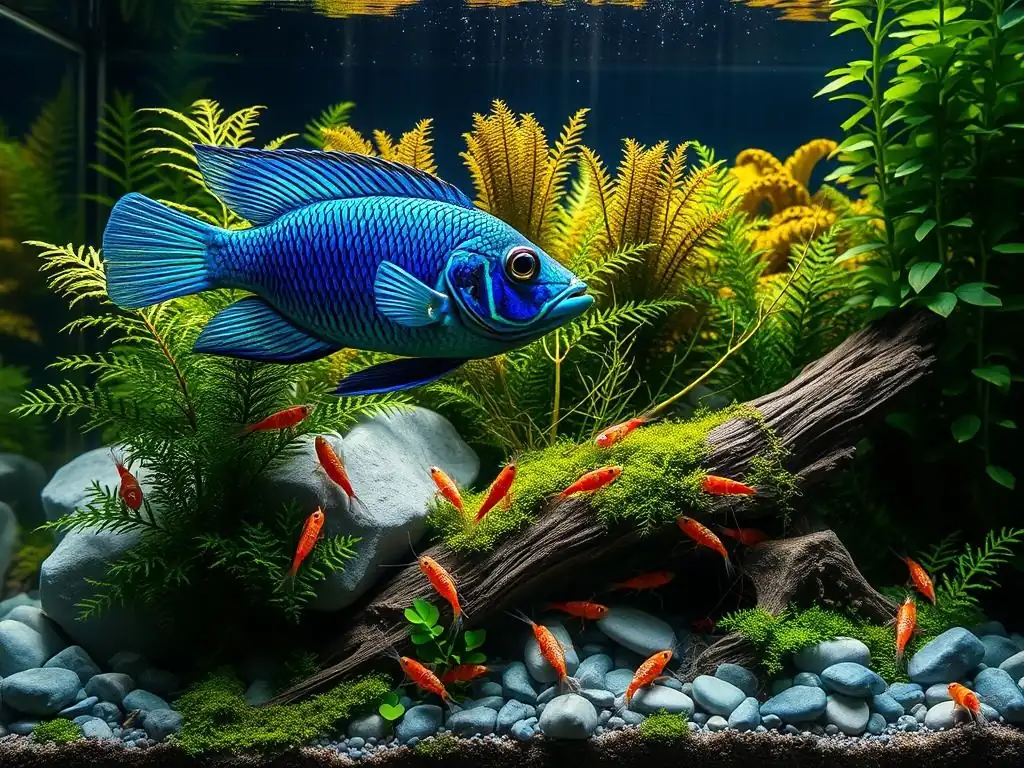
Ever wondered if those graceful Gouramis could truly share a peaceful underwater world with your delicate shrimp? Dive into our comprehensive guide on Gourami shrimp tank compatibility and uncover the secrets to creating a harmonious freshwater ecosystem. Learn whether these seemingly docile fish are the perfect companions or a potential threat to your shrimp colony. Let's explore the possibilities and ensure a thriving community for all!
- Understanding Gourami Behavior: Implications for Shrimp Tank Mates
- Shrimp Species and Their Vulnerabilities: Choosing the Right Shrimp for a Gourami Tank
- Setting Up a Gourami Shrimp Tank for Success: Creating a Safe Haven
- Feeding Gouramis and Shrimp in a Shared Tank: Ensuring Everyone Gets Enough
- Monitoring Gourami Shrimp Tank Compatibility: Signs of Trouble and Solutions
- Case Studies: Real-World Examples of Gourami and Shrimp Tank Successes and Failures
- Alternative Tank Mates for Gouramis: Exploring Other Peaceful Options
- Conclusion: Achieving Gourami and Shrimp Tank Harmony with Careful Planning
-
Frequently Asked Questions
- How compatible are Gouramis and Shrimp in a tank setting?
- Which Gourami species are generally considered safer to keep with shrimp?
- What tank size is recommended for a Gourami and Shrimp tank?
- What are some crucial factors to consider when introducing Gouramis to a shrimp tank?
- What are the signs of incompatibility between Gouramis and Shrimp?
- Final Reflection: Harmony in the Aquarium
- Cultivate Your Aquatic Harmony!
Understanding Gourami Behavior: Implications for Shrimp Tank Mates
Gourami Species and Temperament: A Key Factor in Shrimp Compatibility
Gouramis are a diverse group of freshwater fish, often admired for their vibrant colors and flowing fins. While many species, such as the popular Dwarf Gourami (Trichogaster lalius) and Pearl Gourami (Trichopodus leerii), are generally considered peaceful additions to community tanks, their temperament can vary significantly. Even seemingly docile gouramis possess a natural predatory instinct, especially towards smaller organisms that fit into their mouths. For instance, a Dwarf Gourami, despite its timid reputation, might be highly curious and investigate, potentially consuming, tiny shrimplets or even juvenile shrimp.
The specific gourami species chosen is paramount for successful gourami shrimp tank compatibility. Pearl Gouramis, known for their calm demeanor and intricate patterns, are often among the best candidates for coexisting with larger shrimp species due to their generally placid nature.
In contrast, Kissing Gouramis (Helostoma temminckii), while often described as peaceful towards fish of similar size, can grow quite large—up to 12 inches—making them a significant threat to all but the largest adult shrimp. This emphasizes that a gourami's potential threat level is directly linked to its adult size and natural feeding habits, even if its general disposition is not overtly aggressive.
Aggressive Gourami Behaviors to Watch Out For: Fin Nipping and Predation
While outright aggression like fin nipping is more commonly directed towards other fish, gouramis can exhibit behaviors that are detrimental to shrimp. They may "peck" at, investigate, or even attempt to mouth shrimp out of curiosity or territoriality, which can stress the shrimp. However, the primary concern for gourami shrimp tank compatibility is direct predation. Gouramis, being opportunistic carnivores, will readily consume any organism small enough to fit into their mouths, and this includes shrimp.
Observing a gourami actively stalking, chasing, or quickly consuming a shrimp is a clear indication of predatory behavior. A common scenario involves a Dwarf Gourami swiftly snapping up a juvenile Red Cherry Shrimp that ventures into its line of sight. Even a typically gentle Pearl Gourami might opportunistically engulf a newly molted or very small shrimp, as their soft bodies make them easy targets. This behavior is often driven by instinct and hunger, rather than malice, and can be exacerbated if the gourami is underfed or the shrimp lack adequate hiding spaces.
How Gourami Size Affects Shrimp Safety
The size of the gourami is a critical determinant of shrimp safety in a shared aquarium. Larger gourami species inherently pose a greater threat to shrimp simply because they have larger mouths capable of swallowing bigger prey. For example, a Kissing Gourami or a Moonlight Gourami (Trichopodus microlepis), which can reach lengths of 5-6 inches, could easily consume an entire adult Red Cherry Shrimp or even a small Amano shrimp.
In contrast, smaller gouramis like the Honey Gourami (Trichogaster chuna), typically reaching only about 2 inches, or even a Dwarf Gourami, are less likely to pose a threat to adult Amano shrimp, which can grow to a similar size of 1.5-2 inches. However, even these smaller gouramis can and often will prey on smaller shrimp species or, more commonly, shrimplets. This highlights the importance of matching the size of the gourami to the adult size of the shrimp species you intend to keep, as a crucial factor for successful gourami shrimp tank compatibility.
Shrimp Species and Their Vulnerabilities: Choosing the Right Shrimp for a Gourami Tank
Small Shrimp vs. Large Shrimp: Which Are More Likely to Survive with Gouramis?
The size of the shrimp species plays a pivotal role in its survival chances when housed with gouramis. Smaller shrimp species, notably those from the Neocaridina genus like Red Cherry Shrimp, Blue Dream Shrimp, or Yellow Cherry Shrimp, typically grow to about 1-1.5 inches. These diminutive sizes, especially when juvenile or newly molted, make them highly vulnerable targets for most gourami species. Their delicate exoskeletons post-molt offer little protection, making them an easy meal.
Conversely, larger and more robust shrimp species tend to fare better. Amano shrimp (Caridina multidentata), which can reach an impressive size of up to 2 inches, are often considered the safest bet for gourami shrimp tank compatibility. Their larger size and somewhat transparent bodies make them less appealing or simply too large for smaller gouramis to swallow whole. Ghost Shrimp (Palaemonetes paludosus), also growing to 1.5-2 inches, are another relatively hardy and inexpensive option, though their transparency might make them less visible to predators.
Shrimp Breeding Considerations: Protecting Shrimplets from Gouramis
One of the most significant challenges in maintaining gourami shrimp tank compatibility, especially for those hoping to breed shrimp, is the survival of shrimplets. Newly hatched shrimplets are incredibly tiny, often less than 2 millimeters in length, making them irresistible and easily consumed targets for virtually any gourami, regardless of species or size. If breeding shrimp is a primary goal, a shared tank with gouramis is almost certainly not the ideal environment.
Gouramis are opportunistic feeders, and a tank teeming with minuscule shrimplets represents a readily available and highly nutritious food source. Even with exceptionally dense planting and numerous hiding spots, it is highly improbable that a significant number of shrimplets will survive to adulthood. Studies on fish predation on small invertebrates consistently show high efficiency in consuming tiny prey, a principle directly applicable to gouramis and shrimplets. Therefore, for successful shrimp breeding, a dedicated, fish-free shrimp tank is the most effective solution.
Popular Shrimp Choices for Community Tanks: A Compatibility Overview
When considering gourami shrimp tank compatibility, certain shrimp species are more commonly chosen for community aquariums, each with varying degrees of success. Amano shrimp stand out as a top recommendation due to their larger adult size and excellent algae-eating capabilities. Their robust nature and less vibrant coloration compared to some other species often make them less conspicuous targets for gouramis.
On the other hand, popular and colorful Neocaridina species like Red Cherry Shrimp, Blue Velvet Shrimp, or Sakura Shrimp, while beautiful, present a higher risk. Their smaller size and bright colors can make them more enticing to gouramis, particularly their offspring. Crystal Red Shrimp (Caridina cantonensis) and other high-grade Caridina species are generally not recommended for gourami tanks due to their smaller size, high cost, and sensitivity to water parameters, which further compromises their chances of survival against potential predators.
Setting Up a Gourami Shrimp Tank for Success: Creating a Safe Haven
Tank Size Matters: Providing Enough Space for Gouramis and Shrimp
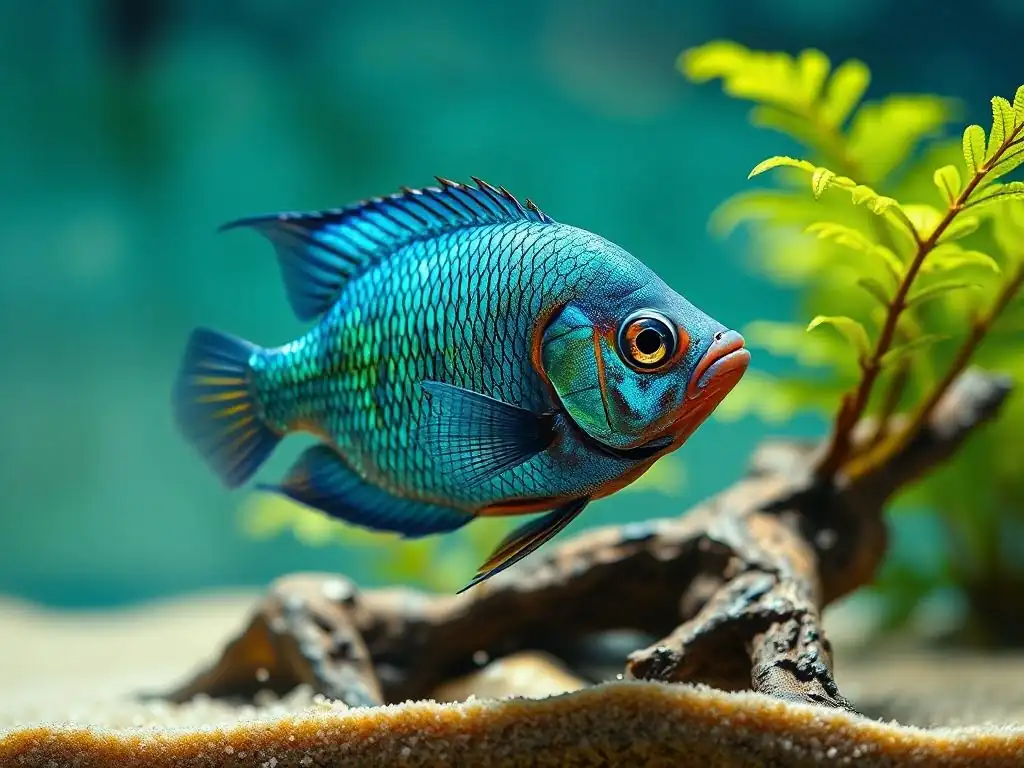
The overall size of the aquarium is a fundamental factor in achieving successful gourami shrimp tank compatibility. A larger tank provides more territory for the gourami, which can reduce stress and potential aggression, as they are less likely to feel crowded or territorial with other tank inhabitants.
More importantly, a larger volume of water offers significantly more space for shrimp to establish territories, forage, and retreat into hiding. For instance, a 20-gallon tank is often considered a minimum for Dwarf Gouramis, but a 30-gallon or larger tank is preferable when housing them with shrimp, offering about 20-30% more swim and hiding space.
A spacious tank also helps to dilute waste products more effectively, contributing to more stable and pristine water quality, which is crucial for the health of both fish and sensitive invertebrates like shrimp. In a smaller tank, gouramis and shrimp are in constant close proximity, increasing the likelihood of predatory interactions. A 40-gallon breeder tank, for example, provides ample footprint for both species to coexist, allowing a pair of Pearl Gouramis to establish their territory without constantly encountering shrimp, thereby improving overall gourami shrimp tank compatibility.
Dense Planting and Hiding Places: Essential for Shrimp Survival
Creating a heavily planted aquarium is perhaps the most critical measure for ensuring shrimp survival in a gourami tank. Live plants, particularly those with dense foliage like Java Moss, Anubias, Bucephalandra, and various stem plants (e.g., Rotala, Ludwigia), provide invaluable refuge for shrimp. These plants offer intricate networks of branches and leaves where shrimp can hide, especially during vulnerable periods like molting, when their exoskeletons are soft. A thick carpet of Dwarf Hairgrass or Monte Carlo can also create excellent ground cover.
Beyond live plants, incorporating various forms of physical hiding places is equally important. This includes small caves made from ceramic or PVC, intricate driftwood pieces with crevices, and carefully arranged rock formations. These structures break the line of sight and offer secure retreats where shrimp can graze on biofilm without constant exposure to potential predators. A tank with 70-80% plant coverage, combined with dedicated shrimp shelters, significantly increases the chances of shrimp survival and promotes better gourami shrimp tank compatibility.
Water Parameters and Compatibility: Maintaining a Healthy Environment for Both Species
Maintaining stable and appropriate water parameters is essential for the health and longevity of both gouramis and shrimp in a shared environment. Most common aquarium gouramis and popular shrimp species (like Amano and Neocaridina) thrive in similar freshwater conditions. An ideal temperature range typically falls between 72-78°F (22-26°C), with a pH between 6.5-7.5. Consistency in these parameters is key, as sudden fluctuations can cause stress, making both fish and invertebrates more susceptible to illness.
Shrimp, however, are particularly sensitive to certain water contaminants. They are highly vulnerable to ammonia and nitrite spikes, which can be lethal even at low concentrations. Furthermore, shrimp are extremely sensitive to copper, which is often found in various fish medications. Even trace amounts of copper can be fatal. Regular water changes (e.g., 20-25% weekly) are vital to keep nitrates low and maintain pristine water quality, ensuring a healthy environment that supports both gouramis and shrimp, thereby fostering long-term gourami shrimp tank compatibility.
Gourami Feeding Habits: Preventing Predation on Shrimp
Proper feeding practices are crucial for minimizing the predatory instincts of gouramis towards shrimp. A well-fed gourami is significantly less likely to actively hunt and consume shrimp. It is essential to offer a varied and high-quality diet, consisting of premium flakes, sinking pellets, and occasional live or frozen foods such as bloodworms, brine shrimp, or daphnia. Feeding smaller amounts multiple times a day, rather than one large meal, can help keep the gouramis satiated and reduce their foraging behavior.
Strategically, feeding the gouramis at the surface with floating foods can distract them and allow the shrimp to access their own food sources undisturbed. For example, while gouramis are busy consuming flakes at the water's surface, shrimp can safely emerge from hiding to graze on sinking pellets or biofilm near the substrate. This targeted feeding approach ensures that both species receive adequate nutrition without direct competition or increased risk of predation, improving gourami shrimp tank compatibility.
Supplementing Shrimp Diet: Algae, Biofilm, and Commercial Foods
While shrimp are excellent scavengers and primarily feed on naturally occurring algae and biofilm within the aquarium, relying solely on these sources in a shared tank might not be sufficient. A well-established tank will develop a healthy layer of biofilm on surfaces, which is a staple for shrimp. However, competition from fish can limit their access.
To ensure adequate nutrition for shrimp, especially in a tank shared with gouramis, it is important to supplement their diet with specialized commercial foods. Sinking shrimp pellets, algae wafers, and blanched vegetables (such as zucchini slices or spinach) are excellent options. These foods sink to the bottom, allowing shrimp to access them without direct competition from the mid-water dwelling gouramis. For instance, a 20-gallon tank with an active Amano shrimp colony might benefit from 1-2 algae wafers per week, depending on the natural food availability.
Avoiding Overfeeding: Maintaining Water Quality in the Gourami Shrimp Tank
Overfeeding is a common mistake that can rapidly degrade water quality, posing a significant threat to all tank inhabitants, particularly sensitive invertebrates like shrimp. Excess food decomposes quickly, leading to dangerous spikes in ammonia and nitrite, and subsequently, high nitrate levels. These poor water conditions are highly stressful and can be lethal to shrimp, making them more vulnerable to disease and stress-related issues. Overfeeding can also lead to obesity in gouramis and encourage uneaten food to become trapped in substrate, fostering anaerobic conditions.
To maintain optimal water quality and promote a healthy gourami shrimp tank compatibility, feed gouramis only what they can consume within 2-3 minutes. For shrimp-specific foods, remove any uneaten sinking pellets or blanched vegetables after a few hours to prevent fouling the water. Regular monitoring of water parameters (ammonia, nitrite, nitrate) will provide clear indications if feeding practices need adjustment, ensuring a clean and stable environment for both species.
Monitoring Gourami Shrimp Tank Compatibility: Signs of Trouble and Solutions
Recognizing Signs of Gourami Aggression Towards Shrimp
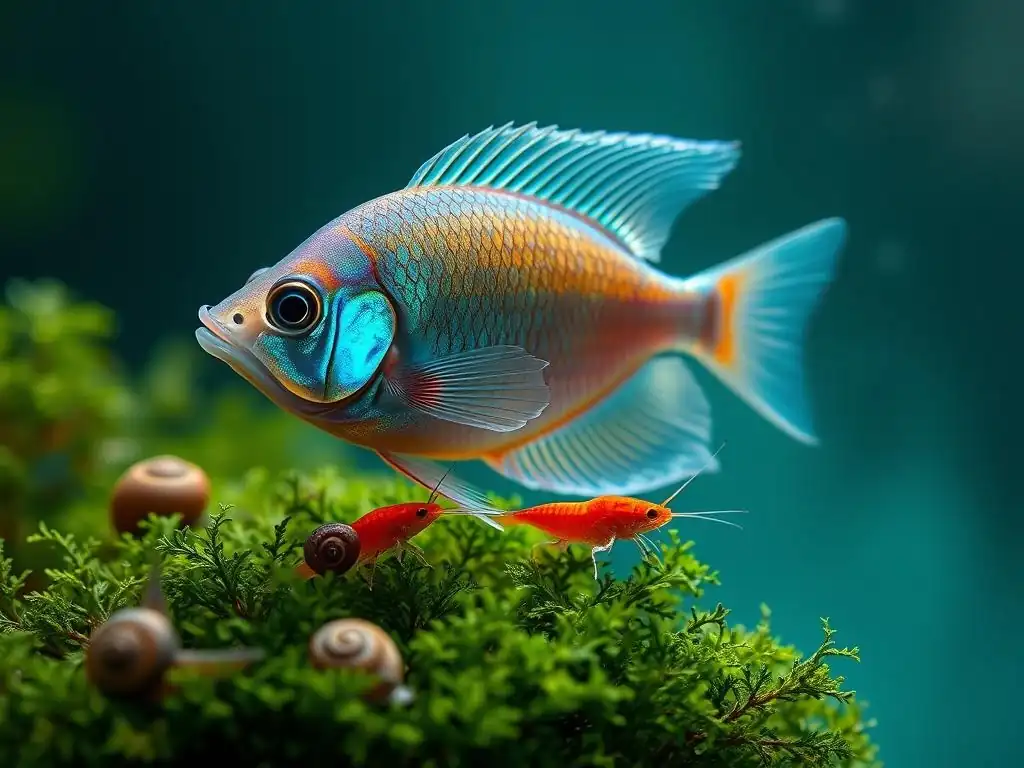
Vigilant observation is key to assessing gourami shrimp tank compatibility. Watch for specific behaviors that indicate aggression or predatory intent from your gouramis. This includes gouramis actively chasing shrimp, repeatedly pecking at them, or attempting to mouth them. Such behaviors are distinct from a casual investigation and signal that the gourami views the shrimp as prey or a nuisance. A gourami swimming directly towards a shrimp with flared fins or an open mouth is a clear warning sign.
Persistent aggression will inevitably stress the shrimp, leading to a range of negative consequences. Stressed shrimp often hide constantly, refuse to eat, become lethargic, or may even succumb to illness or death. If you observe a noticeable and unexplained decline in your shrimp population, or if you catch a gourami attempting to swallow a shrimp, it is a definitive indication of incompatibility that requires immediate intervention. For instance, a colony of 20 thriving cherry shrimp might mysteriously dwindle to five within a single month if a gourami is actively preying on them.
Identifying Stressed Shrimp: Symptoms and Causes
Recognizing the signs of stress in your shrimp is crucial for maintaining a healthy gourami shrimp tank. Stressed shrimp often exhibit unusual behaviors, such as frantic, erratic swimming around the tank, or, conversely, constant hiding and immobility. Other symptoms include a loss of vibrant coloration, a hunched posture, or a failure to molt properly, which can lead to molting difficulties and death. They may also refuse to feed, even when preferred foods are offered.
While gourami aggression is a significant cause of stress, it's important to rule out other environmental factors. Poor water quality, including elevated levels of ammonia, nitrite, or nitrates, sudden fluctuations in pH or temperature, or the presence of harmful chemicals like copper, are common stressors for shrimp. A lack of sufficient hiding places can also contribute to chronic stress. Differentiating the underlying cause of stress, whether it's direct predation or suboptimal water conditions, is vital for implementing effective solutions and improving gourami shrimp tank compatibility.
Rehoming Options: When Gouramis and Shrimp Simply Can't Coexist
Despite careful planning and diligent monitoring, there are instances where gouramis and shrimp simply cannot coexist peacefully in the same aquarium. Some individual gouramis may exhibit an unusually high level of aggression, or certain shrimp species may prove too vulnerable even in ideal conditions. If persistent aggression continues to result in shrimp loss or chronic stress, rehoming one of the species becomes the most humane and responsible solution.
There are several rehoming options to consider. The most straightforward approach is to set up a dedicated, fish-free shrimp-only tank, providing a safe haven for the shrimp to thrive and potentially breed without threat. Alternatively, the aggressive gourami can be rehomed to a tank with larger, more robust fish companions that are not potential prey. Local fish stores often have rehoming programs, or you might find suitable new homes through aquatic clubs or online forums. Prioritizing the well-being and safety of both the gouramis and the shrimp is paramount for achieving true gourami shrimp tank harmony.
Case Studies: Real-World Examples of Gourami and Shrimp Tank Successes and Failures
Successful Gourami Shrimp Tank Setups: Lessons Learned
A notable example of successful gourami shrimp tank compatibility comes from "Aquarist A," who maintained a pair of Honey Gouramis (Trichogaster chuna) with a thriving colony of Amano shrimp in a heavily planted 30-gallon aquarium for over two years. The tank featured dense clumps of Java Moss, multiple pieces of intricately branched driftwood, and numerous Anubias plants attached to rocks, providing abundant hiding spots.
Aquarist A consistently fed the gouramis high-quality flakes and occasional frozen brine shrimp, while supplementing the shrimp's diet with algae wafers every other day. The Honey Gouramis, known for their exceptionally peaceful nature, never showed any aggression towards the adult Amano shrimp, which grew to their full size of nearly 2 inches.
The key factors contributing to this success were multifaceted. The selection of a highly peaceful gourami species (Honey Gourami) was paramount. The choice of robust, larger Amano shrimp, combined with an exceptionally dense aquatic landscape that offered ample refuge, significantly minimized any potential for predatory encounters. Consistent and appropriate feeding ensured the gouramis were well-fed, reducing their natural foraging instincts towards the shrimp. The generous tank size also provided sufficient territory for both species, preventing territorial disputes and fostering excellent gourami shrimp tank compatibility.
Common Mistakes and How to Avoid Them: Ensuring a Harmonious Tank
A common scenario illustrating the pitfalls of gourami shrimp tank compatibility is the experience of "Aquarist B," who attempted to keep a male Dwarf Gourami with a breeding colony of Red Cherry Shrimp in a 10-gallon tank. Initially, the tank appeared peaceful, but within a month, the shrimplet population completely vanished, and several juvenile shrimp disappeared without a trace. Aquarist B later observed the Dwarf Gourami occasionally chasing and pecking at the adult shrimp, though no direct consumption was witnessed.
The primary mistakes in this setup were the inadequate tank size and the choice of highly vulnerable shrimp. A 10-gallon tank is often too small for a Dwarf Gourami to establish a territory without constantly interacting with shrimp, and it provides limited space for effective hiding. Red Cherry Shrimp, especially their tiny shrimplets, are simply too small and brightly colored to reliably coexist with even a Dwarf Gourami, which possesses a strong predatory instinct for small invertebrates.
To avoid such failures, a larger tank (minimum 20 gallons) should be used, and if shrimp breeding is a goal, a dedicated shrimp-only tank is highly recommended. If a mixed tank is desired, opt for larger, less conspicuous shrimp like Amano shrimp and ensure extremely dense planting to maximize their chances of survival, thus improving the overall gourami shrimp tank compatibility.
Alternative Tank Mates for Gouramis: Exploring Other Peaceful Options
Suitable Fish Companions for Gouramis in a Community Tank
If gourami shrimp tank compatibility proves too challenging or risky, there are numerous other peaceful fish species that make excellent companions for gouramis in a community aquarium. Small schooling fish are often ideal, as they occupy different water columns and typically do not bother gouramis. Examples include Neon Tetras, Rummy Nose Tetras, Harlequin Rasboras, and various peaceful Danios. These fish add vibrant activity and color to the tank.
Bottom dwellers also make great tank mates, as they rarely interact directly with gouramis. Corydoras catfish (e.g., Panda Corys, Pygmy Corys) are peaceful, social, and excellent scavengers, while Otocinclus catfish are superb algae eaters. When selecting fish, it's crucial to consider their adult size, temperament, and specific water parameter requirements to ensure overall harmony.
Avoid fin-nipping species like certain Barbs or overly boisterous fish that might stress the more placid gouramis. For example, a school of 6-8 Rummy Nose Tetras paired with a trio of Corydoras catfish in a 30-gallon tank with a pair of Pearl Gouramis creates a vibrant, active, and peaceful environment.
Invertebrate Alternatives to Shrimp: Snails and Other Options
For aquarists seeking invertebrates to complement their gourami tank without the specific compatibility challenges posed by shrimp, snails are an excellent and often safer alternative. Nerite snails (e.g., Zebra Nerite, Horned Nerite, Olive Nerite) are highly effective algae eaters and come in a variety of attractive shell patterns. Their hard shells make them completely impervious to gourami predation, as they are too large and well-protected to be consumed.
Mystery Snails (Pomacea bridgesii) are another popular choice; they are larger, more active, and also very effective at cleaning algae and uneaten food. While they can reproduce more readily than Nerite snails, their operculum (trapdoor) and hard shell offer similar protection from gouramis. Other larger, hard-shelled invertebrates, such as certain types of freshwater clams (though less common in home aquaria), might also be considered, provided they are of sufficient size to deter gourami interest. The key advantage of snails is their inherent protection, which eliminates the primary concerns associated with gourami shrimp tank compatibility.
Conclusion: Achieving Gourami and Shrimp Tank Harmony with Careful Planning
Key Takeaways for Successful Gourami Shrimp Tank Compatibility
Achieving successful gourami shrimp tank compatibility is a nuanced endeavor that demands careful planning and ongoing observation. The cornerstone of success lies in selecting the right species: opting for inherently more peaceful gourami species like Honey Gouramis or Pearl Gouramis, and pairing them with larger, more robust shrimp such as Amano shrimp. Avoiding smaller, more vulnerable shrimp species like Neocaridina, especially if breeding is a goal, is crucial to prevent almost certain predation.
Beyond species selection, the physical setup of the aquarium is paramount. Providing a generously sized tank, ideally 30 gallons or more, ensures ample space for both species to thrive without constant close encounters. Crucially, the tank must be densely planted with live plants and incorporate numerous physical hiding places like driftwood and rock caves, offering essential refuge for the shrimp.
Finally, maintaining pristine and stable water parameters, along with a consistent and targeted feeding regimen, will minimize stress and reduce predatory instincts. Continuous monitoring for any signs of aggression or stress is vital, as individual fish temperaments can vary, and being prepared to adapt or rehome is essential for ensuring the well-being of all tank inhabitants.
Frequently Asked Questions
How compatible are Gouramis and Shrimp in a tank setting?
Gourami and shrimp compatibility is complex and depends on the specific Gourami species. Some Gouramis are more peaceful, while others are predatory. Careful research is crucial before introducing them to the same tank.
Which Gourami species are generally considered safer to keep with shrimp?
Dwarf Gouramis and Honey Gouramis are often considered the safest Gourami options for shrimp tanks due to their smaller size and less aggressive nature. However, even these species might occasionally predate on smaller or newly molted shrimp.
What tank size is recommended for a Gourami and Shrimp tank?
A larger tank is generally recommended. A minimum of 20 gallons is ideal to provide ample space for both the Gouramis and the shrimp, allowing them to establish territories and reduce the likelihood of aggression.
What are some crucial factors to consider when introducing Gouramis to a shrimp tank?
Provide plenty of hiding places for the shrimp, such as dense plants, caves, and driftwood. Acclimation is also key, ensuring the shrimp are well-established before introducing the Gouramis. Regular feeding of the Gouramis can also reduce their interest in hunting shrimp.
What are the signs of incompatibility between Gouramis and Shrimp?
Signs of incompatibility include Gouramis actively hunting shrimp, a significant decrease in the shrimp population, and shrimp hiding constantly. If these signs are observed, it may be necessary to separate the species.
Final Reflection: Harmony in the Aquarium
The delicate balance of an aquarium ecosystem, as explored throughout this article, highlights the broader concept of interdependence in nature. Just as we've examined the potential for harmony, or discord, between gouramis and shrimp, understanding these intricate relationships is crucial for responsible pet ownership and, more broadly, for appreciating the fragility of our planet's ecosystems. The choices we make, even within the confines of a glass tank, have ripple effects.
This exploration of gourami and shrimp compatibility has not only provided practical guidance for aquarists but has also underscored the importance of mindful observation and informed decision-making. The success of any community tank, and indeed any ecosystem, hinges on understanding the needs and behaviors of its inhabitants. In nature, nothing exists alone.
- Rachel Carson. This quote perfectly encapsulates the interconnectedness we strive to replicate, or at least respect, within our aquariums, and the responsibility we bear in doing so.
Now, consider the lessons learned about gourami and shrimp tank compatibility and apply them to your own life. Are there areas where you can foster greater understanding and harmony in your relationships, whether with people, animals, or the environment? Let this exploration inspire you to cultivate environments of respect, awareness, and thoughtful consideration, creating spaces where all can thrive.
Cultivate Your Aquatic Harmony!
Thanks for diving into the world of gourami and shrimp compatibility! Hopefully, you've gained valuable insights to create a thriving ecosystem. Now, let's take that knowledge and turn it into action.
Here are some next steps you can take:
- Carefully assess your gourami's personality before introducing shrimp. Observation is key!
- Share your own gourami and shrimp experiences in the comments below to help other aquarists.
- Research compatible plants to provide extra hiding places and security for your shrimp.
What's one small step you'll take this week to create a more harmonious environment for your aquatic pets?