
Filtration for Small Schooling Cyprinids: Keeping Your Danios & Rasboras Healthy

Welcome to Aquarium Mastery!
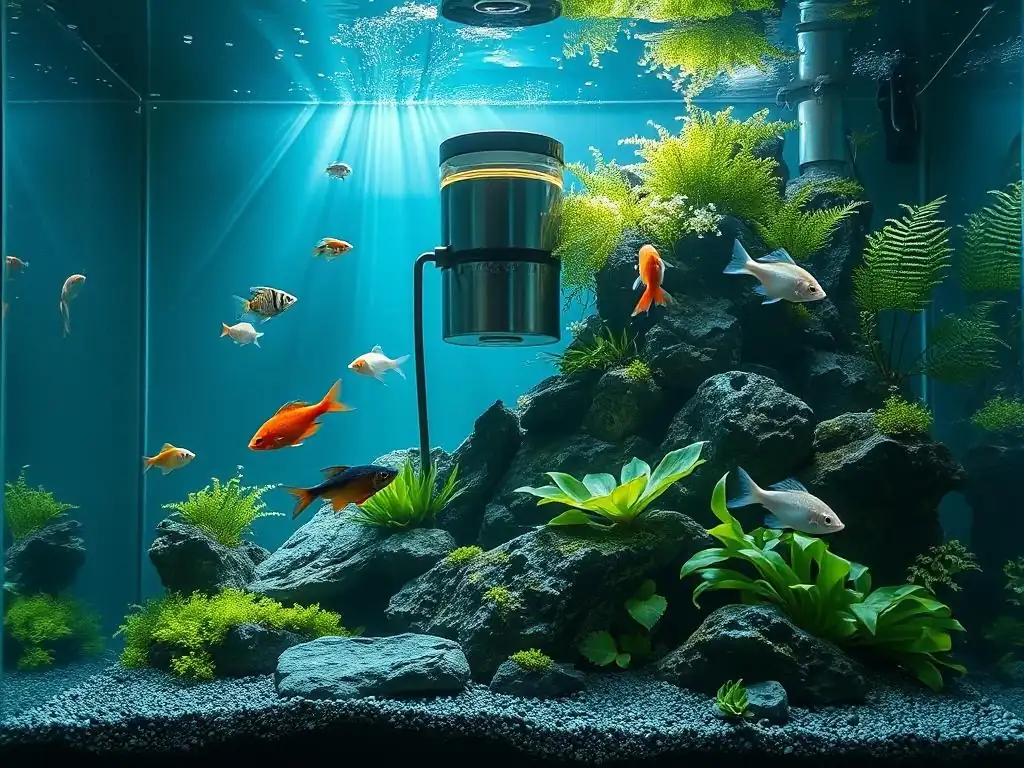
Ever wondered how to create the perfect environment for your dazzling danios and rasboras? Ensuring their vibrancy and health starts with understanding healthy danios rasbora filtration. Dive into this guide to unlock the secrets of maintaining pristine water quality and discover the essential filtration techniques that will keep your small schooling cyprinids thriving! Ready to make your aquarium a true paradise? Let's get started!
- Understanding the Importance of Filtration for Danios and Rasboras
- Choosing the Right Filter for Your Danio and Rasbora Tank
- Setting Up Your Filter for Optimal Performance
- Maintaining Your Filter for Long-Term Aquarium Health
- Troubleshooting Common Filtration Issues in Danio and Rasbora Tanks
- Optimizing Water Quality for Healthy Danios and Rasboras
- Signs of Good and Bad Filtration in Your Danio and Rasbora Tank
-
Frequently Asked Questions
- How does proper filtration contribute to the health of danios and rasboras?
- What type of filter is best suited for a danio and rasbora aquarium?
- How often should I perform maintenance on my danio and rasbora aquarium filter?
- What are the signs of inadequate filtration in a danio and rasbora tank?
- Can over-filtration be detrimental to danios and rasboras?
- Final Reflection: The Crystal Clarity of Care
- Dive Deeper: Craft a Thriving Cyprinid Paradise!
Understanding the Importance of Filtration for Danios and Rasboras
Why Proper Filtration is Crucial for Small Cyprinids
Proper filtration is the cornerstone of a thriving aquatic environment, especially for small schooling cyprinids like danios and rasboras. These active fish, despite their small size, have relatively high metabolisms, meaning they produce a significant amount of waste. Effective filtration ensures that toxic compounds like ammonia and nitrite, which are byproducts of fish waste and decaying food, are efficiently removed or converted. This process is essential for maintaining a stable and healthy ecosystem, directly supporting healthy danios rasbora filtration and overall fish vitality.
The filtration system works in three key ways: mechanical, biological, and chemical. Mechanical filtration removes physical debris, keeping the water clear. Biological filtration, however, is the most critical component, housing beneficial bacteria that convert harmful ammonia into nitrite, and then nitrite into less toxic nitrate. Chemical filtration, often using activated carbon, removes dissolved organic compounds, odors, and discolorations. Even a small group of 10 Harlequin Rasboras in a 10-gallon tank can produce enough waste daily to elevate ammonia levels rapidly without robust biological filtration.
The Impact of Poor Water Quality on Danio and Rasbora Health
Poor water quality can have devastating immediate and long-term effects on danios and rasboras. Immediately, fish may exhibit signs of stress such as clamped fins, rapid gill movement, lethargy, or gasping at the surface. Elevated levels of ammonia (even above 0.25 ppm) and nitrite (above 0.5 ppm) are highly toxic, causing gill damage, respiratory distress, and weakening the fish's immune system, making them susceptible to common diseases like fin rot or Ich. Inadequate danios rasbora filtration is often the root cause of these issues.
Over time, prolonged exposure to suboptimal water conditions, such as consistently high nitrates (ideally below 20 ppm for these species, but often climbing to 40 ppm or more in neglected tanks), can lead to chronic stress, stunted growth, and a significantly reduced lifespan. Fish may lose their vibrant coloration, become prone to recurrent infections, and cease natural behaviors like schooling. For example, a group of Zebra Danios kept in water with persistent ammonia spikes will likely show stunted growth, reaching perhaps only 75% of their typical adult size of 1.5-2 inches.
Choosing the Right Filter for Your Danio and Rasbora Tank
Selecting a Filter Based on Tank Size and Fish Load
When selecting a filter for your danio and rasbora tank, it's crucial to consider both the tank's volume and the anticipated fish load. A general rule of thumb for these small, active schooling fish is to choose a filter rated to process the tank's entire volume at least 4-6 times per hour. For instance, a 20-gallon tank would ideally benefit from a filter with a flow rate between 80-120 Gallons Per Hour (GPH). While this might seem high, it ensures thorough water turnover and provides ample surface area for beneficial bacteria, contributing significantly to healthy danios rasbora filtration.
It's also important to account for the "fish load" or bioload. A tank with a denser population of fish, even small ones, will produce more waste and require more robust filtration. For example, a 10-gallon tank housing 10-15 Celestial Pearl Danios will require more efficient filtration than one with only 5-6 fish, even if the tank size is the same. Over-filtering is generally preferable to under-filtering for these sensitive species, as it creates a more stable and forgiving environment.
Types of Filters Suitable for Small Schooling Cyprinids
Sponge Filters: A Gentle Option for Delicate Danios and Rasboras
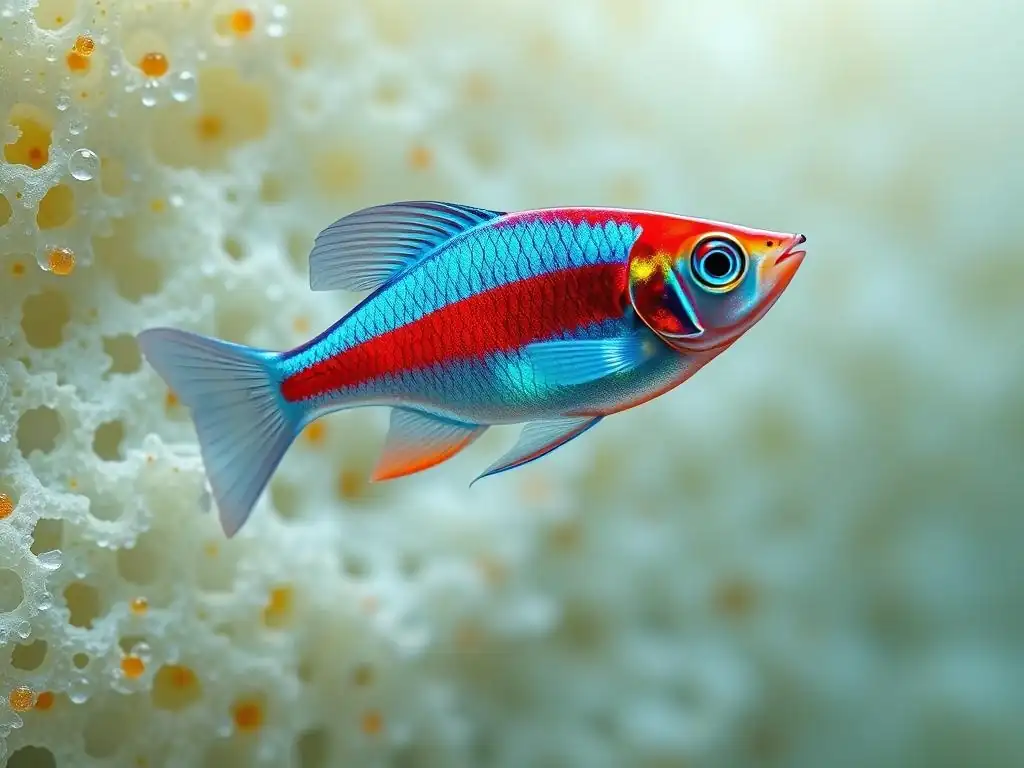
Sponge filters are an excellent choice for tanks housing delicate danios and rasboras, especially fry tanks or breeding setups, due to their gentle flow and exceptional biological filtration capabilities. These air-driven filters consist of a weighted base, an air stone connected to an air pump, and a porous sponge. As air bubbles rise through the lift tube, they create a gentle suction that draws water through the sponge, trapping particulate matter and providing a vast surface area for beneficial bacteria to colonize.
Their primary advantage lies in their minimal current, which prevents small fish from being buffeted around, reducing stress. They are also incredibly simple to maintain, affordable, and nearly impossible to clog completely. A typical medium-sized sponge filter, costing around $5-$10, can effectively manage the bioload of a 5-10 gallon tank housing a school of 8-12 micro-cyprinids like Chili Rasboras, making them a top contender for gentle yet effective filtration for healthy danios and rasboras.
Hang-On-Back (HOB) Filters: Convenient and Effective Filtration
Hang-On-Back (HOB) filters are among the most popular and versatile filtration systems for home aquariums, suitable for a wide range of tank sizes from 10 to 50 gallons. They offer mechanical, chemical, and biological filtration in a compact, external unit that hangs on the back of the aquarium. Water is drawn from the tank through an intake tube, passes through various media cartridges (often including a filter floss for mechanical filtration, activated carbon for chemical, and a bio-sponge or ceramic rings for biological), and then flows back into the tank via a waterfall-like spillway.
When selecting a HOB filter for danios and rasboras, look for models with adjustable flow rates or consider adding a pre-filter sponge over the intake to minimize current and protect smaller fish or fry from being sucked in. These filters are generally easy to set up and maintain, providing robust filtration without taking up space inside the tank. For a 20-gallon tank with 15 Zebra Danios, a HOB filter rated for 100 GPH with good media capacity, like an AquaClear 30 or Seachem Tidal 35, would provide excellent danios rasbora filtration health.
Internal Filters: Compact Filtration Solutions for Smaller Tanks
Internal filters are compact, self-contained units that are fully submerged inside the aquarium. They are particularly well-suited for smaller tanks, typically under 20 gallons, or as supplementary filtration in larger setups. These filters often combine mechanical and biological filtration within a single housing, drawing water through a sponge or cartridge and returning it to the tank, sometimes via an adjustable spray bar or directional nozzle.
Their discreet design makes them aesthetically pleasing, and their ability to be placed anywhere within the tank offers flexibility in circulation. While their media capacity might be more limited compared to larger HOB or canister filters, they are highly effective for managing the bioload of a small school of danios or rasboras. For a 5-gallon tank housing a small group of Galaxy Rasboras, an internal filter with a flow rate of 10-15 GPH, equipped with a fine sponge, can maintain excellent water quality and contribute significantly to healthy danios rasbora filtration.
Setting Up Your Filter for Optimal Performance
Preparing Your Filter for Initial Use
Before installing any new filter, it is crucial to properly prepare all its components. Begin by thoroughly rinsing all filter media, such as sponges, ceramic rings, bio-balls, and carbon bags, under dechlorinated tap water or old tank water. This step is vital to remove any manufacturing dust, debris, or chemical residues that could cloud your aquarium water or be harmful to your fish. Failing to rinse new media can lead to cloudy water for several days and may even leach undesirable substances into your tank.
Once rinsed, assemble the filter according to the manufacturer's instructions. Crucially, the tank must undergo a "cycling" process before fish are introduced. This involves establishing colonies of beneficial bacteria within the filter media, which convert toxic ammonia and nitrite into less harmful nitrate.
This natural process typically takes 4-6 weeks to complete. While some aquarists opt for a "fish-in" cycle, a "fishless" cycle is far less stressful for future inhabitants and ensures the filtration for healthy danios and rasboras is fully functional from day one. Adding a bacterial starter culture can significantly accelerate this establishment phase, often cutting the cycling time in half.
Positioning Your Filter for Effective Water Circulation
The strategic positioning of your filter is key to ensuring effective water circulation throughout the entire aquarium, preventing "dead spots" where waste can accumulate. For Hang-On-Back (HOB) filters, placing the filter on one end of the tank, facing the opposite end, generally creates a good cross-tank current that draws water and debris towards the intake. This setup helps to sweep waste from all areas of the tank into the filter for processing.
Internal filters offer more flexibility; they can be placed near the surface to create beneficial surface agitation for oxygen exchange or lower down to pull water from the substrate level. If using a spray bar, position it just below the water surface, angled slightly upwards, to create gentle ripples and maximize oxygenation without creating excessive turbulence that might stress smaller fish. Proper circulation is paramount for distributing clean, oxygenated water and ensuring all parts of the tank benefit from the danios rasbora filtration health provided.
Adjusting Flow Rates to Suit Danios and Rasboras
While danios are generally robust and appreciate some water movement, rasboras, especially the smaller species like Chili Rasboras or Boraras brigittae, often prefer calmer waters. Many modern filters, particularly HOB and internal models, come with adjustable flow rate settings. It is essential to utilize these to tailor the current to your specific fish species. If your filter does not have an adjustable flow, you can often diffuse the current by directing the output against the aquarium glass, using a spray bar, or strategically placing decorations or plants to break up the flow.
Observe your fish's behavior closely. If they are constantly struggling against the current, appear exhausted, or are always huddled in a low-flow corner, the flow rate is likely too strong. Conversely, if debris is settling rapidly or the water appears stagnant in certain areas, the flow might be insufficient. The goal is to achieve a balance: robust enough circulation to prevent dead spots and effectively pull waste into the filter, but gentle enough to avoid stressing your small schooling cyprinids. This careful adjustment is vital for optimizing filtration for healthy danios and rasboras.
Maintaining Your Filter for Long-Term Aquarium Health
Regular Filter Cleaning: Preventing Buildup and Maintaining Efficiency
Regular cleaning of your filter is paramount for its long-term efficiency and the overall health of your danios and rasboras. Mechanical filter media, such as sponges and filter floss, should be rinsed every 2-4 weeks, or whenever you notice a significant decrease in water flow. Crucially, this cleaning should always be done using old tank water removed during a water change, not tap water. Tap water contains chlorine and chloramines, which will kill the beneficial bacteria residing on the filter media, leading to a dangerous spike in ammonia and nitrite.
Neglecting regular cleaning allows detritus and debris to accumulate, clogging the filter media and reducing its effectiveness. A heavily clogged sponge, for instance, can reduce the filter's flow rate by 50% or more, diminishing both mechanical and biological filtration capacity. This directly impairs the healthy danios rasbora filtration system, making the tank susceptible to poor water quality and fish health issues. Consistent maintenance prevents these problems by ensuring optimal water flow and preserving the vital bacterial colonies.
Replacing Filter Media: When and How to Refresh Your Filtration
The replacement schedule for filter media varies significantly depending on the type of media and its function. Mechanical media, like fine filter floss or pads, might need to be replaced monthly as they become heavily soiled and lose their ability to trap particles effectively. Chemical media, such as activated carbon, typically loses its adsorptive capacity within 2-4 weeks and should be replaced regularly to continue removing dissolved organic compounds and odors.
Biological media, however, should rarely be replaced. Materials like ceramic rings, bio-balls, or specialized biological sponges are designed to be permanent homes for beneficial bacteria. Replacing them unnecessarily can lead to a "mini-cycle," causing ammonia and nitrite spikes. If biological media becomes physically disintegrating or heavily fouled, replace only a small portion (e.g., 25%) at a time, staggering replacements over several weeks to allow new bacterial colonies to establish. Never replace all media at once, as this will crash your nitrogen cycle and severely compromise danios rasbora filtration health.
Monitoring Water Parameters: Ensuring Optimal Water Quality for Danios & Rasboras
Consistent monitoring of water parameters is perhaps the most critical aspect of maintaining optimal water quality and ensuring the effectiveness of your filtration for healthy danios and rasboras. Regular testing for ammonia, nitrite, and nitrate using a reliable liquid test kit (more accurate than test strips) is essential. Ammonia and nitrite levels should always be undetectable (0 ppm), as even trace amounts are toxic to fish. Nitrate levels should ideally be kept below 20 ppm, though some sensitive species or fry may benefit from levels below 10 ppm.
Beyond the nitrogen cycle parameters, regularly check your pH (most common danios and rasboras thrive in a pH range of 6.5-7.5) and water temperature to ensure stability. Consistent monitoring provides early warning signs of filtration issues; for example, a sudden rise in ammonia after a filter cleaning indicates a loss of beneficial bacteria, prompting immediate corrective action like a water change and bacterial supplement. This proactive approach prevents small issues from escalating into major health crises for your fish.
Troubleshooting Common Filtration Issues in Danio and Rasbora Tanks
Clogged Filters: Identifying and Resolving Flow Problems
A clogged filter is one of the most common filtration issues encountered in aquariums, leading to reduced efficiency and potential water quality problems. The primary symptom is a noticeable decrease in water flow from the filter's output, sometimes accompanied by unusual gurgling noises from Hang-On-Back (HOB) filters or complete cessation of flow. Causes typically include an accumulation of fish waste, uneaten food, decaying plant matter, or even algae growth within the filter media or intake tube.
To resolve a clogged filter, first unplug the unit for safety. Carefully remove the filter from the tank and disassemble it according to the manufacturer's instructions. Thoroughly clean the impeller and its housing, as this is a frequent point of blockage, sometimes by a small snail or plant leaf. Rinse all mechanical filter media (sponges, floss) in old tank water to remove trapped debris. If the flow doesn't improve after cleaning, inspect the intake tube for blockages. Regular cleaning, as discussed previously, is the best preventative measure for maintaining effective healthy danios rasbora filtration.
Cloudy Water: Addressing Bacterial Blooms and Particulate Matter
Cloudy water is a common visual indicator of an underlying issue within the aquarium's ecosystem, often related to filtration. It typically manifests in two forms: a milky white cloudiness, usually indicative of a bacterial bloom, or a greyish haze caused by particulate matter. Bacterial blooms often occur during the initial cycling phase of a new tank, after a large water change, or due to overfeeding, signifying an imbalance in the nitrogen cycle where beneficial bacteria are multiplying rapidly to process excess nutrients.
To address a bacterial bloom, avoid overfeeding, ensure consistent water changes (small, frequent ones like 10-15% daily for a few days can help), and verify your biological filtration is robust. For particulate matter, the issue lies with insufficient mechanical filtration. Ensure your filter's mechanical media (e.g., filter floss or fine sponges) is clean and adequately sized for your tank. Adding a fine filter floss pad to your filter can significantly improve water clarity by trapping microscopic particles, thereby enhancing the overall effectiveness of your danios rasbora filtration.
High Ammonia or Nitrite Levels: Identifying and Correcting Filtration Imbalances
High ammonia or nitrite levels are critical warning signs of a compromised nitrogen cycle, directly indicating a severe imbalance in your filtration system. Symptoms in danios and rasboras include rapid gill movement, gasping at the surface, lethargy, loss of appetite, and sometimes red or irritated gills. These toxic compounds are highly damaging to fish, even in small concentrations. Common causes include an uncycled tank, filter malfunction, overfeeding, overstocking, or over-cleaning/replacement of biological filter media.
Immediate action is crucial. Perform a significant water change (25-50%) to dilute the toxins. Add a reputable ammonia/nitrite detoxifier to the water, which temporarily neutralizes these compounds. Reduce or cease feeding for a day or two. Check your filter for any clogs or damage, and ensure it's running properly. If biological media was recently cleaned or replaced, consider adding a bacterial starter product to help re-establish beneficial colonies. Addressing these imbalances promptly is paramount for restoring filtration for healthy danios and rasboras and preventing fish loss.
Optimizing Water Quality for Healthy Danios and Rasboras
The Role of Water Changes in Maintaining a Healthy Aquarium Ecosystem
Even with a perfectly functioning filter, regular water changes are indispensable for maintaining a healthy and stable aquarium ecosystem for danios and rasboras. While biological filtration effectively converts ammonia and nitrite into nitrate, nitrates themselves accumulate over time and are only removed through water changes or uptake by live plants. High nitrate levels (above 20 ppm) can stress fish, suppress their immune systems, and contribute to excessive algae growth.
Weekly water changes of 25% are generally recommended for most community tanks, though tanks with higher bioloads or sensitive species might benefit from 30-40% weekly changes. For example, in a 20-gallon tank with 15 active schooling danios, a 5-gallon weekly water change is a good starting point. This practice not only dilutes accumulated nitrates and other dissolved organic compounds but also replenishes essential minerals that are depleted over time, creating a more pristine environment that complements your healthy danios rasbora filtration efforts.
Choosing the Right Water Conditioner for Your Fish
The use of a high-quality water conditioner is absolutely non-negotiable when performing water changes in your danio and rasbora tank. Tap water typically contains chlorine and/or chloramines, which are disinfectants that are highly toxic to fish and, crucially, to the beneficial bacteria residing in your filter. Even small amounts can cause gill damage, stress, and lead to a crash of your nitrogen cycle, undermining all your efforts in danios rasbora filtration health.
A good water conditioner will instantly neutralize chlorine and chloramines. Many popular brands also offer additional benefits, such as detoxifying heavy metals (often present in tap water), providing a synthetic slime coat protectant to reduce fish stress during handling or water changes, and even binding to ammonia and nitrite temporarily. Always add the conditioner to the new water before adding it to the tank, following the product's dosage instructions carefully. This simple step is a vital safeguard for your fish and their environment.
Planting Your Tank: Natural Filtration and Improved Water Quality
Incorporating live plants into your danio and rasbora tank offers numerous benefits beyond just aesthetics, acting as natural biofilters and significantly contributing to overall water quality. Plants actively absorb nitrates, ammonia, and nitrites directly from the water column, competing with algae for these nutrients and helping to keep their levels low. This natural filtration complements your mechanical and biological filter, reducing the overall bioload and mitigating the impact of waste.
Beyond nutrient absorption, live plants oxygenate the water through photosynthesis, which is particularly beneficial for active fish. They also provide crucial hiding spots and a sense of security for schooling fish, reducing stress and encouraging natural behaviors. Easy-to-grow species like Anubias, Java Fern, various Cryptocoryne species, and stem plants like Water Wisteria or Bacopa are excellent choices. A heavily planted 10-gallon tank can process a significant portion of the nitrogenous waste produced by a school of 10 Chili Rasboras, enhancing the effectiveness of your primary filtration for healthy danios and rasboras.
Signs of Good and Bad Filtration in Your Danio and Rasbora Tank
Indicators of a Healthy, Well-Filtered Aquarium
A healthy, well-filtered aquarium for danios and rasboras exhibits several clear indicators. The most immediate sign is crystal-clear water that is free of any cloudiness, discoloration, or unpleasant odors. The fish themselves will be active, alert, and exhibit their natural schooling behaviors. Their coloration will be vibrant and intense, their fins will be fully extended and free of nips or rot, and they will show a healthy appetite.
Crucially, consistent water parameter tests will reveal optimal conditions: ammonia and nitrite levels at 0 ppm, and nitrates consistently below 20 ppm (ideally lower). There will be minimal algae growth, indicating that excess nutrients are being efficiently processed by the filter and plants. For example, a school of Glowlight Danios darting energetically around the tank with brilliant orange stripes in pristine water is a strong visual confirmation of effective healthy danios rasbora filtration.
Warning Signs of Poor Filtration and Water Quality Issues
Conversely, several warning signs indicate poor filtration and deteriorating water quality, requiring immediate attention. The most obvious is cloudy, murky, or discolored water, often accompanied by a foul, earthy, or fishy odor. Fish may show signs of stress: lethargy, clamped fins, gasping at the surface, rapid gill movement, or abnormal swimming patterns. Their vibrant colors may appear dull, and they might develop visible signs of disease like fin rot, white spots (Ich), or fungal infections.
Beyond visual cues, consistently elevated readings of ammonia (above 0 ppm), nitrite (above 0 ppm), or high nitrates (above 40 ppm) are definitive proof of inadequate danios rasbora filtration. Other signs include excessive algae growth covering surfaces, which thrives on the excess nutrients that a failing filter cannot process, and unexplained fish deaths. Recognizing these warning signs early allows for prompt intervention, potentially saving your entire school of danios and rasboras.
Frequently Asked Questions
How does proper filtration contribute to the health of danios and rasboras?
Proper filtration is crucial because it removes waste products like ammonia and nitrites, which are toxic to fish. It also helps maintain stable water parameters, essential for their well-being.
What type of filter is best suited for a danio and rasbora aquarium?
A sponge filter or a hang-on-back (HOB) filter with adjustable flow is generally recommended. These options provide adequate filtration without creating excessive current, which danios and rasboras dislike.
How often should I perform maintenance on my danio and rasbora aquarium filter?
Filter maintenance frequency depends on the filter type and tank size, but generally, you should rinse the filter media in used aquarium water every 2-4 weeks. Avoid replacing the entire media at once to preserve beneficial bacteria.
What are the signs of inadequate filtration in a danio and rasbora tank?
Signs include cloudy water, elevated ammonia or nitrite levels, and fish exhibiting lethargy or gasping at the surface. These indicate a need for improved filtration or more frequent water changes.
Can over-filtration be detrimental to danios and rasboras?
Yes, excessive water flow from an overly powerful filter can stress these small, schooling fish. It's important to choose a filter appropriate for the tank size and adjust the flow if necessary.
Final Reflection: The Crystal Clarity of Care
The journey to understanding healthy danios rasbora filtration is not merely about maintaining a clean tank; it's about fostering a thriving ecosystem for these vibrant, small schooling cyprinids. The principles outlined in this article, from selecting the right filter to understanding the nitrogen cycle, are more relevant than ever as we strive to create ethical and sustainable environments for our aquatic companions. Ensuring their well-being through proper filtration is a testament to our commitment as responsible aquarists.
This dedication to creating optimal environments extends beyond the glass walls of our aquariums. The act of meticulously caring for these delicate creatures mirrors our responsibility to protect the larger, more complex ecosystems of our planet. It reminds us that even the smallest actions, like choosing the right filter media, can have a profound impact. The greatness of a nation and its moral progress can be judged by the way its animals are treated.
- Mahatma Gandhi. This quote resonates deeply, urging us to consider the ethical implications of our choices and to strive for a world where all living beings are treated with respect and compassion.
Now, as you gaze upon your own shimmering school of danios or rasboras, consider the knowledge you've gained. Let it inspire you to not only maintain a pristine aquatic environment but also to reflect on the broader implications of responsible stewardship. The health and happiness of these tiny fish rests in your hands. Embrace that responsibility, and let the crystal clarity of their water reflect the clarity of your commitment to their well-being, and to the well-being of the world around us.
Dive Deeper: Craft a Thriving Cyprinid Paradise!
Thank you for exploring the world of small schooling cyprinids with us! We hope this guide has given you the insights you need to create a healthy and vibrant aquarium for your danios and rasboras. Ready to take the next step?
- Optimize your filtration system right now! Ensure your filter is appropriately sized and maintained to create the pristine water quality your cyprinids crave.
- Share your aquarium success! Post a picture of your thriving cyprinid tank on social media using #AquariumMasteryCyprinids.
- Explore a new, uncommon plant for your aquarium that enhances the natural filtration system.
What surprising filtration method have you found works best for maintaining optimal water parameters in your cyprinid tank?