
Guppy Community Tank: Creating a Harmonious MultiSpecies Setup

Welcome to Aquarium Mastery!
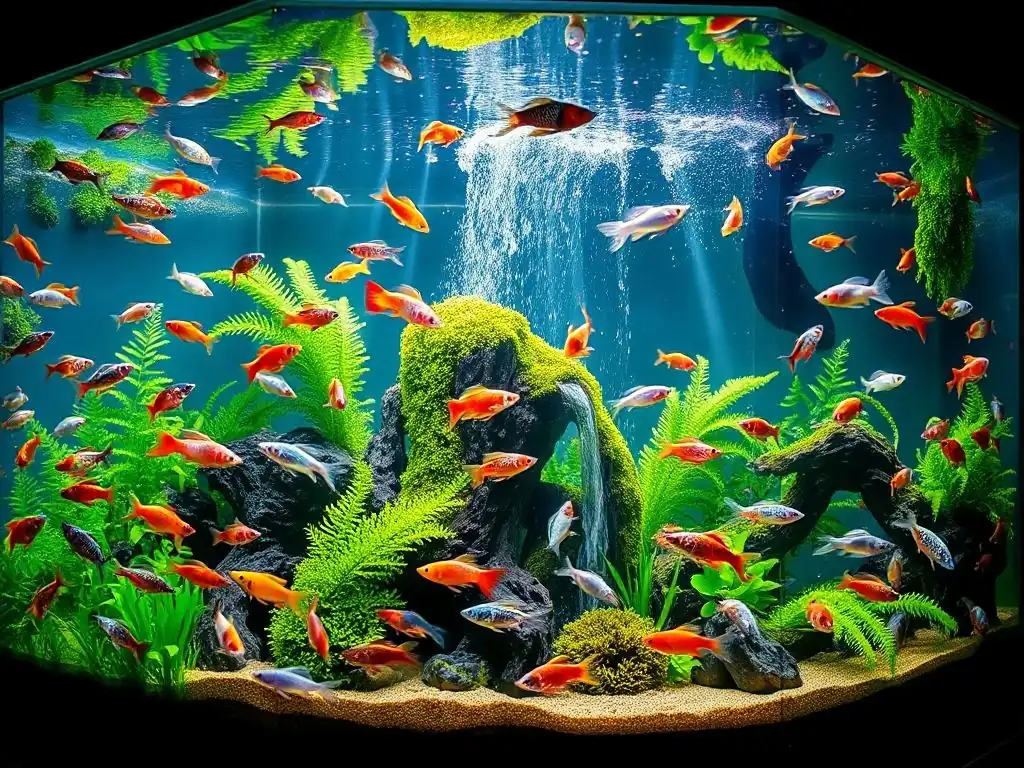
Ready to dive into the captivating world of guppy community tanks? Ever wondered if you can create a thriving, multi-species ecosystem with these colorful little fish? This guide unlocks the secrets to a harmonious setup, but be warned – it's more than just throwing a few fish together! Discover the do's and don'ts of choosing the right tank mates and creating the perfect environment for your guppies to flourish. Intrigued? Let's explore!
- Understanding Guppy Community Tank Dynamics
- Selecting Compatible Tank Mates for Guppies
- Setting Up Your Guppy Community Tank
- Maintaining a Healthy Guppy Community Tank
- Breeding Considerations in a Guppy Community Tank
- Troubleshooting Common Issues in Guppy Community Tanks
- Advanced Guppy Community Tank Strategies
-
Frequently Asked Questions
- How many guppies should I start with in my community tank?
- What are some good tank mates for guppies in a community tank?
- What size tank is recommended for a guppy community tank setup?
- What are the ideal water parameters for a guppy community tank?
- How often should I perform water changes in my guppy community tank?
- Final Reflection: Cultivating Harmony in the Aquatic World
- Cultivate Your Underwater Paradise!
Understanding Guppy Community Tank Dynamics
The Appeal of a Multi-Species Aquarium with Guppies
Guppies (Poecilia reticulata) are celebrated among aquarists for their vibrant colors, active swimming patterns, and generally peaceful disposition, making them an excellent cornerstone for a multi-species freshwater aquarium. Their relatively small size, typically reaching about 1.5 to 2.5 inches, allows them to fit comfortably into moderately sized tanks, while their continuous breeding activity adds a dynamic, ever-changing element to the aquatic environment. The sheer diversity of guppy strains, from Moscow Blues to Fancy Guppies with flowing tails, ensures a visually captivating display.
Beyond their aesthetic appeal, guppies are remarkably hardy fish, adapting well to a range of water conditions, which simplifies the overall maintenance of a community tank. Their tendency to occupy the upper and middle water columns means they coexist well with bottom-dwelling species, utilizing the tank's vertical space efficiently. This harmonious interaction contributes to a more balanced and natural ecosystem, enriching the viewing experience for any enthusiast of a guppy community tank setup.
Key Considerations for Guppy Tank Mates
When selecting companions for your guppies, compatibility is paramount to ensure a peaceful and thriving guppy community tank setup. The ideal tank mates should share similar water parameter preferences, typically a temperature range of 72-79°F (22-26°C), a pH between 6.8 and 7.8, and moderately hard water (8-18 dGH). Crucially, their temperament must be peaceful, avoiding any species known for aggression or fin-nipping, as guppies, especially males with their long, flowing fins, are vulnerable to such attacks.
Furthermore, consider the size of potential tank mates; they should not be large enough to view guppies as prey, nor so small or timid that they are outcompetited for food or stressed by the guppies' active nature. Different swimming levels are also a beneficial consideration; combining top-dwelling guppies with mid-water swimmers and bottom-dwelling scavengers helps distribute the bioload and ensures all areas of the tank are utilized, contributing to a balanced guppy community tank setup.
Avoiding Common Mistakes in Guppy Community Tank Design
One of the most frequent errors in designing a guppy community tank setup is overstocking. While guppies are small, they are active and reproduce rapidly, meaning a tank can quickly become overcrowded if not managed properly. Overstocking leads to increased waste production, elevated ammonia and nitrite levels, and ultimately poor water quality, which stresses fish and makes them susceptible to disease. A general guideline for stocking is approximately one inch of adult fish per gallon of water, but for active species like guppies, providing more space is always beneficial.
Another critical mistake is introducing incompatible tank mates. This includes highly aggressive species like certain cichlids, known fin-nippers such as Tiger Barbs, or fish that require vastly different water parameters, like extremely soft or acidic water. Such mismatches can lead to constant stress, injury, or even death for the guppies or the incompatible species. Always research the specific needs and temperaments of any fish before adding them to your guppy community tank setup to ensure long-term harmony.
Selecting Compatible Tank Mates for Guppies
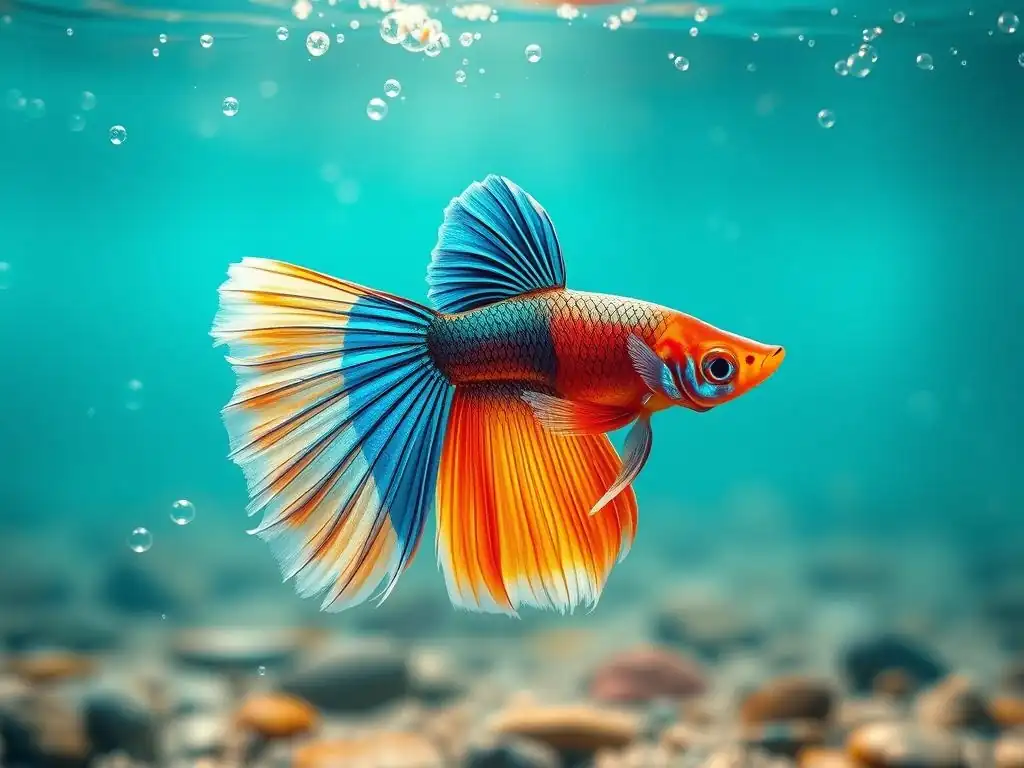
Top Fish Choices for a Peaceful Guppy Community
Neon Tetras: A Classic Guppy Companion
Neon Tetras (Paracheirodon innesi) are a popular choice for a guppy community tank setup due to their small size, peaceful nature, and striking iridescent blue and red coloration. They are mid-water swimmers, occupying a different niche than the mostly top-dwelling guppies, which helps prevent competition for space. Their schooling behavior adds dynamic visual interest and a sense of security for the fish themselves, thriving best in groups of six or more.
These tetras prefer slightly softer, more acidic water (pH 6.0-7.5) and temperatures between 72-76°F (22-24°C), which generally overlaps well with the guppies' preferred parameters. While guppies can tolerate harder water, a middle ground often works for both. They are omnivores and will readily accept high-quality flake food, micro-pellets, and occasional live or frozen treats like daphnia or brine shrimp, making their feeding requirements easily manageable alongside guppies.
Bronze Corydoras: Bottom-Dwelling Clean-Up Crew for Guppy Tanks
Bronze Corydoras (Corydoras aeneus) are an excellent addition to a guppy community tank setup as peaceful, bottom-dwelling scavengers. They help keep the substrate clean by sifting through it for uneaten food, algae, and detritus, reducing the bioload and improving overall tank hygiene. Their calm demeanor ensures they pose no threat to guppies, and they primarily occupy the lower levels of the tank, preventing direct competition for space.
Like all Corydoras species, Bronze Corydoras are schooling fish and should be kept in groups of at least five or six to thrive and exhibit their natural behaviors. They prefer a soft substrate like sand or fine gravel to protect their delicate barbels and appreciate a temperature range of 72-78°F (22-26°C) with a pH of 6.0-7.5, which aligns well with guppy needs. Their diet consists of sinking pellets, wafers, and occasional frozen bloodworms or brine shrimp.
Harlequin Rasboras: Adding Color and Activity to Your Guppy Tank
Harlequin Rasboras (Trigonostigma heteromorpha) are another superb choice for a guppy community tank setup, known for their vibrant copper-orange bodies accented by a distinctive black wedge-shaped mark. These peaceful, schooling fish are active swimmers that typically inhabit the mid-water column, providing another layer of visual interest without interfering with guppies. Their calm temperament makes them ideal companions, as they are not prone to fin-nipping.
Harlequin Rasboras prefer slightly acidic to neutral water (pH 6.0-7.0) and temperatures from 72-79°F (22-26°C), making their water parameter needs largely compatible with guppies. They thrive in groups of six or more, displaying more confident schooling behavior. Their diet is straightforward, accepting high-quality flake foods, small granules, and occasional live or frozen foods, which can be easily incorporated into the feeding regimen of a diverse guppy community tank setup.
Invertebrates That Thrive with Guppies
Cherry Shrimp: Adding Diversity to Your Guppy Community Tank
Cherry Shrimp (Neocaridina davidi) are small, colorful invertebrates that can add a unique dynamic to a guppy community tank setup. Their bright red coloration provides a striking contrast against green plants and other fish, and their constant foraging for algae and detritus contributes to tank cleanliness. Guppies generally leave adult Cherry Shrimp alone, especially in a well-fed tank with ample hiding spots, though guppy fry might occasionally attempt to nip at very small shrimplets.
These shrimp are quite hardy and can adapt to a wide range of water parameters, including the slightly alkaline and moderately hard water preferred by guppies (pH 6.5-8.0, temperature 70-78°F or 21-26°C). Providing dense plant cover, such as Java moss, is crucial for shrimplets to hide and survive predation. They primarily feed on biofilm, algae, and leftover fish food, but can also be supplemented with specialized shrimp pellets.
Nerite Snails: Controlling Algae in a Guppy-Friendly Environment
Nerite Snails (Neritina natalensis) are highly valued for their exceptional algae-eating capabilities, making them an ideal and safe addition to any guppy community tank setup. Unlike some other snail species, Nerite Snails do not reproduce excessively in freshwater aquariums, as their larvae require brackish water to develop, preventing population explosions. Their peaceful nature ensures they pose no threat to guppies or other tank inhabitants.
These snails thrive in similar water conditions to guppies, preferring slightly alkaline and hard water (pH 7.0-8.0, temperature 72-80°F or 22-27°C), which provides the necessary calcium for their shells. They are incredibly efficient at consuming various types of algae, including green spot algae and diatoms, on tank glass, decor, and plant leaves. Their relatively small size, typically 0.5 to 1 inch, allows them to navigate easily within the tank, contributing to a cleaner and more balanced guppy community tank setup.
Fish to Avoid in a Guppy Community Tank
Cichlids: Ensuring Guppy Safety
Most Cichlid species are entirely unsuitable for a guppy community tank setup due to their aggressive and territorial nature. Many cichlids, even smaller ones like some Dwarf Cichlids, can be highly territorial during breeding or simply too boisterous for the delicate guppy. Larger cichlids, such as Oscar fish (Astronotus ocellatus) or Jack Dempseys (Rocio octofasciata), will view guppies as a food source and will readily prey upon them, leading to immediate danger and stress for your guppies.
Beyond direct predation, the sheer difference in temperament and size can cause immense stress for guppies, leading to illness and a significantly shortened lifespan. Cichlids often require different water parameters and tank environments, such as specific rock formations for territories, which further complicates their integration into a peaceful guppy community tank setup. Prioritizing the safety and well-being of your guppies means strictly avoiding all but a very select few, highly specialized dwarf cichlids, and even then, caution is advised.
Serpae Tetras: Protecting Guppy Fins
Serpae Tetras (Hyphessobrycon eques), while visually appealing with their vibrant red bodies, are notorious fin-nippers and pose a significant threat to guppies, especially the males with their long, flowing caudal and dorsal fins. Their tendency to nip at the fins of slower-moving or long-finned fish can lead to severe stress, injury, and secondary bacterial or fungal infections for your guppies. This behavior is often exacerbated if Serpae Tetras are not kept in sufficiently large schools (typically 8-10 individuals), as they tend to redirect their aggression towards other tank mates.
The constant harassment from fin-nipping can severely compromise the guppies' health and well-being, diminishing their colors and making them withdrawn. Even if direct injury doesn't occur, the chronic stress can suppress their immune system. Therefore, to maintain a truly harmonious and healthy guppy community tank setup, it is crucial to avoid any fish species with a known reputation for fin-nipping, and Serpae Tetras fall squarely into this category.
Swordtails: Minimizing Competition
While Swordtails (Xiphophorus hellerii) are also livebearers and might seem like a compatible choice for a guppy community tank setup, they are generally not recommended due to potential aggression and the risk of hybridization. Male Swordtails, particularly, can be quite territorial and may harass male guppies, especially if the tank is not large enough or if there is an imbalance in the male-to-female ratio. Their larger size and more assertive nature can easily intimidate the smaller, more delicate guppies, leading to stress and competition for resources.
Furthermore, Swordtails can interbreed with guppies, leading to sterile or unhealthy offspring, which dilutes the genetic lines of both species. While not always fatal, this hybridization can be undesirable for breeders and can complicate the management of fry in a community tank. To maintain a peaceful environment and prevent unwanted genetic mixing in a guppy community tank setup, it is best to avoid housing Swordtails alongside guppies.
Setting Up Your Guppy Community Tank
Tank Size Requirements for a Thriving Guppy Community
The minimum recommended tank size for a small guppy community tank setup is 20 gallons. While a 10-gallon tank can house a few guppies, it is generally too small and unstable for a diverse community, especially given the guppies' prolific breeding habits. A 20-gallon tank provides ample swimming space for a small school of guppies and a few compatible tank mates, allowing for better water parameter stability and reducing stress among the inhabitants.
For a more robust and diverse guppy community tank setup, a 29-gallon or even a 40-gallon breeder tank is ideal. Larger tanks offer significantly more room for fish to establish territories, disperse aggression (if any), and provide a more stable environment regarding water chemistry and temperature. This increased volume dilutes waste products more effectively, making water parameter maintenance easier and contributing to the long-term health and well-being of your entire aquatic community.
Essential Equipment for a Healthy Guppy Environment
Sponge Filters: Maintaining Water Quality
Sponge filters are an excellent choice for a guppy community tank setup due to their gentle flow, exceptional biological filtration, and safety for guppy fry and delicate invertebrates like shrimp. They operate by pulling water through a porous sponge, which provides a large surface area for beneficial bacteria to colonize. These bacteria convert harmful ammonia and nitrites into less toxic nitrates, crucial for maintaining pristine water quality.
Maintenance of sponge filters is straightforward, typically involving a gentle squeeze in old tank water during a water change to remove accumulated debris, preserving the beneficial bacterial colony. They are also highly reliable, cost-effective, and require only an air pump and airline tubing to operate, making them an ideal, low-impact filtration solution that won't create strong currents that could stress guppies or their tank mates.
Adjustable Submersible Heaters: Providing a Stable Temperature
An adjustable submersible heater is a critical piece of equipment for any guppy community tank setup, as guppies are tropical fish that thrive in stable water temperatures between 72-79°F (22-26°C). Consistent temperature prevents stress, which is a major precursor to disease, and ensures the metabolic processes of all fish and beneficial bacteria function optimally. Fluctuations can weaken immune systems and make fish susceptible to common ailments like Ich.
The general rule of thumb for heater wattage is approximately 1 watt per gallon of water, so a 20-gallon tank would typically require a 25-50 watt heater. It's important to choose a heater with an accurate thermostat and place it in an area with good water flow to ensure even heat distribution throughout the entire guppy community tank setup. Regularly checking the tank's temperature with a reliable thermometer is also essential to confirm the heater is functioning correctly.
LED Lighting: Supporting Plant Growth and Fish Health
LED lighting has become the standard for modern aquariums due to its energy efficiency, longevity, and versatility, making it ideal for a guppy community tank setup. A good LED light fixture can be adjusted in spectrum and intensity, providing the necessary light for photosynthetic plants to thrive while enhancing the natural colors of your guppies and their tank mates. Proper lighting also establishes a natural day-night cycle, which is crucial for fish health and behavior.
For a planted guppy community tank setup, choose an LED light designed for plant growth, typically offering a full spectrum. The lighting duration should generally be set for 8-10 hours per day to prevent excessive algae growth while still supporting plant photosynthesis. Overly bright or prolonged lighting can stress fish and promote undesirable algae blooms, so finding the right balance is key to a healthy and visually appealing aquatic environment.
Aquascaping for a Balanced Ecosystem
Java Moss: Providing Shelter and Natural Filtration
Java Moss (Taxiphyllum barbieri) is an incredibly versatile and beneficial plant for any guppy community tank setup. Its dense, tangled structure provides excellent hiding spots and shelter for guppy fry, allowing them to escape predation from adult fish. This also offers a sense of security for smaller or more timid tank mates, reducing stress levels within the community.
Beyond providing shelter, Java Moss acts as a natural biofilter, absorbing excess nitrates and other waste products from the water, contributing to improved water quality. It is extremely hardy, requires minimal lighting, and can thrive in a wide range of water parameters, making it an ideal choice for beginners. It can be easily attached to driftwood, rocks, or simply left floating, offering flexibility in aquascaping design within your guppy community tank setup.
Gravel Substrate: Choosing the Right Bottom Layer
For a guppy community tank setup, a fine to medium-sized gravel substrate is generally recommended. This type of gravel provides a good surface area for beneficial bacteria to colonize, contributing to the tank's biological filtration. It is also suitable for anchoring most aquatic plants and allows for easy cleaning with a gravel vacuum during routine maintenance. Avoid very coarse or sharp gravel, which can injure the delicate barbels of bottom-dwelling fish like Corydoras.
The depth of the gravel should typically be 1.5 to 2 inches to adequately support plant roots and allow for proper anaerobic conditions (if desired for denitrification) without becoming too deep and prone to anaerobic pockets. The color of the substrate can also influence the appearance of your fish; darker gravel often makes the vibrant colors of guppies and other fish "pop" more effectively, enhancing the aesthetic appeal of your guppy community tank setup.
Driftwood: Creating Hiding Places and Visual Interest
Driftwood is an excellent addition to a guppy community tank setup, offering both aesthetic appeal and practical benefits. Its natural shapes and textures create a visually interesting aquascape, mimicking the natural habitats of many freshwater fish. More importantly, driftwood provides crucial hiding places and territories for fish, reducing stress and aggression within the community, especially for smaller or more timid species.
Before adding driftwood to your tank, it must be properly prepared, usually by boiling or soaking for several days to weeks. This process helps remove tannins that can stain the water (though some tannin release is beneficial, imparting a natural "blackwater" effect) and ensures the wood sinks. Over time, biofilm will grow on the surface of the driftwood, providing a natural food source for shrimp and some snails, further enhancing the ecosystem of your guppy community tank setup.
Maintaining a Healthy Guppy Community Tank
Water Parameter Monitoring and Adjustment
Maintaining stable and appropriate water parameters is crucial for the health and longevity of a guppy community tank setup. Key parameters to regularly monitor include temperature (ideally 72-79°F), pH (6.8-7.8), General Hardness (GH, 8-18 dGH), Carbonate Hardness (KH, 10-16 dKH), and crucially, ammonia, nitrite, and nitrate levels. Ammonia and nitrite should always be at 0 ppm after the tank is cycled, while nitrates should be kept below 20 ppm through regular water changes.
Regular testing, ideally weekly, using a reliable liquid test kit, allows you to identify any deviations promptly. If parameters are out of range, adjustments are necessary: water changes are the primary method to reduce nitrates and refresh minerals, while buffering agents can help stabilize pH and KH. Consistency is more important than achieving "perfect" numbers; sudden, drastic changes in parameters can be more detrimental to fish health than slightly off but stable levels in a guppy community tank setup.
Feeding Your Guppies and Tank Mates
Choosing the Right Food for a Diverse Community
Feeding a guppy community tank setup requires a varied diet to meet the nutritional needs of all inhabitants. For guppies themselves, high-quality flake food designed for tropical fish forms the staple, providing essential proteins, vitamins, and minerals. Supplement this with small, nutrient-rich pellets that sink slowly, catering to mid-water and bottom-dwelling tank mates like tetras and rasboras, ensuring all fish receive adequate nutrition.
To enrich their diet and promote vibrant colors and robust health, incorporate frozen or live foods such as brine shrimp, bloodworms, and daphnia several times a week. Bottom-dwelling species like Corydoras will also benefit from sinking wafers or pellets specifically formulated for catfish. Offering a diverse range of foods not only provides comprehensive nutrition but also encourages natural foraging behaviors within your guppy community tank setup.
Feeding Schedules and Portions
Establishing a consistent feeding schedule and portion control is vital for the health of your guppy community tank setup and to prevent water quality issues. It is generally recommended to feed your fish 2-3 times a day, offering small amounts that can be consumed within 2-3 minutes. Overfeeding is a common mistake that leads to excess uneaten food, which decomposes and spikes ammonia and nitrite levels, compromising water quality and fish health.
Observe your fish during feeding to gauge their appetite and adjust portions accordingly. If there is food leftover after a few minutes, you are likely feeding too much. A lean diet, combined with the occasional "fasting" day (once a week), can also aid in the digestive health of your fish. Consistent, controlled feeding contributes significantly to maintaining a clean and stable environment in your guppy community tank setup.
Regular Tank Maintenance: Water Changes and Cleaning
Regular tank maintenance is the cornerstone of a healthy guppy community tank setup. Performing weekly water changes of 25-30% is crucial for diluting accumulated nitrates, replenishing essential minerals, and removing dissolved organic compounds that can build up over time. Always use dechlorinated water that matches the tank's temperature as closely as possible to avoid shocking the fish.
In addition to water changes, routine cleaning involves gravel vacuuming to remove uneaten food and detritus from the substrate, wiping down the inside of the glass to remove algae, and rinsing filter media in old tank water (never tap water, which can kill beneficial bacteria) as needed. Avoid deep cleaning the entire tank at once, as this can disrupt the beneficial bacterial colonies. A consistent maintenance schedule ensures a stable and thriving environment for your guppy community tank setup.
Identifying and Treating Common Guppy Diseases in a Community Setting
Guppies, like all fish, can be susceptible to various diseases, especially if water quality is poor or they are stressed. Common ailments in a guppy community tank setup include Ich (white spot disease), characterized by small white spots resembling salt grains on the body and fins; fin rot, which causes fins to appear frayed or ragged; and columnaris (cotton mouth), presenting as white, fuzzy growths around the mouth or body. Lethargy, clamped fins, and abnormal swimming are general signs of illness.
Upon identifying sick fish, it is ideal to quarantine them in a separate hospital tank if possible to prevent the spread of disease and to administer specific medications without affecting the main community or beneficial bacteria. If a quarantine tank isn't feasible, treating the main tank might be necessary. However, the most effective treatment for most diseases begins with addressing the root cause: improving water quality through immediate water changes, ensuring proper temperature, and reducing stress factors. Prevention through excellent husbandry is always the best strategy for a healthy guppy community tank setup.
Breeding Considerations in a Guppy Community Tank
Managing Guppy Fry in a Multi-Species Environment
Guppies are renowned for their prolific breeding, with females capable of giving birth to live fry every 28-30 days. In a multi-species guppy community tank setup, managing these fry becomes a significant consideration. While some fry will inevitably be born, their survival rate in a community tank is typically low due to predation by adult guppies and other tank mates. This natural culling can help control the guppy population without active intervention.
However, if you aim for a higher survival rate or wish to selectively breed, specific management strategies are required. The constant presence of fry also adds to the bioload of the tank, requiring consistent water changes and monitoring to maintain water quality. Understanding that guppy breeding is a continuous process is key to successfully maintaining a balanced guppy community tank setup.
Providing Shelter for Guppy Fry
To increase the survival rate of guppy fry in a community tank without fully separating them, providing ample shelter is crucial. Densely planted areas, particularly with fine-leaved plants like Java moss, Hornwort, or Guppy Grass, offer excellent hiding spots where the tiny fry can escape the predatory instincts of adult fish. These plants provide both physical barriers and cover, allowing fry to forage for micro-organisms and detritus safely.
Floating plants such as Water Sprite or Frogbit also offer good overhead cover and roots that provide shelter. Placing decorative elements like small caves or driftwood structures can further enhance hiding opportunities. While these measures won't guarantee the survival of all fry, they significantly improve their chances of reaching a size where they are less vulnerable to predation within a bustling guppy community tank setup.
Separating Fry for Higher Survival Rates
For aquarists aiming for the highest possible survival rates of guppy fry, separating them from the main guppy community tank setup is the most effective strategy. This can be achieved using a breeding box or net placed inside the main tank, or ideally, by setting up a dedicated fry tank. A separate fry tank (e.g., a 5-10 gallon tank) offers a controlled environment free from predators, allowing the fry to grow without stress or competition.
In a dedicated fry tank, specific care can be provided: small, frequent water changes (e.g., 10% daily or every other day) to maintain pristine water quality, and specialized fry foods like finely crushed flakes, liquid fry food, or newly hatched brine shrimp. Once the fry are large enough (typically 0.5-1 inch), they can be safely introduced back into the main guppy community tank setup or rehomed, ensuring a higher success rate for your breeding efforts.
Troubleshooting Common Issues in Guppy Community Tanks
Dealing with Aggression
Aggression in a guppy community tank setup, though uncommon for guppies themselves, can arise from various factors, primarily involving incompatible tank mates, overcrowding, or an imbalanced male-to-female ratio among guppies. Symptoms include nipped fins, constant chasing, or visible stress in certain fish. For guppies, an excess of males (more than one male per two or three females) can lead to males constantly harassing females, causing stress and exhaustion.
To address aggression, first, ensure all tank mates are truly compatible and remove any known fin-nippers or overly territorial species. If the issue is within the guppies themselves, adjust the male-to-female ratio to at least 1:2 or 1:3 to disperse male attention. Increasing tank size to reduce overcrowding and adding more hiding spots like dense plants or decor can also provide refuge and alleviate stress, promoting a more peaceful guppy community tank setup.
Addressing Water Quality Problems
Water quality issues are a primary cause of stress and disease in any guppy community tank setup. Symptoms include cloudy water, fish gasping at the surface, lethargy, loss of appetite, or rapid algae growth. These problems are often caused by overfeeding, insufficient filtration, or infrequent water changes, leading to elevated levels of ammonia, nitrite, or nitrate.
The immediate solution is to perform a significant water change (e.g., 50%) to dilute toxins, followed by rigorous testing of water parameters. Reduce feeding portions and frequency, and ensure your filter is adequately sized and maintained. Increasing the frequency of smaller water changes (e.g., 25% twice a week instead of 30% once a week) can also help maintain consistently pristine conditions. Addressing these underlying causes is crucial for restoring and maintaining a healthy guppy community tank setup.
Preventing Overpopulation
Overpopulation is an almost inevitable challenge in a guppy community tank setup due to their prolific breeding. Left unchecked, a rapidly growing guppy population can quickly lead to overcrowding, which stresses fish, degrades water quality, and stunts growth. While natural predation by compatible tank mates can help control numbers to some extent, it is often not enough to prevent overpopulation entirely.
Strategies to prevent overpopulation include maintaining a male-only guppy tank (though this requires careful sourcing of all-male groups), allowing natural predation of fry to occur in a well-planted community tank, or separating sexes to prevent breeding. For those who enjoy breeding, actively rehoming excess fish to local fish stores or fellow hobbyists is a sustainable solution. Planning for population management from the outset is a key aspect of a successful guppy community tank setup.
Advanced Guppy Community Tank Strategies
Blackwater Aquariums: Replicating Natural Habitats
A blackwater aquarium is an advanced strategy for a guppy community tank setup that replicates the natural conditions of many South American river systems, characterized by water stained amber or brown by tannins released from decaying leaves, wood, and other botanicals. While guppies are adaptable, creating a blackwater environment can provide a highly naturalistic and visually unique setting, potentially reducing stress and enhancing fish coloration.
To achieve this, natural botanicals like Indian Almond Leaves (Catappa leaves), Alder Cones, or specialized driftwood are added to the tank. These materials gradually release tannins, which not only tint the water but also possess mild antibacterial and antifungal properties. While tannins typically lower pH, guppies can adapt to slightly lower pH levels (e.g., 6.5-7.0) if acclimated slowly, making this an interesting approach for a dedicated guppy community tank setup.
Planted Guppy Community Tanks: Creating a Lush Environment
A heavily planted guppy community tank setup offers numerous benefits beyond aesthetics, creating a lush, vibrant, and highly functional ecosystem. Live plants act as natural filters, absorbing nitrates and other waste products, thus improving water quality and reducing the frequency of water changes. They also oxygenate the water during the day and provide abundant hiding spots and visual barriers, which reduce stress and aggression among fish.
Suitable plants for a guppy tank include hardy, fast-growing species like Anubias, Java Fern, Cryptocoryne species, and various stem plants such as Water Wisteria or Rotala. While advanced planted tanks might require CO2 injection and specialized substrates, a thriving planted guppy community tank setup can be achieved with moderate lighting, a nutritious substrate, and regular liquid fertilization. This approach creates a more stable and enriching environment for guppies and their tank mates.
Guppy and Ember Tetra Community Tank Setup
A Guppy and Ember Tetra (Hyphessobrycon amandae) community tank setup is an excellent example of combining two peaceful, small species for a harmonious and visually appealing display. Ember Tetras are tiny, vibrant orange-red schooling fish that typically grow to less than an inch, making them perfectly suited for coexisting with guppies without any risk of aggression or fin-nipping. They primarily occupy the mid-water column, complementing the guppies' preference for the upper areas.
While Ember Tetras generally prefer slightly softer, more acidic water (pH 5.5-7.0) and temperatures from 72-80°F (22-27°C) compared to guppies' slightly harder water preference, they are quite adaptable and can thrive in neutral to slightly hard water if introduced slowly. Keeping a school of at least 8-10 Ember Tetras is crucial for their well-being, as it enhances their natural schooling behavior and reduces shyness. This combination creates a dynamic and colorful guppy community tank setup that is both beautiful and manageable.
Frequently Asked Questions
How many guppies should I start with in my community tank?
It's best to start with a small group of guppies, typically three to five, to allow them to acclimate to the tank. This helps prevent overcrowding and potential stress on the other fish in the community.
What are some good tank mates for guppies in a community tank?
Guppies thrive with peaceful fish that share similar water parameter needs. Ideal tank mates include small tetras like neons or cardinals, Corydoras catfish for bottom cleaning, and peaceful rasboras like harlequin rasboras.
What size tank is recommended for a guppy community tank setup?
A minimum of 10 gallons is recommended, but larger tanks (20 gallons or more) are preferable for a thriving guppy community. This provides more space for the guppies and their tank mates, reducing stress and aggression.
What are the ideal water parameters for a guppy community tank?
Guppies prefer a water temperature between 72°F and 82°F, a pH level between 6.8 and 7.8, and moderate water hardness. Regular water testing and changes are crucial for maintaining these parameters.
How often should I perform water changes in my guppy community tank?
Regular partial water changes are essential. Aim for 25-50% water changes every one to two weeks to remove nitrates and replenish essential minerals, ensuring a healthy environment for your guppies and tank mates.
Final Reflection: Cultivating Harmony in the Aquatic World
The journey of establishing a thriving guppy community tank, as we've explored, is more than just assembling fish; it's about creating a balanced ecosystem. The principles of careful species selection, meticulous tank management, and attentive observation remain crucially relevant today as more and more aquarists seek to move beyond single-species setups and embrace the beauty of diverse aquatic communities. This pursuit of harmony within a glass box mirrors our own societal aspirations for peaceful coexistence and mutual respect.
The impact of responsible aquascaping extends beyond the aesthetic appeal of a vibrant tank. It fosters a deeper understanding of interconnectedness and the delicate balance of nature. The success of a guppy community tank, much like the success of any community, hinges on empathy and understanding the needs of others. In nature, nothing exists alone.
- Rachel Carson. This quote perfectly encapsulates the spirit of a successful guppy community tank, where each species contributes to the overall health and beauty of the environment.
As you consider the lessons learned from creating a harmonious guppy community tank, I invite you to reflect on how these principles can be applied to your own life. Just as careful planning and attentive care are essential for a thriving aquarium, so too are they vital for fostering positive relationships and building a more harmonious world around you. Embrace the challenge of creating balance and beauty, not just in your tank, but in all aspects of your life.
Cultivate Your Underwater Paradise!
Thanks for diving into the world of guppy community tanks! Now that you're equipped with the knowledge to create a thriving ecosystem, let's put that wisdom into action.
Here's how you can continue your aquatic journey:
- Start Planning Your Dream Tank: Carefully select compatible tank mates and create a detailed stocking plan before you head to the aquarium store. This will save you time and potential heartache down the road.
- Share your newfound knowledge:Share this article with a fellow aquarist to spread the joy of a vibrant community tank.
- Consider a less common approach: Research and implement a biotope-specific aquarium replicating the natural habitat of your chosen guppy tank mates, offering a unique and educational experience.
What's the first captivating fish species you're considering adding to your guppy community tank and why?