
Guppy Fish Unveiled: The Ultimate Profile & Care Guide for Beginners

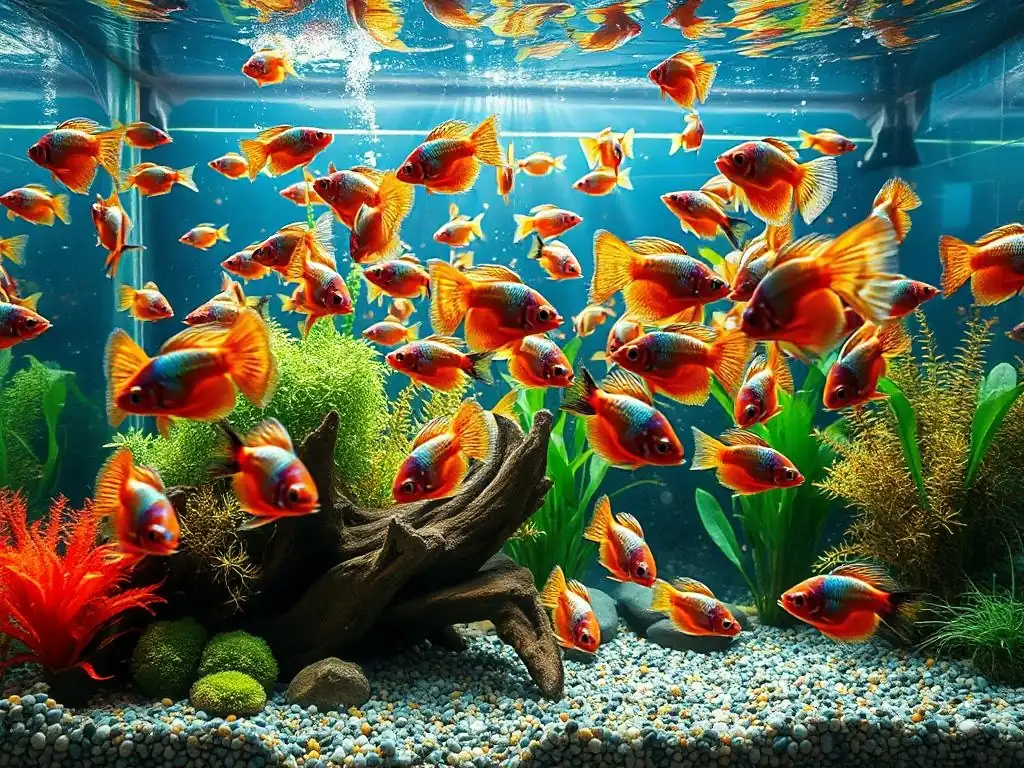
Welcome to Aquarium Mastery, where your aquatic dreams come to life! Ever wondered how to unlock the secrets to a thriving, vibrant guppy haven? Dive into our Guppy Fish Unveiled: The Ultimate Profile & Care Guide, your essential resource for mastering the art of guppy keeping. Discover everything you need to know, from selecting the perfect tank mates to ensuring a healthy, happy life for your colorful companions. Ready to transform your guppy keeping game? Let's get started!
- Guppy Fish: The Ultimate Care Guide
- Introduction to Guppy Fish
- Guppy Fish Profile
- Setting Up a Guppy Tank
- Guppy Fish Care
- Guppy Fish Tank Mates
- Guppy Fish Breeding
- Common Guppy Diseases and Treatments
- Troubleshooting Common Problems
- Advanced Guppy Care
- Conclusion: Enjoying Your Guppies
-
Frequently Asked Questions
- What are the most important factors to consider when setting up a guppy tank?
- What is the ideal diet for guppy fish to ensure their health and vibrant colors?
- How often should I perform water changes in a guppy tank?
- What are some common diseases that affect guppies, and how can I prevent them?
- How can I control the guppy population in my aquarium to prevent overpopulation?
- Final Reflection: The Enduring Allure of Tiny Wonders
- Dive Deeper: Start Your Guppy Adventure Today!
Guppy Fish: The Ultimate Care Guide
Introduction to Guppy Fish
Why Guppies Are Popular
Guppy fish, scientifically known as Poecilia reticulata, hold a prominent place in the aquarium hobby due to their vibrant colors, energetic swimming patterns, and relatively straightforward care requirements. Their widespread availability in pet stores, coupled with their affordable price point, makes them an immediate go-to choice for individuals embarking on their first aquarium journey. The dazzling array of fin shapes and body colors, from neon blues to fiery reds, ensures there's a guppy variety to captivate any aquarist, contributing significantly to the demand for a comprehensive guppy fish care guide.
Furthermore, guppies are remarkably hardy fish, capable of adapting to a range of water conditions more readily than many other species. This resilience makes them forgiving for beginners who are still learning the nuances of water chemistry and tank maintenance. Their active nature and constant movement add a lively dynamic to any freshwater tank, providing continuous visual interest and enjoyment for their keepers.
Understanding Guppy Appeal
Beyond their visual appeal and hardiness, a significant part of guppy fish appeal stems from their prolific breeding habits. Many aquarists find immense satisfaction in observing the entire life cycle of their fish, from tiny fry to mature adults, and guppies offer this opportunity frequently. A single female guppy can give birth to 20-50 fry every 20-30 days, creating a dynamic and evolving population within the aquarium, which is a key aspect covered in any detailed guppy fish care guide.
Their generally peaceful temperament also makes guppies excellent candidates for community tanks, provided suitable tank mates are chosen. This allows beginners to explore the diversity of freshwater aquatic life without the complexities of managing aggressive species. The combination of easy care, stunning aesthetics, and the fascinating aspect of reproduction solidifies guppies' position as one of the most beloved and recommended fish for novice aquarists worldwide.
Guppy Fish Profile
Scientific Classification (Poecilia reticulata)
Guppy fish belong to the family Poeciliidae, which includes other popular livebearers such as mollies and platies. Their scientific name, Poecilia reticulata, was first described in 1859, and they are native to freshwater habitats across South America, specifically in Venezuela, Barbados, Trinidad, and the Guianas. In their natural environment, guppies thrive in warm, shallow streams, rivers, and even brackish waters near river mouths, often found among dense vegetation.
Wild guppies typically exhibit a more subdued coloration compared to their selectively bred counterparts, with males displaying small, iridescent spots and patterns. Over the decades, extensive selective breeding by hobbyists and commercial breeders has led to the incredible diversity of colors, patterns, and fin shapes seen in the aquarium trade today. Understanding their natural origins helps in replicating suitable conditions within a home aquarium, a fundamental step in any comprehensive guppy fish care guide.
Appearance and Color Variations
Guppy fish are renowned for their striking sexual dimorphism; males are typically smaller, reaching about 1 to 1.5 inches (2.5-3.8 cm), but boast incredibly vibrant colors and elaborate, flowing fins. Female guppies are larger, growing up to 1.5 to 2.5 inches (3.8-6.3 cm), with more subdued colors and shorter, less ornate fins, often appearing a dull grey or silver. The male's caudal (tail) fin is particularly diverse, with popular shapes including the delta (triangular), fantail, swordtail (top or bottom), lyretail, and round tail.
The spectrum of color variations in guppies is vast, encompassing nearly every hue imaginable, from fiery reds and electric blues to emerald greens and sunshine yellows. Patterns are equally diverse, with common types including the mosaic (irregular spots), cobra (vertical bars with rosettes), tuxedo (dark rear body, lighter front), and leopard (small, dark spots). This immense genetic variability means that no two guppies are exactly alike, making them a delight for collectors and a key focus when discussing a detailed guppy fish care guide.
Size and Lifespan
Adult male guppy fish typically reach a length of 1 to 1.5 inches (2.5 to 3.8 cm), while females are noticeably larger, growing to about 1.5 to 2.5 inches (3.8 to 6.3 cm). The size a guppy attains can be influenced by several factors, including genetics, diet quality, tank size, and consistency of water parameters. Providing a balanced diet rich in protein and maintaining optimal water conditions are crucial for promoting healthy growth and vibrant coloration, aspects that are thoroughly addressed in a complete guppy fish care guide.
The average lifespan of a guppy fish in a well-maintained home aquarium ranges from 2 to 3 years. In exceptional circumstances, with pristine water quality, a high-quality diet, and minimal stress, some guppies have been known to live for up to 5 years. However, factors such as poor water quality, overcrowding, inadequate nutrition, and chronic stress can significantly shorten their lifespan, often reducing it to less than a year. Therefore, diligent adherence to proper guppy fish care guide principles is essential for maximizing their longevity.
Setting Up a Guppy Tank
Tank Size and Stocking
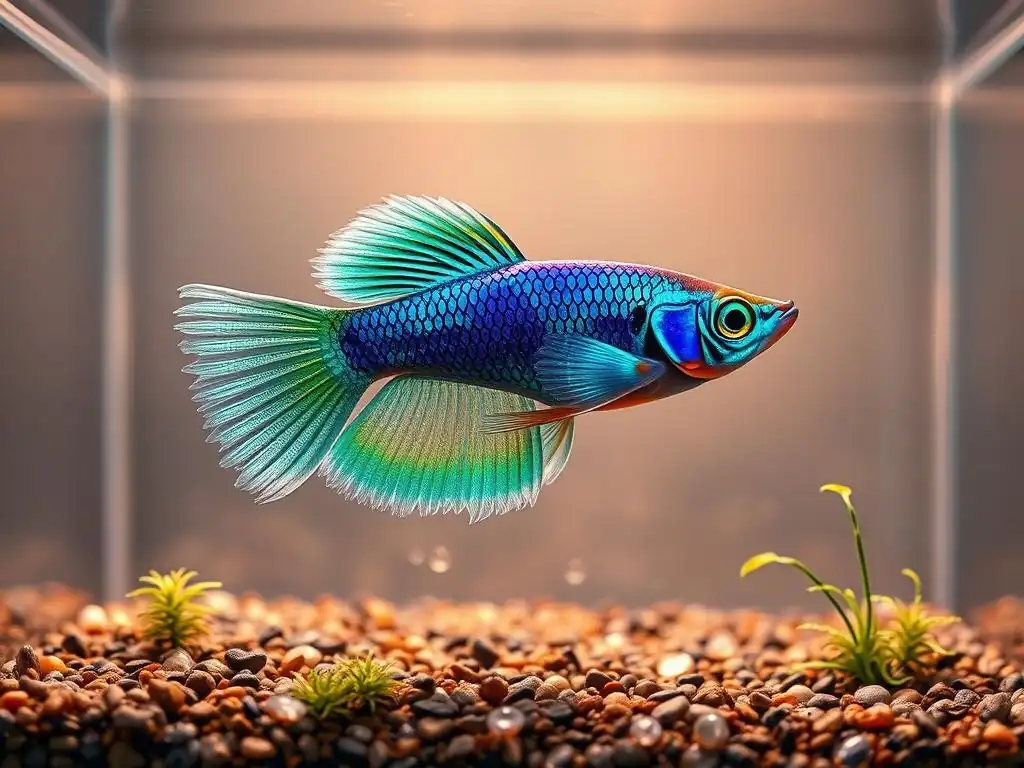
For a small group of guppy fish, a minimum tank size of 10 gallons (approximately 38 liters) is recommended. This size provides adequate swimming space and helps maintain stable water parameters for a trio of guppies (one male and two females). However, to accommodate a larger group or to allow for the inevitable fry, a 20-gallon (around 76 liters) or larger tank is highly preferable. Larger tanks offer more stability in water chemistry and reduce the risk of overcrowding, which is a common stressor for guppies.
When stocking, a general rule of thumb for guppies is to allow at least 1 gallon of water per inch of fish, though more space is always beneficial. It's crucial to maintain a higher ratio of females to males, ideally 2-3 females for every male. This helps to distribute the male's constant courtship efforts among multiple females, reducing stress on any single female and preventing her from being harassed to exhaustion. Proper stocking density is a critical element of any effective guppy fish care guide.
Essential Aquarium Equipment
Choosing the Right Filter
A reliable filtration system is paramount for maintaining healthy water quality in a guppy tank. For tanks 10-20 gallons, a hang-on-back (HOB) filter is often an excellent choice, providing both mechanical and biological filtration without taking up internal tank space. For larger tanks, or if you prefer a more discreet setup, a canister filter offers superior filtration capacity and media customization. Sponge filters, while simple, are also highly effective, particularly for breeding tanks as they are gentle on delicate guppy fry and provide excellent biological filtration.
Regardless of the type, the filter should be appropriately sized for the tank volume to ensure efficient removal of waste products like ammonia and nitrites. It's important to choose a filter with adjustable flow or baffle the output if the current is too strong, as guppies prefer calmer waters. Regular maintenance of the filter media, as detailed in any guppy fish care guide, is essential to prevent the buildup of harmful toxins.
Heater and Temperature
Guppy fish are tropical species and require stable, warm water temperatures to thrive. An aquarium heater is an essential piece of equipment to maintain their preferred temperature range. For a 10-gallon tank, a 50-watt heater is typically sufficient, while a 20-gallon tank might require a 100-watt heater. Always choose a heater with an adjustable thermostat to set the temperature precisely.
The ideal temperature range for guppies is between 72°F and 82°F (22°C and 28°C), with 76°F to 78°F (24°C to 26°C) often considered optimal. Consistent temperature is more important than a specific point within this range; sudden fluctuations can stress guppies and make them susceptible to disease. A reliable thermometer, whether stick-on, digital, or submersible, should be used to monitor the water temperature daily, a crucial step highlighted in any comprehensive guppy fish care guide.
Lighting
While guppy fish do not have specific lighting requirements beyond a standard day/night cycle, appropriate lighting is essential for supporting live plants, if you choose to include them, and for viewing your fish. A standard LED aquarium light that provides 8-10 hours of light per day is generally suitable. This duration mimics natural daylight cycles and helps regulate the fish's circadian rhythm.
Excessive lighting, such as leaving lights on for more than 12 hours, can promote unsightly algae growth and may stress the fish. Conversely, insufficient lighting can make the tank appear dull and hinder plant growth. A simple timer can be used to automate the lighting schedule, ensuring consistency and ease of care, which is a practical tip often found in a detailed guppy fish care guide.
Substrate and Decorations
Best Substrates
For a guppy fish tank, a fine-grained substrate like sand or small-grade gravel is generally recommended. Sand is excellent for bottom-dwelling fish and allows for easy cleaning, as waste tends to sit on top rather than settling deep within. If using live plants, a nutrient-rich plant substrate can be beneficial, often topped with a layer of inert sand or gravel.
Gravel with a grain size of 2-3 mm is also suitable, as it provides a good surface area for beneficial bacteria to colonize and is easy to vacuum. Avoid very coarse or sharp gravel, which can injure delicate guppy fins. The color of the substrate can also influence the appearance of your guppies; a darker substrate can often make their vibrant colors stand out more prominently.
Safe Decorations and Plants
Decorations in a guppy tank should provide hiding spots and visual barriers, which reduce stress and provide a sense of security for the fish. Smooth rocks, driftwood, and ceramic ornaments are excellent choices. Ensure all decorations are aquarium-safe, free of sharp edges, and thoroughly rinsed before being placed in the tank. Avoid items that could leach harmful chemicals into the water.
Live plants are highly beneficial for a guppy tank. They absorb nitrates, produce oxygen, and provide natural hiding places for guppies and their fry. Excellent choices include Java Moss, Anubias, Java Fern, Hornwort, and Water Sprite. These plants are relatively easy to care for and thrive in conditions suitable for guppies. Plastic plants can also be used, but choose softer silk varieties over rigid plastic ones to prevent fin damage. A well-decorated tank not only looks appealing but also contributes significantly to the overall well-being of your guppy fish, a key aspect of a thorough guppy fish care guide.
Guppy Fish Care
Water Parameters
Maintaining stable and appropriate water parameters is the cornerstone of successful guppy fish care. Guppies are relatively hardy, but consistent water quality prevents stress and disease. Regular testing with an aquarium test kit is crucial to monitor ammonia, nitrite, nitrate, pH, and water hardness levels.
Temperature
As tropical fish, guppies thrive in warm water. The ideal temperature range for Poecilia reticulata is between 72°F and 82°F (22°C and 28°C). Many experienced aquarists find that maintaining a temperature around 76°F to 78°F (24°C to 26°C) promotes optimal health, activity, and breeding.
Consistent temperature is more vital than hitting an exact number; sudden fluctuations of more than a few degrees Fahrenheit can cause significant stress to guppies, weakening their immune systems and making them susceptible to common fish diseases like Ich. A reliable heater with a thermostat is indispensable for maintaining this stability, as detailed in any comprehensive guppy fish care guide.
pH Levels
Guppy fish prefer slightly alkaline water, with an ideal pH range of 7.0 to 8.0. While they can tolerate a slightly wider range, maintaining a stable pH within this spectrum is crucial. Wild guppies often inhabit waters with higher pH due to the presence of dissolved minerals. Sudden shifts in pH can be extremely detrimental, causing pH shock, which manifests as erratic swimming, gasping at the surface, and lethargy.
Regular water changes with dechlorinated water that matches the tank's established pH are the best way to keep this parameter stable. Avoid using harsh chemicals to alter pH unless absolutely necessary and done so gradually. Monitoring pH weekly, especially after water changes or if fish show signs of stress, is a vital part of a diligent guppy fish care guide.
Water Hardness
Guppies prefer moderately hard to very hard water, with a general hardness (GH) range of 8-18 dGH (140-320 ppm) and a carbonate hardness (KH) of 10-20 dKH. Hard water provides essential minerals like calcium and magnesium, which are vital for bone development, osmoregulation, and overall health in livebearers. These minerals also contribute to buffering the water, helping to stabilize pH levels.
If your tap water is naturally soft, you may need to add mineral supplements specifically designed for aquariums to increase hardness. Products like Seachem Equilibrium or crushed coral in the filter can help achieve and maintain desired hardness levels. Conversely, if your water is excessively hard, methods to soften it are rarely necessary for guppies, as they thrive in harder conditions. Understanding and adjusting water hardness is a key component of an effective guppy fish care guide.
Guppy Fish Feeding
What Do Guppies Eat?
Guppy fish are omnivores, meaning their natural diet consists of both plant matter and small invertebrates. In a home aquarium, a high-quality flake food specifically formulated for tropical fish should form the staple of their diet. Look for flakes that list fish meal, spirulina, and various vitamins as primary ingredients. Supplementing their diet with a variety of foods ensures they receive all necessary nutrients and promotes vibrant coloration and strong immunity.
Excellent supplementary foods include live or frozen brine shrimp, daphnia, and bloodworms, which provide essential protein. Vegetable matter can be offered in the form of blanched zucchini, peas, or spirulina flakes/wafers. Providing a varied diet is crucial for the long-term health and vitality of your guppies, a principle strongly emphasized in a comprehensive guppy fish care guide.
Feeding Frequency
Guppies have small stomachs and a fast metabolism, so it's better to feed them small amounts multiple times a day rather than one large meal. For adult guppies, feeding 2-3 times a day is ideal. Offer only what they can consume within 2-3 minutes. Overfeeding is a common mistake that can lead to several problems, including poor water quality due to uneaten food decaying, and digestive issues in the fish.
If you notice food remaining on the substrate after a few minutes, you are feeding too much. Adjust the portion size accordingly. Consistent feeding schedules and appropriate portion control are fundamental aspects of proper guppy fish care, contributing significantly to their health and the cleanliness of their environment. This careful approach to feeding is a cornerstone of any good guppy fish care guide.
Regular Tank Maintenance
Water Changes
Regular water changes are arguably the most critical aspect of maintaining a healthy guppy tank. For a well-stocked guppy aquarium, a 25-30% water change weekly is generally recommended. This practice removes accumulated nitrates, phosphates, and other dissolved organic compounds that can become toxic over time, even with a good filter. It also replenishes essential trace minerals.
Always use a reliable water conditioner to neutralize chlorine, chloramines, and heavy metals present in tap water. Ensure the new water is roughly the same temperature as the tank water to prevent temperature shock. Consistent water changes are the most effective way to prevent disease and keep your guppies thriving, a non-negotiable step in any thorough guppy fish care guide.
Gravel Vacuuming
During each water change, it's essential to vacuum the gravel or substrate. A gravel vacuum allows you to siphon out water while simultaneously removing uneaten food, fish waste, and other debris that settles in the substrate. This prevents the decomposition of organic matter, which can release ammonia and nitrites into the water, spiking dangerous levels.
For tanks with sand substrate, gently hover the gravel vacuum just above the sand to lift debris without sucking up too much sand. In planted tanks, be careful not to disturb plant roots excessively. Thorough gravel vacuuming is a vital part of maintaining pristine water quality and a clean environment for your guppy fish.
Filter Maintenance
The filter is the heart of your aquarium's ecosystem, housing beneficial bacteria that convert harmful ammonia and nitrites into less toxic nitrates. Mechanical filter media (like sponges or filter floss) should be rinsed in old tank water (never tap water, as chlorine will kill beneficial bacteria) every 2-4 weeks to remove trapped debris. Biological filter media (like ceramic rings or bio-balls) should only be rinsed if heavily clogged and again, only in old tank water.
Chemical filter media (like activated carbon) typically needs to be replaced every 3-4 weeks as its adsorptive capacity diminishes. Never replace all filter media at once, as this can crash the beneficial bacteria colony and lead to a "new tank syndrome" cycle. Staggering filter media replacement and cleaning is a key strategy for maintaining biological filtration stability, a critical tip in any detailed guppy fish care guide.
Guppy Fish Tank Mates
Compatible Fish Species
Choosing appropriate tank mates is crucial for the well-being of guppy fish. Due to their peaceful nature and small size, guppies thrive with other docile, non-aggressive species that prefer similar water parameters. Excellent choices include other small livebearers such as platies and mollies, provided the tank is large enough to accommodate their combined bioload.
Other compatible species include small schooling fish like Neon Tetras, Cardinal Tetras, Ember Tetras, and Harlequin Rasboras. These fish are generally peaceful and do not nip fins. Corydoras catfish (e.g., Pygmy Corydoras, Panda Corydoras) are also excellent bottom-dwellers that help keep the substrate clean without bothering guppies. Otocinclus catfish are also great algae eaters and are very peaceful. Ensuring a harmonious community is a vital part of a comprehensive guppy fish care guide.
Compatible Invertebrates
Many invertebrates can coexist peacefully with guppy fish and even contribute to the tank's cleanliness. Cherry Shrimp (Neocaridina davidi) are a popular choice, adding vibrant color and acting as efficient scavengers of uneaten food and algae. Amano Shrimp are also excellent algae eaters and are too large for adult guppies to bother. However, be aware that adult guppies may prey on very young or newly hatched shrimp fry.
Snails, such as Nerite Snails and Mystery Snails, are also highly compatible. They are fantastic at consuming algae and detritus without posing any threat to guppies. Ensure that any invertebrates introduced are suited to the same water parameters as your guppies.
Fish to Avoid
Certain fish species should be strictly avoided as tank mates for guppy fish due to their aggressive nature or tendency to nip fins. Fin-nipping species like Tiger Barbs, Serpae Tetras, and some larger Gouramis can cause significant stress and injury to guppies, especially males with their long, flowing tails. Even seemingly peaceful fish like Betta fish can sometimes become aggressive towards guppies dueing to their similar flowing fins being perceived as a threat.
Larger, predatory fish such as Cichlids (e.g., Oscar, Jack Dempsey) or even larger peaceful fish like Angelfish should never be housed with guppies, as they will likely view guppies as food. Any fish that grows significantly larger than an adult guppy or has a reputation for aggression should be avoided. Researching potential tank mates thoroughly is a critical step outlined in any reliable guppy fish care guide to ensure a safe and thriving environment.
Guppy Fish Breeding
Understanding Reproduction
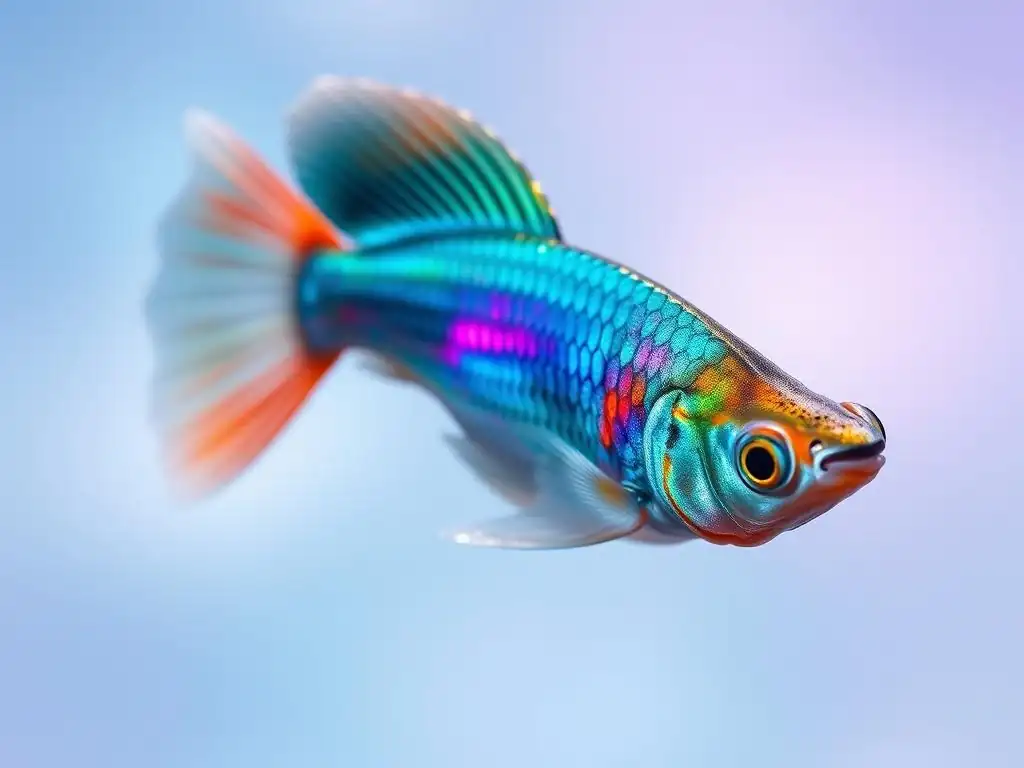
Guppy fish are livebearers, meaning they give birth to live, free-swimming fry rather than laying eggs. This unique reproductive strategy makes breeding guppies relatively straightforward and a fascinating experience for hobbyists. Female guppies have the remarkable ability to store sperm for up to six months after a single mating, allowing them to produce multiple batches of fry without further interaction with a male. This is why a female guppy purchased from a pet store may still give birth weeks or months later, even if she has been housed alone.
The gestation period for guppies is typically 21 to 30 days, heavily influenced by water temperature (warmer temperatures shorten gestation). A gravid (pregnant) female will develop a noticeable dark spot on her abdomen, known as a gravid spot, which becomes more pronounced as the delivery approaches. She will also appear increasingly boxy or squared off just before giving birth. Understanding these signs is crucial for anyone following a guppy fish care guide with breeding in mind.
Setting Up a Breeding Tank
While guppies can breed in a community tank, setting up a dedicated breeding tank significantly increases the survival rate of the fry. A 5-10 gallon tank is sufficient for a single pregnant female. The breeding tank should be equipped with a gentle sponge filter to prevent tiny fry from being sucked in, a heater to maintain a stable temperature of 78-80°F (25-27°C), and plenty of hiding places.
Dense live plants like Java Moss, Hornwort, or Water Sprite are ideal, as they provide excellent cover for newborn fry to escape potential predation from the mother or other tank inhabitants if she is placed back into a community tank shortly after birth. Alternatively, a breeding box or net can be used within the main tank, but these can be stressful for the female and offer less space. Once the female gives birth, she should be removed from the breeding tank to prevent her from eating her own fry.
Caring for Fry
Feeding Fry
Newborn guppy fry are incredibly tiny but are free-swimming and immediately capable of eating. Their rapid growth depends heavily on frequent, nutritious feedings. For the first few weeks, fry should be fed 3-5 times a day. Specialized fry foods, such as finely crushed high-quality flake food, powdered spirulina, or liquid fry food, are excellent initial options.
As they grow, you can introduce more varied and slightly larger foods. Live foods like newly hatched brine shrimp nauplii are highly recommended as they are packed with protein and stimulate natural hunting instincts, leading to faster growth and healthier development. Micro-worms are another excellent option for very young fry. Consistent feeding of high-protein, easily digestible foods is paramount for the survival and robust growth of guppy fry, a detailed aspect of any comprehensive guppy fish care guide.
Protecting Fry
The biggest threat to guppy fry is predation, often from their own parents or other adult fish in a community tank. This is why a dedicated breeding tank or a heavily planted community tank is crucial. If the fry are in a community tank, providing ample hiding places among dense plants, floating plants, or small caves can significantly increase their chances of survival.
Once the fry are born in a breeding tank, the mother should be carefully removed to prevent her from consuming them. Regular, small water changes (10-15% every 2-3 days) are essential in the fry tank to maintain pristine water quality, as uneaten food can quickly foul the water. As the fry grow, they can be gradually introduced to the main tank once they are large enough (typically around 0.5-0.75 inches or 1.2-1.9 cm) to avoid being eaten by adult fish.
Common Guppy Diseases and Treatments
Identifying Illnesses
Despite being relatively hardy, guppy fish are susceptible to various common freshwater aquarium diseases, especially when stressed by poor water quality, overcrowding, or improper diet. Early identification of symptoms is crucial for effective treatment and preventing the spread of illness. Observing your guppies daily for any changes in behavior, appearance, or appetite is a fundamental aspect of proactive guppy fish care.
Ich (White Spot Disease)
Ich, caused by the parasite Ichthyophthirius multifiliis, is one of the most common and recognizable diseases in freshwater aquariums. Symptoms include the appearance of small, white spots resembling grains of salt or sugar scattered across the fish's body, fins, and gills. Infected guppies may also exhibit flashing (rubbing against tank decorations), rapid breathing, clamped fins, and lethargy.
Treatment typically involves gradually raising the water temperature to 82-86°F (28-30°C) over 24-48 hours to speed up the parasite's life cycle, combined with the use of over-the-counter Ich medications containing malachite green or formalin. Removing activated carbon from the filter during treatment is necessary as it will absorb the medication. Treating the entire tank is essential, as the parasite is present in the water, not just on the fish.
Fin Rot
Fin rot is a bacterial infection that primarily affects the fins and tail of guppy fish. It typically manifests as ragged, frayed, or deteriorating fins that may appear milky or opaque at the edges. In severe cases, the fins can entirely disintegrate, exposing the fin rays. This disease is often a secondary infection, triggered by poor water quality, bullying from tank mates, or physical injury.
Treatment involves immediate and significant water changes (30-50%) to improve water quality, followed by the use of broad-spectrum antibacterial medications. Ensuring stable water parameters and removing stressors are critical for recovery. Addressing the underlying cause, such as overcrowding or aggressive tank mates, is as important as the medication itself.
Fungal Infections
Fungal infections appear as white, cotton-like growths on the guppy's body, fins, or mouth. These infections are usually opportunistic, attacking fish that are already weakened by stress, injury, or other underlying diseases. They can spread quickly if not addressed promptly and can lead to secondary bacterial infections.
Treatment involves isolating the affected fish if possible and treating with an anti-fungal medication, often containing phenoxyethanol or malachite green. Improving water quality through regular water changes and ensuring a nutritious diet are essential to boost the guppy's immune system and prevent recurrence. Keeping the tank clean and stable is a key preventative measure highlighted in any detailed guppy fish care guide.
Preventing Diseases
Quarantine New Fish
Quarantining new guppy fish before introducing them to your main aquarium is perhaps the most effective disease prevention strategy. A separate quarantine tank (a 5-10 gallon tank is sufficient) should be set up with a heater, filter, and basic decor. New fish should remain in quarantine for at least 2-4 weeks. During this period, observe them closely for any signs of illness, treat as necessary, and ensure they are eating well.
This practice prevents the introduction of pathogens, parasites, and diseases into your established, healthy main tank, saving you from potential widespread outbreaks and stress. Even seemingly healthy fish can carry dormant parasites or bacteria that only manifest under stress. This crucial step is often overlooked by beginners but is a cornerstone of advanced guppy fish care.
Maintaining Water Quality
Consistently maintaining pristine water quality is the single most important factor in preventing diseases in guppy fish. High levels of ammonia, nitrite, and nitrate, as well as fluctuating pH and temperature, are major stressors that weaken a guppy's immune system, making them highly susceptible to infections. Regular weekly water changes (25-30%), consistent gravel vacuuming, and proper filter maintenance are non-negotiable.
Testing water parameters regularly with a reliable test kit allows you to catch and correct issues before they become critical. Avoid overfeeding, as uneaten food quickly decomposes and fouls the water. Proper stocking levels also prevent overcrowding, which contributes to poor water quality and increased stress. Adhering strictly to these water quality guidelines, as detailed in this guppy fish care guide, will ensure your guppies remain healthy and vibrant.
Troubleshooting Common Problems
Guppies Dying
If guppies are dying, it's a clear indicator that something is amiss in their environment. The most common cause of sudden guppy deaths is poor water quality. High levels of ammonia or nitrite (toxic compounds from fish waste and uneaten food) can quickly poison fish. Test your water immediately for ammonia, nitrite, and nitrate. Perform a large water change (50% or more) using dechlorinated, temperature-matched water, and consider adding a detoxifying agent like Seachem Prime.
Other potential causes include rapid temperature fluctuations, pH shock (sudden changes in pH), overcrowding, or the introduction of a new disease. Observe the dying guppies for any visible symptoms of illness (spots, frayed fins, fungal growths). If no obvious disease is present, focus intensely on water parameters and reducing stressors. A thorough review of your guppy fish care guide practices is essential.
Guppies Not Eating
A guppy fish refusing to eat is a significant concern and usually signals stress or illness. One primary reason could be poor water quality, which makes fish lethargic and suppresses their appetite. Again, test your water parameters and perform a water change if necessary. Stress from bullying by tank mates, overcrowding, or an inadequate environment (e.g., lack of hiding spots) can also lead to appetite loss.
Internal parasites or bacterial infections are also common culprits. Look for other symptoms like bloating, stringy white feces, or clamped fins. If an illness is suspected, research appropriate treatments. Ensure you are offering a varied and high-quality diet. Sometimes, guppies simply don't like a particular food; try offering a different type, such as live or frozen brine shrimp, to entice them.
Guppies Hiding
While occasional hiding is normal for guppies, especially after tank maintenance or during the acclimation period for new fish, persistent hiding is a sign of stress or fear. One common reason is the presence of aggressive or overly active tank mates that are bullying the guppies. Observe interactions between your fish. If bullying is identified, consider rehoming the aggressor or providing more hiding spots.
Inadequate tank setup, such as a lack of sufficient hiding places (dense plants, caves, decor), can also make guppies feel exposed and insecure. Ensure your tank provides ample cover. Poor water quality or the onset of disease can also cause guppies to become withdrawn and hide. Check water parameters and look for any other symptoms of illness. Addressing these environmental factors is crucial for their well-being, as detailed in this guppy fish care guide.
Advanced Guppy Care
Selective Breeding
Selective breeding in guppy fish is an advanced aspect of the hobby that allows aquarists to develop and refine specific traits, such as unique color patterns, fin shapes, or even size. This involves carefully choosing parent guppies with desirable characteristics and breeding them together to enhance those traits in successive generations. For example, to produce guppies with large delta tails, you would select males and females exhibiting the largest and most symmetrical delta fins.
This process requires a dedicated breeding setup, meticulous record-keeping of lineage, and a deep understanding of guppy genetics. It can take many generations (sometimes years) to consistently reproduce a desired trait. Selective breeding is not just about aesthetics; it can also be used to enhance vitality, disease resistance, or fertility within a particular line, pushing the boundaries of what a basic guppy fish care guide covers.
Planted Tank
Integrating a heavily planted tank into your guppy fish care strategy offers numerous benefits, elevating the aquarium experience for both the fish and the aquarist. Live plants significantly improve water quality by absorbing nitrates, which are the end product of the nitrogen cycle and can become toxic in high concentrations. They also oxygenate the water during the day, creating a more stable and healthier environment.
Beyond water quality, live plants provide essential hiding spots and a sense of security for guppies, especially for fry. A lush, natural environment reduces stress and encourages natural behaviors. Popular easy-to-care-for plants for guppy tanks include Java Fern, Anubias, Hornwort, and various stem plants like Rotala. A planted tank requires specific considerations for lighting, substrate, and potentially CO2 supplementation, but the rewards in terms of fish health and aesthetic appeal are substantial, making it a popular choice for those seeking to refine their guppy fish care.
Conclusion: Enjoying Your Guppies
Frequently Asked Questions
What are the most important factors to consider when setting up a guppy tank?
The most important factors include tank size (at least 5 gallons for a small group), water parameters (stable temperature and pH), and filtration to maintain water quality.
What is the ideal diet for guppy fish to ensure their health and vibrant colors?
Guppies thrive on a varied diet consisting of high-quality flake food, supplemented with live or frozen foods like brine shrimp and daphnia. This supports healthy growth and vibrant coloration.
How often should I perform water changes in a guppy tank?
Regular water changes are crucial. Aim for 25-50% water changes every 1-2 weeks to remove nitrates and maintain optimal water quality.
What are some common diseases that affect guppies, and how can I prevent them?
Common diseases include ich and fin rot. Prevention involves maintaining excellent water quality, avoiding overcrowding, and quarantining new fish before introducing them to the main tank.
How can I control the guppy population in my aquarium to prevent overpopulation?
Controlling guppy populations can be achieved by separating males and females, introducing a natural predator like a larger fish (with caution!), or using live plant cover which can reduce fry survival rate.
Final Reflection: The Enduring Allure of Tiny Wonders
The journey into guppy care, as we've explored, is far more than just understanding water parameters and feeding schedules; it's about embracing the responsibility and joy of nurturing life. The vibrant colors and playful nature of these tiny creatures offer a unique window into the delicate balance of an ecosystem, even within the confines of a home aquarium. Their popularity, as evidenced by the demand for a comprehensive "Guppy fish care guide," underscores a deeper human connection with the natural world, a connection that deserves our attention and respect.
This connection extends beyond the individual hobbyist. The widespread appeal of guppies highlights our innate desire to create and maintain miniature worlds, to witness the beauty of life unfold in a controlled environment. It's a testament to the power of nature to inspire and captivate, even in its smallest forms. In every walk with nature one receives far more than he seeks.
- John Muir. This quote perfectly encapsulates the unexpected rewards of engaging with the natural world, even through the simple act of caring for guppies.
As you embark on your own guppy-keeping adventure, remember that you are not just maintaining a tank; you are cultivating a miniature ecosystem and fostering a connection with the natural world. Take the lessons learned here – the importance of patience, observation, and responsible care – and apply them to all aspects of your life. Let the vibrant energy of your guppies inspire you to create beauty and balance in your own world.
Dive Deeper: Start Your Guppy Adventure Today!
Thank you for exploring the captivating world of guppies with us! We hope this guide has equipped you with the knowledge to successfully care for these vibrant fish. Now, it's time to turn that knowledge into action!
Here are a few things you can do to continue your journey:
- Set up a thriving guppy tank: Now that you understand their needs, take the plunge and create the perfect environment for your future guppies.
- Explore Aquarium Mastery's other articles on related topics like tank mates, plants, or breeding to expand your knowledge even further.
- Share this guide with other beginner aquarists to spread the joy of guppy keeping!
What's the first thing you'll change in your current aquarium setup to better accommodate guppies?