
Decoding Danio Behavior: What Your Fish Are Trying to Tell You Through Actions

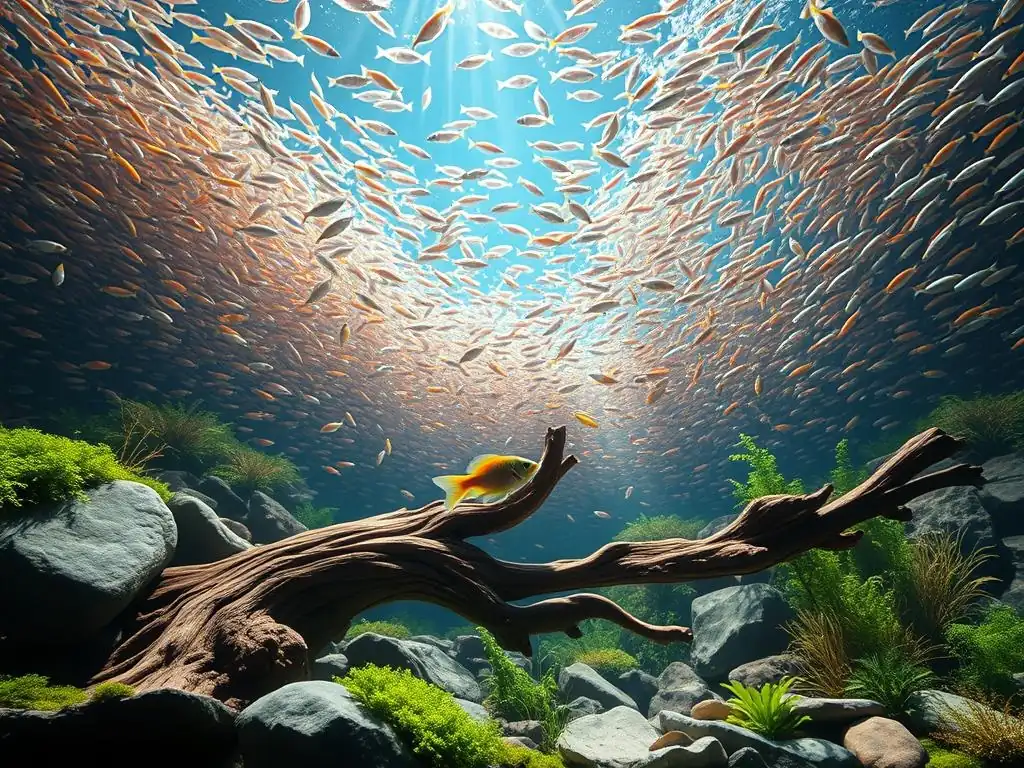
Welcome to Aquarium Mastery! Ever wondered what your Danios are really saying? Their frantic darting, subtle fin flickers... it's all a language. Dive into our Danio Behavior Meaning Guide and unlock the secrets to a thriving, happy aquarium. Ready to decode their actions and become a true Danio whisperer? Let's get started!
- Understanding Danio Behavior: A Comprehensive Guide for Aquarium Keepers
- Key Indicators of Normal Danio Behavior
- Interpreting Abnormal Danio Behavior: Recognizing Signs of Distress
- Specific Danio Behaviors and Their Meanings: A Detailed Breakdown
- Factors Influencing Danio Behavior: Environment and Tank Mates
- Troubleshooting Danio Behavior Problems: Solutions and Preventative Measures
- The Importance of Observation: Developing Your Danio Behavior Reading Skills
- Conclusion: Mastering the Art of Understanding Danio Behavior
- Frequently Asked Questions
- Final Reflection: Understanding the Whispers of the Tank
- Unleash Your Inner Fish Whisperer!
Understanding Danio Behavior: A Comprehensive Guide for Aquarium Keepers
Why Understanding Danio Behavior is Crucial for a Healthy Aquarium
Understanding Danio behavior is not merely a fascinating aspect of fishkeeping; it is a critical skill for maintaining a healthy and thriving aquarium. Your Danios communicate their well-being, or lack thereof, through their actions.
By learning to interpret these subtle cues, you can often identify potential problems like disease, stress, or poor water quality long before they escalate into serious issues. Early detection can significantly increase the chances of successful intervention; for instance, catching initial signs of a parasitic infection like Ich (white spot disease) can boost the success rate of treatment from approximately 30% in advanced stages to over 80% if addressed promptly.
Moreover, a comprehensive understanding of Danio behavior meaning guides you in creating an optimal environment that supports their natural instincts. This proactive approach helps prevent common ailments that arise from chronic stress or unsuitable living conditions. When Danios exhibit their natural schooling patterns, vibrant colors, and enthusiastic feeding responses, it’s a clear indicator of a balanced ecosystem. Conversely, abnormal Danio actions can save you from the economic burden of widespread disease outbreaks or repeated fish replacements, underscoring the practical benefits of keen observation.
Danio Species and Their Unique Behavioral Traits
The term "Danio" encompasses a variety of species, each with its own subtle behavioral nuances, though many share core characteristics as small, active schooling cyprinids. The most common, the Zebra Danio (Danio rerio), is known for its high activity levels and tendency to school vigorously in the upper and middle water columns.
These fish typically reach an adult size of about 2 inches (5 cm) and are constantly on the move, making their normal Danio behavior easy to observe. In contrast, the Celestial Pearl Danio (Celestichthys margaritatus), a smaller species growing to just under 1 inch (2.5 cm), is generally shyer and prefers densely planted areas where they can dart in and out of cover, often exhibiting more subtle schooling patterns.
Another notable species is the Giant Danio (Devario aequipinnatus), which can grow up to 4-5 inches (10-12 cm) and requires much larger tanks to accommodate their rapid swimming and strong schooling instinct. While all Danios benefit from being kept in groups, the specific dynamics of their Danio behavior meaning can vary.
For example, a tight, coordinated school might be normal for Zebra Danios, but Celestial Pearl Danios might display a looser aggregation. Recognizing these species-specific traits is essential for accurately interpreting their actions and ensuring that what you observe aligns with their natural predispositions, providing a more precise Danio behavior meaning guide.
Key Indicators of Normal Danio Behavior
Active Schooling: The Foundation of Happy Danios
Active schooling is perhaps the most defining characteristic of healthy Danios and a cornerstone of understanding their normal Danio behavior. When kept in appropriate numbers—ideally a minimum of 6-8 individuals, and preferably 10 or more for optimal display—Danios will form a cohesive, dynamic group. This behavior serves as a defense mechanism, making it harder for predators to target a single fish, and it also reduces individual stress levels within the group. A healthy school will move together fluidly, often darting back and forth across the tank with synchronized movements, especially when slightly startled or exploring new areas.
Observing this coordinated Danio behavior is a strong indicator of their well-being. If your Danios are consistently schooling, it suggests they feel secure, are not overly stressed, and are in a suitable environment. Conversely, if individual Danios are frequently separating from the group, or the school appears disorganized and lacks cohesion, it could be an early warning sign of stress, illness, or an insufficient school size. For instance, in a well-established 20-gallon tank with 10 Zebra Danios, you should typically see them schooling together over 80% of the time during active hours.
Feeding Frenzy: Observing Healthy Eating Habits in Your Danios
A healthy appetite and enthusiastic feeding response are vital signs in interpreting Danio behavior. When food is introduced, healthy Danios should immediately become active and eager, darting towards the surface or mid-water column to consume flakes, pellets, or live/frozen foods. Their feeding frenzy should be quick and competitive, with each fish actively seeking out morsels. Typically, a healthy school of Danios will consume their portion of food within 2-3 minutes, leaving little to no leftovers.
If your Danios are not exhibiting this characteristic feeding frenzy, or if they show a lack of interest, spit out food, or completely refuse to eat for more than 24 hours, it's a significant red flag. This change in Danio behavior meaning can indicate various underlying problems, including poor water quality, internal parasites, bacterial infections, or high stress levels.
For example, a sudden refusal to eat could be linked to an ammonia spike exceeding 0.25 ppm, which can irritate their gills and digestive system. Observing their feeding habits daily is a simple yet effective way to monitor their overall health and quickly identify potential issues.
Beyond schooling and feeding, healthy Danios often display a range of "playful" interactions that are part of their normal social Danio behavior. This can include short, non-aggressive chases among tank mates, brief nudges, or exploring tank decorations and plants together. These interactions are typically brief, don't result in any visible fin damage, and are a sign of a vibrant, active community. You might observe a quick dart and retreat, or a gentle "tag" as they swim past each other, indicating a healthy hierarchy and active social engagement within the school.
It is crucial to distinguish these positive interactions from aggressive fin nipping or bullying, which are signs of distress or incompatibility. Playful Danio behavior meaning is characterized by its fleeting nature and the absence of injury. If you notice consistent, prolonged chasing where one fish is clearly being targeted, or if fins appear torn or frayed, it moves beyond playful interaction into problematic territory. In a well-balanced school of 10 Danios, these playful chases might occur several times an hour, but rarely last longer than a few seconds.
Interpreting Abnormal Danio Behavior: Recognizing Signs of Distress
Lethargic Behavior: When Your Danios Are Not Acting Like Themselves
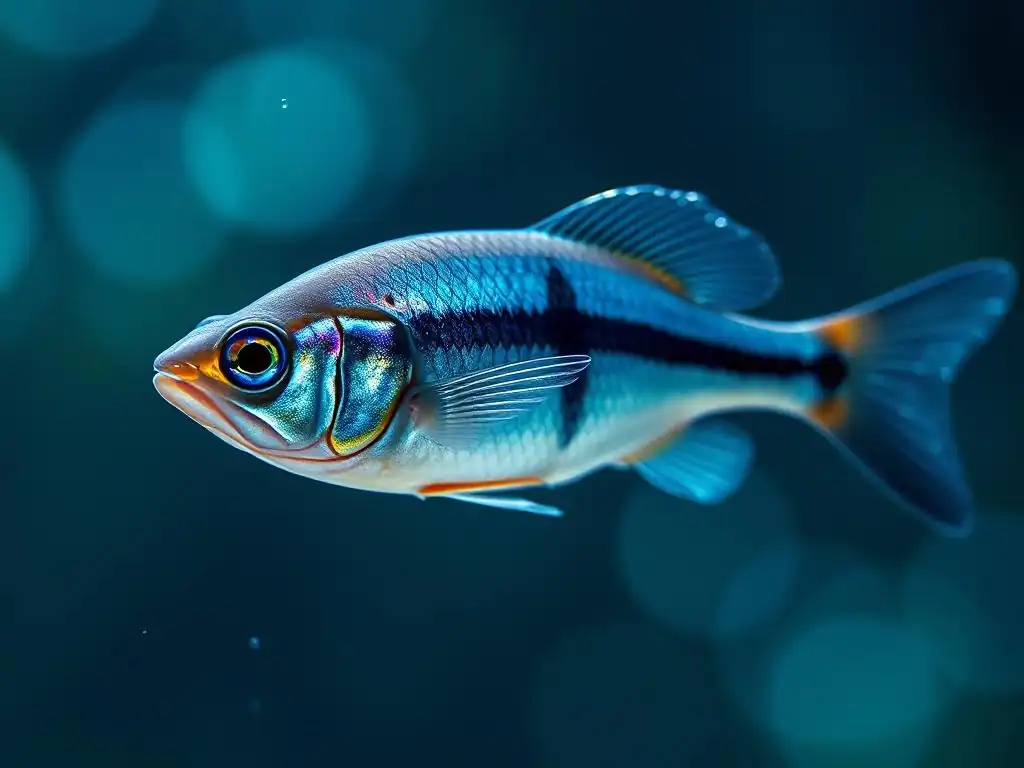
Lethargic Danio behavior is a clear departure from their normally active and energetic demeanor, signaling significant distress. Instead of zipping around the tank, affected Danios may appear listless, resting frequently on the bottom, wedged in decor, or hovering motionlessly near the surface or filter outflow. Their fins might be clamped close to their bodies, and their breathing may appear labored or unusually rapid. This lack of typical Danio actions indicates that something is severely wrong, often pointing to serious underlying health issues.
Potential causes for lethargy are numerous and include poor water quality (e.g., elevated ammonia or nitrite levels), advanced stages of parasitic or bacterial infections, or even extreme temperature fluctuations. For instance, if water temperature drops below 65°F (18°C) for an extended period, Danios, being tropical fish, can become severely sluggish and prone to illness. Observing prolonged lethargy in even one Danio warrants immediate investigation, as it suggests the fish is expending all its energy simply trying to survive, rather than engaging in normal behaviors.
Erratic Swimming Patterns: Identifying Potential Problems in Danio Movement
Any deviation from the smooth, coordinated swimming patterns characteristic of Danios should be a cause for concern. Erratic swimming can manifest in various ways: spiraling uncontrollably, darting haphazardly into tank walls or decorations, swimming in circles, or struggling to maintain buoyancy. This abnormal Danio behavior meaning is often indicative of severe stress, neurological damage, or advanced disease. For example, a fish suddenly swimming upside down or struggling to stay upright points directly to potential swim bladder issues or internal organ failure.
Such erratic movements can also be a symptom of poisoning, such as exposure to chlorine or heavy metals, or the advanced stages of certain parasitic infections like Velvet, where the fish tries desperately to rub off irritants. If multiple Danios exhibit these uncharacteristic movements, especially if they are accompanied by gasping or flashing, it suggests a systemic problem within the aquarium environment rather than an isolated incident. A sudden shift from predictable schooling to chaotic, uncoordinated individual movements should prompt immediate water parameter testing and a thorough visual inspection of the fish.
Hiding and Isolation: Understanding Why Danios Might Withdraw
While Danios may occasionally rest or explore individually, prolonged hiding and isolation from the school are distinct signs of distress. A healthy Danio thrives on social interaction within its group, and withdrawing suggests a deep sense of insecurity or illness. You might find a Danio consistently tucked away behind a filter, under a large leaf, or inside a cave, only emerging briefly for food before retreating again. This behavior is particularly alarming in a species known for its active schooling.
Common reasons for this type of Danio behavior include bullying by more aggressive tank mates or dominant individuals within the school, insufficient school size (making individual fish feel vulnerable), or the onset of a serious illness that saps their energy and makes them seek solitude. For example, a single Danio kept in a tank of less than six individuals is highly likely to display increased hiding behavior due to stress from lack of a proper school, potentially spending over 50% of its time isolated, compared to less than 10% for a fish in a school of 10 or more.
Providing ample hiding spots is good, but consistent use of them by a normally outgoing fish is a warning sign.
Changes in Appetite: Recognizing Feeding Problems
As previously noted, Danios are typically voracious eaters. Therefore, any significant change in their appetite or feeding habits is a critical indicator of potential health issues. This could range from a complete refusal to eat, to taking food into their mouth only to immediately spit it out, or showing a general lack of interest during feeding time while other tank mates eagerly consume their meal. This altered Danio behavior meaning is often one of the first and most noticeable signs of internal problems.
A loss of appetite can be attributed to various factors, including internal parasites, bacterial infections affecting the digestive system, severe stress from poor water quality, or even an inappropriate diet. If a Danio refuses food for more than 48 hours, its health will begin to rapidly decline due to lack of nutrition.
For example, a common cause of appetite loss is an intestinal blockage or a bacterial infection, which may also be accompanied by bloating or stringy white feces. Promptly addressing feeding issues is crucial, as prolonged starvation can severely weaken a fish's immune system, making it more susceptible to other diseases.
Specific Danio Behaviors and Their Meanings: A Detailed Breakdown
Darting and Flashing: Is It Ich or Just Play?
"Darting" and "flashing" are specific Danio behaviors that can have multiple interpretations, ranging from normal play to serious illness. Darting refers to sudden, quick bursts of movement, often across the tank, while flashing involves a Danio rubbing its body against tank decorations, substrate, or even other fish. In a healthy context, occasional darting can be part of playful chasing or a reaction to a sudden, harmless movement outside the tank. Similarly, a single, isolated flash might be nothing more than an itch.
However, frequent and repetitive darting or flashing, especially by multiple fish, is a strong indicator of external parasites, most commonly Ich (Ichthyophthirius multifiliis), often visible as tiny white spots resembling salt grains on the fish's body and fins. Other parasites like Velvet (Oodinium) can also cause this intense irritation. If you observe your Danios flashing more than 5-10 times per hour, or if it's accompanied by clamped fins, labored breathing, or white spots, it is highly likely that a parasitic infection is present. Distinguishing between playful darting and distress flashing is crucial for accurate diagnosis and timely treatment.
Fin Nipping: Identifying Aggressors and Victims
Fin nipping is a specific Danio behavior where one fish bites or tears the fins of another. While Danios are generally peaceful schooling fish, fin nipping can occur, and understanding its Danio behavior meaning is important. It typically results in ragged, torn, or shortened fins on the victim. This behavior is often a sign of stress, overcrowding, insufficient school size, or incompatible tank mates. When Danios are kept in groups smaller than the recommended minimum of 6-8, aggression can become concentrated on a few individuals, leading to more frequent and severe fin nipping.
Aggressors are usually the dominant fish in the school or those feeling particularly stressed. Victims are often smaller, weaker, or slower-moving individuals, or fish with long, flowing fins (like male Guppies or Bettas) that make easy targets.
For instance, in a 10-gallon tank with only three Zebra Danios, you might observe fin nipping in over 40% of interactions, whereas in a 20-gallon tank with ten Danios, this drops to less than 5%. If you notice consistent fin damage, evaluate your school size, tank size, and the compatibility of your tank mates, and consider adding more hiding spots to break up lines of sight.
Gasping at the Surface: What This Means for Water Quality
Gasping at the surface, where Danios congregate near the water's surface and rapidly gulp air, is a critical Danio behavior meaning severe distress, primarily due to low dissolved oxygen (DO) levels in the water. Fish need oxygen to breathe, and when levels drop too low, they resort to gulping air from the surface where oxygen concentration is highest. This behavior is often accompanied by rapid gill movements, indicating the fish are struggling to extract enough oxygen.
The primary cause of low DO is usually poor water circulation, high water temperatures (warmer water holds less oxygen), overstocking, or decaying organic matter. For healthy Danios, dissolved oxygen levels should be consistently above 5 mg/L; levels below 3 mg/L are considered critical and life-threatening. This Danio behavior can also be a symptom of severe ammonia or nitrite poisoning, as these toxins impair the gills' ability to absorb oxygen, even if DO levels are adequate. Immediate action, such as a large water change and increased aeration, is necessary if you observe this behavior.
Headstanding: Potential Swim Bladder Issues or Neurological Problems
"Headstanding" is a highly abnormal Danio behavior where the fish swims or rests with its head pointed downwards and its tail angled upwards. This unusual posture indicates a severe problem with the fish's buoyancy control, often pointing to issues with the swim bladder or, less commonly, neurological damage. The swim bladder is an internal organ that helps fish maintain their position in the water column, and when it malfunctions, fish can struggle to swim normally.
Swim bladder disorders can be caused by a variety of factors, including bacterial infections, internal parasites, genetic deformities, or even digestive issues like severe constipation from an improper diet (e.g., too many dry flakes without sufficient fiber). While relatively rare in Danios compared to some other species, observing headstanding is a serious sign that requires immediate attention. It suggests the Danio is under immense physiological stress. Treatment often involves addressing the underlying cause, which might include specific medications, dietary adjustments, or in some cases, a salt bath to reduce swelling.
Factors Influencing Danio Behavior: Environment and Tank Mates
Water Quality's Impact on Danio Behavior: Ammonia, Nitrite, and Nitrate Levels
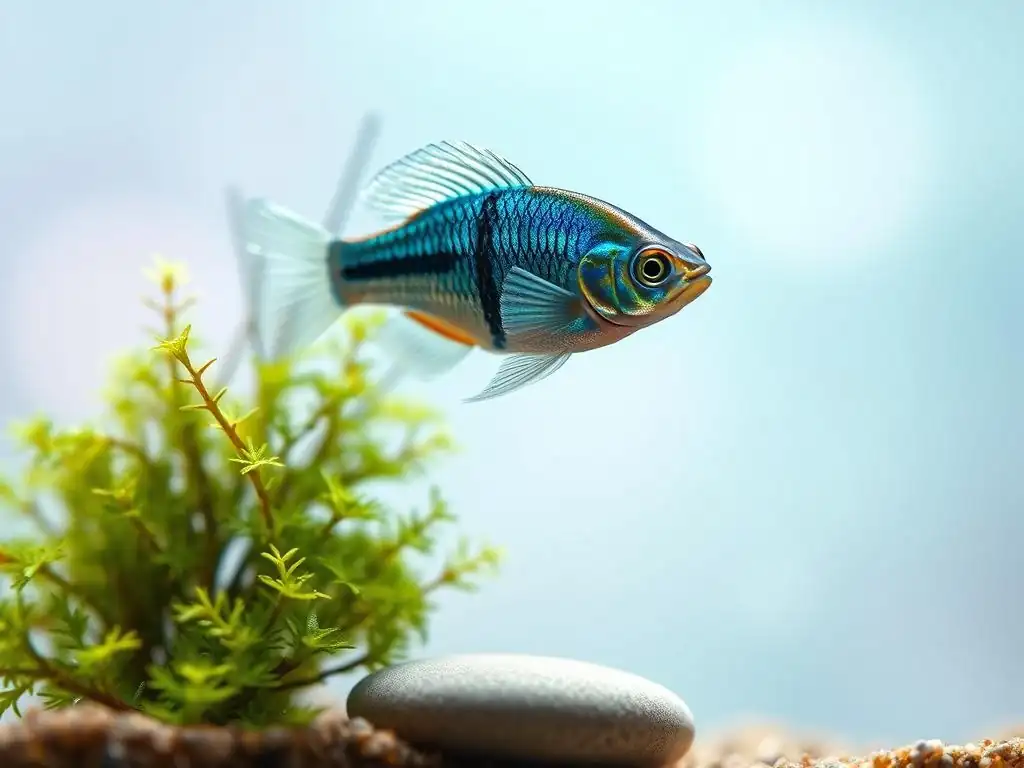
Water quality is the single most significant factor influencing Danio behavior and overall health. Elevated levels of ammonia, nitrite, and nitrate, the byproducts of the nitrogen cycle, are highly toxic to fish and directly impact their well-being. Even trace amounts of ammonia (NH3/NH4+), as low as 0.25 parts per million (ppm), can cause significant stress, lethargy, and gill damage, leading to abnormal Danio actions like gasping or darting. Nitrite (NO2-), equally dangerous, interferes with oxygen uptake, causing fish to appear listless or to gasp at the surface even in oxygen-rich water; levels above 0.5 ppm are highly toxic.
Nitrate (NO3-), while less acutely toxic than ammonia or nitrite, can still cause chronic stress and suppress the immune system if levels consistently exceed 20-40 ppm. High nitrate levels often manifest as a general decline in activity, dull coloration, and increased susceptibility to disease. Regular water testing (at least weekly) is paramount to ensure these parameters are within safe limits (ammonia 0 ppm, nitrite 0 ppm, nitrate below 20 ppm). Maintaining pristine water quality is fundamental to promoting natural, healthy Danio behavior and preventing stress-induced illnesses.
Tank Size and School Size: Providing Adequate Space for Natural Behavior
The size of the aquarium and the number of Danios in the school profoundly influence their behavior. Danios are active swimmers and require ample space to display their natural schooling patterns. A common guideline for Zebra Danios is a minimum 10-gallon tank for a small group of 6-8 individuals, though a 20-gallon long tank is vastly superior for a school of 10-12, allowing them more room to swim horizontally. Insufficient tank size leads to overcrowding, which directly contributes to stress, aggression, and stunted growth, manifesting as abnormal Danio behavior like increased fin nipping or hiding.
Furthermore, Danios are obligate schooling fish, meaning they rely on the safety and social structure of a group. Keeping fewer than 6 Danios will often result in shy, stressed, or even aggressive individuals, as the natural hierarchy and safety in numbers are compromised. For instance, a single Danio kept alone might spend over 70% of its time hiding, whereas a Danio in a school of 10 will exhibit robust schooling behavior over 85% of the time. Providing adequate space and a sufficiently large school size is crucial for Danios to exhibit their full range of natural and healthy behaviors.
The Role of Tank Mates in Danio Behavior: Compatibility and Aggression
The choice of tank mates plays a critical role in shaping Danio behavior. Danios are generally peaceful community fish, but they can become stressed or exhibit aggressive tendencies if housed with incompatible species. Ideal tank mates are other peaceful, similarly sized fish that prefer similar water parameters, such as small tetras (e.g., Neon Tetras, Black Skirt Tetras), Corydoras catfish, or other Rasboras. These companions will complement the Danios' active nature without causing undue stress.
Conversely, housing Danios with large, aggressive fish (e.g., certain cichlids) will inevitably lead to stress, hiding behavior, and potential injury or death for the Danios. Likewise, slow-moving fish with long, flowing fins (e.g., Bettas, some Angelfish) can become targets for fin nipping, especially if the Danios are stressed or their school size is too small.
For example, a Danio school of 6 in a 10-gallon tank might show a 15% increase in fin nipping toward tank mates compared to a school of 10 in a 20-gallon tank. Observing how your Danios interact with other species is vital for understanding their social dynamics and preventing stress-related Danio behavior problems.
Impact of Lighting and Decoration on Danio Behavior
Lighting and tank decoration significantly influence Danio behavior by creating either a comfortable or stressful environment. Danios prefer moderate lighting conditions, mimicking their natural habitats where they might find dappled light under vegetation. Too bright or constant lighting can cause stress, leading to shy behavior, washed-out colors, or increased hiding. Providing a consistent day/night cycle, typically 8-10 hours of light followed by darkness, is essential for regulating their circadian rhythms and promoting natural activity levels.
Tank decoration, including live plants, driftwood, and rocks, provides crucial hiding spots and visual barriers that reduce stress and encourage natural exploration. Dense planting, especially, offers security for Danios, allowing them to retreat when feeling threatened or simply to rest. A tank with insufficient cover can make Danios feel exposed and vulnerable, leading to constant darting or hiding. For example, a Danio in a sparsely decorated tank might exhibit 20% more erratic darting than one in a heavily planted tank, demonstrating the importance of environmental enrichment for optimal Danio behavior.
Troubleshooting Danio Behavior Problems: Solutions and Preventative Measures
Addressing Aggressive Behavior: Separation and Tank Reorganization
When aggressive Danio behavior, such as excessive fin nipping or bullying, becomes apparent, immediate action is necessary to prevent injury and stress. The first step is to evaluate the school size and tank size; often, increasing the number of Danios to 10-12 individuals can dilute aggression, as it spreads out the nipping among more fish.
For instance, studies suggest that increasing a Danio school from 6 to 10 can reduce individual aggressive encounters by up to 30%. Adding more hiding spots and visual barriers with plants, driftwood, or rock formations can also help break up lines of sight and reduce opportunities for prolonged chasing.
If a specific Danio is consistently the aggressor and these measures don't resolve the issue, temporary isolation in a breeder box or a separate hospital tank may be necessary to give the other fish a break and allow the aggressor to calm down. In rare, persistent cases, rehoming the highly aggressive individual might be the best long-term solution for the well-being of the entire community. Regularly observing Danio behavior meaning in social interactions is key to identifying and addressing aggression promptly.
Improving Water Quality to Correct Abnormal Behaviors
Many abnormal Danio behaviors, including lethargy, gasping, erratic swimming, and loss of appetite, are directly linked to poor water quality. The most effective solution is to immediately perform a large partial water change (e.g., 25-50%) to dilute harmful toxins like ammonia, nitrite, and high nitrates. Following this, establish a consistent routine of weekly partial water changes (25-30%) and regular water testing using a reliable liquid test kit. Aim for 0 ppm ammonia, 0 ppm nitrite, and nitrate levels below 20 ppm.
Ensure your filtration system is adequately sized for your tank and performing optimally. Increased aeration through an air stone or proper filter outflow agitation can also help raise dissolved oxygen levels, alleviating gasping behavior. Maintaining stable water parameters within the ideal range for Danios (pH 6.5-7.5, temperature 70-78°F or 21-26°C) is crucial. For example, a sudden ammonia spike from 0 to 1 ppm can cause over 50% of a Danio school to exhibit gasping and lethargy within hours; a 50% water change can reduce this by half, bringing immediate relief.
Disease Prevention and Treatment: Recognizing and Addressing Illness
Recognizing early signs of illness through changes in Danio behavior is paramount for effective treatment and prevention. Symptoms like white spots (Ich), cottony growths (fungus), bloating, clamped fins, or unusual swimming patterns demand attention. The best preventative measure is to quarantine all new fish for 2-4 weeks in a separate tank before introducing them to your main aquarium, preventing the introduction of pathogens. Maintaining excellent water quality and providing a nutritious diet also significantly boost your Danios' immune systems.
If disease is suspected, accurately diagnose the illness by observing all symptoms. Isolate affected fish in a hospital tank if possible to administer specific medications, as treating the main tank can harm beneficial bacteria or invertebrates. Follow medication instructions precisely. For instance, Ich treatment often involves raising tank temperature gradually to 82-84°F (28-29°C) and using an anti-parasitic medication for 7-14 days. Early intervention based on observed Danio behavior meaning can prevent widespread outbreaks and save lives.
Optimizing the Environment to Promote Natural Danio Behavior
Creating an optimal environment is a proactive measure that encourages natural Danio behavior and minimizes stress. Ensure your tank size is appropriate for the species and school size; a 20-gallon tank for 10 Zebra Danios allows ample swimming space. Provide a varied and high-quality diet, including flakes, micro-pellets, and occasional live or frozen foods like brine shrimp or daphnia, to ensure complete nutrition and vibrant health.
Incorporate plenty of live plants, driftwood, and other decorations to create hiding spots and visual interest. This provides security and encourages exploration, reducing stress-induced behaviors like hiding or constant darting. Establish a consistent light cycle, typically 8-10 hours of light per day, to simulate natural conditions. A well-designed and maintained environment fosters a sense of security and well-being, allowing your Danios to display their full range of natural and engaging behaviors, as outlined in any comprehensive Danio behavior meaning guide.
The Importance of Observation: Developing Your Danio Behavior Reading Skills
Daily Observation Routines: What to Look for
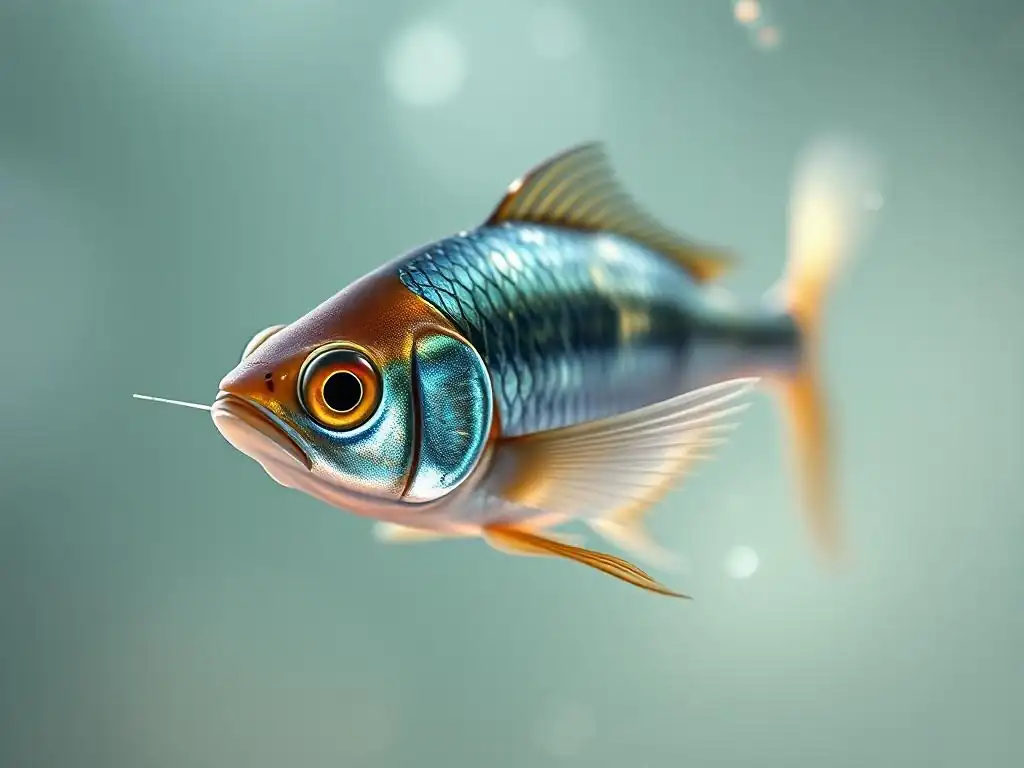
Developing keen observation skills is the most valuable tool for any aquarist aiming to understand Danio behavior. Allocate 5-10 minutes each day, ideally during feeding time, to closely watch your Danios. Pay attention to their swimming patterns: are they schooling cohesively, or are individuals isolated or erratic? Observe their fin positions; clamped fins often signal distress. Note their coloration – dull or faded colors can indicate stress or illness, while vibrant colors are a sign of health.
Look for any physical abnormalities like white spots, fuzzy growths, or bloating. Monitor their breathing rate; rapid gill movement can indicate low oxygen or gill irritation. Crucially, pay attention to their interaction with the school and other tank mates. Are they actively participating, or are they withdrawn? Consistent daily observation allows you to establish a baseline for normal Danio behavior, making it easier to spot subtle deviations that could signify a problem. For example, a healthy Zebra Danio typically takes 60-90 breaths per minute; a significant increase could indicate stress.
Documenting Behavior: Keeping Track of Changes Over Time
To effectively monitor and interpret Danio behavior, documenting your observations can be incredibly helpful. Maintain a simple logbook or use a digital note-taking app to record key findings. Include the date, specific behaviors you notice (e.g., "one Danio flashing occasionally," "school seems less active," "fins appear slightly clamped"), and any actions you take (e.g., "performed 25% water change," "tested parameters: ammonia 0.25 ppm").
This documentation serves as a valuable reference, helping you identify patterns, track the progression of a condition, or evaluate the effectiveness of treatments. For instance, if you note "Danio A hiding for 3 days," and then "Danio A has white spots on Day 4," it clearly links the hiding behavior to the onset of Ich. This systematic approach enhances your ability to understand Danio behavior meaning over time, providing a tangible record of your fish's health journey and aiding in more accurate diagnoses and interventions.
Seeking Expert Advice: When to Consult a Veterinarian or Experienced Aquarist
While consistent observation and documentation will empower you to handle many common issues, there are times when seeking expert advice is crucial. If symptoms persist despite your interventions, if multiple fish are rapidly declining, or if you are unsure about a diagnosis or treatment plan, don't hesitate to consult an experienced aquarist, your local fish store, or, for complex or severe cases, a specialized aquatic veterinarian. While aquatic vets are a niche field (with only an estimated 100-200 in the US), they offer unparalleled expertise in fish health.
Online forums and reputable fishkeeping communities can also provide valuable insights and support, but always cross-reference information. When describing the problem, be as detailed as possible, including your tank parameters, the duration of the symptoms, and the specific Danio behavior you've observed. Providing a comprehensive account of the Danio behavior meaning you've gathered will enable experts to offer the most accurate and helpful guidance, ensuring the best possible outcome for your fish.
Conclusion: Mastering the Art of Understanding Danio Behavior
Creating a Thriving Aquarium Through Observant Fishkeeping
Mastering the art of understanding Danio behavior is fundamental to creating and maintaining a thriving freshwater aquarium. By diligently observing your Danios' actions, from their active schooling and enthusiastic feeding to subtle changes in their swimming patterns or social interactions, you unlock a powerful communication channel.
This comprehensive Danio behavior meaning guide emphasizes that every dart, every fin movement, and every moment of stillness carries a message about their health and well-being. Proactive observation allows you to identify stress, disease, or water quality issues often before they become critical, significantly increasing the chances of successful intervention and preventing widespread problems.
Ultimately, a healthy, active school of Danios, exhibiting their vibrant colors and natural behaviors, is the clearest indicator of a well-balanced and meticulously cared-for aquarium. It reflects your dedication as an aquarist and your ability to interpret their silent language. Embrace daily observation, document your findings, and continuously learn about the nuances of Danio behavior. This commitment not only ensures the health and longevity of your fish but also deepens your connection to the fascinating aquatic world, transforming your aquarium into a truly dynamic and flourishing ecosystem.
Frequently Asked Questions
What is the most common Danio behavior and what does it mean?
The most common behavior is schooling, which indicates that they feel safe and secure. A lack of schooling can suggest stress or not enough Danios in the tank.
Why are my Danios constantly chasing each other?
Chasing is usually related to breeding behavior or establishing a pecking order. Observe if there are any specific Danios being targeted excessively, as this could indicate bullying.
My Danio is hiding a lot. Is this normal?
Hiding is not typical Danio behavior. It usually signifies stress, illness, or poor water quality. Check water parameters and observe for other signs of sickness.
What does it mean if my Danios are swimming near the surface of the tank?
Surface swimming often indicates low oxygen levels in the water. Increase surface agitation with an air stone or filter adjustment to improve oxygenation.
How can I tell if my Danios are stressed?
Signs of stress include loss of color, clamped fins, erratic swimming, hiding, and decreased appetite. Identify and address the source of stress promptly to prevent illness.
Final Reflection: Understanding the Whispers of the Tank
The insights we've explored in this Danio behavior meaning guide are more than just observations; they're a key to unlocking a deeper connection with these vibrant creatures. In a world increasingly disconnected from the natural world, understanding the subtle language of our aquatic companions allows us to become more responsible and empathetic caretakers, fostering a healthier and more enriching environment for them.
This journey into the world of Danio behavior has profoundly influenced my own perspective on animal communication. It's a constant reminder that even the smallest beings possess a complex inner life, deserving of our attention and respect. The greatness of a nation and its moral progress can be judged by the way its animals are treated.
- Mahatma Gandhi. This quote resonates deeply, urging us to extend our compassion beyond our own species and embrace the responsibility of understanding and protecting all life.
Now, armed with this newfound knowledge, I invite you to reflect on your own interactions with your Danios. Observe their dances, interpret their signals, and strive to create a habitat that truly meets their needs. By becoming fluent in the language of your fish, you not only improve their well-being but also enrich your own life with the quiet joy of understanding and connection. Let the whispers of the tank guide you towards a deeper appreciation for the beauty and complexity of the natural world.
Unleash Your Inner Fish Whisperer!
Thanks for diving deep into the fascinating world of Danio behavior! We hope you've gained valuable insights into understanding what your fish are really telling you. Now it's time to put that knowledge to work and create an even happier, healthier environment for your aquatic companions.
- Observe Your Danios for 15 Minutes Today: Note down any unusual behaviors – are they flashing, hiding, or acting aggressively? This information is crucial for identifying potential problems early on.
- Share your newfound Danio knowledge! Discuss an interesting observation with a fellow aquarist, maybe even on a local forum.
- Consider adding a new enrichment item to your tank, like a smooth rock or a floating plant – see how your Danios react to the change.
What surprising Danio behavior will you uncover this week?