
HiFin Swordtail Care: Elevating Your Aquarium with Majestic Fins

Welcome to Aquarium Mastery!
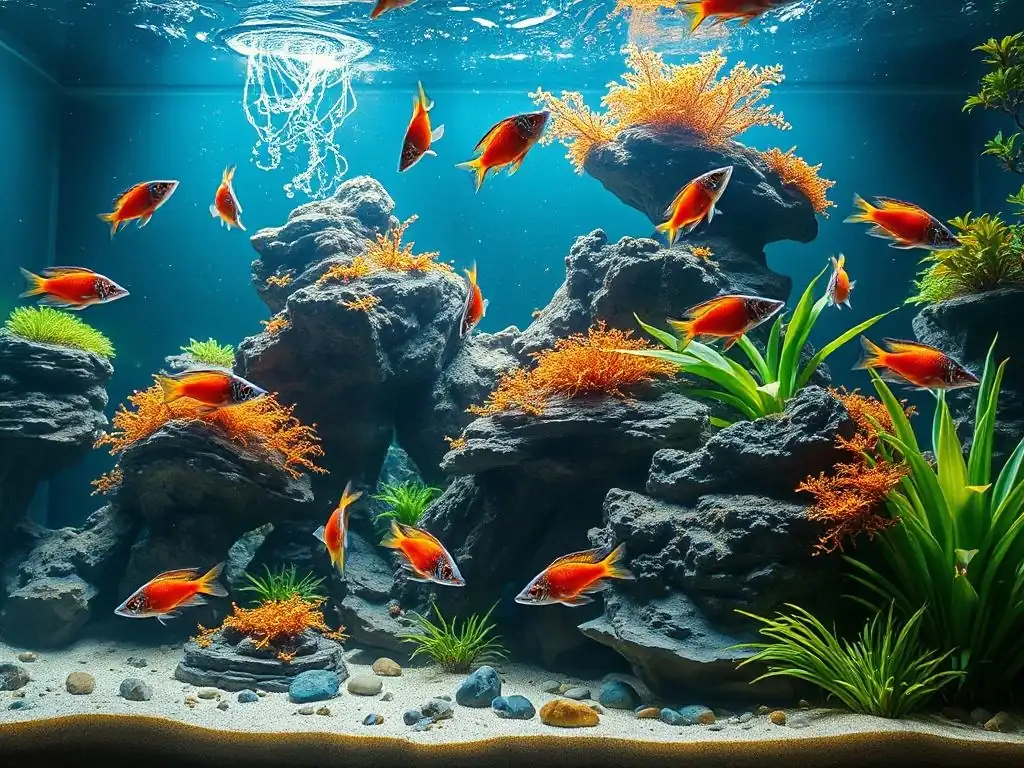
Ever been captivated by the graceful flow of fins in an aquarium? Get ready to be even more amazed! Dive into our comprehensive guide on HiFin Swordtail aquarium care and unlock the secrets to keeping these elegant fish thriving. Discover everything you need to know, from optimal tank conditions to breeding tips, and elevate your freshwater aquarium to a whole new level of beauty. Intrigued? Let's explore the fascinating world of the HiFin Swordtail!
- Introduction to HiFin Swordtails: A Regal Addition to Your Aquarium
- Essential HiFin Swordtail Aquarium Setup
- HiFin Swordtail Water Parameters: Maintaining a Healthy Habitat
- HiFin Swordtail Diet and Feeding Guide
- HiFin Swordtail Tank Mates: Creating a Peaceful Community
- HiFin Swordtail Breeding: A Rewarding Experience
- HiFin Swordtail Health: Preventing and Treating Common Diseases
- Maintaining HiFin Swordtail Fin Health and Appearance
- Troubleshooting Common HiFin Swordtail Issues
- Advanced HiFin Swordtail Care Tips
- Conclusion: Mastering HiFin Swordtail Aquarium Care
-
Frequently Asked Questions
- What are the key considerations for setting up a HiFin Swordtail aquarium?
- What type of water chemistry is best for HiFin Swordtails?
- What kind of food should I feed my HiFin Swordtails?
- How often should I perform water changes in my HiFin Swordtail aquarium?
- What are some common health issues that affect HiFin Swordtails and how can I prevent them?
- Final Reflection: The Enduring Allure of Aquatic Majesty
- Unleash the Majesty: Transform Your Aquarium Today!
Introduction to HiFin Swordtails: A Regal Addition to Your Aquarium
Understanding the Allure of HiFin Swordtails
HiFin Swordtails, a captivating variant of the classic Swordtail (Xiphophorus hellerii), are celebrated for their extraordinarily elongated and flowing dorsal fins, which often appear to gracefully trail behind them as they swim. Unlike their standard counterparts, the HiFin trait results in a dorsal fin that can be two to three times larger, sometimes reaching up to 1.5 inches in height on a mature specimen, dramatically enhancing their aesthetic appeal.
This unique finnage, combined with their vibrant color morphs – ranging from brilliant reds and oranges to striking blacks and greens – makes them a truly majestic addition to any freshwater aquarium. Their active and inquisitive nature further adds to their charm, providing continuous visual interest and a dynamic presence in the tank.
The allure of the HiFin Swordtail extends beyond their physical beauty; their active swimming patterns and social interactions within a well-maintained community tank contribute significantly to the vibrancy of an aquatic display. Proper HiFin Swordtail aquarium care is paramount to developing and maintaining these magnificent fins, as poor water quality or inadequate nutrition can lead to stunted growth or fin damage.
Aquarists often find immense satisfaction in observing these fish, whose distinctive appearance sets them apart from most other livebearers. Their robust health, when provided with optimal conditions, ensures they remain a long-term, engaging focal point in the home aquarium, truly elevating the overall aquascaping experience.
Why Choose HiFin Swordtails for Your Freshwater Tank?
Choosing HiFin Swordtails for a freshwater tank offers a blend of visual spectacle, manageable care, and engaging behavior, making them an excellent choice for both novice and experienced aquarists looking to expand their livebearer collection. One primary reason is their relative hardiness; while their long fins might suggest delicate care, HiFin Swordtails are generally as robust as their standard counterparts, adapting well to a range of stable water conditions.
This resilience simplifies the HiFin Swordtail aquarium care routine, allowing enthusiasts to focus on enhancing their environment rather than constantly battling against fragility. Furthermore, their active swimming habits and interaction with tank mates provide continuous entertainment, transforming a static aquatic display into a lively ecosystem.
Beyond their hardiness, HiFin Swordtails contribute significantly to the aesthetic appeal of an aquarium. Their large, flowing fins create a sense of elegance and movement, while their diverse colorations can complement various aquascapes. They are also known for their peaceful temperament, making them suitable companions for a wide array of community fish, provided appropriate tank mates are selected.
Their ease of breeding is another attractive feature for those interested in observing the life cycle of their aquatic inhabitants, or even attempting line breeding to further enhance the HiFin trait. Ultimately, the combination of their striking appearance, adaptable nature, and engaging personality makes HiFin Swordtails a rewarding and popular choice for freshwater aquariums worldwide.
Essential HiFin Swordtail Aquarium Setup
Tank Size Recommendations for HiFin Swordtails
Providing an appropriately sized tank is fundamental to successful HiFin Swordtail aquarium care, ensuring these active fish have ample space to thrive and display their full finnage without stress. For a small group of HiFin Swordtails, typically consisting of one male and two to three females, a minimum tank size of 20 gallons (approximately 75 liters) is recommended.
This volume allows for sufficient swimming room and helps maintain stable water parameters, which is crucial for their long-term health. However, given their active nature and potential adult size—males can reach up to 4 inches (10 cm) excluding their sword, and females up to 5 inches (12.5 cm)—a larger tank, such as a 30-gallon (113-liter) or even a 40-gallon (150-liter) breeder tank, is highly preferable.
A larger aquarium not only provides more horizontal swimming space but also contributes to greater water volume, which dilutes waste products more effectively and makes water parameters more stable and forgiving of minor fluctuations. For instance, in a 40-gallon tank, nitrate levels tend to rise more slowly than in a 20-gallon tank with the same bioload, reducing the frequency of drastic water changes.
Furthermore, if you plan to keep multiple males or a larger group of HiFin Swordtails, a tank of 40 gallons or more becomes essential to mitigate potential aggression among males and provide adequate territory for all inhabitants. Investing in a larger tank from the outset is a key component of optimal HiFin Swordtail aquarium care, promoting healthier fish and a more stable environment.
Filtration and Water Quality for HiFin Swordtails
Maintaining pristine water quality is non-negotiable for HiFin Swordtail aquarium care, given their sensitivity to accumulating waste products and the impact on their delicate fins. A robust filtration system is therefore essential, ideally one that provides both mechanical and biological filtration. Hang-on-back (HOB) filters are a popular choice for tanks up to 50 gallons, offering excellent mechanical filtration to remove particulate matter and ample space for biological media to host beneficial bacteria.
For larger setups or those seeking superior performance, canister filters provide even greater filtration capacity and media versatility, often resulting in crystal-clear water and highly stable parameters. When selecting a filter, ensure it provides a gentle to moderate flow, as powerful currents can stress HiFin Swordtails and potentially damage their long fins.
Beyond the initial filter setup, consistent maintenance of the filtration system is crucial. This involves regular rinsing or replacement of mechanical filter media (like sponges or filter floss) and periodic cleaning of biological media to prevent detritus buildup without destroying beneficial bacterial colonies. Crucially, water parameters must be regularly monitored using a reliable test kit, with target levels of 0 ppm ammonia, 0 ppm nitrite, and nitrates consistently below 20 ppm.
Achieving and maintaining these levels is fundamental to preventing stress and disease in HiFin Swordtails. For example, a study on livebearers indicated that nitrate levels exceeding 40 ppm could significantly reduce lifespan and lead to increased susceptibility to fin rot, highlighting the direct link between diligent filtration and the overall success of HiFin Swordtail aquarium care.
Substrate and Decor Considerations for Swordtail Health
The choice of substrate and decor plays a significant role in creating a comfortable and stimulating environment for HiFin Swordtails, directly influencing their well-being and the success of your HiFin Swordtail aquarium care efforts. For substrate, fine gravel or sand is generally recommended. Fine gravel provides a good surface for beneficial bacteria to colonize and is easy to clean with a gravel vacuum during water changes.
Sand, on the other hand, can mimic their natural riverbed habitats and is particularly beneficial if you plan to keep bottom-dwelling tank mates like Corydoras catfish. Opting for darker colored substrates can also help to bring out the vibrant colors of your HiFin Swordtails, as lighter backgrounds can sometimes cause fish to appear duller as a defense mechanism.
When it comes to decor, a thoughtful arrangement of live plants, driftwood, and smooth rocks can greatly enhance the HiFin Swordtail's habitat. Live plants, such as Java Fern, Anubias, Amazon Swords, or Vallisneria, are highly beneficial; they provide natural hiding spots, help oxygenate the water, and absorb nitrates, contributing to superior water quality. For instance, a well-planted 30-gallon tank can process up to 10-15 ppm of nitrates weekly, reducing the burden on filtration and water changes.
Driftwood and smooth rocks offer additional visual interest and provide surfaces for beneficial biofilm to grow. It is crucial to ensure all decor items have smooth edges to prevent any damage to the HiFin Swordtail's delicate, flowing fins.
Moreover, arrange decor to create open swimming areas in the mid-to-upper levels of the tank, where swordtails prefer to swim, alongside denser planted areas that offer refuge, particularly for females seeking to escape persistent male attention or for less dominant males. This balanced approach to decor is vital for comprehensive HiFin Swordtail aquarium care.
Lighting Requirements for a Thriving HiFin Swordtail Environment
Appropriate lighting is a key component in establishing a healthy and visually appealing environment for HiFin Swordtails, though their specific requirements are moderate compared to some other fish species or heavily planted tanks. A consistent lighting cycle, typically ranging from 10 to 12 hours per day, is crucial for simulating natural day-night cycles, which helps regulate the fish's circadian rhythm and overall well-being.
Excessive or insufficient light can lead to stress, impacting their appetite and potentially their color vibrancy. For example, prolonged exposure to bright, continuous light can cause stress and faded coloration in livebearers, whereas too little light can inhibit plant growth and make the aquarium appear dull.
If your HiFin Swordtail aquarium care plan includes live plants, the lighting choice becomes even more critical. While HiFin Swordtails themselves do not have stringent light demands, the plants do. Low to moderate intensity LED lights are generally suitable, providing enough illumination for common aquatic plants like Anubias, Java Fern, and various Cryptocorynes, which thrive under less intense conditions.
These lights also offer energy efficiency and a spectrum that enhances the natural colors of your fish. Avoid direct sunlight exposure, as this can lead to rapid algae growth and significant temperature fluctuations. Instead, position the aquarium in a location with ambient room light and supplement with a dedicated aquarium light on a timer to ensure consistent and appropriate illumination, fostering a thriving HiFin Swordtail environment.
HiFin Swordtail Water Parameters: Maintaining a Healthy Habitat
Ideal Temperature Range for HiFin Swordtails
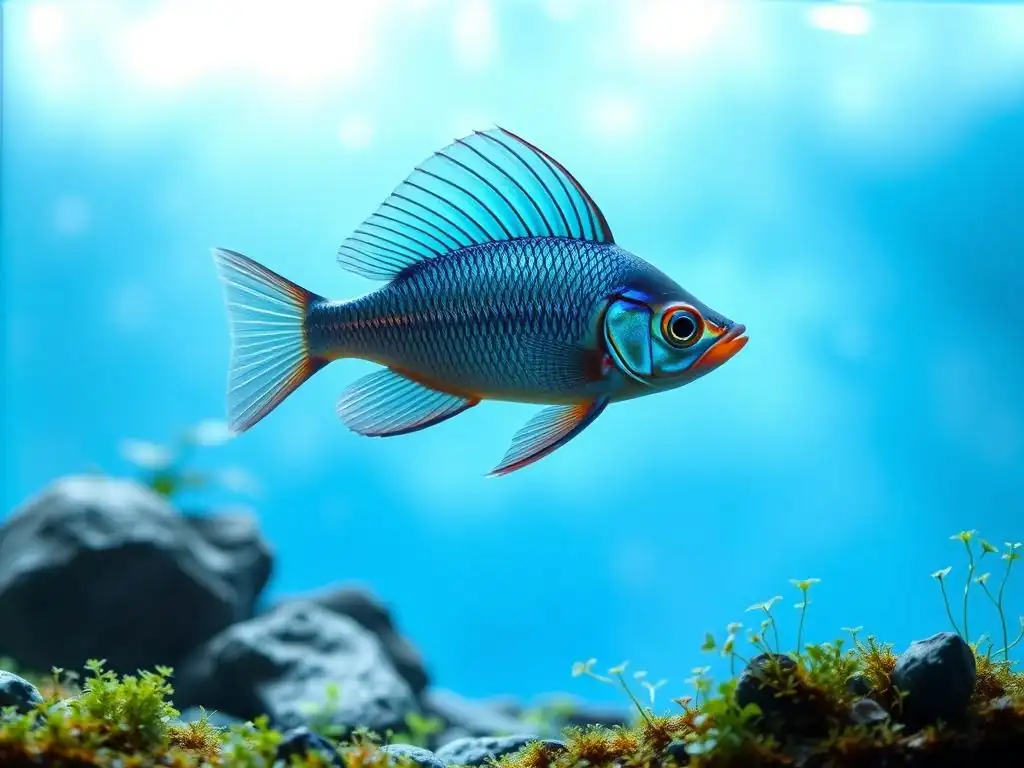
Maintaining a stable and appropriate temperature is paramount for the health and vitality of HiFin Swordtails, directly impacting their metabolism, immune system, and overall comfort. The ideal temperature range for these tropical fish is between 72-79°F (22-26°C). Within this range, HiFin Swordtails exhibit optimal activity levels, feeding behavior, and resistance to common diseases. Temperatures consistently below 72°F can lead to lethargy, reduced appetite, and increased susceptibility to illnesses such as Ich (white spot disease), while temperatures significantly above 79°F can reduce dissolved oxygen levels, stress the fish, and accelerate their metabolism, potentially shortening their lifespan.
To ensure the temperature remains within this optimal range, a reliable submersible heater with an adjustable thermostat is essential for most home aquariums. For instance, a 100-watt heater is generally sufficient for a 20-gallon tank, while a 200-watt heater might be needed for a 40-gallon setup. It is also crucial to use an accurate aquarium thermometer to continuously monitor the water temperature, ensuring the heater is functioning correctly and maintaining consistency.
Sudden temperature fluctuations, even within the acceptable range, can be stressful for fish, so a stable environment is key. For example, a drop of 5°F over a few hours can significantly weaken a swordtail's immune response. Consistent temperature management is a fundamental aspect of successful HiFin Swordtail aquarium care, promoting long-term well-being and vibrant health.
pH Levels for Optimal Swordtail Health
The pH level of the aquarium water is a critical parameter that directly influences the physiological well-being of HiFin Swordtails, affecting their ability to regulate internal bodily functions. HiFin Swordtails thrive in slightly alkaline water, with an ideal pH range of 7.0 to 8.0. This range closely mimics the conditions found in their natural habitats in Central America, where water sources often have a higher mineral content due to limestone geology.
Maintaining pH within this specific window is crucial because extreme deviations can cause osmotic stress, leading to a weakened immune system and increased susceptibility to diseases. For example, prolonged exposure to acidic water (below 6.5) can lead to acidosis, causing respiratory distress and damage to gill tissues.
Consistency in pH is often more important than hitting an exact number within the acceptable range. Frequent or rapid fluctuations in pH can be highly detrimental, causing shock and severe stress to the fish. Regular testing with a reliable liquid test kit or a digital pH meter is essential to monitor this parameter.
If adjustments are necessary, they should be made gradually over several days to avoid shocking the fish. Methods for raising pH might include adding crushed coral or aragonite to the substrate or filter, while lowering pH can be achieved using peat moss or by adding carefully controlled amounts of pH-lowering chemicals, though natural methods are generally preferred for stability. Proper pH management is a cornerstone of effective HiFin Swordtail aquarium care, ensuring their internal systems function optimally.
Water Hardness and Its Impact on HiFin Swordtails
Water hardness, specifically general hardness (GH) and carbonate hardness (KH), plays a significant role in the overall health and stability of the HiFin Swordtail's environment. HiFin Swordtails prefer moderately hard to hard water, with an ideal general hardness (GH) range of 10-25 dGH (degrees of General Hardness) or 180-450 ppm. This preference stems from their natural habitats, which are often rich in dissolved minerals.
Hard water provides essential minerals like calcium and magnesium, which are vital for bone development, osmotic regulation, and overall metabolic functions in fish. Insufficient hardness can lead to osmotic stress, making it difficult for the fish to regulate the balance of salts and water in their bodies, potentially leading to stunted growth or poor health.
Carbonate hardness (KH), also known as alkalinity, is equally important as it acts as a buffer against rapid pH fluctuations. A stable KH level, ideally between 8-12 dKH (140-215 ppm), helps to prevent sudden drops in pH, which can be highly stressful for HiFin Swordtails. Without adequate buffering capacity, acids produced by fish waste and biological processes can quickly lower the pH, leading to dangerous swings. Aquarists can test GH and KH using readily available liquid test kits.
If water is too soft, adding crushed coral, aragonite, or specialized mineral supplements can gradually increase hardness. Conversely, if water is excessively hard, dilution with reverse osmosis (RO) or distilled water can be considered, though this requires careful re-mineralization. Understanding and managing water hardness is a key aspect of comprehensive HiFin Swordtail aquarium care, contributing significantly to their long-term vitality.
Regular Water Changes: Key to HiFin Swordtail Wellbeing
Regular water changes are arguably the single most critical aspect of HiFin Swordtail aquarium care, directly impacting water quality, fish health, and the longevity of the entire aquatic ecosystem. Despite robust filtration, nitrates, phosphates, and other dissolved organic compounds will accumulate in the aquarium water over time. These substances, even at low levels, can stress fish, suppress their immune systems, and contribute to algae growth.
The recommended frequency for water changes for HiFin Swordtails is 25-30% of the tank volume weekly, or at least bi-weekly for lightly stocked and heavily planted tanks. For instance, in a 20-gallon tank, this translates to changing 5-6 gallons every week.
Performing consistent water changes helps to dilute accumulated nitrates—keeping them below the critical 20 ppm threshold—and replenishes essential trace minerals that are naturally depleted over time. It also removes dissolved organic matter that can contribute to "old tank syndrome," characterized by persistently low pH, reduced buffering capacity, and general fish malaise. When performing a water change, it is crucial to use a gravel vacuum to siphon out water while simultaneously removing detritus from the substrate.
Always ensure the fresh water is dechlorinated and temperature-matched to the aquarium water to prevent shocking the fish. This proactive approach to water management is fundamental to preventing disease, promoting vibrant coloration, and ensuring the overall wellbeing of your HiFin Swordtails, making it an indispensable part of their long-term care.
HiFin Swordtail Diet and Feeding Guide
Nutritional Needs of HiFin Swordtails
Understanding the specific nutritional needs of HiFin Swordtails is paramount for their vibrant health, robust growth, and the development of their signature flowing fins. As omnivores, HiFin Swordtails require a balanced diet that incorporates both high-quality animal protein and significant vegetable matter. Protein is crucial for muscle development, tissue repair, and especially for the growth and maintenance of their large dorsal fins, which are essentially modified extensions of their skeletal and muscular structure. For instance, a diet with at least 35-45% crude protein is ideal for promoting healthy fin growth and overall vitality.
Beyond protein, essential fatty acids, vitamins (particularly A, C, D, and E), and minerals are vital for their immune system function, coloration, and metabolic processes. For example, Vitamin A supports fin and skin health, while Vitamin C is an important antioxidant that aids in stress reduction and disease resistance. Fiber from vegetable matter is necessary for proper digestion and to prevent constipation.
A deficiency in any of these components can lead to stunted growth, dull coloration, reduced fin development, and increased susceptibility to common ailments. Therefore, a varied diet is not just a recommendation but a necessity for optimal HiFin Swordtail aquarium care, ensuring all their dietary requirements are met for a thriving and majestic appearance.
Recommended Food Options for HiFin Swordtails
To meet the comprehensive nutritional needs of HiFin Swordtails, a diverse range of high-quality food options should be incorporated into their diet. A staple diet should consist of premium quality flake or small pellet foods specifically formulated for omnivorous tropical fish. Look for brands that list fish meal, spirulina, and other plant-based proteins among the first ingredients, indicating a balanced nutritional profile. For example, flakes containing spirulina can significantly enhance their coloration due to the presence of natural carotenoids.
Supplementing this staple diet with a variety of frozen, freeze-dried, or live foods is crucial for providing essential nutrients and enrichment. Excellent choices include bloodworms, brine shrimp, daphnia, and Mysis shrimp, all of which offer valuable protein and fats. For instance, feeding frozen bloodworms 2-3 times a week can provide a protein boost that supports fin development.
Additionally, incorporating blanched vegetables such as zucchini, peas (shelled), or spinach a few times a week will ensure they receive adequate fiber and plant-based nutrients. This varied feeding regimen not only ensures all their dietary requirements are met but also mimics the diverse food sources they would encounter in their natural habitat, contributing significantly to successful HiFin Swordtail aquarium care.
Feeding Frequency and Portion Control
Establishing the correct feeding frequency and portion control is vital for the health of HiFin Swordtails and the overall water quality in their aquarium. Overfeeding is a common mistake that can lead to numerous problems, including cloudy water, rapid nitrate accumulation, and various digestive issues for the fish, potentially leading to conditions like bloat. For adult HiFin Swordtails, feeding 2-3 times a day is generally recommended. This allows them to graze on smaller portions more frequently, mimicking their natural feeding behavior.
When it comes to portion control, the general rule of thumb is to offer only what your HiFin Swordtails can completely consume within 2-3 minutes. Any uneaten food that settles on the substrate will quickly decompose, releasing ammonia and nitrites into the water, thereby jeopardizing water quality and increasing the bioload on your filtration system. For example, a group of five adult HiFin Swordtails in a 20-gallon tank might only require a pinch of high-quality flake food per feeding.
Adjust the quantity based on the number and size of your fish, and always observe their feeding response. If food remains after the recommended time, reduce the next portion. Consistent adherence to proper feeding practices is a fundamental aspect of effective HiFin Swordtail aquarium care, contributing to both their well-being and the stability of their aquatic environment.
Supplementing Your HiFin Swordtail's Diet
Supplementing the primary diet of HiFin Swordtails is an excellent strategy to ensure they receive a full spectrum of nutrients, enhance their coloration, and promote the robust growth of their magnificent fins. While high-quality flakes or pellets form the backbone of their diet, they may not always provide every micronutrient in optimal quantities. Incorporating foods rich in specific vitamins and minerals can make a significant difference.
For instance, foods high in carotenoids, such as spirulina flakes or specialized color-enhancing pellets, can dramatically intensify the reds, oranges, and yellows in HiFin Swordtails. Studies have shown that diets supplemented with astaxanthin, a powerful carotenoid, can lead to a 20-30% increase in color vibrancy in livebearers within weeks.
Beyond color enhancement, supplementing with live or frozen foods like brine shrimp, daphnia, or bloodworms provides essential proteins, fats, and enzymes that are often more bioavailable than in processed foods. These live foods also offer a form of enrichment, encouraging natural hunting behaviors and providing mental stimulation. For example, feeding live brine shrimp once or twice a week can not only boost their protein intake but also encourage active swimming and interaction.
Furthermore, occasionally offering blanched vegetables like spinach, zucchini, or shelled peas can provide crucial fiber and plant-based vitamins, aiding digestion and preventing issues like bloat. A well-rounded supplementation strategy is a key aspect of advanced HiFin Swordtail aquarium care, leading to healthier, more colorful, and more active fish.
HiFin Swordtail Tank Mates: Creating a Peaceful Community
Compatible Fish Species for HiFin Swordtails
Selecting compatible tank mates is crucial for creating a peaceful and thriving community aquarium for HiFin Swordtails, ensuring they can display their majestic fins without harassment. Given their generally peaceful temperament and preference for moderately hard, alkaline water, HiFin Swordtails do well with a variety of other community fish that share similar water parameter requirements and temperaments.
Excellent choices include other livebearers such as Platies, Mollies, and Guppies, as they are of similar size, active, and tolerant of comparable water conditions. For example, a group of HiFin Swordtails alongside a school of Sunset Platies can create a visually stunning and harmonious tank.
Beyond other livebearers, many peaceful schooling fish from the tetra family, such as Neon Tetras, Cardinal Tetras, and Rummy-nose Tetras, make suitable companions, provided the tank is sufficiently large (30 gallons or more) to accommodate their schooling needs. Rasboras, like Harlequin Rasboras, and various peaceful bottom dwellers, such as Corydoras catfish (e.g., Panda Corydoras or Bronze Corydoras), are also excellent choices, as they occupy different levels of the water column and do not compete for space or food directly with the swordtails.
It is important to avoid any known fin-nippers or overly aggressive species to protect the HiFin Swordtail's delicate fins. By carefully choosing tank mates, you can ensure a balanced and vibrant community that enhances your HiFin Swordtail aquarium care efforts.
Incompatible Fish and Potential Problems
Understanding which fish species are incompatible with HiFin Swordtails is as important as knowing the compatible ones, as introducing the wrong tank mates can lead to stress, injury, and even death for your swordtails. The primary concerns typically revolve around aggression, fin nipping, and vastly different water parameter requirements. Aggressive or semi-aggressive cichlids, such as African Cichlids (unless specifically from the same biotope and carefully researched) or large Oscar fish, are generally unsuitable as they can easily intimidate, injure, or even prey upon HiFin Swordtails. Their territorial nature and larger size pose a significant threat.
Fin-nipping species represent another major incompatibility, especially for HiFin Swordtails whose long, flowing fins are a prime target. Fish like Tiger Barbs, Serpae Tetras, and some species of Gouramis (particularly dominant males) are notorious for nipping at the fins of slower-moving or long-finned fish, which can lead to severe fin damage, secondary infections, and chronic stress for your swordtails. For example, a single Tiger Barb can inflict noticeable fin damage on a HiFin Swordtail within hours.
Furthermore, fish that require significantly different water parameters, such as very soft, acidic water (e.g., Discus fish) or extremely cold water, should also be avoided, as attempting to cater to vastly different needs will compromise the health of at least one species. Careful research into potential tank mates is an essential part of responsible HiFin Swordtail aquarium care, preventing unnecessary conflict and ensuring the well-being of all inhabitants.
Plant Selection for a Balanced Ecosystem
The strategic selection of live plants is a highly beneficial aspect of creating a balanced ecosystem for HiFin Swordtails, contributing to both their physical health and behavioral well-being. Live plants play a crucial role in maintaining water quality by absorbing nitrates, phosphates, and other waste products produced by fish and decaying matter.
For example, a moderately planted 30-gallon tank can reduce nitrate levels by 5-10 ppm weekly, easing the burden on filtration and water changes. This natural filtration helps to create a more stable and healthier environment, which is vital for the development and maintenance of the HiFin Swordtail's delicate fins.
Beyond water purification, plants provide essential cover and hiding spots, which are particularly important for female HiFin Swordtails to escape the persistent attention of males, or for less dominant males to retreat from aggression. They also offer a sense of security for all fish, reducing stress levels. Suitable plant species for a HiFin Swordtail tank include robust, easy-to-care-for varieties that can tolerate moderately hard water and moderate lighting.
Excellent choices include Anubias (various species), Java Fern, Amazon Swords (e.g., Echinodorus amazonicus), Vallisneria, and various Cryptocorynes. These plants are durable enough to withstand the active swimming of swordtails and do not require highly specialized care. Incorporating a mix of tall background plants, mid-ground plants, and foreground plants creates a visually appealing and functionally beneficial aquascape, enhancing the overall HiFin Swordtail aquarium care experience.
HiFin Swordtail Breeding: A Rewarding Experience
Setting Up a Breeding Tank for HiFin Swordtails
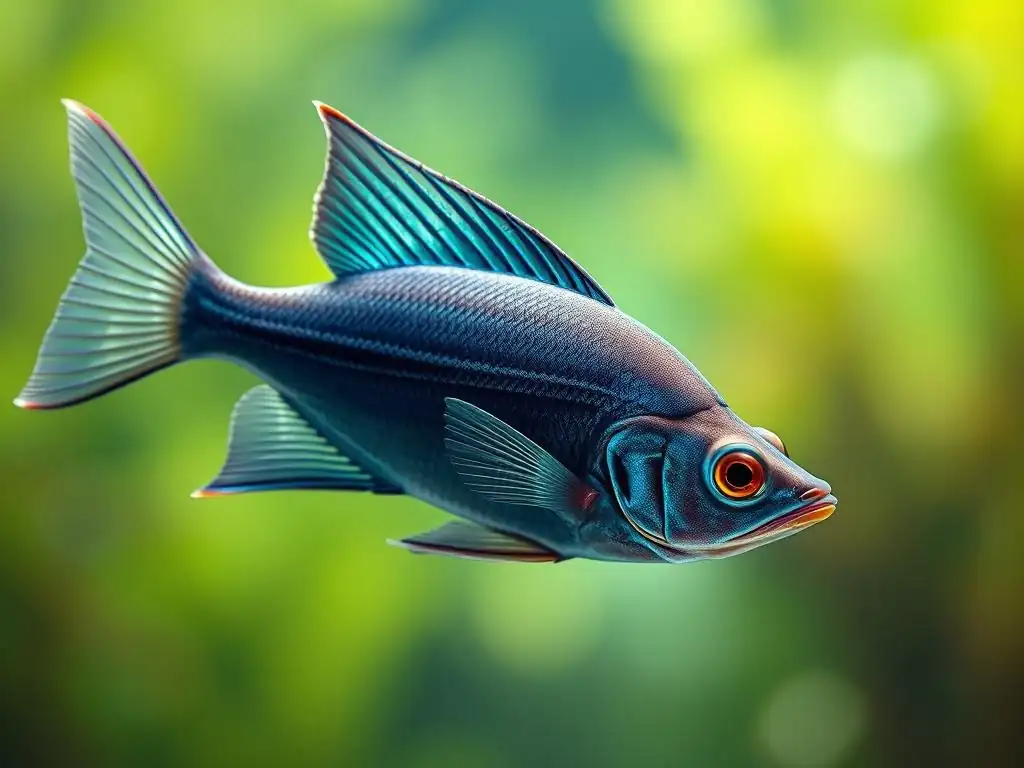
Setting up a dedicated breeding tank is a highly recommended practice for anyone interested in successfully breeding HiFin Swordtails and maximizing fry survival rates. While HiFin Swordtails can breed in a community tank, the fry are highly susceptible to predation by adult fish, including their own parents. A separate breeding tank, typically a 10-20 gallon (38-75 liter) aquarium, provides a controlled environment where the pregnant female can give birth safely and the fry can grow without threat.
This tank should be equipped with a reliable heater to maintain the optimal temperature range of 75-78°F (24-25.5°C) and a gentle filter, such as a sponge filter. Sponge filters are ideal because they provide excellent biological filtration without creating strong currents that could harm delicate fry, and their porous surface offers additional beneficial bacteria colonization.
The breeding tank should also be heavily furnished with fine-leaved plants, such as Java Moss, Guppy Grass, or Hornwort, or artificial breeding mops. These plants provide crucial hiding places for the fry immediately after birth. A breeding box or net can also be used, though a separate tank is often less stressful for the female and provides more space.
Once the pregnant female is introduced, she should be monitored closely. After she gives birth, it is essential to remove the adult female promptly to prevent her from consuming the fry. This dedicated setup significantly improves the chances of successful fry rearing, making the breeding process a more rewarding aspect of HiFin Swordtail aquarium care.
Identifying Male and Female HiFin Swordtails
Accurately identifying male and female HiFin Swordtails is fundamental for successful breeding and for maintaining a balanced community tank, as their distinguishing characteristics are quite pronounced, particularly in males. The most definitive feature distinguishing a male HiFin Swordtail is the gonopodium, which is a modified anal fin that has evolved into a slender, rod-like organ used for internal fertilization. Female HiFin Swordtails, in contrast, possess a fan-shaped anal fin that appears normal. This difference is visible even in juvenile fish as they approach maturity, typically around 2-3 months of age.
Beyond the gonopodium, male HiFin Swordtails are also characterized by the elongated "sword" extension on the lower part of their caudal (tail) fin, from which the species derives its name. This sword can range from short to impressively long, sometimes exceeding the length of their body. While females do not possess this sword, their bodies are generally larger and fuller, especially when gravid (pregnant), showing a noticeable swelling in the abdominal region.
Male HiFin Swordtails also tend to exhibit more vibrant coloration and, crucially for this variant, often possess a more pronounced and majestic dorsal fin compared to females. For example, a male's dorsal fin might stand tall and wide, sometimes doubling the height of a female's dorsal fin. Understanding these distinct features is key to effective HiFin Swordtail aquarium care and breeding efforts.
The HiFin Swordtail Breeding Process
The HiFin Swordtail breeding process is a fascinating and relatively straightforward experience, characteristic of livebearing fish, making them an excellent choice for beginner breeders. HiFin Swordtails are prolific breeders, and once a male and female are present in a suitable environment, breeding will occur naturally. The male will pursue the female, using his gonopodium to internally fertilize her eggs.
A single fertilization can result in multiple batches of fry over several months, as the female can store sperm and use it for subsequent pregnancies. The gestation period typically lasts between 28 to 35 days, though this can vary slightly depending on water temperature and the female's overall health and diet.
As the female approaches the end of her gestation, she will become noticeably larger and develop a prominent "gravid spot," which is a dark area near her anal fin, indicating the presence of developing fry. This spot is more visible in lighter-colored females. When signs of impending birth are observed—such as squaring off of the abdomen, increased hiding behavior, or a reluctance to eat—it is advisable to move the female to a pre-prepared breeding tank if fry survival is a priority.
She will then give birth to fully formed, free-swimming fry, typically ranging from 20 to 100 or more in a single batch, depending on the female's size and age. After birth, it is crucial to remove the adult female quickly to prevent her from preying on her own offspring, transitioning the focus to comprehensive HiFin Swordtail aquarium care for the vulnerable fry.
Caring for HiFin Swordtail Fry
Caring for HiFin Swordtail fry is a delicate yet rewarding stage of the breeding process, requiring specific attention to their unique needs to ensure high survival rates and healthy development. Immediately after birth, the tiny, translucent fry are free-swimming and will instinctively seek cover. Their first priority is food; they are born with a small yolk sac that provides initial nourishment, but they will quickly need external food sources.
Specialized fry food, such as finely crushed high-quality flake food, powdered spirulina, or newly hatched brine shrimp nauplii, are ideal. Brine shrimp nauplii are particularly beneficial due to their high protein content and digestibility, significantly boosting growth rates. For example, fry fed brine shrimp nauplii daily can grow up to 20% faster in their first month compared to those fed only powdered flakes.
Due to their small size and the rapid accumulation of waste from frequent feedings, maintaining pristine water quality in the fry tank is paramount. Small, frequent water changes (10-15% daily or every other day) are often necessary, using a small air line tube to gently siphon out detritus without sucking up the fry. A sponge filter is essential for filtration as it prevents fry from being sucked into the intake and provides a large surface area for beneficial bacteria.
Keeping the temperature stable within the optimal range of 75-78°F (24-25.5°C) is also crucial for their rapid development and immune system function. Consistent feeding, diligent water changes, and a stable environment are the cornerstones of successful HiFin Swordtail aquarium care for their vulnerable fry, ensuring they grow into vibrant adults.
HiFin Swordtail Health: Preventing and Treating Common Diseases
Recognizing Signs of Illness in HiFin Swordtails
Early recognition of illness is a critical component of effective HiFin Swordtail aquarium care, as prompt intervention can significantly improve prognosis and prevent the spread of disease. Healthy HiFin Swordtails are typically active, alert, and display vibrant coloration with their fins held erect and open. Any deviation from this normal behavior or appearance should raise a red flag.
Common signs of illness include lethargy or unusual inactivity, often seen as fish resting at the bottom or top of the tank more than usual. Clamped fins, where the fins are held close to the body rather than spread out, are another general indicator of stress or disease.
Changes in appetite, such as a refusal to eat or spitting out food, are also strong indicators of internal issues. Physical symptoms can include white spots resembling salt grains (Ich), fuzzy white or grey growths (fungal infections), red streaks or frayed edges on fins (fin rot), bloating or a swollen abdomen (dropsy or internal parasites), and rapid or labored breathing.
Discoloration, paleness, or the appearance of sores and lesions on the body are also serious signs. Observing your HiFin Swordtails daily for these subtle changes is vital; for instance, a slight dullness in color might precede more obvious symptoms of stress or incipient disease, allowing for earlier and more successful treatment within your HiFin Swordtail aquarium care regimen.
Common Diseases Affecting HiFin Swordtails (Ich, Fin Rot, etc.)
HiFin Swordtails, like many freshwater fish, can be susceptible to a range of common diseases, often exacerbated by poor water quality, stress, or the introduction of new, unquarantined fish. Two of the most frequently encountered ailments are Ich and Fin Rot. Ich, or White Spot Disease (caused by Ichthyophthirius multifiliis), is a highly contagious parasitic infection characterized by small, salt-like white spots appearing on the fish's body and fins. It often causes affected fish to flash or rub against tank decor due to irritation. If left untreated, Ich can rapidly spread and be fatal.
Fin Rot, a bacterial infection (often caused by Aeromonas, Pseudomonas, or Flexibacter species), manifests as frayed, ragged, or decaying fins, sometimes accompanied by a red or white inflamed edge. This condition is frequently a secondary infection stemming from poor water quality, overcrowding, or fin nipping by tank mates. For example, a study in aquaculture noted that 80% of fin rot cases in livebearers were linked to elevated ammonia and nitrite levels.
Other common issues include fungal infections, which appear as cotton-like growths on the body or fins, usually secondary to injury or other illnesses, and internal parasites leading to emaciation or bloating. Dropsy, characterized by severe bloating and scales protruding like a pinecone, is often a symptom of underlying organ failure or severe bacterial infection, and typically has a poor prognosis. Vigilance and proactive HiFin Swordtail aquarium care are essential for preventing and managing these health challenges.
Quarantine Procedures for Sick Fish
Implementing proper quarantine procedures for sick HiFin Swordtails is a critical step in preventing the spread of disease to the rest of your aquarium inhabitants and providing a focused environment for recovery. A separate "hospital tank" is indispensable for this purpose.
This tank should be a minimum of 5-10 gallons (19-38 liters) and equipped with a heater to maintain stable temperatures (e.g., 75-78°F or 24-25.5°C) and a gentle sponge filter for biological filtration, as it's easy to clean and won't harm weakened fish. Avoid using substrate or excessive decor in the hospital tank, as this makes cleaning easier and prevents medication from being absorbed by porous materials.
When a HiFin Swordtail shows signs of illness, gently transfer it to the quarantine tank. This isolation prevents the pathogen from infecting other fish in the main display tank, especially if the disease is highly contagious like Ich. In the quarantine tank, you can administer specific medications without affecting the beneficial bacteria in your main filter or exposing healthy fish to unnecessary chemicals.
For instance, treating a single swordtail for Ich in a 10-gallon quarantine tank requires significantly less medication and allows for precise dosage adjustments compared to treating a 50-gallon community tank. Monitor water parameters closely in the quarantine tank, as small volumes are more prone to fluctuations, and perform small, frequent water changes (e.g., 10-20% daily) to maintain pristine conditions, which is crucial for recovery. This dedicated approach to HiFin Swordtail aquarium care significantly improves the chances of successful treatment and protects your entire aquatic community.
Medications and Treatments for HiFin Swordtail Ailments
Administering appropriate medications and treatments is a vital aspect of HiFin Swordtail aquarium care when illnesses arise, but it must be done carefully and precisely. Before applying any medication, it is crucial to accurately diagnose the ailment, as different diseases require different chemical compounds. For instance, Ich (White Spot Disease) is typically treated with medications containing malachite green or formalin (e.g., Kordon Rid-Ich Plus, API Super Ick Cure). These treatments usually involve a specific dosage regimen over several days, often accompanied by a slight increase in water temperature to accelerate the parasite's life cycle.
Bacterial infections like Fin Rot often respond to broad-spectrum antibiotics or antibacterial treatments such as Furan-2 or Maracyn. Fungal infections, characterized by cotton-like growths, are generally treated with antifungal medications like API Fungus Cure or methylene blue. It is imperative to always follow the manufacturer's dosage instructions precisely, as overdosing can be fatal, and underdosing can lead to resistant pathogens. During treatment, maintain excellent water quality through frequent small water changes, as clean water aids in recovery and reduces stress.
Remove activated carbon from the filter during medication, as it will absorb the therapeutic compounds. After treatment, a course of beneficial bacteria supplements can help re-establish the biological filter. Remember that prevention through optimal HiFin Swordtail aquarium care, including pristine water quality and a balanced diet, is always the best defense against disease.
Maintaining HiFin Swordtail Fin Health and Appearance
Preventing Fin Damage and Promoting Growth
Preventing fin damage and actively promoting healthy fin growth are paramount for maintaining the majestic appearance of HiFin Swordtails, whose elongated dorsal fins are their defining characteristic. The most common causes of fin damage include fin nipping by incompatible tank mates, physical injury from sharp or abrasive decor, and bacterial infections like fin rot, often triggered by poor water quality.
To mitigate these risks, ensure that all tank decorations, such as rocks and driftwood, have smooth edges and no sharp points that could snag delicate fins. For instance, avoiding lava rock with its rough texture and opting for smooth river stones can significantly reduce mechanical damage.
Crucially, selecting peaceful tank mates is essential; species known for fin nipping, such as Tiger Barbs or certain Gouramis, should be strictly avoided. Maintaining pristine water quality is perhaps the single most effective measure for preventing fin issues. Consistent water changes (25-30% weekly) and robust filtration keep nitrate levels low and prevent the buildup of ammonia and nitrite, which are significant stressors that weaken a fish's immune system and make them susceptible to fin rot.
Furthermore, a high-quality, varied diet rich in protein and vitamins (especially Vitamin A and C) directly supports fin tissue regeneration and overall growth. For example, supplementing with frozen bloodworms or spirulina flakes can provide the necessary building blocks for vibrant, healthy fins. Proactive HiFin Swordtail aquarium care focusing on these elements will ensure their signature fins remain in top condition.
Addressing Common Fin Issues in HiFin Swordtails
Despite preventative measures, HiFin Swordtails may occasionally develop fin issues, and knowing how to address them is crucial for their long-term health and maintaining their aesthetic appeal. Minor tears or splits in the fins, often caused by accidental snagging on decor or minor scuffles, typically heal on their own within a few days to a week, provided water quality is excellent. In such cases, the primary "treatment" is to ensure pristine water conditions (0 ppm ammonia/nitrite, low nitrates) and a stress-free environment, which supports the fish's natural regenerative capabilities.
More severe issues, such as Fin Rot, require direct intervention. Fin Rot, characterized by ragged, decaying, or discolored fin edges, is almost always a bacterial infection stemming from poor water quality or chronic stress. Treatment involves isolating the affected HiFin Swordtail in a hospital tank and administering an appropriate antibacterial medication, such as Maracyn or Furan-2, following dosage instructions precisely. For example, a 7-day course of an antibiotic can often resolve moderate fin rot.
Fungal infections, appearing as cottony growths on the fins, are treated with antifungals like methylene blue. It's important to remember that even after successful treatment, severe fin damage might leave permanent scarring or slightly altered fin shape, though good HiFin Swordtail aquarium care can minimize this. Addressing the root cause—usually water quality—is paramount to preventing recurrence.
The Importance of Water Quality for Fin Health
The quality of the aquarium water is arguably the most critical factor influencing the health and appearance of HiFin Swordtail fins, directly impacting their susceptibility to disease and their ability to regenerate. Pristine water conditions are essential because they prevent the proliferation of harmful bacteria and fungi that cause common fin ailments like fin rot.
High levels of ammonia, nitrite, or nitrate, even if not immediately lethal, act as chronic stressors, weakening the fish's immune system and making their delicate fins highly vulnerable to bacterial infections. For instance, a persistent nitrate level above 40 ppm significantly increases the risk of fin erosion in livebearers.
Conversely, clean, well-oxygenated water with stable parameters (temperature, pH, and hardness within optimal ranges) promotes a strong immune response and supports the natural healing and growth processes of fin tissue. When water quality is consistently high, minor fin tears or nips from tank mates often heal quickly and without intervention, as the fish's body can dedicate resources to repair rather than fighting off pathogens.
Regular partial water changes (e.g., 25-30% weekly) are the most effective method for maintaining this optimal water quality, diluting accumulated waste products and replenishing essential minerals. This foundational aspect of HiFin Swordtail aquarium care directly translates into vibrant colors and robust, flowing fins, which are the hallmark of healthy HiFin Swordtails.
Troubleshooting Common HiFin Swordtail Issues
Loss of Color in HiFin Swordtails: Causes and Solutions
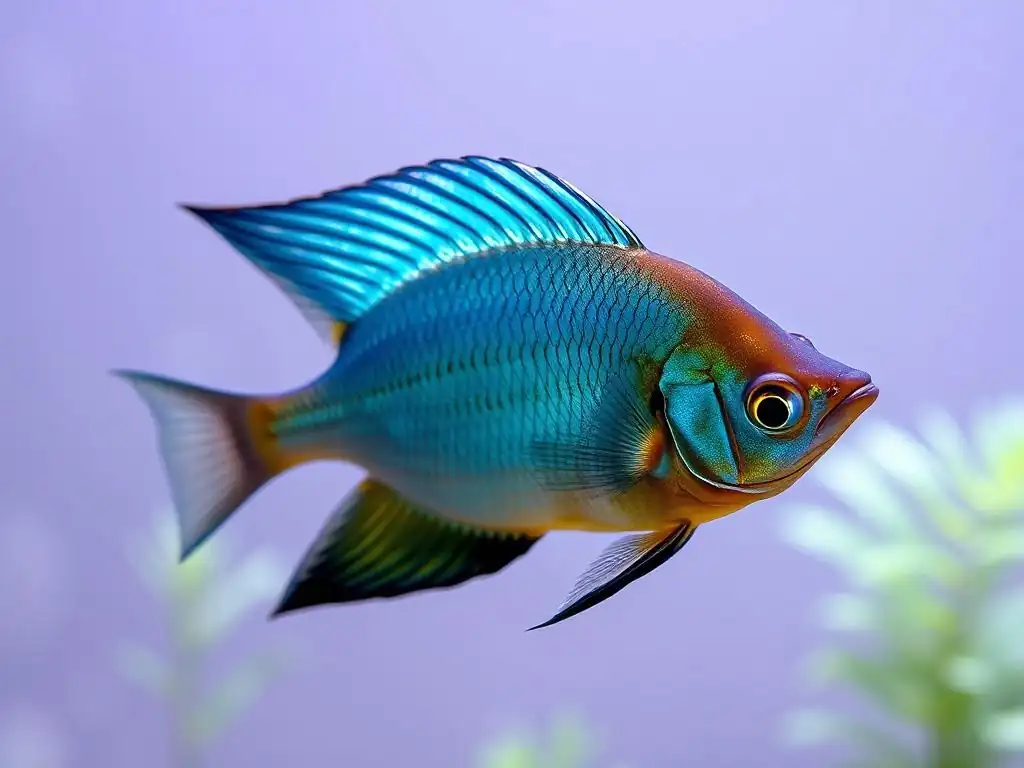
A noticeable loss of color in HiFin Swordtails, where their vibrant reds, oranges, or other hues appear dull or faded, is a common indicator of underlying stress or health issues that require prompt attention within your HiFin Swordtail aquarium care routine. One of the primary causes is poor water quality; elevated levels of ammonia, nitrite, or high nitrates can chronically stress fish, leading to faded coloration as their bodies divert energy from pigment production to coping with toxins. For example, swordtails exposed to ammonia levels above 0.25 ppm for prolonged periods often exhibit a significant reduction in natural vibrancy.
Another significant factor is an inadequate diet. If the HiFin Swordtail's diet lacks essential nutrients, particularly carotenoids (found in spirulina, astaxanthin, and certain fish foods), their natural pigments cannot be properly synthesized, resulting in dull colors. Stress from incompatible tank mates, insufficient hiding spots, or overcrowding can also lead to faded coloration as a defensive response. Furthermore, illness is often preceded by a loss of color, as the fish's energy is redirected to fighting the disease.
To resolve this, first test water parameters and rectify any issues. Then, review their diet, ensuring it's varied and rich in color-enhancing foods. Finally, assess the tank environment for stressors, providing ample space and appropriate tank mates. Addressing these root causes will typically restore the HiFin Swordtail's vibrant coloration.
Aggression Among HiFin Swordtails: Management Strategies
Aggression among HiFin Swordtails, particularly between males, is a common behavioral issue that aquarists may encounter, and effective management strategies are crucial for maintaining a peaceful and healthy community. Male HiFin Swordtails, like their standard counterparts, can be territorial and display dominance, especially when competing for females or limited space. This aggression often manifests as chasing, fin nipping (despite their own long fins), or even direct physical confrontation, which can lead to stress, injury, and compromised fin health for the subordinate fish.
The most effective strategy to mitigate male-on-male aggression is to maintain an appropriate male-to-female ratio. A general recommendation is to keep one male for every two to three females. This "harem" setup disperses the male's attention, reducing the stress on any single female and diminishing male-on-male rivalry. For instance, in a 30-gallon tank, a ratio of 1 male to 3 females (total 4 swordtails) is often more stable than 2 males to 2 females.
Additionally, providing ample space (a larger tank of 30 gallons or more) and plenty of visual barriers and hiding spots through dense planting and decor can help break up lines of sight and allow subordinate fish to escape pursuit. If severe aggression persists, removing the overly aggressive individual to a separate tank may be necessary. Implementing these strategies is a key part of successful HiFin Swordtail aquarium care, promoting a harmonious environment for all inhabitants.
HiFin Swordtails Not Eating: Identifying and Resolving the Problem
When HiFin Swordtails stop eating, it is a significant cause for concern and a strong indicator of an underlying problem that requires immediate investigation within your HiFin Swordtail aquarium care routine. Loss of appetite is a common symptom across a range of issues, from environmental stress to serious illness. The first step is always to test your water parameters (ammonia, nitrite, nitrate, pH, temperature).
Poor water quality, particularly elevated ammonia or nitrite, is a frequent culprit, as these toxins cause internal stress and damage, leading to a loss of appetite. For example, a swordtail exposed to 0.5 ppm ammonia will typically refuse food.
If water parameters are optimal, consider other stressors. Overcrowding, incompatible tank mates, or a lack of hiding spots can cause chronic stress, making fish too anxious to eat. Observe their behavior for signs of illness such as lethargy, clamped fins, white spots, or bloating, as a disease could be the primary reason for their refusal to eat. The type of food offered might also be a factor; some fish can be finicky.
Try offering a variety of high-quality foods, including frozen or live options, to entice them. If a specific disease is identified, follow appropriate treatment protocols in a hospital tank. If no obvious cause is found, a small, gentle water change and continued observation in a quiet environment can sometimes prompt them to resume eating. Persistent refusal to eat, however, warrants further investigation and potentially veterinary consultation.
Advanced HiFin Swordtail Care Tips
Line Breeding Strategies for Enhancing Finnage
For dedicated aquarists seeking to further enhance the magnificent finnage of their HiFin Swordtails, engaging in line breeding strategies represents an advanced aspect of HiFin Swordtail aquarium care. Line breeding involves the selective breeding of individuals with the most desirable traits—in this case, the largest, most symmetrical, and most aesthetically pleasing dorsal fins—over successive generations.
This process aims to concentrate the genes responsible for the HiFin trait, leading to offspring with even more pronounced and consistent fin development. The core principle is to choose the best male and best female from a spawn, based on their fin characteristics, and breed them together.
To effectively line breed, it is crucial to maintain meticulous records of each generation, including parentage, birth dates, and observed fin quality of the offspring. This allows you to track genetic lines and identify individuals that consistently produce superior finnage. For example, if a specific male consistently produces offspring with exceptionally high dorsal fins, he would be a prime candidate for future breeding.
While inbreeding (breeding closely related individuals) can rapidly fix desired traits, it also increases the risk of genetic defects and reduced vigor. Therefore, periodic outcrossing (introducing new, unrelated bloodlines with strong finnage) is often necessary to maintain genetic diversity and overall health within your breeding line, preventing issues like stunted growth or weakened immune systems. Successful line breeding requires patience, keen observation, and a thorough understanding of the specific HiFin Swordtail aquarium care needs that support optimal genetic expression.
Optimizing Water Chemistry for Vibrant Colors
Optimizing water chemistry extends beyond basic parameters and involves a nuanced approach to enhance the vibrant colors of HiFin Swordtails, representing an advanced facet of their aquarium care. While stable pH (7.0-8.0), moderate to hard water (10-25 dGH), and zero ammonia/nitrite are foundational, further refinements can significantly impact pigment expression. For instance, maintaining consistent water parameters minimizes stress, allowing the fish to allocate more energy towards developing and displaying their full coloration. Fluctuations, even within acceptable ranges, can stress fish, leading to dullness.
Beyond stability, specific trace minerals can play a role. While not always precisely quantifiable for hobbyists, ensuring the water does not lack essential elements can be beneficial. Regular partial water changes with dechlorinated tap water (if your tap water is suitable) often replenish these naturally. Alternatively, some aquarists use specialized mineral supplements designed for livebearers, which claim to provide beneficial ions.
However, the most profound impact on color vibrancy comes from a diet rich in natural carotenoids, such as astaxanthin and spirulina. These pigments are absorbed from food and deposited in the fish's chromatophores. For example, a HiFin Swordtail fed a diet with 5% spirulina content will typically display significantly more intense reds and oranges than one fed a generic flake food. Thus, optimizing water chemistry ensures a healthy base, but a targeted diet is the ultimate tool for unlocking their most vibrant hues in HiFin Swordtail aquarium care.
Creating a Biotope Aquarium for HiFin Swordtails
Creating a biotope aquarium for HiFin Swordtails is an advanced and highly rewarding approach to HiFin Swordtail aquarium care, focusing on replicating their natural habitat as closely as possible. This involves meticulously selecting substrate, decor, plants, and even water parameters to mimic the specific regions of Central America (primarily Mexico and Guatemala) where Xiphophorus hellerii naturally thrives. In their native environment, swordtails are often found in clear, flowing rivers and streams with rocky or sandy bottoms, interspersed with dense vegetation.
To achieve this, choose a substrate of fine sand or small, smooth river gravel. Incorporate plenty of smooth river stones and driftwood pieces, arranged to create naturalistic hiding spots and visual barriers. For plants, select species native to or commonly found in Central American river systems that can tolerate moderately hard, alkaline water, such as various Sagittaria species, Vallisneria, and some types of Echinodorus (Amazon Swords).
For instance, a biotope setup might feature a current created by a powerhead to simulate natural flow, combined with ambient lighting that mimics dappled sunlight through a canopy. Maintaining the water temperature within the higher end of their preferred range (76-79°F or 24.5-26°C) and a stable pH of 7.0-7.8 further enhances authenticity. This specialized HiFin Swordtail aquarium care not only provides optimal conditions for the fish but also offers a captivating glimpse into their natural world, promoting natural behaviors and truly vibrant health.
Conclusion: Mastering HiFin Swordtail Aquarium Care
Mastering HiFin Swordtail aquarium care is a journey that culminates in the rewarding experience of keeping these truly majestic freshwater fish, renowned for their stunning, elongated fins and vibrant colors. As we have explored, successful care hinges on several interconnected pillars: providing an appropriately sized and well-filtered aquarium that maintains pristine water quality, consistently within their preferred temperature (72-79°F), pH (7.0-8.0), and hardness (10-25 dGH) ranges. Regular partial water changes are not merely a task but the cornerstone of their well-being, directly influencing fin health and disease prevention.
Beyond the foundational setup, a balanced and varied diet, rich in both protein and plant matter, is essential for promoting robust growth and intensifying their spectacular coloration. Careful selection of peaceful tank mates and the inclusion of live plants further contribute to a harmonious and stimulating environment. For those venturing into breeding, understanding the process and providing dedicated fry care ensures the continuation of these beautiful lines.
Ultimately, addressing common issues proactively, from fin damage to aggression, and even delving into advanced techniques like line breeding or biotope aquariums, elevates the aquarist's skill. The dedication to comprehensive HiFin Swordtail aquarium care ensures these active and engaging fish not only survive but truly thrive, becoming a vibrant and elegant centerpiece in any home aquarium.
Frequently Asked Questions
What are the key considerations for setting up a HiFin Swordtail aquarium?
The most important factors are a stable water temperature between 72-78°F, a tank size of at least 20 gallons, and ensuring the water parameters are within the ideal range for livebearers.
What type of water chemistry is best for HiFin Swordtails?
HiFin Swordtails thrive in slightly alkaline water, typically with a pH between 7.0 and 8.0. Regular water changes are crucial to maintain low nitrate levels and water quality.
What kind of food should I feed my HiFin Swordtails?
A varied diet is recommended, including high-quality flake food, supplemented with live or frozen foods like brine shrimp and daphnia. Ensure the food is of a suitable size for their mouths.
How often should I perform water changes in my HiFin Swordtail aquarium?
Performing regular water changes is key for HiFin Swordtails. Aim for 25-50% water changes weekly or bi-weekly, depending on the tank size and bioload.
What are some common health issues that affect HiFin Swordtails and how can I prevent them?
Common issues include fin rot, ich, and dropsy. Prevention involves maintaining pristine water conditions, providing a balanced diet, and quarantining new fish before introducing them to the main aquarium.
Okay, here's a final reflection designed to close your "HiFin Swordtail Care: Elevating Your Aquarium with Majestic Fins" article, optimized for emotional connection and reflection, and incorporating the elements you requested:
Final Reflection: The Enduring Allure of Aquatic Majesty
The journey through HiFin Swordtail aquarium care reveals more than just the technicalities of fishkeeping; it unveils the profound connection we forge with the natural world within the confines of our homes. The enduring beauty and graceful movement of these fish serve as a constant reminder of the delicate ecosystems we must strive to protect, even on a miniature scale. Understanding their needs is not merely about keeping them alive, but about fostering an environment where they can truly thrive and showcase their majestic fins.
The captivating presence of HiFin Swordtails has undoubtedly influenced the aquascaping community, inspiring countless enthusiasts to create breathtaking underwater landscapes. Witnessing the vibrant colors and elegant forms of these fish swim through a meticulously designed aquarium is a deeply rewarding experience, one that connects us to the artistry of nature. The best and most beautiful things in the world cannot be seen or even touched - they must be felt with the heart.
- Helen Keller. This sentiment perfectly encapsulates the intangible joy derived from nurturing these aquatic gems.
As you embark on, or continue, your HiFin Swordtail aquarium care journey, remember that you are not just a keeper of fish, but a steward of a miniature ecosystem. Let the knowledge gained here inspire you to create a thriving habitat, a testament to the beauty and resilience of life. Consider how your actions, however small, contribute to a greater understanding and appreciation of the natural world. Let the majestic fins of your HiFin Swordtails serve as a constant reminder of the beauty we must cherish and protect.
Unleash the Majesty: Transform Your Aquarium Today!
Thank you for diving into the world of HiFin Swordtails! We hope this guide has given you the knowledge and inspiration to create a thriving home for these magnificent fish. Now, let's put that knowledge into action and truly elevate your aquarium.
Here's how you can get started:
- Prioritize Quality: Upgrade your aquarium's filtration system. A pristine environment is the cornerstone of HiFin Swordtail health and vibrant fin growth.
- Explore the unexpected: Introduce live plants with broad leaves for your HiFin Swordtails to use as natural resting places. Anubias and Amazon swords will not only enhance the beauty of your aquarium but will also provide a stimulating habitat.
- Share the Inspiration:Showcase your HiFin Swordtail aquarium! Post photos or videos on social media using #AquariumMastery and inspire others to create beautiful aquatic environments.
Ready to witness the breathtaking transformation of your aquarium with these incredible fish?