
Honey Gourami Care: The Sweetest & Most Peaceful Anabantoid?

Welcome to Aquarium Mastery!
Curious about keeping one of the most peaceful and beautiful freshwater fish? You've come to the right place! Get ready to dive deep into the world of Honey Gourami care. We'll explore everything you need to know to ensure these sweet little anabantoids thrive in your aquarium. Ready to unlock the secrets to a happy and healthy Honey Gourami? Let's get started!
- Introduction to Honey Gouramis: A Peaceful Aquarium Gem
- Honey Gourami Care Guide: Essential Tips for a Thriving Fish
- Honey Gourami Behavior and Compatibility
- Honey Gourami Health and Disease Prevention
- Breeding Honey Gouramis: A Rewarding Experience
- Honey Gourami Varieties and Color Morphs
- Troubleshooting Common Honey Gourami Care Issues
- Conclusion: Mastering Honey Gourami Care for a Vibrant Aquarium
- Frequently Asked Questions
- Final Reflection: A Golden Ripple in the Aquarium
- Unlock the Secrets to a Thriving Honey Gourami Tank!
Introduction to Honey Gouramis: A Peaceful Aquarium Gem
What Makes Honey Gouramis So Special? (Small Size, Peaceful Temperament, and Vibrant Colors)
Honey Gouramis, scientifically known as Trichogaster chuna (formerly Colisa chuna), are celebrated for their diminutive size, typically reaching a maximum of 2 inches (5 cm) in length. This makes them an ideal choice for smaller to medium-sized freshwater aquariums. Unlike some of their larger, more aggressive gourami cousins, Honey Gouramis boast a remarkably peaceful and shy temperament, rarely causing trouble with tank mates. Their endearing personality, combined with their active yet graceful swimming, contributes to their unique appeal.
Beyond their amiable disposition and compact size, Honey Gouramis captivate aquarists with their vibrant and diverse coloration. The most common variety exhibits a beautiful honey-gold to orange hue, which intensifies significantly when the fish is comfortable, healthy, and during breeding. Other popular color morphs, such as the Red Honey Gourami, display striking shades of deep orange and red. Their distinct labyrinth organ, allowing them to breathe atmospheric air, adds another fascinating dimension to their biology, enabling them to thrive in oxygen-poor waters, though optimal Honey Gourami care tips always include well-oxygenated tanks.
Why Choose Honey Gouramis for Your Freshwater Tank? (Beginner-Friendly, Hardy, and Visually Appealing)
For aspiring and experienced aquarists alike, Honey Gouramis present an excellent choice for a freshwater tank due to their beginner-friendly nature. They are generally hardy fish, more forgiving of minor fluctuations in water parameters than many other delicate species, making them a relatively low-maintenance option. Their resilience, coupled with their peaceful demeanor, significantly reduces the stress often associated with maintaining a thriving aquarium, especially for newcomers to the hobby. Adhering to fundamental Honey Gourami care tips ensures their longevity and vibrancy.
Furthermore, the visual appeal of Honey Gouramis is undeniable. Their bright colors provide a stunning contrast against green aquatic plants and dark substrates, making any aquarium more dynamic and visually engaging. They are active swimmers, exploring all levels of the tank but particularly fond of the mid to upper water column, where they often interact with floating plants. Their non-aggressive nature ensures they can be comfortably housed in a community setup, adding beauty and tranquility without the worry of fin-nipping or territorial disputes, provided suitable tank mates are chosen.
Honey Gourami Care Guide: Essential Tips for a Thriving Fish
Setting Up the Ideal Honey Gourami Tank Environment
Tank Size Requirements for Honey Gouramis
Establishing the correct tank size is a foundational aspect of Honey Gourami care. For a single Honey Gourami or a breeding pair, a minimum tank size of 10 gallons (approximately 38 liters) is generally recommended. This provides adequate space for swimming and establishing a small territory. However, if you plan to keep a small group of Honey Gouramis (e.g., 3-5 individuals) or house them in a community tank with other peaceful species, a 20-gallon (around 75 liters) or larger aquarium is far more suitable.
Larger tanks offer greater water volume, which inherently leads to more stable water parameters and reduces the frequency of necessary water changes, simplifying Honey Gourami care tips. While Honey Gouramis are not particularly demanding regarding tank depth, they do appreciate horizontal swimming space. A longer tank rather than a taller, narrower one will provide them with more room to explore and feel secure, contributing significantly to their overall well-being and vibrant coloration.
Water Parameters: Temperature, pH, and Hardness for Honey Gouramis
Maintaining stable and appropriate water parameters is crucial for the health and longevity of Honey Gouramis. These fish thrive in tropical freshwater conditions. The ideal water temperature range is between 72-82°F (22-28°C). A stable temperature within this range is vital, as sudden fluctuations can cause stress and make them susceptible to disease. Therefore, a reliable aquarium heater with a thermostat is an indispensable piece of equipment for any Honey Gourami setup.
In terms of pH, Honey Gouramis prefer slightly acidic to neutral water, with an optimal range of 6.0 to 7.5. While they can tolerate a slightly wider range, consistency is key; avoid drastic pH swings. Water hardness (GH) should ideally be soft to moderately hard, falling within 5-15 dGH (degrees of General Hardness) or approximately 90-270 ppm. Regular testing of these parameters using a reliable freshwater test kit is highly recommended to ensure the water remains within the optimal range, which is a core component of effective Honey Gourami care tips.
Substrate and Decorations: Creating a Natural Habitat
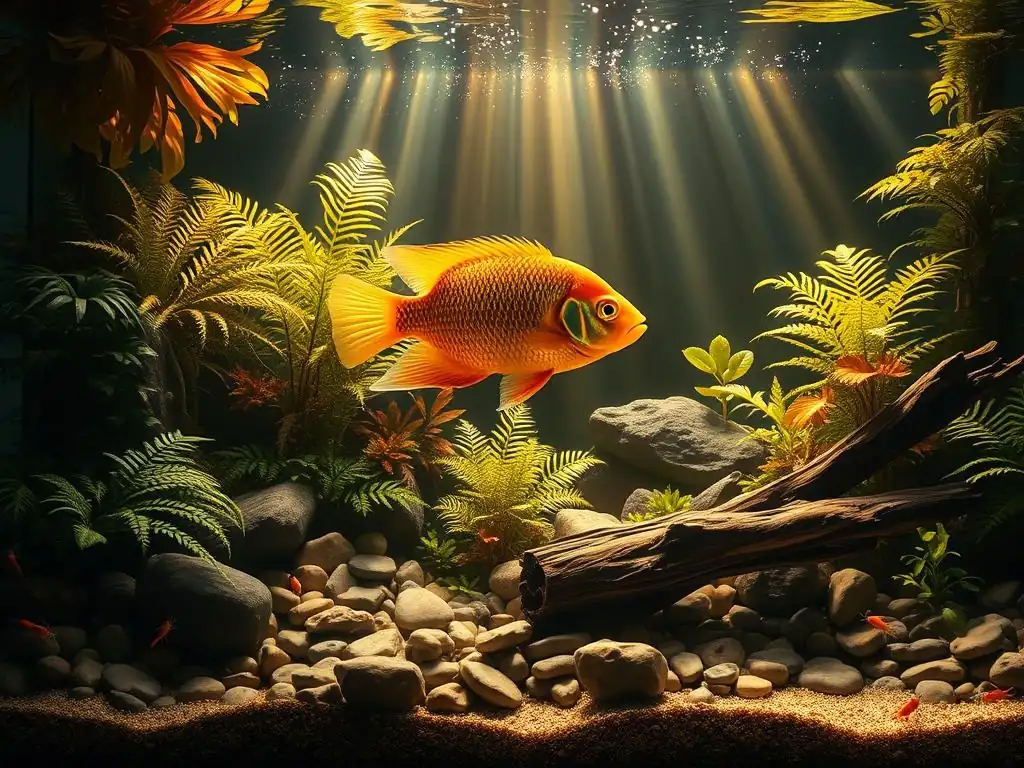
The choice of substrate and decorations plays a significant role in making Honey Gouramis feel secure and display their best colors. A dark-colored substrate, such as fine gravel or sand, is often preferred as it helps to highlight their natural honey-gold or red hues, making them appear more vibrant. Beyond aesthetics, the substrate provides a base for live plants, which are highly beneficial for these fish.
Honey Gouramis thrive in a heavily planted aquarium, mimicking their natural habitat found in slow-moving waters with dense vegetation. Live plants like Java Fern, Anubias, Cryptocorynes, and various stem plants provide essential hiding spots and break up lines of sight, reducing stress and potential aggression between males.
Floating plants, such as Amazon Frogbit or Dwarf Water Lettuce, are particularly beneficial as they diffuse lighting, create shaded areas, and provide anchor points for the male's bubble nest during breeding. Including driftwood, smooth rocks, and small caves further enhances the natural feel of the tank and offers additional refuge, which are important Honey Gourami care tips.
Essential Equipment: Filters, Heaters, and Lighting for Honey Gouramis
Proper equipment is fundamental to successful Honey Gourami care. A reliable filtration system is essential for maintaining pristine water quality. Honey Gouramis prefer calm water with minimal current, so a gentle filter like a sponge filter or a hang-on-back (HOB) filter with an adjustable flow rate is ideal. Strong currents can stress these fish, as their labyrinth organ is designed for stiller waters. The filter should be capable of handling the tank's volume efficiently, providing mechanical, biological, and chemical filtration.
As tropical fish, Honey Gouramis require a stable water temperature, making an appropriately sized aquarium heater a necessity. The heater should be capable of maintaining the water within the 72-82°F (22-28°C) range consistently. Lighting is also important, primarily for the health of any live plants in the aquarium. A moderate intensity LED light that can support plant growth is usually sufficient. Avoid excessively bright lighting, as Honey Gouramis can be shy and prefer subdued environments, often seeking refuge under floating plants or in shaded areas, a key consideration for providing optimal Honey Gourami care tips.
Honey Gourami Diet and Feeding Habits
What Do Honey Gouramis Eat? (Flakes, Pellets, Live and Frozen Foods)
Honey Gouramis are omnivores, meaning their diet in the wild consists of both plant matter and small invertebrates. To ensure optimal health and vibrant coloration in the aquarium, it's crucial to provide a varied and balanced diet. A high-quality flake or micro-pellet food specifically formulated for small tropical fish should form the staple of their diet. Look for brands that list fish meal or spirulina as primary ingredients.
Supplementing their dry food with live and frozen options is an excellent Honey Gourami care tip for boosting their nutrition and encouraging natural foraging behaviors. They will readily accept small live foods such as daphnia, brine shrimp, and microworms. Frozen varieties like bloodworms and mysis shrimp are also highly palatable and provide essential proteins and nutrients. Due to their relatively small mouths, ensure that all food items are appropriately sized to prevent choking or difficulty in consumption.
Feeding Schedule: How Often to Feed Your Honey Gouramis
A consistent feeding schedule is important for the well-being of Honey Gouramis. It is generally recommended to feed them once or twice a day. When feeding, offer small amounts of food that your fish can consume completely within 2 to 3 minutes. Honey Gouramis have small stomachs, and overfeeding can lead to digestive issues and, more critically, contribute to poor water quality by leaving uneaten food to decompose.
Observing your fish during feeding time is crucial. If they are not eagerly consuming the food, you might be feeding too much, or there could be an underlying health issue. Adjust the quantity as needed based on their consumption rate. Consistency in feeding times also helps establish a routine, which can reduce stress for the fish and make them more comfortable in their environment, contributing to effective Honey Gourami care tips.
Preventing Overfeeding in Honey Gouramis
Overfeeding is a common mistake in aquarium keeping that can have severe consequences for Honey Gouramis and the entire tank ecosystem. Excess food quickly breaks down, leading to elevated levels of ammonia, nitrite, and nitrate, which are toxic to fish. This deterioration in water quality can stress Honey Gouramis, weaken their immune systems, and make them highly susceptible to various diseases, including bacterial infections and fin rot.
To prevent overfeeding, always adhere to the "feed what they can eat in 2-3 minutes" rule. It's better to underfeed slightly than to overfeed. You can also consider fasting your Honey Gouramis one day a week; this can aid in their digestion and help keep the water cleaner. Regularly siphoning any uneaten food from the substrate immediately after feeding is another effective Honey Gourami care tip to maintain pristine water conditions and prevent health issues stemming from overfeeding.
Honey Gourami Tank Mates: Choosing Compatible Fish
Best Tank Mates for Honey Gouramis
Choosing appropriate tank mates is paramount for the peaceful coexistence of Honey Gouramis in a community aquarium. Given their shy and peaceful nature, they thrive alongside other small, non-aggressive, and similarly sized fish. Excellent choices include various species of small tetras, such as Neon Tetras, Cardinal Tetras, and Ember Tetras, which are active yet peaceful and occupy different parts of the water column.
Other suitable companions include peaceful rasboras like Harlequin Rasboras and Chili Rasboras, which are schooling fish that add movement and color without posing a threat. Bottom-dwelling fish such as Corydoras catfish (e.g., Panda Corydoras, Pygmy Corydoras) and Otocinclus catfish are also ideal, as they are non-competitive for food and provide cleaning services. In larger tanks (20+ gallons), some peaceful dwarf cichlids like German Blue Rams can coexist, provided there's ample space and hiding spots. These species complement Honey Gourami care tips by ensuring a harmonious environment.
Fish to Avoid Keeping with Honey Gouramis
While Honey Gouramis are generally adaptable, certain fish species are entirely unsuitable as tank mates due to their aggressive nature, fin-nipping tendencies, or vastly different environmental requirements. Avoid any large, predatory, or overly boisterous fish that could intimidate or injure the smaller, more timid Honey Gouramis. This includes many larger cichlids, aggressive barbs (like Tiger Barbs), and larger Gourami species that can be territorial.
Fish known for fin-nipping, such as some types of Danios or certain large tetras, should also be avoided, as they can stress and damage the Honey Gourami's delicate fins. Additionally, fast-moving or highly competitive feeders can outcompete Honey Gouramis for food, leading to malnutrition. It is also wise to avoid keeping Honey Gouramis with other labyrinth fish, such as male Bettas, in smaller tanks, as territorial disputes over surface access or hiding spots can arise, even if they are generally peaceful, making mindful tank mate selection a crucial Honey Gourami care tip.
Ensuring a Peaceful Community Aquarium
Creating a peaceful community aquarium with Honey Gouramis involves more than just selecting compatible species; it also requires careful tank setup and ongoing management. Providing ample space is critical; overcrowding can lead to stress, aggression, and poor water quality, even among generally peaceful fish. A good rule of thumb is to allow at least 1 gallon per inch of adult fish, though more is always better for Honey Gouramis.
Plenty of hiding spots, dense planting, and visual barriers (like driftwood or rocks) are essential to allow shy Honey Gouramis to retreat when they feel stressed or to break up territories. Introducing all fish at once, or adding the Honey Gouramis last, can help prevent territorial disputes. Regularly observe your fish for any signs of stress, aggression, or illness, and be prepared to separate incompatible individuals if necessary. These proactive Honey Gourami care tips will ensure a thriving and serene aquatic environment.
Honey Gourami Behavior and Compatibility
Understanding Honey Gourami Temperament
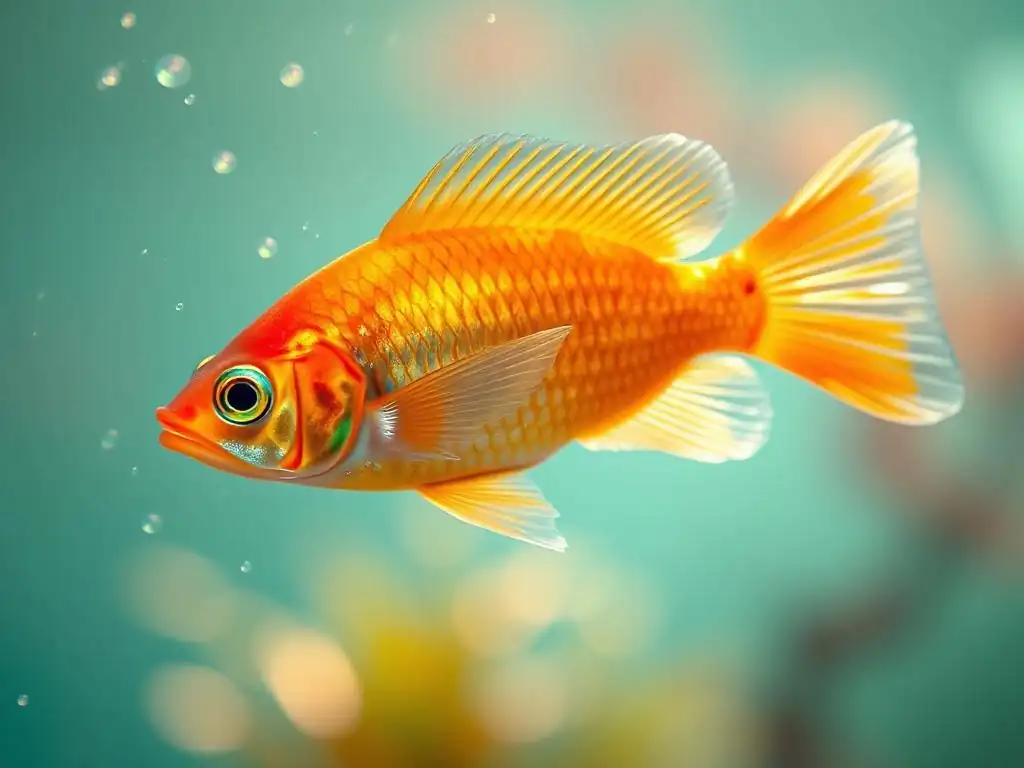
Honey Gouramis are renowned for their exceptionally peaceful and shy temperament, making them one of the most docile anabantoid species available to aquarists. Unlike their more aggressive relatives, such as Siamese Fighting Fish (Bettas) or larger Gouramis, Honey Gouramis rarely exhibit territorial aggression towards other fish, especially when kept in appropriate conditions with compatible tank mates. They tend to be calm and graceful swimmers, often found exploring the mid to upper levels of the aquarium.
Their peaceful nature means they can be easily intimidated by larger, more boisterous, or aggressive tank mates, leading to stress and hiding behaviors. When stressed, their vibrant colors may fade, and they might exhibit clamped fins or lethargy. Providing a heavily planted tank with plenty of hiding spots allows them to feel secure and brings out their natural, active, and curious behaviors. They will often be seen gently inspecting plants and decor, occasionally rising to the surface to gulp air using their labyrinth organ, a characteristic behavior for which Honey Gourami care tips should account.
Male vs. Female Honey Gouramis: Identifying and Caring for Sexes
Distinguishing between male and female Honey Gouramis is relatively straightforward, particularly when they reach maturity or during breeding conditions. Males typically exhibit more vibrant and intense coloration, especially during courtship or when displaying their best health. Their dorsal fin is often more pointed and elongated compared to the female's. When in breeding condition, the male's entire body, particularly the underside, can turn a deep, striking orange-red color, and his pelvic fins may also darken.
Females, on the other hand, generally possess a duller, more uniform honey-gold or silvery-brown coloration, even when healthy. Their bodies tend to be plumper, especially when gravid (carrying eggs), and their dorsal fin is typically more rounded. In terms of care, while both sexes require similar basic Honey Gourami care tips, it's important to note that male Honey Gouramis can be mildly territorial towards other males, particularly in smaller tanks. For this reason, it's often recommended to keep a single male with multiple females or a single pair in tanks under 20 gallons to prevent undue stress or conflict.
While Honey Gouramis are not strictly schooling fish in the same way as tetras or rasboras, they do appreciate the company of their own kind and exhibit social behaviors. Keeping them in a small group of 4 to 6 individuals is often recommended, as it encourages them to display more natural behaviors and reduces shyness. In a group, they tend to be more active and confident, and their colors may become more pronounced.
Within a group, subtle hierarchies may form, particularly among males, but serious aggression is rare in a well-sized and properly decorated tank. They will peacefully interact with each other, often swimming together or resting in close proximity among the plants. Observing their social dynamics is one of the most rewarding aspects of Honey Gourami care. When considering Honey Gourami care tips for a community setup, ensuring ample space and visual breaks will allow each fish to establish its comfort zone without constant confrontation.
Honey Gourami Health and Disease Prevention
Common Honey Gourami Diseases and Ailments
Like all aquarium fish, Honey Gouramis can be susceptible to various diseases and ailments, often stemming from poor water quality, stress, or inadequate diet. Common issues include Ich (White Spot Disease), a parasitic infection characterized by small white spots resembling salt grains on the body and fins. Fungal infections, which appear as cottony growths, can also occur, often as a secondary infection following injury or stress. Bacterial infections, such as fin rot (frayed or decaying fins) and dropsy (swollen body with scales protruding), are more severe but can also affect them.
Internal parasites can lead to wasting away despite regular feeding, while swim bladder issues might cause difficulty in swimming or maintaining buoyancy. Recognizing these common ailments is the first step in effective Honey Gourami care tips for health. Early detection and prompt action are crucial for successful treatment and preventing the spread of disease to other tank inhabitants.
Identifying Symptoms of Ill Health in Honey Gouramis
Vigilant observation of your Honey Gouramis is paramount for early disease detection. Healthy Honey Gouramis are active, have vibrant coloration, and display a good appetite. Any deviation from these norms should raise a red flag. Symptoms of ill health can include clamped fins (held close to the body), loss of appetite or refusal to eat, lethargy, or unusual hiding.
Physical signs might involve white spots (Ich), fuzzy growths (fungus), red streaks or sores on the body, frayed or torn fins (fin rot), and a bloated appearance with scales sticking out (dropsy). Labored breathing, gasping at the surface, or rubbing against tank decor can indicate gill parasites or poor water quality. A noticeable fading of their characteristic honey-gold or red coloration is often a sign of severe stress or illness, emphasizing the importance of consistent Honey Gourami care tips.
Treatment Options for Sick Honey Gouramis
Upon identifying symptoms of illness, the first and most critical step is to test your water parameters (ammonia, nitrite, nitrate, pH, temperature) as poor water quality is a leading cause of fish disease. Address any parameter issues immediately through water changes. For minor issues or initial stages of common diseases like Ich or fungus, a quarantine tank is highly recommended to prevent the spread of disease and to treat the affected fish without impacting the main display tank.
Treatment options vary depending on the specific ailment. For Ich, increasing water temperature slightly (if compatible with tank mates) and using an over-the-counter Ich medication can be effective. Fungal infections often respond to antifungal medications. Bacterial infections may require specific antibacterial treatments. Always follow the manufacturer's instructions carefully for any medication. In severe cases, consulting with an aquatic veterinarian or experienced aquarist can provide tailored Honey Gourami care tips for complex health issues.
Maintaining Optimal Water Quality for Disease Prevention
The cornerstone of Honey Gourami health and disease prevention lies in consistently maintaining optimal water quality. Stable and clean water parameters significantly reduce stress on fish, strengthening their immune systems and making them more resilient to pathogens. Regular partial water changes are the most effective way to achieve this. A weekly water change of 25-30% of the tank volume is generally recommended, provided the tank is not overcrowded and filtration is adequate.
During water changes, use a gravel vacuum to remove detritus and uneaten food from the substrate, which can decompose and contribute to harmful ammonia and nitrite levels. Always treat tap water with a dechlorinator to remove chlorine and chloramines, which are toxic to fish.
Consistent monitoring of ammonia, nitrite, nitrate, pH, and temperature levels using a reliable test kit allows you to catch and correct issues before they become problematic. A well-maintained biological filter is also crucial for converting toxic ammonia and nitrite into less harmful nitrates, which are then removed by water changes, making these Honey Gourami care tips indispensable.
Breeding Honey Gouramis: A Rewarding Experience
Setting Up a Breeding Tank for Honey Gouramis
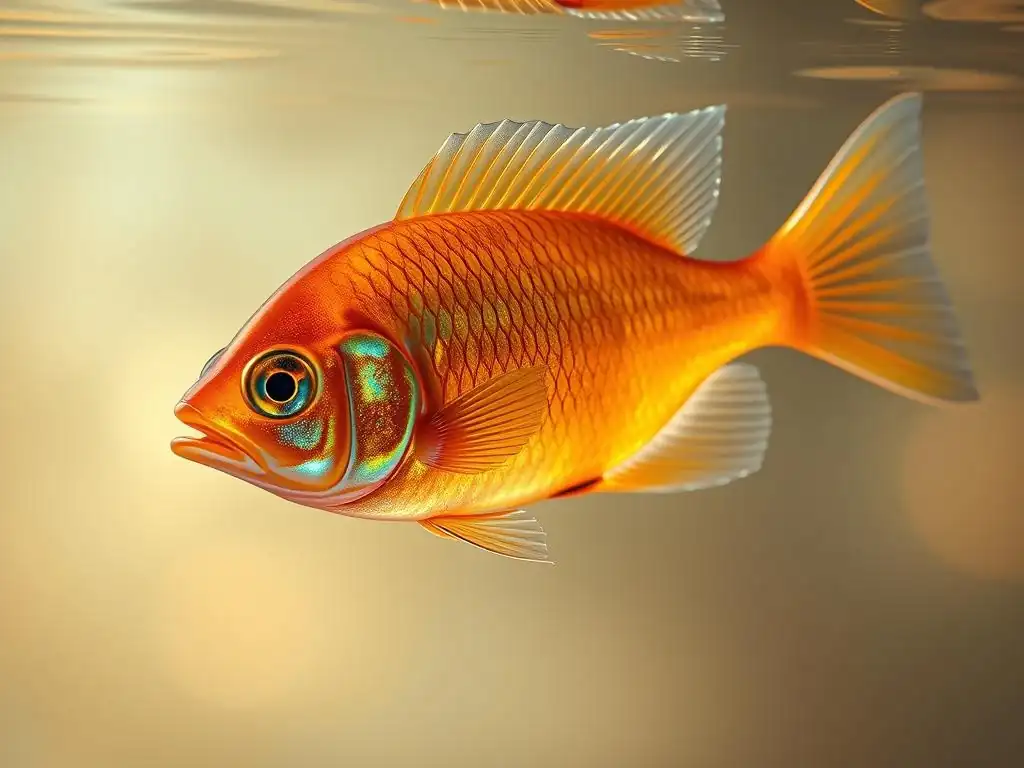
Breeding Honey Gouramis can be a rewarding experience, showcasing their fascinating parental behaviors. To encourage breeding, a separate breeding tank is highly recommended. A 5 to 10-gallon (19-38 liter) aquarium is sufficient for a single breeding pair. The water level in the breeding tank should be kept relatively shallow, around 6-8 inches (15-20 cm) deep, as this makes it easier for the male to manage his bubble nest and for the fry to reach the surface for air.
The breeding tank should be sparsely decorated but include plenty of floating plants, such as Water Sprite, Anacharis, or even plastic leaves, which the male will use as anchors for his bubble nest. A gentle sponge filter is ideal, as it provides biological filtration without creating strong currents that could disrupt the nest or harm delicate fry. A heater is also essential to maintain a stable breeding temperature, which are crucial Honey Gourami care tips for reproduction.
Water Parameters for Honey Gourami Breeding
Specific water parameters can significantly stimulate Honey Gouramis to breed. A slightly warmer temperature than their usual range, typically between 78-82°F (25-28°C), encourages spawning activity. The water should also be softer and slightly more acidic than their general keeping parameters, ideally with a pH between 6.0-6.8 and a General Hardness (GH) of 4-8 dGH (70-140 ppm).
To achieve these parameters, you may need to use reverse osmosis (RO) water mixed with dechlorinated tap water, or incorporate peat filtration. Conditioning the breeding pair with a high-protein diet of live and frozen foods (like bloodworms, brine shrimp, and daphnia) for several weeks prior to introducing them to the breeding tank will also optimize their health and readiness for spawning, which is a vital component of Honey Gourami care tips for successful breeding.
Honey Gourami Breeding Behavior and Spawning
Once conditioned and introduced to the breeding tank with suitable parameters, the male Honey Gourami will begin constructing a bubble nest at the water's surface, typically anchored around floating plants or a broad leaf. He creates the nest by blowing bubbles coated with saliva, which trap air and form a stable structure. He will then begin to display to the female, attempting to entice her under the nest with elaborate fin displays and gentle nudges.
When the female is ready, she will approach the nest. The male will wrap his body around hers, gently squeezing out eggs while simultaneously fertilizing them. The eggs, which are lighter than water, will float up into the bubble nest.
This spawning embrace may be repeated multiple times over several hours, with hundreds of tiny eggs being laid. After spawning is complete, it is crucial to remove the female from the breeding tank, as the male may become aggressive in his defense of the nest. The male will diligently guard and maintain the nest until the eggs hatch, typically within 24-48 hours.
Caring for Honey Gourami Fry
Caring for Honey Gourami fry requires diligence and specific attention to their delicate needs. Once hatched, the fry are incredibly tiny and almost transparent. They will initially feed on their yolk sacs for the first few days. After this, they require microscopic food sources. Infusoria (microscopic organisms) are the ideal first food for the first week or so. You can cultivate infusoria by placing a piece of lettuce or banana peel in a small jar of aged aquarium water for a few days.
As the fry grow, typically after about a week, they can be transitioned to slightly larger foods like microworms and then newly hatched brine shrimp. Feeding should be done several times a day in very small quantities. Maintaining pristine water quality is paramount; daily small water changes (10-15%) using a small airline tubing to siphon out detritus are necessary.
Ensure the water is the same temperature and parameters as the main tank. High mortality rates are common with fry, but consistent feeding and water quality management will significantly increase their survival chances, making these Honey Gourami care tips essential for raising a new generation.
Honey Gourami Varieties and Color Morphs
Exploring Different Honey Gourami Color Variations
The standard Honey Gourami, Trichogaster chuna, is naturally recognized for its beautiful honey-gold to orange coloration, which can deepen significantly when the fish is healthy, comfortable, and during breeding. However, selective breeding within the aquarium hobby has led to the development of several distinct color morphs, offering aquarists a wider palette to choose from. These variations maintain the same peaceful temperament and care requirements as the wild type, making them equally suitable for community aquariums.
These cultivated varieties often exhibit more intense and uniform coloration across their bodies. Beyond the classic honey-gold, you can find forms with shades ranging from vibrant reds to deeper oranges, and sometimes even silvery or yellow-gold variations. The popularity of these morphs has grown due to their striking visual impact, allowing aquarists to create more diverse and colorful aquascapes while still benefiting from the Honey Gourami's gentle nature.
Red Honey Gourami
The Red Honey Gourami is one of the most popular and visually striking color morphs derived from the standard Honey Gourami. As its name suggests, this variety boasts an intense red-orange to deep red coloration that covers most of its body, particularly pronounced in males, especially when they are in breeding condition or feeling secure. This vibrant hue provides a stark and beautiful contrast against green aquatic plants, making it a focal point in any freshwater aquarium.
Despite its enhanced coloration, the Red Honey Gourami shares all the same care requirements, peaceful temperament, and adult size (up to 2 inches) as the wild-type Honey Gourami. This makes it an excellent choice for aquarists seeking to add a splash of vivid color without introducing any behavioral complexities. Its hardiness and ease of care, combined with its stunning appearance, contribute to its widespread appeal among those seeking effective Honey Gourami care tips for a colorful tank.
Choosing the Right Honey Gourami Variety for Your Tank
When selecting a Honey Gourami variety for your aquarium, the primary consideration will be aesthetic preference, as all known color morphs share the same fundamental Honey Gourami care tips and temperament. Whether you opt for the classic honey-gold, the vibrant red, or another subtle variation, you can expect the same peaceful disposition and ease of care. This consistency makes them an ideal choice regardless of the specific hue you desire.
Consider how the chosen variety's coloration will complement your existing fish species, plants, and overall aquascape design. A tank with lush green plants might benefit from the striking contrast of a Red Honey Gourami, while a more subdued setup might be enhanced by the soft glow of a traditional honey-gold specimen. Ultimately, the "right" variety is the one that brings you the most visual pleasure and integrates harmoniously into your aquatic environment.
Troubleshooting Common Honey Gourami Care Issues
Fin Nipping - Causes and Solutions
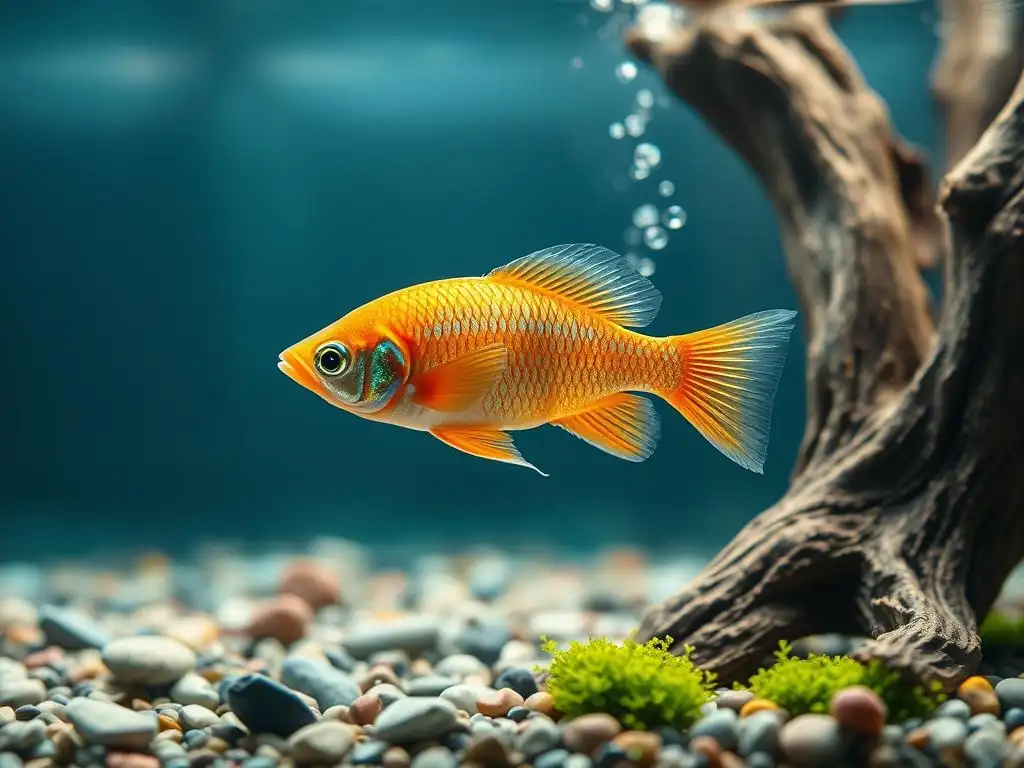
Fin nipping in an aquarium housing Honey Gouramis is a common issue, though it is almost never caused by the gouramis themselves due to their peaceful nature. The primary cause of fin nipping is usually the presence of incompatible tank mates. Aggressive or semi-aggressive fish, such as certain species of Barbs (e.g., Tiger Barbs), some Danios, or even highly territorial larger Tetras, are notorious for nipping the long, flowing fins of slower-moving fish like Honey Gouramis. Overcrowding can also exacerbate this behavior, as fish become stressed and more prone to aggression.
To address fin nipping, the most effective solution is to identify and remove the offending fish from the tank. If that's not possible, consider relocating the Honey Gouramis to a more peaceful environment. Increasing tank size, if overcrowding is an issue, can also help by providing more space and reducing stress. Adding more dense planting and hiding spots can offer refuge for the Honey Gouramis, allowing them to escape harassment and reducing their exposure to nipping, which is a vital part of comprehensive Honey Gourami care tips.
Loss of Color - Causes and Solutions
A noticeable loss of color in Honey Gouramis, where their vibrant honey-gold or red hues appear dull or faded, is a common indicator of stress or ill health. The causes can be multifaceted, including poor water quality (elevated ammonia, nitrite, or nitrate levels), inappropriate water parameters (temperature, pH, or hardness outside their ideal range), bullying from aggressive tank mates, lack of adequate hiding spots, or an insufficient diet. Prolonged stress can weaken their immune system, making them susceptible to diseases.
To restore their vibrant coloration and overall health, first, perform a thorough water test and correct any parameter imbalances with partial water changes. Ensure the tank mates are compatible and remove any aggressive fish. Provide plenty of dense planting and decor to offer secure hiding spots, allowing the Honey Gouramis to feel safe. Lastly, offer a varied and high-quality diet, including live or frozen foods, which are crucial Honey Gourami care tips for enhancing their color and vitality.
Not Eating - Causes and Solutions
When a Honey Gourami refuses to eat, it is a significant warning sign that something is amiss, as healthy fish typically have a robust appetite. The reasons for loss of appetite can range from environmental stress to underlying illness. New fish may initially refuse food due to the stress of acclimatization to a new tank. Bullying from dominant tank mates can also make a Honey Gourami too timid to compete for food. Poor water quality, particularly high ammonia or nitrite, can cause appetite suppression and lethargy.
If your Honey Gourami is not eating, first check all water parameters immediately and perform a partial water change if necessary. Observe the fish for other symptoms of illness, such as clamped fins, labored breathing, or visible spots, which would indicate a need for disease treatment. Try offering a variety of palatable foods, including live or frozen options like bloodworms or brine shrimp, as these are highly attractive. Ensure the environment is peaceful and secure, with ample hiding spots, which are important Honey Gourami care tips to encourage feeding and recovery.
Conclusion: Mastering Honey Gourami Care for a Vibrant Aquarium
Frequently Asked Questions
How difficult is it to care for Honey Gouramis?
Honey Gouramis are generally considered easy to care for, making them a great choice for beginner aquarists. They are relatively hardy and adaptable, needing only stable water parameters and a peaceful environment.
What is the ideal tank size for Honey Gouramis?
A tank of at least 10 gallons is recommended for a pair of Honey Gouramis. Larger tanks provide more space for them to explore and establish territories, especially if kept with other fish.
What are the best tank mates for Honey Gouramis?
Honey Gouramis thrive in peaceful community tanks. Ideal tank mates include small tetras, rasboras, and peaceful bottom dwellers like Corydoras catfish. Avoid aggressive or boisterous fish.
What should I feed my Honey Gouramis?
Honey Gouramis are omnivores and will accept a variety of foods. A high-quality flake food supplemented with live or frozen foods like bloodworms and daphnia is ideal.
What are some common health issues affecting Honey Gouramis?
While generally hardy, Honey Gouramis can be susceptible to diseases like Ich (white spot disease) and fungal infections. Maintaining good water quality and providing a balanced diet can help prevent these issues.
Okay, here's a final reflection designed to close your "Honey Gourami Care: The Sweetest & Most Peaceful Anabantoid?" article, optimized for impact and reflection, and incorporating your structural guidelines:
Final Reflection: A Golden Ripple in the Aquarium
The journey of understanding and providing optimal Honey Gourami care is more than just mastering water parameters and diet; it's about creating a thriving ecosystem that allows these gentle fish to truly flourish. Their increasing popularity highlights a growing appreciation for peaceful and aesthetically pleasing additions to the home aquarium, a trend that speaks volumes about our desire for tranquility in a fast-paced world.
The delicate beauty and calm demeanor of the Honey Gourami serve as a constant reminder of the importance of mindful observation and patient care in all aspects of life. The joy derived from watching these fish thrive is a testament to the power of creating a harmonious environment, both within the aquarium and within ourselves. In a world where you can be anything, be kind.
This simple adage resonates deeply when considering the needs of these sensitive creatures, urging us to approach their care with empathy and understanding.
Now, as you close this article, consider the ripple effect of your actions. By implementing these Honey Gourami care tips, you're not just creating a beautiful aquarium; you're cultivating a small piece of serenity. Take a moment to reflect on the lessons learned – the importance of patience, the beauty of balance, and the profound connection we can forge with the natural world. Let these insights inspire you to create more harmonious environments, both for your aquatic companions and for yourself, enriching your life and the lives of those around you.
Unlock the Secrets to a Thriving Honey Gourami Tank!
Thank you for diving into the fascinating world of Honey Gouramis! We hope you've discovered how to best care for these peaceful and beautiful fish. Now, let's take that knowledge and turn it into action!
Here are a few things you can do now:
- Start planning your own Honey Gourami tank! Research compatible tank mates and create a suitable environment for these wonderful fish.
- Share this article with fellow aquarium enthusiasts to spread awareness about the unique needs and charms of Honey Gouramis.
- Visit your local fish store and observe their Honey Gouramis. Take notes on their behavior and environment to refine your own care strategies.
What unique plants or decorations are you considering for your Honey Gourami paradise?