
Keeping Variatus Platies Happy: Enrichment and Environment Tips

Welcome to Aquarium Mastery!
Ever wondered how to truly unlock the vibrancy and playful personality of your Variatus Platies? You're in the right place! Dive into our essential Variatus platy care tips and discover how to create an enriching environment that allows these captivating freshwater fish to thrive. Get ready to transform your aquarium into a haven for happy, healthy platies! Ready to learn more?
- Understanding Variatus Platy Needs for Optimal Well-being
- Variatus Platy Tank Setup: Environment Essentials
- Variatus Platy Enrichment: Stimulating Your Fish
- Feeding Strategies for Happy Variatus Platies
- Social Interactions and Tank Mates for Variatus Platies
- Monitoring Variatus Platy Health and Behavior
-
Frequently Asked Questions
- What are the most important water parameters for Variatus platies?
- What is the best tank size for a group of Variatus platies?
- What are some good tank mates for Variatus platies?
- What kind of enrichment activities can I provide for my Variatus platies?
- What are common health issues to watch out for in Variatus platies?
- Final Reflection: Cultivating Thriving Platy Lives
- Unleash Your Platy's Paradise!
Understanding Variatus Platy Needs for Optimal Well-being
The Importance of Proper Variatus Platy Care
Providing diligent Variatus platy care is paramount for ensuring these vibrant livebearers thrive and exhibit their full potential. Unlike some hardier species, Variatus platies benefit immensely from a stable and well-maintained environment that caters to their specific needs. This dedicated attention not only extends their lifespan, typically 2-3 years in optimal conditions, but also enhances their coloration, activity levels, and overall vitality, making them a joy to observe.
Neglecting essential Variatus platy care tips can lead to a host of problems, including chronic stress, susceptibility to diseases like ich or fin rot, and a significant reduction in their natural lifespan. For instance, poor water quality, often a result of infrequent water changes or inadequate filtration, directly compromises their immune system, making them vulnerable. A proactive approach to their habitat and diet is therefore crucial for preventing issues before they arise, ensuring a healthy and happy population.
Creating a Thriving Habitat for Your Platies
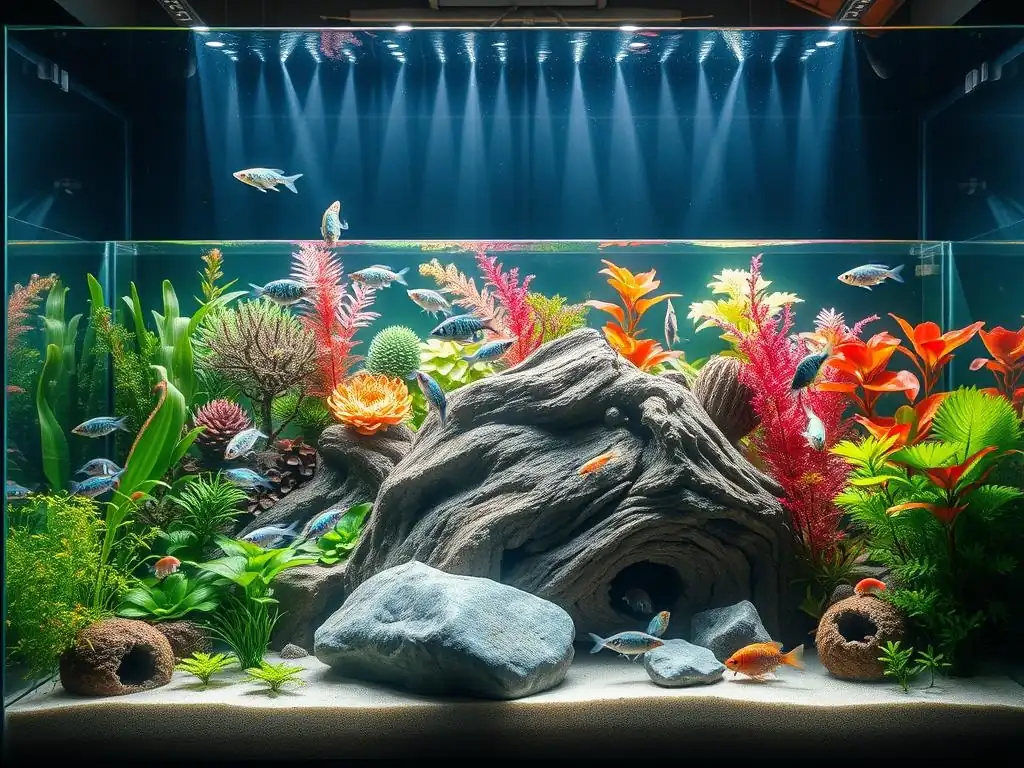
Creating a truly thriving habitat for your Variatus platies goes beyond merely providing a tank with water; it involves a holistic approach that considers space, water chemistry, decor, and social dynamics. A well-designed environment mimics their natural Central American stream habitats, offering both open swimming areas and ample hiding spots. This balance is critical for encouraging natural behaviors, reducing aggression, and promoting overall well-being.
A thriving platy habitat is characterized by consistent water parameters, pristine water quality maintained through effective filtration and regular water changes, and a rich, stimulating environment. This includes appropriate substrate, live plants, and decorations that offer both visual interest and security. When all these elements are meticulously managed, your Variatus platies will display their best colors, engage in active swimming, and even show signs of breeding, indicating their comfort and contentment.
Variatus Platy Tank Setup: Environment Essentials
Tank Size Recommendations for Variatus Platies
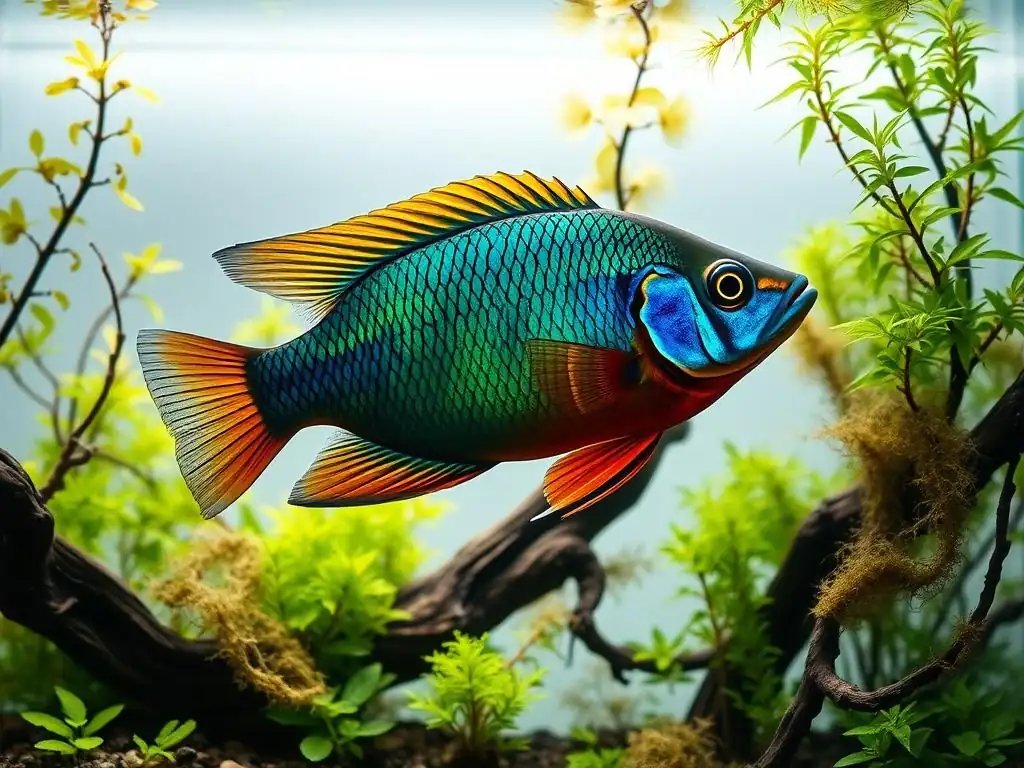
For a small group of Variatus platies, a minimum tank size of 10 gallons (approximately 38 liters) is often cited, but a 20-gallon long aquarium (approximately 76 liters) is significantly more beneficial. The "long" dimension provides ample horizontal swimming space, which is crucial for these active fish, and the larger water volume offers greater stability in water parameters, making it easier to maintain ideal conditions. This increased space also helps to dilute waste products more effectively.
Opting for a larger tank, such as a 20-gallon or even a 29-gallon (approx. 110 liters) for a more diverse community, allows for a more stable ecosystem and reduces the likelihood of aggression, especially among males or when a male is constantly pursuing females. More space means less territorial disputes and lower stress levels, which are vital Variatus platy care tips for promoting their long-term health and vibrant coloration.
Essential Filtration for a Healthy Platy Aquarium
Effective filtration is a cornerstone of proper Variatus platy care, ensuring clean and healthy water. A good filtration system should provide mechanical, chemical, and biological filtration. Hang-on-back (HOB) filters are popular for their ease of use and efficiency, while sponge filters are excellent for biological filtration and are safe for fry. Internal filters can also be effective in smaller tanks. The primary goal is to process fish waste and uneaten food, preventing the buildup of harmful compounds.
Biological filtration, facilitated by beneficial bacteria colonizing filter media, is particularly crucial as it converts toxic ammonia and nitrite into less harmful nitrate. Without adequate biological filtration, these compounds can quickly reach lethal levels, stressing or killing your platies. Regular maintenance of the filter, such as rinsing mechanical media in old tank water, prevents clogging without destroying beneficial bacteria, thereby maintaining pristine water quality for your Variatus platies.
Maintaining Ideal Water Parameters for Variatus Platy Fish
Temperature and pH Levels for Platy Health
Variatus platies thrive in stable water temperatures ranging from 72-78°F (22-26°C). Consistency within this range is more important than hitting an exact number, as sudden temperature fluctuations can cause significant stress and weaken their immune system. A reliable aquarium heater with a thermostat is essential to maintain this stability, especially in environments with fluctuating room temperatures.
Regarding pH levels, Variatus platies prefer slightly alkaline water, with an ideal range of 7.0-8.0. While they are adaptable, maintaining pH within this window is crucial for their long-term health. Regular testing with an aquarium test kit is recommended to monitor both temperature and pH, allowing for prompt adjustments if parameters drift. Stable water chemistry is a foundational Variatus platy care tip that directly impacts their vitality and disease resistance.
Water Changes and Their Impact on Platy Well-being
Regular partial water changes are indispensable for maintaining optimal water quality and are among the most important Variatus platy care tips. A common recommendation is to perform a 25-30% water change weekly or bi-weekly, depending on stocking levels and filtration efficiency. These changes dilute nitrates, which accumulate over time, and replenish essential trace minerals that are depleted by fish and plants.
The process involves siphoning out old tank water and replacing it with fresh, dechlorinated water that is at a similar temperature to the aquarium to avoid shocking the fish. Consistent water changes prevent the buildup of toxins, reduce algae growth, and ensure a healthy environment free from pollutants. This proactive approach significantly contributes to the overall well-being and longevity of your Variatus platies.
Substrate and Decoration for a Natural Platy Environment
Choosing the Right Substrate for Your Platy Tank
When selecting substrate for your Variatus platy tank, fine gravel or sand are excellent choices. These materials are gentle on the fish's barbels if they forage at the bottom, and they provide an ideal rooting medium for live plants. Avoid sharp or coarse substrates that could potentially injure your platies or trap excessive debris, which can lead to water quality issues.
The substrate also plays a vital role in biological filtration, offering a vast surface area for beneficial bacteria to colonize. A darker substrate can often enhance the natural colors of your Variatus platies, making them appear more vibrant. Aim for a depth of 2-3 inches (5-7.5 cm) to allow for proper plant rooting and sufficient bacterial colonization, which is a key component of effective Variatus platy care.
Decorating to Provide Hiding Places and Reduce Stress
Thoughtful decoration is crucial for creating a secure and stimulating environment for Variatus platies. Providing ample hiding places through driftwood, rocks, ceramic caves, or dense planting helps to reduce stress, especially for females seeking refuge from persistent males. These hideaways also offer a sense of security and allow fish to establish territories, minimizing aggression.
When arranging decorations, create visual barriers and varying levels of interest. Ensure there are still open swimming spaces for your active platies. The goal is to mimic their natural habitat, which often includes tangled roots and dense vegetation. A well-decorated tank not only looks aesthetically pleasing but also significantly contributes to the mental and physical well-being of your Variatus platies, promoting natural behaviors and reducing anxiety.
Variatus Platy Enrichment: Stimulating Your Fish
The Role of Enrichment in Variatus Platy Behavior
Enrichment in an aquarium context refers to providing diverse stimuli that encourage natural behaviors, reduce boredom, and enhance the overall quality of life for your Variatus platies. Beyond just meeting basic needs like food and clean water, environmental enrichment addresses their psychological well-being. This can manifest as improved activity levels, more vibrant coloration, and a noticeable reduction in stress-related behaviors like hiding or listlessness.
A well-enriched environment allows Variatus platies to express their innate curiosity and social dynamics. It can significantly impact their breeding success and resilience to disease. Incorporating various enrichment elements, from live plants to varied water flow, transforms a simple tank into a dynamic ecosystem where your platies can truly thrive, making enrichment a cornerstone of advanced Variatus platy care tips.
Providing Visual Stimulation for Platies
Using Lighting to Enhance the Platy Environment
Appropriate lighting plays a significant role in the visual stimulation and overall health of Variatus platies. A consistent lighting cycle, typically 10-12 hours of light followed by 12-14 hours of darkness, mimics their natural diurnal rhythm, promoting healthy sleep patterns and activity levels. Adequate lighting also supports the growth of live plants, which are themselves a form of enrichment and contribute to water quality.
The quality and intensity of light can also enhance the vibrant colors of your Variatus platies, making them pop against the tank's backdrop. While platies don't have specific lighting requirements beyond what's good for plants or general viewing, a well-lit tank allows for better observation of their behavior and health. Avoiding excessive light duration is also a key Variatus platy care tip, as it can lead to algae blooms and stress.
Adding Backgrounds to Reduce Stress and Provide Visual Interest
Adding a background to your Variatus platy aquarium can significantly reduce stress and enhance visual appeal. A plain, solid colored background (often black or dark blue) or a naturalistic photographic background helps to reduce reflections and external distractions that can startle fish. This creates a more secure and enclosed feeling within the tank, promoting a sense of safety for your platies.
Beyond reducing stress, a well-chosen background can make the colors of your Variatus platies appear more vivid and striking. It provides a consistent backdrop that highlights the aquatic landscape you've created, making the fish the focal point. This simple addition is an effective Variatus platy care tip for both the fish's well-being and the aesthetic enjoyment of the aquarist.
Introducing Live Plants for Natural Enrichment
Selecting Platy-Safe Plants for Your Aquarium
Live plants are an excellent form of natural enrichment for Variatus platies, providing both aesthetic beauty and functional benefits. Opt for hardy, easy-to-care-for species like Anubias, Java Fern, Amazon Sword, Hornwort, and various stem plants (e.g., Rotala, Ludwigia). These plants are robust enough to withstand the platies' active swimming and provide excellent cover without being easily uprooted.
When selecting plants, ensure they are free of pests and diseases, and consider their light and nutrient requirements to match your tank setup. Variatus platies often enjoy nibbling on the biofilm that grows on plant leaves, adding a natural food source to their diet. Integrating live plants is a highly recommended Variatus platy care tip for creating a self-sustaining and enriching ecosystem.
How Plants Benefit Variatus Platy Health and Behavior
Live plants offer numerous benefits to Variatus platy health and behavior. They actively absorb nitrates, a harmful byproduct of the nitrogen cycle, thereby improving water quality and reducing the need for extensive water changes. Plants also oxygenate the water during the day, contributing to a healthier aquatic environment. Furthermore, the dense foliage provides essential hiding spots for stressed or submissive fish, particularly important for females seeking refuge from persistent males.
Beyond the physical benefits, plants encourage natural behaviors such as exploring, foraging, and even breeding, as they provide safe havens for fry. The presence of lush greenery mimics their natural habitat, reducing stress and promoting a more vibrant and active display from your platies. This natural enrichment is a fundamental aspect of comprehensive Variatus platy care, fostering a robust and thriving community.
Creating Water Flow and Current Variations
The Benefits of Gentle Water Movement for Platies
Introducing a gentle water flow and current variations in a Variatus platy tank can provide beneficial enrichment. In their natural habitats, platies often inhabit slow-moving streams and rivers, so a subtle current mimics these conditions. A gentle flow helps to distribute oxygen and nutrients throughout the tank, preventing stagnant areas and promoting overall water health.
Beyond water quality, a mild current provides a form of exercise for your platies, encouraging them to swim against it. This can prevent lethargy and keep them active and engaged, contributing to their physical fitness. However, it's crucial that the flow is gentle; strong currents can stress and exhaust these relatively small fish.
Safe Ways to Introduce Water Flow
Safe ways to introduce water flow include adjusting the output of your existing filter. Many hang-on-back filters have adjustable flow rates, or you can diffuse the output using a spray bar to spread the current more evenly. For larger tanks, a small, low-flow powerhead can be used, but ensure it's pointed towards a tank wall or the surface to create a gentle ripple rather than a direct, strong current.
Always observe your Variatus platies' behavior after introducing or adjusting water flow. If they appear to be struggling to swim, constantly fighting the current, or being pushed around, the flow is too strong and needs to be reduced. The goal is to provide subtle movement that adds to their environment without causing undue stress, an important consideration in Variatus platy care.
Feeding Strategies for Happy Variatus Platies
Optimizing the Variatus Platy Diet for Health and Color
Optimizing the Variatus platy diet is fundamental for their health, vibrant coloration, and overall vitality. Platies are omnivores, meaning they require a balanced diet of both plant and animal matter. A high-quality flake food specifically formulated for tropical fish should serve as the staple, providing essential vitamins and minerals. However, relying solely on flakes will not unlock their full potential.
To truly optimize their diet, supplementation with a variety of foods is key. This balanced approach ensures they receive all necessary nutrients for strong immune systems, robust growth, and the development of their characteristic bright colors. A well-fed platy is a happy and healthy platy, reflecting the success of your Variatus platy care tips.
Variety is Key: Offering a Balanced Diet
Variety is indeed key when feeding Variatus platies. Supplement their staple flakes with frozen foods such as bloodworms, brine shrimp, and daphnia, which provide essential protein. Live foods, if sourced safely, can also be offered as an occasional treat. For their plant matter requirements, blanched vegetables like zucchini slices, shelled peas, or spirulina flakes are excellent additions.
Offering a diverse diet not only ensures all nutritional needs are met but also stimulates their appetite and mimics their natural foraging behaviors. Aim to feed a varied diet throughout the week rather than the same food every day. This comprehensive approach to nutrition is a cornerstone of effective Variatus platy care, leading to healthier, more resilient fish.
Avoiding Overfeeding and Maintaining Water Quality
One of the most critical Variatus platy care tips is to avoid overfeeding. Platies are enthusiastic eaters, but feeding them too much can quickly lead to severe water quality issues. As a general rule, feed small amounts 2-3 times a day, only what they can consume within 2-3 minutes. Any uneaten food should be promptly removed to prevent it from decaying.
Overfeeding directly contributes to spikes in ammonia and nitrite, and a buildup of nitrates, all of which are toxic to fish. It can also lead to excessive algae growth and, in severe cases, cause health problems for the platies themselves, such as swim bladder issues or fatty liver disease. Prudent feeding practices are essential for maintaining pristine water quality and the long-term health of your Variatus platy population.
Variatus platies are generally peaceful and social fish that thrive in groups. Keeping them in a community setting of at least 3-5 individuals is recommended to encourage their natural schooling behavior and reduce individual stress. When housing multiple platies, it is crucial to maintain a higher ratio of females to males, ideally 2-3 females per male. This helps to disperse the male's constant breeding pursuits, reducing stress on any single female.
Their active and curious nature makes them engaging to watch. In a well-structured tank with appropriate hiding spots, platies will exhibit natural behaviors like exploring, foraging, and interacting with their conspecifics. Understanding their social dynamics is a key component of effective Variatus platy care, ensuring a harmonious and healthy community.
Choosing Compatible Tank Mates for a Peaceful Community Tank
When setting up a community tank for Variatus platies, choosing compatible tank mates is crucial for a peaceful environment. Ideal companions are other peaceful, similarly sized fish that share similar water parameter requirements. Excellent choices include other livebearers like guppies, mollies, or swordtails (though interbreeding can occur). Small, peaceful tetras such as Neon Tetras, Cardinal Tetras, or Rummy Nose Tetras also make good companions.
Bottom-dwelling fish like Corydoras catfish or peaceful loaches (e.g., Kuhli Loaches) are also excellent additions, as they occupy different levels of the tank and do not compete for space or food. Always research potential tank mates thoroughly to ensure they are not aggressive, fin-nippers, or grow too large to pose a threat to your platies. This careful selection is a vital Variatus platy care tip for a thriving community.
Avoiding Aggressive Tank Mates That Can Stress Platies
To maintain a stress-free environment for your Variatus platies, it is imperative to avoid aggressive or overly boisterous tank mates. Species such as large cichlids, aggressive barbs (like Tiger Barbs, unless in very large, species-specific groups), or predatory fish can harass, injure, or even prey upon your platies. Fin-nippers can cause chronic stress and lead to secondary infections.
Constant harassment from unsuitable tank mates can lead to chronic stress, which weakens the platies' immune systems, making them highly susceptible to diseases. It can also inhibit their natural behaviors, cause them to hide excessively, and significantly shorten their lifespan. Prioritizing peaceful cohabitation by selecting only compatible species is a non-negotiable Variatus platy care tip.
Monitoring Variatus Platy Health and Behavior
Recognizing Signs of Stress or Illness in Your Platies
Vigilant monitoring of your Variatus platies' health and behavior is paramount for early detection of stress or illness. Common signs to watch for include clamped fins, lethargy, loss of appetite, abnormal swimming patterns (such as darting, flashing against objects, or struggling to swim), and changes in coloration (e.g., fading or developing dark patches). Physical signs like white spots (Ich), frayed fins, bloating, or gasping at the surface are also clear indicators of distress.
Any deviation from their normal active and curious behavior should prompt immediate investigation of water parameters and a closer look at the fish. Early recognition allows for prompt intervention, which significantly increases the chances of successful treatment and prevents the spread of disease to other tank inhabitants. This attentiveness is a critical Variatus platy care tip for maintaining a healthy population.
Proactive Measures for Maintaining a Healthy Platy Population
Maintaining a healthy Variatus platy population relies heavily on proactive measures. Consistent monitoring of water parameters (ammonia, nitrite, nitrate, pH, temperature) and performing regular partial water changes are the most effective preventive steps. A balanced and varied diet, as previously discussed, also plays a crucial role in boosting their immune systems and overall resilience.
Beyond water quality and diet, avoiding overstocking the tank ensures adequate space and reduces waste buildup. Providing ample hiding spots and maintaining a peaceful community with compatible tank mates minimizes stress. These proactive Variatus platy care tips create a stable and robust environment, making your fish less susceptible to illness and promoting their long-term well-being.
Quarantine Procedures for New or Sick Fish
Implementing a quarantine procedure for all new Variatus platies or any fish showing signs of illness is a crucial, often overlooked, Variatus platy care tip. A separate, fully cycled quarantine tank (typically 5-10 gallons) should be used to house new fish for 2-4 weeks before introducing them to the main aquarium. During this period, observe them closely for any signs of disease, allowing time for potential illnesses to manifest and be treated without infecting your established population.
For platies that become sick in the main tank, moving them to a hospital tank allows for isolated treatment without exposing other fish to medication or stress. This also makes it easier to monitor their progress and administer precise dosages. The hospital tank should have basic filtration and heating, and water parameters should be monitored even more diligently than in the main display tank to support recovery.
Frequently Asked Questions
What are the most important water parameters for Variatus platies?
Variatus platies thrive in slightly alkaline water with a pH of 7.0-8.0. The water temperature should be maintained between 72-78°F (22-26°C). Regular water changes are essential to keep nitrate levels low.
What is the best tank size for a group of Variatus platies?
A minimum of 10 gallons is recommended for a small group of 3-5 platies. A larger tank, such as a 20-gallon tank, is preferable for a larger group to provide ample swimming space and reduce aggression. Providing enough space also promotes good water quality.
What are some good tank mates for Variatus platies?
Variatus platies are generally peaceful and can be kept with other peaceful community fish. Good tank mates include other small tetras, corydoras catfish, and peaceful rasboras. Avoid keeping them with aggressive or fin-nipping fish.
What kind of enrichment activities can I provide for my Variatus platies?
Provide plenty of hiding places with plants and decorations to reduce stress. Offer a varied diet, including live or frozen foods, to stimulate their natural foraging behavior. Periodically rearranging the tank décor can also provide environmental enrichment.
What are common health issues to watch out for in Variatus platies?
Variatus platies are susceptible to common aquarium diseases like ich and fin rot. Maintaining good water quality and providing a healthy diet can help prevent these issues. Quarantine any new fish before introducing them to the main tank to prevent the spread of disease.
Final Reflection: Cultivating Thriving Platy Lives
The journey of understanding and implementing optimal Variatus platy care extends far beyond simply filling a tank with water and adding fish. It's about creating a vibrant, enriching environment that caters to their natural behaviors and promotes their overall well-being. This commitment to responsible fishkeeping not only benefits the platies themselves but also enriches our own lives through the joy of observing these colorful and active creatures thrive.
The principles of enrichment and environmental design discussed throughout this article have a profound and lasting impact on the lives of these often-overlooked fish. By providing stimulating environments, we acknowledge their inherent intelligence and complexity, moving beyond the outdated notion of fish as mere decorations. The greatness of a nation and its moral progress can be judged by the way its animals are treated.
- Mahatma Gandhi. This quote, while often applied to larger animals, resonates deeply with the responsibility we have to provide even the smallest creatures with a life worth living.
Now, take a moment to reflect on your own aquarium setup. Are you merely providing the bare necessities, or are you actively striving to create a stimulating and enriching environment for your Variatus platies? Consider the tips shared in this article and challenge yourself to implement at least one new enrichment strategy. By doing so, you're not just improving the lives of your fish; you're becoming a more conscientious and compassionate aquarist, contributing to a future where all creatures, great and small, are treated with the respect and care they deserve.
Unleash Your Platy's Paradise!
Thanks for diving into the vibrant world of Variatus Platies! We hope you’ve discovered some fin-tastic ways to create an even happier home for your colorful companions. Now, let's put that knowledge into action!
Here's how you can elevate your Platy's life:
- Dedicate this weekend to revamping your tank with at least two new enrichment elements based on what you learned. Is it adding a new cave, a floating plant, or re-arranging the decor?
- Share a picture of your enriched Platy paradise on social media using #AquariumMasteryPlaties to inspire fellow hobbyists!
- Explore breeding compatible tankmates; research one new species that can live harmoniously with platies to create an even more exciting aquatic ecosystem.
Ready to transform your aquarium into a Platy paradise? What simple change are you most excited to try out this week?