
*Lepidiolamprologus meleagris*: The "Pearly Ocellatus" and Its Unique Charm

Welcome to Aquarium Mastery!
Ever been captivated by a fish so small, yet so full of personality? Prepare to be enchanted by the Lepidiolamprologus meleagris, affectionately known as the "Pearly Ocellatus." These shell-dwelling cichlids are a freshwater marvel, and we're diving deep into everything you need to know about them. Ready to unlock the secrets to thriving Pearly Ocellatus care tips and discover what makes them so special? Let's explore!
- Introduction to the Pearly Ocellatus ( Lepidiolamprologus meleagris)
- Understanding Lepidiolamprologus meleagris in the Aquarium
- Pearly Ocellatus Care Tips: Creating the Ideal Habitat
- Lepidiolamprologus meleagris Diet and Feeding
- Lepidiolamprologus meleagris Tank Mates: Compatibility Considerations
- Breeding Lepidiolamprologus meleagris: Encouraging Reproduction
- Common Health Issues and Prevention in Lepidiolamprologus meleagris
- The "Pearly Ocellatus": A Rewarding Addition to Your Aquarium
- Conclusion: Mastering Pearly Ocellatus Care
-
Frequently Asked Questions
- What are the most important water parameters to monitor for Lepidiolamprologus meleagris?
- What type of substrate is best for Lepidiolamprologus meleagris?
- What size aquarium is recommended for keeping Lepidiolamprologus meleagris?
- What are some appropriate tank mates for Lepidiolamprologus meleagris?
- What do Lepidiolamprologus meleagris eat, and how often should they be fed?
- Final Reflection: Embracing the Miniature Marvels
- Dive Deeper: Craft Your Own Pearly Paradise!
Introduction to the Pearly Ocellatus ( Lepidiolamprologus meleagris)
Discovering the Allure of Lepidiolamprologus meleagris
The Lepidiolamprologus meleagris, commonly known as the "Pearly Ocellatus," is a captivating species of cichlid originating from the depths of Lake Tanganyika in East Africa. Renowned for its distinctive pearlescent scales that shimmer under proper lighting, this small but striking fish typically reaches an adult size of approximately 2 to 3 inches (5 to 7.5 cm), making it an ideal inhabitant for smaller specialized aquariums.
Its body is adorned with subtle, iridescent spots, giving it the "pearly" moniker, complemented by a prominent ocellus (eyespots) on its dorsal fin, which serves both as a deterrent to predators and a display during courtship.
Beyond its physical beauty, the Pearly Ocellatus exhibits a fascinating array of behaviors that truly set it apart. These cichlids are classic shell-dwellers, utilizing empty snail shells not only for shelter and refuge from perceived threats but also as crucial sites for breeding and raising their fry.
Observing their intricate interactions, such as males guarding their chosen shells or females diligently tending to their offspring within the confines of a discarded snail shell, offers a unique window into the natural world of Lake Tanganyika's specialized ecosystem. This engaging behavior is a primary reason why many aquarists are drawn to mastering Pearly Ocellatus care tips.
Why the Pearly Ocellatus is Perfect for Dedicated Aquarists
For the dedicated aquarist seeking a species that offers both aesthetic appeal and intriguing behavioral observation, the Pearly Ocellatus stands out as an excellent choice. Unlike many larger, more boisterous cichlids, L. meleagris is relatively peaceful when kept in a species-specific setup or with carefully selected tank mates, allowing for a more intimate viewing experience. Their modest size means they don't require immense tanks, opening up the world of Tanganyikan cichlids to those with limited space, provided the specific Pearly Ocellatus care tips regarding water parameters and habitat are meticulously followed.
The rewarding aspect of keeping Pearly Ocellatus lies in successfully replicating their natural environment and witnessing their thriving health and natural behaviors. Achieving the precise water chemistry and providing an abundance of suitable shells transforms a simple glass box into a vibrant, living ecosystem. Successfully breeding these fish, observing the parental care within their chosen shells, and watching the tiny fry emerge are milestones that bring immense satisfaction to aquarists committed to specialized care. These experiences underscore why understanding and applying proper Pearly Ocellatus care tips is so fulfilling.
Understanding Lepidiolamprologus meleagris in the Aquarium
Origin and Natural Habitat of the Pearly Ocellatus (Lake Tanganyika)
The Pearly Ocellatus hails exclusively from Lake Tanganyika, one of the oldest, deepest, and most biodiverse freshwater lakes in the world, nestled within the East African Rift Valley. This ancient lake boasts remarkably stable water parameters, characterized by high alkalinity and hardness, a pH typically ranging from 8.0 to 9.0, and a consistent temperature hovering between 75-80°F (24-27°C). The lake's vastness and geological history have fostered an astonishing degree of endemism, with over 250 cichlid species found nowhere else on Earth. Understanding these natural conditions is foundational to providing optimal Pearly Ocellatus care tips in a home aquarium.
Within Lake Tanganyika, Lepidiolamprologus meleagris primarily inhabits the sandy, open bottom areas, particularly those littered with empty shells of the endemic Neothauma tanganyicense snail. These shell beds can be found at various depths, commonly between 5 to 20 meters (approximately 16 to 65 feet), though they can extend deeper.
In this environment, the Pearly Ocellatus is a micro-predator, feeding on small invertebrates and crustaceans that it unearths from the substrate or ambushes from its shell refuge. Replicating this specific shell-rich, sandy habitat is a critical component of successful Pearly Ocellatus care tips, as it directly influences their comfort, breeding success, and overall well-being.
The Unique Shell-Dwelling Behavior of Lepidiolamprologus meleagris
The defining characteristic of Lepidiolamprologus meleagris is its obligate shell-dwelling behavior. These cichlids, both males and females, rely heavily on empty snail shells for virtually all aspects of their lives, including shelter from predators, territorial boundaries, and most importantly, as a secure location for spawning and raising their young.
In their natural habitat, the shells of the Neothauma tanganyicense snail are perfectly sized and shaped for this purpose, providing a snug, defensible refuge that can be easily excavated and rearranged by the fish. This deep reliance on shells means that providing an ample supply of appropriate shells is not just a recommendation but a fundamental requirement for effective Pearly Ocellatus care tips.
In the aquarium, this shell-dwelling instinct translates into fascinating behaviors. Males will typically claim a territory encompassing several shells, meticulously arranging them to create a defensive perimeter. Females will select a specific shell within the male's territory for spawning, often partially burying it to create a secure, private nursery.
Observing these intricate interactions—from the delicate positioning of shells to the fierce defense of a chosen dwelling—highlights the importance of providing a diverse selection of clean, appropriately sized shells (such as escargot or turbo snail shells) to encourage natural behavior and successful breeding. Without these critical elements, the fish may become stressed, exhibit atypical behaviors, and struggle to thrive, emphasizing the core of Pearly Ocellatus care tips.
Pearly Ocellatus Care Tips: Creating the Ideal Habitat
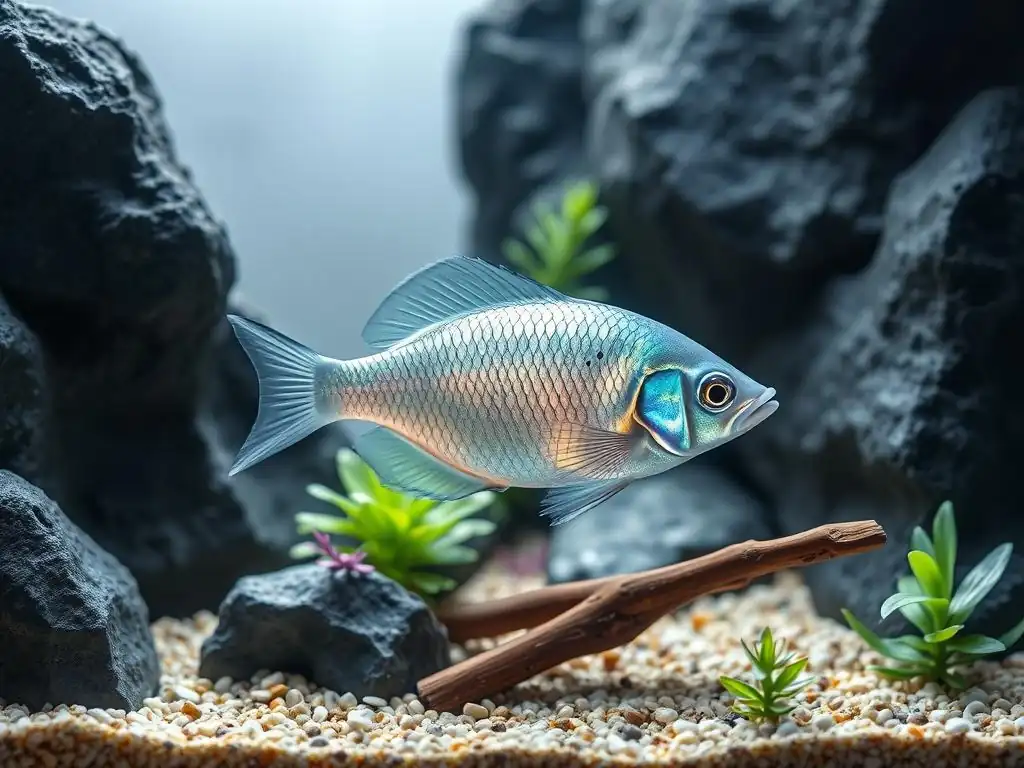
Tank Setup for Lepidiolamprologus meleagris: Replicating Lake Tanganyika
Establishing an appropriate tank setup is the cornerstone of successful Pearly Ocellatus care tips, as it directly influences their health, behavior, and breeding success. The goal is to mimic the sandy, shell-strewn benthic zones of Lake Tanganyika. This involves careful consideration of tank size, substrate, and the crucial provision of shells, all contributing to a stable and stimulating environment. A well-designed tank not only provides physical space but also psychological security for these unique cichlids, reducing stress and encouraging their natural behaviors.
Beyond the physical layout, the overall stability of the tank environment is paramount. These fish thrive in conditions that closely replicate the consistent parameters of their native lake. This means avoiding abrupt changes in water chemistry or temperature, which can lead to stress and susceptibility to disease. Therefore, meticulous planning of filtration, heating, and regular maintenance routines are integral components of effective Pearly Ocellatus care tips, ensuring a long and healthy life for these fascinating shell dwellers.
Tank Size Recommendations for Pearly Ocellatus
For a single pair of Pearly Ocellatus, a minimum tank size of 10 gallons (approximately 38 liters) can suffice, provided it is well-maintained and heavily supplied with shells. However, to observe their full range of social behaviors and to potentially house a small colony or multiple pairs, a 20-gallon long (approximately 75 liters) or even a 30-gallon (approximately 115 liters) aquarium is highly recommended. A longer tank footprint is preferable over a taller one, as it provides more bottom surface area for territories and shell distribution, which is crucial for these bottom-dwelling fish.
While Lepidiolamprologus meleagris are small, their territorial nature, especially around their chosen shells, necessitates adequate space to prevent excessive aggression. In a 20-gallon long tank, for instance, you could comfortably house 3-5 individuals, ensuring each has access to multiple shells and enough personal space to establish a territory. Overcrowding, even in a tank with abundant shells, can lead to stress, fin nipping, and reduced breeding success, making proper tank sizing a fundamental aspect of Pearly Ocellatus care tips.
Substrate and Shell Selection
The substrate is a vital element for Pearly Ocellatus care. A fine, soft sand substrate is essential, as these cichlids are natural diggers and will actively excavate around their shells. Play sand, pool filter sand, or specialized aquarium sand (such as aragonite sand, which also helps buffer pH) are excellent choices. A substrate depth of at least 2-3 inches (5-7.5 cm) allows them to engage in their natural burrowing behaviors, which contributes significantly to their well-being. Avoid coarse gravel, which can injure their delicate mouths and gills during digging.
The selection and quantity of shells are arguably the most critical decorative elements. Provide an abundance of clean, empty snail shells, such as escargot shells (often available in culinary stores), large turbo snail shells, or even small coconut shells cut in half. Aim for at least 2-3 shells per fish, and ideally more, scattered across the sandy bottom.
This surplus of shells allows individual fish to choose their preferred dwelling, reduces territorial disputes, and provides ample options for breeding pairs. The shells should have openings large enough for the fish to enter comfortably but small enough to provide a sense of security.
Essential Water Parameters for Lepidiolamprologus meleagris
Maintaining precise and stable water parameters is non-negotiable for successful Pearly Ocellatus care tips. Replicating Lake Tanganyika's chemistry is key. The ideal temperature range is 75-80°F (24-27°C), consistently maintained with a reliable heater. The pH should be high, ideally between 8.0 and 9.0. This alkaline environment is crucial for their long-term health and preventing common cichlid ailments.
Furthermore, the water must be hard, reflecting the high mineral content of Lake Tanganyika. General Hardness (GH) should be between 10-20 dGH (degrees of general hardness), and Carbonate Hardness (KH) should be between 10-15 dKH (degrees of carbonate hardness). These high hardness levels provide buffering capacity, which helps to keep the pH stable and prevents dangerous fluctuations. Regular testing with accurate liquid test kits is imperative to monitor these parameters and make necessary adjustments to ensure a consistently healthy environment for your Pearly Ocellatus.
Water Chemistry for Lepidiolamprologus meleagris: Maintaining Stability
The unique water chemistry of Lake Tanganyika, characterized by its high pH and hardness, is paramount for the health and longevity of Lepidiolamprologus meleagris. Unlike fish from softer, more acidic waters, Tanganyikan cichlids have evolved to thrive in these specific conditions, and any significant deviation can lead to severe stress, compromised immune systems, and increased susceptibility to disease. Therefore, understanding and actively managing water chemistry is a core aspect of Pearly Ocellatus care tips.
Maintaining stability is often more important than achieving exact numbers, though aiming for the specified ranges is ideal. Rapid fluctuations in pH or hardness can be more detrimental than slightly off but consistent parameters. This means avoiding large, infrequent water changes that could shock the system and instead opting for smaller, more regular adjustments. Consistent monitoring with reliable test kits is the aquarist's best tool for ensuring the water chemistry remains within the safe and optimal range for the Pearly Ocellatus.
Achieving Proper pH and Hardness Levels
To achieve and maintain the high pH (8.0-9.0) and hardness (GH 10-20 dGH, KH 10-15 dKH) required for Lepidiolamprologus meleagris, several methods can be employed. Incorporating a substrate like crushed coral or aragonite sand is highly effective, as these materials slowly dissolve, releasing calcium carbonate and other minerals that naturally buffer the water and raise both pH and hardness. For instance, a 1-inch layer of crushed coral mixed into the sand can significantly contribute to buffering capacity in a 20-gallon tank.
Additionally, specialized Tanganyika buffer salts or cichlid salts can be added during water changes. These products are formulated to replicate the specific mineral composition of Lake Tanganyika water, ensuring that essential trace elements are replenished while maintaining the desired pH and hardness. For example, adding 1-2 teaspoons of a quality Tanganyika salt mix per 5 gallons of water change can help stabilize parameters. Regular monitoring with a pH and GH/KH test kit is crucial to fine-tune dosages and ensure parameters remain within the optimal range for effective Pearly Ocellatus care tips.
The Importance of Regular Water Changes
Regular water changes are a fundamental component of Pearly Ocellatus care tips, crucial for maintaining pristine water quality and stability. While filtration systems remove solid waste and convert ammonia/nitrite, they do not remove nitrates, which accumulate over time and can become toxic at high levels. A consistent schedule of 20-30% weekly or bi-weekly water changes is generally recommended for a typical Pearly Ocellatus tank. For example, in a 20-gallon tank, this would mean changing 4-6 gallons of water every week.
Beyond nitrate reduction, regular water changes replenish essential trace minerals that are consumed by the fish and plants (if any) or are removed by filtration media. They also help in maintaining the desired pH and hardness levels, especially when utilizing buffering substrates or additives. Always ensure the replacement water is dechlorinated and temperature-matched to avoid shocking the fish. Consistent water changes are the most effective way to prevent the buildup of harmful compounds and ensure a healthy, stress-free environment for your Lepidiolamprologus meleagris.
Filtration and Aeration for a Thriving Pearly Ocellatus Tank
Proper filtration and aeration are vital components of Pearly Ocellatus care tips, ensuring a healthy and oxygen-rich environment for these sensitive cichlids. A robust filtration system is necessary to remove physical debris, break down harmful nitrogenous compounds (ammonia and nitrite), and maintain crystal-clear water. Meanwhile, adequate aeration ensures a high dissolved oxygen content, which is characteristic of Lake Tanganyika's well-oxygenated waters and crucial for the metabolic processes of the fish.
Neglecting either aspect can lead to significant problems, including poor water quality, fish stress, and increased susceptibility to disease. A well-designed filtration and aeration setup works synergistically with regular water changes to create a stable, life-sustaining habitat. This integrated approach to environmental management is key to mastering Pearly Ocellatus care tips and fostering a thriving aquarium.
Choosing the Right Filter System
For a Pearly Ocellatus aquarium, a combination of mechanical, biological, and chemical filtration is ideal. Hang-on-back (HOB) filters or canister filters are generally recommended due to their efficiency and media capacity. For a 20-gallon tank, a HOB filter rated for 30-50 gallons, providing a flow rate of approximately 100-150 gallons per hour (GPH), would be suitable. Canister filters offer even more versatility for larger tanks or higher bio-load situations, with models like the Fluval 107 or Eheim Classic 250 being excellent choices for tanks up to 30 gallons.
When selecting a filter, prioritize models that allow for multiple types of media. Mechanical media (sponges, filter floss) remove particulate matter. Biological media (ceramic rings, bio-balls) provide a large surface area for beneficial bacteria to colonize, breaking down ammonia and nitrite. Chemical media (activated carbon, specialized resins) can remove odors, discolorations, and certain pollutants. Ensuring adequate biological filtration is paramount, as it forms the backbone of the nitrogen cycle, directly impacting the water quality and thus the effectiveness of your Pearly Ocellatus care tips.
Ensuring Adequate Oxygen Levels
Lake Tanganyika is naturally well-oxygenated, and replicating this condition is crucial for the health of Lepidiolamprologus meleagris. High dissolved oxygen levels support robust metabolic functions and reduce stress. The primary methods to ensure adequate oxygenation in the aquarium are surface agitation and the use of air stones. A filter's outflow, directed towards the water surface, creates ripples that facilitate gas exchange between the water and the air.
Supplementing with an air stone connected to an air pump is highly recommended, especially in tanks with dense shell arrangements that might impede water flow. A medium-sized air stone in a 20-gallon tank can significantly increase oxygen saturation. The visual stream of bubbles also adds to the aesthetic appeal. Regularly check that air pumps are functioning correctly and air stones are not clogged to ensure continuous, optimal oxygen levels as part of your comprehensive Pearly Ocellatus care tips.
Lepidiolamprologus meleagris Diet and Feeding
What to Feed Your Pearly Ocellatus: Nutritional Needs
In their natural Lake Tanganyika habitat, Lepidiolamprologus meleagris are primarily micro-predators, feeding on small invertebrates, crustaceans, and insect larvae found within the sandy substrate and around shell beds. To ensure optimal health, vibrant coloration, and encourage natural behaviors in the aquarium, their diet should closely mimic this carnivorous preference. A varied diet is crucial, as it provides a full spectrum of essential nutrients that single food types might lack.
Neglecting a balanced diet can lead to nutritional deficiencies, stunted growth, dull coloration, and increased susceptibility to disease. Therefore, understanding and implementing proper feeding strategies is a vital component of successful Pearly Ocellatus care tips. A diverse feeding regimen not only meets their dietary needs but also stimulates their natural foraging instincts, contributing to their overall well-being.
Recommended Food Types: Live, Frozen, and Flake
To provide a comprehensive and balanced diet for your Pearly Ocellatus, a combination of live, frozen, and high-quality prepared foods is recommended.
- Live Foods: These are highly beneficial as they stimulate natural hunting behaviors and provide excellent nutritional value. Excellent choices include newly hatched brine shrimp, daphnia, microworms, and grindal worms. For instance, feeding newly hatched brine shrimp 2-3 times a week can significantly boost their vitality.
- Frozen Foods: These offer a convenient and nutritious alternative to live foods. Frozen mysis shrimp, cyclops, and brine shrimp are readily accepted and provide essential proteins and fats. Frozen bloodworms can be offered occasionally as a treat but should not be a staple due to their lower nutritional completeness. For example, a small cube of frozen mysis shrimp can be offered daily or every other day.
- Flake and Pellet Foods: High-quality cichlid flakes or small pellets specifically formulated for carnivorous fish should form the base of their diet. Look for brands with high protein content and a good array of vitamins and minerals. For instance, a quality spirulina-enhanced cichlid flake can provide essential plant-based nutrients that contribute to overall health and color.
Feeding Schedule and Amounts
Consistency in feeding schedule and appropriate portion sizes are key Pearly Ocellatus care tips. It is best to feed your Lepidiolamprologus meleagris small amounts 1-2 times daily. The general rule of thumb is to provide only what they can consume entirely within 2-3 minutes. Overfeeding is a common mistake that can lead to several problems.
Excess food left uneaten will decompose, leading to a rapid deterioration of water quality, increased ammonia and nitrite levels, and a build-up of nitrates. This can stress the fish and contribute to conditions like bloat, a serious digestive issue often seen in cichlids. For example, for a small group of 3-4 Pearly Ocellatus, a pinch of flake food or half a cube of frozen food per feeding is usually sufficient. Observing your fish's appetite and adjusting accordingly is crucial for maintaining both their health and the cleanliness of their habitat.
Lepidiolamprologus meleagris Tank Mates: Compatibility Considerations
Choosing Suitable Tank Companions for Pearly Ocellatus
Selecting appropriate tank mates for Lepidiolamprologus meleagris is a critical aspect of Pearly Ocellatus care tips, as their territorial nature and specific environmental requirements limit their compatibility with many other fish species. While generally peaceful for cichlids, they are highly territorial around their shells, and interactions with other bottom-dwellers can lead to stress or aggression. The key is to choose species that share similar water parameter needs, occupy different swimming levels within the tank, and are not overly aggressive or large enough to intimidate or prey upon the relatively small Pearly Ocellatus.
Careful observation of fish behavior after introduction is also essential. Even seemingly compatible species can sometimes clash, especially in smaller tanks or if adequate hiding spots are not provided. Providing ample shells and rockwork can help mitigate aggression by establishing clear territories. Prioritizing the well-being of the Pearly Ocellatus by selecting harmonious companions is central to ensuring a thriving and peaceful aquarium environment.
Avoiding Aggressive or Predatory Fish
When considering tank mates for Lepidiolamprologus meleagris, it is imperative to avoid any fish that are significantly larger, highly aggressive, or known predators of smaller cichlids. Large, boisterous Tanganyikan cichlids such as some Neolamprologus species (e.g., N. brichardi or N. tretocephalus), or any of the larger Julidochromis species, can easily outcompete or harass the smaller Pearly Ocellatus, leading to chronic stress, fin nipping, or even death. For example, a full-grown Neolamprologus leleupi would be far too aggressive and predatory for a Pearly Ocellatus.
Furthermore, any fish with a mouth large enough to swallow a Pearly Ocellatus, such as larger catfish or certain predatory tetras, should be strictly avoided. Even seemingly peaceful community fish from different biotypes might pose a threat if they are prone to nipping fins or if their activity levels are too high, causing stress to the more reclusive shell dwellers. The goal is to create a serene environment where the Pearly Ocellatus can exhibit its natural behaviors without constant fear or competition.
Ideal Tank Mates for a Peaceful Community
For a peaceful and harmonious Tanganyikan cichlid community, several species can make ideal tank mates for Lepidiolamprologus meleagris, provided the tank is sufficiently large (e.g., 30 gallons or more for a mixed community).
- Other Small Shell Dwellers: Species like Neolamprologus multifasciatus (Multies) or Lamprologus brevis can coexist if there are enough shells and space for distinct territories. Multies, for instance, form large colonies and are less aggressive than L. meleagris, often coexisting if their shell patches don't directly overlap.
- Open-Water Species: Mid-to-upper level swimming Tanganyikan cichlids like Cyprichromis leptosoma or Paracyprichromis nigripinnis are excellent choices. These slender, schooling fish occupy a different water column, minimizing direct competition with the bottom-dwelling Pearly Ocellatus. A school of 6-8 Cyprichromis would add dynamic movement without interfering with the shell dwellers.
- Small Rock Dwellers: In larger tanks with ample rockwork providing separate territories, some smaller Julidochromis species (e.g., J. transcriptus) or certain Neolamprologus species that prefer rock crevices over shells might be considered. However, this requires careful planning to ensure distinct zones for each species.
All chosen tank mates must also share the same stringent water parameter requirements (high pH, high hardness, warm temperatures) to ensure the overall health of the entire aquarium inhabitants.
Breeding Lepidiolamprologus meleagris: Encouraging Reproduction
Creating Breeding Conditions for Pearly Ocellatus
Breeding Lepidiolamprologus meleagris in the home aquarium is a rewarding experience, showcasing their intricate parental behaviors. The primary conditions for encouraging reproduction are stable, pristine water parameters, a high-quality, varied diet, and, most critically, an abundance of suitable empty snail shells. These shells serve as the essential spawning sites and nurseries for the fry. A dedicated species tank, or a community tank with only highly compatible, non-interfering tank mates, significantly increases breeding success by reducing stress and predation risks.
Maintaining consistent water changes and ensuring optimal filtration contribute to the overall health and vigor of the breeding pair, which in turn stimulates their reproductive instincts. A slightly elevated temperature within their preferred range (e.g., 78-80°F or 25.5-27°C) can also act as a trigger. Providing a calm and secure environment where the fish feel safe to establish territories and commence courtship is paramount for successful Pearly Ocellatus care tips related to breeding.
Identifying Male and Female Lepidiolamprologus meleagris
Distinguishing between male and female Lepidiolamprologus meleagris can be challenging, as sexual dimorphism is often subtle, especially when the fish are young or not in breeding condition. Generally, males tend to be slightly larger and may exhibit more intense coloration, particularly during courtship, with more pronounced fins. Adult males might reach 3 inches, while females typically remain closer to 2 inches. However, size alone is not a definitive indicator.
Behavioral cues are often the most reliable method for sexing. Males will actively claim and defend a territory encompassing multiple shells, often chasing away rivals. Females, when ready to spawn, will select a specific shell within the male's territory and may appear plumper or more rounded in the abdomen due to developing eggs. Observing a pair interacting, with the male displaying to the female and the female inspecting shells, often provides the clearest indication of their sex and readiness to breed.
The Spawning Process and Shell Selection
The spawning process of Lepidiolamprologus meleagris is intimately tied to their shell-dwelling nature. Once a pair forms and conditions are optimal, the female will select a suitable shell within the male's territory, often one that is partially buried or well-hidden. She will meticulously clean the interior of the shell. The male will then display to the female, attempting to lure her into his territory and eventually into her chosen spawning shell.
The actual spawning occurs within the shell, where the female lays her eggs on the inner surface. She may lay anywhere from 10 to 30 eggs, typically in clutches over a period of hours. The male then fertilizes the eggs, often by entering the shell or by positioning himself at the opening and releasing milt as the female exits.
Following fertilization, the female takes on the primary role of parental care, fanning the eggs and diligently guarding the shell, sometimes even burying the shell opening further to protect her precious clutch. This intricate process highlights the importance of providing ample, suitable shells as a key Pearly Ocellatus care tip for breeding.
Raising Pearly Ocellatus Fry: From Hatching to Juvenile
After spawning, the female Lepidiolamprologus meleagris assumes primary care of the eggs and subsequent fry. The eggs typically hatch within 3-5 days, depending on water temperature. The newly hatched fry remain inside the shell, absorbing their yolk sacs, for another 5-7 days. During this period, the female diligently guards the shell, often fanning fresh water over the developing fry and keeping the interior clean. This dedicated maternal care is a fascinating aspect of Pearly Ocellatus care tips.
Once the fry become free-swimming, they will cautiously emerge from the shell, usually staying very close to its opening and darting back inside at the slightest sign of danger. They are incredibly tiny at this stage, measuring only a few millimeters. Providing appropriate first foods and maintaining pristine water quality are paramount for their survival and growth into healthy juveniles.
Caring for the Fry: Food and Water Quality
Caring for Pearly Ocellatus fry requires meticulous attention to diet and water quality. Once they become free-swimming, their small size necessitates very fine, highly nutritious foods. Newly hatched brine shrimp nauplii are an ideal first food, providing essential proteins and lipids for rapid growth. They should be fed multiple times a day, typically 3-5 small feedings, to ensure a constant supply of food for their fast metabolism. Other suitable micro-foods include microworms, infusoria, or finely crushed high-quality flake food.
Maintaining pristine water quality is equally critical. Due to their small size and delicate nature, fry are highly susceptible to poor water conditions. Small, frequent water changes (e.g., 10% every other day) are preferable to large, infrequent ones, as they minimize stress and prevent rapid fluctuations in parameters. Siphoning carefully around the shell and substrate to remove uneaten food and waste is essential. Consistent monitoring of ammonia, nitrite, and nitrate levels is crucial to ensure a safe environment for the developing Pearly Ocellatus care tips for fry.
Protecting Fry from Predation
In a dedicated species tank, Pearly Ocellatus fry are generally safe with their parents, especially the diligent female who guards the shell. The fry will instinctively retreat into the shell or nearby substrate at any perceived threat. However, in a community tank, even with seemingly compatible tank mates, predation risk is significantly higher. Other fish, even those not typically considered predatory, may view the tiny fry as a food source.
For higher fry survival rates, some aquarists opt to move the shell containing the female and fry to a separate, smaller "grow-out" tank (e.g., a 5-gallon tank) once the fry become free-swimming. This dedicated tank should have the same water parameters as the main tank and include a fine sand substrate and a few small shells for the fry to hide in. This isolation allows the fry to grow larger without competition for food or fear of predation, significantly increasing their chances of reaching juvenile size and demonstrating effective Pearly Ocellatus care tips.
Common Health Issues and Prevention in Lepidiolamprologus meleagris
Identifying Potential Health Problems in Pearly Ocellatus
Like all aquarium fish, Lepidiolamprologus meleagris can be susceptible to various health issues, often stemming from poor water quality, inadequate diet, or stress. Early identification of potential health problems is crucial for successful treatment and preventing the spread of disease within the tank. Aquarists should regularly observe their Pearly Ocellatus for any changes in appearance, behavior, or appetite.
Common signs of illness include changes in swimming patterns (e.g., lethargy, erratic movements, staying at the surface or bottom), clamped fins, dull or faded coloration, loss of appetite, rapid or labored breathing, and physical abnormalities like white spots, frayed fins, bloating, or visible lesions. For instance, a Pearly Ocellatus that normally darts into its shell but suddenly remains listless outside could be a strong indicator of stress or illness. Recognizing these subtle cues is a fundamental aspect of proactive Pearly Ocellatus care tips.
Recognizing Signs of Disease
Specific signs often point to particular diseases common in freshwater fish.
- Ich (White Spot Disease): Small, white, salt-like spots scattered over the body and fins. Fish may scratch against tank decorations. This is often triggered by temperature fluctuations or stress.
- Fin Rot: Frayed, ragged, or disintegrating fins, sometimes with a red or white edge. Often caused by poor water quality or bacterial infection.
- Bloat (Malawi Bloat): A swollen abdomen, often accompanied by loss of appetite, white stringy feces, and labored breathing. While more common in Mbuna, it can affect other cichlids due to diet or stress.
- Velvet (Oodinium): A fine, gold or rust-colored dusty coating on the body, often visible under direct light. Fish may scratch and gasp at the surface.
- Bacterial Infections: Red streaks, open sores, cloudy eyes, or general lethargy and loss of color.
Any deviation from normal behavior or appearance warrants immediate investigation and potential intervention to prevent the condition from worsening. Consistent observation is perhaps the most important of all Pearly Ocellatus care tips.
Preventing and Treating Common Diseases
Prevention is always the best approach to managing fish health, especially for sensitive species like Lepidiolamprologus meleagris. Proactive measures significantly reduce the likelihood of disease outbreaks. This includes strict adherence to quarantine protocols for all new fish (typically 2-4 weeks in a separate tank), avoiding overfeeding, and maintaining a consistent high-quality diet. Furthermore, minimizing stress by providing an appropriately sized tank with ample shells and compatible tank mates is crucial, as stress weakens the immune system.
If a disease does occur, prompt and accurate diagnosis is key. Many common diseases can be treated with over-the-counter aquarium medications, but always follow manufacturer instructions carefully. For instance, Ich is often treated with elevated temperatures and specific medications like malachite green or formalin. Bacterial infections may require broad-spectrum antibiotics. Always perform a partial water change before administering medication and remove any chemical filtration media (like activated carbon) that could absorb the treatment. Consulting with an experienced aquarist or aquatic veterinarian for severe or unusual symptoms is also advisable.
Maintaining Optimal Water Quality for Health
The most critical factor in preventing disease in Lepidiolamprologus meleagris is maintaining consistently optimal water quality. Stable parameters, specifically the correct pH (8.0-9.0), hardness (GH 10-20 dGH, KH 10-15 dKH), and temperature (75-80°F or 24-27°C), are essential. Fluctuations in these parameters are a major source of stress, which can suppress the fish's immune system and make them vulnerable to pathogens. For example, a sudden drop in pH from 8.5 to 7.0 could severely stress or even kill Tanganyikan cichlids.
Regular testing for ammonia, nitrite, and nitrate levels is paramount. Ammonia and nitrite should always be at zero parts per million (ppm), as even low levels are highly toxic. Nitrates should be kept below 20 ppm through consistent weekly or bi-weekly water changes (e.g., 25-30% of tank volume). A robust filtration system, as discussed previously, also contributes significantly to maintaining a healthy biological balance. By diligently adhering to these water quality Pearly Ocellatus care tips, aquarists can provide an environment where their fish are less likely to fall ill and can thrive for many years.
The "Pearly Ocellatus": A Rewarding Addition to Your Aquarium
Showcasing the Beauty and Behavior of Lepidiolamprologus meleagris
The Lepidiolamprologus meleagris, with its shimmering, pearlescent scales and striking ocellus, is undeniably a visually appealing fish. Its subtle beauty, however, is truly enhanced when observed in an aquarium setup that meticulously replicates its natural Lake Tanganyika habitat. Under proper lighting, the iridescent spots on its body catch the light, creating a dazzling display that justifies its "Pearly" moniker. Unlike flashier, larger cichlids, the charm of the Pearly Ocellatus lies in its understated elegance and the captivating behaviors it exhibits when comfortable and secure in its environment.
Beyond its aesthetic appeal, the most rewarding aspect of keeping the Pearly Ocellatus is the opportunity to witness its unique shell-dwelling behaviors. Observing a male meticulously arranging his collection of shells, a female diligently guarding her clutch of eggs within a chosen shell, or tiny fry cautiously emerging from their safe haven, offers an unparalleled glimpse into the complex social dynamics of these fascinating cichlids. These natural antics, from territorial displays to parental care, transform a simple aquarium into a vibrant, interactive display of aquatic life, making the effort involved in mastering Pearly Ocellatus care tips truly worthwhile.
Advanced Lepidiolamprologus meleagris Care: Hybridization
For advanced aquarists committed to the integrity of their Lepidiolamprologus meleagris population, a crucial aspect of Pearly Ocellatus care tips involves understanding and preventing hybridization. In the diverse world of Tanganyikan cichlids, particularly among shell-dwelling species, there is a risk of interbreeding between closely related species if housed together. While L. meleagris is distinct, some other shell-dwelling Lamprologus or Neolamprologus species could potentially hybridize, leading to offspring that are not true to either parent species.
Preventing hybridization is vital for maintaining the genetic purity and distinct characteristics of Lepidiolamprologus meleagris. This means exercising caution when selecting tank mates, especially avoiding other shell-dwelling Lamprologus species that have similar breeding behaviors or physical appearances. For example, keeping L. meleagris with Neolamprologus similis or Neolamprologus brevis in a communal breeding setup could pose a risk, despite their differences. Dedicated aquarists often choose to keep L. meleagris in a species-only tank or with very distinct, non-shell-dwelling Tanganyikan cichlids to ensure the preservation of pure bloodlines, contributing to the responsible stewardship of this unique species within the hobby.
Conclusion: Mastering Pearly Ocellatus Care
Ensuring a Long and Healthy Life for Your Lepidiolamprologus meleagris
Mastering Pearly Ocellatus care tips is a journey that culminates in the successful establishment and maintenance of a thriving habitat for Lepidiolamprologus meleagris. The key pillars of their long and healthy life are consistently pristine and stable water parameters, mirroring the high pH and hardness of Lake Tanganyika, coupled with a consistent temperature range. Equally vital is the provision of a meticulously designed tank setup, featuring a fine sand substrate and an abundance of appropriately sized empty snail shells, which are indispensable for their natural behaviors and breeding success.
Beyond these environmental factors, a varied and carnivorous diet, coupled with careful consideration of compatible tank mates, ensures their physical health and minimizes stress. Regular observation for any signs of illness and prompt intervention are also crucial. By diligently adhering to these comprehensive Pearly Ocellatus care tips, aquarists can provide an optimal environment where these charming shell-dwellers not only survive but truly flourish, displaying their unique personalities and engaging behaviors for many years.
Further Resources for Tanganyikan Cichlid Enthusiasts.
The world of Tanganyikan cichlids is incredibly rich and diverse, offering a lifetime of learning and discovery for dedicated aquarists. While this article provides a solid foundation for Pearly Ocellatus care tips, Lepidiolamprologus meleagris represents just one fascinating facet of this immense group. The lake is home to hundreds of endemic species, each with its own unique behaviors, care requirements, and ecological niches, from the towering rock dwellers to the swift open-water schooling fish.
For enthusiasts eager to delve deeper, exploring the specific needs of other Tanganyikan cichlid groups, such as the Julidochromis (Julie cichlids), Neolamprologus (various rock and shell dwellers), Tropheus (algae grazers), or Cyprichromis (sardine cichlids), opens up new avenues for specialized aquarium keeping. Understanding their natural history, social structures, and dietary needs will further enhance your ability to create diverse and harmonious Tanganyikan biotopes, enriching your aquarist journey beyond the delightful Pearly Ocellatus.
Frequently Asked Questions
What are the most important water parameters to monitor for Lepidiolamprologus meleagris?
Maintaining stable water parameters is crucial. You should regularly monitor and maintain a pH between 7.8 and 9.0, a water temperature between 78°F and 82°F, and keep the water extremely clean with frequent water changes.
What type of substrate is best for Lepidiolamprologus meleagris?
Pearly Ocellatus thrive with a fine sand substrate. This allows them to sift through it naturally, mimicking their natural behavior, and is essential for them to dig and potentially breed.
What size aquarium is recommended for keeping Lepidiolamprologus meleagris?
A minimum of a 20-gallon long tank is recommended for a single pair. Larger tanks are preferable if you plan to keep a group or add other compatible tank mates.
What are some appropriate tank mates for Lepidiolamprologus meleagris?
Carefully select tank mates to avoid aggression. Smaller, peaceful Tanganyikan cichlids or dither fish that occupy different levels of the aquarium are often suitable choices.
What do Lepidiolamprologus meleagris eat, and how often should they be fed?
They are primarily carnivores, so offer a varied diet of high-quality flake food, small granules, and frozen or live foods like brine shrimp and daphnia. Feed them small amounts 2-3 times per day.
Final Reflection: Embracing the Miniature Marvels
The journey into the world of Lepidiolamprologus meleagris, the Pearly Ocellatus, reveals more than just aquarium husbandry; it highlights the profound joy and responsibility we undertake when caring for these miniature aquatic ecosystems. Understanding and implementing proper "Pearly Ocellatus care tips" is not merely about keeping fish alive, but about fostering a thriving environment where their unique behaviors and captivating beauty can flourish. This commitment to responsible aquascaping enriches both the lives of these fascinating creatures and our own.
The enduring allure of the Pearly Ocellatus lies in its ability to transform a small tank into a vibrant microcosm of Lake Tanganyika. My own fascination with these shell-dwelling cichlids stems from their intricate social dynamics and the sheer ingenuity they display in utilizing their shell homes. Their existence reminds us of the interconnectedness of life and the importance of preserving even the smallest corners of our planet's biodiversity. In every walk with nature one receives far more than he seeks.
- John Muir. This sentiment perfectly encapsulates the rewarding experience of observing and caring for these captivating fish.
As you embark on, or continue, your journey with the Pearly Ocellatus, remember that your dedication to providing optimal care directly impacts their well-being and allows their unique charm to truly shine. Let the lessons learned about their specific needs and behaviors inspire you to become a more conscientious and engaged aquarist. Embrace the challenge, celebrate the successes, and allow the miniature marvels of your aquarium to remind you of the beauty and fragility of the natural world.
Dive Deeper: Craft Your Own Pearly Paradise!
Thank you for exploring the captivating world of Lepidiolamprologus meleagris with us! Now that you're armed with the knowledge to appreciate this gem, let's turn inspiration into action.
Here's how you can connect further:
- Start Planning: Determine if a Lepidiolamprologus meleagris-specific tank is right for you, considering its specific requirements and compatibility with other species.
- Explore Related Species: Delve into the fascinating world of other Tanganyikan cichlids like Lamprologus ocellatus, comparing their care needs and aesthetics.
- Share Your Vision: Sketch out your dream tank design featuring these shell dwellers and share it with fellow enthusiasts online for feedback!
Ready to transform your aquarium hobby with the charm of shell dwellers?