
Ideal Tank Size for Peacock Cichlids: Giving Aulonocara Room to Shine

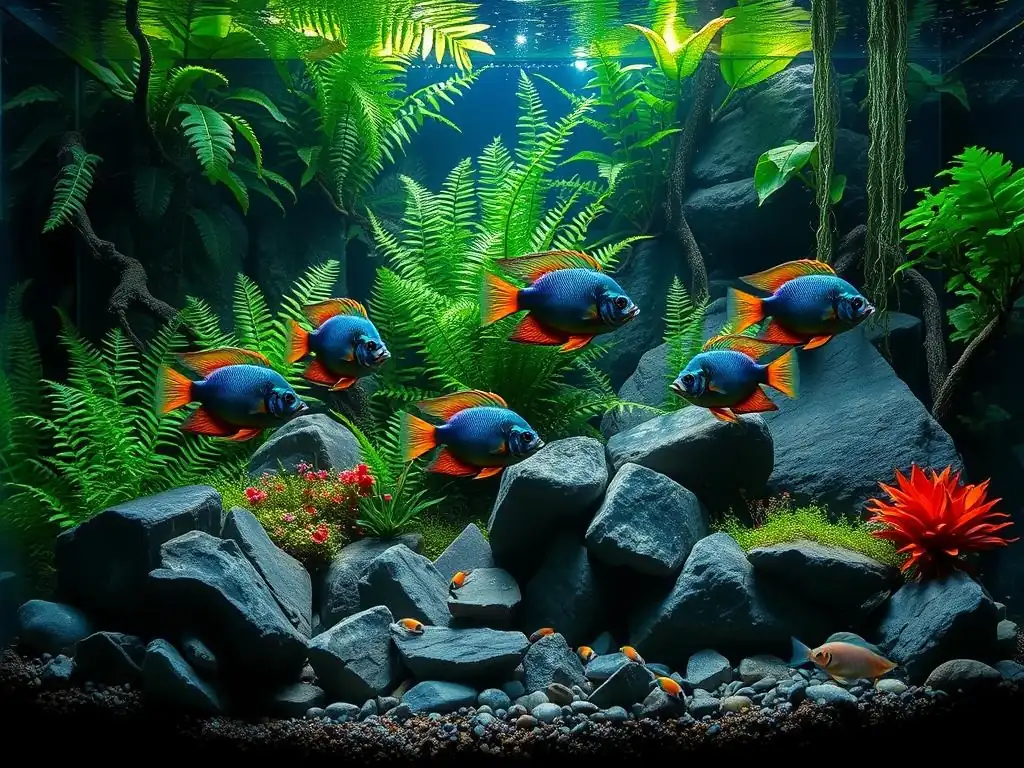
Welcome to Aquarium Mastery, where your aquatic dreams take shape! Ever wondered if your Aulonocara has enough space to truly thrive? Dive into our deep dive on Peacock cichlid tank size and unlock the secrets to creating a flourishing environment for these vibrant beauties. Are you ready to give your peacocks the room they deserve? Let's explore!
- Understanding Peacock Cichlids (Aulonocara) and Their Needs
- Determining the Right Peacock Cichlid Tank Size
- Factors Influencing Peacock Cichlid Tank Size Requirements
- Setting Up the Ideal Peacock Cichlid Aquarium
- Maintaining a Healthy Peacock Cichlid Environment
- Common Mistakes to Avoid When Choosing a Peacock Cichlid Tank
- Advanced Considerations for Peacock Cichlid Aquariums
- Troubleshooting Common Issues in Peacock Cichlid Tanks
- Conclusion: Providing the Best Environment for Your Peacock Cichlids
-
Frequently Asked Questions
- What is the minimum tank size recommended for keeping Peacock Cichlids?
- How does the number of Peacock Cichlids affect the ideal tank size?
- What factors, besides fish size, influence the appropriate Peacock Cichlid tank size?
- Why is providing adequate space important for Peacock Cichlids?
- Can I keep Peacock Cichlids in a smaller tank if I perform more frequent water changes?
- Final Reflection: Nurturing Vibrant Aquatic Ecosystems
- Unleash Your Peacock Cichlids' Potential!
Understanding Peacock Cichlids (Aulonocara) and Their Needs
What are Peacock Cichlids? An Overview of Aulonocara Species
Peacock cichlids, scientifically known as Aulonocara, are a captivating group of freshwater fish renowned for their vibrant, iridescent colors and relatively peaceful disposition compared to many other African cichlids. Originating from the sandy and rocky intermediate zones of Lake Malawi in East Africa, these fish are highly sought after by aquarists due to their stunning appearance and engaging behaviors. Popular varieties include the Eureka Red, Sunshine, Blue Neon, and Rubin Red, each displaying unique color patterns that intensify with maturity and good health.
These beautiful cichlids typically reach an adult size of 4 to 6 inches (10 to 15 cm), with males generally being larger and more brightly colored than females. Unlike their more aggressive Mbuna cousins, Peacock cichlids are primarily sand-sifters and micro-predators, making them less prone to the severe territorial disputes often seen in rock-dwelling species. Their unique blend of beauty and manageable temperament makes them an excellent choice for a dedicated cichlid aquarium, provided their specific environmental needs, including adequate Peacock cichlid tank size, are met.
Natural Habitat and Behavior of Peacock Cichlids in Lake Malawi
In their natural habitat, Lake Malawi, Peacock cichlids inhabit the "intermediate zone," a transitional area where sandy bottoms meet rocky outcrops. This environment provides them with both open spaces for swimming and sifting through sand for small invertebrates, as well as rock formations for shelter and establishing territories. The water in Lake Malawi is characterized by its high alkalinity (pH 7.8-8.6) and hardness (GH 10-20 dGH), with stable temperatures typically ranging from 76-82°F (24-28°C).
Their behavior in the wild reflects their need for both open swimming space and defined territories. Males will claim small territories, usually around a rock or a depression in the sand, where they display their brilliant colors to attract females. Females and sub-dominant males often form loose aggregations in the open water. This natural behavior underscores the critical importance of providing sufficient Peacock cichlid tank size and appropriate aquascaping to allow for natural territorial displays without leading to excessive aggression or stress in a captive environment.
Why Tank Size Matters for Peacock Cichlid Health and Wellbeing
The Peacock cichlid tank size directly impacts the health and wellbeing of these fish in several profound ways. Inadequate space leads to chronic stress, which can manifest as faded colors, stunted growth, increased susceptibility to diseases like Malawi bloat, and heightened aggression among tank inhabitants. A cramped environment restricts natural swimming patterns, prevents the establishment of proper territories, and can result in constant harassment, particularly for less dominant males or females. This persistent stress weakens their immune systems, significantly shortening their lifespan.
Furthermore, a larger Peacock cichlid tank size provides a more stable aquatic environment. Greater water volume dilutes waste products more effectively, slowing the buildup of harmful nitrates and buffering against rapid fluctuations in water parameters such as pH and temperature. This stability is crucial for the delicate balance required by Lake Malawi cichlids. Ample space also allows for better oxygenation and reduces the bioload per gallon, easing the burden on the filtration system and contributing to overall superior water quality essential for these vibrant fish to thrive and display their full potential.
Determining the Right Peacock Cichlid Tank Size
The Minimum Peacock Cichlid Tank Size: What's Acceptable?
While some sources might suggest smaller tanks, the absolute minimum Peacock cichlid tank size for a single male or a very small group (e.g., one male with two females) is generally considered to be a 30-gallon or, preferably, a 40-gallon breeder tank. A 30-gallon tank typically measures around 36 inches long by 12 inches wide, offering limited linear swimming space. A 40-gallon breeder, measuring about 36 inches long by 18 inches wide, provides a significantly better footprint and more usable bottom space, which is crucial for these active fish.
It is vital to understand that these are bare minimums, and such setups often lead to increased aggression and require very diligent water quality management. Keeping Peacock cichlids in tanks smaller than 30 gallons is highly discouraged due to severe overcrowding, high stress levels, and rapid deterioration of water quality. While a 40-gallon breeder offers a better width, it still restricts the number of fish and the complexity of the aquascape, making it a challenging environment to maintain long-term stability for a community.
Recommended Tank Dimensions for a Community of Peacock Cichlids
For a thriving community of Peacock cichlids, a 55-gallon tank (approximately 48 inches long x 13 inches wide x 21 inches high) is often considered the entry-level recommended Peacock cichlid tank size. This length provides sufficient linear swimming space and allows for the establishment of some territories, accommodating a small group of 1 male and 3-4 females, or a few males of different, less aggressive species. However, the narrow width of a standard 55-gallon can still lead to line-of-sight issues and concentrated aggression.
For a more robust and diverse community, or if you plan to keep multiple males, a 75-gallon (48 inches long x 18 inches wide x 21 inches high) or a 90-gallon (48 inches long x 18 inches wide x 24 inches high) tank is significantly more suitable. The increased width of these tanks (18 inches versus 13 inches) provides much greater usable swimming area and allows for more complex aquascaping to break lines of sight and diffuse aggression.
For truly optimal conditions, especially for a large group or mixed species tank, a 125-gallon (72 inches long x 18 inches wide x 22 inches high) or even larger aquarium is ideal, providing ample space for natural behaviors, reduced stress, and vibrant displays.
Calculating Tank Capacity: Inches of Fish per Gallon for Aulonocara
The traditional "inch per gallon" rule, which suggests one inch of fish per gallon of water, is a rudimentary guideline that often falls short for active and waste-producing fish like Peacock cichlids. This rule fails to account for fish girth, aggression levels, and the importance of tank footprint. For Peacock cichlids, a more realistic, albeit still simplistic, approximation might be 1 inch of adult fish per 2-3 gallons, but this must be heavily weighted by the tank's dimensions and the fish's social dynamics.
More crucially than a simple volume calculation, the length and width (footprint) of the Peacock cichlid tank size are paramount. A 48-inch long tank, whether it's 55, 75, or 90 gallons, provides essential linear swimming space and aids in diffusing aggression by allowing dominant males to establish territories without constantly encountering rivals.
A 75-gallon tank with its 48"x18" footprint is superior to a 65-gallon tank with a 36"x18" footprint, even though the latter might be taller, because the longer tank offers more horizontal space which is critical for these fish. Prioritizing width and length over height ensures that your Peacock cichlids have adequate room to explore, establish territories, and avoid constant confrontation.
Factors Influencing Peacock Cichlid Tank Size Requirements
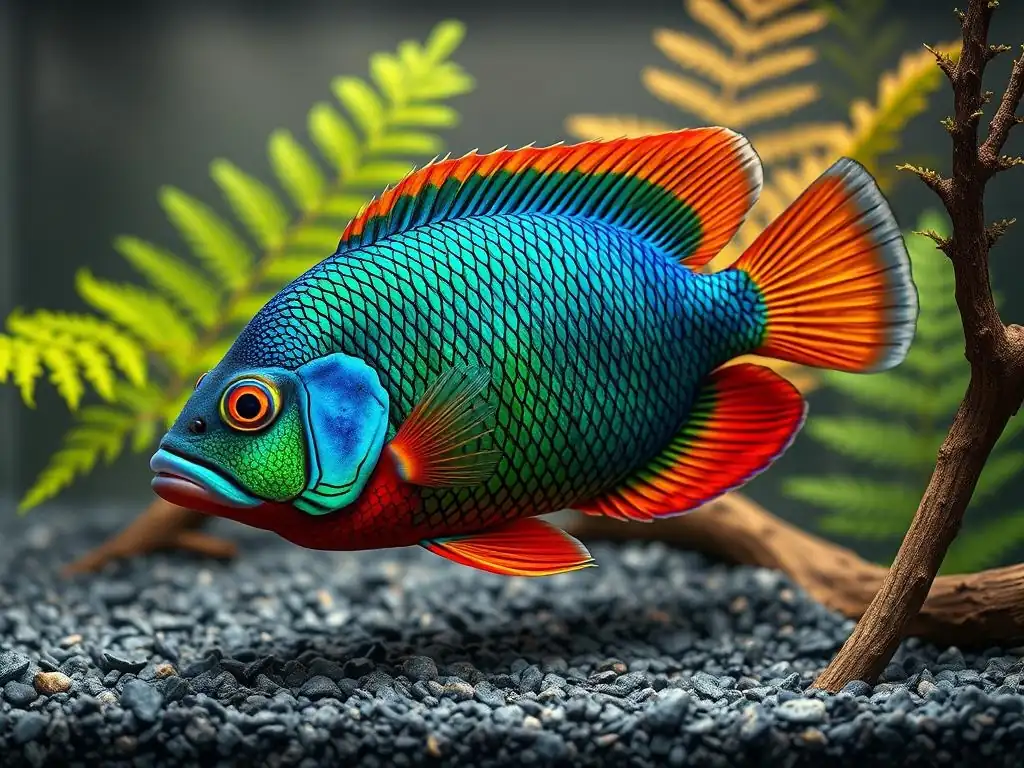
The number of Peacock cichlids you plan to keep is a primary determinant of the required Peacock cichlid tank size. Peacock cichlids exhibit intra-species aggression, particularly among males, who will compete for territory and breeding rights. To mitigate this, it is highly recommended to keep a single male with multiple females, typically in a ratio of 1 male to 3-4 females, known as a "harem" setup. This strategy helps to spread out the male's aggression, preventing any single female from being constantly harassed.
If you wish to keep multiple males, a significantly larger Peacock cichlid tank size is essential. For instance, attempting to house three male Peacock cichlids in a 55-gallon tank will almost certainly lead to severe aggression, injury, and potentially fatalities.
In contrast, a 75-gallon or, ideally, a 125-gallon tank allows for more males (e.g., 3-5 males of different species or color strains, along with their respective harems) by providing enough space for each to establish a distinct territory and for subordinates to escape aggression. The larger the number of fish, especially males, the more vital it is to increase the tank volume and footprint.
Tank Mates for Peacock Cichlids: How They Affect Space Needs
The choice of tank mates also directly influences the required Peacock cichlid tank size. While Peacock cichlids are generally more peaceful than Mbuna, they are still cichlids and can be territorial. Compatible tank mates include other non-aggressive Lake Malawi cichlids (e.g., certain peaceful Haplochromines), Synodontis catfish, or other robust, similarly sized fish that can tolerate hard, alkaline water conditions. Introducing any additional fish, even peaceful ones, increases the overall bioload and the demand for swimming space.
Aggressive or very large tank mates will necessitate a much larger Peacock cichlid tank size to prevent undue stress and conflict. For example, housing Peacock cichlids with highly aggressive Mbuna species like Maylandia estherae (Red Zebra) in anything less than a 125-gallon tank is likely to result in constant bullying and injury to the Peacock cichlids.
Conversely, very small or docile fish are not suitable as tank mates, as they may be seen as food or become targets of persistent harassment. Always research compatibility thoroughly and err on the side of a larger tank when adding tank mates to ensure all inhabitants have adequate space and can coexist peacefully.
Substrate, Decorations, and Aquascaping: Optimizing Space Utilization
The way you aquascape your aquarium plays a significant role in optimizing the usable space within your chosen Peacock cichlid tank size. While decorations are essential for providing hiding spots, visual barriers, and aesthetic appeal, too many large or obstructive elements can paradoxically reduce the effective swimming area. Peacock cichlids appreciate open sand areas for sifting, combined with rock structures that offer caves and crevices for shelter and territorial demarcation.
To maximize space utilization, create distinct rock formations at the ends or along the back of the tank, leaving a substantial open sand area in the middle. This arrangement mimics their natural habitat and allows males to establish territories without constant head-on confrontations. Using inert rocks like lava rock, Texas holey rock, or slate securely stacked provides the necessary structure. By thoughtfully arranging these elements, you can create a functional and visually appealing environment that enhances the well-being of your Peacock cichlids within the constraints of your Peacock cichlid tank size, promoting natural behaviors and reducing stress.
Filtration and Water Quality: The Link to Adequate Tank Volume
The link between Peacock cichlid tank size, filtration, and water quality is fundamental. Larger tanks inherently offer greater water volume, which acts as a buffer against rapid fluctuations in water parameters and dilutes waste products more effectively. This stability is crucial for Peacock cichlids, which are sensitive to poor water conditions. While a robust filtration system is always necessary, a larger tank volume reduces the rate at which ammonia, nitrite, and nitrate accumulate, making it easier to maintain pristine water quality through regular maintenance.
For instance, in a 75-gallon Peacock cichlid tank size, a powerful canister filter rated for 100-150 gallons will provide excellent mechanical, biological, and chemical filtration, ensuring stable parameters. In contrast, a smaller tank, even with an oversized filter, will require more frequent and vigilant water changes to keep nitrate levels below the recommended 20 ppm. The increased water volume in a larger tank provides a safety margin, reducing the risk of sudden toxic spikes and contributing significantly to the long-term health and vibrancy of your Peacock cichlids.
Setting Up the Ideal Peacock Cichlid Aquarium
Choosing the Right Aquarium: Glass vs. Acrylic for Peacock Cichlids
When selecting the ideal Peacock cichlid tank size, aquarists often face the choice between glass and acrylic aquariums, each offering distinct advantages. Glass tanks are generally more scratch-resistant, less expensive upfront, and do not yellow over time, maintaining their clarity for decades. They are also heavier and more rigid, which can be a factor in placement and stability. Acrylic tanks, on the other hand, are significantly lighter, stronger (less prone to shattering), and offer superior clarity with virtually no distortion, allowing for seamless viewing. However, they are more susceptible to scratching and can be more expensive.
For Peacock cichlids, both materials are suitable, with the primary consideration being the tank's dimensions and the overall Peacock cichlid tank size rather than the material itself. Given that Peacock cichlids may sift through sand and sometimes move small rocks, the scratch resistance of glass can be an advantage for the interior viewing panes. Ultimately, the choice often comes down to personal preference, budget, and the specific location where the aquarium will be placed, ensuring the chosen tank provides adequate footprint and volume.
Essential Equipment for a Peacock Cichlid Tank: Filters, Heaters, and Lighting
Setting up a successful Peacock cichlid aquarium requires a suite of essential equipment to maintain optimal conditions within the chosen Peacock cichlid tank size. Filtration is paramount: external canister filters are highly recommended for their efficiency in mechanical, biological, and chemical filtration, often oversized for the tank volume (e.g., a filter rated for 100-150 gallons on a 75-gallon tank). Large hang-on-back (HOB) filters can also be used, often in multiples, to provide sufficient water turnover and media capacity.
Heaters are crucial to maintain the stable tropical temperatures (78-82°F or 25.5-28°C) preferred by Peacock cichlids. Submersible heaters with adequate wattage for the Peacock cichlid tank size are necessary (e.g., a 300W heater for a 75-gallon tank, or two 150W heaters for redundancy). Lighting should be moderate, sufficient to enhance the fish's vibrant colors without promoting excessive algae growth. LED lights with adjustable spectrums are popular, allowing for customization to bring out the best in your Aulonocara species.
Creating a Suitable Environment: Substrate, Rocks, and Hiding Places
Creating a suitable environment for Peacock cichlids involves mimicking their natural Lake Malawi habitat within your chosen Peacock cichlid tank size. The ideal substrate is fine sand, such as pool filter sand or specialized cichlid sand, which allows them to exhibit their natural sifting behavior without damaging their delicate mouths. Avoid sharp or coarse gravel, as it can injure them as they forage. A substrate depth of at least 1-2 inches is recommended to facilitate their natural digging and sifting activities.
Aquascaping should focus on providing a balance of open swimming areas and complex rock structures. Use inert rocks like lava rock, Texas holey rock, slate, or river rocks to create caves, crevices, and visual barriers. These structures serve as hiding places for less dominant fish and provide territorial markers for males. Ensure all rocks are securely stacked to prevent collapses from the fish's digging. The goal is to create a dynamic environment that offers both security and ample space for the fish to exhibit their natural behaviors within the confines of the Peacock cichlid tank size.
Maintaining a Healthy Peacock Cichlid Environment
Regular Water Changes: Maintaining Water Quality in a Cichlid Tank
Maintaining pristine water quality is non-negotiable for the health and vibrancy of Peacock cichlids, regardless of the Peacock cichlid tank size. Regular, partial water changes are the cornerstone of this maintenance. For a well-stocked Peacock cichlid tank, a minimum of 25-30% of the tank's water should be replaced weekly. This frequent exchange helps to remove accumulated nitrates, replenish essential minerals, and prevent the buildup of organic pollutants that can stress fish and lead to disease.
When performing water changes, it is crucial to use a gravel vacuum to thoroughly clean the substrate, removing uneaten food and waste that settle in the sand. The new water should be dechlorinated and temperature-matched to the aquarium water to avoid shocking the fish. Consistency is key; adhering to a strict weekly water change schedule is far more beneficial than sporadic, large water changes, ensuring stable and healthy conditions for your Peacock cichlids.
Monitoring Water Parameters: Ammonia, Nitrite, and Nitrate Levels
Continuous monitoring of key water parameters is essential for the long-term health of Peacock cichlids. Ammonia and nitrite levels should always be undetectable (0 ppm), as even small amounts are highly toxic to fish. Nitrate levels, the end product of the nitrogen cycle, should be kept below 20 ppm, ideally closer to 10 ppm, through regular water changes and efficient filtration. High nitrate levels indicate insufficient maintenance and can lead to chronic stress and a weakened immune system.
Peacock cichlids thrive in specific Lake Malawi parameters: a pH range of 7.8-8.6, a General Hardness (GH) of 10-20 dGH (180-360 ppm), and a Carbonate Hardness (KH) of 10-18 dKH (180-320 ppm). Regular testing with a reliable liquid test kit allows aquarists to identify any deviations promptly and take corrective action. Maintaining these stable parameters within the chosen Peacock cichlid tank size is critical for preventing stress and disease, ensuring the fish display their full coloration and natural behaviors.
Feeding Your Peacock Cichlids: Proper Diet and Feeding Schedule
A proper diet and consistent feeding schedule are vital for the health and coloration of your Peacock cichlids. While they are primarily micro-predators, sifting through sand for invertebrates in the wild, their captive diet should be varied and balanced. High-quality cichlid pellets or flakes, specifically formulated for African cichlids, should form the staple of their diet. These often contain spirulina and other color-enhancing ingredients.
Supplement their staple diet with frozen foods such as bloodworms, brine shrimp, Mysis shrimp, or daphnia a few times a week. Avoid feeding too much protein-rich food, as this can contribute to Malawi bloat. Feed small amounts 1-2 times daily, only what they can consume within 1-2 minutes. Overfeeding is a common mistake that not only leads to excessive waste and poor water quality, especially in a smaller Peacock cichlid tank size, but also contributes to digestive issues and health problems in the fish themselves.
Common Mistakes to Avoid When Choosing a Peacock Cichlid Tank
Overcrowding: The Dangers of Insufficient Tank Space
One of the most detrimental mistakes an aquarist can make when keeping Peacock cichlids is overcrowding. Attempting to house too many fish, or fish that grow too large, in an insufficient Peacock cichlid tank size leads to a cascade of negative consequences. In a cramped environment, aggression escalates dramatically, resulting in constant chasing, fin nipping, and severe stress for all inhabitants. Subdominant fish may be unable to find refuge, leading to injury, stunted growth, and even death.
Beyond aggression, overcrowding rapidly deteriorates water quality. The increased bioload from too many fish produces excessive waste, overwhelming the filtration system and leading to dangerously high levels of ammonia, nitrite, and nitrate. For example, trying to keep 10 adult Peacock cichlids in a 40-gallon breeder will inevitably result in constant water quality issues and a high mortality rate. Always prioritize providing ample space; a larger Peacock cichlid tank size is an investment in the long-term health and vibrancy of your fish.
Incompatible Tank Mates: Preventing Aggression and Stress
Another common pitfall is introducing incompatible tank mates into a Peacock cichlid aquarium. While Peacock cichlids are relatively peaceful for cichlids, they can still be bullied by more aggressive species or become bullies themselves if housed with very docile or small fish. Mixing them with highly aggressive Mbuna species like Pseudotropheus demasoni or certain Maylandia species in a smaller Peacock cichlid tank size is a recipe for disaster, as the Mbuna will outcompete and stress the Peacocks.
Conversely, housing Peacock cichlids with tiny, peaceful community fish like neon tetras or guppies is equally problematic. The cichlids may view them as food, or the smaller fish will be constantly stressed by the Peacock cichlids' active nature. Thorough research into species compatibility is crucial before adding any new fish. Even in a large Peacock cichlid tank size, incompatible temperament can lead to chronic stress, disease, and the loss of fish, underscoring the importance of careful planning.
Ignoring Water Quality: The Consequences of Poor Maintenance
Ignoring water quality is a fatal mistake that negates any benefits derived from having an appropriate Peacock cichlid tank size. Poor water conditions, characterized by elevated ammonia, nitrite, or nitrate levels, are the leading cause of stress, disease, and death in aquarium fish. Peacock cichlids are particularly susceptible to diseases like Malawi bloat when water parameters are unstable or suboptimal. Symptoms such as lethargy, clamped fins, gasping at the surface, and faded colors are often direct indicators of poor water quality.
Relying solely on filtration without consistent water changes is insufficient, as filters primarily convert ammonia and nitrite into nitrate, which still needs to be removed from the system. Skipping weekly water changes or failing to test water parameters regularly allows toxins to accumulate to dangerous levels. The consequences include weakened immune systems, increased susceptibility to infections, and a significantly shortened lifespan for your fish. Diligent and consistent water quality maintenance is paramount for the long-term success of any Peacock cichlid setup.
Advanced Considerations for Peacock Cichlid Aquariums
Breeding Peacock Cichlids: Tank Size and Setup for Successful Spawning
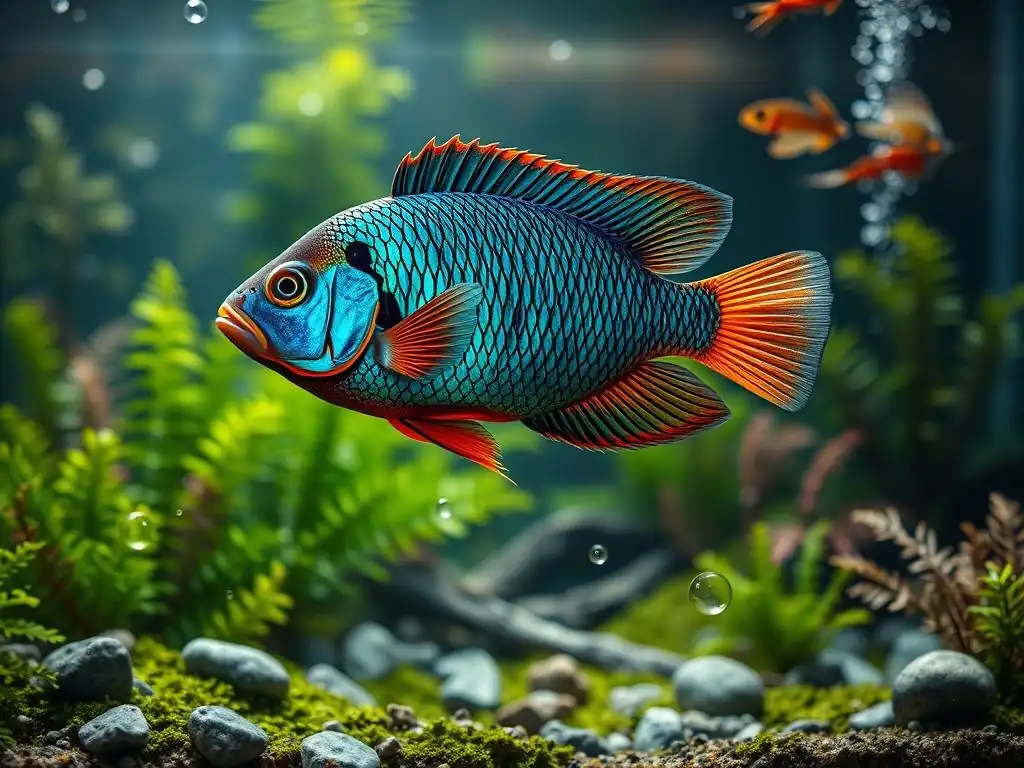
For aquarists interested in breeding Peacock cichlids, specific considerations regarding Peacock cichlid tank size and setup are crucial for successful spawning and fry rearing. While spawning can occur in a well-maintained community tank, a dedicated breeding tank often yields better results and higher fry survival rates. A 20-30 gallon tank is often sufficient for a single male and 2-3 females for breeding purposes, allowing for focused conditioning and observation. A 55-gallon or larger tank can be used for a small breeding colony.
The breeding tank setup should include smooth rocks or slate for spawning sites, good filtration, and consistent water parameters (pH 7.8-8.6, temperature 78-82°F). Once spawning occurs, the female will mouth-brood the eggs and fry for approximately 21-28 days. To ensure fry survival, especially in a community setting, the brooding female is often gently caught and moved to a separate 10-20 gallon "nursery" tank just before the fry are released. This dedicated space protects the vulnerable fry from predation by other tank inhabitants and allows for targeted feeding of specialized fry foods.
Aquascaping for Peacock Cichlids: Creating a Natural and Functional Environment
Effective aquascaping in a Peacock cichlid tank size goes beyond aesthetics; it creates a natural and functional environment that supports their well-being and mitigates aggression. The primary goal is to provide a balance between open swimming areas and structured territories. This can be achieved by placing rock formations (e.g., lava rock, Texas holey rock) at the ends of the tank or along the back wall, creating visual barriers and caves. These structures allow dominant males to establish territories and less dominant fish to find refuge, breaking lines of sight that can otherwise lead to constant confrontation.
Incorporating areas of fine sand is essential, as Peacock cichlids are natural sand-sifters. This allows them to exhibit their innate foraging behavior, sifting through the substrate for food particles. While Peacock cichlids are less prone to uprooting plants than some Mbuna, hardy, robust plant species like Anubias or Java Fern (attached to rocks or driftwood) can be included, provided they can tolerate the hard, alkaline water. The thoughtfully designed aquascape within the chosen Peacock cichlid tank size promotes natural behaviors, reduces stress, and enhances the overall beauty of the aquarium.
Choosing the Right Substrate for Peacock Cichlids
The choice of substrate is a crucial, yet sometimes overlooked, aspect of setting up a healthy Peacock cichlid tank size. The ideal substrate for Peacock cichlids is fine sand, mimicking their natural Lake Malawi habitat where they sift through sandy bottoms for food. Options include pool filter sand, specialized cichlid sand, or fine play sand. A depth of at least 1 to 2 inches (2.5 to 5 cm) allows them to engage in their natural sifting and digging behaviors without injuring their delicate mouths or fins.
Using sand as a substrate offers several benefits. It prevents food particles from getting trapped and decaying, which can happen with coarser gravel, thus contributing to better water quality. The natural sifting behavior of Peacock cichlids helps aerate the sand and prevents anaerobic pockets. Additionally, light-colored sand can enhance the vibrant coloration of Peacock cichlids, making their blues, reds, and yellows stand out more prominently. Avoid sharp or abrasive gravel, as it can cause abrasions and infections to their mouths and barbels as they forage.
Troubleshooting Common Issues in Peacock Cichlid Tanks
Aggression and Bullying: Addressing Territorial Disputes
Aggression and bullying are common issues in Peacock cichlid tanks, particularly when the Peacock cichlid tank size is inadequate or male-to-female ratios are unbalanced. Symptoms include constant chasing, fin nipping, and dominant males hogging food or specific territories. If severe, this can lead to stress, injury, and even death for targeted fish. The first step in troubleshooting is to assess the tank size and stocking levels. Overcrowding is often the root cause.
Solutions include increasing the number of females (to dilute male aggression), rearranging the aquascape to break up lines of sight and create new territories, or adding more hiding spots. If a single male is relentlessly aggressive, consider removing him or adding more males (only in a very large tank, e.g., 125 gallons or more, to diffuse aggression). Sometimes, the aggressive individual may need to be rehomed if other solutions fail. A larger Peacock cichlid tank size often naturally mitigates many aggression issues by providing ample space for escape and territory establishment.
Disease Prevention: Maintaining Optimal Water Quality
Disease prevention in Peacock cichlid tanks relies heavily on maintaining optimal water quality and a stress-free environment. Most common diseases, such as Malawi bloat, Ich (white spot disease), and fin rot, are often stress-related and triggered by poor water parameters, inadequate diet, or overcrowding. Prevention is always superior to treatment. This involves strict adherence to a regular maintenance schedule, including weekly 25-30% water changes, thorough substrate vacuuming, and proper filtration.
Quarantining new fish for 2-4 weeks in a separate 10-20 gallon tank is a critical preventative measure, preventing the introduction of pathogens to your main Peacock cichlid tank size. During quarantine, observe new fish for signs of illness, treat as necessary, and ensure they are eating well before introduction. Consistent monitoring of water parameters (ammonia, nitrite, nitrate, pH, GH, KH) helps identify problems early, allowing for prompt corrective action before diseases manifest.
Understanding Peacock Cichlid Behavior: Recognizing Signs of Stress
Understanding Peacock cichlid behavior is key to recognizing early signs of stress, which can indicate underlying issues in the aquarium environment. Stressed Peacock cichlids may exhibit clamped fins, faded coloration, excessive hiding, rapid gill movement (gasping), rubbing against tank decor, or a sudden refusal to eat. These behaviors often point to problems such as poor water quality, overcrowding, bullying from tank mates, or an insufficient Peacock cichlid tank size.
Daily observation of your fish allows you to notice subtle changes in their behavior or appearance. If a fish is constantly being chased, hiding, or losing color, it's a strong indicator of stress. Promptly addressing the root cause, whether it's performing an emergency water change to correct parameter imbalances, adjusting stocking levels, or re-evaluating tank mate compatibility, is crucial. A proactive approach to identifying and mitigating stress factors ensures the long-term health, vibrancy, and natural behavior of your Peacock cichlids.
Conclusion: Providing the Best Environment for Your Peacock Cichlids
Frequently Asked Questions
What is the minimum tank size recommended for keeping Peacock Cichlids?
The bare minimum tank size for a small group of Peacock Cichlids (4-6 individuals) is a 40-gallon breeder tank. However, a 55-gallon or larger tank is highly recommended to provide adequate swimming space and reduce aggression.
How does the number of Peacock Cichlids affect the ideal tank size?
As the number of Peacock Cichlids increases, so should the tank size. A heavily stocked tank can lead to stress, aggression, and poor water quality. Aim for at least 5-7 gallons per adult fish as a general guideline.
What factors, besides fish size, influence the appropriate Peacock Cichlid tank size?
Beyond the size of the fish, consider the aquascaping (rocks, plants) and the filtration system. More complex aquascaping reduces swimming space, while an inadequate filter leads to water quality issues, both necessitating a larger tank.
Why is providing adequate space important for Peacock Cichlids?
Adequate space is crucial for minimizing aggression and allowing Peacock Cichlids to display their natural behaviors. Overcrowding leads to increased stress, which can compromise their immune systems and make them susceptible to disease.
Can I keep Peacock Cichlids in a smaller tank if I perform more frequent water changes?
While frequent water changes can help maintain water quality in a smaller tank, it doesn't address the fundamental issue of limited space. Stress from overcrowding will persist, even with pristine water, impacting the long-term health of the fish.
Final Reflection: Nurturing Vibrant Aquatic Ecosystems
The insights shared throughout this article underscore the critical importance of providing adequate space for Peacock Cichlids to thrive. Understanding and adhering to appropriate tank size guidelines isn't merely about following rules; it's about fostering a healthy, vibrant, and ethically responsible aquatic environment where these magnificent fish can truly showcase their natural beauty and behaviors.
The impact of responsible fishkeeping extends far beyond the confines of our aquariums. It's a reflection of our commitment to animal welfare and a deeper understanding of the interconnectedness of ecosystems. The well-being of these creatures, even in captivity, contributes to a broader appreciation for biodiversity and conservation. The greatness of a nation and its moral progress can be judged by the way its animals are treated.
- Mahatma Gandhi. This quote resonates deeply when considering the responsibility we undertake when bringing animals into our care.
As you consider the information presented here, I encourage you to reflect on your own role in creating a thriving aquatic world. Are you providing your Peacock Cichlids with the space they need to flourish? Are you committed to ongoing learning and improvement in your fishkeeping practices? By embracing responsible practices, you not only enhance the lives of your fish but also contribute to a more compassionate and sustainable future for all living creatures.
Unleash Your Peacock Cichlids' Potential!
Thank you for diving into the world of Peacock Cichlids! We hope you've gained valuable insights into creating the perfect aquatic haven for these vibrant beauties. Now, let's take that knowledge and turn it into action!
Here's how you can give your Aulonocara the space they deserve:
- Start Planning! Measure your available space and sketch out a potential tank setup that prioritizes the 75-gallon minimum for a community of Peacock Cichlids. Consider depth, width, and height to maximize swimming space and create distinct territories.
- Explore aquascaping ideas inspired by Lake Malawi. Experiment with rock formations to provide caves and hiding spots, reducing aggression and showcasing their natural behaviors.
- Share your dream Peacock Cichlid tank design with other enthusiasts online and gather feedback. You might discover new ideas and techniques to elevate your aquarium!
What's one unique aquascaping element you're most excited to incorporate into your Peacock Cichlid tank to create a thriving underwater world?