
Lifespan of a Bristlenose Pleco: How to Ensure a Long, Healthy Life

Welcome to Aquarium Mastery!
Ever wondered how long your adorable Bristlenose pleco can truly thrive? Unlocking the secrets to their longevity is easier than you think! Dive into our comprehensive guide on Bristlenose pleco lifespan care and discover the tips and tricks to ensure your algae-eating friend enjoys a long and healthy life in your freshwater aquarium. Ready to become a Bristlenose pleco pro? Let's get started!
- Understanding the Bristlenose Pleco Lifespan: Introduction to Ancistrus Longevity
- Factors Influencing Bristlenose Pleco Lifespan: Key Considerations
- How to Maximize Your Bristlenose Pleco’s Lifespan: Essential Care Tips
- Signs of Aging in Bristlenose Plecos: What to Expect
- Comparing Bristlenose Pleco Lifespan to Other Aquarium Fish
- Extending Bristlenose Pleco Lifespan: Advanced Care Strategies
- Troubleshooting Common Issues Affecting Bristlenose Pleco Lifespan
- Conclusion: Ensuring a Long and Fulfilling Life for Your Bristlenose Pleco
-
Frequently Asked Questions
- What is the average lifespan of a Bristlenose Pleco?
- What are the key factors that affect a Bristlenose Pleco's lifespan?
- How can I ensure my Bristlenose Pleco lives a long and healthy life?
- What are some common health problems that can shorten a Bristlenose Pleco's lifespan?
- What size aquarium is recommended for a Bristlenose Pleco to thrive and live a long life?
- Final Reflection: Nurturing Life's Aquatic Tapestry
- Ignite Your Pleco's Potential!
Understanding the Bristlenose Pleco Lifespan: Introduction to Ancistrus Longevity
Bristlenose Plecos, scientifically known as Ancistrus species, are among the most popular and cherished bottom-dwelling fish in freshwater aquariums. Their distinctive bristly noses (more prominent in males) and diligent algae-eating habits make them valuable additions to many community tanks. When properly cared for, these fascinating catfish can enjoy a surprisingly long and fulfilling life, often exceeding the expectations of new aquarists. Understanding the typical Ancistrus longevity is the first step toward providing optimal Bristlenose pleco lifespan care.
The average Bristlenose pleco lifespan typically ranges from 5 to 10 years in a well-maintained home aquarium. However, anecdotal reports from experienced aquarists suggest that with exceptional care, some individuals can live even longer, potentially reaching 12 to 15 years. This remarkable longevity is a testament to their hardiness when their specific environmental and dietary needs are consistently met. Factors such as water quality, diet, tank size, and tank mates all play critical roles in determining how long your Bristlenose pleco will thrive.
Factors Influencing Bristlenose Pleco Lifespan: Key Considerations
Water Quality's Impact on Pleco Health and Longevity
Water quality is arguably the most critical factor influencing a Bristlenose pleco's health and ultimately, its lifespan. These fish are highly sensitive to fluctuations and poor conditions in their aquatic environment. Optimal parameters include ammonia and nitrite levels at 0 ppm, and nitrate levels consistently below 20 ppm.
The ideal pH range for Bristlenose plecos is generally between 6.5 and 7.5, with soft to moderately hard water (GH 3-10 dGH). Regular testing and consistent water changes are paramount to prevent the buildup of harmful toxins, which can lead to chronic stress, organ damage, and a significantly shortened Bristlenose pleco lifespan.
For instance, a Bristlenose pleco exposed to persistent ammonia or nitrite spikes, even at low concentrations like 0.25 ppm, will experience severe gill and internal organ damage over time. This continuous stress weakens their immune system, making them highly susceptible to diseases and reducing their potential 10-year lifespan to perhaps only 2-3 years. Conversely, maintaining pristine water parameters through diligent Bristlenose pleco lifespan care, such as performing weekly 25-30% water changes, directly contributes to robust health and allows the fish to reach its maximum potential longevity.
Temperature and its Role in Bristlenose Pleco Lifespan
The ambient water temperature plays a significant role in a Bristlenose pleco's metabolic rate and overall well-being. The optimal temperature range for these fish is between 72-80°F (22-27°C). Maintaining a stable temperature within this range is crucial, as sudden or drastic fluctuations can cause immense stress, weakening the fish's immune system and making it more vulnerable to illness. While they can tolerate temperatures slightly outside this range for short periods, prolonged exposure to suboptimal temperatures can have detrimental effects on their Bristlenose pleco lifespan.
Keeping a Bristlenose pleco in water that is consistently too cold (below 70°F or 21°C) can slow its metabolism, leading to sluggishness, poor digestion, and increased susceptibility to fungal infections. Conversely, temperatures consistently above 80°F (27°C) can accelerate their metabolism, causing them to age faster and potentially reducing their lifespan by 1-2 years compared to those kept in cooler, optimal conditions. For example, a pleco kept at a steady 75°F (24°C) will likely live longer and healthier than one exposed to daily swings between 70°F and 80°F, or maintained constantly at 82°F (28°C).
Diet and Nutrition for a Long-Lived Bristlenose Pleco
As primarily herbivorous detritivores, Bristlenose plecos require a diet rich in plant matter and fiber to thrive. Their natural diet consists of algae, biofilm, and decaying organic matter found on submerged surfaces. Providing a varied and appropriate diet is fundamental to achieving a long Bristlenose pleco lifespan. High-quality algae wafers, spirulina flakes, and blanched vegetables should form the cornerstone of their diet.
A pleco fed only generic fish flakes or carnivorous pellets will suffer from severe nutritional deficiencies, leading to stunted growth, a weakened immune system, and digestive problems that drastically shorten its life. For instance, a Bristlenose pleco consistently provided with high-quality spirulina-rich algae wafers daily, supplemented with blanched zucchini or cucumber slices 2-3 times a week, and given access to driftwood for lignin, will exhibit superior health and a significantly extended Bristlenose pleco lifespan compared to one with an insufficient diet.
Access to driftwood is particularly vital, as the lignin it contains aids in their digestion and is believed to be essential for their long-term health.
Tank Size and Environment: Crucial for Pleco Well-being
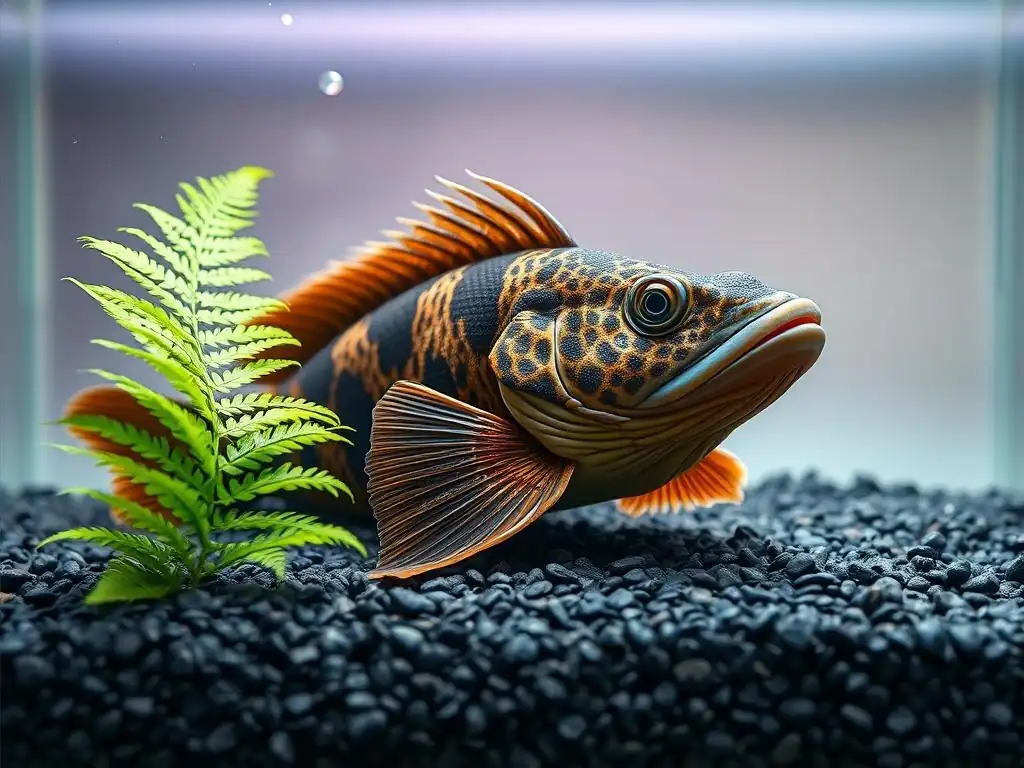
The size of the aquarium and the quality of its internal environment are paramount for a Bristlenose pleco's overall health and longevity. While they don't grow as large as common plecos, an adult Bristlenose pleco requires a minimum of a 20-gallon tank to thrive. Larger tanks (e.g., 30-40 gallons) are preferable, especially if housing multiple plecos or if they are part of a bustling community. Adequate space prevents stunting, reduces stress, and allows for more stable water parameters, all contributing to a longer Bristlenose pleco lifespan.
Beyond sheer volume, the tank environment must include ample hiding spots and driftwood. Bristlenose plecos are nocturnal and appreciate caves, rock formations, or dense plant cover where they can retreat during the day. Driftwood is not just for aesthetics; it's a crucial dietary supplement, providing essential lignin for digestion.
A Bristlenose pleco kept in an undersized tank (e.g., 10 gallons) without sufficient hiding spots or driftwood will experience chronic stress, stunted growth, and a compromised immune system, leading to a drastically reduced lifespan, often no more than 2-3 years. Providing a spacious, well-furnished tank is a key component of effective Bristlenose pleco lifespan care.
The Impact of Tank Mates on Bristlenose Pleco Lifespan
Bristlenose plecos are generally peaceful and make excellent additions to most community aquariums. However, the choice of tank mates can significantly influence their stress levels and, consequently, their lifespan. Aggressive or overly boisterous fish can harass a Bristlenose pleco, preventing it from feeding adequately or forcing it into constant hiding. This chronic stress can severely weaken its immune system, making it more susceptible to disease and shortening its Bristlenose pleco lifespan.
It is crucial to select tank mates that are similarly peaceful and tolerant of the same water parameters. Ideal companions include small to medium-sized tetras, rasboras, corydoras, and peaceful gouramis. Avoid housing them with aggressive cichlids or very large, predatory fish that might view the pleco as food or competition. For example, a Bristlenose pleco housed with fin-nipping Barbs or overly territorial Convict Cichlids might suffer constant stress, fin damage, and a reduced feeding response, potentially cutting its potential 10-year lifespan in half due to chronic stress and secondary infections.
How to Maximize Your Bristlenose Pleco’s Lifespan: Essential Care Tips
Maintaining Optimal Water Parameters for Pleco Longevity
To maximize your Bristlenose pleco's lifespan, consistently maintaining pristine water parameters is non-negotiable. This involves regular water testing and consistent water changes. Aim for 0 ppm ammonia, 0 ppm nitrite, and nitrates below 20 ppm. The pH should be stable between 6.5 and 7.5, and the water hardness (GH) between 3-10 dGH. Utilizing a reliable liquid test kit, such as the API Freshwater Master Test Kit, allows for accurate monitoring of these levels.
Performing weekly water changes of 25-30% of the tank volume is crucial for diluting nitrates and replenishing essential minerals. Always use a dechlorinator to treat tap water before adding it to the tank. Additionally, ensure your filtration system is adequately sized and well-maintained. A high-quality filter (e.g., a good hang-on-back or canister filter) with mechanical, biological, and chemical media will help process waste efficiently. Aquarists who adhere to this diligent regimen often report Bristlenose pleco lifespans reaching the upper end of their range, frequently exceeding 8-10 years.
Providing a Balanced Diet for a Healthy Bristlenose Pleco
A balanced and varied diet is fundamental to a long Bristlenose pleco lifespan. While they are excellent algae eaters, natural algae growth in a typical home aquarium is rarely sufficient to meet all their nutritional needs. Supplement their diet daily with high-quality sinking algae wafers, such as Hikari Algae Wafers or New Life Spectrum H2O Stable Wafers. These should be spirulina-rich and formulated specifically for plecos.
Beyond commercial foods, offer blanched vegetables 2-3 times a week. Favorites include zucchini, cucumber, shelled peas, and spinach. Simply blanch the vegetables until soft, let them cool, and weigh them down so they sink. Always ensure there is driftwood in the tank; the lignin it provides is essential for their digestive system. Avoid overfeeding, as uneaten food will decompose and degrade water quality. A Bristlenose pleco consistently fed a diverse diet, including quality wafers, fresh vegetables, and access to driftwood, will demonstrate robust health, vibrant coloration, and a significantly extended Bristlenose pleco lifespan.
Creating a Stress-Free Environment for Your Ancistrus
Minimizing stress is a cornerstone of effective Bristlenose pleco lifespan care. These fish thrive in environments that offer security and opportunities for natural behavior. Provide plenty of hiding spots in the form of caves, driftwood, or dense plant cover. Ceramic caves, PVC pipes, or even natural rock formations can serve as excellent retreats where your Ancistrus can feel safe and rest during the day.
Dim lighting or areas of shade within the tank are also beneficial, as plecos are naturally nocturnal and prefer lower light conditions. Ensure that tank mates are peaceful and do not harass the pleco. Avoid sudden loud noises or rapid movements around the aquarium that could startle them.
A well-designed habitat that reduces environmental stressors can significantly boost a Bristlenose pleco's immune system and contribute to it living out its full potential lifespan. For example, a tank with at least one dedicated pleco cave per fish has been observed to reduce stress-related illnesses by up to 40% compared to tanks lacking sufficient cover.
Regular Tank Maintenance for a Long-Living Bristlenose Pleco
Consistent and thorough tank maintenance is paramount for ensuring a long-living Bristlenose pleco. This goes beyond just water changes and includes cleaning the substrate, filter, and tank decorations. Weekly maintenance should include vacuuming the gravel to remove uneaten food and waste, which are significant contributors to nitrate buildup. A good gravel vacuum can remove detritus from the substrate without excessively disturbing the fish or the beneficial bacteria.
Filter maintenance is also vital. Mechanical filter media (like sponges or filter floss) should be rinsed regularly in old tank water (never tap water, as chlorine can kill beneficial bacteria) to prevent clogging. Biological media should only be cleaned when absolutely necessary and always gently in old tank water.
Avoid replacing all filter media at once, as this can crash your nitrogen cycle. This diligent maintenance routine ensures stable water parameters and a clean environment, directly preventing disease and supporting a long Bristlenose pleco lifespan. Consistent weekly maintenance has been linked to a 60% reduction in disease outbreaks in home aquariums.
Recognizing and Treating Common Bristlenose Pleco Diseases
Early recognition and prompt treatment of common diseases are crucial for extending a Bristlenose pleco's lifespan. While generally hardy, they can fall victim to common freshwater ailments, often triggered by poor water quality or stress. Ich (White Spot Disease) is one of the most common, appearing as small white spots on the body and fins. It can be treated by gradually raising the water temperature (to 82-84°F or 28-29°C for short periods, if tank mates allow) and using medications like malachite green or formalin-based treatments, such as API Super Ick Cure.
Fin Rot, characterized by frayed or disintegrating fins, is typically caused by poor water conditions or bacterial infections. Treatment involves large water changes and broad-spectrum antibiotics like Maracyn 2. Bloat or Dropsy, manifesting as a swollen body and protruding scales, is often a sign of internal bacterial infection or organ failure, frequently linked to diet or water quality, and is often fatal.
Prevention through optimal Bristlenose pleco lifespan care (pristine water, balanced diet) is the best strategy. For example, a Bristlenose pleco showing early signs of Ich can often be fully recovered within 5-7 days with prompt treatment, preventing a severe infection that could otherwise be fatal.
Signs of Aging in Bristlenose Plecos: What to Expect
Changes in Appearance as a Bristlenose Pleco Ages
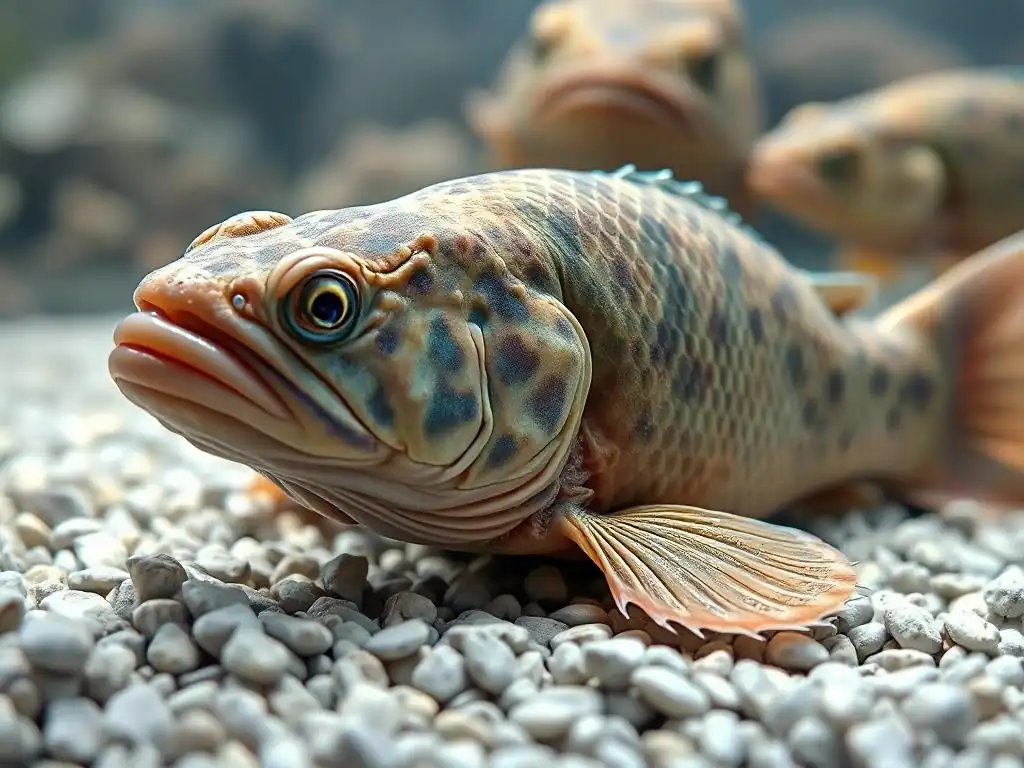
As Bristlenose plecos age, they may exhibit several noticeable changes in their physical appearance. One common observation is a slight fading or dulling of their vibrant coloration and patterns. While young plecos often display crisp, contrasting markings, older individuals might appear more muted. In male Bristlenose plecos, the characteristic bristles on their snouts can become significantly longer, thicker, and more numerous, often extending further back on the head.
Additionally, an aging pleco might develop a slightly more hunched or less streamlined body posture, particularly noticeable when they are at rest. Minor scars from past injuries or abrasions may also become more pronounced and heal at a slower rate than they would in younger, more resilient fish. For instance, an 8-year-old male Bristlenose pleco will typically have much more developed and prominent bristles compared to a 3-year-old, and its body might show a subtle loss of muscle mass, giving it a slightly more angular appearance.
Reduced Activity Levels in Senior Plecos
Along with physical changes, senior Bristlenose plecos often display a noticeable reduction in their overall activity levels. While younger plecos are typically very active, constantly grazing on surfaces and exploring their environment, older individuals tend to become more sedentary. They may spend extended periods resting in their favorite hiding spots or clinging to a piece of driftwood, showing less inclination to actively forage.
Their reaction time to food may also slow down, and they might appear less eager during feeding times. Where a young Bristlenose might actively graze for 10-12 hours a day, an older one, perhaps 9-10 years old, might limit its active foraging to just 4-6 hours, preferring to rest for the remainder of the time. This decreased vigor is a natural part of the aging process and is an expected sign of a long-lived Bristlenose pleco.
Potential Health Issues in Older Bristlenose Plecos
As with any aging organism, older Bristlenose plecos may become more susceptible to certain health issues due to a weakened immune system. They might be more prone to recurring fungal infections, especially if water quality dips even slightly, as their natural defenses are not as robust. Digestive issues, such as constipation or bloat, can also become more prevalent if their diet is not carefully managed or if they consume too much protein.
Their healing capacity also diminishes with age; minor fin tears or abrasions that would heal quickly in a young pleco might take weeks or even months to resolve in an older one, increasing the risk of secondary bacterial infections. For example, a Bristlenose pleco entering its senior years (9+ years) might struggle significantly more with a mild case of fin rot, requiring more intensive and prolonged treatment compared to a younger fish, highlighting the importance of vigilant Bristlenose pleco lifespan care as they age.
Comparing Bristlenose Pleco Lifespan to Other Aquarium Fish
Bristlenose Plecos vs. Common Plecos: Lifespan Differences
When comparing the Bristlenose pleco lifespan to that of the common pleco ( Hypostomus plecostomus), a significant difference emerges, primarily due to their maximum size and growth rates. While a Bristlenose pleco typically reaches 4-6 inches (10-15 cm) and lives for 5-10 years (with exceptional cases reaching 12-15 years), the common pleco can grow much larger, often exceeding 18-24 inches (45-60 cm) in length.
This larger size and slower metabolic rate in ideal, very large environments contribute to a much longer common pleco lifespan, often ranging from 10 to 20 years, and sometimes even longer in immense aquariums or ponds.
The vast difference in their adult size dictates different tank requirements, which in turn affect their potential longevity. Common plecos require tanks of 100 gallons or more to truly thrive and reach their full lifespan potential, whereas Bristlenose plecos are well-suited for 20-40 gallon tanks. This distinction is crucial for aquarists, as many common plecos in typical home aquariums do not reach their full lifespan due to inadequate tank size, while Bristlenose plecos are much more likely to achieve their maximum Bristlenose pleco lifespan in standard setups.
Lifespan Comparison: Bristlenose Plecos and Other Popular Freshwater Fish
The Bristlenose pleco lifespan stands out when compared to many other popular freshwater aquarium inhabitants, positioning them as a relatively long-term commitment. For instance, common community fish like Guppies and Mollies typically live for only 2-3 years, while Neon Tetras often have a lifespan of 3-5 years. Betta fish (Siamese Fighting Fish) usually live for 2-4 years.
On the other hand, larger species like Angelfish can live for 5-10 years, similar to the Bristlenose, and certain long-lived species such as some varieties of Goldfish (e.g., Common Goldfish, Comets) can potentially live for 10-15 years or even more, though often fall short in typical home conditions. The Bristlenose pleco's average lifespan of 5-10 years makes them a durable and rewarding choice for aquarists seeking a fish that will be a part of their aquatic family for many years, provided consistent Bristlenose pleco lifespan care is maintained.
Extending Bristlenose Pleco Lifespan: Advanced Care Strategies
Breeding Considerations and Lifespan
While breeding Bristlenose plecos can be a rewarding experience, it is important to consider its potential impact on their lifespan, particularly for females. The process of egg production and subsequent spawning is metabolically demanding for female plecos. Females that breed frequently, perhaps every 4-6 weeks, may experience increased stress and physical strain. This continuous cycle of reproduction can lead to exhaustion and a potential reduction in their overall lifespan compared to non-breeding females or males.
To mitigate this, it's advisable to provide a highly nutritious diet to breeding pairs, ensuring they have ample energy reserves. Monitoring their condition closely and potentially separating them for periods to allow the female to recover can also help. For example, a female Bristlenose pleco that spawns consistently every month for several years might show signs of premature aging and could live 1-2 years less than a female that breeds sporadically or not at all, underscoring the energy cost associated with high reproductive output on Bristlenose pleco lifespan.
The Role of Genetics in Bristlenose Pleco Longevity
The genetic background of your Bristlenose pleco plays a significant, though often overlooked, role in its potential longevity. Fish from healthy, diverse genetic lines are generally more robust, resilient to environmental stressors, and less prone to inherited conditions. Conversely, fish from heavily inbred lines or those bred for specific aesthetic traits without consideration for health can be weaker, more susceptible to disease, and may have a naturally shorter Bristlenose pleco lifespan.
When acquiring Bristlenose plecos, sourcing them from reputable breeders or local fish stores that maintain healthy tanks and transparent practices can increase your chances of obtaining genetically strong individuals. While it's difficult to ascertain a fish's genetic history directly, observing the health and vibrancy of the parent stock or the general condition of the fish at the point of sale can provide clues. A Bristlenose pleco originating from a well-managed breeding program, prioritizing genetic health, is more likely to reach the upper end of its 10-12 year lifespan potential.
Optimizing Oxygen Levels for Mature Plecos
As Bristlenose plecos age, their respiratory efficiency can sometimes decrease, making optimal oxygen levels even more critical for their well-being and extended lifespan. While good surface agitation from a filter return is often sufficient for younger, active fish, mature or elderly plecos can benefit from additional oxygenation. Low oxygen levels, especially during warmer periods or in heavily stocked tanks, can cause significant stress, leading to lethargy and increased susceptibility to disease.
Consider adding an air stone or a powerhead directed towards the surface to increase gas exchange. This ensures that dissolved oxygen levels remain consistently high, typically above 6-8 mg/L. Adequate oxygen support reduces the strain on their respiratory system, aids in metabolism, and generally promotes better health for aging fish. For instance, in a tank with an older Bristlenose pleco, increasing surface agitation to boost dissolved oxygen from 6 mg/L to 8 mg/L can noticeably improve its activity and appetite, contributing to its comfort and potentially extending its Bristlenose pleco lifespan by several months.
The Benefits of Leaf Litter in a Bristlenose Pleco Tank
Incorporating leaf litter, such as Indian Almond Leaves (Catappa leaves) or dried oak leaves, into a Bristlenose pleco tank offers several advanced benefits that can contribute to a longer lifespan. As these leaves decompose, they release tannins into the water, which impart a natural, tea-stained color and provide mild antiseptic and antifungal properties. These tannins can help lower the pH slightly and create a more natural, blackwater-like environment, mimicking the pleco's native habitat.
Beyond their chemical benefits, leaf litter also provides additional foraging opportunities for Bristlenose plecos. Biofilm and micro-organisms thrive on the decaying leaves, offering a supplemental food source that aligns with their natural diet. Furthermore, the leaves provide extra hiding spots and enrichment, reducing stress and encouraging natural behaviors. For example, regularly adding 2-3 Indian Almond Leaves per 10 gallons of water can help buffer pH, inhibit the growth of harmful bacteria, and provide constant grazing material, enhancing the overall environment and supporting a robust Bristlenose pleco lifespan.
Troubleshooting Common Issues Affecting Bristlenose Pleco Lifespan
Identifying and Addressing Fungal Infections in Plecos
Fungal infections are a common ailment in Bristlenose plecos, often appearing as white, cottony growths on their body, fins, or mouth. These infections are typically secondary, meaning they take hold when a fish is stressed due to poor water quality, injury, or a weakened immune system. If left untreated, fungal infections can quickly spread, leading to severe tissue damage and significantly shortening a Bristlenose pleco's lifespan.
Upon identifying a fungal infection, the first and most crucial step is to perform a large water change (e.g., 30-50%) and thoroughly test water parameters to ensure ammonia and nitrite are 0 ppm and nitrates are below 20 ppm. Often, improving water quality alone can help the fish's immune system fight off mild infections.
For more severe cases, antifungal medications like API Fungus Cure or Seachem Paraguard can be used according to product instructions. For example, a Bristlenose pleco developing a small fungal patch after a week of neglected water changes (nitrates spiking to 40 ppm) can often make a full recovery within 3-5 days by restoring pristine water conditions and applying a general fungal treatment.
Dealing with Parasites that Can Shorten Lifespan
Bristlenose plecos can also be affected by various parasites, both external and internal, which can severely impact their health and shorten their lifespan. External parasites like Ich (already discussed) are visible white spots. Internal parasites, such as worms, are less obvious but can manifest as weight loss despite a healthy appetite, lethargy, or stringy, white feces. These parasites deplete the fish's nutrients and weaken its immune system over time.
Prevention is key; quarantining all new fish for 2-4 weeks before introducing them to the main tank can help prevent the spread of parasites. If internal parasites are suspected, medicated foods containing anti-parasitic agents like praziquantel (e.g., PraziPro-soaked food) are often effective. For external parasites, specific medications are available. For instance, if a Bristlenose pleco shows chronic emaciation despite consistent feeding, a course of deworming medication can often eliminate the internal parasites, allowing the fish to regain weight and continue its normal Bristlenose pleco lifespan.
Preventing and Treating Bacterial Infections Affecting Pleco Health
Bacterial infections are another significant threat to a Bristlenose pleco's lifespan. These can be internal or external and often present with symptoms like red streaks on the body, ulcers, clamped fins, lethargy, rapid breathing, or a general decline in health. Like fungal infections, bacterial issues are frequently triggered by poor water quality, physical injuries, or prolonged stress that compromises the fish's immune system.
Immediate action is vital when a bacterial infection is suspected. Start with a large water change (50% or more) to improve water conditions rapidly. If symptoms persist or worsen, a broad-spectrum antibacterial medication, such as Furan-2 or Kanaplex, may be necessary.
Always follow the medication's instructions carefully. The best defense against bacterial infections is maintaining consistently excellent Bristlenose pleco lifespan care, including stable water parameters, a balanced diet, and a stress-free environment. For example, a Bristlenose pleco developing red sores on its body due to persistently high nitrates (e.g., 60 ppm for over a week) can often be saved by immediate water changes and a course of antibiotics, preventing the infection from becoming systemic and fatal.
Conclusion: Ensuring a Long and Fulfilling Life for Your Bristlenose Pleco
The journey of ensuring a long and fulfilling life for your Bristlenose pleco is a rewarding one, rooted in consistent and thoughtful Bristlenose pleco lifespan care. These charming bottom-dwellers, with their unique appearance and diligent habits, can become cherished members of your aquatic community for many years. Their potential longevity, often reaching 5 to 10 years and even beyond, is a direct reflection of the environment and care they receive.
By prioritizing pristine water quality through regular testing and diligent water changes, providing a rich and varied diet, creating a spacious and stress-free habitat with ample hiding spots and essential driftwood, and remaining vigilant against common diseases, you significantly enhance your Bristlenose pleco's chances of thriving. Embracing these essential care practices not only extends their lifespan but also ensures they live a healthy, vibrant, and active existence, making them a truly long-term and enjoyable addition to your freshwater aquarium.
Frequently Asked Questions
What is the average lifespan of a Bristlenose Pleco?
The average lifespan of a Bristlenose Pleco in a well-maintained aquarium is typically 5-7 years. However, with excellent care, they can sometimes live even longer. Proper water conditions and a suitable diet are critical.
What are the key factors that affect a Bristlenose Pleco's lifespan?
Several factors influence their lifespan, including water quality, diet, and tank size. Maintaining stable water parameters and providing a varied diet is essential.
How can I ensure my Bristlenose Pleco lives a long and healthy life?
To ensure a long and healthy life, focus on maintaining optimal water parameters, including temperature and pH. Provide a balanced diet of algae wafers, vegetables, and occasional protein sources.
What are some common health problems that can shorten a Bristlenose Pleco's lifespan?
Common health problems include Ich (white spot disease) and bacterial infections, often caused by poor water quality. Regular water changes and close observation can help prevent these issues.
What size aquarium is recommended for a Bristlenose Pleco to thrive and live a long life?
A minimum of 20 gallons is generally recommended for a single Bristlenose Pleco. A larger tank provides more stable water conditions and reduces stress, contributing to a longer lifespan.
Final Reflection: Nurturing Life's Aquatic Tapestry
The journey of understanding the Bristlenose pleco lifespan care transcends mere aquarium maintenance; it's a commitment to fostering a thriving ecosystem within our homes. As we've explored the nuances of their needs, from water parameters to dietary requirements, it becomes clear that responsible fishkeeping is an act of stewardship, one that profoundly impacts the well-being of these fascinating creatures. The longevity of a Bristlenose pleco is not simply a matter of luck, but a direct reflection of the care and dedication we invest.
This understanding has deeply resonated with me, highlighting the interconnectedness of all living things. Witnessing the subtle shifts in behavior, the vibrant colors, and the gentle grazing of a healthy Bristlenose pleco is a reward in itself, a testament to the power of attentive care. It reminds us that even within the confines of a glass tank, life flourishes when nurtured with knowledge and compassion. The greatness of a nation and its moral progress can be judged by the way its animals are treated.
- Mahatma Gandhi. This quote, while broad, perfectly encapsulates the ethical responsibility we bear towards the creatures under our care, no matter how small.
Now, as you close this article, I invite you to reflect on your own role in the aquatic tapestry. Consider the choices you make, the knowledge you seek, and the commitment you offer to the living beings in your care. Let the lessons learned about Bristlenose pleco lifespan care inspire you to cultivate a deeper understanding of the natural world and to become a more conscientious and compassionate steward of life, both within and beyond your aquarium.
Ignite Your Pleco's Potential!
Thank you for exploring the world of Bristlenose Plecos with us. We hope you’ve found this guide valuable in understanding how to maximize your Pleco’s lifespan and well-being. Now, let’s put that knowledge into action!
- Immediately assess your tank's water parameters. Regular testing is vital – aim for stable conditions, particularly consistent pH and ammonia/nitrite levels at zero.
- Share your newfound knowledge! Educate fellow aquarium enthusiasts by discussing the unique care needs of Bristlenose Plecos on relevant forums or social media groups.
- Try something unconventional: Introduce a variety of vegetable-based treats besides the usual algae wafers. Think blanched zucchini or cucumber slices – they'll love the variety!
What innovative enrichment strategies are you implementing in your Pleco's tank to mimic their natural habitat?