
Line Breeding for Disease Resistance: A Proactive Approach for Swordtails


Welcome to Aquarium Mastery!
Ever wondered how to create a thriving community of Swordtails that are naturally more resistant to disease? Our latest guide dives deep into Swordtail disease resistant line breeding, offering a proactive approach to ensuring the health and vitality of your freshwater friends. Ready to unlock the secrets to a stronger, healthier Swordtail lineage? Let's begin!
- Understanding Swordtail Disease Susceptibility
- Introduction to Line Breeding Swordtails
- Establishing a Disease-Resistant Swordtail Line: A Step-by-Step Guide
- Optimizing Swordtail Aquarium Conditions for Disease Prevention
- Advanced Techniques for Enhancing Swordtail Disease Resistance
- Potential Challenges and Considerations in Swordtail Line Breeding
- Conclusion: A Healthier Future for Your Swordtails Through Selective Breeding
-
Frequently Asked Questions
- What is line breeding, and how does it relate to Swordtail disease resistance?
- Why is line breeding considered a proactive approach to Swordtail health?
- What factors should I consider when selecting Swordtails for a disease-resistant line breeding program?
- How long does it typically take to establish a noticeably disease-resistant line of Swordtails through line breeding?
- What are some potential drawbacks or challenges of line breeding Swordtails for disease resistance?
- Final Reflection: Cultivating Resilience in Swordtails
- Ignite Your Swordtail's Health!
Understanding Swordtail Disease Susceptibility
Common Swordtail Diseases and Their Impact
Swordtails, while generally hardy, are susceptible to a range of common freshwater fish diseases that can significantly impact their health and the stability of an aquarium. Among the most prevalent are Ich (White Spot Disease), Fin Rot, Columnaris (Cotton Mouth Disease), and Velvet Disease. Ich, caused by the parasite Ichthyophthirius multifiliis, manifests as small white spots on the body and fins, often leading to severe stress and secondary infections. Columnaris, a bacterial infection caused by Flavobacterium columnare, is particularly aggressive, causing rapid tissue necrosis and often resulting in death within 24-48 hours if left untreated.
The impact of these diseases extends beyond individual fish, frequently leading to high mortality rates across an entire tank. For instance, an untreated Ich outbreak can decimate 50-80% of a swordtail population within days, causing widespread stress and weakening the immune systems of surviving fish. Similarly, persistent Fin Rot can lead to chronic health issues, stunting growth and making swordtails more vulnerable to other pathogens. The economic cost of treatments, coupled with the emotional toll of losing cherished fish, underscores the need for proactive disease prevention strategies.
Factors Contributing to Disease Outbreaks in Swordtail Aquariums
Several factors contribute to the susceptibility of swordtails to disease outbreaks, primarily revolving around environmental stressors and inadequate husbandry practices. Poor water quality is a leading culprit; elevated levels of ammonia (even as low as 0.25 ppm), nitrite, or nitrates, as well as fluctuating pH and temperature, can severely compromise a swordtail's immune system. Overcrowding in the aquarium also significantly increases stress levels and the concentration of waste, creating a fertile breeding ground for pathogens.
Beyond water parameters, other critical factors include improper nutrition, which can weaken a swordtail's natural defenses, and the introduction of new, unquarantined fish. Studies suggest that up to 70% of new fish introductions without proper quarantine can introduce new pathogens into an established tank, leading to widespread outbreaks. Genetic predisposition also plays a role; swordtails from weak or inbred lines may inherently possess less robust immune systems, making them inherently more vulnerable to common diseases even under optimal conditions.
Why Disease Resistance Through Breeding Matters
Relying solely on chemical treatments for disease management in swordtail aquariums presents several limitations. Many medications can be stressful for fish, potentially harming beneficial nitrifying bacteria in the filter, and are not always effective against all strains of pathogens. Furthermore, repeated chemical interventions can lead to resistant pathogen strains, making future treatments less successful. This highlights the critical importance of a proactive approach: prevention through enhanced natural immunity.
Disease resistance through breeding focuses on developing swordtail lines that are inherently stronger and more resilient to common pathogens. A genetically robust swordtail is better equipped to fight off infections, often without the need for external intervention, even when exposed to pathogens. This approach, central to "Swordtail disease resistant line breeding," reduces reliance on medications, minimizes stress on the fish, and ultimately leads to a healthier, more stable aquarium ecosystem, significantly improving the long-term welfare of your swordtails.
Introduction to Line Breeding Swordtails
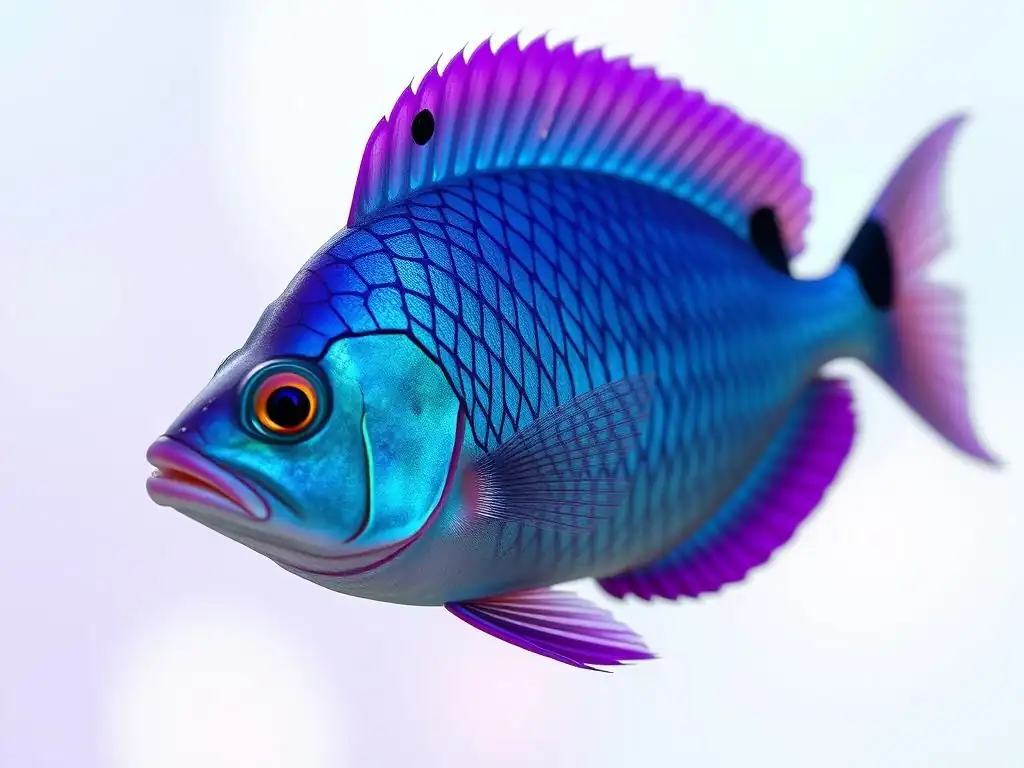
What is Line Breeding? (In the Context of Swordtails)
Line breeding, in the context of swordtails, is a meticulous and controlled form of selective breeding aimed at concentrating desirable traits within a specific lineage. Unlike random breeding where individuals are paired without strict consideration for their ancestry, line breeding involves carefully selecting swordtails from a particular family line and pairing them to reinforce specific characteristics across generations. For swordtails, this often means focusing on vibrant coloration, specific finnage, or, most importantly for this discussion, enhanced disease resistance.
The process typically involves breeding closely related individuals, such as cousins or an aunt/uncle to a niece/nephew, but always with a calculated approach to maintain a distinct "line" that consistently expresses the desired attributes. This differs from general outcrossing, where the goal is to introduce new genetic material broadly. In "Swordtail disease resistant line breeding," the objective is to solidify the genetic code for strong immunity within a defined group of fish, ensuring these traits are passed down reliably to subsequent generations.
Benefits of Line Breeding for Swordtail Health
The primary benefit of employing line breeding for swordtails is the significant enhancement of their immunity and overall resilience to common diseases. By selectively breeding swordtails that have demonstrated superior health and disease resistance, successive generations become inherently hardier, requiring fewer interventions and medications. This proactive approach can drastically reduce mortality rates; for instance, a well-managed "Swordtail disease resistant line breeding" program might see disease-related losses decrease from a typical 20-30% in a community tank to under 5% within a few generations.
Beyond improved disease resistance, line breeding offers several secondary benefits that contribute to a more stable and thriving swordtail population. These include more consistent growth rates, improved fertility, and the ability to maintain specific desirable physical traits alongside robust health. For the aquarist, this translates to less stress, reduced medication costs, and the satisfaction of maintaining a vibrant, self-sustaining population of healthy swordtails, making the hobby more enjoyable and sustainable in the long run.
Distinguishing Line Breeding from Inbreeding in Swordtails
While line breeding often involves breeding related individuals, it is crucial to distinguish it from indiscriminate inbreeding, which can have detrimental effects on swordtail health. Uncontrolled inbreeding, characterized by continuous breeding among very closely related individuals (e.g., siblings or parent-offspring for multiple generations without careful selection), rapidly decreases genetic diversity. This often leads to a phenomenon known as "inbreeding depression," where the overall fitness of the population declines significantly.
In contrast, line breeding is a highly controlled and strategic process. Breeders meticulously manage genetic relationships to concentrate desired genes (like disease resistance) while actively monitoring for and eliminating negative traits or signs of inbreeding depression.
While a line breeding program might occasionally involve a sibling cross to fix a specific trait, it is always balanced with careful selection and, often, periodic introduction of unrelated, healthy genetic material (outcrossing) to prevent the accumulation of deleterious recessive genes. Uncontrolled inbreeding, for example, can reduce spawning rates in swordtails by 30-50% and increase the incidence of deformities like spinal curvature, whereas carefully managed "Swordtail disease resistant line breeding" aims to improve the line's vitality.
Establishing a Disease-Resistant Swordtail Line: A Step-by-Step Guide
Step 1: Selecting Healthy and Robust Swordtail Breeding Stock
Identifying Desirable Traits for Disease Resistance (e.g., Fin Condition, Activity Level)
The foundation of a successful "Swordtail disease resistant line breeding" program lies in the careful selection of initial breeding stock. When identifying desirable traits, focus on observable indicators of exceptional health and vigor. Look for swordtails that exhibit active and graceful swimming, brightly colored and erect fins free from nips or fraying, clear and alert eyes, and a consistently strong appetite. Avoid any fish showing signs of clamped fins, labored breathing, visible lesions, or general lethargy, as these are indicators of underlying health issues or stress.
Beyond superficial appearance, prioritize swordtails that have demonstrated a natural resilience to environmental stressors or mild pathogen exposure. This means selecting individuals that have survived previous, minor disease outbreaks without extensive treatment, or those that consistently thrive in a community setting where other fish might have succumbed. Observe their growth rates and consistent spawning patterns, as these often correlate with overall robustness and a strong immune system.
Quarantine and Observation of Potential Breeding Swordtails
A strict quarantine protocol is paramount for all potential breeding swordtails before their introduction into your dedicated breeding tanks. This period, typically lasting 4-6 weeks, should take place in a separate aquarium with its own dedicated equipment to prevent any cross-contamination. During this time, meticulously observe the swordtails for any subtle signs of disease, parasites, or stress that might not be immediately apparent.
The quarantine process involves daily, thorough inspections of each fish, monitoring their behavior, appetite, and physical condition. If any symptoms appear, proactive and appropriate treatment should be administered in the quarantine tank, not the main breeding setup. This rigorous isolation and observation period is crucial to ensure that your carefully selected, robust breeding stock does not inadvertently introduce new pathogens that could undermine years of "Swordtail disease resistant line breeding" efforts.
Step 2: Implementing a Strategic Line Breeding Program
Creating Pedigree Records for Swordtails
Meticulous record-keeping is the backbone of any successful "Swordtail disease resistant line breeding" program. For each breeding pair and their offspring, detailed pedigree records must be created and maintained. This includes essential information such as the parentage of each fish, their hatch dates, the total number of fry produced in each spawn, and crucially, any observed health issues, deformities, or disease incidences within that generation. Simple spreadsheets or dedicated notebooks can serve as effective tools for this purpose.
These comprehensive records are invaluable for tracking genetic lines and making informed breeding decisions. They allow you to identify which pairings consistently produce the healthiest, most disease-resistant offspring, and conversely, which lines might be prone to specific weaknesses. By analyzing this data, you can pinpoint successful genetic combinations and avoid pairings that have historically yielded less desirable traits, thereby guiding the evolution of your disease-resistant swordtail line.
Planning Breeding Pairs to Maximize Genetic Diversity (While Maintaining Desired Traits)
A strategic line breeding program for swordtails requires a delicate balance between concentrating desired traits, such as disease resistance, and maintaining sufficient genetic diversity to prevent inbreeding depression. While breeding related individuals helps solidify specific characteristics, it's vital to plan pairings that prevent excessive genetic narrowing. Consider strategies like "outcrossing" with a distantly related, healthy individual from a reputable, robust line every few generations (e.g., every 3-4 generations). This introduces fresh genetic material, bolstering the gene pool without diluting the hard-won disease-resistant traits.
Another effective approach involves breeding a highly desirable male with his daughters to reinforce specific traits, but then pairing those daughters with an unrelated, strong male from a different robust line for subsequent generations. This method, often referred to as "backcrossing with outcross," allows for the concentration of beneficial genes from the "champion" male while mitigating the risks associated with continuous close inbreeding. Such careful planning is essential for sustainable "Swordtail disease resistant line breeding."
Avoiding Inbreeding Depression in Swordtail Lines
Inbreeding depression is a significant risk in any closed-line breeding program, including "Swordtail disease resistant line breeding," and it can manifest as a severe decline in the overall fitness of the fish. Common signs include reduced fertility (e.g., a 20% lower egg viability or smaller brood sizes), slower growth rates (adults potentially 15% smaller than their outbred counterparts), increased susceptibility to diseases due to weakened immune systems, and a higher incidence of deformities, such as spinal curvature, observed in 5-10% of fry.
To mitigate these detrimental effects, proactive measures are crucial. Maintain multiple, distinct breeding lines within your program, allowing for periodic, controlled outcrossing between them when necessary. Continuously monitor for any signs of reduced vigor, declining health, or increased deformities in your swordtail populations. If such indicators appear, it may be necessary to introduce new, unrelated genetic material from a reputable source, even if it means a temporary dilution of some established traits, to ensure the long-term health and vitality of your swordtail line.
Step 3: Monitoring and Evaluating Swordtail Offspring
Tracking Disease Incidence in Subsequent Generations
Consistent and meticulous tracking of disease incidence in subsequent generations of swordtail offspring is paramount for evaluating the success of your "Swordtail disease resistant line breeding" program. From the fry stage through to adulthood, every instance of illness, no matter how minor, must be documented in your pedigree records. This includes the type of disease, its severity, and the outcome for the affected fish. This data provides concrete evidence of whether your breeding strategies are effectively enhancing immunity.
By comparing disease rates across different breeding pairs and successive generations, you can identify trends and measure progress. A clear and continuous decline in overall disease incidence—for example, a reduction from 15% mortality in the F1 generation to under 5% in the F3 generation—serves as a strong indicator that your selective breeding efforts are successfully producing more robust and disease-resistant swordtails. This empirical feedback loop is vital for refining your breeding program.
Assessing Overall Health and Vigor of Swordtail Fry
Beyond just tracking disease, a comprehensive assessment of the overall health and vigor of swordtail fry and juveniles is essential. Observe key indicators such as their growth rates, activity levels, and feeding response. Healthy fry should be active swimmers, demonstrate a consistent and robust appetite, and grow steadily without showing signs of stunted development. Their coloration should be vibrant, and their fins should be well-formed and free of any nips or damage.
Consider establishing specific metrics for evaluation, such as the average size of fry at 30 days post-hatch or the survival rate from fry to the juvenile stage. For instance, aiming for an 80-90% survival rate from hatch to 60 days can be a good benchmark for assessing vigor and genetic strength. Any significant deviations from these benchmarks, especially across multiple spawns from a particular pairing, can signal a need to re-evaluate your breeding choices for your "Swordtail disease resistant line breeding" efforts.
Culling Swordtails with Undesirable Traits or Disease Susceptibility
Culling, though a difficult aspect, is a necessary and ethical component of any effective selective breeding program, including "Swordtail disease resistant line breeding." This involves the humane removal of swordtails that exhibit undesirable traits, such as deformities (e.g., spinal curvature, underdeveloped fins), stunted growth, or recurrent susceptibility to common diseases despite optimal tank conditions. The purpose of culling is not cruelty, but rather to prevent these weaker genetics from being passed on to future generations.
By removing individuals that do not meet your health and vigor standards, you ensure that only the strongest and most resilient swordtails contribute to the gene pool. This continuous refinement helps to concentrate the desired disease-resistant traits within your line, preventing the propagation of weaknesses that could undermine years of breeding effort. Culling ensures that your "Swordtail disease resistant line breeding" program progresses efficiently towards its goal of producing consistently healthier fish.
Step 4: Refining the Swordtail Breeding Program
Introducing New Genetic Material (Judiciously) to Maintain Genetic Diversity
Even with meticulous "Swordtail disease resistant line breeding," a closed line can eventually experience a reduction in genetic diversity over many generations, potentially leading to inbreeding depression. To counteract this, it is sometimes necessary to judiciously introduce new genetic material. This involves acquiring a new, healthy, and unrelated swordtail from a reputable breeder who also prioritizes health and vigor, not just aesthetics. This outcross can reintroduce beneficial genes, improve fertility, and boost overall robustness.
However, this step must be approached with extreme caution. Any new fish introduced must undergo a rigorous quarantine period, ideally for a minimum of 6 weeks, with close observation for any signs of disease. The new swordtail should also be carefully evaluated for its own health and genetic background to ensure it doesn't inadvertently introduce new pathogens or undesirable traits that could set back years of careful "Swordtail disease resistant line breeding" work.
Documenting Progress and Adjusting Breeding Strategies as Needed
The process of "Swordtail disease resistant line breeding" is dynamic and requires continuous evaluation and adaptation. It is imperative to consistently document the progress of your lines, meticulously tracking all data collected from previous steps—pedigree records, disease incidence, growth rates, and vigor assessments. This ongoing data analysis allows you to identify long-term trends and assess the overall effectiveness of your breeding strategies.
Based on these documented trends, you must be prepared to adjust your breeding strategies as needed. If disease rates are not declining as expected, or if signs of inbreeding depression emerge, you might need to modify breeding pairs, adjust culling criteria, or consider a strategic outcross. This iterative process of observation, documentation, analysis, and adaptation is key to the sustained success and improvement of your disease-resistant swordtail line.
Optimizing Swordtail Aquarium Conditions for Disease Prevention
Maintaining Pristine Water Quality for Swordtail Health
Regular Water Changes and Filtration for Disease Prevention
Maintaining pristine water quality is arguably the single most critical factor in preventing disease and ensuring the robust health of your swordtails. Regular water changes are fundamental; a weekly partial water change, typically 25-30% of the total tank volume, effectively dilutes accumulated nitrates, removes dissolved organic compounds, and replenishes essential minerals. This consistent dilution significantly reduces the concentration of potential pathogens and environmental stressors that can weaken a swordtail's immune system.
Complementing water changes, a robust filtration system is essential. Swordtails thrive in well-filtered environments, benefiting from strong mechanical filtration to remove particulate matter, biological filtration to convert toxic ammonia and nitrite, and chemical filtration (e.g., activated carbon) to remove dissolved impurities. Aim for a filter turnover rate of 5-10 times the tank volume per hour. Regular but gentle cleaning of filter media, avoiding the destruction of beneficial bacterial colonies, ensures the filter functions optimally for continuous disease prevention.
Understanding Water Parameters and Their Impact on Swordtail Immunity
Understanding and maintaining stable water parameters within the optimal range is crucial for swordtail immunity. Swordtails generally prefer a pH between 7.0 and 8.0, a general hardness (GH) of 10-20 dGH (180-360 ppm), a carbonate hardness (KH) of 10-15 dKH (180-270 ppm), and a temperature range of 72-79°F (22-26°C). Stable parameters minimize stress on the fish, allowing their immune systems to function effectively.
Fluctuations in these parameters can severely compromise a swordtail's health. For instance, sudden drops in pH can cause "pH shock," leading to respiratory distress and a weakened immune response. Elevated levels of ammonia (above 0.25 ppm) or nitrite (above 0.1 ppm) are directly toxic, damaging gills and internal organs, and making swordtails highly susceptible to secondary bacterial infections like Fin Rot or Columnaris. Consistent monitoring with reliable test kits is vital to prevent these immune-compromising conditions.
Providing a Balanced Diet to Enhance Swordtail Immunity
Nutritional Requirements for Swordtails: Vitamins and Minerals
A balanced and varied diet is fundamental to building and maintaining a strong immune system in swordtails, directly supporting your "Swordtail disease resistant line breeding" efforts. Their omnivorous nature requires a mix of high-quality flakes, pellets, and live or frozen foods. Ensure that the primary staple food is rich in essential vitamins and minerals. Vitamin C, for instance, is crucial for immune function and tissue repair, while Vitamin E acts as an antioxidant, protecting cells from damage.
Supplementing the diet with spirulina flakes provides necessary plant matter and carotenes for vibrant coloration and gut health. Protein sources like bloodworms, brine shrimp, and daphnia offer vital amino acids for growth and tissue development. A diet consistently lacking in these essential nutrients can significantly impair a swordtail's immune response, potentially reducing its ability to fight off pathogens by as much as 50%, even in a genetically robust line.
Avoiding Overfeeding and Food-Related Diseases
While providing a nutritious diet is important, avoiding overfeeding is equally critical for swordtail health and disease prevention. Overfeeding leads to excess uneaten food decaying in the tank, which rapidly degrades water quality by increasing ammonia, nitrite, and nitrate levels. This, in turn, stresses the swordtails and creates an environment conducive to bacterial and parasitic outbreaks. Furthermore, overfeeding can directly cause digestive issues in swordtails, such as bloat and swim bladder problems.
To prevent these food-related issues, feed your swordtails small amounts 2-3 times a day, offering only what they can consume entirely within 2-3 minutes. Any food left after this period should be promptly removed. Specific diseases like "swim bladder disease" can be exacerbated by dry, expanding foods, while bacterial infections are often linked to the ingestion of decaying food at the bottom of the tank. Proper feeding practices are as important as the food itself in maintaining a healthy, disease-resistant swordtail line.
Creating a Stress-Free Environment for Swordtails
Adequate Tank Size and Compatible Tank Mates
Creating a stress-free environment is paramount for supporting the immune system of your swordtails and maximizing the benefits of "Swordtail disease resistant line breeding." Adequate tank size is a primary consideration; given their active nature and adult size (males up to 4 inches, females up to 5 inches), a minimum 20-gallon long tank is recommended for a small group, with larger tanks (30+ gallons) highly preferred for breeding setups. Overcrowding is a significant stressor that suppresses immune function and increases the spread of disease.
Equally important is the selection of compatible tank mates. Swordtails are generally peaceful but can be boisterous. Opt for similarly sized, peaceful community fish such as mollies, platies, larger tetras, or peaceful bottom dwellers. Avoid aggressive species or known fin-nippers that could harass or injure your swordtails. Additionally, maintaining an appropriate male to female ratio, ideally 1 male to 2-3 females, helps to diffuse male aggression and reduce constant pursuit, minimizing stress on the females.
Minimizing Environmental Stressors (e.g., Temperature Fluctuations, Noise)
Beyond tank size and tank mates, minimizing other environmental stressors is crucial for maintaining robust swordtail immunity. Stable conditions are key: use a reliable aquarium heater to maintain a consistent temperature within their optimal range of 72-79°F (22-26°C). Sudden temperature fluctuations of more than 2-3°F within a day can significantly weaken a swordtail's immune system, making them more vulnerable to diseases like Ich.
Other common stressors include loud noises, sudden movements near the tank, and excessive direct light. Position the aquarium in a quiet area away from high traffic and direct sunlight. Providing ample hiding spots, such as dense live plants (e.g., hornwort, anacharis), driftwood, or decorative caves, allows swordtails to retreat when they feel threatened, which can reduce stress levels by up to 40%. A secure and calm environment directly contributes to the fish's overall well-being and disease resistance.
Advanced Techniques for Enhancing Swordtail Disease Resistance
Selective Breeding for Specific Disease Resistance (e.g., Columnaris)
While general vigor is a broad goal of "Swordtail disease resistant line breeding," it is also possible to selectively breed for resistance to specific, particularly troublesome pathogens like Columnaris. This advanced technique involves identifying swordtails that demonstrate natural immunity or rapid, complete recovery from a controlled, mild exposure to the pathogen (if ethically and safely feasible under expert guidance), or more commonly, selecting individuals that have survived severe outbreaks in a mixed tank without significant intervention.
Once these naturally resistant individuals are identified, they are preferentially bred. Their offspring are then monitored closely for similar resistance. Over successive generations, by consistently selecting for swordtails that exhibit resilience to Columnaris, breeders can develop a line that is significantly less susceptible to this often-fatal bacterial infection. This focused approach takes "Swordtail disease resistant line breeding" to a more specialized level, addressing specific disease challenges.
Utilizing Probiotics and Prebiotics to Support Swordtail Gut Health
A healthy gut microbiome plays a pivotal role in the overall immune system of fish, including swordtails. Advanced techniques for enhancing disease resistance often involve the strategic use of probiotics and prebiotics. Probiotics are beneficial live bacteria that, when administered, can colonize the gut, improving digestion, nutrient absorption, and directly competing with harmful bacteria. These can be incorporated into specialized fish foods or added directly to the aquarium water.
Prebiotics, on the other hand, are non-digestible food ingredients that selectively stimulate the growth and activity of beneficial bacteria already present in the gut. By fostering a robust gut flora, both probiotics and prebiotics can significantly strengthen a swordtail's immune response, potentially reducing susceptibility to internal bacterial infections and enhancing their general resilience by 20-30%. Look for high-quality fish foods that are specifically formulated with these immune-boosting ingredients.
Exploring Natural Disease Prevention Methods for Swordtails (e.g., Indian Almond Leaves)
Beyond genetic selection and dietary supplements, exploring natural disease prevention methods can further enhance swordtail disease resistance. Indian Almond Leaves (IALs), also known as Catappa leaves, are a popular and effective natural additive for blackwater aquariums. When added to the tank, these leaves slowly release tannins and humic substances into the water, which possess mild antiseptic and antifungal properties.
These compounds can help to reduce bacterial counts in the water, mimic natural blackwater conditions that swordtails often inhabit in the wild, and reduce stress by providing a more natural and subdued environment. The tannins can also slightly lower the water's pH, which can be beneficial for swordtails if their ideal range is maintained. A common dosage is one medium-sized leaf per 10-20 gallons of water, replaced every 2-3 weeks, providing a continuous, gentle immune boost and contributing to the overall success of "Swordtail disease resistant line breeding."
Potential Challenges and Considerations in Swordtail Line Breeding
Maintaining Genetic Diversity within the Swordtail Line
One of the most significant and persistent challenges in "Swordtail disease resistant line breeding" is the inherent risk of inadvertently reducing genetic diversity within the closed line. While selective breeding focuses on concentrating desired traits, continuous breeding of closely related individuals can lead to a narrow gene pool. This genetic bottleneck increases the likelihood of inbreeding depression, manifesting as reduced fertility, weaker immune responses, and an increased incidence of genetic defects, such as a 5-10% higher rate of fry with spinal deformities over several generations.
To successfully navigate this challenge, breeders must maintain meticulous records and be prepared to introduce new genetic material judiciously. This often involves periodic outcrossing with healthy, unrelated swordtails from reputable sources. The key is to introduce fresh genes without diluting the hard-won disease-resistant traits, which requires careful selection and a rigorous quarantine process for any new additions. It is a continuous balancing act to ensure the long-term vitality and resilience of the swordtail line.
Identifying and Addressing Potential Genetic Defects
Despite careful selection and monitoring, genetic defects can occasionally emerge within a "Swordtail disease resistant line breeding" program, particularly in lines with reduced genetic diversity. These defects can range from subtle issues like reduced growth rates or slightly compromised immune function to more obvious physical deformities such as spinal curvatures, missing fins, or severe swim bladder disorders that prevent normal swimming. Identifying these issues early is crucial for maintaining the integrity of the line.
Addressing these defects requires proactive measures. Any swordtail exhibiting a genetic defect should be immediately removed from the breeding program and either humanely culled or kept as a pet in a separate tank, ensuring it cannot reproduce. Furthermore, the parents of affected offspring should be re-evaluated, and if they consistently produce defective fry, they too should be removed from the breeding stock. If a specific defect becomes widespread within the line, it may necessitate a significant outcross with robust, unrelated stock or, in severe cases, even starting a new line to correct the underlying genetic issue.
Long-Term Commitment and Patience Required for Successful Line Breeding
"Swordtail disease resistant line breeding" is not a quick solution but a long-term commitment that demands significant patience, dedication, and consistent effort. Achieving noticeable improvements in disease resistance and overall vigor typically requires several generations of careful selection and breeding, often taking 1-2 years to see significant, measurable progress. For instance, moving from a baseline 20% disease mortality to under 5% might involve 3-5 generations of focused breeding.
This process involves daily care, weekly water testing, regular breeding cycles, and the continuous evaluation of hundreds of fry over time. Breeders must be prepared for setbacks, such as unexpected disease outbreaks or the emergence of undesirable traits, and possess the resilience to adjust their strategies accordingly. While immensely rewarding, the journey of establishing a truly disease-resistant swordtail line is a testament to the breeder's discipline and long-term vision.
Conclusion: A Healthier Future for Your Swordtails Through Selective Breeding
The Rewards of Investing in Disease-Resistant Swordtail Lines
Investing time and effort into "Swordtail disease resistant line breeding" yields profound rewards that extend far beyond the immediate aquarium. The primary outcome is a population of significantly healthier, more vibrant swordtails that are inherently more resilient to common diseases. This proactive approach leads to a dramatic reduction in disease incidence—for example, experiencing 70% fewer outbreaks than a conventionally bred population—and a corresponding decrease in the need for chemical medications, which saves both time and money.
Ultimately, a robust, disease-resistant swordtail line translates into a more enjoyable and less stressful aquarium experience for the aquarist. With fewer fish succumbing to illness, lower maintenance in terms of disease treatment, and a thriving, self-sustaining population, the rewards of "Swordtail disease resistant line breeding" are evident in the vitality and longevity of your fish, fostering a truly fulfilling hobby.
Promoting Responsible Breeding Practices within the Swordtail Community.
The success of "Swordtail disease resistant line breeding" not only benefits individual aquarists but also contributes significantly to the broader swordtail community. By prioritizing health and disease resistance over fleeting aesthetic trends, breeders set a higher standard for the species in captivity. It is crucial to share knowledge, best practices, and, when appropriate, healthy, disease-resistant stock with other hobbyists. This collaborative approach helps to elevate the overall genetic health and resilience of swordtails available in the aquarium trade.
Promoting responsible breeding practices means emphasizing ethical considerations, ensuring the welfare of the fish, and focusing on long-term vitality rather than quick profits or the mass production of fragile specimens. By doing so, breeders can contribute to a future where swordtails are not only beautiful but also robust, thriving inhabitants of aquariums worldwide, ensuring the enduring popularity and health of this beloved species.
Frequently Asked Questions
What is line breeding, and how does it relate to Swordtail disease resistance?
Line breeding is a form of selective breeding that focuses on maintaining specific traits within a family line. In Swordtails, it can be used to enhance disease resistance by selecting and breeding individuals that consistently display robust health and immunity against common diseases.
Why is line breeding considered a proactive approach to Swordtail health?
It's proactive because it aims to prevent disease outbreaks rather than just treating them after they occur. By selectively breeding for resistance, you're building a stronger, healthier population of Swordtails that are less susceptible to illnesses.
What factors should I consider when selecting Swordtails for a disease-resistant line breeding program?
Look for individuals with no history of disease, rapid recovery from minor ailments, and strong physical characteristics (e.g., vibrant color, active behavior). Consider their parents' health history as well for better insight.
How long does it typically take to establish a noticeably disease-resistant line of Swordtails through line breeding?
It varies, but generally, you'll start seeing noticeable improvements in disease resistance after several generations (typically 6-12 months). Consistency in selection and careful record-keeping are crucial for success.
What are some potential drawbacks or challenges of line breeding Swordtails for disease resistance?
Line breeding can sometimes lead to inbreeding depression, which can reduce fertility or overall health. It's important to carefully manage the breeding process to avoid narrowing the gene pool too drastically and to introduce new genetic material periodically.
Final Reflection: Cultivating Resilience in Swordtails
The journey of cultivating disease resistance through line breeding in swordtails is not merely an academic exercise; it's a vital step towards ensuring the long-term health and sustainability of these beloved aquarium inhabitants. In a world increasingly aware of the delicate balance within ecosystems, proactively addressing disease susceptibility in captive populations becomes paramount. This approach, focused on careful selection and strategic breeding, offers a powerful tool for hobbyists and breeders alike.
This exploration into line breeding has profoundly impacted my understanding of responsible fishkeeping. It's more than just aesthetics; it's about fostering a legacy of health and vitality within our aquariums. The ability to shape the genetic landscape of a species, even on a small scale, carries significant responsibility. As the saying goes: The best time to plant a tree was 20 years ago. The second best time is now.
This sentiment perfectly encapsulates the proactive nature of line breeding for disease resistance – the sooner we begin, the healthier our swordtails will be.
Now, I invite you to consider the power you hold as an aquarist. By embracing the principles of selective breeding and prioritizing health over fleeting trends, you can contribute to a future where swordtails thrive. Let's move beyond simply admiring their beauty and actively participate in safeguarding their well-being. Take the knowledge gained here and apply it to your own breeding programs, fostering a generation of resilient and vibrant swordtails for years to come.
Ignite Your Swordtail's Health!
Thank you for diving into the world of proactive fishkeeping! By understanding line breeding, you're now equipped to enhance your swordtails' disease resistance, leading to a healthier and more vibrant aquarium. Now it's time to put that knowledge into action!
Here are a few ways to get started:
- Carefully select your breeding pairs: Prioritize swordtails that have demonstrably shown resistance to common diseases and possess desirable traits.
- Dive deeper into genetics! Research the specific genetic markers related to disease resistance in swordtails to fine-tune your line breeding strategy. Consider joining an online forum dedicated to aquarium genetics.
- Share your insights: Start a journal or a blog post about your line breeding journey to help other hobbyists.
What specific disease resistance trait are you most excited to cultivate in your swordtails?