
The Link Between Water Quality and Betta Health: A Deep Dive

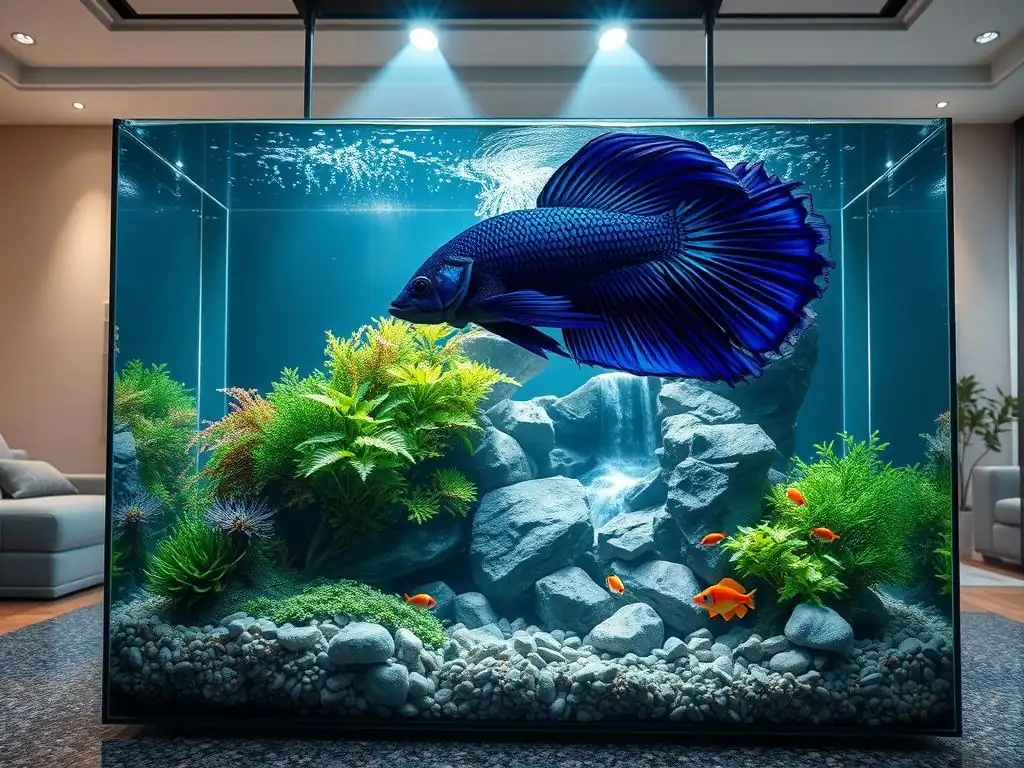
Welcome to Aquarium Mastery!
Ever wondered if your betta's vibrant colors are directly linked to the water they swim in? The answer might surprise you. Dive into our in-depth article exploring Betta fish water quality and unlock the secrets to a thriving, healthy betta. Discover how crucial water parameters impact your betta's well-being and what you can do to ensure optimal conditions. Intrigued? Let's get started and transform your aquarium into a betta paradise!
- Understanding Betta Fish and Their Environmental Needs
- Essential Water Quality Parameters for Betta Fish
- The Impact of Poor Water Quality on Betta Fish Health
- Maintaining Optimal Water Quality for Betta Fish
- Preventing Water Quality Issues in Your Betta Tank
- Addressing Existing Water Quality Problems in Betta Tanks
- Advanced Techniques for Maintaining Betta Fish Water Quality
- Conclusion: Prioritizing Betta Fish Water Quality for a Healthy Life.
-
Frequently Asked Questions
- How does poor water quality specifically affect Betta fish?
- What are the ideal water parameters for a healthy Betta fish aquarium?
- How often should I perform water changes to maintain good Betta fish water quality?
- What filtration methods are best for maintaining Betta fish water quality?
- What are some signs that my Betta fish's water quality is poor?
- Final Reflection: The Unseen Depths of Betta Wellbeing
- Nurture Your Betta: Unlock a Healthier Life!
Understanding Betta Fish and Their Environmental Needs
The Importance of Pristine Water for Betta Health
Maintaining pristine Betta fish water quality is the single most critical factor for their long-term health and vibrant appearance. Unlike many other fish, Bettas, or Siamese Fighting Fish ( Betta splendens), are often misunderstood as being able to thrive in small, unmaintained containers. This misconception leads to chronic stress, disease, and significantly shortened lifespans. Optimal water conditions directly impact their immune system, metabolic functions, and overall vitality, allowing them to display their stunning colors and natural behaviors.
Poor Betta fish water quality, conversely, is a silent killer. It leads to a compromised immune system, making the fish highly susceptible to common bacterial, fungal, and parasitic infections. Consistent exposure to even low levels of toxins can cause irreversible organ damage, stunted growth, and a dull, lethargic demeanor. Therefore, understanding and actively managing the aquatic environment is not merely a recommendation but an absolute necessity for any responsible Betta owner.
Natural Habitat vs. Aquarium Environment: Key Differences
To truly appreciate the need for meticulous Betta fish water quality in an aquarium, it's essential to compare it with their natural habitat. In the wild, Bettas inhabit shallow, slow-moving waters like rice paddies, floodplains, and canals across Southeast Asia, particularly Thailand and Cambodia. While these environments can sometimes have low oxygen levels and appear murky, they are vast, interconnected systems with a large volume of water per fish and constant, albeit slow, replenishment from rainfall and natural flow, which dilutes waste and toxins.
An aquarium, by contrast, is a closed system with a finite volume of water. Waste products from fish, uneaten food, and decaying plant matter rapidly accumulate, leading to a quick decline in Betta fish water quality without intervention. There is no natural flow to dilute pollutants, nor are there extensive natural filtration processes found in large ecosystems. This fundamental difference underscores why human intervention, through diligent maintenance and filtration, is paramount to replicate the essential aspects of their natural, albeit dynamic, water conditions.
Betta Fish Sensitivity to Water Parameters
Despite their reputation for resilience, Betta fish are remarkably sensitive to fluctuations and imbalances in water parameters. Their unique labyrinth organ allows them to breathe atmospheric oxygen, which enables survival in low-oxygen conditions, but it does not diminish their reliance on clean, stable water for proper gill function and overall health. Rapid changes in temperature, pH, or the presence of even trace amounts of toxins can induce severe physiological stress.
For instance, a sudden drop in temperature of just a few degrees Fahrenheit can shock a Betta, suppressing its immune system and making it vulnerable to diseases like Ich. Similarly, ammonia or nitrite levels as low as 0.25 ppm, which might be tolerated by some hardier fish, can cause immediate gill damage and acute stress in Bettas. Their small body mass means they are more quickly affected by environmental changes than larger fish, making consistent Betta fish water quality a non-negotiable aspect of their care.
Essential Water Quality Parameters for Betta Fish
Temperature: Maintaining the Ideal Range for Betta Comfort
Temperature is a cornerstone of optimal Betta fish water quality, directly influencing their metabolism, immune system, and activity levels. Betta fish thrive in tropical conditions, with an ideal water temperature range of 78-82°F (25.5-27.8°C). Maintaining this range consistently is crucial, as significant fluctuations can cause severe stress and lead to health issues. A reliable submersible heater with a thermostat is indispensable for achieving and maintaining this stability.
Deviations from this optimal range can have detrimental effects. Temperatures consistently below 76°F (24.4°C) can cause lethargy, suppress the Betta's immune system, and make them more susceptible to common ailments such as Ich (white spot disease). Conversely, temperatures above 82°F (27.8°C) can increase their metabolism, leading to faster aging, reduced oxygen levels in the water, and increased susceptibility to bacterial infections. Stable Betta fish water quality temperature is key to their long-term well-being.
pH Levels: Understanding Acidity and Alkalinity for Bettas
pH measures the acidity or alkalinity of the water, ranging from 0 (highly acidic) to 14 (highly alkaline), with 7 being neutral. For Betta fish, a slightly acidic to neutral pH range of 6.5-7.5 is generally considered ideal. While staying within this range is important, consistency is often more critical than hitting an exact number. Sudden or drastic pH swings are far more harmful than a stable pH slightly outside the "perfect" range.
Water with an inappropriate pH can interfere with a Betta's physiological processes, including osmoregulation (the balance of salts and water in their body) and enzyme activity. For example, if the pH is too low (acidic), it can lead to acidosis, causing gill damage and difficulty breathing. If the pH is too high (alkaline), it can increase the toxicity of ammonia, converting non-toxic ammonium into highly toxic ammonia, even if total ammonia levels seem low. Therefore, maintaining a stable Betta fish water quality pH is paramount.
How pH Affects Betta Fish Health and Well-being
The pH level directly impacts a Betta's ability to absorb nutrients, excrete waste, and maintain internal chemical balance. In water that is too acidic (below pH 6.5), Bettas may experience acidosis, which can damage their delicate gill membranes, making respiration difficult and leading to increased mucus production. This stress can manifest as clamped fins, lethargy, and a higher susceptibility to fungal infections, as their natural slime coat is compromised.
Conversely, water that is too alkaline (above pH 7.5) can also be detrimental. High pH levels increase the toxicity of ammonia, a common waste product, by converting it into its more harmful un-ionized form (NH3). This can lead to ammonia poisoning, even at seemingly low total ammonia concentrations, causing severe gill burns, internal organ damage, and ultimately death. Furthermore, high pH can interfere with the absorption of essential minerals, impacting bone and fin health. Stable Betta fish water quality pH ensures optimal physiological function and reduces stress.
Ammonia, Nitrite, and Nitrate: The Nitrogen Cycle Explained
Ammonia (NH3/NH4+), nitrite (NO2-), and nitrate (NO3-) are the primary byproducts of the nitrogen cycle in an aquarium, originating from fish waste, uneaten food, and decaying organic matter. Ammonia is highly toxic to fish, even in minute quantities. Nitrite, while slightly less toxic than ammonia, is still extremely dangerous. Nitrate is the least toxic of the three but can still cause chronic stress and health issues if allowed to accumulate in high concentrations. Understanding and managing these compounds is fundamental to maintaining healthy Betta fish water quality.
The nitrogen cycle is the biological process by which beneficial bacteria convert these harmful compounds into less toxic forms. This cycle is the backbone of a healthy aquarium ecosystem. Without a properly established nitrogen cycle, an aquarium quickly becomes toxic, leading to severe health problems or death for the inhabitants. Therefore, allowing this bacterial colonization to occur and flourish is a critical step before introducing any Betta fish.
The Nitrogen Cycle in a Betta Tank: Step-by-Step
The nitrogen cycle begins with the production of ammonia (NH3), primarily from fish waste and decaying organic matter. This highly toxic compound is then consumed by a specific group of beneficial bacteria, primarily Nitrosomonas species, which convert the ammonia into nitrite (NO2-). This first step of the cycle is crucial, as it transforms the most dangerous substance into a still harmful, but chemically different, compound.
Following this, a second group of beneficial bacteria, mainly Nitrobacter species, takes over. These bacteria convert the nitrite into nitrate (NO3-), which is significantly less toxic to fish. While nitrate is not harmless in high concentrations, it is much safer than ammonia or nitrite. Nitrate accumulates in the tank and is primarily removed through regular partial water changes or uptake by live aquatic plants. A fully cycled tank, essential for pristine Betta fish water quality, will show 0 ppm ammonia, 0 ppm nitrite, and some measurable nitrate.
Why Ammonia and Nitrite are Toxic to Betta Fish
Ammonia is profoundly toxic to Betta fish, even at levels as low as 0.25 ppm. It directly damages and burns the delicate gill tissues, impairing the fish's ability to absorb oxygen from the water. This leads to respiratory distress, often seen as rapid gill movement or gasping at the surface, and eventually internal organ damage. Chronic exposure, even to sub-lethal levels, compromises the immune system and can lead to organ failure.
Nitrite is also highly dangerous, though its mechanism of toxicity differs. Nitrite enters the Betta's bloodstream through the gills and binds with hemoglobin, forming methemoglobin. This process, often referred to as "brown blood disease," prevents the blood from carrying oxygen effectively, leading to internal suffocation even in oxygen-rich water. Symptoms include lethargy, gasping, and discolored gills. Both ammonia and nitrite must be kept at 0 ppm for optimal Betta fish water quality.
Managing Nitrate Levels for Optimal Betta Health
While nitrate (NO3-) is the end product of the nitrogen cycle and far less toxic than ammonia or nitrite, it is not entirely harmless. High concentrations of nitrate can still cause chronic stress, suppress the Betta's immune system, inhibit growth, and lead to dull coloration. For Betta fish, nitrate levels should ideally be kept below 20 ppm, with many aquarists aiming for under 10 ppm for optimal health. Regular monitoring with a liquid test kit is essential to track these levels.
The primary method for managing nitrate accumulation is consistent, partial water changes. For example, a weekly 25-30% water change in a 5-gallon Betta tank effectively dilutes accumulated nitrates. Live aquatic plants also play a significant role in nitrate reduction, as they absorb nitrates as a nutrient for growth. A heavily planted tank can significantly reduce nitrate buildup, contributing to stable Betta fish water quality.
Water Hardness (GH and KH): Its Impact on Betta Fish
Water hardness is measured in two main ways: General Hardness (GH) and Carbonate Hardness (KH). GH refers to the concentration of dissolved mineral ions, primarily calcium and magnesium, and impacts a fish's osmoregulation and overall health. For Betta fish, a soft to moderately hard GH range of 3-8 dGH (degrees of General Hardness) or 50-150 ppm is generally suitable. Water that is too hard or too soft can stress the fish.
KH, or Carbonate Hardness, is often referred to as alkalinity and represents the water's buffering capacity – its ability to resist sudden changes in pH. A stable KH level (e.g., 3-5 dKH or 50-90 ppm) is crucial for preventing dangerous pH swings in a Betta tank. Without adequate KH, the pH can crash rapidly, especially in tanks with biological filtration that produces nitric acid, leading to severe stress or death. Therefore, monitoring both GH and KH is vital for comprehensive Betta fish water quality management.
The Impact of Poor Water Quality on Betta Fish Health
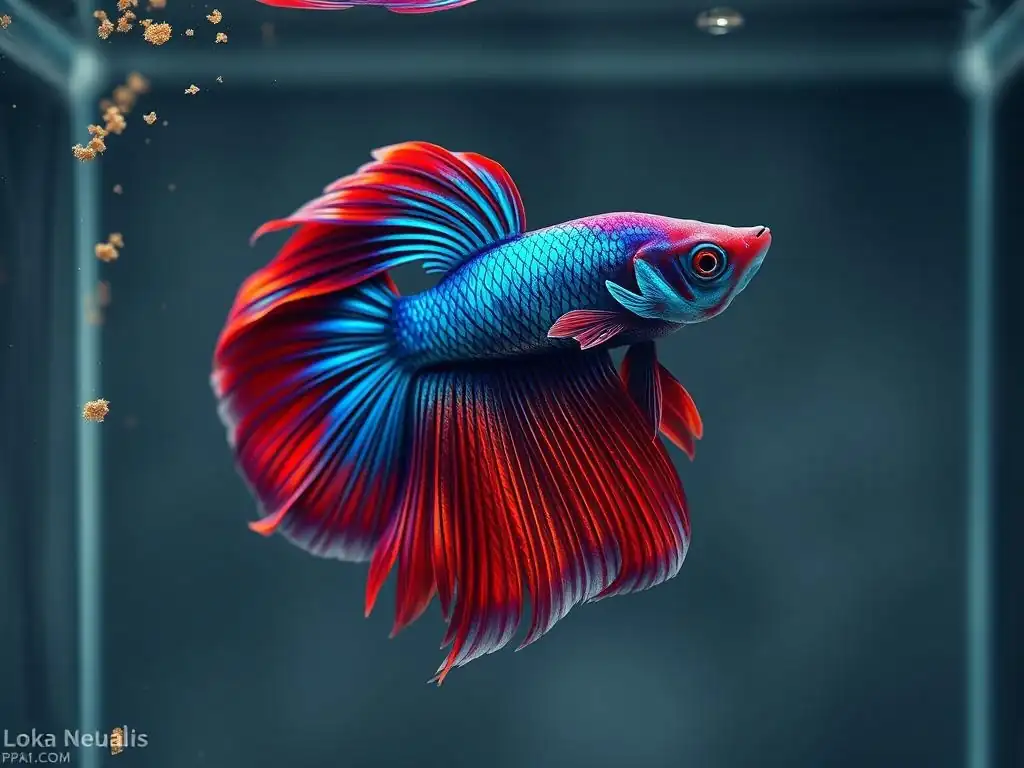
Common Diseases Linked to Poor Water Quality
Poor Betta fish water quality is a leading cause of stress and disease, as it directly compromises the fish's immune system. When a Betta is constantly exposed to suboptimal conditions, its natural defenses are weakened, making it highly susceptible to opportunistic bacterial, fungal, and parasitic infections that might otherwise be harmless. Many common Betta ailments are direct indicators of underlying water quality issues.
These diseases not only cause visible symptoms but also contribute to internal damage and chronic discomfort for the fish. Addressing the root cause – the poor water quality – is often the most effective, and sometimes the only, way to successfully treat these conditions and prevent their recurrence. Without improvement in Betta fish water quality, even aggressive medication may only offer temporary relief.
Fin Rot: A Bacterial Infection Triggered by Unclean Water
Fin Rot is one of the most common bacterial infections affecting Betta fish, almost invariably triggered by poor Betta fish water quality. It is caused by opportunistic bacteria, often Aeromonas or Pseudomonas species, which are naturally present in the aquarium but only become pathogenic when the fish is stressed or its immune system is weakened. Symptoms include the edges of the fins appearing frayed, ragged, or disintegrating, often with a white or reddish inflamed rim.
Prevention is the best cure for Fin Rot, which means maintaining consistently pristine Betta fish water quality with zero ammonia and nitrite, and low nitrates. If Fin Rot occurs, the first and most crucial step is to perform several large (e.g., 50%) water changes over a few days to drastically improve the water conditions. In mild cases, clean water alone can facilitate recovery. More severe cases may require broad-spectrum antibacterial medications, but these should always be accompanied by rigorous water quality management.
Ich (White Spot Disease): A Parasitic Infestation Linked to Stress
Ich, or White Spot Disease, is a highly contagious parasitic infection caused by Ichthyophthirius multifiliis. While the parasite is often present in aquariums, a Betta fish's immune system typically keeps it at bay. However, stress – frequently induced by fluctuating temperatures, sudden pH changes, or, most commonly, poor Betta fish water quality – weakens the fish's defenses, allowing the parasite to multiply rapidly. The most recognizable symptom is the appearance of small, white, salt-grain-like spots on the fish's body and fins.
Ich is highly treatable, but swift action is necessary. Treatment typically involves slowly raising the tank temperature (within the Betta's safe range, e.g., to 82-84°F / 27.8-28.9°C) to speed up the parasite's life cycle, combined with the use of specific Ich medications. Salt baths can also be effective. Crucially, addressing the underlying stressor, particularly rectifying any issues with Betta fish water quality, is paramount to prevent re-infestation after treatment.
Dropsy: A Sign of Internal Issues Often Caused by Poor Conditions
Dropsy is not a disease in itself but rather a symptom of severe internal organ failure, most commonly kidney or liver dysfunction. It is characterized by a swollen body and scales that protrude outwards, giving the fish a "pinecone" appearance. While various factors can contribute to Dropsy, chronic stress caused by prolonged exposure to poor Betta fish water quality is a significant underlying cause, weakening the fish's organs and making them susceptible to bacterial infections that lead to fluid accumulation.
Dropsy often has a poor prognosis, and by the time symptoms are visible, the internal damage is usually extensive. Treatment can involve antibiotics if a bacterial infection is suspected, often administered in a medicated food or bath. However, the most effective approach is prevention: consistently maintaining excellent Betta fish water quality, providing a nutritious diet, and ensuring a stress-free environment. This proactive care vastly reduces the likelihood of this severe condition.
Stress in Betta Fish: The Silent Killer
Chronic stress is arguably the most insidious "killer" of Betta fish, as it silently undermines their health without immediate, dramatic symptoms. Unlike acute poisoning from high ammonia, chronic stress gradually weakens the fish's immune system, making it vulnerable to nearly every pathogen it encounters. This constant state of physiological strain diverts energy from growth, healing, and disease resistance, leading to a diminished quality of life and a significantly shortened lifespan.
Poor Betta fish water quality is a primary and constant source of stress. Exposure to even low levels of ammonia or nitrite, fluctuating temperatures, or unstable pH creates a perpetually irritating and harmful environment. Imagine living in a room with constantly irritating fumes or wildly swinging temperatures – this is what poor water conditions feel like to a Betta. Addressing water quality issues is the most effective way to alleviate this chronic stress and allow the Betta's natural defenses to function properly.
How Poor Water Quality Leads to Betta Stress
Poor Betta fish water quality directly and indirectly leads to high stress levels in these sensitive fish. Direct irritants include ammonia and nitrite, which burn and damage their delicate gills, causing constant discomfort and impairing oxygen uptake. Incorrect pH levels can disrupt their internal physiological balance, leading to issues with osmoregulation and enzyme function. Similarly, unstable temperatures force the Betta to constantly adjust its metabolism, draining its energy reserves.
Indirectly, poor water quality can lead to a host of secondary issues that contribute to stress. High organic loads can deplete oxygen levels, forcing the Betta to gulp air more frequently, a behavior that indicates distress. The presence of parasites and bacteria, which thrive in unclean water, further adds to the physiological burden. All these factors combine to create a perpetually stressful environment, leading to a compromised immune system and increased susceptibility to disease, fundamentally impacting Betta fish water quality and health.
Signs of Stress in Betta Fish: Observation is Key
Observing your Betta fish regularly is crucial for early detection of stress, which often signals underlying Betta fish water quality problems. Behavioral signs of stress include lethargy, where the fish spends most of its time resting at the bottom or top of the tank, or hiding excessively. Clamped fins, where the fins are held close to the body rather than fanned out, are another common indicator. Loss of appetite, rapid gill movement (even in seemingly oxygenated water), and rubbing against tank decorations (flashing) also suggest discomfort.
Physical signs of stress can also become apparent. Dull or faded coloration, loss of vibrancy, or the appearance of horizontal "stress stripes" (though these can also be natural in some Bettas) are visual cues. Minor fin damage, such as small tears or ragged edges, can occur from stress-induced nipping or increased fragility. Any combination of these symptoms should prompt an immediate check of Betta fish water quality parameters.
Maintaining Optimal Water Quality for Betta Fish
Regular Water Changes: The Cornerstone of Betta Care
Regular partial water changes are the single most important practice for maintaining optimal Betta fish water quality. They effectively remove accumulated nitrates, phosphates, and other dissolved organic compounds that filtration alone cannot fully eliminate. Water changes also replenish essential trace minerals and electrolytes that are utilized by the fish and plants or become depleted over time, contributing to overall water stability and health.
Think of it as flushing the system and bringing in fresh air. For a typical 5-gallon Betta tank, a 25-30% weekly water change is a widely recommended baseline. For smaller tanks (e.g., 2.5 gallons), more frequent or larger changes (e.g., 50% twice a week) may be necessary due to the faster accumulation of waste in a smaller volume of water. Consistency is key; sporadic large changes are more stressful than regular, smaller ones in maintaining Betta fish water quality.
How Often Should You Change the Water in a Betta Tank?
The frequency and volume of water changes for a Betta tank depend primarily on the tank size, stocking level, and filtration efficiency. For a single Betta in a standard 5-gallon tank, a weekly 25-30% water change is generally recommended. This routine ensures that nitrate levels remain low (ideally below 20 ppm) and that essential minerals are replenished without causing significant stress to the fish.
For smaller tanks, such as a 2.5-gallon setup, waste accumulates much faster. In these cases, a 50% water change twice a week, or even daily small changes of 10-20%, might be necessary to maintain acceptable Betta fish water quality. Conversely, a larger, well-established 10-gallon tank with a single Betta and live plants might be able to stretch to a 20-25% change every 10-14 days, though weekly remains the safest best practice. Regular water testing will provide the most accurate guidance for your specific setup.
The Best Methods for Performing Water Changes
Performing water changes correctly minimizes stress for your Betta and maximizes the benefit to Betta fish water quality. Always use a gravel vacuum to siphon out the old water, simultaneously removing accumulated detritus and uneaten food from the substrate. Aim to remove about 25-30% of the tank's volume for a weekly change.
When adding new water, ensure it is dechlorinated with a high-quality water conditioner and, crucially, that its temperature matches the tank water as closely as possible, ideally within 1-2°F (0.5-1°C). Pour the new water in slowly to avoid startling the fish or disturbing the substrate excessively. Never remove the Betta from the tank during a routine water change, as this causes unnecessary stress. Performing this process gently and attentively will ensure consistent Betta fish water quality.
Filtration: Choosing the Right Filter for Your Betta Tank
Filtration is a vital component of maintaining excellent Betta fish water quality, providing mechanical, chemical, and biological purification. Mechanical filtration removes physical debris like uneaten food and waste. Chemical filtration (e.g., activated carbon) removes dissolved impurities and odors. Most importantly, biological filtration provides a surface area for beneficial bacteria to colonize, which are essential for processing toxic ammonia and nitrite in the nitrogen cycle.
When selecting a filter for a Betta tank, the most critical consideration is the flow rate. Betta fish have large, flowing fins that can be easily damaged or stressed by strong currents. Therefore, choose a filter with an adjustable or gentle flow. Over-filtration (having a filter rated for a larger tank) is often beneficial, provided the flow can be adequately reduced or baffled to suit the Betta.
Types of Filters Suitable for Betta Fish
Several types of filters are suitable for Betta tanks, each offering unique advantages for maintaining Betta fish water quality. Sponge filters are an excellent choice for smaller Betta tanks (up to 10 gallons) due to their extremely gentle flow, large surface area for biological filtration, and low cost. They are powered by an air pump, creating a soft bubbling action that is ideal for Bettas.
Hang-on-back (HOB) filters are also popular and effective for Betta tanks (5 gallons and up), offering robust mechanical, chemical, and biological filtration. However, their outflow can often be too strong for Bettas. This can be easily remedied by baffling the output with a pre-filter sponge, a plastic bottle cut-out, or by directing the flow against the tank wall. Small internal filters with adjustable flow rates are another viable option, particularly for tanks between 2.5 and 5 gallons.
Filter Maintenance: Keeping Your Filter Running Efficiently
Proper filter maintenance is essential to ensure it continues to contribute positively to Betta fish water quality. The most important rule is to never clean filter media (especially biological media like ceramic rings or sponges) under chlorinated tap water, as this will kill the beneficial bacteria vital for the nitrogen cycle. Instead, gently rinse mechanical media (like filter floss or sponges) in a bucket of old tank water that has been siphoned out during a water change.
Mechanical media should be cleaned or replaced regularly (e.g., monthly for sponges, every 2-4 weeks for filter floss, depending on debris). Chemical media, such as activated carbon, typically loses its effectiveness after 2-4 weeks and should be replaced. Biological media should only be rinsed if heavily clogged and rarely, if ever, replaced. Consistent maintenance ensures your filter efficiently supports healthy Betta fish water quality.
Water Testing: Monitoring Key Water Parameters
Regular water testing is an indispensable practice for any Betta owner, as it is the only way to truly understand the chemical composition of your Betta fish water quality. Visual inspection alone is insufficient; crystal-clear water can still harbor deadly levels of ammonia or nitrite. Testing allows you to identify problems before they become critical and to track the stability of your tank's ecosystem.
For a new tank, daily or every-other-day testing for ammonia, nitrite, and nitrate is crucial during the cycling process. Once the tank is fully cycled (0 ppm ammonia, 0 ppm nitrite), weekly testing for these parameters, along with pH, is recommended. Test whenever your Betta shows signs of stress or illness, as water quality issues are often the root cause. Consistent monitoring provides invaluable insights into your Betta fish water quality.
Using Water Test Kits: A Step-by-Step Guide
For accurate assessment of Betta fish water quality, liquid reagent test kits (such as the API Freshwater Master Test Kit) are highly recommended over test strips. Liquid kits provide more precise and reliable readings for key parameters like ammonia, nitrite, nitrate, and pH. While test strips offer convenience, their accuracy can be variable. It's also beneficial to have tests for GH (General Hardness) and KH (Carbonate Hardness) for a comprehensive understanding.
To use a liquid test kit, simply collect a water sample from your tank into the provided test tubes. Add the specified number of drops of the reagent(s) according to the kit's instructions. Shake the tube thoroughly and wait the recommended time (usually 5-10 minutes) for the color to develop. Finally, compare the resulting color to the color chart provided with the kit to determine the level of each parameter. Always follow the specific instructions for your chosen kit to ensure accurate Betta fish water quality readings.
Interpreting Water Test Results: Knowing What to Look For
Interpreting your water test results correctly is crucial for maintaining optimal Betta fish water quality. The ideal readings for a healthy Betta tank are:
- Ammonia (NH3/NH4+): 0 ppm. Any detectable amount (even 0.25 ppm) is toxic and requires immediate attention.
- Nitrite (NO2-): 0 ppm. Like ammonia, any detectable level is harmful.
- Nitrate (NO3-): Ideally below 20 ppm, and certainly below 40 ppm. High nitrates indicate insufficient water changes or too high a bioload.
- pH: Stable between 6.5 and 7.5. Consistency is more important than hitting an exact number.
- Temperature: Stable between 78-82°F (25.5-27.8°C).
- GH (General Hardness): 3-8 dGH (50-150 ppm) is generally suitable.
- KH (Carbonate Hardness): 3-5 dKH (50-90 ppm) helps buffer pH.
If ammonia or nitrite are detected, perform an immediate partial water change (e.g., 50%). If nitrates are consistently high, increase the frequency or volume of your water changes. Deviations in pH or temperature also require investigation and correction to restore stable Betta fish water quality.
Water Conditioners: Neutralizing Harmful Substances
Tap water, while safe for human consumption, is typically not safe for fish without treatment. It contains chlorine and/or chloramine, which are disinfectants highly toxic to fish, damaging their gills and mucous membranes. Many tap water sources also contain heavy metals that can be harmful. Water conditioners, also known as dechlorinators, are essential for neutralizing these harmful substances, making tap water safe for your Betta fish.
Always use a high-quality water conditioner with every water change. Some advanced conditioners not only remove chlorine/chloramine but also detoxify ammonia and nitrite temporarily, or provide a protective slime coat for your fish. This added protection can be invaluable, especially during emergencies or when establishing a new tank. Using a reliable conditioner is a non-negotiable step in ensuring safe Betta fish water quality.
Dechlorinators: Removing Chlorine and Chloramine
Chlorine is a powerful oxidizer used in municipal water supplies to kill bacteria, but it is equally lethal to the beneficial bacteria in your aquarium's filter and directly toxic to fish. Chloramine, a more stable compound of chlorine and ammonia, is also commonly used and requires a specific type of dechlorinator to break its bond and neutralize both components. Failure to remove these chemicals will result in immediate gill damage, severe stress, and likely death for your Betta.
It is absolutely crucial to add the appropriate dose of dechlorinator to any new tap water before it enters your Betta tank. Never add untreated tap water directly to the aquarium. Even small amounts of chlorine can cause significant harm. Always follow the dosage instructions on your chosen water conditioner precisely to ensure complete neutralization and maintain safe Betta fish water quality.
Ammonia Detoxifiers: A Temporary Solution for High Ammonia Levels
Ammonia detoxifiers are a type of water conditioner that can temporarily bind or neutralize ammonia (and sometimes nitrite) into a less toxic form. They are not a substitute for proper cycling or regular water changes, but they can be invaluable tools in emergency situations, such as unexpected ammonia spikes in an established tank or during the initial cycling phase of a new aquarium to protect the fish.
These products work by converting toxic free ammonia (NH3) into non-toxic ammonium (NH4+), which is still available for beneficial bacteria to process. This provides a temporary reprieve, buying you time to address the underlying cause of the ammonia spike, such as performing a large water change or ensuring your biological filter is functioning correctly. While useful, they should always be seen as a band-aid solution, not a permanent fix, for persistent Betta fish water quality issues.
Preventing Water Quality Issues in Your Betta Tank
Choosing the Right Substrate: Avoiding Ammonia Traps
The choice of substrate can significantly impact Betta fish water quality. Fine gravel or sand are generally good choices for Betta tanks. They allow for easy cleaning and prevent large food particles or waste from settling deep within, where they can decompose anaerobically (without oxygen) and produce toxic gases like hydrogen sulfide, in addition to ammonia.
Avoid very coarse gravel with large gaps, as uneaten food and fish waste can fall into these spaces, becoming trapped and decaying out of sight. This hidden organic matter can contribute to elevated ammonia levels and overall poor water quality. Regardless of the substrate type, regular gravel vacuuming during water changes is essential to remove accumulated detritus and prevent it from becoming an "ammonia trap," thus preserving Betta fish water quality.
Avoiding Overfeeding: A Major Contributor to Poor Water Quality
Overfeeding is one of the most common mistakes made by new aquarists and a primary contributor to poor Betta fish water quality. Any food that is not consumed by the fish will sink to the bottom and begin to decompose rapidly. This decaying organic matter directly releases ammonia into the water, spiking toxin levels. Furthermore, excess food can lead to bacterial blooms, deplete oxygen, and fuel unsightly algae growth.
Bettas have small stomachs, roughly the size of their eye. They should be fed small amounts, 1-2 times daily, only what they can consume completely within 2-3 minutes. Any uneaten food should be promptly removed with a net or siphon to prevent it from decaying. Feeding appropriately sized portions is a simple yet highly effective way to prevent water quality issues and maintain optimal Betta fish water quality.
Monitoring Tank Mates: Ensuring Compatibility and Water Quality
While Betta fish are often kept alone due to their aggressive nature towards other Bettas, some peaceful, small tank mates can coexist in larger tanks (e.g., 10 gallons or more). However, introducing any additional fish or invertebrates significantly increases the bioload – the amount of waste produced in the tank. More waste means a greater challenge in maintaining stable Betta fish water quality.
If you choose to add tank mates, ensure they are truly compatible, peaceful, and do not add an excessive amount of waste. Small, bottom-dwelling species like Mystery Snails, Nerite Snails, or certain types of peaceful, small tetras (in appropriate tank sizes) are often considered. Overcrowding, regardless of species, will quickly lead to overwhelmed filtration, rising toxins, and a rapid decline in Betta fish water quality.
The Importance of Live Plants for Water Quality in Betta Tanks
Live aquatic plants are not merely aesthetic additions to a Betta tank; they play a crucial role in maintaining excellent Betta fish water quality. Plants act as natural filters, absorbing nitrates, phosphates, and other dissolved organic compounds that can contribute to algae growth and overall water pollution. This process helps to keep nitrate levels low and reduces the frequency of needing large water changes.
Beyond filtration, live plants also contribute to a more stable and oxygenated environment. During the day, they perform photosynthesis, releasing oxygen into the water. They also provide natural hiding spots and enrichment for the Betta, reducing stress and mimicking their natural habitat. A well-planted tank creates a more robust and self-sustaining ecosystem that significantly enhances Betta fish water quality.
Choosing the Right Plants for Betta Aquariums
When selecting live plants for a Betta aquarium, focus on hardy, low-light, and easy-care species that thrive in typical Betta tank conditions. Good choices include:
- Anubias species: Very hardy, slow-growing, can be attached to driftwood or rocks.
- Java Fern (Microsorum pteropus): Similar to Anubias, easy to care for, attaches to decor.
- Hornwort (Ceratophyllum demersum): Fast-growing, excellent nitrate absorber, can be floated or planted.
- Amazon Sword (Echinodorus amazonicus): Larger plant, good for background, needs nutrient-rich substrate.
- Cryptocoryne species: Slower growing, but very hardy once established.
- Floating plants: Such as Frogbit ( Limnobium laevigatum) or Dwarf Water Lettuce ( Pistia stratiotes), provide shade (which Bettas love) and are excellent at absorbing nitrates from the water column.
Ensure any new plants are healthy and free of pests. Avoid decaying plant matter in the tank, as it will negate the benefits and worsen Betta fish water quality.
Addressing Existing Water Quality Problems in Betta Tanks
Identifying the Source of the Problem: A Troubleshooting Guide
When Betta fish water quality issues arise, the first step is always to identify the specific problem and its likely source. Start by performing a full set of water tests for ammonia, nitrite, nitrate, and pH.
- High Ammonia/Nitrite: If detected in a new tank, it indicates an uncycled or partially cycled tank. In an established tank, it could mean overfeeding, a dead fish, decaying plant matter, filter malfunction (e.g., dead beneficial bacteria from tap water cleaning), or an overcrowded tank.
- High Nitrate: Typically points to insufficient water changes or too heavy a bioload.
- Unstable pH: Could be due to low KH (buffering capacity), too much organic decomposition, or adding water with a significantly different pH.
Once the specific parameter issue is identified, assess your tank maintenance routine, feeding habits, and equipment functionality to pinpoint the root cause. This systematic approach is crucial for effectively restoring Betta fish water quality.
Emergency Water Changes: A Quick Fix for Crisis Situations
In situations of acute Betta fish water quality crisis, such as a sudden spike in ammonia or nitrite, or extreme pH fluctuations, an emergency water change is the most immediate and effective course of action. For severe spikes, perform a large (e.g., 50-75%) water change immediately. Ensure the new water is thoroughly dechlorinated and temperature-matched to minimize additional stress.
This drastic measure rapidly dilutes the concentration of toxins, providing immediate relief to your Betta. After the initial large change, continue with smaller (e.g., 25-30%) daily or every-other-day water changes until the water parameters stabilize and return to safe levels (0 ppm ammonia, 0 ppm nitrite). While emergency water changes offer a quick fix, they do not replace the need to identify and address the underlying cause of the Betta fish water quality issue.
Using Medications Wisely: Treating Ailments Caused by Poor Water
When Betta fish fall ill due to poor water quality, the primary treatment should always be to rectify the water parameters first. Many common ailments, such as Fin Rot, will often begin to heal on their own once the Betta fish water quality is restored to pristine conditions, as the fish's immune system can then recover. Medications should be considered a last resort, used only if the condition does not improve with clean water or is clearly severe.
If medication is deemed necessary, use it wisely. Always read and follow the product instructions meticulously, paying close attention to dosage and duration. It is often preferable to treat sick fish in a separate "quarantine tank" to avoid affecting the main tank's beneficial bacteria or medicating healthy fish unnecessarily. Medications can sometimes harm beneficial bacteria, potentially worsening Betta fish water quality in the long run if not used carefully.
Quarantine Tank Setup: Isolating Sick Fish
A quarantine tank is an invaluable tool for any serious aquarist and is particularly useful when addressing Betta fish water quality problems and subsequent illnesses. A basic quarantine tank can be a simple 2.5-5 gallon tank equipped with a heater, a small sponge filter (to maintain biological filtration), and an air pump. It requires no substrate or elaborate decorations, perhaps just a small PVC pipe or plant for a hiding spot.
The purpose of a quarantine tank is threefold:
- To observe and treat new fish: This prevents introducing diseases from new arrivals into your main display tank.
- To treat sick fish: It allows for focused medication without affecting the main tank's water parameters or beneficial bacteria, and without medicating healthy fish.
- To allow the main tank to recover: If the main tank's Betta fish water quality has crashed, the Betta can be temporarily moved to the quarantine tank while the main tank is re-cycled or stabilized.
This isolation minimizes stress for the sick fish and protects the health of your entire aquatic community.
Advanced Techniques for Maintaining Betta Fish Water Quality
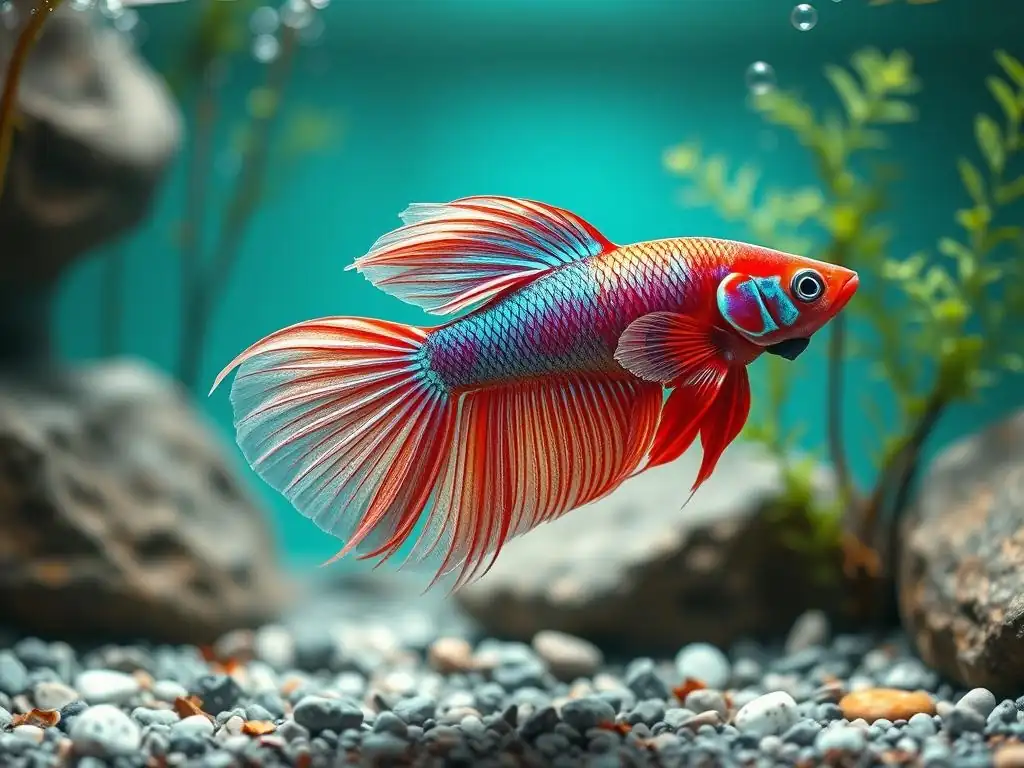
Using RO/DI Water: Achieving Optimal Purity
For aquarists seeking ultimate control over their Betta fish water quality, using Reverse Osmosis (RO) and Deionization (DI) water is an advanced technique. RO/DI systems filter tap water through multiple stages, effectively removing almost all dissolved solids, contaminants, chlorine, chloramine, nitrates, phosphates, and heavy metals. This results in water that is virtually pure, providing a "blank slate" from which to build your desired water parameters.
While RO/DI water offers unparalleled purity, it is essential to re-mineralize it before adding it to a Betta tank. Pure RO/DI water lacks the essential minerals (like calcium and magnesium, which contribute to GH) and buffering capacity (KH) that fish need for osmoregulation and overall health. Specific re-mineralizing products (e.g., Seachem Equilibrium, Salty Shrimp GH/KH+) can be added to achieve the perfect GH and KH levels suitable for Betta fish, allowing for precise control over Betta fish water quality.
Maintaining a Planted Tank: A Natural Filtration System
Maintaining a densely planted Betta tank goes beyond aesthetics; it creates a dynamic, natural filtration system that significantly enhances Betta fish water quality. Live aquatic plants actively absorb nitrates, phosphates, and other excess nutrients from the water column, effectively competing with algae and reducing the buildup of these compounds. This natural nutrient uptake helps to keep the water cleaner and more stable.
Furthermore, a thriving planted tank contributes to a stable ecosystem by providing oxygen during the day and offering extensive surface area for beneficial bacteria to colonize, supplementing the biological filtration provided by your filter. While a planted tank does not eliminate the need for water changes, it can reduce the frequency or volume required by maintaining lower nitrate levels, contributing to a more resilient and naturally balanced Betta fish water quality.
The Benefits of a Sump System for Betta Tanks
While less common for typical Betta setups due to the small size of most Betta tanks, a sump system represents an advanced filtration solution that offers significant benefits for maintaining superior Betta fish water quality in larger, more elaborate Betta habitats (e.g., community tanks of 20 gallons or more featuring Bettas). A sump is an external reservoir, typically located beneath the main display tank, that houses additional filtration media, heaters, and pumps.
The primary benefits of a sump include:
- Increased Water Volume: A sump adds considerable water volume to the overall system, which helps to dilute toxins and stabilize water parameters.
- Massive Filtration Capacity: Sumps can hold a much larger quantity and variety of mechanical, chemical, and biological filter media than internal or HOB filters, leading to exceptionally efficient filtration.
- Equipment Hiding: Heaters, protein skimmers (for saltwater, but sumps are adaptable), and pumps can be hidden in the sump, keeping the display tank clutter-free.
- Stable Parameters: The large water volume and robust filtration contribute to highly stable Betta fish water quality, reducing fluctuations in temperature and chemistry.
For dedicated aquarists with larger Betta community tanks, a well-designed sump can provide unparalleled stability and pristine water conditions.
Conclusion: Prioritizing Betta Fish Water Quality for a Healthy Life.
Frequently Asked Questions
How does poor water quality specifically affect Betta fish?
Poor water quality leads to increased stress levels in Betta fish, making them susceptible to diseases like fin rot. High levels of ammonia and nitrites are toxic and can cause burns and even death.
What are the ideal water parameters for a healthy Betta fish aquarium?
Ideally, Betta fish thrive in water with a pH of around 6.5-7.5, a temperature of 78-82°F (25-28°C), and zero ammonia and nitrite. Regular testing with a water test kit is essential.
How often should I perform water changes to maintain good Betta fish water quality?
A 25-50% water change should be performed weekly to maintain optimal water quality, depending on tank size and bioload. This helps to remove accumulated nitrates and replenish essential minerals.
What filtration methods are best for maintaining Betta fish water quality?
Sponge filters are gentle and effective for Betta tanks, providing biological filtration without creating strong currents. Avoid filters with high flow rates that can stress Bettas.
What are some signs that my Betta fish's water quality is poor?
Signs include lethargy, clamped fins, loss of appetite, and visible signs of illness like fin rot or Ich. Regularly testing the water is the most reliable way to detect issues early.
Final Reflection: The Unseen Depths of Betta Wellbeing
The intricate connection between Betta fish water quality and their overall health, as explored in this article, transcends mere aquarium maintenance; it speaks to our responsibility as caretakers to provide environments that nurture life. The health and vibrancy of these captivating creatures are inextricably linked to the unseen world within their tanks, a world we must strive to understand and protect.
This understanding extends beyond the individual Betta and ripples outwards, influencing our perception of animal welfare and responsible pet ownership. The dedication to maintaining optimal water parameters reflects a deeper commitment to the well-being of a living being, fostering empathy and a sense of interconnectedness. The greatness of a nation and its moral progress can be judged by the way its animals are treated.
- Mahatma Gandhi. This quote resonates deeply when considering the delicate balance we must maintain for these aquatic companions.
Now, consider the lessons learned. Reflect on the power you hold to shape the lives of these beautiful creatures. Take the knowledge gained from this deep dive into Betta fish water quality and apply it not only to your own aquarium, but also to your understanding of the delicate ecosystems that surround us. Let us all strive to be more conscious and compassionate stewards of the aquatic world, ensuring a healthier and more vibrant future for all its inhabitants.
Nurture Your Betta: Unlock a Healthier Life!
Thank you for exploring the vital connection between water quality and your Betta's well-being. Now that you're equipped with this knowledge, let's translate it into action for a thriving aquatic companion.
Here are some steps you can take right now:
- Test your Betta tank's water parameters today using a reliable testing kit. Don't delay, pristine water is the cornerstone of Betta health!
- Join the Aquarium Mastery community forum and share your water testing results. Let's learn and troubleshoot together!
- Discover one new plant species that naturally aids in water purification and consider adding it to your Betta's environment.
What specific water parameter will you prioritize improving in your Betta's tank this week, and why?