
Live Plants in Tetra Fry Rearing: Beyond Aesthetics with Aquarium Mastery

Welcome to Aquarium Mastery!
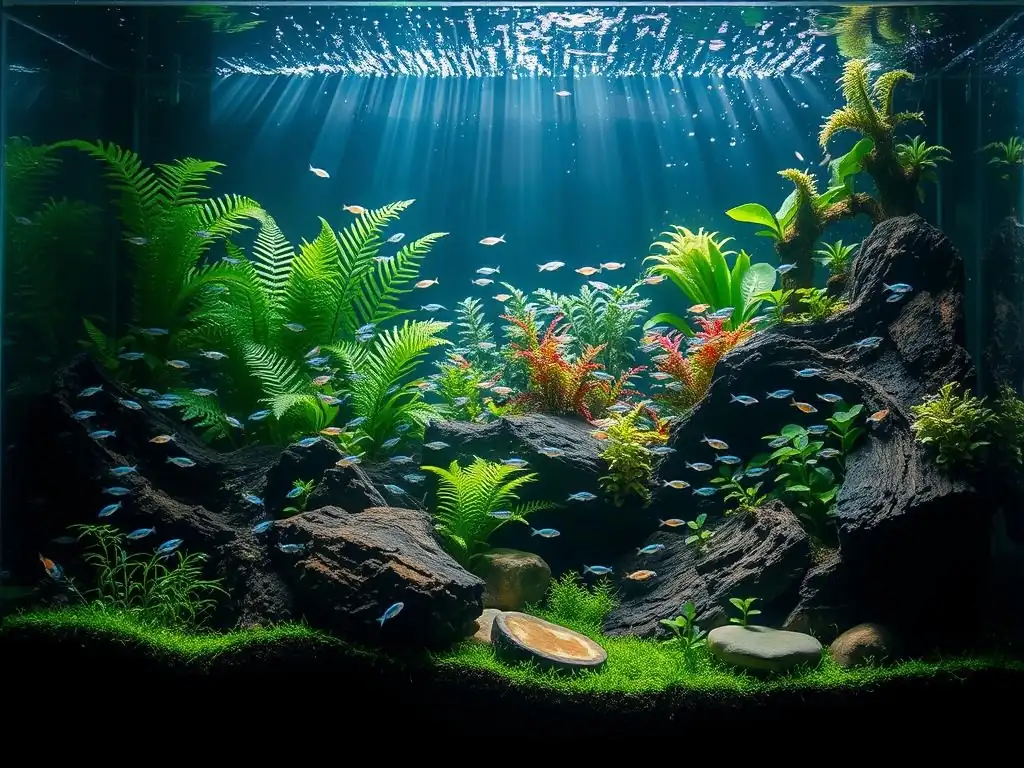
Ever wondered how to give your precious Tetra fry the best possible start in life, going beyond just the basics? Dive in and discover the secrets of Tetra fry plant care! We'll explore how the right plants can transform your rearing tank from a simple holding space to a thriving, miniature ecosystem – boosting survival rates and creating a healthier environment for your little ones. Curious to learn more? Let's unlock the secrets to a flourishing Tetra fry nursery...
- Introduction to Tetra Fry Plant Care for Successful Rearing
- Why Choose Live Plants for Your Tetra Fry Tank?
- Selecting the Right Plants for Tetra Fry: A Comprehensive Guide
- Setting Up a Planted Tetra Fry Tank: Step-by-Step Instructions
- Maintaining a Planted Tetra Fry Tank: Essential Care Tips
- Feeding Tetra Fry in a Planted Tank: A Balanced Approach
- Troubleshooting Common Issues in Planted Tetra Fry Tanks
- The Long-Term Benefits of Live Plants for Tetra Fry and Beyond
- Conclusion: Mastering Tetra Fry Rearing with Live Plants
-
Frequently Asked Questions
- What are the primary benefits of using live plants when raising Tetra fry?
- Which types of live plants are best suited for a Tetra fry tank?
- How do live plants impact the water chemistry in a Tetra fry tank?
- What considerations are important when introducing live plants to a Tetra fry tank?
- How does Aquarium Mastery recommend integrating live plants into my Tetra fry rearing strategy?
- Final Reflection: Cultivating Growth, Rooted in Nature
- Cultivate Your Fry-Rearing Expertise!
Introduction to Tetra Fry Plant Care for Successful Rearing
The Vital Role of Live Plants in Tetra Fry Development
Live plants are far more than just decorative elements in a Tetra fry rearing tank; they are fundamental components of a stable, healthy ecosystem crucial for the delicate development of newly hatched Tetras. These aquatic botanicals actively participate in the tank's nitrogen cycle, absorbing harmful ammonia, nitrites, and nitrates, which are byproducts of fish waste and uneaten food.
This natural filtration significantly reduces the risk of toxic spikes, providing a pristine water environment that is paramount for the survival and robust growth of sensitive Tetra fry. The meticulous application of proper Tetra fry plant care can dramatically improve water quality, offering a buffer against common rearing challenges.
Beyond chemical filtration, live plants also contribute essential oxygen to the water through photosynthesis during daylight hours, a process vital for the respiration of tiny fry. They provide a physical structure that helps to stabilize water currents, preventing the fry from being swept away or stressed by turbulent flow. This dual benefit of chemical and physical support underscores why a comprehensive approach to Tetra fry plant care is indispensable for any aquarist aiming for high survival rates and healthy development in their Tetra offspring.
Aquarium Mastery's Guide to Optimal Tetra Fry Rearing Environments
Aquarium Mastery recognizes that successful Tetra fry rearing requires a deep understanding of their environmental needs, and live plants stand at the forefront of creating such optimal conditions. This guide delves into the practical aspects of integrating live plants into your Tetra fry setup, offering detailed insights that move beyond basic aesthetics to focus on functional benefits. We will explore how to select, set up, and maintain a planted fry tank, ensuring it serves as a self-sustaining miniature ecosystem tailored for the specific requirements of Tetra fry.
Our comprehensive approach to Tetra fry plant care covers everything from choosing the right plant species that offer optimal shelter and natural food sources, to precise water parameter management and lighting considerations. By following the expert advice provided by Aquarium Mastery, aquarists can transform a simple breeding tank into a thriving nursery, maximizing the chances of successful development from fragile fry to vibrant juvenile Tetras. This educational resource aims to empower hobbyists with the knowledge and techniques required to master the art of Tetra fry rearing with the invaluable aid of live plants.
Why Choose Live Plants for Your Tetra Fry Tank?
Superior Water Quality: Natural Filtration by Aquarium Plants
Live plants are unparalleled natural filters in an aquarium, actively absorbing pollutants that are highly detrimental to Tetra fry. Their root systems and leaves draw in nitrogenous compounds like nitrates, which accumulate rapidly in small fry tanks due to high feeding frequency and the delicate nature of the inhabitants.
For instance, a well-established planted tank can effectively reduce nitrate levels by 20-50% compared to unplanted tanks within a typical week, significantly lessening the burden on mechanical and biological filtration. This biological uptake of nutrients directly contributes to maintaining pristine water conditions, a critical factor for the fragile immune systems of young Tetra fry.
Furthermore, through photosynthesis, aquatic plants convert carbon dioxide into oxygen, enriching the water with this vital gas, especially during the day. This oxygenation supports the high metabolic rate of rapidly growing fry and helps prevent oxygen depletion, which can be a silent killer in densely populated rearing tanks. The continuous removal of harmful substances and the steady supply of oxygen make live plants an invaluable asset in the delicate balance of Tetra fry plant care, creating a more stable and forgiving environment than can be achieved with filtration alone.
Enhanced Fry Survival Rates: Providing Shelter and Security
The dense structure of live plants offers crucial refuge for tiny Tetra fry, acting as natural hiding spots from potential predators, including larger tank mates or even their own parents if they exhibit cannibalistic tendencies. In a bare tank, fry are exposed and stressed, making them more susceptible to disease and less likely to thrive.
Studies and observations in controlled environments have shown that fry survival rates can increase by a remarkable 30-70% in heavily planted tanks compared to sparse or bare-bottom setups, primarily due to the provision of secure hiding places. This reduction in stress allows the fry to focus their energy on growth and development, rather than constant evasion.
Moreover, the intricate network of leaves and stems breaks up strong water currents, providing calm zones where the delicate fry can rest and feed without expending excessive energy fighting the flow. This physical protection is a cornerstone of effective Tetra fry plant care, ensuring that the vulnerable fry have safe havens to grow without constant environmental pressure. The sense of security derived from a naturally structured environment fosters healthier, more robust individuals, making plant integration a key strategy for maximizing Tetra fry yield.
Natural Food Source: Infusoria and Microorganisms on Plant Surfaces
One of the most significant, yet often overlooked, benefits of live plants in a Tetra fry tank is their role as a continuous, natural food source. The surfaces of aquatic plants provide an ideal substrate for the growth of infusoria, rotifers, and other microscopic organisms. These tiny creatures, often invisible to the naked eye, are the perfect first food for newly hatched Tetra fry, whose mouths are often too small to consume commercial fry foods immediately. Fry can graze on these biofilms and microorganisms throughout the day, providing a constant supply of nutrition that supplements scheduled feedings.
This natural buffet ensures that even the smallest or weakest fry have access to sustenance, reducing competition and promoting more uniform growth within the batch. The presence of these micro-foods also stimulates natural foraging behaviors, contributing to the overall health and development of the fry. By fostering a thriving microscopic ecosystem on plant surfaces, aquarists engaging in thorough Tetra fry plant care are essentially establishing a living pantry for their young fish, significantly boosting their chances of survival and early development.
Selecting the Right Plants for Tetra Fry: A Comprehensive Guide
Ideal Plant Species for Tetra Fry Sheltering and Feeding
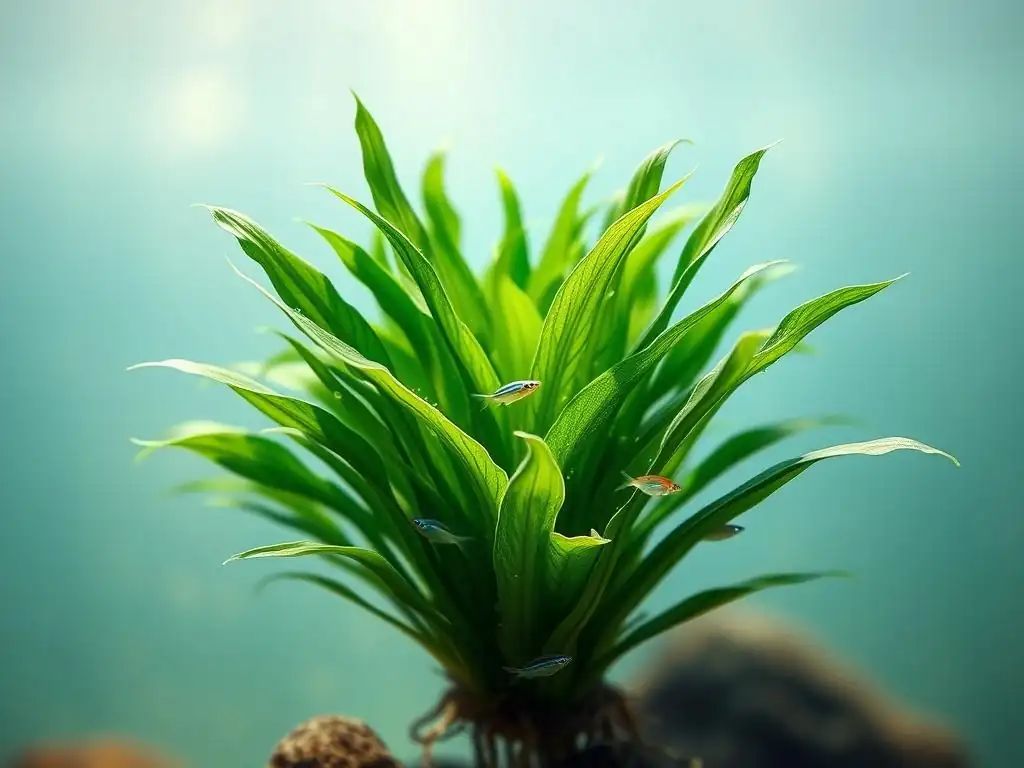
When selecting plants for your Tetra fry tank, the primary considerations are their ability to provide dense cover, support infusoria growth, and be relatively easy to care for without demanding complex setups. Fine-leaved, bushy plants are generally preferred as they offer intricate hiding spots and maximize surface area for beneficial microorganisms. These plants should also be non-toxic and tolerant of the water parameters suitable for Tetra fry. Implementing these specific choices is a cornerstone of effective Tetra fry plant care.
Beyond simply providing shelter, the chosen plants should also contribute to water quality by absorbing nitrates and other waste products. Fast-growing species are particularly beneficial in this regard, as they actively compete with algae for nutrients, helping to maintain a cleaner, healthier environment. The right plant selection sets the stage for a successful rearing experience, directly influencing the survival and growth rates of your delicate Tetra fry.
Java Moss: A Staple for Tetra Fry Tanks
Java Moss (Taxiphyllum barbieri) is arguably the most recommended plant for Tetra fry tanks due to its incredibly dense, fine structure. It creates a thick, tangled mat that offers unparalleled hiding places for fry, protecting them from larger tank inhabitants or even their own parents. Its extensive surface area is also an excellent breeding ground for infusoria, providing a continuous, natural food source for newly hatched fry.
A common practice is to use a 4x4 inch mat of Java Moss in a 10-gallon fry tank, providing ample coverage. Java Moss is highly adaptable, tolerating a wide range of water parameters and low light conditions, making its care straightforward and an essential part of Tetra fry plant care.
Hornwort: Rapid Growth and Nutrient Absorption
Hornwort (Ceratophyllum demersum) is another excellent choice, known for its rapid growth and bushy, needle-like leaves. It can be floated or loosely anchored, quickly filling the water column and providing extensive cover. Its fast growth rate means it efficiently absorbs excess nitrates and other waste products, significantly contributing to water quality stability in a high-nutrient fry tank.
Hornwort's ability to thrive in various conditions and its minimal care requirements make it ideal for beginners and experienced breeders alike. The dense foliage of Hornwort offers numerous nooks and crannies where fry can hide and graze on microorganisms, making it a valuable asset in comprehensive Tetra fry plant care.
Water Sprite: Providing Shade and Surface Cover
Water Sprite (Ceratopteris thalictroides) is a versatile fern that can be floated or planted in the substrate. When floated, its broad, feathery leaves spread across the water surface, providing excellent shade and breaking up intense lighting, which can stress young fry. Its submerged growth also offers ample hiding spots.
Water Sprite is a fast grower and a strong nutrient absorber, contributing significantly to water purification. Its relatively large leaf surface area also provides a good substrate for infusoria. The dual benefits of shade and cover, combined with its ease of care, make Water Sprite a highly beneficial addition to any Tetra fry tank, embodying key principles of effective Tetra fry plant care.
Plants to Avoid: Potential Hazards for Delicate Fry
While many plants are beneficial, some species can pose risks to delicate Tetra fry or complicate the rearing process. Plants with very stiff, sharp, or abrasive leaves, such as certain Anubias varieties or some sword plants, can potentially injure tiny fry if they brush against them. Although rare, the delicate bodies of newborns are susceptible to even minor abrasions. Similarly, plants that grow excessively large and dense, like certain Cryptocorynes if not properly trimmed, can make it difficult to monitor fry or conduct necessary maintenance without disturbing them.
Furthermore, plants that require highly specific or demanding care, such as those needing high CO2 injection, intense lighting, or precise nutrient dosing, are generally best avoided in a fry tank. The focus in a fry tank should be on stability and simplicity to minimize stress on the fry. Introducing complex plant care routines can inadvertently destabilize water parameters or introduce chemicals that could be harmful to the sensitive young fish. Simplicity and safety are paramount when considering plant choices for comprehensive Tetra fry plant care.
Setting Up a Planted Tetra Fry Tank: Step-by-Step Instructions
Substrate Selection: Choosing a Nutrient-Rich Base
The choice of substrate is a foundational step in setting up a planted Tetra fry tank, directly impacting both plant health and fry safety. For Tetra fry plant care, a fine-grained substrate like sand or a specialized inert aquarium soil is generally preferred. These fine materials prevent small fry from getting trapped or injured, unlike coarser gravel which can pose a risk. While inert substrates require supplemental root tabs or liquid fertilizers for plants, active substrates designed for planted tanks can provide a slow release of nutrients over time, benefiting rooted plants.
For a typical 5-gallon fry tank, a substrate layer of 1 to 2 inches (2.5 to 5 cm) is usually sufficient to anchor plants and allow for root development. If using an active substrate, ensure it doesn't significantly alter water parameters beyond what is suitable for Tetra fry, which generally prefer soft, slightly acidic water. The correct substrate not only supports robust plant growth but also contributes to the overall safety and well-being of the delicate fry, making it a critical consideration in successful Tetra fry plant care.
Lighting Considerations: Ensuring Plant Health and Fry Well-being
Appropriate lighting is crucial for photosynthesis, ensuring your live plants thrive, but it must be carefully balanced to avoid stressing delicate Tetra fry or promoting excessive algae growth. Most fry-friendly plants, such as Java Moss, Hornwort, and Water Sprite, are low-light species, requiring moderate illumination, typically in the range of 10-20 PAR (Photosynthetically Active Radiation). An 8-10 hour photoperiod is usually sufficient to support healthy plant growth without encouraging rampant algae.
It's important to remember that newly hatched Tetra fry are often light-sensitive and can be stressed by overly bright conditions. Using floating plants like Water Sprite or Hornwort can help diffuse the light, creating shaded areas where fry feel more secure. If using LED lighting, opt for models with adjustable intensity or dimming capabilities to fine-tune the light levels. Achieving this balance between plant vitality and fry comfort is a key aspect of attentive Tetra fry plant care.
Water Parameters: Maintaining Optimal Conditions for Plants and Fry
Maintaining stable and optimal water parameters is paramount for both live plants and delicate Tetra fry. Most common Tetra species thrive in soft to moderately hard water with a pH range of 6.0 to 7.0, and a temperature of 75-80°F (24-27°C). Many popular aquarium plants are adaptable to these conditions, but it's crucial to ensure compatibility. Sudden fluctuations in pH, temperature, or hardness can be highly detrimental to fry, making stability a top priority.
Regular testing for ammonia, nitrite, and nitrate is indispensable. While plants help mitigate nitrate buildup, any detectable levels of ammonia or nitrite indicate a serious problem in a fry tank and require immediate corrective action, such as a small, targeted water change. Consistent water parameters reduce stress on both plants and fry, promoting robust growth and minimizing the risk of disease. This vigilant monitoring and adjustment of water parameters form the bedrock of diligent Tetra fry plant care.
Maintaining a Planted Tetra Fry Tank: Essential Care Tips
Regular Water Changes: Balancing Nutrients and Removing Waste
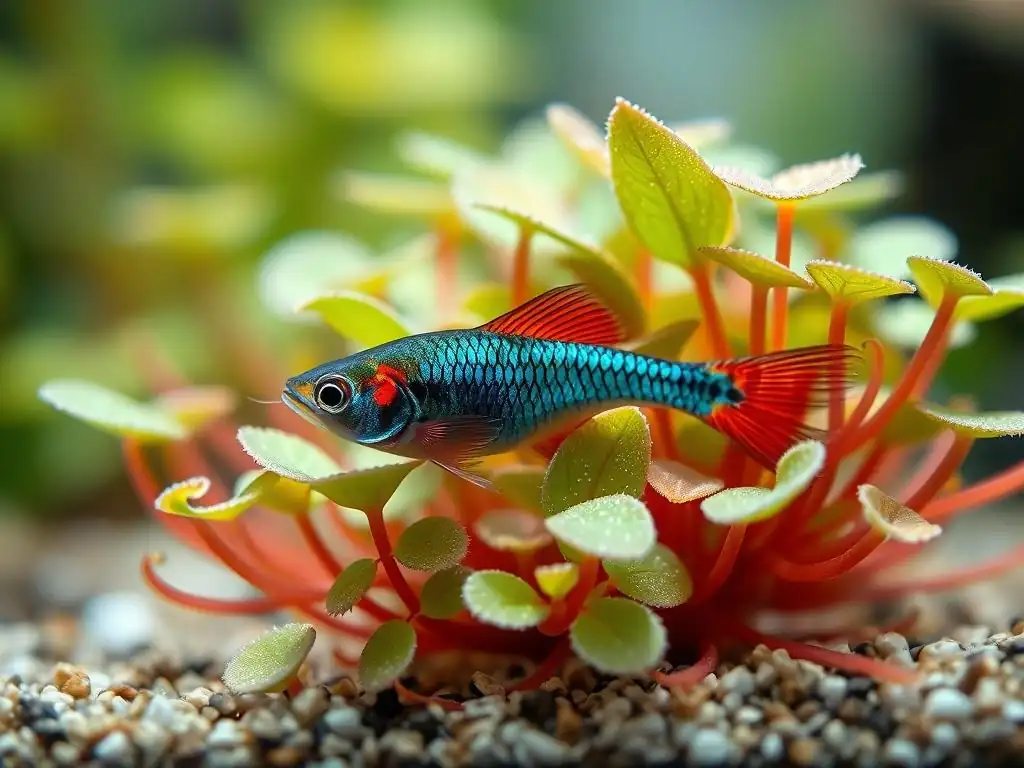
Even with the natural filtration provided by live plants, regular water changes are indispensable for a Tetra fry tank. Fry tanks are typically heavily fed, leading to a rapid accumulation of organic waste that plants alone cannot fully process without risk to the fry. Small, frequent water changes, such as 10-20% daily or every other day, are recommended. This approach dilutes harmful compounds like nitrates, which, while absorbed by plants, can still accumulate to undesirable levels.
These frequent water changes also replenish essential trace elements and minerals that are consumed by both plants and fry, contributing to overall water quality and health. It’s crucial to match the temperature and parameters of the new water as closely as possible to the tank water to prevent shocking the delicate fry. This consistent routine of small, careful water changes is a fundamental aspect of diligent Tetra fry plant care, ensuring a clean and stable environment for rapid growth.
Fertilization: Providing Essential Nutrients for Plant Growth
While fish waste provides some nutrients for plants, it's often not enough to support vigorous growth in a densely planted fry tank, especially for species that are heavy feeders. Supplementing with a balanced liquid fertilizer formulated for aquatic plants is usually necessary. These fertilizers provide essential macro (nitrogen, phosphorus, potassium) and micronutrients (iron, manganese, zinc) that plants need to thrive. However, caution is advised: over-fertilization can lead to algae blooms or even harm sensitive fry.
Start with a half-dose of a comprehensive liquid fertilizer once or twice a week, carefully observing plant health and water parameters. Root tabs can also be used for rooted plants in the substrate, providing nutrients directly to the roots without dispersing them widely in the water column. The goal is to provide just enough nutrients to support healthy plant growth, which in turn benefits the fry by maintaining superior water quality and providing ample shelter. This precise approach to feeding your plants is a nuanced but important part of Tetra fry plant care.
Algae Control: Preventing Overgrowth and Maintaining Water Clarity
Algae can quickly become a nuisance in a fry tank, competing with plants for nutrients, reducing water clarity, and potentially smothering delicate fry. Preventing algae overgrowth is far easier than eradicating it. The primary culprits for algae blooms are excessive light duration or intensity and an abundance of nutrients from overfeeding or insufficient water changes. Implementing a consistent 8-10 hour photoperiod and ensuring thorough, frequent water changes are the first lines of defense.
If algae does appear, manual removal is the safest method in a fry tank. Gently scrape algae from the glass and carefully siphon it out. Introducing a few small, fry-safe algae-eating snails, such as Nerite snails, can be considered, but ensure they won't outcompete the fry for food or space. Chemical algaecides are generally not recommended in fry tanks due to the extreme sensitivity of the fry. Proactive management of light and nutrients is key to effective algae control, an integral part of successful Tetra fry plant care.
Feeding Tetra Fry in a Planted Tank: A Balanced Approach
Natural Food Sources: Encouraging Infusoria Growth on Plants
The presence of live plants in a Tetra fry tank naturally fosters the growth of infusoria and other microorganisms on their surfaces, providing an invaluable initial food source for newly hatched fry. These microscopic organisms are perfectly sized for the tiny mouths of newborn Tetras, making them an ideal first meal. To further encourage infusoria growth, aquarists can introduce a few drops of infusoria culture or even a small amount of decaying plant matter into the tank. This creates a continuous, self-sustaining food supply that fry can graze on throughout the day, reducing the immediate dependency on external feedings.
This natural grazing behavior not only provides essential nutrition but also encourages active foraging, which contributes to the overall vigor and development of the fry. The plants essentially become a living pantry, ensuring that even the smallest or slowest fry have access to sustenance. This symbiotic relationship where plants provide a substrate for food organisms highlights a significant advantage of incorporating live plants into your Tetra fry plant care strategy.
Supplementing with Commercial Fry Food: Ensuring Complete Nutrition
While natural food sources like infusoria are crucial for newly hatched fry, as they grow, their nutritional requirements change, and they need a more comprehensive diet. Supplementing with high-quality commercial fry foods is essential to ensure complete nutrition and robust growth. These foods are specifically formulated to meet the dietary needs of growing fry and are often available in extremely fine powder forms or as liquid suspensions, suitable for their small mouths.
It is generally recommended to feed Tetra fry small amounts multiple times a day, typically 3-5 times, to support their rapid metabolism and continuous growth. The goal is to provide enough food for all fry to consume within a few minutes, preventing uneaten food from decaying and fouling the water. A balanced approach that combines the natural foraging on plant-borne microorganisms with targeted commercial feedings ensures that Tetra fry receive all the necessary nutrients for healthy development, a critical aspect of effective Tetra fry plant care.
Avoiding Overfeeding: Preventing Water Quality Issues
Overfeeding is one of the most common and dangerous pitfalls in Tetra fry rearing, capable of quickly devastating an entire batch. Uneaten food rapidly decomposes, leading to dangerous spikes in ammonia and nitrites, which are highly toxic to delicate fry. These decaying organics also deplete dissolved oxygen in the water and can fuel explosive algae blooms, further compromising water quality and the health of the fry. Even in a planted tank, which offers some buffering capacity, overfeeding can overwhelm the natural filtration.
To prevent these critical issues, feed only what the fry can consume within approximately 2-3 minutes. Observe closely during feeding times, and if any food remains after this period, reduce the amount for the next feeding. It's always better to underfeed slightly than to overfeed. Maintaining this strict feeding discipline is paramount for preserving pristine water quality and ensuring the survival of your Tetra fry, making it a non-negotiable component of successful Tetra fry plant care.
Troubleshooting Common Issues in Planted Tetra Fry Tanks
Algae Blooms: Identifying Causes and Implementing Solutions
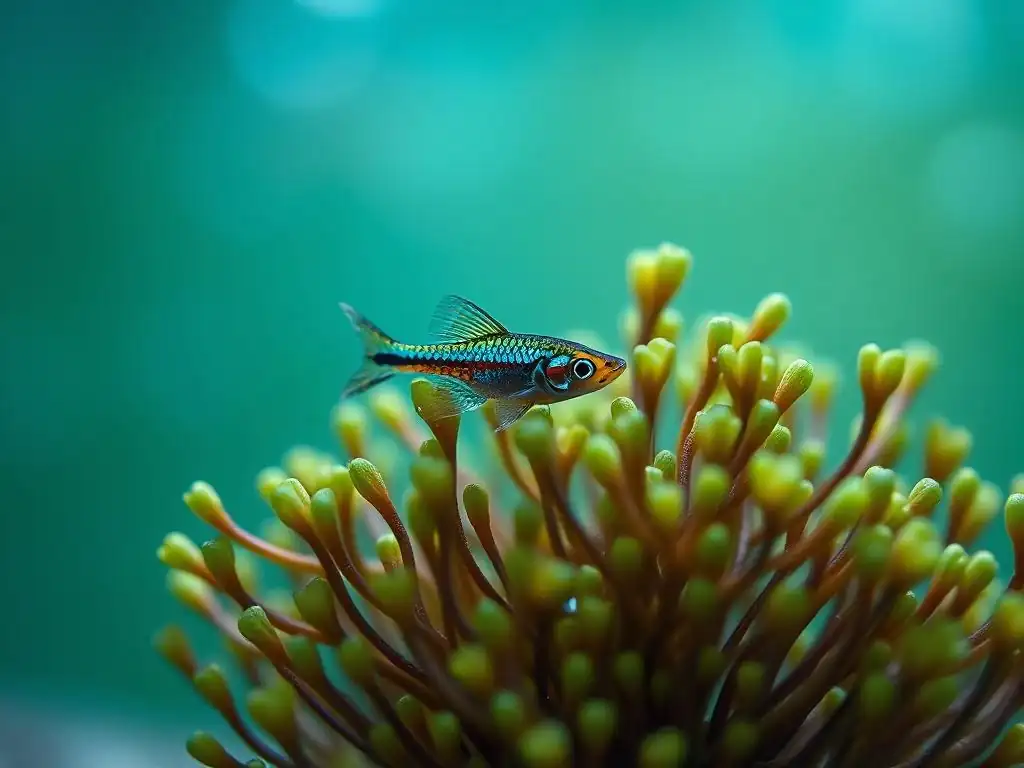
Algae blooms are a common frustration in any aquarium, and fry tanks are no exception. The primary causes are typically an imbalance of light and nutrients. Too much light, either in intensity or duration (e.g., over 10 hours daily), is a frequent culprit. Excess nutrients, often from overfeeding or infrequent water changes, provide the fuel for algae to proliferate. A lack of healthy plant growth, which would otherwise outcompete algae for nutrients, can also contribute.
Solutions involve addressing these root causes. Reduce the photoperiod to 8-9 hours and consider dimming the light if it's too intense. Increase the frequency or volume of water changes (e.g., from 10% daily to 20% daily) to remove excess nutrients. Ensure you are feeding appropriately, avoiding any uneaten food. Manual removal of visible algae with a soft brush or siphon is effective for immediate cleanup. Sometimes, adding more fast-growing plants can help by outcompeting the algae for available nutrients. Proactive management is key to maintaining a clear tank, a vital aspect of Tetra fry plant care.
Plant Deficiencies: Recognizing Symptoms and Addressing Nutrient Imbalances
Even with the best intentions for Tetra fry plant care, plants can sometimes show signs of nutrient deficiencies, indicating an imbalance in the water column. Common symptoms include yellowing leaves (often nitrogen or iron deficiency), stunted growth (general nutrient lack), holes in older leaves (potassium deficiency), or melting leaves (can be various deficiencies or shock). For instance, if older leaves yellow from the tip inwards, it might signal a potassium deficiency, while overall yellowing of new growth often points to iron.
Addressing these deficiencies requires careful observation and targeted supplementation. Identify the specific nutrient lacking based on the symptoms and then use a liquid fertilizer or root tabs that provide that nutrient. For example, if new growth is pale, an iron supplement might be needed. If older leaves are yellowing, a nitrogen-rich fertilizer could help. Regular, small doses are preferable to large, infrequent ones, as consistency helps maintain a stable environment for both plants and fry. Consistent monitoring of plant health is integral to effective Tetra fry plant care.
Fry Mortality: Investigating Potential Causes and Taking Corrective Measures
While some level of fry mortality is normal, high or sudden losses indicate an underlying problem that requires immediate investigation and corrective action. The most common causes of fry mortality are poor water quality (ammonia or nitrite spikes), insufficient or inappropriate food, unsuitable temperature, or stress from strong water currents. For instance, an ammonia spike from overfeeding can decimate a batch of fry within hours.
Begin by testing water parameters immediately for ammonia, nitrite, and nitrate. If any parameters are off, perform a small, targeted water change (e.g., 10-20%) using properly conditioned water that matches the tank's temperature. Ensure you are feeding the correct size food multiple times a day, and that all fry are getting enough. Check the heater to confirm stable temperature.
Adjust filtration output to minimize strong currents that can exhaust tiny fry. Observing fry behavior—such as lethargy, gasping at the surface, or clamped fins—can provide early clues. Prompt intervention based on these observations is critical for the success of your Tetra fry plant care efforts.
The Long-Term Benefits of Live Plants for Tetra Fry and Beyond
Creating a Thriving Ecosystem: A Balanced and Sustainable Aquarium
The integration of live plants into a Tetra fry rearing tank extends far beyond the initial fry stage, laying the groundwork for a truly thriving and sustainable aquarium ecosystem. Plants, beneficial bacteria, and fish interact in a continuous, balanced cycle where waste products are converted into usable nutrients by plants, and oxygen is produced. This natural bio-filtration system reduces reliance on chemical interventions and promotes a more stable environment, minimizing the fluctuations that can stress aquatic life.
This self-sustaining balance translates into a healthier, more resilient aquarium in the long term. A well-planted tank can better absorb minor imbalances, making it more forgiving and easier to maintain. This holistic approach, where live plants are central to the tank's health, ensures that the principles of Tetra fry plant care evolve into a foundation for overall aquarium longevity and vitality, benefiting future generations of fish and providing a more enjoyable hobby experience.
Promoting Natural Behaviors: Enhancing Fry Development and Health
A planted environment encourages and facilitates natural behaviors in Tetra fry, leading to more robust and well-adjusted fish. The dense foliage provides natural hiding spots, allowing fry to exhibit their innate schooling and shoaling behaviors without feeling exposed. This security reduces stress, which is a significant factor in susceptibility to disease and stunted growth. Fry raised in such naturalistic settings often display stronger immune systems and better overall health compared to those reared in bare tanks.
Furthermore, the presence of plants encourages natural foraging for microscopic food sources, promoting active exploration and development of their instincts. Fry that engage in these natural behaviors from an early age tend to exhibit brighter coloration, more defined finnage, and a greater overall vitality as they mature. This enhancement of natural development is a testament to the profound impact of comprehensive Tetra fry plant care on the long-term well-being of the fish.
Enhancing the Aesthetic Appeal: A Beautiful and Functional Aquarium
While the primary focus of integrating live plants for Tetra fry is functional, the undeniable aesthetic appeal of a well-planted aquarium is a significant added benefit. Lush green foliage, swaying gently in the water, transforms a simple glass box into a vibrant, living piece of art. The natural beauty of a planted tank creates a captivating display, making the process of rearing fry not only scientifically rewarding but also visually pleasing.
The intricate details of the plant life provide a stunning backdrop against which the tiny, darting Tetra fry can be observed. This blend of functionality and beauty enhances the aquarist's enjoyment and appreciation of the hobby. A tank meticulously cared for with attention to Tetra fry plant care principles becomes a dynamic, miniature underwater landscape, demonstrating that the pursuit of optimal conditions for fish can also result in a truly beautiful and engaging aquatic environment.
Conclusion: Mastering Tetra Fry Rearing with Live Plants
Aquarium Mastery's Commitment to Expert Tetra Care
Aquarium Mastery is dedicated to empowering aquarists with the most accurate, practical, and comprehensive knowledge for successful fish keeping, especially in specialized areas like Tetra fry rearing. Our detailed guidance on Tetra fry plant care underscores our commitment to promoting methods that are not only effective but also align with the natural needs of aquatic life. We firmly believe that incorporating live plants is not merely an option but a foundational strategy for anyone serious about achieving high survival rates and robust development in their Tetra offspring.
Our resources aim to demystify complex processes, providing clear, actionable steps that enable hobbyists of all experience levels to create thriving environments for their fish. By emphasizing the symbiotic relationship between live plants and Tetra fry, Aquarium Mastery champions a holistic approach to aquarism, ensuring that every aspect of the rearing process is optimized for success and sustainability.
Further Resources for Advanced Tetra Breeding Techniques
Mastering Tetra fry plant care is an excellent step towards becoming a proficient Tetra breeder, but the journey of advanced aquarism offers many more avenues for exploration. Aquarium Mastery provides a wealth of further resources designed to deepen your understanding of Tetra breeding techniques, genetics, specific species care, and troubleshooting common challenges. We encourage you to delve into our extensive library of articles covering topics such as conditioning adult breeders, managing different spawning methods, and the intricacies of genetic selection for desired traits.
Continuous learning and the application of best practices are key to excelling in the rewarding endeavor of fish breeding. By utilizing the expert guidance available through Aquarium Mastery, you can further refine your skills, expand your knowledge, and continue to create optimal environments for the diverse and fascinating world of freshwater fish.
Frequently Asked Questions
What are the primary benefits of using live plants when raising Tetra fry?
Live plants provide natural cover for the fry, reducing stress and predation. They also improve water quality by absorbing nitrates and releasing oxygen, crucial for healthy fry development. Furthermore, they offer a food source for infusoria, a vital first food for tiny fry.
Which types of live plants are best suited for a Tetra fry tank?
Fine-leaved plants like Java Moss, Hornwort, and Cabomba are ideal. These plants offer ample hiding spaces and support the growth of beneficial microorganisms. Avoid plants with broad leaves that could trap the fry.
How do live plants impact the water chemistry in a Tetra fry tank?
Live plants help maintain stable water parameters by absorbing excess nutrients. This prevents algae blooms and reduces the need for frequent water changes. They also contribute to oxygenation, vital for fry survival.
What considerations are important when introducing live plants to a Tetra fry tank?
Ensure the plants are free from pesticides and diseases before adding them. Gently rinse them under dechlorinated water. Provide adequate lighting to support plant growth and avoid overcrowding the tank.
How does Aquarium Mastery recommend integrating live plants into my Tetra fry rearing strategy?
Aquarium Mastery emphasizes selecting appropriate plant species, maintaining optimal water conditions for both plants and fry, and observing the tank closely for any issues. We also recommend providing supplemental feeding alongside the natural food sources provided by the plants.
Final Reflection: Cultivating Growth, Rooted in Nature
The journey of rearing Tetra fry, as we've explored, extends far beyond mere survival; it's about fostering thriving ecosystems within our aquariums. The integration of live plants isn't just a decorative choice, but a fundamental shift towards a more holistic and sustainable approach to Tetra fry plant care. This understanding is particularly crucial today, as aquarists increasingly seek natural solutions that benefit both the fish and the environment.
This approach has profoundly influenced my understanding of aquarium keeping, transforming it from a hobby into a deeper connection with nature. Witnessing the symbiotic relationship between Tetra fry and live plants, the way they purify the water and provide essential nutrients, is truly remarkable. Look deep into nature, and then you will understand everything better.
- Albert Einstein. This quote encapsulates the essence of what we've discussed: by observing and emulating natural processes, we can unlock the secrets to successful and ethical aquarium management.
Now, I invite you to consider how you can incorporate these principles into your own aquarium practices. Embrace the power of live plants, not just as decoration, but as vital components of a thriving ecosystem for your Tetra fry. Let's cultivate a future where aquarium keeping is synonymous with environmental stewardship, nurturing not only the beauty of our underwater worlds but also the health of our planet.
Cultivate Your Fry-Rearing Expertise!
Thank you for diving deep into the world of live plants in tetra fry rearing with Aquarium Mastery! We hope you've gained valuable insights into creating the perfect nursery for your tiny swimmers. Now, let's put that knowledge into action.
Here are a few ways to take your fry-rearing game to the next level:
- Start experimenting with different plant species in your fry tank. Observe which ones provide the best cover and infusoria growth for your tetra fry.
- Share your experiences and photos of your fry-rearing setup on social media using #AquariumMasteryFry to connect with fellow enthusiasts.
- For a truly unique approach, try culturing specific types of algae on rocks in a separate container and rotating them into the fry tank every few days for a natural and continuous food source.
What creative plant combination will you use to give your tetra fry the best start in life?