
Livebearer Fry Care 101: Secrets to Raising Healthy Young Fish

Welcome to Aquarium Mastery!
Ever wonder how to ensure your livebearer fry thrive and grow into vibrant, healthy fish? Discover the secrets to successful healthy livebearer fry care within! We're diving deep into everything you need to know, from optimal feeding strategies to creating the perfect nursery environment. Prepare to unlock the key to raising a thriving generation of your favorite freshwater friends – let's get started!
- Livebearer Fry Care: A Comprehensive Guide
- Understanding Livebearer Reproduction
- Setting Up a Dedicated Fry Tank
- Nutritional Requirements for Optimal Growth
- Maintaining Pristine Water Quality
- Disease Prevention and Treatment
- Growing Out Fry to Adulthood
- Species-Specific Fry Care
- Troubleshooting Common Issues
- Conclusion: Achieving Success in Livebearer Fry Rearing
- Frequently Asked Questions
- Final Reflection: Nurturing New Beginnings
- Transform Your Tank: Nurture Thriving Fry!
Livebearer Fry Care: A Comprehensive Guide
Understanding Livebearer Reproduction
Livebearing vs. Egg-laying: A Comparative Overview
Livebearers, such as guppies, mollies, and platies, exhibit a unique reproductive strategy where the females retain the eggs internally, and the fry hatch inside the mother, emerging as miniature versions of the adults. This viviparous method contrasts sharply with the oviparous (egg-laying) reproduction common among most other freshwater fish species, where eggs are laid externally and then fertilized. The internal development offers a significant survival advantage for the fry, as they are born fully formed and capable of swimming and feeding immediately, bypassing the highly vulnerable egg stage.
This distinct reproductive process means that livebearer females can give birth to batches of fry every 21 to 30 days, depending on the species and environmental conditions like water temperature and diet. For instance, a healthy female guppy can produce anywhere from 20 to over 100 fry in a single birth, while larger mollies might yield up to 200 or more. This prolific breeding capacity is a key reason why livebearers are popular among aquarists aiming to master healthy livebearer fry care.
Stages of Fry Development: From Birth to Juvenile
The journey of livebearer fry from birth to the juvenile stage is characterized by rapid growth and development. Immediately after birth, the fry are incredibly small, typically ranging from 4-6 mm for guppies and platies, up to 6-8 mm for mollies. They possess a yolk sac, which provides initial sustenance for the first few hours, though they are usually eager to feed on external food sources within minutes of birth. This early stage is critical for establishing a strong foundation for healthy livebearer fry care.
Over the next few weeks, the fry undergo substantial growth, doubling or tripling in size within the first month if provided with optimal nutrition and pristine water conditions. Their colors and patterns begin to develop, becoming more defined as they mature. By approximately 2 to 3 months of age, depending on the species and individual growth rates, many livebearer fry will reach sexual maturity and start to resemble the adult fish, although they may still be smaller. This rapid transition necessitates consistent monitoring and adjustment of their environment and diet to support their accelerating developmental needs.
Setting Up a Dedicated Fry Tank
Tank Size Considerations for Different Livebearer Species
Establishing an appropriately sized fry tank is paramount for successful and healthy livebearer fry care. For a small batch of fry (e.g., 20-30 guppy or platy fry), a 5-gallon (approximately 19-liter) tank can serve as a temporary nursery for the first few weeks. However, for larger broods, or if you intend to raise the fry to a larger size before introducing them to a community tank, a 10 to 20-gallon (approximately 38-76 liter) tank is highly recommended. This provides ample space for growth, reduces the risk of overcrowding, and makes it easier to maintain stable water parameters.
Overcrowding can severely stunt growth, increase aggression, and lead to poor water quality, directly impacting the health of your livebearer fry. For instance, raising 50 guppy fry in a 5-gallon tank will quickly lead to issues, whereas the same number in a 20-gallon tank will thrive much better. As the fry grow, their bioload increases significantly, meaning a larger volume of water helps dilute waste products, contributing to a healthier environment and supporting robust development.
Essential Equipment: Filtration, Heating, and Lighting
Proper equipment is fundamental to maintaining the delicate balance required for healthy livebearer fry care. A gentle filtration system is crucial; sponge filters are highly recommended as they provide excellent mechanical and biological filtration without creating strong currents that could harm delicate fry. The sponge also provides a surface for beneficial bacteria to colonize and for infusoria to grow, offering a natural food source. An air pump connected to the sponge filter ensures adequate oxygenation and water movement.
Maintaining a stable water temperature is equally important. A reliable submersible heater set between 75-80°F (24-27°C) is ideal for most livebearer species, promoting rapid growth and a robust immune system. Fluctuations in temperature can stress fry, making them susceptible to disease. Lastly, a standard aquarium light, set on a timer for 10-12 hours daily, is sufficient. Overly bright or prolonged lighting can stress fry, while adequate light supports plant growth if live plants are used and allows for observation of the fry's health.
Creating a Safe and Enriching Environment
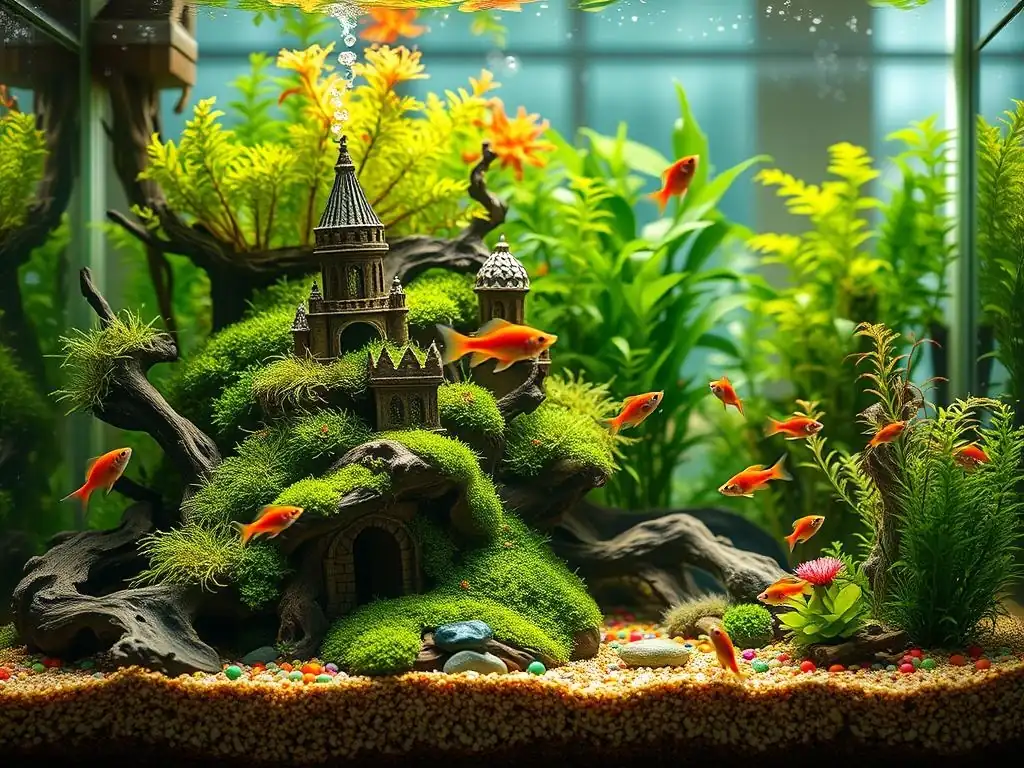
A safe and enriching environment is vital for the psychological and physical well-being of livebearer fry, contributing significantly to healthy livebearer fry care. The tank should offer plenty of hiding spots to reduce stress and provide a sense of security, especially if adult fish are present or if the fry are particularly skittish. Bare-bottom tanks are often preferred by breeders for ease of cleaning, but a thin layer of fine sand can also be used, though it requires more diligent vacuuming to prevent food accumulation.
Beyond hiding spots, the overall setup should minimize sharp edges or strong currents that could injure the delicate fry. Ensuring that filter intakes are covered with a sponge or fine mesh is critical to prevent fry from being sucked in. A well-designed fry tank simulates a protective habitat, allowing the young fish to explore and feed without constant fear, which is essential for their normal development and contributes to their vibrant health.
Live Plants: Providing Shelter and Natural Food Sources
Live plants are an invaluable addition to a livebearer fry tank, acting as natural havens and supplementary food sources. Densely planted areas, especially with fine-leaved plants like Java Moss ( Taxiphyllum barbieri), Guppy Grass ( Najas guadalupensis), or Hornwort ( Ceratophyllum demersum), offer excellent hiding spots where fry can escape from potential predators, including their own parents, or simply feel secure. These plants also provide a substrate for beneficial microorganisms and infusoria to grow, which are microscopic organisms that serve as an excellent first food for newly hatched fry.
Furthermore, live plants contribute to water quality by absorbing nitrates and other waste products, helping to maintain a healthier environment for the growing fry. They also oxygenate the water during the day, creating a more stable and natural ecosystem. For example, a 10-gallon fry tank heavily planted with Java Moss can significantly reduce stress levels among the fry, leading to more robust growth and contributing directly to successful healthy livebearer fry care. The presence of plants mimics their natural habitat, encouraging natural behaviors and overall well-being.
Nutritional Requirements for Optimal Growth
First Foods: Infusoria, Liquid Fry Food, and Powdered Diets
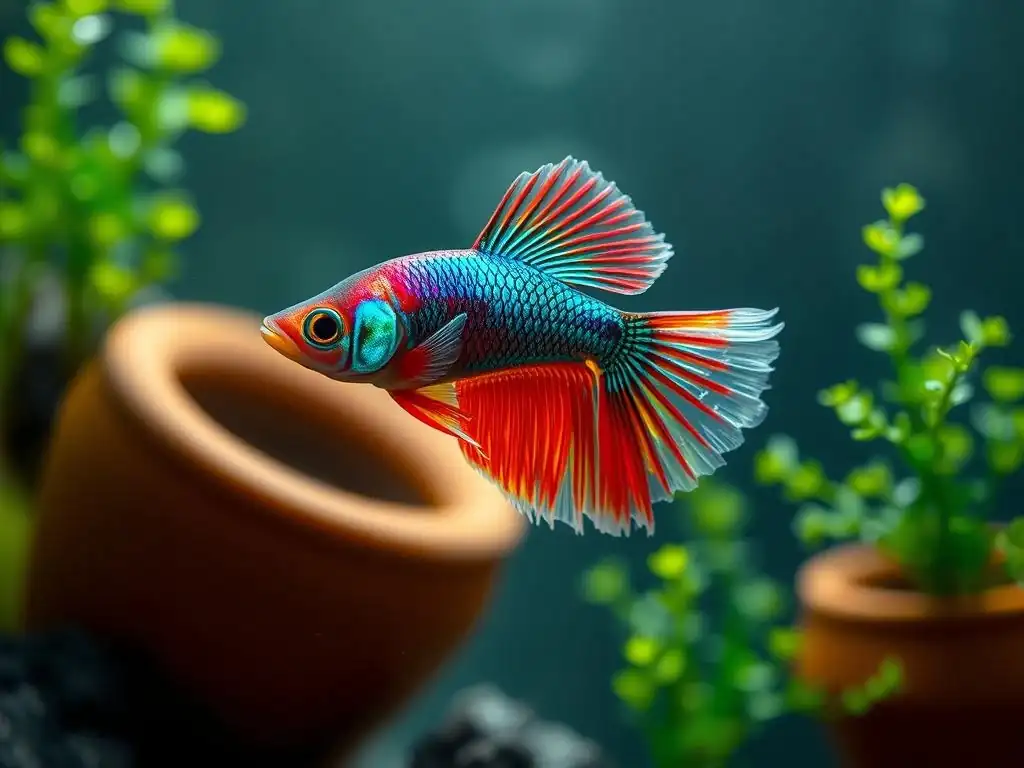
The initial days of a livebearer fry's life are critical for their nutritional development, directly impacting their long-term health and growth. Newly born fry have tiny mouths and require very fine food particles. Infusoria, microscopic aquatic organisms, are an ideal first food, especially for smaller species like guppies, as they are perfectly sized and highly nutritious. Infusoria can be cultured easily at home using decaying plant matter or commercial infusoria cultures.
Alternatively, commercial liquid fry foods or finely powdered dry foods designed specifically for fry can be used. These products are typically rich in protein and essential nutrients, formulated to meet the high metabolic demands of rapidly growing fry. When using powdered foods, it's crucial to crush them into an almost dust-like consistency to ensure the fry can ingest them. For example, high-quality spirulina powder or finely ground flake food with at least 40-50% protein content can be an excellent supplement for healthy livebearer fry care from day one.
Culturing Live Foods: Brine Shrimp and Microworms
Culturing live foods like brine shrimp nauplii and microworms provides an unparalleled nutritional boost for growing livebearer fry, significantly promoting their growth rate and vitality. Brine shrimp nauplii are newly hatched brine shrimp that are highly nutritious, packed with protein (around 50-60%) and essential fatty acids. They are an excellent size for fry that are a few days old and can be easily hatched at home in a simple DIY setup using brine shrimp eggs and salt water, typically hatching within 24-36 hours at room temperature.
Microworms are another fantastic live food option, particularly for slightly larger fry or as an alternative to brine shrimp. They are tiny nematodes that are relatively easy to culture on a substrate of oatmeal or cornmeal. Microworms provide a continuous supply of nutritious, wiggling food that stimulates the fry's feeding instincts. Incorporating these live foods into the diet several times a week can lead to noticeably faster growth rates and more vibrant coloration compared to fry fed solely on prepared foods, directly enhancing healthy livebearer fry care.
Prepared Foods: Selecting High-Quality Ingredients
While live foods offer superior nutrition, high-quality prepared foods form an essential part of a balanced diet for livebearer fry, especially as they grow. When selecting prepared foods, prioritize those with a high protein content, ideally above 40%, and a comprehensive blend of vitamins and minerals. Look for ingredients like fish meal, spirulina, and other plant-based proteins. Fry-specific flakes or pellets that can be easily crushed into a fine powder are ideal.
Avoid generic flake foods that are not specifically formulated for fry, as these may lack the necessary nutrient density or be too large for the fry to consume efficiently. For example, a premium fry food might list "whole fish meal" as its first ingredient, indicating a high-quality protein source. Supplementing with finely crushed spirulina flakes can also provide essential plant matter, crucial for species like mollies that have a more herbivorous leaning. Consistent use of high-quality prepared foods ensures the fry receive a broad spectrum of nutrients for sustained healthy livebearer fry care.
Feeding Schedules: Frequency and Portion Control
Establishing a rigorous feeding schedule with appropriate portion control is paramount for optimal growth and maintaining water quality in a fry tank. Due to their rapid metabolism and small stomach capacity, livebearer fry need to be fed small amounts frequently throughout the day. For the first few weeks, aim for 4-6 small feedings daily, spaced out evenly. This ensures a constant supply of nutrients for their rapid development without overwhelming their digestive systems or polluting the water.
Portion control is equally critical. Only offer an amount of food that the fry can consume within 2-3 minutes. Overfeeding is a common mistake that quickly leads to decaying food, ammonia spikes, and bacterial blooms, all detrimental to healthy livebearer fry care. If you notice food settling at the bottom after a few minutes, you are feeding too much. It's better to slightly underfeed and feed more frequently than to overfeed and risk water quality issues. As the fry grow, the frequency can gradually be reduced to 3-4 times a day, with slightly larger portions.
Maintaining Pristine Water Quality
Regular Water Changes: Minimizing Ammonia and Nitrites
Maintaining pristine water quality is arguably the most critical aspect of healthy livebearer fry care. Due to frequent feedings and the high bioload of numerous rapidly growing fry, ammonia and nitrite levels can quickly become toxic. Regular water changes are the most effective method to combat this. For a dedicated fry tank, daily 10-20% water changes are often necessary, especially in smaller tanks or with a high density of fry. In larger tanks, a 25-30% water change every other day might suffice.
When performing water changes, always use dechlorinated water that is temperature-matched to the tank water to prevent thermal shock, which can be fatal to delicate fry. Siphon slowly and carefully, avoiding disturbing the fry too much. A small siphon or airline tubing can be used to target uneaten food and waste on the tank bottom without sucking up the fry. Consistent water changes ensure that harmful nitrates are kept low (ideally below 20 ppm) and that ammonia and nitrites remain at zero, providing a stable and non-toxic environment essential for robust fry development.
Water Testing: Monitoring Key Parameters
Regularly testing water parameters is indispensable for proactive and healthy livebearer fry care. Key parameters to monitor include ammonia (NH3/NH4+), nitrite (NO2-), nitrate (NO3-), and pH. Ammonia and nitrite should always be at 0 parts per million (ppm), as even small concentrations can be highly toxic to fry, leading to gill damage and death. Nitrate levels should be kept below 20 ppm; higher levels indicate a need for more frequent or larger water changes.
The pH level should remain stable and within the preferred range for livebearers, typically between 7.0 and 8.0. Sudden fluctuations in pH can be very stressful. Investing in a reliable liquid-based test kit (not test strips, which can be less accurate) is highly recommended. For instance, testing ammonia and nitrite daily for the first few weeks, then every other day, and nitrates twice a week, allows you to catch and correct any issues before they become life-threatening. Consistent monitoring empowers you to make informed decisions about tank maintenance and ensures optimal conditions for your fry.
Avoiding Water Quality Issues: Prevention is Key
Preventing water quality issues is far more effective and less stressful than treating them, especially when it comes to delicate livebearer fry. The cornerstone of prevention lies in avoiding overfeeding. Excess food quickly decays, leading to spikes in ammonia and nitrite. Feed only what the fry can consume within a few minutes, and remove any uneaten food promptly. This simple practice significantly reduces the organic load in the tank.
Additionally, ensuring adequate filtration, as discussed previously with sponge filters, is crucial for processing waste. Regular cleaning of the sponge filter (rinsing it gently in old tank water during a water change) prevents it from becoming clogged and inefficient. Maintaining the correct stocking density, avoiding overcrowding, also plays a vital role. For example, if you notice a sudden increase in nitrite despite regular water changes, it might indicate you have too many fry for the tank size, necessitating either a larger tank or thinning out the population to maintain a healthy environment for your livebearer fry.
Disease Prevention and Treatment
Identifying Early Signs of Illness
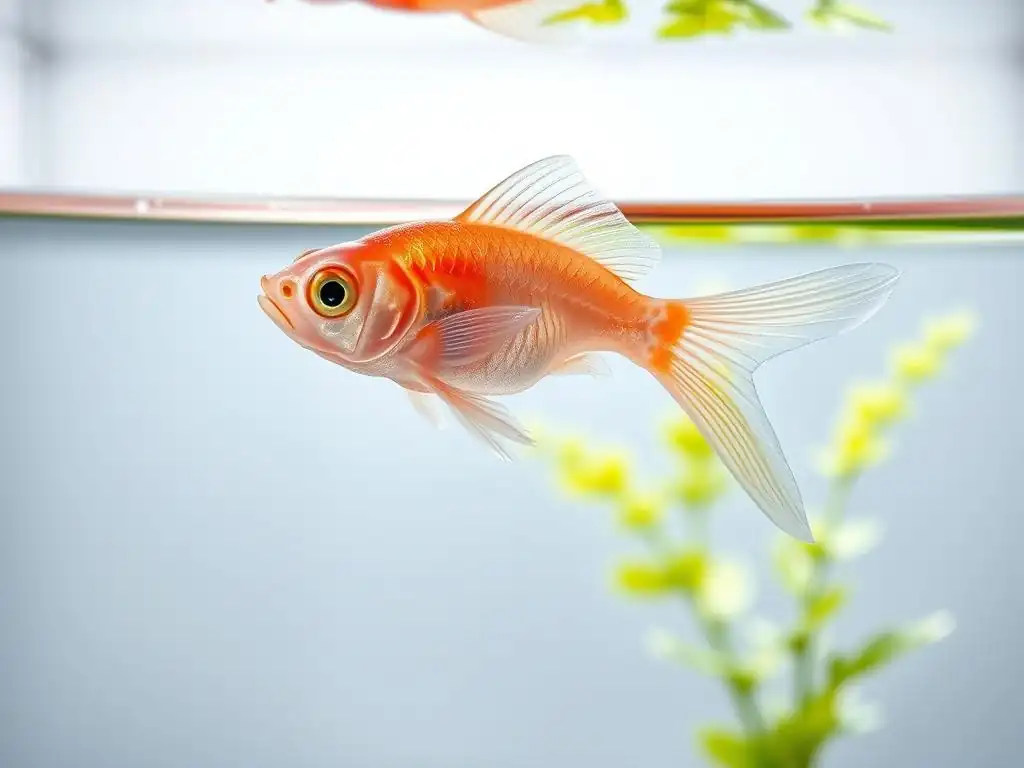
Early detection of illness is crucial for successful disease management in livebearer fry and is a cornerstone of healthy livebearer fry care. Fry are particularly susceptible to diseases due to their underdeveloped immune systems and the stress of rapid growth. Common early signs of illness include lethargy, loss of appetite, clamped fins (fins held close to the body), abnormal swimming patterns (e.g., darting, spiraling, or difficulty maintaining buoyancy), and changes in coloration (e.g., dullness, unusual spots or patches).
Observing your fry closely during feeding times is an excellent opportunity to spot these subtle changes. Healthy fry are typically active, curious, and eager to eat. For instance, if you notice several fry consistently hiding, refusing food, or showing labored breathing near the surface, it warrants immediate investigation. Prompt identification allows for quicker intervention, often preventing the spread of disease to the entire brood and significantly improving the chances of recovery.
Common Fry Diseases: Ich, Fin Rot, and Fungal Infections
Livebearer fry are vulnerable to several common aquarium diseases that can spread rapidly and cause high mortality rates if not addressed. Ich (Ichthyophthirius multifiliis), or white spot disease, is characterized by small, salt-like white spots on the body and fins. It's highly contagious and often triggered by stress or temperature fluctuations. Fin Rot, caused by bacterial infections, manifests as frayed, ragged, or disintegrating fins, sometimes with a red or white edge.
Fungal infections appear as white, cottony growths on the body or fins, often secondary to an injury or poor water quality. Treating fry requires caution as they are sensitive to many medications. For Ich, a gradual increase in temperature (to 82-84°F or 28-29°C) combined with daily water changes can sometimes be effective, along with appropriate medication if necessary (using half doses or less, carefully following instructions). For bacterial and fungal issues, improving water quality is the first step, followed by specific treatments designed for sensitive fish, ensuring a delicate approach to healthy livebearer fry care.
Quarantine Procedures: Isolating Sick Fry
Implementing effective quarantine procedures is a critical measure for preventing the spread of disease and is an advanced aspect of healthy livebearer fry care. If you identify sick fry, immediately move them to a separate "hospital tank." This small, dedicated tank (e.g., 1-2 gallons) should have its own heater and gentle filtration (a small sponge filter) and be filled with water from the main fry tank to minimize stress from parameter changes.
Isolating sick fry prevents the pathogen from infecting the entire brood, especially if the disease is highly contagious like Ich. It also allows you to administer medication to the affected individuals without exposing the healthy fry or disrupting the biological filter in the main tank. For example, if you have 50 guppy fry and only 2 show signs of fin rot, quarantining those 2 immediately can save the rest of the batch. After treatment, the quarantine tank should be thoroughly cleaned and disinfected before its next use, ensuring that no lingering pathogens can re-infect new fry.
Growing Out Fry to Adulthood
Monitoring Growth Rates and Development
Monitoring the growth rates and overall development of livebearer fry is essential for assessing the effectiveness of your care regimen and ensuring healthy livebearer fry care. Regular observation allows you to identify any stunted individuals or those lagging in development, which might indicate issues with nutrition, water quality, or even genetic predisposition. Healthy fry should show consistent size increases, develop their adult coloration, and exhibit active, normal behaviors.
For instance, guppy fry typically reach sexual maturity and start showing adult colors within 2-3 months, growing from a few millimeters at birth to over an inch in length. Molly fry, being larger, might take slightly longer to reach full size but should also show steady growth. If a significant portion of your fry appears undersized or lethargic despite optimal conditions, it might signal an underlying problem that needs addressing, such as insufficient protein in their diet or subtle water quality fluctuations. Keeping a simple log of their approximate size over time can be a helpful practice.
Introducing Fry to the Main Tank: Acclimation Strategies
The transition from the dedicated fry tank to the main community aquarium is a significant step that requires careful acclimation to minimize stress and ensure continued healthy livebearer fry care. Fry should only be introduced to the main tank once they are large enough to avoid being seen as prey by adult fish or large invertebrates. A general guideline is when they are at least 0.5 to 1 inch (1.2-2.5 cm) long, depending on the size and temperament of the adult fish in the main tank.
The acclimation process should be slow and gradual to allow the fry to adjust to the new water parameters (temperature, pH, hardness) and the social dynamics of the main tank. Drip acclimation is the safest method: place the fry in a small container with water from their fry tank, then slowly drip water from the main tank into the container over 30-60 minutes until the water volume has quadrupled. This gradual mixing minimizes shock. Once acclimated, gently net the fry and release them into the main tank, preferably into a densely planted area for immediate cover.
Compatible Tank Mates: Avoiding Predation
Selecting compatible tank mates for your growing livebearer fry in the main aquarium is paramount to their survival and continued healthy livebearer fry care. Even seemingly peaceful community fish can view small fry as a food source. Therefore, it's crucial to avoid introducing fry to tanks containing known predatory species like Cichlids (unless very small and peaceful species), larger Gouramis, or Barbs, which have a strong instinct to consume anything small enough to fit in their mouths.
Ideal tank mates for livebearer fry, once they are of sufficient size, include peaceful, small to medium-sized fish that are not primarily carnivorous. Good examples are Otocinclus catfish, Corydoras catfish (though they might opportunistically eat very tiny fry), and small, peaceful schooling fish like Neon Tetras or Ember Tetras, provided the fry are significantly larger than a newborn size.
Heavily planted tanks also offer crucial hiding spots, increasing the fry's chances of survival even with potentially curious tank mates. For instance, in a tank with mature mollies, introducing their own fry when they are 1-inch long into a tank with dense Java Fern can significantly reduce predation risk.
Species-Specific Fry Care
Guppy Fry: Optimizing Conditions for Vibrant Colors
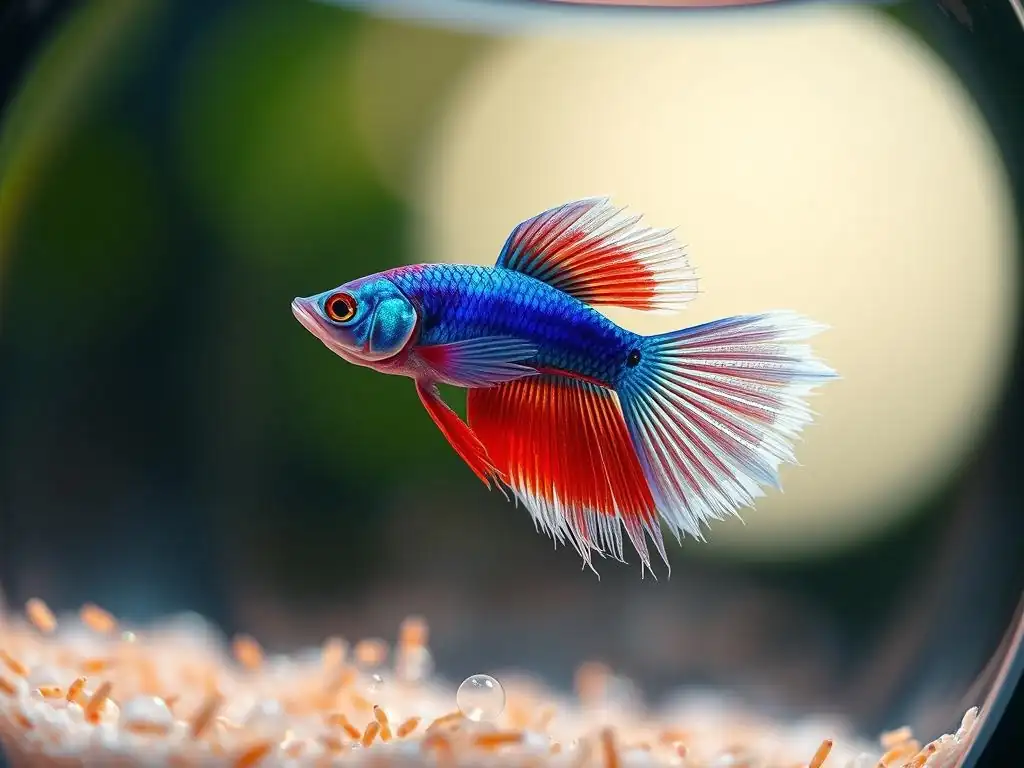
Guppy fry are among the most popular livebearer offspring, known for their rapid growth and eventual vibrant coloration. To optimize conditions for developing their spectacular hues, a high-protein diet is paramount during their early growth stages. Foods rich in animal protein, such as newly hatched brine shrimp nauplii and microworms, should be a staple in their diet, supplemented with high-quality powdered flake foods. For instance, feeding brine shrimp twice daily for the first month can significantly enhance their color development compared to fry fed only on dry foods.
Maintaining consistent water parameters within the ideal range for guppies (pH 7.0-8.0, temperature 75-80°F or 24-27°C) is also crucial. Stable conditions reduce stress, allowing the fry to invest more energy into growth and color expression. Furthermore, ample swimming space and good water circulation prevent stunting and promote overall vitality. By focusing on these aspects, aquarists can ensure healthy livebearer fry care that results in truly stunning adult guppies.
Molly Fry: Catering to Their Herbivorous Needs
Molly fry, while similar to guppy and platy fry in many aspects, have a more pronounced herbivorous component to their diet, which needs to be addressed for optimal health and growth. While they will readily consume high-protein foods like brine shrimp, it's essential to supplement their diet with plant-based foods from an early age. Finely crushed spirulina flakes or pellets are an excellent choice, providing the necessary vegetable matter.
In addition to prepared foods, offering blanched and finely chopped soft vegetables like zucchini or spinach can be beneficial once they are a bit larger. This dietary emphasis helps prevent common digestive issues and promotes robust growth specific to their needs. For example, a daily feeding of spirulina powder alongside live foods can significantly improve the health and resilience of molly fry. Ensuring clean, slightly brackish water (if you keep mollies in such conditions) can also contribute to their overall well-being, reflecting specialized healthy livebearer fry care.
Platy Fry: Ensuring Proper Development of Body Shape
Platy fry are robust and relatively easy to raise, but ensuring their proper body shape development requires a balanced and varied diet. While they are omnivores and will thrive on a mix of protein-rich and vegetable-based foods, consistency in feeding and diverse nutrient intake are key. Like guppies, they benefit greatly from live foods such as brine shrimp and microworms for rapid growth and protein intake.
However, incorporating high-quality flake foods that contain both animal and plant matter is crucial for their overall development. For example, a feeding regimen that includes brine shrimp in the morning and a high-quality, finely crushed omnivore flake in the afternoon ensures they receive a full spectrum of nutrients. Adequate space in the fry tank also plays a role; overcrowding can lead to stunted growth and potentially affect their characteristic platy body shape. Providing a varied diet and ample room supports the development of strong, well-proportioned platies, demonstrating effective healthy livebearer fry care.
Troubleshooting Common Issues
Stunted Growth: Identifying Potential Causes
Stunted growth in livebearer fry is a common and concerning issue that indicates underlying problems in their environment or care. The primary causes are typically poor water quality, insufficient or improper nutrition, and overcrowding. High levels of ammonia, nitrite, or nitrate, even if not immediately fatal, can stress fry and inhibit their development. For example, fry kept in water with consistent nitrate levels above 40 ppm will likely show significantly slower growth compared to those in water with nitrates below 20 ppm.
Inadequate nutrition, such as feeding too infrequently or providing food that is not sufficiently rich in protein and essential nutrients, will also lead to stunting. Fry require a high-energy diet to support their rapid growth. Lastly, overcrowding forces fry to compete for food and space, leading to chronic stress and the release of growth-inhibiting hormones. If you notice a significant portion of your fry are not growing at the expected rate, re-evaluate your water change schedule, feeding regimen (frequency and quality), and tank stocking density to ensure optimal healthy livebearer fry care.
High Mortality Rates: Investigating Environmental Factors
High mortality rates among livebearer fry are a clear indicator of severe environmental stress or disease and demand immediate investigation. The most frequent culprits are poor water quality (toxic levels of ammonia, nitrite, or high nitrates), extreme temperature fluctuations, or inadequate oxygen levels. For instance, a sudden drop in temperature by even 5°F (3°C) can shock delicate fry and lead to mass casualties, particularly if the water parameters are already suboptimal.
Lack of appropriate food, especially for newly born fry, can also lead to starvation and death, as can the presence of predators (even seemingly benign adult fish). If you experience significant fry loss, immediately test your water parameters for ammonia, nitrite, and nitrate. Check your heater for proper function and ensure adequate aeration. Observing the fry's behavior for signs of illness (e.g., gasping, flashing, lethargy) can help pinpoint if disease is the primary factor. Addressing these environmental stressors quickly is paramount for successful healthy livebearer fry care.
Fry Gasping at the Surface: Addressing Oxygen Depletion
Fry gasping at the surface is a distress signal indicating insufficient oxygen in the water, a critical issue that requires immediate attention. This behavior is often a symptom of high organic load, high water temperature, or inadequate aeration. As water temperature increases, its capacity to hold dissolved oxygen decreases. Simultaneously, decaying organic matter (uneaten food, waste) consumes oxygen as it decomposes.
To address this, first check your water temperature and ensure it's within the ideal range (75-80°F). Increase aeration immediately by boosting the air pump's output to your sponge filter or by adding an air stone. Perform a small, immediate water change (e.g., 10-20%) to dilute any accumulated toxins and reduce the organic load. For example, if your tank temperature has inadvertently risen to 85°F (29°C) and the fry are gasping, cooling the room slightly and adding more aeration will typically resolve the issue quickly, demonstrating responsive healthy livebearer fry care.
Fry Hiding Constantly: Providing Adequate Shelter
While some hiding is normal for livebearer fry as a survival instinct, constant or excessive hiding can indicate stress, fear of predation, or a lack of security in their environment. If your fry are rarely seen or appear highly skittish, it suggests they don't feel safe. This can be particularly true if they share a tank with adult fish, even their own parents, who might occasionally prey on them.
The most effective solution is to provide abundant hiding spots. Densely planted live plants, such as Java Moss, Guppy Grass, or Hornwort, offer excellent natural cover where fry can retreat and feel secure. Artificial spawning mops or fine-mesh breeding grass can also serve this purpose. For instance, adding several large clumps of Java Moss to a 10-gallon fry tank can transform a stressful environment into a secure haven, encouraging the fry to explore and feed more openly. A feeling of security is fundamental for reducing stress, which in turn promotes healthy livebearer fry care and normal development.
Conclusion: Achieving Success in Livebearer Fry Rearing
Key Takeaways for Raising Healthy and Thriving Fry
Achieving success in raising healthy and thriving livebearer fry hinges on a few critical principles. Firstly, pristine water quality is non-negotiable. This means diligent daily or every-other-day water changes, rigorous water parameter testing (especially for ammonia and nitrite, ensuring they are always at 0 ppm), and strict adherence to feeding only what the fry can consume quickly to prevent waste accumulation. Maintaining stable temperatures and adequate aeration further supports a healthy aquatic environment.
Secondly, optimal nutrition is paramount for rapid growth and robust health. This involves frequent, small feedings of high-quality, protein-rich foods, with a strong emphasis on live foods like newly hatched brine shrimp and microworms, especially in the first few weeks. Supplementing with finely powdered prepared foods tailored for fry ensures a balanced diet.
Lastly, providing a safe and enriching environment with plenty of hiding spots (ideally live plants) and appropriate tank sizing prevents stress and promotes natural development. By consistently applying these principles, aquarists can significantly increase their success rate in healthy livebearer fry care, leading to a vibrant and thriving generation of fish.
Additional Resources for Livebearer Keepers
For livebearer keepers looking to deepen their knowledge and refine their healthy livebearer fry care techniques, a wealth of information is available. Beyond the foundational guidance provided here, exploring species-specific forums and online communities dedicated to livebearers can offer invaluable insights from experienced breeders. These platforms often share nuances related to specific strains, advanced breeding techniques, and solutions to rare issues.
Furthermore, reputable aquarium books and scientific articles on fish husbandry and aquaculture provide detailed scientific backing for best practices in nutrition, water chemistry, and disease management. While specific links are not provided, searching for terms like "guppy breeding guides," "molly fry diet," or "platy genetics" can lead to comprehensive resources. Continuous learning and active engagement with the wider aquarist community will empower you to provide the best possible care for your livebearer fry, ensuring their health and longevity.
Frequently Asked Questions
How often should I feed my livebearer fry?
You should feed livebearer fry small amounts of food 2-3 times per day. This ensures they have constant access to nutrients for rapid growth.
What is the best food to feed livebearer fry?
The best foods include newly hatched brine shrimp, microworms, and finely crushed flake food. These options provide the necessary protein and nutrients for healthy development.
What water parameters are crucial for livebearer fry survival?
Maintaining stable water parameters is essential. Keep the water temperature consistent, perform regular partial water changes, and ensure proper filtration to remove waste.
How can I protect livebearer fry from being eaten by adult fish?
Use a breeding box or a separate fry tank to protect the young fish. This provides a safe haven until they are large enough to avoid predation.
What are some common health issues in livebearer fry, and how can I prevent them?
Common issues include swim bladder problems and bacterial infections. Prevent these by maintaining clean water, providing a balanced diet, and avoiding overcrowding.
Final Reflection: Nurturing New Beginnings
The journey of raising livebearer fry, as we've explored, is a testament to the delicate balance of life and the importance of providing the right environment for growth. Understanding the intricacies of healthy livebearer fry care is more crucial than ever, as responsible fishkeeping becomes increasingly vital in preserving aquatic biodiversity and promoting ethical practices within the hobby. The principles we've discussed extend beyond the aquarium, highlighting the universal need for attentive care and nurturing in all aspects of life.
This topic has profoundly influenced my understanding of the interconnectedness of ecosystems, even within the confines of a small tank. Witnessing the fragile beginnings of these tiny creatures underscores the responsibility we have to protect and support life in all its forms. The greatness of a nation and its moral progress can be judged by the way its animals are treated.
- Mahatma Gandhi. This quote resonates deeply, reminding us that our compassion and care extend to all living beings, regardless of their size or perceived importance.
Now, I invite you to reflect on the lessons learned from the world of livebearer fry. Consider how the principles of providing a safe, nurturing environment, offering proper nutrition, and maintaining optimal conditions can be applied to your own life and the lives of those around you. Embrace the opportunity to cultivate growth, foster well-being, and contribute to a more compassionate and sustainable future, one tiny fry at a time.
Transform Your Tank: Nurture Thriving Fry!
Thanks for diving into the world of livebearer fry care! Now that you’re armed with the knowledge to raise healthy young fish, it’s time to put that expertise into action and watch your aquarium flourish. What's next?
- Immediately assess your current fry setup. Is your current fry tank or breeder box adequately sized and equipped to handle the needs of growing fry?
- Explore specialized fry foods and begin experimenting with different feeding schedules to maximize growth and health.
- Share your fry-raising triumphs (and challenges!) on social media using #AquariumMasteryFry to connect with fellow enthusiasts and gain even more insights.
What unique strategy will you implement to ensure your livebearer fry thrive?