
Breeding Box vs. Separate Tank: Best Way to Save Livebearer Fry?

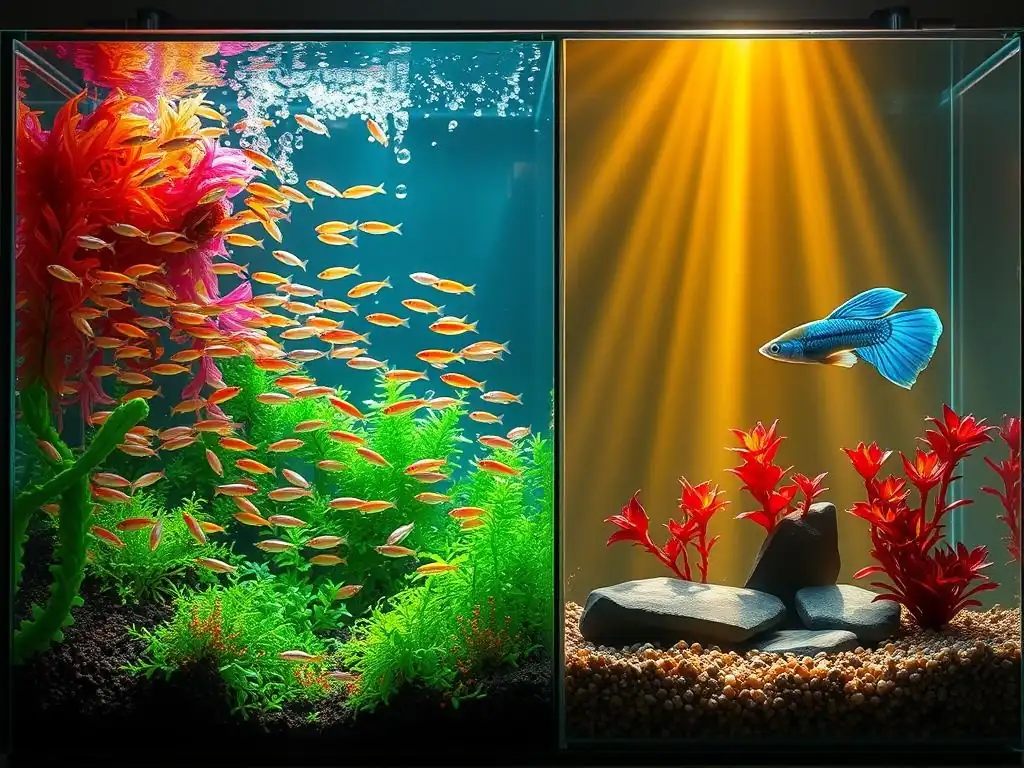
Welcome to Aquarium Mastery, where we help you unlock the secrets to a thriving underwater world! Ever wondered about the best way to ensure those tiny, precious livebearer fry survive and flourish? Dive in and discover the pros and cons of using a breeding box versus setting up a separate tank in our detailed guide to Livebearer fry breeding methods. We'll help you choose the right approach to maximize your success and keep your aquarium teeming with life! Curious to learn more? Let's get started!
- Introduction: Protecting Your Livebearer Fry
- Breeding Box: A Close-Quarters Approach to Fry Protection
- Separate Tank: A Dedicated Nursery for Livebearer Fry
- Comparing Breeding Box and Separate Tank for Livebearer Fry Survival
- Choosing the Right Method: Factors to Consider
- Alternative Fry Saving Techniques
- Conclusion: Optimizing Livebearer Fry Survival Rates
-
Frequently Asked Questions
- What are the main advantages of using a breeding box for livebearer fry?
- How does using a separate tank benefit livebearer fry development?
- What are the potential drawbacks of keeping livebearer fry in a breeding box?
- Which method, breeding box or separate tank, is generally recommended for experienced aquarists aiming for a higher fry survival rate?
- What factors should I consider when deciding between a breeding box and a separate tank for my livebearer fry?
- Final Reflection: Nurturing New Life
- Nurture New Life: Start Your Fry-Saving Journey Today!
Introduction: Protecting Your Livebearer Fry
Understanding Livebearer Reproduction: A Quick Overview
Livebearers, a popular group of freshwater fish including Guppies, Mollies, Platies, and Swordtails, are renowned for their unique reproductive strategy: internal fertilization followed by live birth. Unlike egg-laying species, livebearer females carry their eggs internally, and the fry hatch inside the mother before being expelled as miniature, free-swimming versions of the adults. This fascinating process typically occurs after a gestation period ranging from 21 to 30 days, depending on the species and environmental conditions. Their prolific nature means a single female can produce dozens, sometimes over a hundred, fry in one birth.
This rapid and continuous reproduction is a hallmark of livebearers, making them a favorite among aquarists interested in breeding. However, their prolificacy often comes with a significant challenge: ensuring the survival of the delicate fry. While the live birth method offers the fry an immediate advantage over eggs, they are still highly vulnerable in a typical aquarium environment.
The Challenge: Saving Fry from Predation
Despite being born fully formed and able to swim, livebearer fry face immediate and severe threats, primarily from predation. Adult fish, including the parents themselves, often view the tiny fry as a readily available food source. In a community tank, other tank mates, even those considered peaceful, will readily consume fry. Without intervention, it's common to see mortality rates as high as 80-90% within the first 24-48 hours of birth in an unprotected environment. This high rate of loss underscores the necessity of implementing effective livebearer fry breeding methods to protect the vulnerable newborns.
To combat this high predation rate and maximize the survival of livebearer fry, aquarists typically employ one of two primary livebearer fry breeding methods: using a specialized breeding box (often called a "fry saver") or setting up a dedicated separate tank for the fry. Each method presents its own set of advantages and disadvantages, and understanding these can significantly impact your success in raising healthy livebearers.
Breeding Box: A Close-Quarters Approach to Fry Protection
What is a Breeding Box (Fry Saver)?
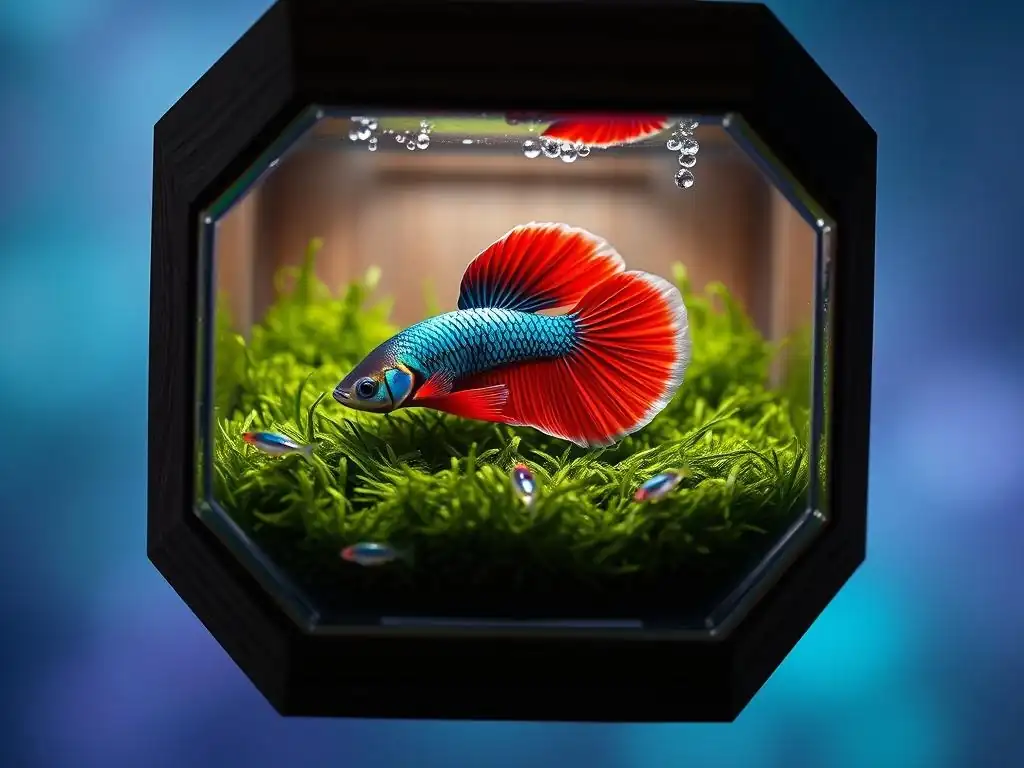
A breeding box, commonly referred to as a fry saver or breeder box, is a compact, often clear plastic container designed to be placed inside or hung on the outside of an existing aquarium. Its primary function is to isolate a gravid (pregnant) female livebearer just before she gives birth, providing a safe space for the fry to be born without immediate predation from other tank inhabitants, including the mother herself. Many designs feature a slatted bottom or a V-shaped divider, allowing the newborn fry to drop through into a lower, protected compartment, away from the mother.
These boxes typically range in size from a mere 0.5 to 2 gallons in capacity, making them a convenient, space-saving solution. They come in various forms, including internal models that attach with suction cups and external "hang-on-back" models that utilize the main tank's water flow for circulation. The simplicity and compact nature of breeding boxes make them a popular initial choice for hobbyists exploring livebearer fry breeding methods.
Advantages of Using a Breeding Box
Easy Observation of Fry
One of the most significant benefits of using a breeding box is the unparalleled ease of observation it provides. Due to their small size and transparent construction, these boxes allow aquarists to continuously monitor the fry's development and health without obstruction. This close proximity makes it simple to detect early signs of issues such as illness, developmental abnormalities, or insufficient feeding, enabling prompt intervention. For instance, observing a lack of active swimming or a change in color can alert the aquarist to potential problems before they become critical.
Simple Fry Retrieval
When the fry have grown sufficiently to be moved to a larger grow-out tank or integrated into a community setting, their concentrated location within the breeding box simplifies the retrieval process immensely. Since the fry are confined to a small, predictable area, they can be gently netted out with minimal stress. This contrasts sharply with the challenge of catching fast-moving fry in a large, decorated aquarium, which can be time-consuming and potentially harmful to the delicate fry.
Cost-Effective Solution for Small Broods
For hobbyists with a limited budget or those who only occasionally breed livebearers, a breeding box offers a highly cost-effective solution. A typical breeding box can be purchased for approximately $10 to $25, which is a fraction of the cost associated with setting up a completely separate tank, including a tank, heater, filter, and lighting. This makes it an accessible option for managing small broods, perhaps 10-20 fry, without a significant financial investment, making it an entry-level choice among livebearer fry breeding methods.
Stress on the Mother Livebearer
Despite their convenience, breeding boxes pose significant stress risks to the gravid female livebearer. Confinement in such a small, restrictive space, especially for several days while awaiting birth, can be highly detrimental. For example, a mature Guppy accustomed to swimming freely in a 10-gallon tank will find a 1-liter breeding box extremely constricting. This chronic stress can lead to various negative outcomes, including premature birth, reabsorption of the fry, or, in severe cases, the death of the mother. The constant presence of the aquarist or other fish outside the box can also exacerbate her anxiety.
Limited Space for Fry Growth
The small volume of a breeding box severely limits the growth potential of the fry. Livebearer fry, while tiny at birth, grow rapidly, and a typical 0.5 to 1-gallon breeding box quickly becomes overcrowded, especially with a large brood of 30-50 fry. Overcrowding can stunt growth, lead to increased aggression among the developing fry due to competition for space and resources, and potentially cause deformities. Studies suggest that for optimal initial growth, livebearer fry require at least 0.5 to 1 gallon of water per 10 fry, a volume rarely met in standard breeding boxes for extended periods.
Potential Water Quality Issues
Maintaining stable and healthy water parameters is a considerable challenge in the small volume of a breeding box. The rapid accumulation of waste from the fry and any uneaten food can quickly lead to dangerous spikes in ammonia and nitrite, which are highly toxic to delicate fry. This necessitates frequent, sometimes daily, partial water changes, often 25-50% of the box's volume, to prevent parameter crashes. Such intensive maintenance can be time-consuming and still may not prevent all water quality fluctuations, making it a less stable environment compared to a larger tank.
Risk of Injury to Fry
Some designs of breeding boxes, particularly those with coarse grates or sharp edges, can pose a physical risk to the delicate livebearer fry. The tiny fry can occasionally get stuck in narrow openings, leading to injury or even death. Furthermore, if the mother is left in the breeding box for too long after giving birth, she may attempt to eat her fry through the grates, causing stress to the newborns and potentially injuring them as they try to escape. This design flaw can undermine the very purpose of the "fry saver" by creating new hazards.
Separate Tank: A Dedicated Nursery for Livebearer Fry
Setting Up a Fry Tank: Essential Considerations
Tank Size and Filtration
For a dedicated livebearer fry tank, a minimum size of 5-10 gallons is generally recommended, with a 10-gallon tank being ideal for accommodating a healthy number of fry (e.g., 50-100 guppy fry) for several weeks of initial growth. This larger volume provides ample swimming space and helps buffer against rapid water parameter fluctuations.
When it comes to filtration, gentle options are paramount to protect the delicate fry. Sponge filters are highly recommended as they provide excellent biological filtration without creating strong currents that can exhaust or injure fry, and their porous surface prevents fry from being sucked in, a common issue with powerful hang-on-back filters.
Water Parameters and Temperature
Consistency in water parameters is crucial for the healthy development of livebearer fry. The fry tank's water parameters, including pH (typically 7.0-8.0 for most livebearers) and temperature (ideally 75-80°F or 24-27°C), should be maintained as close as possible to those of the main breeding tank. This minimizes stress during transfer and promotes robust growth. A reliable heater with a thermostat is essential to ensure stable temperatures, as fluctuations can weaken the fry's immune system and slow their development. Regular testing with an aquarium test kit is vital to monitor ammonia, nitrite, nitrate, and pH levels.
Substrate and Decorations (Fry-Safe Options)
When setting up a fry tank, a bare-bottom setup is often preferred due to its ease of cleaning and monitoring. Without substrate, uneaten food and waste are easily siphoned out, preventing the build-up of harmful toxins. If a substrate is desired, fine sand is a better choice than gravel, as it prevents food from falling into unreachable crevices where it can decompose.
Providing plenty of live or artificial plants is highly beneficial. Densely planted areas, especially with bushy plants like Java moss, hornwort, or guppy grass, offer excellent hiding spots for the fry and also provide a surface for beneficial biofilm to grow, which fry can graze on as a supplemental food source. Floating plants like duckweed or frogbit also offer valuable cover near the surface, where young fry often congregate.
Advantages of a Separate Fry Tank
Reduced Stress for the Mother
A significant advantage of using a separate tank in livebearer fry breeding methods is the substantial reduction of stress on the mother. Rather than confining her to a small, restrictive breeding box for days, the gravid female can remain in the larger, more comfortable main tank until the very moment of birth, or the fry can be carefully netted and moved to the dedicated fry tank immediately after birth.
This approach minimizes her confinement and stress, contributing significantly to her overall health, faster recovery, and readiness for future breeding cycles. A less stressed mother is also less likely to reabsorb fry or experience complications during birth.
Ample Space for Fry Growth
A separate fry tank, typically 5-10 gallons or larger, provides significantly more space for the fry to grow compared to a small breeding box. This increased volume allows for greater freedom of movement, reduces competition for food and space, and prevents the stunting often seen in overcrowded conditions.
For example, a brood of 50 Guppy fry will thrive and grow much faster in a 10-gallon tank, potentially reaching a size of 1 inch within a month, compared to the limited growth (perhaps 0.5-0.75 inches) they would achieve in a 1-gallon breeding box over the same period. More space translates directly to healthier, more robust, and ultimately larger adult fish.
Improved Water Quality and Stability
The larger water volume of a dedicated fry tank offers superior stability in water parameters. A 10-gallon tank, for instance, has ten times the buffering capacity of a 1-gallon breeding box, making it much less susceptible to rapid fluctuations in ammonia, nitrite, or pH levels caused by fish waste and uneaten food.
This stability significantly reduces the risk of toxic spikes and provides a consistently healthy environment for the delicate fry. Consequently, maintenance, particularly water changes, can be less frequent, often 20-25% twice weekly, as opposed to the daily changes often required for breeding boxes, making overall water quality easier to manage.
Greater Control Over Diet and Environment
A separate fry tank allows the aquarist to have precise control over the fry's diet and environment, which is crucial for optimal development in livebearer fry breeding methods. Specialized fry foods, such as powdered flakes, micro-pellets, or live artemia nauplii, can be administered without competition from adult fish, ensuring all fry receive adequate nutrition for rapid growth.
Furthermore, environmental factors like lighting cycles, water flow, and even the absence of potential stressors (like boisterous tank mates) can be tailored specifically to the delicate needs of developing fry. This tailored approach maximizes growth rates and overall health, leading to a higher yield of strong, vibrant fish.
Higher Initial Cost
Setting up a separate fry tank represents a considerably higher initial investment compared to purchasing a simple breeding box. This method requires the acquisition of an additional aquarium (e.g., a 10-gallon tank), a dedicated heater, a suitable filter (like a sponge filter), lighting, and potentially a stand. A basic 10-gallon setup, including these essential components, can range from $70 to $150 or more, depending on the quality and brand of equipment. This financial outlay can be a significant barrier for casual hobbyists or those with limited budgets who are just exploring livebearer fry breeding methods.
Requires More Space
Beyond the financial investment, a separate fry tank demands dedicated physical space. An additional 5-10 gallon aquarium, complete with its stand and necessary equipment, adds to the overall footprint of your aquatic setup. This can be a significant constraint for hobbyists living in smaller homes, apartments, or those who already have multiple tanks. Finding suitable, stable counter space or floor space for an additional tank can be a logistical challenge that needs to be considered before committing to this method.
Increased Maintenance Effort
While a separate fry tank offers improved water stability, it inherently adds to the overall maintenance burden for the aquarist. It represents an entirely new ecosystem that requires regular cleaning, feeding, and monitoring, separate from your main display tank. Although water changes might be less frequent than with a breeding box (e.g., twice a week instead of daily), they typically involve larger volumes of water and more time. This increased workload demands more commitment and time from the hobbyist, as they are now managing two independent aquatic environments.
Comparing Breeding Box and Separate Tank for Livebearer Fry Survival
Stress Levels: Mother and Fry
In terms of stress, the two livebearer fry breeding methods offer vastly different experiences. A breeding box often induces high stress in the mother due to prolonged confinement in a small, unnatural space, which can negatively impact her health and future breeding success. Fry, too, can experience moderate stress from limited space, poor water quality, and potential physical injury within the box.
Conversely, a separate tank significantly reduces stress for the mother, as she can either remain in her larger main tank until birth or be moved for only a very short period. For the fry, a separate tank provides ample space and stable conditions, leading to significantly lower stress levels and a more conducive environment for healthy development.
Fry Growth and Development
The impact on fry growth and development is a critical differentiator. Fry raised in a breeding box frequently exhibit stunted growth due to overcrowding, competition for food, and fluctuating water parameters. It's common for fry in a breeding box to reach only 0.5-0.75 inches in their first month, regardless of species.
In contrast, a separate tank promotes optimal growth and development. With more space, consistent water quality, and controlled feeding, fry can grow larger and faster, often reaching 1 inch or more within a month under ideal conditions. This leads to more robust, healthier juvenile fish that are better prepared for integration into a larger tank.
Water Quality and Maintenance
Maintaining pristine water quality is more challenging in a breeding box due to its small volume. Waste accumulates rapidly, necessitating daily partial water changes (e.g., 25-50%) to prevent toxic ammonia and nitrite spikes, which can be time-consuming and still result in less stable parameters. A separate tank, with its larger water volume, offers superior water quality stability. The increased buffer capacity means less frequent, though larger, water changes (e.g., 20-25% twice weekly) are typically sufficient, making overall water management more forgiving and less labor-intensive on a daily basis.
Cost and Space Requirements
When considering resource allocation, a breeding box is the clear winner for cost-effectiveness and minimal space requirements. Priced typically between $10 and $25, it requires no additional tank footprint as it hangs inside or on the existing aquarium. On the other hand, a separate tank involves a higher initial cost, ranging from $70 to $150 or more for a basic setup, and demands dedicated physical space for the additional aquarium, heater, filter, and lighting. This makes the separate tank a larger investment in both money and real estate.
Choosing the Right Method: Factors to Consider
Size of Your Livebearer Brood
The anticipated size of your livebearer brood is a primary factor in choosing between livebearer fry breeding methods. For very small broods, perhaps fewer than 20 fry, a breeding box might suffice for initial protection, especially if you plan to move them quickly. However, for larger broods, which are common with mature Mollies, Platies, or Swordtails that can produce 50 to over 100 fry at once, a breeding box quickly becomes overcrowded and detrimental to fry health. In such cases, a separate tank is almost mandatory to ensure adequate space for growth and high survival rates.
Your Budget and Available Space
Your financial resources and available physical space will heavily influence your decision. If you have a very limited budget (e.g., under $30) and minimal spare room, a breeding box may be your only viable option.
While it presents compromises in fry health and growth, it offers a way to save some fry without significant investment. Conversely, if you have the financial means (e.g., $70-$150+) and dedicated space for an additional 5-10 gallon tank, investing in a separate fry tank will yield significantly better results in terms of fry survival, health, and growth, making it a superior long-term choice for livebearer fry breeding methods.
Your Experience Level with Fishkeeping
Your current experience level in fishkeeping also plays a role. Beginners might find the simplicity and lower initial cost of a breeding box appealing for their first attempt at saving livebearer fry. It offers an easy entry point into livebearer fry breeding methods without the complexity of setting up a new tank. However, as experience grows, most aquarists quickly recognize the limitations of breeding boxes regarding fry health and water quality. More experienced aquarists often prefer the greater control, stability, and higher success rates offered by a dedicated fry tank, as they are equipped to manage the additional maintenance.
The Specific Needs of Your Livebearer Species: Guppies vs. Swordtails
The specific livebearer species you are breeding should also guide your choice of livebearer fry breeding methods. Smaller livebearers like Guppies produce relatively tiny fry that, while still vulnerable, can tolerate the confines of a breeding box for a short period (e.g., 1-2 weeks) before needing more space. However, larger livebearers such as Mollies and Swordtails produce significantly larger fry, with Swordtail fry often being nearly 0.5 inches at birth.
These larger fry will quickly outgrow a standard breeding box, making a separate, spacious fry tank almost essential for their healthy development and growth. Attempting to raise a large brood of Molly or Swordtail fry in a breeding box will likely result in high mortality or severely stunted individuals.
Alternative Fry Saving Techniques
Heavily Planted Tank: Natural Fry Protection
For aquarists seeking a more natural approach to livebearer fry breeding methods, a heavily planted tank can offer a surprising degree of protection. Dense thickets of live plants, particularly fine-leaved species like Java moss, hornwort, or guppy grass, provide abundant natural hiding spots for newborn fry.
When predators (including adult livebearers) attempt to hunt, the fry can dart into these intricate botanical labyrinths, making it exceptionally difficult for larger fish to find and consume them. While not as effective as complete isolation, a well-planted tank can significantly increase survival rates from near zero to perhaps 20-30% or even higher, depending on the density of the planting and the temperament of the adult fish.
Using Floating Plants as Cover
Floating plants offer another simple yet effective natural defense mechanism for livebearer fry. Species such as duckweed, frogbit, water lettuce, or even floating masses of hornwort or anacharis create a dense canopy on the water's surface. Newborn livebearer fry instinctively tend to stay near the surface during their first few days, seeking both food and safety.
The intricate root systems and leaves of floating plants provide excellent cover from predators swimming below, allowing the fry to forage for microscopic organisms while remaining largely unseen. This method can be combined with other livebearer fry breeding methods or used as a standalone solution for casual breeding.
Removing the Mother Livebearer After Birth
A straightforward and low-cost alternative technique involves actively observing the mother livebearer and removing her immediately after she has finished giving birth. This method prevents parental cannibalism, which is a major cause of fry loss. Once you confirm that all fry have been expelled, carefully net the mother and return her to the main tank.
This leaves the fry alone in the tank, free from the threat of their mother or other tank mates, provided no other predatory fish are present. This technique requires vigilance and a willingness to intervene, but it effectively utilizes existing tank space for fry rearing without the need for additional equipment or setup.
Conclusion: Optimizing Livebearer Fry Survival Rates
The Importance of Research and Preparation
Regardless of the livebearer fry breeding methods chosen—be it a breeding box, a separate tank, or natural tank solutions—the cornerstone of success lies in thorough research and meticulous preparation. Understanding the specific needs of your livebearer species, including their gestation period, typical brood size, and optimal water parameters, is paramount.
Preparing the chosen environment well in advance of the birth, ensuring it is cycled, stable, and ready for the delicate fry, significantly increases the likelihood of high survival rates and the healthy development of your new aquatic inhabitants. Rushing the process or neglecting environmental stability can lead to widespread fry loss.
Long-Term Success in Livebearer Breeding
Optimizing livebearer fry survival rates extends beyond merely saving them from initial predation. True long-term success in livebearer breeding involves nurturing these fry into healthy, robust adults. This often means providing progressively larger tank space as they grow, ensuring a consistent supply of high-quality, varied nutrition, and maintaining impeccable water quality throughout their developmental stages.
As fry mature, they will require more space to prevent stunting and aggression, eventually needing to be transferred to larger grow-out tanks or integrated into appropriate community aquariums. A holistic approach that considers the entire life cycle, from birth to adulthood, is essential for sustainable and rewarding livebearer breeding.
Final Recommendation: Separate Tank for Large Broods, Breeding Box for Small Broods and Quarantine
For serious livebearer breeding endeavors or when anticipating large numbers of fry, a dedicated separate tank stands as the superior choice among livebearer fry breeding methods. It offers optimal space for growth, superior water quality stability, and significantly reduced stress for both mother and fry, leading to higher survival rates and healthier, more robust fish.
However, a breeding box still holds value for specific scenarios: it is an excellent, cost-effective option for very small, occasional broods, for temporarily isolating a gravid female just prior to birth, or for use as a temporary quarantine space for new or ailing fish. While it serves as an accessible entry point into livebearer fry breeding methods, its limitations for long-term rearing of numerous fry should be clearly understood by any aspiring aquarist.
Frequently Asked Questions
What are the main advantages of using a breeding box for livebearer fry?
Breeding boxes offer a temporary and contained environment within the main tank, allowing for easy observation and protection from adult fish. This is a cost-effective and space-saving solution for small-scale breeding.
How does using a separate tank benefit livebearer fry development?
A separate tank offers a stable and controlled environment, free from the stress of the main aquarium's inhabitants. It allows for specialized feeding and water parameters tailored to fry development.
What are the potential drawbacks of keeping livebearer fry in a breeding box?
Breeding boxes can become overcrowded quickly, potentially stunting growth and increasing stress. Water quality can also decline rapidly, requiring frequent water changes.
Which method, breeding box or separate tank, is generally recommended for experienced aquarists aiming for a higher fry survival rate?
Experienced aquarists often prefer a separate tank because it provides greater control over the environment and allows for optimized conditions for fry growth. This often leads to a higher survival rate.
What factors should I consider when deciding between a breeding box and a separate tank for my livebearer fry?
Consider the number of fry you expect, your available space, your budget, and your level of experience in aquarium keeping. These factors will influence which method is most suitable for your needs.
Final Reflection: Nurturing New Life
The debate surrounding livebearer fry breeding methods continues to resonate deeply within the aquascaping community, highlighting our constant quest to balance ethical considerations with practical success. As we've explored the pros and cons of breeding boxes versus separate tanks, it's clear that there's no one-size-fits-all solution, but rather a spectrum of choices each with its own impact on the delicate lives of these tiny fish.
The choice between a breeding box and a separate tank isn't just about convenience; it's about our responsibility as caretakers to provide the best possible start for these vulnerable creatures. It forces us to confront our own biases and consider the long-term effects of our decisions. The greatness of a nation and its moral progress can be judged by the way its animals are treated.
- Mahatma Gandhi. This quote, though not specifically about fish, underscores the broader principle of compassion that should guide our actions in the aquarium hobby.
Ultimately, the best approach is the one that prioritizes the well-being of the fry and the mother. Consider the insights shared, weigh the options carefully, and choose the path that aligns with your values and resources. Let's strive to create environments where these tiny lives can thrive, contributing to the beauty and biodiversity of our aquatic world. Reflect on your own practices and ask yourself: are you truly providing the best possible start for your livebearer fry?
Nurture New Life: Start Your Fry-Saving Journey Today!
Thank you for diving into the world of livebearer fry care! We hope this article has equipped you with valuable insights into choosing the best method for ensuring your tiny fish thrive. Now, let's put that knowledge into action and create a safe haven for your next generation.
Here are a few steps you can take right now:
- Prioritize your fry's safety: Carefully assess your current setup and decide whether a breeding box or a separate tank best suits your needs.
- Explore alternative feeding strategies: Research specialized fry foods or create your own micro-foods to ensure optimal nutrition and growth.
- Share your fry-raising tips: Join our community forum and share your unique insights or challenges in raising livebearer fry.
What innovative approach are you considering to give your fry the best possible start?