
Longfin Bristlenose Pleco: Elegant Fins and Essential Care Tips

Welcome to Aquarium Mastery!
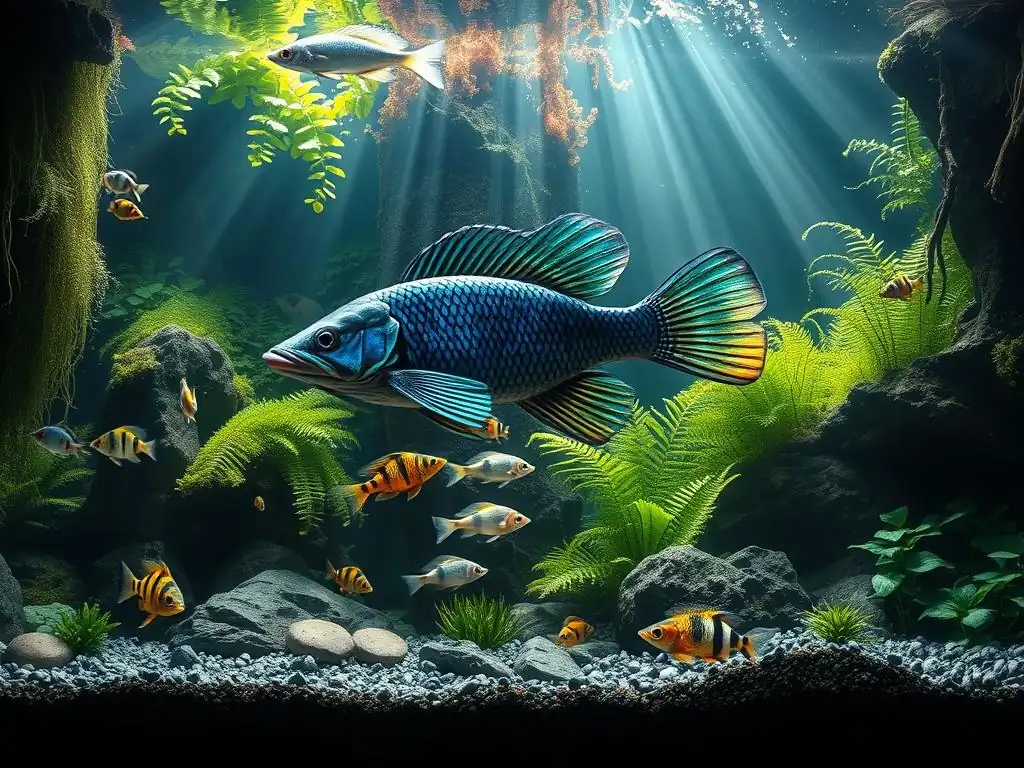
Ever been mesmerized by the graceful sway of fins in your aquarium? Get ready to be even more captivated! In this article, we dive deep into the world of the Longfin Bristlenose Pleco, unraveling the secrets to providing optimal care for these elegant algae eaters. From tank setup to dietary needs, prepare to unlock the knowledge you need to ensure your Longfin Bristlenose pleco thrives. Intrigued? Let's get started!
- Understanding the Longfin Bristlenose Pleco
- Longfin Bristlenose Pleco Care: A Comprehensive Guide
- Longfin Bristlenose Pleco Tank Mates
- Longfin Bristlenose Pleco Breeding
- Common Health Issues and Prevention for Longfin Bristlenose Plecos
- Where to Buy Longfin Bristlenose Plecos
- The Benefits of Keeping Longfin Bristlenose Plecos
-
Frequently Asked Questions
- What are the specific water parameters required for Longfin Bristlenose Plecos?
- What is the ideal tank size for keeping Longfin Bristlenose Plecos?
- What should I feed my Longfin Bristlenose Pleco?
- How can I encourage my Longfin Bristlenose Pleco to breed?
- What are some common health problems that affect Longfin Bristlenose Plecos?
- Final Reflection: Appreciating the Aquatic Elegance
- Dive Deeper: Nurture Your Longfin Bristlenose Pleco!
Understanding the Longfin Bristlenose Pleco
What is a Longfin Bristlenose Pleco? (Ancistrus Cirrhosus)
The Longfin Bristlenose Pleco, scientifically known as Ancistrus cirrhosus, is a popular and distinctive freshwater catfish belonging to the Loricariidae family. Originating from the fast-flowing rivers and tributaries of South America, particularly the Amazon basin, this species has gained widespread acclaim among aquarists for its unique appearance and valuable role as an algae eater. Unlike its wild counterparts, the longfin variety is a result of selective breeding, specifically developed to exhibit elongated and flowing fins that add a touch of elegance to any aquarium.
These captivating fish typically reach an adult size of 4 to 6 inches (approximately 10-15 cm), making them a suitable inhabitant for many home aquariums without demanding excessively large tank volumes. Their flattened undersides and armored bodies are characteristic of plecos, allowing them to cling to surfaces in strong currents in their natural habitat. While they are primarily known for their algae-consuming habits, a comprehensive Longfin Bristlenose pleco care regimen involves understanding their full dietary needs and providing an environment that mimics their natural riverine homes.
Identifying Features of Longfin Bristlenose Plecos: Fins and Markings
The most striking identifying feature of the Longfin Bristlenose Pleco is, undoubtedly, its exaggerated fins. Unlike the shorter, more compact fins of the standard Bristlenose Pleco, the longfin variant boasts flowing, veil-like dorsal, caudal (tail), and pectoral fins that can be twice as long as those of their common relatives. These delicate fins contribute significantly to their graceful movement through the water, though they also necessitate careful consideration of tank decor to prevent tears.
Beyond their impressive fins, these plecos share other characteristic Bristlenose features. Their bodies are covered in bony plates, providing protection, and their undersides are adapted into a powerful suction cup mouth, perfect for rasping algae from surfaces. Males are easily identified by the prominent, bushy "bristles" or odontodes that develop on their snouts, which become more pronounced with age and maturity.
Females typically have smaller, fewer, or no bristles, usually limited to the edges of their snout. Coloration can vary, with common morphs including various shades of brown, black, albino (white with red eyes), and the popular "Super Red" or "Calico" varieties, often adorned with subtle spots or marbled patterns that provide effective camouflage against the substrate.
Longfin vs. Standard Bristlenose Pleco: Key Differences
The primary distinction between the Longfin Bristlenose Pleco and its standard counterpart lies almost entirely in the length and flow of their fins. While both are members of the Ancistrus cirrhosus species and share similar body shapes, sizes, and temperaments, the Longfin variety's selectively bred, elongated fins set it apart visually. A standard Bristlenose will have fins proportionate to its body, whereas the Longfin's fins can extend dramatically, creating a more ethereal appearance.
In terms of Longfin Bristlenose pleco care, the requirements are largely identical, encompassing water parameters, diet, and tank size. However, the delicate nature of the long fins in the Longfin variant means aquarists must be more mindful of sharp decorations or aggressive tank mates that could cause damage. For instance, while both thrive with driftwood and caves, the Longfin Bristlenose benefits from smoother, less abrasive surfaces. Due to the specialized breeding involved, Longfin Bristlenose Plecos may also be slightly less common and potentially more expensive than their standard-finned relatives, reflecting their unique aesthetic appeal.
Longfin Bristlenose Pleco Care: A Comprehensive Guide
Setting Up the Ideal Tank Environment for Longfin Bristlenose Plecos
Tank Size Requirements for Longfin Bristlenose Plecos
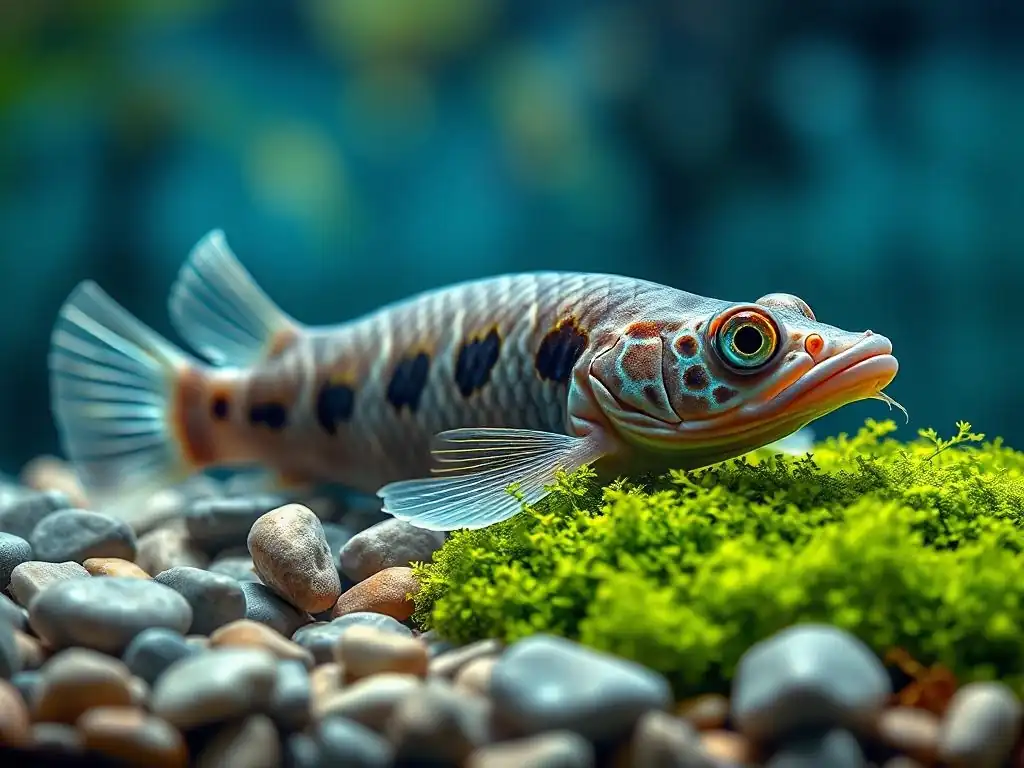
Providing an appropriately sized aquarium is fundamental to successful Longfin Bristlenose pleco care. For a single adult Longfin Bristlenose Pleco, a minimum tank size of 20 gallons (approximately 75 liters) is recommended. This allows sufficient space for the fish to establish a territory, explore, and graze without feeling confined. It also helps in maintaining stable water parameters, which are crucial for the health of any aquatic inhabitant.
While a 20-gallon tank is the minimum, a larger aquarium, such as 30 to 40 gallons (113-150 liters), is even better, especially if you plan to keep multiple Bristlenose plecos or integrate them into a community tank. Larger tanks offer more swimming room, more surface area for algae growth, and greater water volume, which dilutes waste products more effectively, contributing to a healthier and more stable environment. Remember that these fish are active bottom-dwellers that appreciate horizontal space, but also enjoy climbing on vertical surfaces like driftwood.
Water Parameters: Temperature, pH, and Hardness for Optimal Health
Maintaining stable and appropriate water parameters is paramount for the long-term health and vitality of your Longfin Bristlenose Pleco. The ideal temperature range for these tropical fish is between 72°F and 80°F (22°C to 27°C). Fluctuations outside this range can cause stress and weaken their immune system, making them susceptible to diseases. Using a reliable aquarium heater with a thermostat is essential to maintain a consistent temperature.
In terms of pH, Longfin Bristlenose Plecos thrive in slightly acidic to neutral water, with an ideal range of 6.5 to 7.5. While they can tolerate a small deviation, rapid changes in pH are highly detrimental. Water hardness (GH) should be kept between 6 and 10 dGH. Consistent water chemistry is far more important than hitting exact numbers, so avoid sudden and drastic alterations. Regular testing with a quality liquid test kit will help monitor these parameters and ensure optimal conditions for thorough Longfin Bristlenose pleco care.
Substrate and Decorations: Creating a Natural Habitat
The choice of substrate and decorations plays a crucial role in creating a comfortable and natural habitat for your Longfin Bristlenose Pleco. Given their delicate, elongated fins and their bottom-dwelling nature, a fine, smooth substrate like sand or very fine gravel is highly recommended. Sharp or abrasive gravel can easily damage their fins and barbels, leading to infections or hindering their ability to forage.
Decorations should include abundant hiding spots and surfaces for grazing. Driftwood is not just decorative; it is absolutely essential for Bristlenose plecos. They rasp on driftwood to aid digestion and provide necessary dietary fiber (lignin). Incorporate several pieces of driftwood, along with smooth rocks, ceramic caves, or even PVC pipes, to offer ample shelter and security. Live plants, such as Anubias, Java Fern, and Amazon Swords, are also beneficial, providing additional surfaces for algae growth and further hiding opportunities. Aim for at least one dedicated cave per pleco to minimize territorial disputes, especially if keeping multiple individuals.
Longfin Bristlenose Pleco Diet and Feeding
What Do Longfin Bristlenose Plecos Eat?
While Longfin Bristlenose Plecos are renowned for their algae-eating capabilities, they are not exclusively herbivorous; they are in fact omnivores with a strong preference for plant matter. Their primary diet in the aquarium should consist of the algae and biofilm that naturally grow on surfaces. However, relying solely on tank algae is often insufficient for their nutritional needs, especially in established, clean aquariums.
A significant component of their diet must be plant-based. They actively graze on soft algae, diatoms, and even some types of hair algae. Crucially, they also require access to driftwood, as the lignin from the wood aids their digestion and provides essential fiber. Without adequate supplementary feeding, Longfin Bristlenose Plecos can become malnourished, leading to stunted growth and poor health. Therefore, a varied and balanced diet is key to comprehensive Longfin Bristlenose pleco care.
Supplementing Their Diet: Vegetables and Algae Wafers
To ensure your Longfin Bristlenose Pleco receives all necessary nutrients, supplementing their diet with high-quality sinking foods is vital. Algae wafers or sinking pellets specifically formulated for plecos or bottom-feeders should form the staple of their supplementary diet. Look for options that list spirulina or other plant-based ingredients as primary components.
Beyond commercial foods, fresh blanched vegetables are an excellent addition. Favorites include zucchini slices, cucumber, shelled peas, and spinach. Simply blanch the vegetables for a few minutes to soften them, then weigh them down so they sink to the bottom. Offer small pieces daily or every other day, removing any uneaten portions after a few hours to prevent water fouling. This varied approach ensures they receive a full spectrum of vitamins and minerals, promoting vibrant coloration and robust health as part of effective Longfin Bristlenose pleco care.
Feeding Schedule and Avoiding Overfeeding
Longfin Bristlenose Plecos are primarily nocturnal, meaning they are most active and feed during the nighttime hours. Therefore, the best time to offer their main meal, such as algae wafers or blanched vegetables, is typically after the aquarium lights have been turned off for the evening. This allows them to forage without competition from more active, daytime fish and in an environment where they feel most secure.
It is crucial to avoid overfeeding. Provide only what your pleco can consume within a few hours to prevent uneaten food from decaying and polluting the water. Overfeeding is a common cause of poor water quality, which can lead to increased nitrates, ammonia spikes, and a host of health issues like bloat or fin rot. If you notice a significant amount of uneaten food the next morning, reduce the portion size. Adjust feeding frequency and amount based on the amount of natural algae available in your tank and the number of other algae-eating inhabitants.
Maintaining a Healthy Aquarium for Your Longfin Bristlenose
Regular Water Changes: Frequency and Volume
Regular water changes are arguably the most critical aspect of maintaining a healthy environment for your Longfin Bristlenose Pleco. These fish are sensitive to accumulating waste products, particularly nitrates. A weekly or bi-weekly water change of 20-30% of the tank volume is generally recommended. For instance, in a 20-gallon tank, a 4-6 gallon water change weekly would be appropriate.
When performing water changes, always use a reliable water conditioner to neutralize chlorine and chloramines present in tap water. Ensure the new water is roughly the same temperature as the aquarium water to prevent temperature shock, which can severely stress fish. Regular water changes dilute nitrates, replenish essential minerals, and remove organic waste that filtration alone cannot completely handle, thus preventing the buildup of toxins and supporting robust Longfin Bristlenose pleco care.
Filtration and Aeration: Essential Components
Effective filtration and adequate aeration are non-negotiable for a thriving Longfin Bristlenose Pleco aquarium. A robust filtration system is necessary to maintain pristine water quality by removing physical debris, chemical impurities, and converting harmful nitrogenous waste products. A hang-on-back (HOB) filter or a canister filter that provides mechanical, chemical, and biological filtration is ideal. Aim for a filter rated to process the tank's volume at least 4 to 6 times per hour.
Bristlenose plecos, like many bottom-dwelling fish, require high levels of dissolved oxygen. Good aeration can be achieved through the filter's outflow creating surface agitation, or by using an air pump with an air stone. This ensures that oxygen is adequately dissolved into the water, preventing respiratory distress. Proper filtration and aeration work synergistically to create a stable, oxygen-rich environment, which is paramount for comprehensive Longfin Bristlenose pleco care.
Monitoring Water Quality: Testing for Ammonia, Nitrite, and Nitrate
Consistent monitoring of water quality parameters is a cornerstone of responsible Longfin Bristlenose pleco care. Regular testing for ammonia, nitrite, and nitrate levels is essential to ensure the nitrogen cycle is functioning correctly and the water remains safe for your fish. Ammonia and nitrite are highly toxic to fish and should always be at 0 parts per million (ppm). Any detectable levels indicate a problem with the biological filtration or overstocking and require immediate attention, such as a large water change.
Nitrates, the end product of the nitrogen cycle, are less toxic but can still accumulate to harmful levels. While some nitrates are tolerable, it's best to keep them below 20 ppm, ideally below 10 ppm, to ensure optimal health. High nitrate levels often signify a need for more frequent or larger water changes. Investing in a reliable liquid test kit (strip tests are often less accurate) and performing weekly tests will provide invaluable insights into your tank's health and allow you to make timely adjustments to your Longfin Bristlenose pleco care routine.
Longfin Bristlenose Pleco Tank Mates
Compatible Fish Species for a Peaceful Community Tank
Longfin Bristlenose Plecos are generally peaceful and make excellent additions to a community aquarium, provided their tank mates are also non-aggressive and share similar water parameter requirements. Ideal companions include various peaceful schooling fish that primarily inhabit the middle and upper levels of the tank, thereby avoiding direct competition for space with the bottom-dwelling pleco.
Good choices for tank mates include popular species such as Neon Tetras, Cardinal Tetras, Rummy Nose Tetras, Harlequin Rasboras, and various peaceful Danio species. Other suitable options are Corydoras catfish, which are also peaceful bottom-dwellers but forage differently, and livebearers like Mollies, Platies, and Guppies. Smaller, peaceful cichlids, such as German Blue Rams or Bolivian Rams, can also coexist well. The key is to select fish that won't harass the pleco or nip at its delicate, flowing fins, which are particularly vulnerable.
Fish to Avoid: Aggressive Tank Mates
When planning tank mates for your Longfin Bristlenose Pleco, it is crucial to avoid any fish species known for aggression, fin-nipping, or predatory behavior. Large, boisterous, or overtly aggressive cichlids, such as Oscars, Jack Dempseys, or Green Terrors, are unsuitable as they can easily injure, stress, or even kill a Bristlenose Pleco, especially due to its vulnerable long fins.
Similarly, fin-nipping species should be avoided. While some species like Tiger Barbs can be kept in large schools to dilute aggression, they are notorious for nipping at long, flowing fins, which would be disastrous for a Longfin Bristlenose. Very large, fast-moving fish that create a lot of turbulence or constantly outcompete the pleco for food should also be considered carefully, as they can cause undue stress. Prioritizing peaceful and compatible tank mates is a vital part of effective Longfin Bristlenose pleco care.
Invertebrates as Tank Mates: Snails and Shrimp
Invertebrates can make excellent and beneficial tank mates for Longfin Bristlenose Plecos, often contributing to the overall health and cleanliness of the aquarium. Peaceful snail species, such as Nerite Snails, Mystery Snails, and Ramshorn Snails, are highly compatible. They are also efficient algae eaters and detritus scavengers, working alongside the pleco without any territorial disputes or aggression.
Freshwater shrimp, particularly Amano Shrimp and various Neocaridina species (like Cherry Shrimp), can also coexist peacefully with Longfin Bristlenose Plecos. While very small shrimp fry might occasionally be a target if the pleco is exceptionally hungry, adult shrimp are generally safe. Amano Shrimp are particularly effective algae eaters, making them excellent companions. Ensure that any shrimp added have plenty of hiding spots, such as dense plant cover or small crevices, especially if the tank contains other fish that might predate on them.
Longfin Bristlenose Pleco Breeding
Creating Breeding Conditions for Longfin Bristlenose Plecos
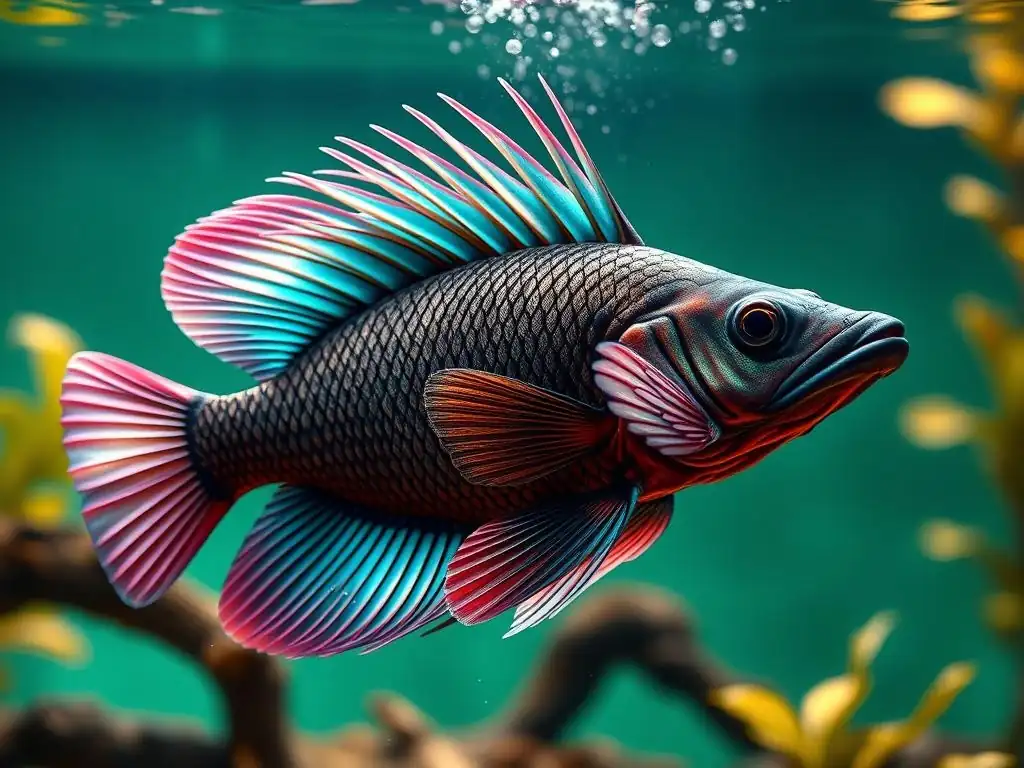
Longfin Bristlenose Plecos are relatively easy to breed in a home aquarium, provided the right conditions are met. To encourage spawning, focus on creating an environment that mimics their natural breeding triggers. This involves providing ample dedicated breeding caves, which are typically small, enclosed spaces like clay pots, PVC pipes, or specialized pleco breeding caves. A single male will usually claim and guard one of these caves.
Optimal water quality is paramount; ensure parameters are stable and pristine, with ammonia and nitrite at zero and nitrates kept low. Many breeders find that slightly softer, more acidic water (pH 6.5-7.0) can encourage spawning, though they will breed in a wider range. Conditioning the breeding pair with a varied diet rich in protein (e.g., bloodworms, brine shrimp, high-quality sinking pellets) in addition to their usual plant matter can also stimulate readiness to breed. Large, cool water changes, simulating the influx of fresh rainwater in their natural habitat, can often trigger spawning behavior.
Identifying Male and Female Longfin Bristlenose Plecos
Distinguishing between male and female Longfin Bristlenose Plecos, especially mature adults, is relatively straightforward due to distinct sexual dimorphism. The most reliable indicator is the development of odontodes, or "bristles," on their snouts. Males develop prominent, branched, and often bushy bristles that extend across their snout, becoming quite elaborate as they mature, typically around 1.5 to 2 years of age. These bristles are used in territorial displays and during courtship.
In contrast, female Longfin Bristlenose Plecos either have no bristles or only very small, sparse bristles located primarily around the edge of their snout, which do not extend significantly. Additionally, mature females tend to have a plumper, rounder body shape, especially when gravid (carrying eggs), while males are often slimmer and more elongated. Observing these physical differences is key to successful pairing for Longfin Bristlenose pleco breeding.
The Breeding Process: Spawning and Egg Care
Once a male and female Longfin Bristlenose Pleco are conditioned and the breeding conditions are optimal, the breeding process typically begins with the male selecting and meticulously cleaning a chosen breeding cave. He will then entice the female into the cave. Spawning usually occurs inside the cave, with the female laying a clutch of vibrant orange-yellow eggs. The number of eggs can vary significantly, often ranging from 20 to over 100, depending on the female's size and age.
After laying the eggs, the female typically leaves the cave, and the male takes over all parental duties. He will diligently guard the eggs, fanning them with his fins to ensure good water circulation and oxygenation, and keeping them clean by removing any debris or unfertilized eggs. This paternal care is crucial for the successful incubation of the eggs, which typically hatch within 4 to 7 days, depending on water temperature.
Raising Longfin Bristlenose Pleco Fry
After the incubation period, the Longfin Bristlenose Pleco fry hatch as "wrigglers" – tiny, translucent fish with large yolk sacs attached. For the first 3 to 5 days, they will primarily absorb nutrients from this yolk sac and remain within the safety of the breeding cave under the male's watchful eye. Once the yolk sac is fully absorbed, the fry become free-swimming and will venture out of the cave in search of food.
At this stage, providing appropriate food is critical for their survival and growth. Longfin Bristlenose pleco fry require a constant supply of food. Fine powdered algae wafers, spirulina powder, blanched zucchini slices (especially the soft inner part), and blanched shelled peas are excellent options. Feed small amounts multiple times a day. Maintaining pristine water quality with small, frequent water changes (e.g., 10-15% daily) is also essential, as fry are particularly sensitive to poor water conditions. With consistent Longfin Bristlenose pleco care, the fry have a relatively high survival rate.
Common Health Issues and Prevention for Longfin Bristlenose Plecos
Recognizing Signs of Illness in Your Longfin Bristlenose Pleco
Vigilant observation is key to early detection and treatment of health issues in your Longfin Bristlenose Pleco. Recognizing the signs of illness can significantly improve the chances of successful recovery. Healthy plecos are typically active, alert, and display vibrant coloration. Signs that indicate a potential health problem include a sudden loss of appetite or refusal to eat, prolonged lethargy, or unusually clamped fins.
Physical symptoms might include white spots resembling salt grains (Ich), fuzzy white or gray growths (fungal infections), red streaks on the body or fins (septicemia), or ragged, deteriorating fins (fin rot). Swelling or bloating, particularly around the abdomen, can indicate internal issues. Rapid breathing, gasping at the surface, or rubbing against tank decorations are also red flags that warrant immediate investigation into water parameters or potential parasites.
Treating Common Diseases: Ich, Fin Rot, and Fungal Infections
Treating common diseases in Longfin Bristlenose Plecos requires prompt action and careful adherence to medication instructions. Ich (Ichthyophthirius multifiliis), a common parasitic infection, manifests as white spots. Treatment often involves gradually raising the tank temperature (if compatible with tank mates, typically to 82-86°F or 28-30°C) over 24-48 hours, adding aquarium salt (1 tablespoon per 5 gallons, dissolved first), or using commercially available Ich medications.
Fin rot, often caused by poor water quality or bacterial infections, leads to frayed or decaying fins. The primary treatment involves improving water quality through large, frequent water changes and, if severe, using a broad-spectrum antibacterial medication. Fungal infections appear as cotton-like growths and are often secondary to other issues or injuries. They are treated by improving water quality and using antifungal medications. Always remove activated carbon from your filter when medicating, as it will absorb the treatment.
Preventing Health Problems Through Proper Care
The most effective approach to managing health issues in Longfin Bristlenose Plecos is prevention, which hinges on consistent and meticulous Longfin Bristlenose pleco care. Maintaining stable and pristine water parameters is paramount; regularly test for ammonia, nitrite, and nitrate, and perform routine water changes to keep toxins at bay. A well-cycled tank with robust biological filtration is crucial.
Providing a balanced and varied diet, including high-quality sinking wafers, blanched vegetables, and access to driftwood, strengthens their immune system. Avoid overstocking your aquarium, as this leads to increased waste production and stress. When introducing new fish, always quarantine them in a separate tank for 2-4 weeks to prevent the introduction of diseases into your main display tank. Finally, ensuring your pleco has plenty of hiding spots and is housed with compatible, peaceful tank mates will minimize stress, which is a major contributor to weakened immunity and disease susceptibility.
Where to Buy Longfin Bristlenose Plecos
Selecting Healthy Longfin Bristlenose Plecos from Reputable Sources
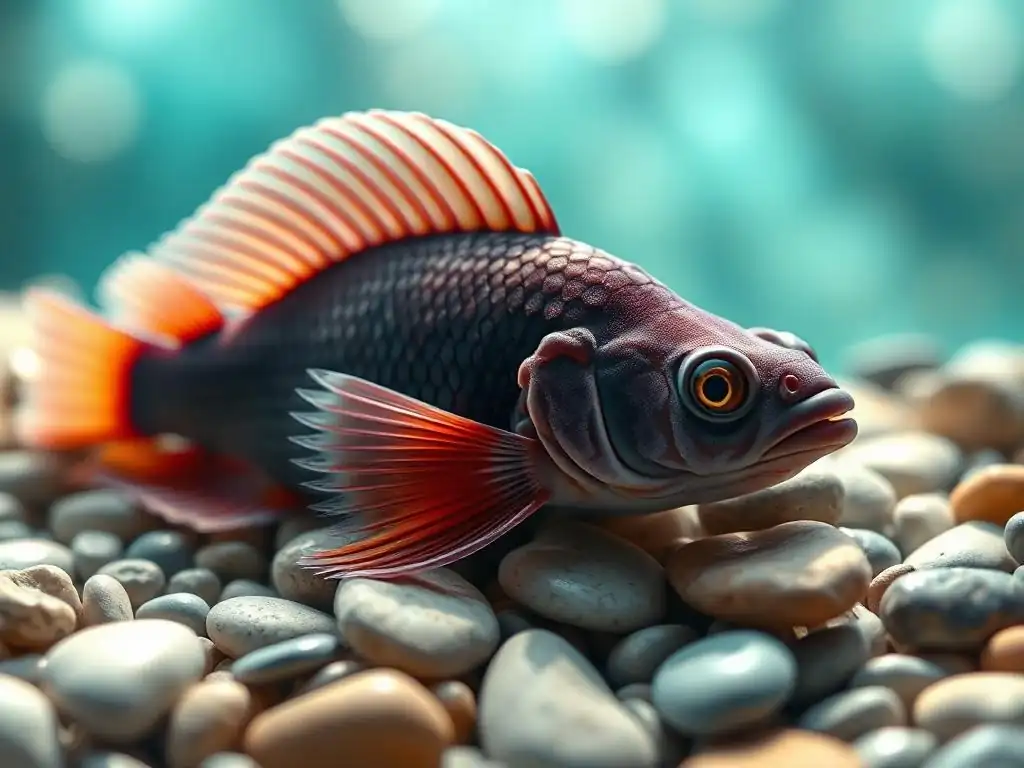
When considering adding a Longfin Bristlenose Pleco to your aquarium, the source from which you purchase your fish is critical to its long-term health and your success as an aquarist. Always strive to buy from reputable sources, whether it's a dedicated local fish store or a well-reviewed online retailer. A reputable local fish store will have clean, well-maintained tanks, knowledgeable staff who can answer your questions about Longfin Bristlenose pleco care, and a clear policy on fish health guarantees.
If purchasing online, research the retailer's reputation, read customer reviews, and understand their shipping practices. Look for companies that prioritize the welfare of their animals during transit and offer live arrival guarantees. Avoid purchasing from tanks that appear overcrowded, dirty, or contain visibly diseased or dead fish, as this indicates poor husbandry practices that could lead to issues with your new addition.
What to Look for When Purchasing a Longfin Bristlenose Pleco
When you are ready to purchase a Longfin Bristlenose Pleco, take the time to carefully observe the fish before making your selection. A healthy pleco should be active and alert, not lethargic or hiding excessively (unless spooked by your presence). Its eyes should be clear and bright, without any cloudiness or film. Pay particular attention to the fins: they should be intact, without any tears, rips, or signs of fin rot, which is especially important for the delicate, elongated fins of the longfin variety.
The body should be free of any visible spots (like Ich), fuzzy growths (fungus), or open sores. Its coloration should be vibrant and consistent with its morph, not faded or patchy. Observe its breathing; it should be steady and not labored or rapid. If possible, watch the fish eat; a healthy pleco will typically show interest in food. By carefully inspecting these aspects, you can significantly increase your chances of bringing home a robust and healthy Longfin Bristlenose Pleco that will thrive with proper Longfin Bristlenose pleco care.
The Benefits of Keeping Longfin Bristlenose Plecos
Algae Control: A Natural Solution for Your Aquarium
One of the most widely celebrated benefits of keeping Longfin Bristlenose Plecos is their exceptional ability to control algae in the aquarium. These diligent bottom-dwellers are natural algae eaters, constantly grazing on biofilm and various types of algae that grow on tank glass, decorations, and plant leaves. They are particularly effective at consuming diatoms (brown algae) and green spot algae, which can be unsightly and difficult to remove manually.
Their constant rasping action helps to keep surfaces clean, reducing the need for frequent manual scrubbing and contributing significantly to the overall aesthetic appeal of the tank. While they are not a magical solution for severe, uncontrolled algae outbreaks (which often point to underlying water quality issues), they serve as an excellent natural clean-up crew, making routine Longfin Bristlenose pleco care and tank maintenance considerably easier and more enjoyable.
Adding Visual Appeal to Your Tank
Beyond their utilitarian role in algae control, Longfin Bristlenose Plecos bring a unique and captivating visual appeal to any freshwater aquarium. Their most distinctive feature, the elegant, flowing fins, transforms them from a typical bottom-dweller into a graceful and striking centerpiece. Unlike many other pleco species that can grow very large, their manageable adult size of 4-6 inches allows them to fit comfortably into a wider range of home aquariums, including community setups.
The availability of various color morphs, such as the classic brown and black spotted, the striking albino (white with red eyes), the vibrant "Super Red," and the patterned "Calico," further enhances their aesthetic contribution. Watching them slowly glide across the substrate, their long fins trailing behind, or observing a male's impressive bristly snout, provides endless fascination and adds a dynamic, intriguing element to the aquatic landscape.
The Joy of Observing These Unique Fish
Keeping Longfin Bristlenose Plecos offers a profound sense of joy and satisfaction to aquarists of all experience levels. Their generally peaceful temperament and relatively straightforward Longfin Bristlenose pleco care requirements make them an excellent choice for both beginners and seasoned hobbyists looking for a rewarding species. Observing their unique behaviors, such as their constant grazing on surfaces, their nocturnal activity once the lights are out, or the intricate details of a male's bristles, can be incredibly engaging.
Their diligent work in keeping the tank clean adds to the overall enjoyment, as you witness their positive impact on the aquarium's ecosystem. For those interested in breeding, the process of observing parental care and raising fry can be particularly fulfilling. The Longfin Bristlenose Pleco is more than just an algae eater; it is a fascinating and beautiful creature that enriches the aquarium experience, providing endless opportunities for observation and appreciation.
Frequently Asked Questions
What are the specific water parameters required for Longfin Bristlenose Plecos?
Longfin Bristlenose Plecos thrive in water with a pH of 6.5-7.5, a temperature of 72-82°F (22-28°C), and relatively soft to moderately hard water. Consistent water changes are crucial to maintain optimal water quality.
What is the ideal tank size for keeping Longfin Bristlenose Plecos?
A minimum tank size of 20 gallons is recommended for a single Longfin Bristlenose Pleco. Larger tanks are preferable, especially if you plan on keeping other fish or multiple plecos.
What should I feed my Longfin Bristlenose Pleco?
Longfin Bristlenose Plecos are primarily algae eaters, but their diet should be supplemented with algae wafers, blanched vegetables (like zucchini and spinach), and occasional protein sources like bloodworms. A varied diet is important for their health.
How can I encourage my Longfin Bristlenose Pleco to breed?
To encourage breeding, provide a cave-like structure for the female to lay her eggs in. Maintain excellent water quality and a consistent temperature within the preferred range mentioned earlier.
What are some common health problems that affect Longfin Bristlenose Plecos?
Longfin Bristlenose Plecos can be susceptible to issues like Ich (white spot disease), fungal infections, and bacterial infections, especially if water quality is poor. Regular observation and prompt treatment are crucial for their survival.
Final Reflection: Appreciating the Aquatic Elegance
The journey of understanding and caring for the Longfin Bristlenose Pleco, as we've explored, is more than just aquarium maintenance; it's about fostering a miniature ecosystem and appreciating the delicate balance within. The current surge in popularity of these captivating creatures highlights a growing desire for connection with nature, even within the confines of our homes. This trend underscores the importance of responsible pet ownership and the need for readily accessible, accurate information to ensure the well-being of these fascinating fish.
The Longfin Bristlenose Pleco, with its flowing fins and unique personality, has undoubtedly carved a niche in the hearts of aquarists. My own fascination with these gentle giants stems from their resilience and the quiet beauty they bring to any tank. Their presence serves as a constant reminder of the intricate web of life that exists beneath the surface, urging us to be mindful stewards of our aquatic environments. In every walk with nature, one receives far more than he seeks.
- John Muir. This quote perfectly encapsulates the rewarding experience of observing and caring for these remarkable creatures.
As we conclude this exploration of Longfin Bristlenose Pleco care, I invite you to reflect on the lessons learned. Consider how you can apply this knowledge, not only to the care of your own aquatic companions but also to a broader appreciation for the natural world. Let us all strive to be informed and compassionate caretakers, ensuring that these elegant fins continue to grace our aquariums for generations to come.
Dive Deeper: Nurture Your Longfin Bristlenose Pleco!
Thanks for exploring the fascinating world of Longfin Bristlenose Plecos! We hope you've gained valuable insights into caring for these elegant algae eaters. Now, let's put that knowledge into action and create the best possible environment for your aquatic friend.
Here are some ways to continue your pleco-care journey:
- Transform your aquarium into a Bristlenose paradise: Re-evaluate your tank's layout and introduce driftwood or pleco caves to mimic their natural habitat and provide ample grazing surfaces.
- Share your newfound knowledge:Inspire other aquarium enthusiasts by sharing this article on your favorite social media platform or aquarium forum.
- Surprise your pleco: Prepare a pleco-specific "smoothie" from blanched zucchini, peas, and a small amount of spirulina powder for a nutrient-rich treat.
Ready to redesign your tank and make your Longfin Bristlenose Pleco feel right at home?