
Feeding Fussy Dwarf Cichlids: A Gourmet Guide to Their Diet

Welcome to Aquarium Mastery!
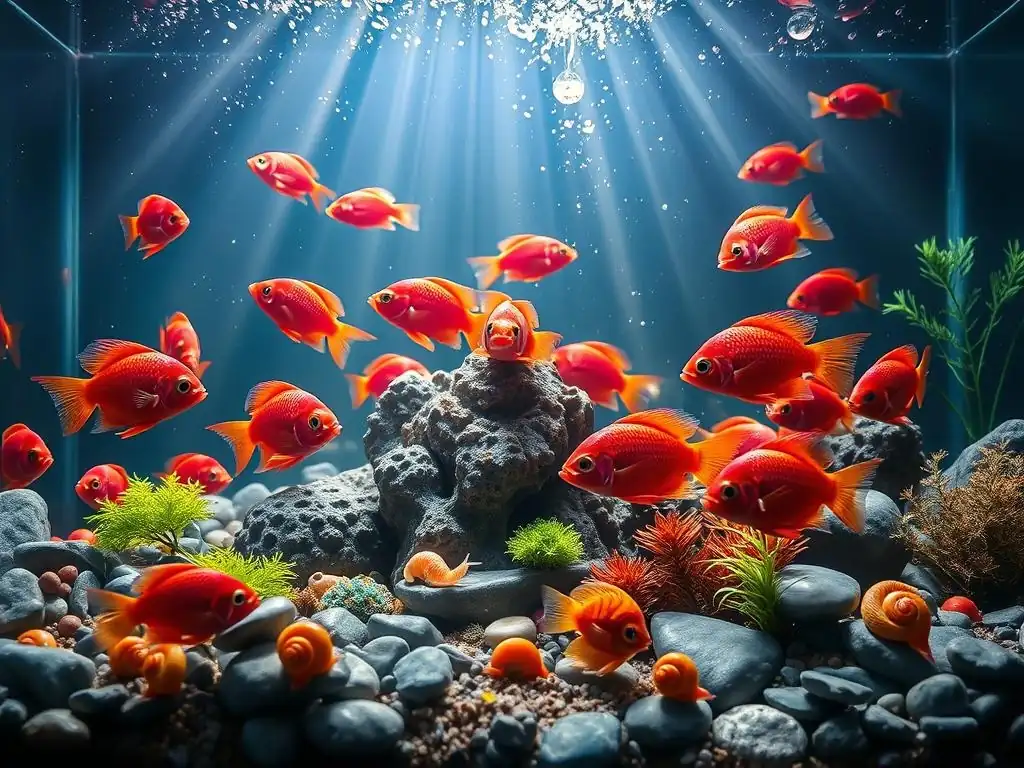
Ever wondered why your vibrant dwarf cichlid turns its nose up at mealtime? Unravel the mystery of their finicky appetites with our in-depth guide, "Feeding Fussy Dwarf Cichlids: A Gourmet Guide to Their Diet." Dive in to discover the secrets to satisfying these captivating creatures and ensuring their long-term health and happiness. Let's get started!
- Understanding Dwarf Cichlid Dietary Needs: Why Are They Picky Eaters?
- Overcoming Dwarf Cichlid Picky Eating: A Step-by-Step Approach
- The Dwarf Cichlid Gourmet Menu: Best Foods for Picky Eaters
- Feeding Strategies for Picky Dwarf Cichlids
- Addressing Common Dwarf Cichlid Feeding Problems
- Long-Term Dietary Management for Healthy Dwarf Cichlids
- Choosing the Right Tank Mates to Avoid Feeding Competition
-
Frequently Asked Questions
- What makes dwarf cichlids such picky eaters?
- What are some recommended foods for dwarf cichlids that are known to be fussy?
- How often should I feed my fussy dwarf cichlids?
- What should I do if my dwarf cichlid refuses to eat the offered food?
- How important is water quality when dealing with picky eating dwarf cichlids?
- Final Reflection: Navigating the Nuances of Nature's Picky Eaters
- Unleash the Vibrant Colors: Nurture Your Cichlids Today!
Understanding Dwarf Cichlid Dietary Needs: Why Are They Picky Eaters?
The Natural Diet of Dwarf Cichlids in the Wild
Dwarf cichlids, a diverse group including popular species like Apistogramma (e.g., A. cacatuoides, A. agassizii), Mikrogeophagus ramirezi (Ram Cichlids), and Pelvicachromis pulcher (Kribensis), are primarily micro-predators and opportunistic omnivores in their natural habitats. Originating from diverse aquatic environments across South America and West Africa, their wild diet predominantly consists of small invertebrates such as insect larvae, tiny crustaceans (like copepods and cladocerans), and worms.
They also forage on detritus, small amounts of plant matter, and biofilm, depending on the specific species and its native waters. This varied intake provides a rich spectrum of proteins, fats, and micronutrients essential for their health and vibrant coloration.
The inherent hunting instinct of these fish means they are naturally attracted to moving prey. In captivity, a lack of dietary diversity that mimics this natural foraging behavior can quickly lead to dwarf cichlid picky eating. If their diet consists solely of a single type of dry food, they may become uninterested, leading to nutritional deficiencies. For example, a wild Apistogramma might spend hours sifting through leaf litter for micro-invertebrates, a behavior that cannot be replicated with a simple flake food. Understanding this natural inclination is the first step in addressing and preventing a fussy eater.
Factors Influencing Dwarf Cichlid Feeding Habits
Several factors beyond just the food itself can profoundly influence a dwarf cichlid's feeding habits, potentially leading to dwarf cichlid picky eating. Foremost among these are water quality and environmental stability.
Suboptimal water parameters, such as fluctuating pH (e.g., a sudden drop from 7.0 to 6.0 for Rams), incorrect temperature (below 76°F / 24°C for many species), or the presence of ammonia and nitrite (even trace amounts), can induce significant stress, which directly suppresses appetite. A stressed fish is rarely a hungry fish, and chronic stress often manifests as a refusal to eat or a marked decrease in interest in food.
Social dynamics and tank setup also play a crucial role. In a community tank, aggressive or overly boisterous tank mates can intimidate shyer dwarf cichlids, preventing them from accessing food.
Overcrowding, lack of sufficient hiding spots, or even inadequate lighting can create an environment where the fish feel insecure and stressed, making them less likely to feed readily. For instance, a pair of Apistogramma in a sparsely decorated 10-gallon tank might show signs of dwarf cichlid picky eating due to constant exposure and lack of cover, whereas the same pair in a heavily planted 20-gallon tank with driftwood and caves might feed voraciously.
Recognizing the Signs of a Picky Eating Dwarf Cichlid
Identifying a picky eating dwarf cichlid requires careful observation of their behavior during feeding times and their overall physical condition. The most obvious sign is a consistent refusal to eat offered food, or taking food into their mouth only to spit it out repeatedly. While a healthy dwarf cichlid will typically consume its portion of food within one to two minutes, a fussy eater may ignore the food entirely, pick at it half-heartedly, or allow it to float past without interest. This lack of engagement is a clear indicator that something is amiss with their appetite.
Beyond direct observation during feeding, physical indicators can also point to a persistent dwarf cichlid picky eating problem. A fish that is not receiving adequate nutrition will often appear emaciated or "pinched" in the belly area, especially when viewed from above. Their colors may become dull or faded, losing the vibrant hues characteristic of healthy specimens. Lethargy, hiding more often than usual, or exhibiting abnormal swimming patterns can also be associated with prolonged undernourishment. It is crucial to address these signs promptly, as chronic underfeeding can weaken the fish's immune system, making it highly susceptible to diseases.
Overcoming Dwarf Cichlid Picky Eating: A Step-by-Step Approach
Step 1: Assessing Water Quality and Tank Conditions
The foundational step in addressing dwarf cichlid picky eating is a thorough assessment of their aquatic environment. Optimal water parameters are paramount for the health and appetite of these sensitive fish. For many popular dwarf cichlids like Rams, a pH between 6.0 and 7.5 and a temperature range of 76-82°F (24-28°C) are ideal.
Kribensis prefer slightly harder, more alkaline water, typically pH 6.5-7.5. Crucially, ammonia and nitrite levels must be zero parts per million (ppm), and nitrates should be kept consistently below 20 ppm through regular water changes. Any deviation from these optimal ranges or sudden fluctuations can induce severe stress, leading to a loss of appetite.
Beyond chemical parameters, the physical setup of the tank significantly impacts a dwarf cichlid's comfort and willingness to feed. Ensure the tank size is appropriate for the species and number of fish; for example, a pair of Apistogramma generally requires a minimum of 10-20 gallons to establish territory and feel secure.
The presence of ample hiding spots, such as driftwood, rock caves, and dense plant cover (e.g., Java Fern, Anubias, or cryptocorynes), provides essential security, reducing stress levels. A well-filtered tank with gentle water flow mimics their natural habitat and contributes to a stable environment where dwarf cichlids feel safe enough to feed.
Step 2: Identifying Potential Stressors Affecting Appetite
Once water quality is confirmed to be optimal, the next step is to identify and mitigate any other potential stressors contributing to dwarf cichlid picky eating. Tank mates are a common source of stress. Fast-moving or overly aggressive species, such as certain barbs or larger tetras, can intimidate the more docile dwarf cichlids, preventing them from reaching food during feeding times or causing constant anxiety.
Even seemingly peaceful fish can be problematic if they are much larger or occupy the same feeding zones, leading to competition. Observe interactions closely during feeding to see if certain fish are being outcompeted or harassed.
Environmental disruptions and lack of security can also lead to a suppressed appetite. Frequent or sudden changes in lighting, excessive noise or vibration near the tank, or constant human activity can make dwarf cichlids feel vulnerable. Ensure a consistent light cycle, typically 10-12 hours on, and provide a peaceful environment around the aquarium. If aggression from tank mates is observed, consider rehoming the problematic fish or adding more visual breaks and hiding spots within the tank to break lines of sight. A calm and secure environment is paramount for encouraging a healthy appetite in these sensitive fish.
Step 3: Introducing a Variety of Foods to Tempt Fussy Eaters
Once environmental stressors are minimized, the focus shifts to diversifying the diet to overcome dwarf cichlid picky eating. Many dwarf cichlids become selective simply because they are accustomed to a limited diet. The strategy involves gradually introducing a wide range of highly palatable, nutritious foods. Start with live or frozen foods, which often trigger their natural hunting instincts and are usually irresistible. For instance, offering newly hatched brine shrimp or frozen bloodworms as an initial "treat" can pique their interest.
After success with highly palatable options, slowly begin to introduce new food types. This should be a patient process. You might start by mixing a tiny amount of a new high-quality flake or micro-pellet food with a favorite frozen food. Over several days, gradually increase the proportion of the new food.
Some dwarf cichlids might take a week or more to accept a novel food. Always offer very small portions to prevent uneaten food from fouling the water, and remove any uneaten food promptly. Consistency in offering variety will eventually broaden their palate and ensure they receive a comprehensive nutritional profile.
Live Foods: The Irresistible Temptation for Dwarf Cichlids
Live foods are often the ultimate solution for dwarf cichlid picky eating, as their movement triggers the fish's natural predatory instincts, making them virtually irresistible. Newly hatched brine shrimp (nauplii) are an excellent first choice due to their small size and jerky swimming motion, perfect for even the smallest Apistogramma fry or adults.
Other highly effective live foods include Daphnia, which are small crustaceans rich in protein and beneficial fats, and micro-worms or grindal worms, which are easy to culture and provide a continuous food source. Blackworms are also a popular option, though they are larger and sometimes need to be chopped for smaller mouths.
Beyond their inherent appeal, live foods offer superior nutritional value compared to many processed foods. They are typically rich in protein and essential fatty acids, promoting vibrant coloration and robust health. For example, a diet supplemented with live Daphnia can significantly enhance the red and blue pigments in Ram Cichlids. However, it's crucial to acknowledge that live foods, especially wild-caught varieties, can carry parasites or diseases. Therefore, sourcing from reputable suppliers or, even better, culturing them at home is highly recommended to ensure their safety and quality for your dwarf cichlids.
Culturing Live Foods at Home: Brine Shrimp, Daphnia, and More
Culturing live foods at home provides a consistent, high-quality, and pathogen-free food source, making it an excellent strategy for overcoming dwarf cichlid picky eating. Newly hatched brine shrimp are among the easiest to culture. A simple brine shrimp hatchery, consisting of an inverted plastic bottle, saltwater (around 1.020-1.025 specific gravity), and an air stone, can yield thousands of nutritious nauplii within 24-36 hours at room temperature (78-80°F / 25-27°C). These tiny crustaceans are perfect for small-mouthed dwarf cichlids and fry.
For a slightly larger, yet equally beneficial, live food, Daphnia can be cultured in a separate container using green water (algae-rich water) or by feeding a small amount of yeast. A healthy Daphnia culture can reproduce rapidly, providing a steady supply of these essential filter feeders. Other excellent home-culturable options include microworms and grindal worms, which thrive on simple substrates like oatmeal or bread and are incredibly easy to maintain. These small worms offer a continuous source of protein and are readily accepted by most dwarf cichlids, proving invaluable for maintaining a diverse diet.
Where to Buy High-Quality Live Foods for Your Cichlids
When home culturing isn't feasible, sourcing high-quality live foods from reputable suppliers is essential to prevent introducing pathogens into your aquarium. Look for established local fish stores that maintain clean, well-aerated live food cultures. Observe the cultures for signs of health – the water should be clear, and the organisms should be active and free of debris. A good local store will often have a consistent turnover of fresh cultures.
Online aquatic suppliers specializing in live foods are another excellent option, especially for less common varieties or if local availability is limited. Before purchasing, check customer reviews regarding the quality of their cultures, packaging, and shipping practices. A reputable online vendor will typically ship live foods in insulated packaging with ice packs or heat packs as needed, ensuring the organisms arrive alive and healthy.
Always inspect the live food upon arrival for vitality and cleanliness before introducing it to your dwarf cichlids. For instance, if ordering blackworms, they should be tightly packed, active, and the water should not be cloudy or foul-smelling.
Frozen Foods: A Convenient and Nutritious Option
Frozen foods represent an excellent compromise between the appeal of live foods and the convenience of dry prepared diets. They retain much of their nutritional value and natural texture, making them highly palatable for dwarf cichlids, especially those exhibiting dwarf cichlid picky eating. Unlike live foods, frozen options pose a significantly lower risk of introducing parasites or diseases, as the freezing process typically kills most harmful organisms. They also have a much longer shelf life, allowing aquarists to stock a variety of options without frequent trips to the fish store.
The natural form and scent of frozen foods can often entice even the most reluctant eaters. When properly thawed, they mimic the consistency of small prey items, stimulating the natural hunting and foraging instincts of dwarf cichlids. For example, frozen Mysis shrimp, with their distinct shape and rich nutrient profile, are often accepted even when flakes are ignored. Incorporating a variety of frozen foods into the regular diet ensures a broader spectrum of nutrients and helps prevent dietary boredom, which can contribute to picky eating habits over time.
The Best Frozen Foods for Dwarf Cichlids: Bloodworms, Mysis Shrimp, and More
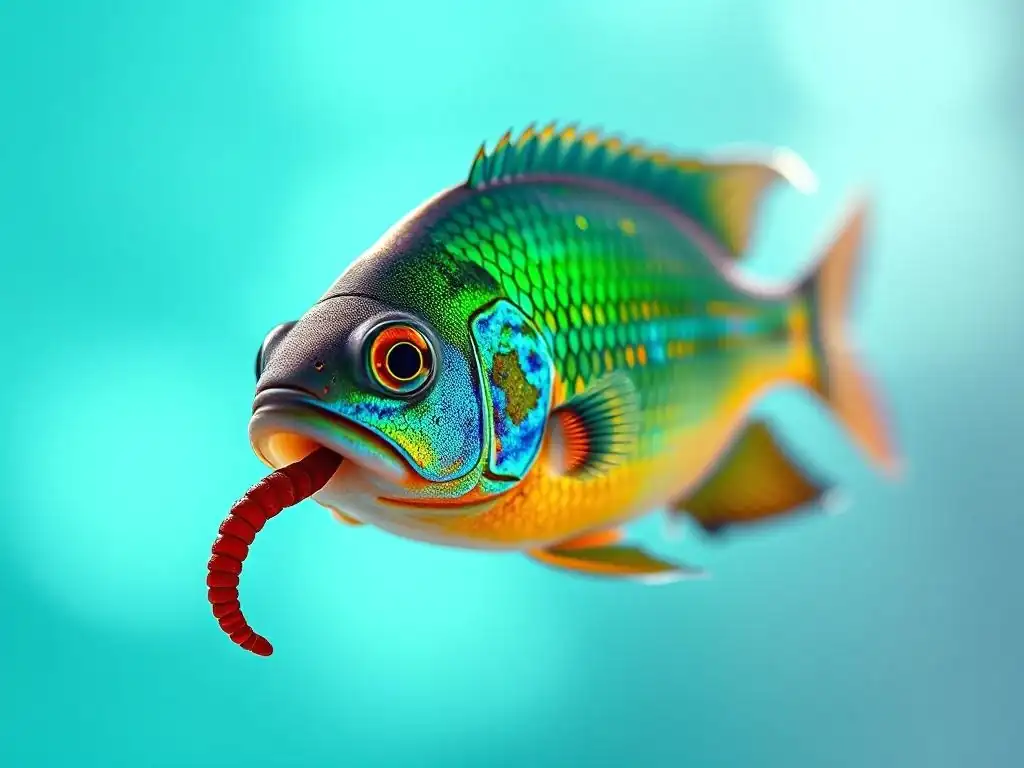
A diverse selection of frozen foods is crucial for providing a balanced diet and enticing dwarf cichlids prone to picky eating. Frozen bloodworms are a perennial favorite, highly rich in iron and protein, making them an excellent choice for stimulating appetite. Mysis shrimp are another top contender; they are packed with beneficial fatty acids and protein, and their distinct shape often appeals to predatory fish. Both bloodworms and Mysis shrimp are readily available in convenient cube or flat pack forms.
Other beneficial frozen options include frozen Daphnia and brine shrimp (adult or enriched with spirulina), which provide smaller, digestible morsels. Many specialty brands also offer frozen blends specifically formulated for cichlids, often combining ingredients like krill, spirulina, and various invertebrates. These blends ensure a comprehensive nutritional intake. When selecting frozen foods, look for reputable brands that clearly list ingredients and nutritional analysis. For instance, Hikari Bio-Pure Bloodworms are known for their quality and cleanliness, making them a safe and effective choice for your dwarf cichlids.
Properly Thawing and Preparing Frozen Foods
Proper thawing and preparation of frozen foods are critical to ensure both the safety and palatability for your dwarf cichlids. Never feed frozen food directly into the aquarium, as large, icy chunks can cause internal chilling or digestive issues. The correct method involves thawing a small portion of the frozen food in a separate container, such as a small cup or bowl, using a few milliliters of tank water or dechlorinated tap water.
Allow it to thaw completely, which typically takes only a few minutes. Avoid using hot water or a microwave, as this can destroy vital nutrients and change the food's texture.
Once thawed, it's advisable to strain the food through a fine mesh net or brine shrimp sieve. This step removes any excess "juice" or cloudy water that often accompanies frozen foods, which can otherwise pollute the aquarium water and contribute to nitrate spikes.
For larger frozen items like bloodworms, especially if feeding to very small dwarf cichlids or fry, you may need to chop them into smaller, more manageable pieces using a clean razor blade or sharp knife. This ensures that every dwarf cichlid, regardless of size, can readily consume the food, minimizing waste and ensuring all fish get their share.
High-Quality Flake and Pellet Foods: Supplementing the Diet
While live and frozen foods are often the key to overcoming dwarf cichlid picky eating, high-quality flake and pellet foods remain an important supplementary part of their diet. They offer convenience, a longer shelf life, and can provide a consistent baseline of nutrition. However, it's crucial to select only premium brands specifically formulated for carnivorous or omnivorous freshwater fish, rather than generic tropical flakes. These dry foods should never be the sole component of a dwarf cichlid's diet, especially for species known to be finicky.
When choosing dry foods, examine the ingredient list closely. Look for formulations where fish meal, krill, or other high-quality protein sources are listed as the first few ingredients. The protein content should ideally be at least 40-50%. Avoid foods with excessive fillers like wheat flour or soy, as these offer little nutritional value to primarily carnivorous dwarf cichlids and can lead to digestive issues. Brands like Omega One, New Life Spectrum, and Hikari offer excellent flake and micro-pellet options that are often well-received.
Choosing the Right Flake and Pellet Size for Small Cichlids
The size of flake and pellet foods is a critical, yet often overlooked, factor when feeding dwarf cichlids. These fish have relatively small mouths, and offering food that is too large will inevitably lead to dwarf cichlid picky eating, as they simply cannot ingest it. Flakes should be easily crumbled between your fingers into very small pieces, or you can purchase finely ground flakes. For pellets, micro-pellets, typically ranging from 0.5 mm to 1.0 mm in diameter, are the most appropriate choice.
Larger pellets, even those marketed for "small fish," can be problematic. A Ram Cichlid, for example, will struggle significantly with a 2mm pellet and likely spit it out repeatedly, leading to wasted food and a frustrated fish. Ensure that the food size is proportionate to the fish's mouth. If you have a variety of dwarf cichlid species, you might need different sizes or to crush larger flakes for the smallest inhabitants. This attention to detail ensures that the food is not only palatable but also physically consumable, maximizing uptake and reducing food waste.
Soaking Flake and Pellet Foods for Easier Consumption
Soaking dry flake and pellet foods before feeding is a simple yet highly effective technique to improve palatability and aid digestion for dwarf cichlids, particularly those prone to picky eating. Place the desired amount of dry food in a small cup or container and add a few drops of tank water or dechlorinated water. Let it sit for 1-2 minutes until the food softens and absorbs the water. This process makes the food much easier for the fish to swallow and digest, reducing the risk of bloating or swim bladder issues that can sometimes occur with dry, expanding foods.
Beyond improving digestibility, soaking also makes dry foods more appealing. The softened texture is often more readily accepted by finicky eaters, and the slight release of scent into the water can further entice them. For flakes, soaking prevents them from floating indefinitely at the surface, allowing them to sink more readily into the water column where bottom-dwelling dwarf cichlids can access them. This small extra step can significantly increase consumption rates and ensure your dwarf cichlids receive the full nutritional benefit of their dry food supplements.
Vegetable Matter: Adding Greens to Your Cichlid's Diet
While dwarf cichlids are primarily carnivorous, incorporating a small amount of vegetable matter into their diet can be beneficial for overall health and digestion. Species like the Kribensis ( Pelvicachromis pulcher ) are more omnivorous in nature and will readily accept plant-based foods, whereas Apistogramma species might show less interest but can still benefit from occasional offerings. Vegetable matter provides essential vitamins and fiber that contribute to a balanced diet, even if it constitutes a minor portion of their total food intake. It can aid in gut health and prevent certain nutritional deficiencies.
Introducing greens can also mimic their natural foraging habits, where they might incidentally consume plant detritus or algae. While not a primary food source, the occasional offering helps round out their nutritional profile. For example, a diet consisting solely of high-protein animal matter might lack certain vitamins that are abundant in plant material. A well-rounded diet is key to preventing long-term dwarf cichlid picky eating caused by nutritional imbalances.
Options for Vegetable Matter: Blanched Vegetables and Algae Wafers
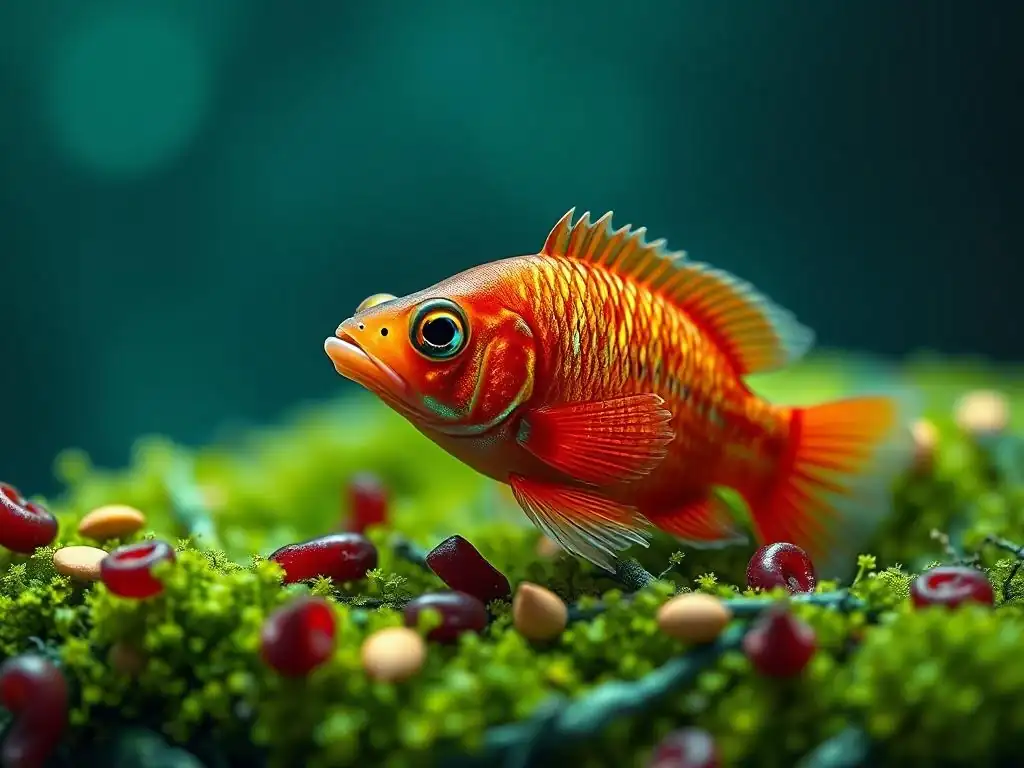
Several options exist for introducing vegetable matter into a dwarf cichlid's diet. Blanched fresh vegetables are an excellent choice. Small pieces of blanched zucchini, cucumber, or shelled peas can be offered occasionally. To blanch, simply drop a slice or pea into boiling water for 30-60 seconds, then immediately transfer to ice water to stop the cooking process. This softens the vegetables, making them digestible and palatable. You can then attach a small piece to a rock or plant weight to sink it for bottom-dwelling dwarf cichlids.
High-quality algae wafers or spirulina flakes can also serve as a convenient source of vegetable matter. Ensure that the wafers are designed for bottom feeders and are small enough for your dwarf cichlids to nibble on. Many dwarf cichlids will also graze on natural algae growth within the aquarium, which provides a continuous, albeit small, source of green nutrients. Offering a rotation of these options ensures variety and caters to different preferences among your fish.
The Importance of a Balanced Diet for Dwarf Cichlids
The cornerstone of preventing and resolving dwarf cichlid picky eating is providing a consistently balanced and varied diet. Relying on a single type of food, no matter how high-quality, will eventually lead to boredom, nutritional deficiencies, and a refusal to eat. A truly gourmet diet for dwarf cichlids incorporates a rotation of live, frozen, and high-quality dry foods, supplemented with occasional vegetable matter. This diversity ensures they receive a full spectrum of proteins, fats, vitamins, and minerals essential for their specific needs.
A balanced diet is not just about satisfying appetite; it's fundamental to the long-term health, vibrant coloration, and breeding success of your dwarf cichlids. Fish on a varied, nutritious diet exhibit stronger immune systems, are more resilient to stress and disease, and display their full genetic potential in terms of size and color intensity.
For instance, Ram Cichlids fed a varied diet of bloodworms, Mysis shrimp, and quality flakes will show much more intense blues and reds than those fed only generic flakes. Investing time in providing a diverse and nutritious menu is the most impactful step you can take to ensure the well-being of your dwarf cichlids.
Feeding Strategies for Picky Dwarf Cichlids
Small, Frequent Feedings: Encouraging Appetite
One of the most effective strategies for overcoming dwarf cichlid picky eating is to adopt a regimen of small, frequent feedings rather than one or two large meals. Dwarf cichlids have relatively small stomachs and a high metabolism, meaning they digest food quickly. In their natural habitat, they would forage continuously throughout the day, consuming small amounts of food as they find it. Mimicking this natural behavior by offering 2-3 small meals daily can significantly stimulate their appetite and encourage consistent feeding.
This approach also has the added benefit of maintaining better water quality. By offering only what your dwarf cichlids can consume within 1-2 minutes per feeding, you minimize the amount of uneaten food that can decay and pollute the tank. This continuous, yet controlled, supply of food keeps the fish engaged and interested, reducing the likelihood of them becoming bored or "full" and refusing subsequent offerings. For instance, instead of a single large pinch of flakes, offer three tiny pinches spread throughout the day.
Target Feeding: Ensuring Every Cichlid Gets Enough Food
In a community aquarium, competition for food can be a major contributor to dwarf cichlid picky eating, especially for shyer or smaller individuals. Faster, more aggressive tank mates can quickly snatch up all the food before the more deliberate dwarf cichlids have a chance to eat. Target feeding is an invaluable technique to ensure that every fish, particularly the more timid or selective ones, receives adequate nutrition. This involves delivering food directly to specific fish or areas of the tank.
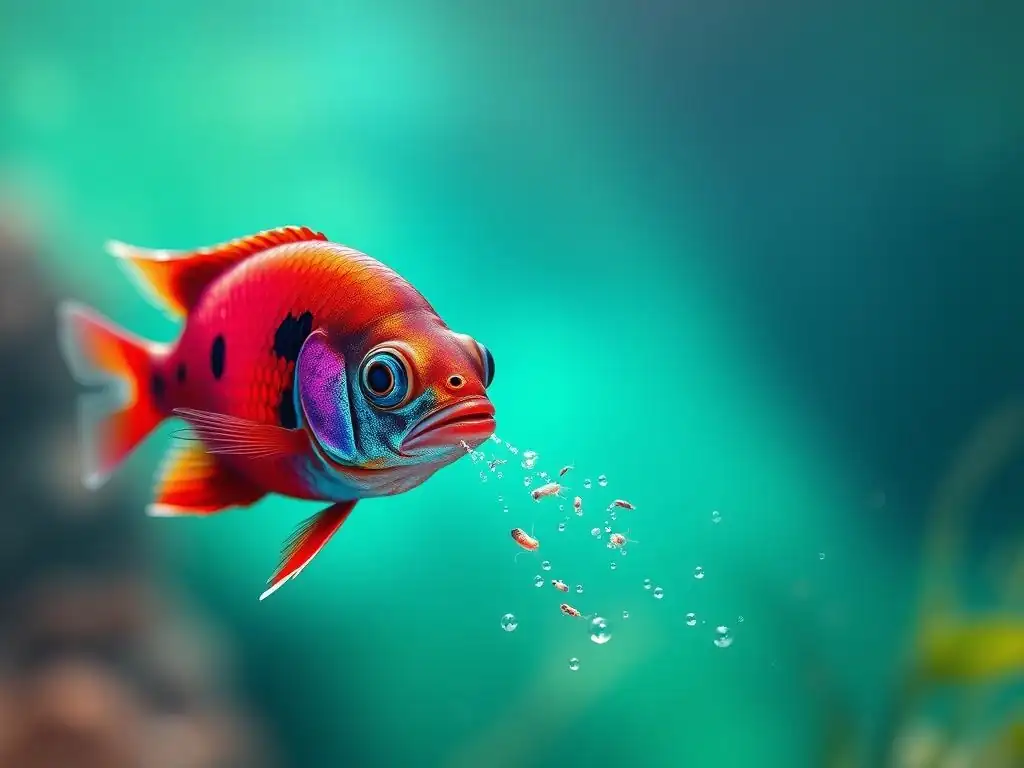
A turkey baster or a long pipette is an ideal tool for target feeding. Simply draw up a small amount of thawed frozen food or soaked flakes and gently release it near the dwarf cichlid you wish to feed. This direct delivery ensures that the food reaches its intended recipient, bypassing aggressive competitors. This method is particularly effective for species like Apistogramma that might be outcompeted by surface feeders or fast-moving mid-water fish. By ensuring fair feeding opportunities, you can alleviate stress and encourage even the most hesitant dwarf cichlids to eat regularly.
Using Garlic as an Appetite Stimulant
Garlic has long been recognized in the aquarium hobby as a natural appetite stimulant and a potential aid for fish refusing food. The strong scent and flavor compounds in garlic appear to make food more palatable to many fish species, including dwarf cichlids. While not a cure for underlying health issues, it can be a useful tool to encourage a fussy eater to start consuming food again, especially after periods of stress or illness.
There are commercial garlic-based products available, such as Seachem GarlicGuard, specifically designed for aquarium use. Alternatively, you can use a tiny amount of freshly crushed garlic juice diluted in a small amount of tank water. Soak dry foods (flakes or pellets) in this solution for 10-15 minutes before feeding. For frozen foods, you can add a few drops of the garlic solution to the thawed food just before offering it. Anecdotal evidence suggests that garlic can significantly increase the acceptance rate of new or previously rejected foods, helping to overcome dwarf cichlid picky eating.
Avoiding Overfeeding: Preventing Water Quality Issues
While the goal is to encourage dwarf cichlids to eat, overfeeding can quickly negate all efforts to maintain a healthy environment and can even exacerbate dwarf cichlid picky eating. Uneaten food rapidly decays in the aquarium, leading to a cascade of water quality issues: spikes in toxic ammonia and nitrite, and an increase in nitrates. Poor water quality directly stresses fish, suppresses their immune system, and can lead to a complete loss of appetite or susceptibility to diseases like fin rot or bacterial infections.
The general rule of thumb is to feed only what your dwarf cichlids can consume within 1-2 minutes. If food remains after this time, you are likely overfeeding. It's always better to underfeed slightly than to overfeed. Promptly remove any uneaten food using a net or siphon to prevent it from decaying. Regular water changes (e.g., 25-30% weekly) are also essential to manage nitrate accumulation, even with careful feeding. Maintaining pristine water quality is a prerequisite for a healthy appetite and is crucial in the long-term management of dwarf cichlid picky eating.
Addressing Common Dwarf Cichlid Feeding Problems
Dwarf Cichlids Refusing to Eat New Foods: Gradual Introduction
It is common for dwarf cichlids to initially refuse new foods, a behavior often mistaken for dwarf cichlid picky eating when it's simply a natural caution or lack of recognition. Fish, like many animals, are creatures of habit and may be hesitant to try unfamiliar items. The key to success is patience and a gradual introduction strategy. Do not give up after the first few attempts.
Start by mixing a very small amount of the new food with a favorite, highly accepted food (e.g., a tiny pinch of new micro-pellets with their usual frozen bloodworms). This allows the fish to become accustomed to the scent and presence of the new item while still getting their preferred meal. Over several days or even a week, slowly increase the proportion of the new food while decreasing the amount of the old.
Some particularly stubborn individuals may take up to two weeks to fully accept a novel food. Consistent, small offerings without overfeeding are vital, as a hungry fish is more likely to experiment.
Competition from Tank Mates: Ensuring Fair Feeding Opportunities
One of the most frequent reasons for dwarf cichlid picky eating in a community tank is intense competition from faster or more aggressive tank mates. Species like certain types of Danios, Barbs, or even very active Tetras can dart in and consume all the food before the more methodical dwarf cichlids have a chance to feed. This constant struggle for food leads to stress, undernourishment, and a reluctance to feed even when food is available.
To mitigate this, consider feeding in multiple locations simultaneously. Drop food on one side of the tank to distract the faster fish, while target feeding your dwarf cichlids on the opposite side or in their preferred hiding spots. You might also consider the timing of your feedings; some aquarists feed the more aggressive fish first with a less desirable food, then offer premium foods to the dwarf cichlids a few minutes later.
Ultimately, careful selection of peaceful and compatible tank mates that occupy different areas of the water column or have different feeding habits is the most sustainable long-term solution. For example, a school of 15 Neon Tetras might outcompete a pair of Apistogramma borellii for food dropped in a single spot, whereas a small group of Peaceful Corydoras catfish would pose less direct competition.
Treating Internal Parasites That Cause Loss of Appetite
Persistent dwarf cichlid picky eating, especially when accompanied by other concerning symptoms, can be a sign of underlying health issues, most commonly internal parasites. If your fish is consistently refusing food, losing weight despite attempts to feed, exhibiting stringy white feces, or showing signs of lethargy and dull coloration, internal parasites like Hexamita (often associated with "hole in the head" disease in cichlids) or Capillaria worms might be the culprit.
Diagnosis often requires microscopic examination of feces, which is best done by an aquatic veterinarian. However, for hobbyists, observation of symptoms is key. Treatment typically involves medicated foods rather than dosing the entire tank, as this ensures the medication is ingested. Metronidazole is commonly used for Hexamita, and fenbendazole or levamisole for various internal worms. Always follow medication instructions carefully. It's advisable to quarantine affected fish if possible to prevent spread and facilitate focused treatment. Addressing the underlying parasitic infection is crucial for restoring the fish's appetite and overall health.
Long-Term Dietary Management for Healthy Dwarf Cichlids
Creating a Feeding Schedule for Optimal Growth and Coloration
Establishing and adhering to a consistent feeding schedule is a cornerstone of long-term dietary management for healthy dwarf cichlids. A predictable routine, such as feeding 2-3 small meals at specific times each day (e.g., 8 AM, 2 PM, 8 PM), helps condition your fish to anticipate food. This predictability reduces stress and encourages a more robust feeding response, minimizing instances of dwarf cichlid picky eating. Consistency in timing also allows you to better observe feeding behaviors and promptly identify any changes in appetite.
Beyond mere consistency, a well-structured feeding schedule ensures a steady and adequate intake of nutrients throughout the day. This constant supply of energy and building blocks is vital for optimal growth, especially in juvenile dwarf cichlids, and for maintaining the vibrant, intense coloration that these fish are prized for. For example, a Mikrogeophagus ramirezi (Ram Cichlid) fed consistently with a varied diet will exhibit much more vivid blues, yellows, and reds compared to one fed sporadically or inadequately. A structured schedule is a proactive measure that supports overall vitality and resilience.
Regular Observation and Adjustment of Feeding Habits
Effective long-term dietary management requires continuous observation and a willingness to adjust feeding habits based on your dwarf cichlids' responses. Every fish is an individual, and their dietary needs and preferences can change over time due to age, breeding activity, or environmental factors. Daily observation during feeding times allows you to gauge how much food is consumed, how quickly, and by which fish. Are all individuals eating equally? Is any food left over after 1-2 minutes? These are crucial questions.
If you notice consistent uneaten food, it's a sign to reduce the portion size. If fish appear excessively hungry between feedings or seem to be losing weight, a slight increase in portion size or an additional small feeding might be warranted. Similarly, if a particular food type is consistently ignored, consider rotating it out of the menu for a while or trying a different brand. This adaptive approach ensures that you are always meeting your dwarf cichlids' evolving needs, preventing and addressing dwarf cichlid picky eating proactively, and maintaining optimal water quality.
The Link Between Diet and Disease Resistance in Dwarf Cichlids
The profound connection between a high-quality, balanced diet and a dwarf cichlid's disease resistance cannot be overstated. A nutritious diet provides the essential building blocks for a strong immune system, which is the fish's primary defense against pathogens and environmental stressors. Proteins are crucial for tissue repair and antibody production, while specific vitamins (like Vitamin C and E) and minerals act as antioxidants and cofactors in immune responses.
Conversely, a diet lacking in variety or essential nutrients can lead to chronic nutritional deficiencies, weakening the immune system and making dwarf cichlids highly susceptible to common aquarium diseases such as Ich (white spot disease), bacterial infections, or fungal issues. For instance, a diet deficient in certain B vitamins or Vitamin A can make fish more prone to stress-related diseases.
A robust diet is not just about growth and color; it's the first and most critical line of defense against illness. By investing in a diverse and high-quality food regimen, you are actively bolstering your dwarf cichlids' natural ability to fight off disease and maintaining their resilience, thereby reducing instances of dwarf cichlid picky eating due to poor health.
Choosing the Right Tank Mates to Avoid Feeding Competition
Selecting appropriate tank mates is a pivotal aspect of preventing dwarf cichlid picky eating and ensuring the long-term well-being of these fascinating fish. Incompatible tank mates can create a stressful environment that directly impacts appetite and feeding behavior. The ideal companions are peaceful, occupy different levels of the water column, and do not possess overly aggressive feeding habits that would outcompete the typically more deliberate dwarf cichlids.
Avoid fast-moving, boisterous, or fin-nipping species such as Tiger Barbs, certain types of Danios, or large, active Tetras, as they can intimidate and outcompete dwarf cichlids for food, leading to chronic stress and undernourishment. Instead, opt for small, peaceful schooling fish like Chili Rasboras ( Boraras brigittae), Ember Tetras ( Hyphessobrycon amandae), or peaceful species of Corydoras catfish.
These fish are generally slow-moving, occupy the mid to upper water column (rasboras/tetras) or the very bottom (corydoras), and are less likely to pose a direct threat or outcompete your dwarf cichlids during feeding times. Carefully researching the temperament and feeding habits of potential tank mates before introduction is essential for creating a harmonious environment where all fish, especially your dwarf cichlids, can thrive and feed without stress.
Frequently Asked Questions
What makes dwarf cichlids such picky eaters?
Dwarf cichlids can be picky eaters due to their small mouth size and specific dietary requirements. They often prefer live or frozen foods over dry flakes or pellets.
What are some recommended foods for dwarf cichlids that are known to be fussy?
Offer a varied diet including live foods like Daphnia and brine shrimp, frozen foods such as bloodworms and mysis shrimp, and high-quality small-sized pellets.
How often should I feed my fussy dwarf cichlids?
Feed small portions two to three times per day, only giving them what they can consume within a few minutes. Overfeeding can lead to water quality issues and uneaten food.
What should I do if my dwarf cichlid refuses to eat the offered food?
Try offering different types of food to find what they prefer. You can also soak dry foods in garlic juice to entice them or introduce live food to stimulate their appetite.
How important is water quality when dealing with picky eating dwarf cichlids?
Maintaining excellent water quality is crucial. Poor water conditions can stress the fish and reduce their appetite. Regular water changes are essential for their well-being.
The intricacies of dwarf cichlid picky eating, as explored throughout this guide, are not merely a quirk of aquarium keeping, but a microcosm of the delicate balance within any ecosystem. Understanding their specific dietary needs and preferences is crucial, not just for their survival in captivity, but also for appreciating the complex relationships that shape the natural world. The challenges we face in feeding these finicky fish mirror the broader challenges of conservation and responsible stewardship of our planet's biodiversity.
The journey to understand and cater to the dietary whims of dwarf cichlids has been a rewarding one, highlighting the importance of patience, observation, and a deep respect for the unique needs of each individual creature. This experience has profoundly shaped my approach to aquarium keeping and, more broadly, to understanding the interconnectedness of life. In the end, we will conserve only what we love; we will love only what we understand; and we will understand only what we are taught.
- Baba Dioum's words resonate deeply, reminding us that knowledge and empathy are the cornerstones of conservation.
Now, armed with a deeper understanding of dwarf cichlid dietary habits, I encourage you to reflect on your own role in the aquarium ecosystem. Consider how your choices, from food selection to tank maintenance, impact the well-being of these fascinating creatures. Let this guide inspire you to become a more informed and compassionate aquarist, fostering a thriving environment where even the pickiest eaters can flourish.
Unleash the Vibrant Colors: Nurture Your Cichlids Today!
Thank you for diving into the world of dwarf cichlid diets! We hope this guide has armed you with the knowledge to transform even the pickiest eaters into thriving, colorful members of your aquarium. Now, let's put that knowledge into action.
- Experiment with a new live food this week: Infusoria, daphnia, or baby brine shrimp can often trigger a feeding response in even the most stubborn cichlids.
- Share your success (or struggles!) with other cichlid keepers on a forum or social media. Your experience could help someone else!
- Consider setting up a small live food culture to ensure a constant supply of fresh, enticing meals for your finicky friends.
What small dietary change will you make this week to brighten your dwarf cichlids' day?