
Lyretail Molly Elegance: Care and Tank Setup for These Beauties

Welcome to Aquarium Mastery!
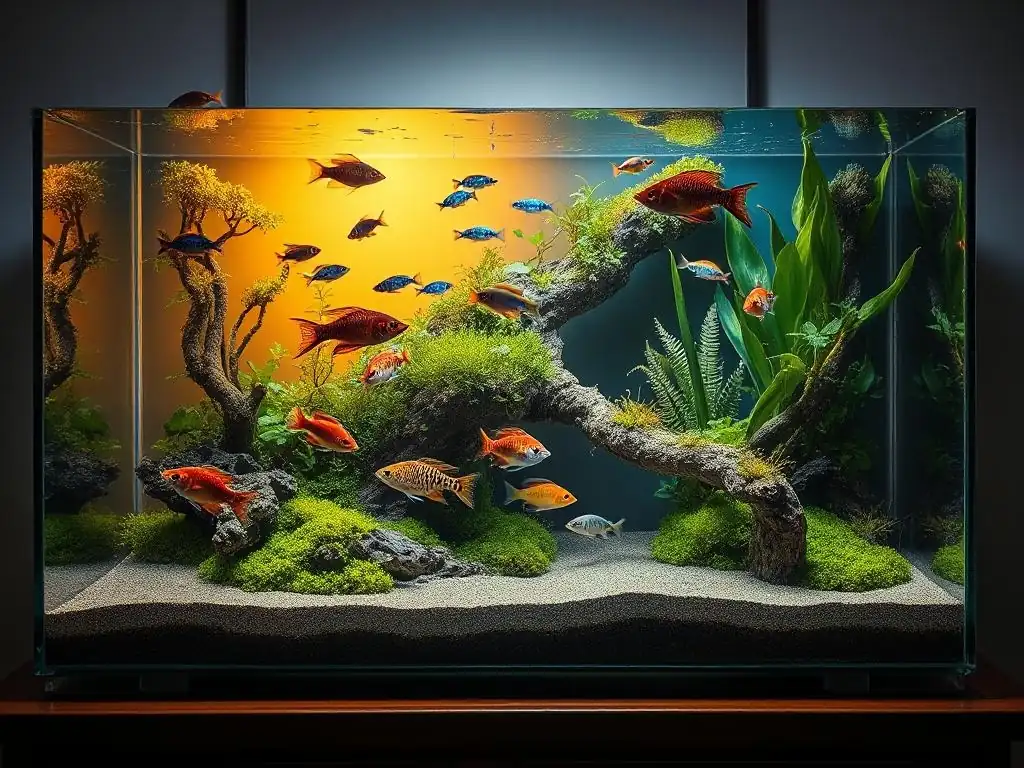
Intrigued by the graceful beauty of the Lyretail Molly? Setting up the perfect aquarium for these vibrant fish is easier than you think! Dive in and discover our comprehensive guide to Lyretail Molly tank setup, covering everything from tank size and water parameters to compatible tank mates. Ready to unlock the secrets to a thriving Lyretail Molly haven? Let's get started!
- Understanding the Allure of Lyretail Mollies
- Essential Lyretail Molly Care: A Comprehensive Guide
- Setting Up the Perfect Lyretail Molly Tank
- Lyretail Molly Tank Mates: Choosing Compatible Species
- Maintaining a Healthy and Thriving Lyretail Molly Tank
- Troubleshooting Common Lyretail Molly Issues
- The Joy of Keeping Lyretail Mollies: A Rewarding Aquarium Experience
-
Frequently Asked Questions
- What size tank is recommended for a Lyretail Molly tank setup?
- What are the ideal water parameters for Lyretail Mollies?
- What type of substrate and decorations should I include in my Lyretail Molly tank?
- What should I feed my Lyretail Mollies?
- What are some common health problems that Lyretail Mollies are susceptible to?
- Final Reflection: The Enduring Allure of Aquatic Harmony
- Dive Deeper into Molly Magic!
Understanding the Allure of Lyretail Mollies
Lyretail Molly Characteristics and Appearance
Lyretail Mollies, primarily derived from species like Poecilia latipinna (Sailfin Molly) and Poecilia sphenops (Short-finned Molly) through selective breeding, are renowned for their distinctive caudal fin. Unlike the standard fan-shaped tail, the lyretail variety features elongated upper and lower rays, creating an elegant, harp-like or swallowtail appearance. These fish display a stunning array of colors, including vibrant golds, jet blacks, shimmering silvers, and intricate dalmatian patterns, often reaching sizes of 4 to 5 inches for females and slightly smaller for males.
The captivating variations in Lyretail Mollies are a testament to dedicated aquarists and breeders who have focused on enhancing their aesthetic appeal over decades. Beyond their unique tail, they possess a sleek body shape and often boast iridescent scales that catch the light, adding a dynamic sparkle to any Lyretail Molly tank setup. Their active swimming habits further highlight these beautiful features, making them a focal point in a well-maintained freshwater aquarium.
Why Choose Lyretail Mollies for Your Aquarium?
Lyretail Mollies are an excellent choice for both novice and experienced aquarists due to their hardiness, vibrant colors, and engaging personalities. They are active swimmers that bring a lively energy to the tank, constantly exploring and interacting with their environment. Their relatively peaceful temperament allows them to coexist well with a variety of other community fish, provided the Lyretail Molly tank setup meets their specific needs.
Furthermore, Lyretail Mollies are livebearers, meaning they give birth to live, free-swimming fry instead of laying eggs. This fascinating reproductive process provides a unique educational opportunity for aquarists, allowing them to observe the entire life cycle firsthand. Their adaptability to a range of water conditions, including slightly brackish water, also makes them quite forgiving, though maintaining optimal parameters is key to their long-term health and vibrance.
Essential Lyretail Molly Care: A Comprehensive Guide
Water Parameters for Optimal Lyretail Molly Health
Maintaining Ideal Water Temperature for Lyretail Mollies
For Lyretail Mollies to thrive, a stable water temperature between 72-82°F (22-28°C) is crucial. Consistent temperatures support their metabolic functions, aid digestion, and bolster their immune system, making them less susceptible to diseases. Fluctuations outside this range can cause significant stress, leading to lethargy, loss of appetite, and an increased risk of illness.
To maintain this ideal range within your Lyretail Molly tank setup, a reliable aquarium heater with a thermostat is essential. For a standard 20-gallon tank, a 50-watt heater is often sufficient, while larger tanks, such as a 55-gallon setup, might require a 150-200 watt unit. Always use a separate thermometer to monitor the water temperature regularly, ensuring the heater is functioning correctly and providing a consistent thermal environment.
Achieving the Correct pH and Hardness for Lyretail Mollies
Lyretail Mollies prefer slightly alkaline and moderately hard to hard water, with an ideal pH range of 7.5-8.5 and a general hardness (GH) of 15-30 dGH. These parameters mimic their natural habitats, which often include brackish coastal waters and hard freshwater streams. Maintaining the correct pH and hardness supports their osmoregulation—the process by which fish regulate the balance of water and salts in their bodies—and prevents issues like "Molly disease" (shimmies).
To achieve and maintain these conditions in your Lyretail Molly tank setup, you might consider adding crushed coral or aragonite to your substrate, or placing a small bag of crushed coral in your filter. These materials slowly dissolve, buffering the water and increasing both pH and hardness. Regular testing with a reliable water test kit is vital to ensure these parameters remain stable, as sudden shifts can be more detrimental than slightly off but consistent readings.
Lyretail Molly Diet and Feeding Habits
Recommended Foods for Lyretail Mollies
Lyretail Mollies are omnivores with a strong preference for vegetable matter, making a varied diet essential for their health and vibrant coloration. A high-quality flake food or pellet specifically formulated for omnivorous tropical fish should form the staple of their diet. Look for foods that list spirulina or other plant-based ingredients high on the list, as these provide crucial nutrients and aid digestion.
Supplementing their staple diet with live or frozen foods such as brine shrimp, bloodworms, daphnia, or mosquito larvae provides essential protein and encourages natural foraging behaviors. Additionally, blanched vegetables like zucchini, cucumber, or shelled peas can be offered occasionally. This diverse feeding regimen ensures they receive a full spectrum of vitamins and minerals, contributing to their overall vitality in any Lyretail Molly tank setup.
Feeding Schedule for Healthy Growth
A consistent feeding schedule is important for the health and growth of Lyretail Mollies. It is generally recommended to feed them 2-3 times a day, offering small amounts that they can consume entirely within 2-3 minutes. Overfeeding is a common mistake that can lead to significant water quality issues, including ammonia and nitrite spikes, which are highly toxic to fish.
To prevent overfeeding and maintain optimal water conditions in your Lyretail Molly tank setup, observe your fish during feeding to gauge how much they truly eat. Any uneaten food should be promptly removed to prevent it from decaying and polluting the water. Introducing a "fasting" day once a week can also be beneficial, allowing their digestive systems to rest and promoting better water quality.
Recognizing and Treating Common Lyretail Molly Diseases
Identifying Signs of Illness in Lyretail Mollies
Early detection of illness is critical for successful treatment and preventing the spread of disease within your Lyretail Molly tank setup. Common signs of illness in Lyretail Mollies include changes in behavior such as lethargy, hiding excessively, or rubbing against objects. Physical symptoms might include clamped fins, faded coloration, white spots resembling salt grains (Ich), cottony growths (fungus), bloating, or fin erosion (fin rot).
Other indicators can be a loss of appetite, rapid gill movement, or difficulty swimming normally, such as struggling to maintain buoyancy. Observing your fish daily during feeding times can help you notice subtle changes. Any fish exhibiting these symptoms should be isolated promptly to prevent potential contagion and allow for focused treatment.
Quarantine Procedures for Sick Lyretail Mollies
A dedicated quarantine tank is an invaluable tool for any aquarist, especially when dealing with sick Lyretail Mollies or introducing new fish. This separate tank, typically 5-10 gallons, should be set up with a heater, a simple sponge filter (or a small hang-on-back filter), and no substrate, making it easy to clean and medicate. This isolation prevents the potential spread of pathogens to your main Lyretail Molly tank setup.
When a Lyretail Molly shows signs of illness, gently net it and transfer it to the quarantine tank. Administer appropriate medication as per package instructions, ensuring stable water parameters are maintained. For new fish, a 2-4 week quarantine period is recommended, even if they appear healthy, to observe them for any latent diseases before introducing them to the main community. This proactive approach significantly reduces the risk of introducing diseases to your established aquarium.
Setting Up the Perfect Lyretail Molly Tank
Tank Size Considerations for Lyretail Mollies
Minimum Tank Size for a Group of Lyretail Mollies
When planning your Lyretail Molly tank setup, tank size is a primary consideration for their well-being. A minimum tank size of 20 gallons (approximately 75 liters) is recommended for a small group of Lyretail Mollies, ideally comprising one male and two to three females. This size provides adequate swimming space and helps dilute waste products, contributing to more stable water parameters.
While a 20-gallon tank can house a small group, a 30-gallon or larger aquarium is even better, especially if you plan to keep more fish or wish to include tank mates. Larger tanks offer increased stability in water chemistry, more room for the fish to establish territories, and better dispersal of the fry that mollies are known to produce. This extra volume is crucial for the long-term health and happiness of your Lyretail Mollies.
Overcrowding Risks and Prevention
Overcrowding is a significant stressor for Lyretail Mollies and can lead to a host of problems in any Lyretail Molly tank setup. A general guideline is to allow for approximately 2-3 gallons of water per adult molly. Overstocking results in increased waste production, leading to rapid accumulation of ammonia and nitrites, which are highly toxic. This poor water quality severely compromises the fish's immune system, making them highly susceptible to diseases like fin rot and Ich.
Beyond water quality issues, overcrowding can also lead to increased aggression among fish, particularly between males or stressed individuals, resulting in fin nipping and injury. To prevent these risks, adhere to recommended stocking levels, conduct regular water changes, and ensure your filtration system is adequately sized for your bio-load. Understanding the prolific breeding nature of mollies is also key, as their population can quickly grow, necessitating plans for managing fry.
Choosing the Right Substrate and Decor for Your Lyretail Molly Tank
Substrate Options for Lyretail Molly Tanks
The choice of substrate for your Lyretail Molly tank setup plays a role in both aesthetics and water chemistry. Fine gravel or sand are excellent choices, providing a natural look and being easy to clean with a gravel vacuum. Darker substrates can help to enhance the vibrant colors of your Lyretail Mollies, making them stand out more prominently against the tank bottom.
Given their preference for hard, alkaline water, adding a small amount of crushed coral or aragonite to your substrate can be highly beneficial. These materials gradually dissolve, slowly releasing calcium carbonate and other minerals that help to buffer the water and maintain the desired pH and hardness levels. Aim for a substrate depth of 1-2 inches (2.5-5 cm), which is sufficient for rooting live plants if you choose to include them.
Decorating for Lyretail Molly Comfort and Security
Decorating your Lyretail Molly tank setup with a thoughtful selection of live plants, driftwood, and rocks not only enhances its visual appeal but also provides essential comfort and security for your fish. Live plants like Java Fern, Anubias, and Hornwort are excellent choices, as they are hardy and provide natural hiding spots and cover, which helps reduce stress in mollies.
Driftwood and smooth rocks can be arranged to create caves and territories, offering safe havens for individual fish, especially females seeking refuge from persistent males. When selecting decor, ensure all items are aquarium-safe, free of sharp edges that could injure fins, and stable enough not to topple over. A well-decorated tank mimics their natural environment, encouraging natural behaviors and contributing to a thriving Lyretail Molly tank setup.
Filtration and Aeration Needs for Lyretail Mollies
Selecting an Appropriate Filter for a Lyretail Molly Tank
Effective filtration is paramount for maintaining a healthy Lyretail Molly tank setup. For most home aquariums, a hang-on-back (HOB) filter or an internal power filter is sufficient, though canister filters offer superior filtration for larger tanks (e.g., 50 gallons and above). The filter should be rated to process the tank's volume at least 4-5 times per hour to ensure efficient removal of waste and maintenance of water clarity.
Crucially, ensure your chosen filter provides robust mechanical, chemical, and biological filtration. Biological filtration, facilitated by beneficial bacteria colonizing filter media, is especially important as it converts toxic ammonia and nitrites into less harmful nitrates. Regular cleaning of filter media, as per manufacturer instructions, is necessary to maintain optimal performance and prevent the buildup of detritus.
Ensuring Adequate Oxygen Levels
Lyretail Mollies are active fish that require well-oxygenated water to thrive. Adequate surface agitation, typically provided by the outflow of your filter, is key to facilitating gas exchange at the water's surface, where oxygen enters the water and carbon dioxide is released. For a Lyretail Molly tank setup, ensuring vigorous surface movement is more important than in tanks with less active species.
In addition to filter outflow, introducing an air stone connected to an air pump can significantly boost oxygen levels, particularly in heavily stocked tanks or during warm periods when oxygen solubility decreases. Consistent and sufficient aeration supports the respiratory health of your mollies and also aids the beneficial bacteria responsible for biological filtration, ensuring a stable and healthy aquatic environment.
Lighting Requirements for Lyretail Mollies
The Importance of Proper Lighting
Proper lighting is an essential, yet often overlooked, component of a successful Lyretail Molly tank setup. Establishing a consistent light cycle, typically 8-10 hours of light per day, mimics their natural environment and helps regulate their circadian rhythm. This promotes natural behaviors, reduces stress, and contributes to their overall well-being.
Beyond the fish themselves, appropriate lighting is vital for any live plants you might include in your Lyretail Molly tank setup, as it fuels their photosynthesis. Too much light, however, can encourage excessive algae growth, while too little can make fish appear dull and inhibit plant growth. A balanced approach ensures both your fish and plants flourish.
Recommended Lighting Types
For a Lyretail Molly tank setup, LED lighting is highly recommended due to its energy efficiency, longevity, and versatility. Modern LED fixtures offer a wide spectrum of light, allowing you to choose options that best highlight your mollies' vibrant colors and support the growth of various live plants. Many LED lights come with built-in timers or can be connected to external timers for consistent light cycles.
Fluorescent lights are another viable option, particularly T5 or T8 bulbs, which offer good light output for a reasonable cost. Regardless of the type, select a fixture that provides moderate intensity, suitable for a general community tank with Lyretail Mollies and common freshwater plants. Avoid placing your tank in direct sunlight, as this can lead to rapid temperature fluctuations and severe algae problems.
Lyretail Molly Tank Mates: Choosing Compatible Species
Ideal Tank Mates for Lyretail Mollies
Peaceful Community Fish for a Lyretail Molly Tank
Selecting appropriate tank mates is crucial for a harmonious Lyretail Molly tank setup. Ideal companions are peaceful, similarly sized fish that thrive in hard, alkaline water conditions. Excellent choices include other livebearers such as Guppies, Platies, and Swordtails, as they share similar environmental needs and temperaments.
Other compatible species include peaceful tetras like Neon Tetras or Cardinal Tetras, various species of Corydoras catfish for bottom-dwelling activity, and Bristlenose Plecos for algae control. When choosing, always research the specific needs and temperament of each species to ensure they will coexist peacefully and that their water parameter requirements align with those of your Lyretail Mollies.
Avoiding Aggressive or Fin-Nipping Tank Mates
To ensure the safety and well-being of your Lyretail Mollies, it is essential to avoid introducing aggressive or fin-nipping species into your Lyretail Molly tank setup. Fish known for aggression, such as many Cichlid species (e.g., Oscars, Jack Dempseys), are entirely unsuitable as they will stress, injure, or even consume your mollies.
Similarly, avoid notoriously fin-nipping fish like Tiger Barbs, as their tendency to nip at long, flowing fins makes them a poor choice for the elegant lyretail fin. Even semi-aggressive Gouramis or some larger Rainbowfish can sometimes harass mollies. Always prioritize peaceful and well-behaved species to maintain a stress-free environment for your Lyretail Mollies.
Breeding Lyretail Mollies: A Beginner's Guide
Creating a Breeding Environment for Lyretail Mollies
Lyretail Mollies are incredibly prolific breeders, making them an exciting species for aquarists interested in breeding. To encourage breeding in your Lyretail Molly tank setup, maintain stable, pristine water conditions within their preferred parameters (pH 7.5-8.5, GH 15-30 dGH, temp 72-82°F). A ratio of one male to two or three females is ideal, as this distributes the male's attention and reduces stress on individual females.
Providing dense live plants like Java Moss, Hornwort, or floating plants creates excellent hiding spots for pregnant females and, more importantly, for the fry once they are born. The gestation period for mollies is typically 30-40 days. While a separate breeding box can protect fry, a heavily planted main tank allows for a more natural breeding process and survival of the fittest.
Caring for Lyretail Molly Fry (Baby Mollies)
Lyretail Molly fry are born live and are immediately free-swimming, albeit tiny and vulnerable. In a community Lyretail Molly tank setup, many fry will be eaten by adult fish (including their parents) or other tank mates. To maximize fry survival, provide abundant fine-leafed plants or a dedicated "fry tank" with a sponge filter.
Feed the fry small, frequent meals throughout the day. Suitable foods include finely crushed high-quality flake food, powdered spirulina, or specialized fry food. Baby brine shrimp are also an excellent, highly nutritious option that promotes rapid growth. Consistent water changes and careful monitoring of water quality are crucial for the delicate fry, as they are more sensitive to fluctuations than adult fish.
Maintaining a Healthy and Thriving Lyretail Molly Tank
Regular Water Changes and Tank Maintenance
Frequency and Volume of Water Changes
Regular water changes are the cornerstone of maintaining a healthy and thriving Lyretail Molly tank setup. For most established aquariums, a weekly water change of 25-30% of the tank volume is recommended. For a 20-gallon tank, this means removing approximately 5-6 gallons of water. This consistent practice removes accumulated nitrates, phosphates, and other pollutants that build up over time, which are not fully removed by filtration.
Always use a reliable dechlorinator or water conditioner when adding new water, ensuring it's at a similar temperature to the tank water to prevent temperature shock. Consistent water changes are far more effective at preventing problems than trying to fix them once they arise, contributing significantly to the long-term health and vibrancy of your Lyretail Mollies.
Cleaning Substrate and Decorations
Beyond water changes, regular cleaning of the substrate and decorations is vital for a pristine Lyretail Molly tank setup. During your weekly water change, use an aquarium gravel vacuum to siphon out detritus, uneaten food, and fish waste that accumulate within the substrate. This prevents the buildup of anaerobic pockets and reduces the organic load on your filter.
Decorations such as rocks, driftwood, and artificial plants should be periodically wiped down or gently scrubbed to remove any algae or biofilm buildup. Avoid using soaps or harsh chemicals, as these can be toxic to your fish. Simply rinse them in old tank water or dechlorinated tap water. Keeping these elements clean contributes to overall water quality and the aesthetic appeal of your Lyretail Molly tank.
Monitoring Water Quality and Testing
Importance of Regular Water Testing
Regular water quality testing is non-negotiable for a healthy Lyretail Molly tank setup. It provides critical insights into the invisible chemical environment your fish inhabit, allowing you to identify and address potential issues before they become life-threatening. Key parameters to test include ammonia, nitrite, nitrate, pH, and general hardness (GH).
Using a reliable liquid test kit (strips can be less accurate) on a weekly basis, or more frequently if you suspect an issue, is highly recommended. For example, in a moderately stocked 20-gallon Lyretail Molly tank, ammonia and nitrite should always read 0 ppm. Nitrates should ideally be below 20 ppm, indicating a healthy nitrogen cycle and effective maintenance routine.
Understanding Test Results and Adjustments
Understanding what your water test results mean is crucial for maintaining optimal conditions in your Lyretail Molly tank setup. Ammonia and nitrite should always be at 0 ppm; any detectable levels indicate a problem with your nitrogen cycle or overstocking, and require immediate action, typically a large water change. Nitrates, the end product of the nitrogen cycle, should be kept below 20 ppm through regular water changes.
If your pH or hardness levels deviate from the ideal range for Lyretail Mollies (pH 7.5-8.5, GH 15-30 dGH), you can make gradual adjustments. For instance, if hardness is too low, you might add crushed coral or a specialized mineral supplement. Conversely, if nitrates are consistently high despite water changes, consider reducing feeding, increasing the frequency or volume of water changes, or adding more live plants. Always make adjustments slowly to avoid shocking your fish.
Preventing and Addressing Algae Growth in Lyretail Molly Tanks
Common Causes of Algae Blooms
Algae growth is a common occurrence in aquariums, and while a small amount is natural, excessive blooms can detract from the beauty of your Lyretail Molly tank setup and indicate underlying imbalances. The most common causes of significant algae growth are over-lighting (leaving lights on for more than 10 hours a day), excessive nutrients in the water (high nitrates and phosphates from overfeeding or infrequent water changes), and direct sunlight exposure.
An imbalance between lighting, nutrients, and CO2 (especially in planted tanks) can also fuel algae. For instance, if you have strong lights but insufficient plant mass to consume available nutrients, algae will proliferate. Identifying the specific type of algae can also help pinpoint the cause and guide your remediation efforts.
Effective Algae Control Methods
Addressing algae in your Lyretail Molly tank setup involves a multi-pronged approach. First, reduce the duration of your lighting cycle to 8-10 hours per day, and ensure the tank is not exposed to direct sunlight. Second, rigorously adhere to your feeding schedule, ensuring no excess food remains, and increase the frequency or volume of your water changes to reduce nutrient levels (especially nitrates and phosphates).
Introducing natural algae eaters like Nerite snails or Otocinclus catfish can also be highly effective. For stubborn patches, manual removal with an algae scraper or brush is necessary. In severe cases, a blackout period (covering the tank completely for 2-3 days) can starve the algae, but this should be done with caution and only after addressing the root cause to prevent recurrence.
Troubleshooting Common Lyretail Molly Issues
Fin Rot in Lyretail Mollies: Causes and Treatment
Fin rot is a common bacterial infection that affects Lyretail Mollies, often caused by poor water quality, stress, or physical injury to the fins. The fins may appear ragged, frayed, discolored, or have white edges, and in advanced stages, the fin tissue can completely erode. Early detection is key to preventing severe damage.
Treatment for fin rot typically involves improving water quality immediately through a large water change (50%) and ensuring consistent parameters in your Lyretail Molly tank setup. Over-the-counter antibacterial medications, such as Maracyn or Melafix, can be used as directed. Removing the source of stress, such as aggressive tank mates or overcrowding, is also crucial for recovery.
Ich (White Spot Disease) in Lyretail Mollies: Identification and Cure
Ich, caused by the parasitic protozoan Ichthyophthirius multifiliis, is one of the most common and recognizable fish diseases. It manifests as small, white spots resembling grains of salt scattered across the body and fins of Lyretail Mollies. Fish may also exhibit rapid breathing, lethargy, or rub against tank decorations due to irritation. It is often triggered by sudden temperature fluctuations or the introduction of infected new fish.
To treat Ich in your Lyretail Molly tank setup, gradually raise the water temperature to 82-86°F (28-30°C) over 24 hours, and maintain it for at least 10-14 days. This accelerates the parasite's life cycle, making it more vulnerable to medication. Combine this with an Ich medication containing malachite green or formalin, following the dosage instructions carefully. Ensure strong aeration, as warmer water holds less oxygen.
Swim Bladder Disease in Lyretail Mollies: Prevention and Remedies
Swim bladder disease affects a Lyretail Molly's ability to control its buoyancy, causing it to float upside down, struggle to swim normally, or sink to the bottom. It's often linked to digestive issues (constipation from poor diet) or bacterial infections impacting the swim bladder organ. Overfeeding dry, expanding foods can be a common culprit.
If you suspect swim bladder disease in your Lyretail Molly, first fast the fish for 2-3 days. Then, offer blanched, shelled peas (a natural laxative) as a single meal. For chronic cases or suspected bacterial infections, broad-spectrum antibiotics might be necessary. Ensuring a varied diet with plenty of vegetable matter and avoiding overfeeding are key preventive measures for a healthy Lyretail Molly tank setup.
The Joy of Keeping Lyretail Mollies: A Rewarding Aquarium Experience
Observing and Enjoying Your Lyretail Mollies
Keeping Lyretail Mollies is a truly rewarding experience, offering endless opportunities for observation and enjoyment. Their active swimming, vibrant colors, and unique finnage make them a captivating addition to any freshwater aquarium. Watching their social interactions, their graceful movements through plants, and even the fascinating process of live birth can provide hours of peaceful entertainment.
The satisfaction of maintaining a thriving Lyretail Molly tank setup, seeing your fish healthy, active, and displaying their full beauty, is immense. Their relatively hardy nature, combined with their striking appearance, makes them a perfect choice for those looking to add dynamic life and color to their aquatic world.
Contributing to the Lyretail Molly Community
Beyond the personal enjoyment, keeping Lyretail Mollies also offers opportunities to connect with the broader aquarist community. Sharing your experiences, tips for successful Lyretail Molly tank setup, and even healthy fry with other enthusiasts through online forums, social media groups, or local fish clubs can be incredibly enriching.
This active participation fosters a sense of camaraderie and allows for the exchange of knowledge, helping both new and experienced aquarists to further refine their skills. The continuous learning and shared passion for these elegant fish contribute to a vibrant and supportive Lyretail Molly community, enhancing the overall hobby experience.
Frequently Asked Questions
What size tank is recommended for a Lyretail Molly tank setup?
A minimum of 20 gallons is generally recommended for a small group of Lyretail Mollies. Larger tanks are always better, allowing for more stable water parameters and plenty of swimming space.
What are the ideal water parameters for Lyretail Mollies?
Lyretail Mollies thrive in slightly alkaline water with a pH of 7.0-8.0. Maintain a water temperature of 72-78°F and ensure good water quality through regular water changes.
What type of substrate and decorations should I include in my Lyretail Molly tank?
A dark substrate can help bring out the colors of your Lyretail Mollies. Include plenty of live plants and decorations like driftwood and rocks to provide hiding places and enrich their environment.
What should I feed my Lyretail Mollies?
Lyretail Mollies are omnivores and will accept a variety of foods. Offer them a balanced diet of high-quality flake food, supplemented with live or frozen foods like brine shrimp and daphnia. Vegetable matter is also important.
What are some common health problems that Lyretail Mollies are susceptible to?
Lyretail Mollies can be susceptible to diseases like Ich, fin rot, and dropsy. Maintaining good water quality and a balanced diet are essential for preventing these issues. Regular observation is key for early detection.
Final Reflection: The Enduring Allure of Aquatic Harmony
The intricacies of creating a thriving Lyretail Molly tank setup extend far beyond mere aesthetics; they represent a commitment to understanding and nurturing a delicate ecosystem within our own homes. The knowledge shared within this article, from water parameters to compatible tankmates, underscores the responsibility we undertake when choosing to bring these vibrant creatures into our lives. This understanding is more crucial now than ever, as responsible fishkeeping becomes increasingly vital in the face of environmental challenges and the preservation of aquatic biodiversity.
The graceful dance of Lyretail Mollies in a well-maintained aquarium is a testament to the power of thoughtful design and dedicated care. Witnessing their vibrant colors and playful interactions serves as a constant reminder of the beauty and fragility of the natural world, inspiring a deeper appreciation for the interconnectedness of all living things. As Jacques Cousteau so eloquently stated, The sea, once it casts its spell, holds one in its net of wonder forever.
This "net of wonder" extends to the freshwater realms we recreate in our aquariums, urging us to be mindful stewards of these miniature ecosystems.
Now, take a moment to consider the impact you can have. By applying the principles outlined in this article, you're not just creating a beautiful aquarium; you're fostering a haven for these elegant fish and contributing to a greater understanding of responsible aquascaping. Embrace the challenge, continue to learn, and let the vibrant energy of your Lyretail Molly tank inspire you to cultivate harmony and balance in all aspects of your life.
Dive Deeper into Molly Magic!
Thank you for exploring the captivating world of Lyretail Mollies! We hope you've gained valuable insights into their care and tank setup. Now, let's transform that knowledge into action!
- Start planning your dream Molly tank today! Consider the size, decorations, and compatible tank mates to create a thriving environment.
- Share your favorite Molly care tip with fellow aquarium enthusiasts in the comments below.
- Explore other fascinating fish species on Aquarium Mastery and expand your aquatic knowledge.
What unique aquascaping idea are you most excited to try in your Molly tank?