
Schwartzi Corydoras (C. schwartzi): The LabyrinthPatterned Swimmer

Welcome to Aquarium Mastery!
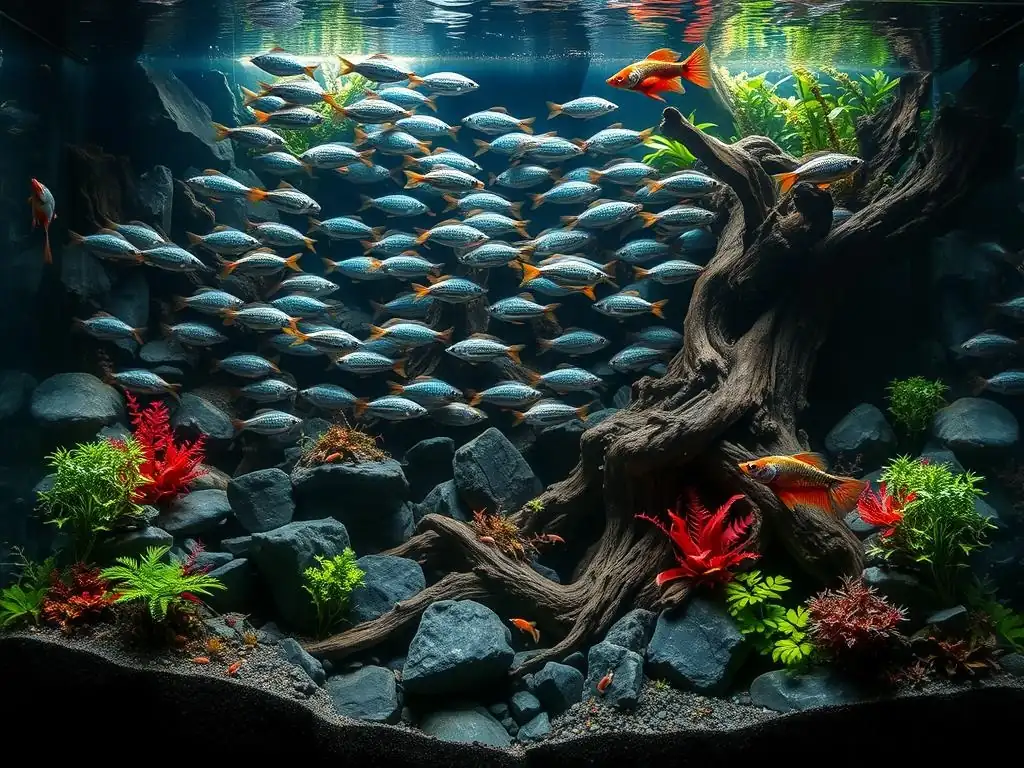
Dive into the fascinating world of freshwater aquariums, and discover the secrets to a thriving underwater ecosystem. Ever been captivated by the intricate patterns of a Schwartzi Corydoras? Our in-depth Schwartzi Corydoras care guide will unravel the mysteries of keeping these labyrinth-patterned swimmers happy and healthy. Intrigued? Let's explore their unique needs and transform your aquarium into a perfect haven!
- Schwartzi Corydoras (C. schwartzi): The Labyrinth-Patterned Swimmer - Aquarium Mastery
- Introduction to the Schwartzi Corydoras: A Stunning Addition to Your Aquarium
- Schwartzi Corydoras Care Guide: Essential Information for Aquarists
- Schwartzi Corydoras Tank Mates: Building a Peaceful Community Aquarium
- Maintaining a Healthy Schwartzi Corydoras: Disease Prevention and Treatment
- Breeding Schwartzi Corydoras: A Challenging but Rewarding Endeavor
- Identifying Schwartzi Corydoras: Distinguishing Features and Similar Species
- The Schwartzi Corydoras: A Comprehensive Profile
- Troubleshooting Common Schwartzi Corydoras Issues
- Conclusion: Mastering Schwartzi Corydoras Care for a Thriving Aquarium
- Frequently Asked Questions
- Final Reflection: Unveiling the Beauty of Responsible Care
- Unleash the Schwartzi Spectacle!
Schwartzi Corydoras (C. schwartzi): The Labyrinth-Patterned Swimmer - Aquarium Mastery
Introduction to the Schwartzi Corydoras: A Stunning Addition to Your Aquarium
Unveiling the Beauty of Corydoras schwartzi: Origins and Appearance
The Corydoras schwartzi, commonly known as the Schwartzi Corydoras, originates from the slow-moving rivers and tributaries of the Amazon basin, primarily found in areas like the Rio Purus and Rio Negro drainage in Brazil. Their natural habitat is characterized by soft, acidic water, often with a substrate of fine sand or mud mixed with leaf litter and submerged roots. These conditions allow them to sift through the substrate comfortably, a behavior crucial to their well-being in an aquarium setting.
What truly sets the Schwartzi Corydoras apart is its distinctive "labyrinth pattern" – a striking network of dark, irregular lines and spots on a silvery-grey to light brown body. This intricate pattern gives them a unique aesthetic appeal. Typically, these charming bottom-dwellers reach an adult size of approximately 1.5 to 2 inches (about 4-5 cm), making them a suitable addition to many freshwater tanks. They also often exhibit a prominent dark band through the eye and a distinct black spot on the dorsal fin, further enhancing their visual interest.
Why Choose Schwartzi Corydoras for Your Freshwater Tank?
Schwartzi Corydoras are an excellent choice for freshwater aquarists due to their peaceful temperament and beneficial bottom-dwelling habits. As active scavengers, they constantly sift through the substrate, helping to keep it aerated and consuming uneaten food particles that might otherwise decompose and foul the water. This natural behavior contributes to a cleaner and healthier aquarium environment, reducing the risk of detritus buildup.
Beyond their practical benefits, these fish are highly engaging to observe. Their social nature means they thrive in groups, exhibiting fascinating schooling behaviors that add dynamic movement and visual appeal to the lower levels of the tank. Their relatively small size and hardiness, once properly acclimated, make them an accessible option for aquarists looking to add a unique and active species to their community setup, especially if following a comprehensive Schwartzi Corydoras care guide.
Schwartzi Corydoras Care Guide: Essential Information for Aquarists
Optimal Tank Conditions for Schwartzi Corydoras: Water Parameters and Substrate
For optimal health, Schwartzi Corydoras require stable water parameters that mimic their natural Amazonian environment. The ideal temperature range is 72-79°F (22-26°C), with a pH between 6.0 and 7.5, though they generally prefer slightly acidic conditions around 6.5-7.0. Water hardness should be soft to moderately hard, ranging from 2 to 15 dGH. Consistency in these parameters is far more critical than hitting exact numbers, as sudden fluctuations can cause significant stress to these sensitive fish.
The choice of substrate is paramount in a Schwartzi Corydoras care guide. Fine sand, such as play sand or specialized aquarium sand, is essential to protect their delicate barbels, which they use extensively for foraging. Sharp gravel can easily damage these sensory organs, leading to infections and feeding difficulties. Decor should include smooth rocks, driftwood, and plenty of live plants like Anubias or Java Fern, providing both hiding spots and shaded areas where they feel secure.
Schwartzi Corydoras Diet and Feeding: Ensuring Nutritional Needs are Met
Schwartzi Corydoras are omnivorous bottom-feeders, and a varied diet is crucial for their health and vibrant coloration. Their primary diet should consist of high-quality sinking pellets or wafers specifically formulated for bottom-dwelling fish. It's often beneficial to feed them after the main tank lights have been turned off, or when other, faster-swimming fish are less active, to ensure the Corydoras receive adequate food without competition. Examples include Hikari Sinking Wafers or Omega One Bottom Feeder Pellets.
Supplementing their diet with live or frozen foods provides essential protein and stimulates their natural foraging instincts. Bloodworms, brine shrimp, daphnia, and tubifex worms are excellent choices, offered a few times per week. Feed small amounts once or twice daily, only what they can consume within a few minutes. Overfeeding can lead to poor water quality and health issues, so careful monitoring of their intake is an important aspect of a successful Schwartzi Corydoras care guide.
Tank Size and Setup for Happy Schwartzi Corydoras: Creating the Ideal Habitat
When considering tank size for Schwartzi Corydoras, it's vital to remember their schooling nature. A minimum of a 20-gallon "long" aquarium is recommended for a small group of 6-8 individuals, such as 6 Schwartzi Corydoras. The "long" dimension is preferred over a tall one because it provides more bottom surface area for them to explore and forage, which is crucial for their well-being and natural behavior. Keeping fewer than six can lead to stress and shyness.
The setup should prioritize their comfort and natural habits. Ensure a significant portion of the tank bottom is covered with fine sand for digging and sifting. Incorporate various hiding spots using smooth driftwood pieces, rounded river stones, and dense plantings. Live plants like Cryptocoryne species or Water Sprite not only enhance the tank's aesthetics but also provide shaded retreats and foraging grounds. A reliable filtration system (e.g., a sponge filter or a gentle canister filter) and a mature nitrogen cycle are fundamental to maintaining the pristine water quality essential for these sensitive fish.
Schwartzi Corydoras Tank Mates: Building a Peaceful Community Aquarium
Compatible Fish Species for Schwartzi Corydoras: Avoiding Aggression and Competition
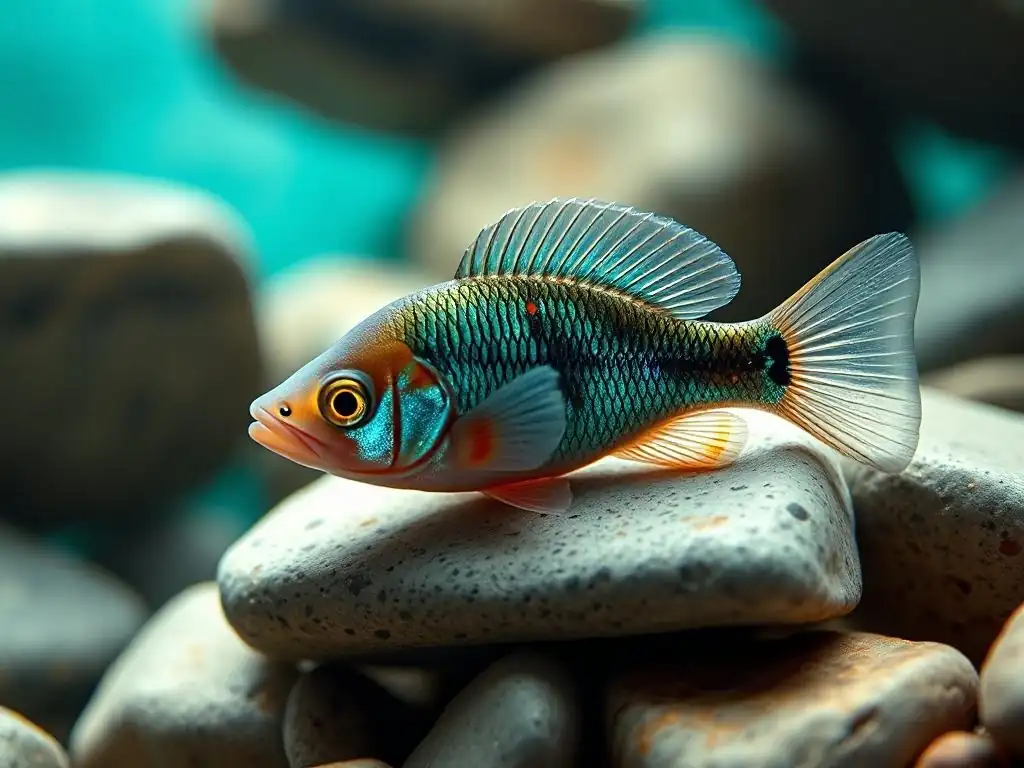
Selecting appropriate tank mates is a critical component of any comprehensive Schwartzi Corydoras care guide. These peaceful bottom-dwellers thrive in community aquariums with other non-aggressive species that occupy the middle and upper water columns, thus avoiding direct competition for space and food. Ideal companions include small, peaceful tetras such as Neon Tetras, Cardinal Tetras, or Ember Tetras, which typically school in the mid-water.
Other suitable options include various Rasbora species (e.g., Harlequin Rasboras, Chili Rasboras), peaceful dwarf cichlids like German Blue Rams (provided the tank is sufficiently large, at least 30 gallons, to accommodate their territorial needs), and small, serene gouramis. These species are generally calm and do not pose a threat to the slow-moving Corydoras. It is crucial to avoid fin-nipping fish, large aggressive species, or overly boisterous tank mates that could stress or injure the Schwartzi Corydoras.
Invertebrate Tank Mates for Corydoras schwartzi: Safe and Beneficial Additions
Invertebrates can make excellent and beneficial tank mates for Schwartzi Corydoras, provided they are also peaceful and do not present a threat. Amano Shrimp and various dwarf shrimp species, such as Cherry Shrimp, are highly compatible. While very tiny shrimp fry might occasionally be consumed, adult shrimp are generally safe and contribute to the tank's ecosystem by consuming algae and detritus. Their presence can even stimulate natural foraging behaviors in the Corydoras.
Snails, such as Nerite Snails, Mystery Snails, and Trumpet Snails, are also suitable additions. These invertebrates are non-aggressive and help with tank maintenance by grazing on algae and uneaten food. When adding invertebrates, ensure that the water parameters are suitable for all inhabitants. For instance, some shrimp prefer slightly harder water, so maintaining a balance within the Schwartzi Corydoras' tolerance range (e.g., pH 7.0, dGH 8) is key. Avoid any large, predatory snails or crayfish that could potentially harm or stress the Corydoras.
Maintaining a Healthy Schwartzi Corydoras: Disease Prevention and Treatment
Common Health Issues in Corydoras schwartzi: Identification and Solutions
Schwartzi Corydoras, like all fish, can be susceptible to certain health issues, many of which stem from poor water quality or inappropriate tank conditions. Barbel erosion is a common problem, often caused by sharp or abrasive substrates (like coarse gravel) or persistent poor water quality. Symptoms include shortened, inflamed, or missing barbels.
The solution involves switching to a fine sand substrate and rigorously maintaining pristine water conditions through regular water changes. Fin rot, another bacterial infection, manifests as frayed or disintegrating fins and is also primarily linked to poor water quality or stress. Treatment typically involves improving water parameters and, if necessary, using broad-spectrum antibacterial medications.
Ich (Ichthyophthirius multifiliis), commonly known as white spot disease, is another frequent ailment, appearing as small, salt-like white spots on the body and fins. This parasitic infection is often triggered by sudden temperature fluctuations or stress. Treatment usually involves a gradual increase in tank temperature (to 82-84°F or 28-29°C for short periods, if tank mates can tolerate it) and the use of anti-parasitic medications.
Fungal infections, presenting as cotton-like growths, are often secondary infections following injury or stress. Corydoras are scaleless and thus more sensitive to certain medications, so always choose fish-specific treatments and follow dosage instructions carefully, often opting for half doses or natural remedies like aquarium salt (used cautiously) as part of your Schwartzi Corydoras care guide.
Water Quality and Schwartzi Corydoras Health: The Importance of Regular Maintenance
Maintaining impeccable water quality is the single most critical factor in preventing disease and ensuring the long-term health of your Schwartzi Corydoras. Regular partial water changes are paramount; a weekly change of 25-30% of the tank volume effectively removes nitrates, phosphates, and other accumulated toxins that can stress fish and compromise their immune systems. For instance, keeping nitrate levels consistently below 20 ppm is a key indicator of a healthy environment.
Beyond water changes, a robust filtration system (mechanical, chemical, and biological) is essential. Regularly test water parameters using a reliable liquid test kit for ammonia, nitrite, and nitrate. Ammonia and nitrite should always register 0 ppm, as even trace amounts are highly toxic to fish. Consistent monitoring allows for early detection of issues, enabling proactive adjustments before problems escalate. This proactive approach to water quality management minimizes stress, enhances natural immunity, and is a cornerstone of any effective Schwartzi Corydoras care guide.
Breeding Schwartzi Corydoras: A Challenging but Rewarding Endeavor
Setting Up a Breeding Tank for Schwartzi Corydoras: Simulating Natural Conditions
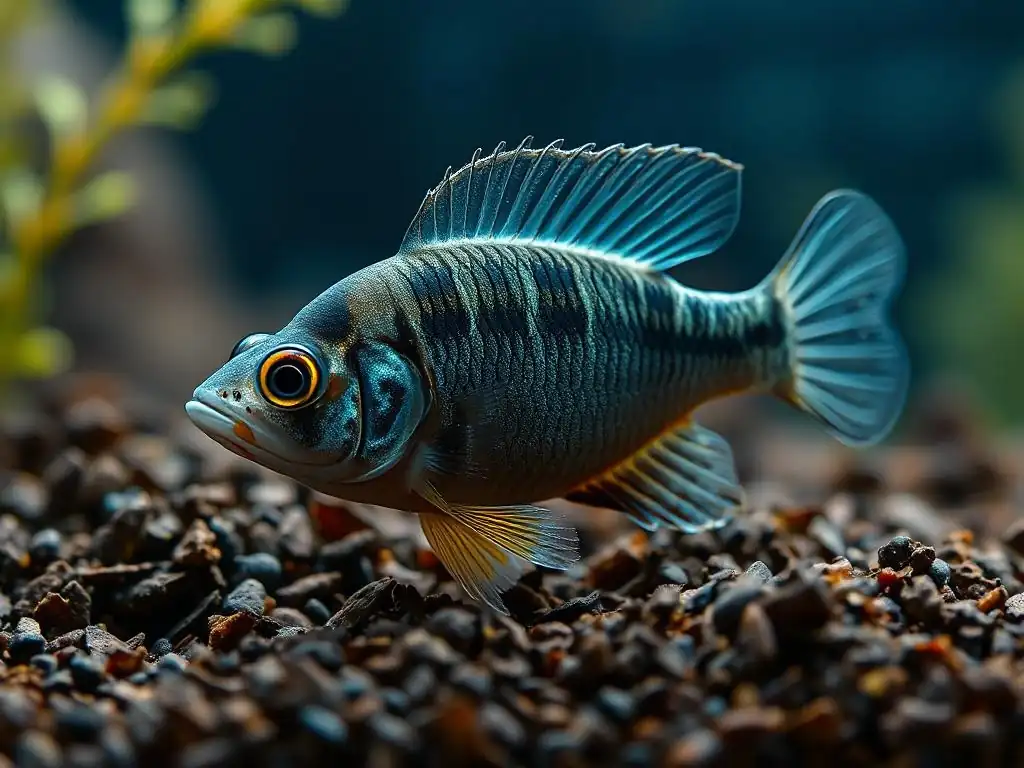
Breeding Schwartzi Corydoras can be a challenging yet highly rewarding experience. A dedicated breeding tank, typically 10-20 gallons in size, is recommended to provide a controlled environment and protect the eggs and fry. The tank should have a bare bottom or a very thin layer of fine sand, making it easier to monitor and collect eggs. A sponge filter is ideal for filtration, as it provides gentle water movement and prevents delicate fry from being sucked in. Providing spawning mops (made from yarn or synthetic fibers) or broad-leaved plants like Anubias can offer surfaces for egg deposition.
To stimulate spawning, it's often necessary to simulate natural conditions, particularly the "rainy season." This involves performing large, cool water changes – for example, 50-70% daily or every other day, using water that is 5-10°F (3-6°C) cooler than the tank water. This drop in temperature, combined with the influx of fresh, soft, and slightly acidic water (pH 6.0-6.5, hardness 2-6 dGH), often triggers spawning behavior. A good breeding group typically consists of 2-3 males for every female to maximize spawning success.
Spawning and Raising Schwartzi Corydoras Fry: A Step-by-Step Guide
Once conditions are optimal, Schwartzi Corydoras will typically engage in their characteristic "T-position" spawning ritual, where the male clasps the female's barbels. The female will then release a small clutch of adhesive eggs, usually 20-50 per spawn, which she carries in a "basket" formed by her pelvic fins before attaching them to tank glass, broad plant leaves, or the provided spawning mops. A single spawning event can yield up to 100 eggs over several hours. After spawning is complete, it's crucial to remove the adult fish from the breeding tank to prevent them from consuming the eggs.
The eggs typically hatch within 3-5 days at a temperature of approximately 75°F (24°C). Once hatched, the tiny fry will absorb their yolk sacs for the first 2-3 days. After the yolk sac is absorbed, they require microscopic food. Initially, infusoria or specialized liquid fry food is ideal. Within a few days, they can transition to newly hatched brine shrimp or microworms, which provide essential nutrients for rapid growth. Maintaining pristine water quality through small, frequent water changes (e.g., 10-20% daily) and ensuring a consistent food supply are vital for the successful raising of Schwartzi Corydoras fry.
Identifying Schwartzi Corydoras: Distinguishing Features and Similar Species
Corydoras schwartzi vs. Other Corydoras Species: Spotting the Differences
Distinguishing Corydoras schwartzi from the myriad of other Corydoras species is primarily done by observing its unique labyrinth pattern. While many Corydoras share similar body shapes and sizes, the specific arrangement of dark lines and spots on C. schwartzi is its hallmark.
For instance, it differs from Corydoras adolfoi, which is characterized by a prominent orange stripe behind the eye and on the dorsal fin, or Corydoras panda, known for its three distinct large black blotches. C. schwartzi consistently displays an intricate, irregular pattern across its body, often coupled with a dark band through the eye and a pronounced black spot on the dorsal fin.
Further differentiation can be made by examining the density and extent of the markings. The 'Super Schwartzi' variant, for example, exhibits an even more dense and reticulated pattern that covers a greater portion of its body compared to the standard C. schwartzi. While some species might have a general mottled appearance, the true C. schwartzi pattern is complex and interconnected, resembling a maze. Accurate identification often requires careful comparison of multiple features against reliable photographic references, as many Corydoras species are similar enough to cause confusion for the untrained eye.
Understanding the Labyrinth Pattern: A Key Characteristic of C. schwartzi
The "labyrinth pattern" is the definitive identifying feature of Corydoras schwartzi and is crucial for accurate identification, as highlighted in any comprehensive Schwartzi Corydoras care guide. This pattern consists of a sophisticated network of dark, irregular lines and spots that often merge to form a reticulated or maze-like design across the fish's flanks, particularly on the upper body. This intricate marking stands out against the lighter, often silvery-grey or light brown, base coloration of the fish.
This unique pattern is not merely decorative; it serves as a form of camouflage in their natural habitat, helping them blend into the dappled light and leaf litter of Amazonian riverbeds. The consistency of this intricate, interconnected dark marking is what gives the C. schwartzi its common name, "the labyrinth-patterned swimmer." It reliably distinguishes them from other Corydoras species that might have simpler spots, stripes, or a more uniform coloration, making it the most reliable visual cue for their positive identification.
The Schwartzi Corydoras: A Comprehensive Profile
Schwartzi Corydoras Lifespan and Behavior: What to Expect
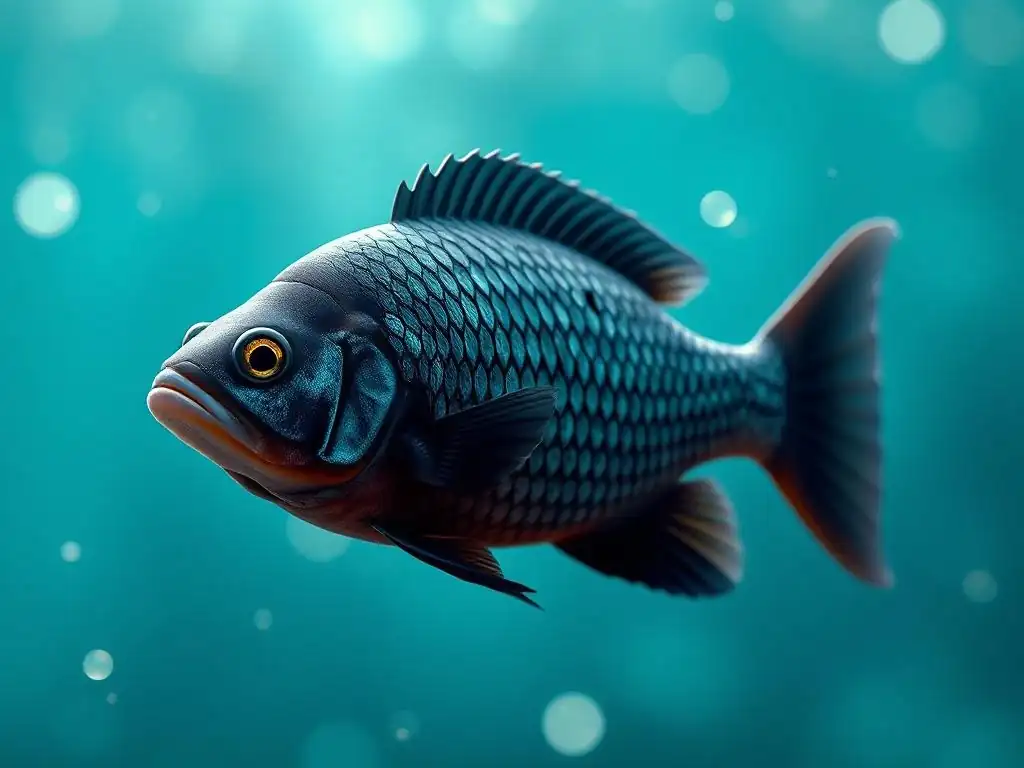
With proper implementation of a comprehensive Schwartzi Corydoras care guide, these delightful fish can enjoy a lifespan of approximately 3 to 5 years in a well-maintained home aquarium. Exceptional care, including consistent water quality, a nutritious diet, and a stress-free environment, can even extend their lives up to 7 years. Their longevity is directly tied to the stability and quality of their habitat, emphasizing the importance of diligent tank maintenance.
Schwartzi Corydoras are renowned for their peaceful and highly social demeanor. They are active bottom-dwellers, constantly sifting through the substrate with their delicate barbels in search of food particles. This foraging behavior is not only fascinating to watch but also beneficial for the aquarium's health.
They exhibit strong schooling behavior, preferring to be kept in groups of at least six individuals. This schooling instinct provides them with security and allows them to display their natural behaviors more confidently. Occasionally, you may observe them darting to the surface for a quick gulp of air, a normal behavior for Corydoras as they possess a modified intestine that allows them to utilize atmospheric oxygen.
Purchasing Schwartzi Corydoras: Selecting Healthy Specimens
When purchasing Schwartzi Corydoras, selecting healthy specimens is crucial for their successful integration into your aquarium. Look for fish that are active and alert, swimming freely and exhibiting their characteristic foraging behavior. Their eyes should be clear, and their barbels should be intact and free from any signs of erosion or damage.
Fins should be full, without tears, clamping, or any indications of rot. The body should appear plump, not sunken, which indicates they are well-fed and in good condition. The labyrinth pattern should be clear and distinct, without any signs of fading or dullness, which can sometimes indicate stress or illness.
It is highly recommended to purchase Schwartzi Corydoras from reputable local fish stores or established online breeders who demonstrate excellent husbandry practices. Inquire about their source and any quarantine procedures they implement. A good dealer will have clean tanks, healthy-looking stock, and knowledgeable staff who can answer questions about their care. Avoid purchasing fish from tanks with diseased or dead specimens, as this increases the risk of introducing pathogens into your home aquarium.
Troubleshooting Common Schwartzi Corydoras Issues
Addressing Common Problems: Loss of Color and Solutions
A common issue observed in Schwartzi Corydoras is a loss of their vibrant labyrinth pattern or a general paling of their body coloration. This symptom is typically an indicator of stress, poor water quality, an inadequate diet, or the onset of illness. Stressors can include aggressive tank mates, insufficient hiding spots, overcrowding, or sudden fluctuations in water parameters. A diet lacking essential vitamins and minerals can also contribute to dull coloration over time, diminishing the unique aesthetic that makes them so appealing.
To address color loss, begin by thoroughly checking all water parameters, including ammonia, nitrite, nitrate, pH, and temperature, to ensure they are within the optimal range outlined in this Schwartzi Corydoras care guide. Perform a partial water change if any parameters are outside the recommended levels. Next, review their diet to ensure they are receiving a varied and nutritious intake, incorporating high-quality sinking pellets and regular supplements of live or frozen foods.
Confirm they are housed in a group of at least six individuals and have ample hiding places to reduce stress. If other symptoms accompany the color loss, consider specific disease treatments after proper diagnosis.
Maintaining Optimal Water Parameters for Schwartzi Corydoras: A Checklist
Maintaining optimal water parameters is the cornerstone of a successful Schwartzi Corydoras care guide and crucial for preventing most common health issues. A reliable liquid test kit is an indispensable tool for consistent monitoring. Ammonia and nitrite levels must always be 0 ppm, as even trace amounts are highly toxic; test these daily during tank cycling and weekly once the tank is established.
Nitrate levels should be kept below 20 ppm through regular partial water changes, typically 25-30% weekly, to prevent their accumulation. The pH should be checked weekly, ideally maintaining it between 6.0 and 7.5, with stability being more important than hitting an exact number.
Beyond testing, adhering to a strict routine maintenance schedule is vital. This includes the aforementioned weekly partial water changes, which are the most effective method for pollutant removal. Regularly clean the substrate surface to remove detritus, but avoid deep vacuuming of the entire tank at once to preserve beneficial bacterial colonies.
Rinse filter media in old tank water (never chlorinated tap water) to prevent killing beneficial bacteria. Finally, routinely check all aquarium equipment, such as heaters and filters, to ensure they are functioning correctly. This proactive and consistent approach to water management ensures a stable, healthy environment, minimizing stress and disease risk for your Schwartzi Corydoras.
Conclusion: Mastering Schwartzi Corydoras Care for a Thriving Aquarium
Frequently Asked Questions
How difficult is it to care for Schwartzi Corydoras?
Schwartzi Corydoras are generally considered easy to care for, making them a good choice for beginner to intermediate aquarists. They are hardy fish and adapt well to a range of water parameters. Consistent tank maintenance is still key.
What is the ideal tank size for a group of Schwartzi Corydoras?
A minimum tank size of 20 gallons is recommended for a small group of 6-8 Schwartzi Corydoras. This provides enough space for them to school and forage naturally. Larger tanks are always preferable.
What type of substrate is best for Schwartzi Corydoras?
A soft, sandy substrate is ideal for Schwartzi Corydoras. This allows them to sift through the sand for food without damaging their delicate barbels. Avoid sharp gravel, which can injure them.
What should I feed my Schwartzi Corydoras?
Schwartzi Corydoras are omnivores, so offer a varied diet of sinking pellets, flake food, and small live or frozen foods like bloodworms and daphnia. Ensure the food reaches the bottom of the tank where they feed.
What water parameters are best for Schwartzi Corydoras?
Maintain a water temperature of 72-79°F (22-26°C), a pH of 6.0-7.5, and a hardness of 5-12 dGH. Regular water changes are essential to keep the water clean and healthy.
Final Reflection: Unveiling the Beauty of Responsible Care
The journey of understanding the Corydoras schwartzi extends far beyond simply keeping them alive; it's about appreciating the intricate beauty of their labyrinthine patterns and the delicate balance of their natural habitat. This care guide, therefore, is not just a set of instructions, but a call to responsible stewardship, urging aquarists to move beyond mere ownership and embrace the role of conscientious guardians. The survival and thriving of these captivating creatures depend on our commitment to providing them with the optimal environment.
The mesmerizing patterns of the C. schwartzi serve as a constant reminder of the intricate beauty and interconnectedness of the natural world. My own fascination with these fish has deepened my appreciation for the delicate ecosystems they inhabit, and reinforces the importance of ethical sourcing and sustainable practices within the aquarium hobby. In the end, we will conserve only what we love; we will love only what we understand; and we will understand only what we are taught.
- Baba Dioum. This quote encapsulates the very essence of responsible fishkeeping: understanding and appreciation lead to love and, ultimately, to conservation.
Now, armed with this knowledge, I invite you to reflect on your own role in the aquarium hobby. Consider the impact of your choices, from selecting ethically sourced fish to meticulously maintaining a healthy and thriving environment. Let the Schwartzi Corydoras be a symbol of your commitment to responsible care, inspiring you to create a miniature ecosystem that not only showcases their beauty but also contributes to their long-term well-being. Embrace the challenge, and become a true guardian of these labyrinth-patterned swimmers.
Unleash the Schwartzi Spectacle!
Thank you for exploring the captivating world of Corydoras schwartzi! We hope you've gained a newfound appreciation for these labyrinth-patterned swimmers. Now, it's time to bring that knowledge to life.
- Take the plunge and introduce a small group of C. schwartzi to your community aquarium, witnessing their unique social dynamics firsthand.
- Dive deeper by researching suitable tank mates and optimal water parameters to create the perfect environment for them.
- Share your newly acquired Schwartzi knowledge with other aquarium enthusiasts to broaden understanding and conservation.
What innovative aquascaping ideas will you implement to showcase the beauty of your Schwartzi Corydoras?